4.2 - The 1926 General Strike & Late 20th-century Reform
Key facts and dates
The 1926 General Strike represented a major clash between workers and the government over economic hardships in the coal industry, highlighting tensions in industrial relations. Later reforms in the 20th century further transformed union powers and public views on labour disputes.
Timeline of key events
- 1925 – Coal prices fall due to foreign competition, prompting owners to demand longer hours and pay cuts.
- March 1926 – Samuel Commission recommends wage reductions but rejects longer hours; findings are rejected by unions.
- May 1926 – Trade Union Congress (TUC) calls a General Strike on 3 May, involving over 1.7 million workers; government deploys volunteers and emergency powers.
- 12 May 1926 – TUC ends the strike after nine days, citing lack of progress; miners continue striking until November.
- 1980s – Legislation under Thatcher government restricts union activities, including secondary picketing and secret ballots.
Causes of the 1926 General Strike
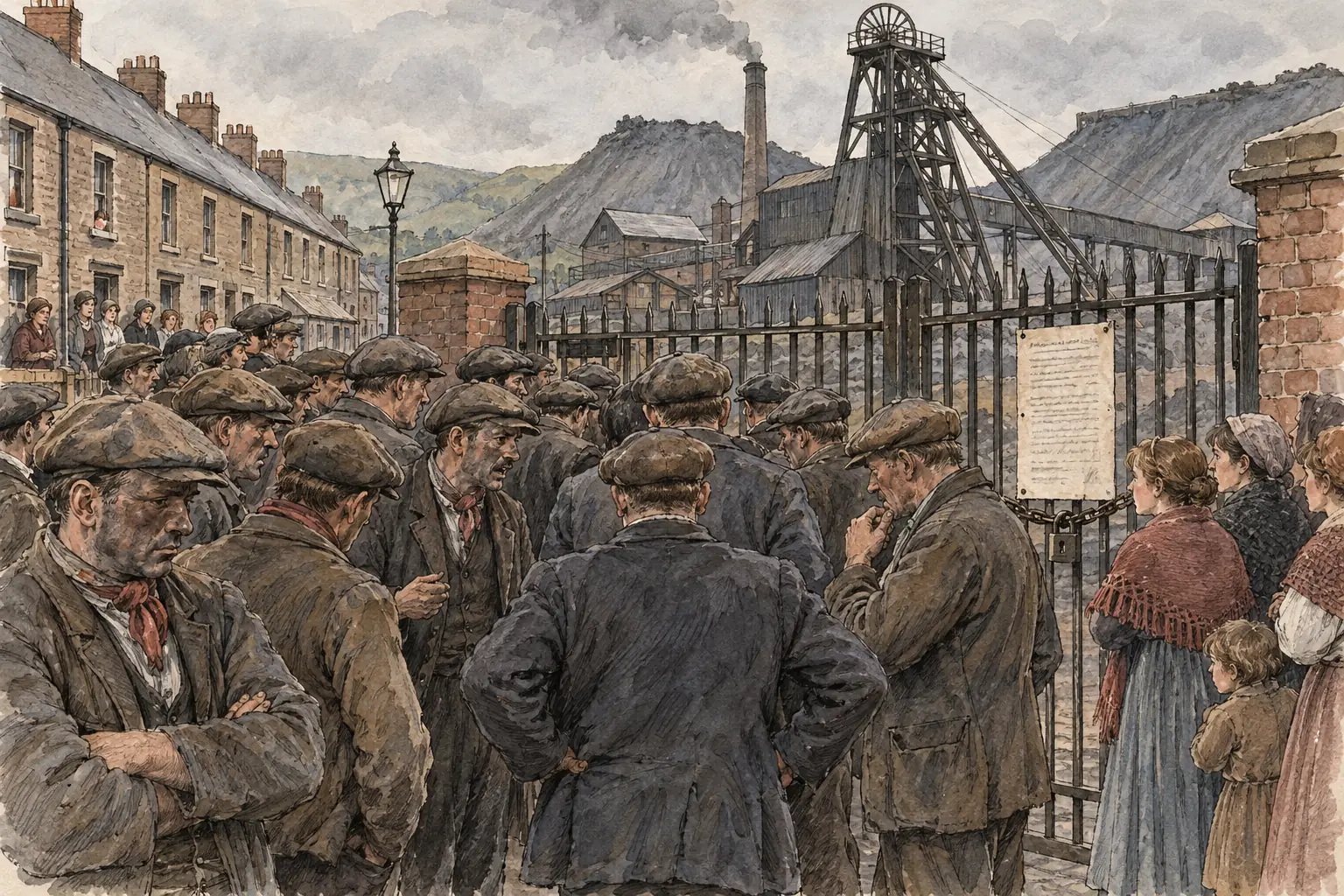
Economic pressures in the coal sector triggered widespread industrial action in Britain during the 1920s. Declining demand and international competition created hardships for miners, leading to demands that escalated into a national dispute.
Economic factors behind the coal crisis
- Falling coal prices - Post-World War I, British coal faced competition from cheaper imports from Germany and Poland, reducing export markets and forcing mine owners to cut costs.
- Owners' demands - To maintain profits, coal owners proposed increasing working hours from seven to eight per day and reducing wages by up to 13%, which miners viewed as unacceptable.
- Samuel Commission - Established in 1925 to investigate the industry, the Samuel Commission suggested short-term pay cuts and mine reorganisations but opposed longer hours; both sides rejected the report, heightening tensions.
These issues reflected broader economic challenges, including the return to the gold standard in 1925, which made British exports more expensive and worsened unemployment.
Coordination and events of the General Strike
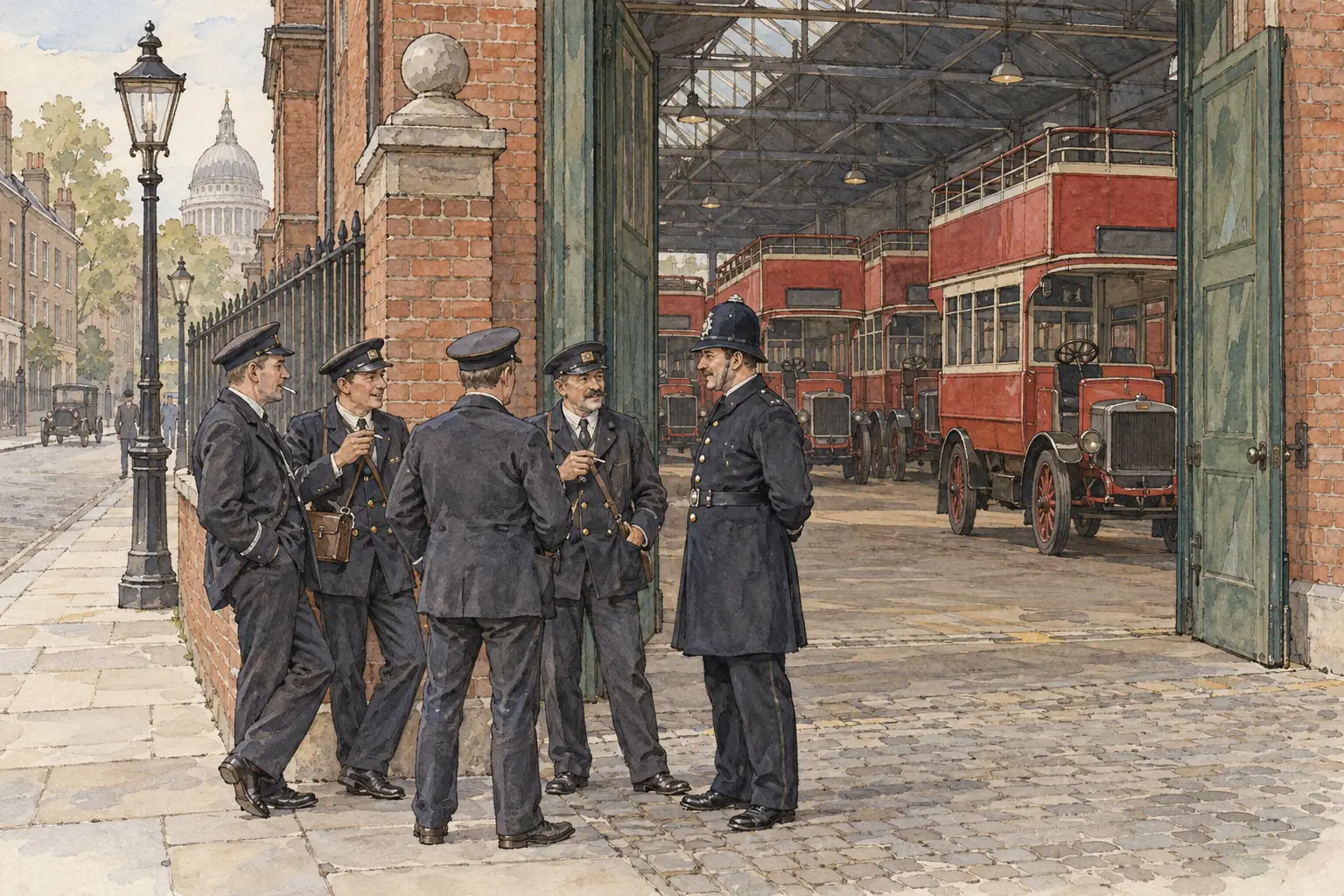
The Trade Union Congress (TUC) organised a nationwide sympathy strike to support miners, drawing in workers from various sectors. This action demonstrated solidarity but also revealed the complexities of managing a large-scale stoppage.
Role of the TUC in organising the strike
- Sympathy action - Starting on 3 May 1926, the TUC coordinated strikes in key industries like transport, printing, and heavy manufacturing, aiming to pressure the government into subsidising miners' wages.
- Diversity of participants - Workers from diverse backgrounds joined, including significant numbers of women in roles like textiles and services, though contemporary accounts often overlooked their contributions; later historical analyses have emphasised the involvement of marginalised groups such as ethnic minorities in urban areas.
- Daily operations - Strikers used bulletins and meetings to maintain morale, while avoiding violence to keep public support; however, coordination challenges arose due to limited communication tools.
The strike involved around 1.7 million workers and halted much of Britain's economy, underscoring the power of collective action.
Government preparations and the strike's end
Image 1 of 2: Middle-class volunteers kept some buses running, with police to protect them
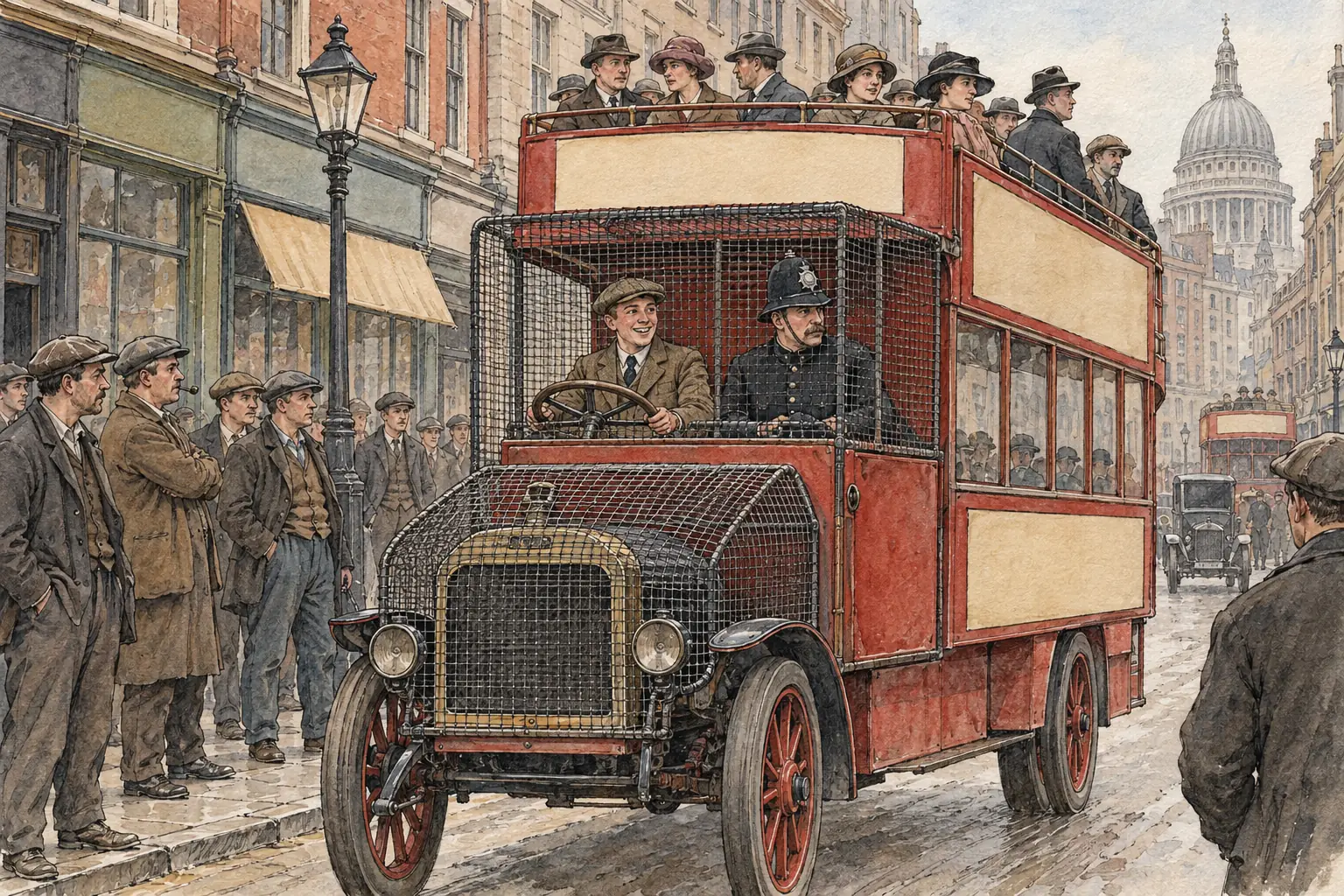
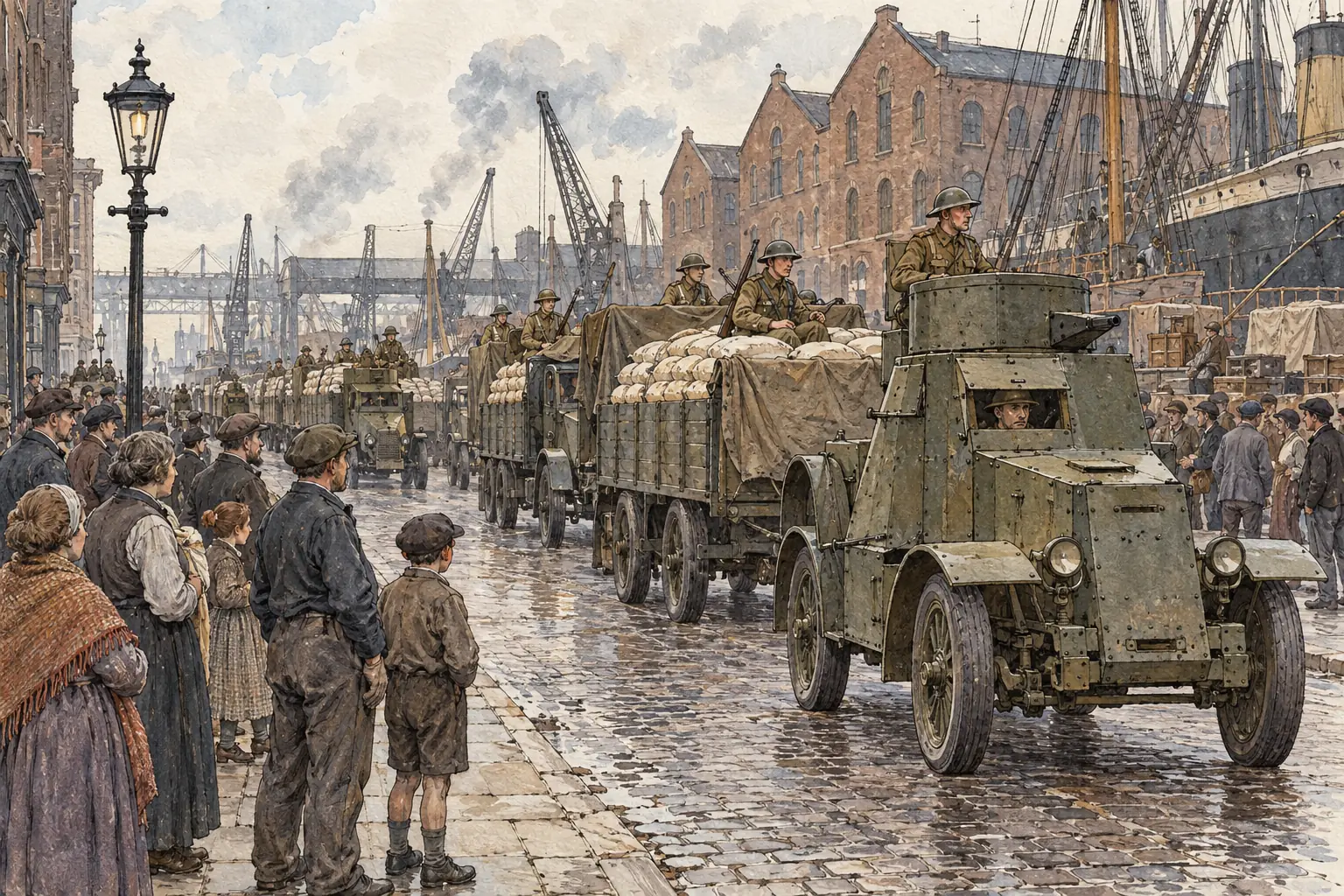
The Conservative government, led by Stanley Baldwin, anticipated the strike and implemented measures to minimise disruption. These efforts, combined with internal union divisions, led to the action's swift conclusion.
Government's strategies during the strike
- Volunteer recruitment - The Organisation for the Maintenance of Supplies enlisted middle-class volunteers to operate essential services like buses and trains, ensuring food distribution continued.
- Emergency powers - Under the Emergency Powers Act 1920, the government declared a state of emergency, allowing arrests for sedition and control over transport.
- BBC messaging - The British Broadcasting Company (BBC) broadcast government-approved messages to portray the strike as unconstitutional, influencing public opinion against the unions.
The strike ended on 12 May 1926 when the TUC called it off, fearing legal repercussions and escalation; miners persisted alone until November, accepting reduced terms.
Impacts on trade union strength
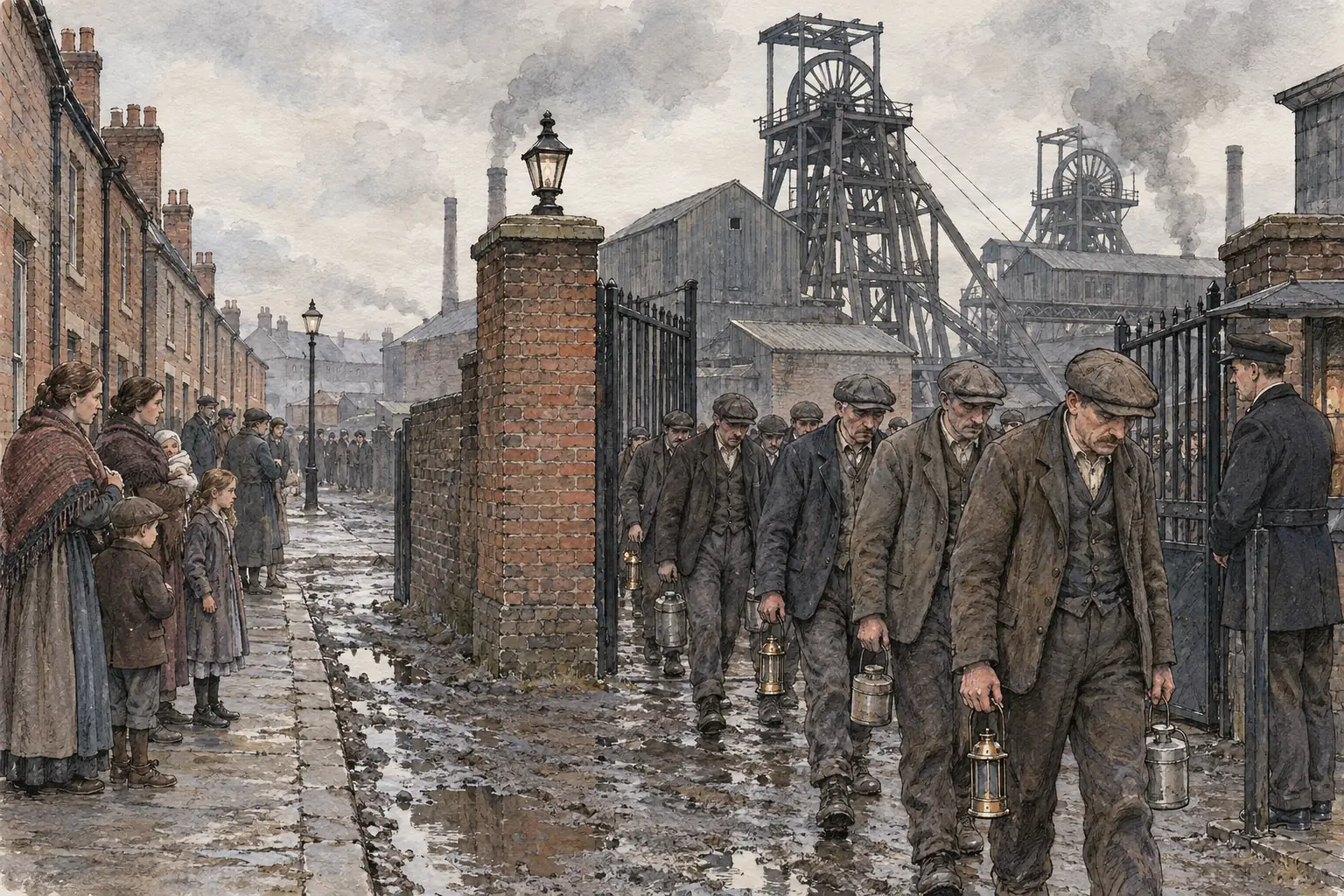
The General Strike weakened unions immediately but had lasting effects on their role in British society. It prompted reflection on industrial tactics and influenced future labour relations.
Consequences for unions
- Short-term setbacks - Unions faced reprisals, with many strikers losing jobs and the TUC paying heavy fines; the Trade Disputes Act 1927 banned sympathy strikes and restricted funding, reducing union leverage.
- Long-term decline - The failure eroded confidence in mass action, contributing to a gradual loss of membership and influence over decades; however, it also fostered greater unity among some groups.
- Shifts in ideas - The event highlighted economic inequalities, inspiring later campaigns for workers' rights, though it reinforced government resolve to curb union power.
Late 20th-century reforms and public attitudes
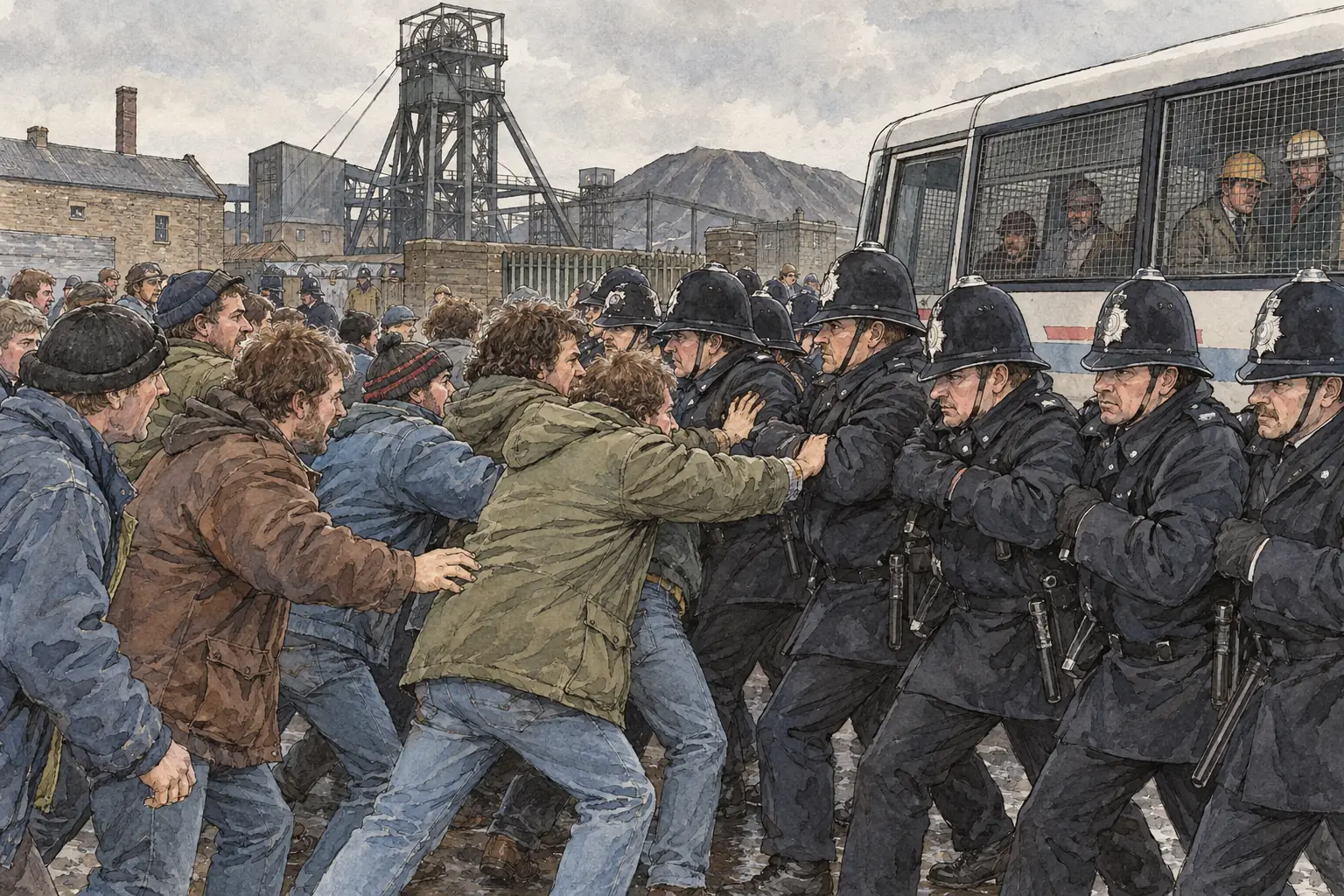
In the latter half of the 20th century, industrial relations underwent significant changes through legislation and evolving societal views. These reforms addressed ongoing tensions between workers, employers, and the state.
Key reforms in industrial relations
- 1980s legislation - Under Margaret Thatcher's government, acts like the Employment Act 1980 required secret ballots for strikes and banned secondary picketing, aiming to reduce union militancy; this followed disputes like the 1984-85 miners' strike.
- Changing public attitudes - Growing emphasis on individual rights over collective action shifted support away from unions, influenced by economic globalisation and deindustrialisation; media portrayals often framed strikes as disruptive.
Recognition of diverse contributions
Later movements, such as feminist and anti-racism campaigns in the 1970s and 1980s, drew attention to the roles of women and marginalised groups in historical strikes, challenging earlier narratives and promoting inclusive interpretations of labour history.