1.7 - 1924–29: Stresemann: Recovery, Diplomacy & Culture
Key facts and dates
The period from 1924 to 1929, often called the 'Golden Years' of the Weimar Republic, saw significant economic recovery and diplomatic progress under Foreign Minister Gustav Stresemann. These developments brought temporary stability but masked underlying weaknesses, as cultural advancements clashed with traditional values.
Timeline of key events
| Year | Event and significance |
|---|---|
| 1924 | Introduction of the Rentenmark stabilises the currency, followed by the Dawes Plan which provides US loans and reschedules reparations. |
| 1925 | Locarno Treaties signed, guaranteeing borders with France and Belgium and improving relations with Western powers. |
| 1926 | Germany joins the League of Nations, marking international rehabilitation. |
| 1928 | Kellogg-Briand Pact renounces war as a means of settling disputes, signed by Germany and 61 other nations. |
| 1929 | Young Plan reduces reparations and extends payment periods, but the Wall Street Crash exposes economic fragility. |
Currency stabilisation and the Dawes Plan
Gustav Stresemann's leadership as chancellor and later foreign minister played a central role in addressing the hyperinflation crisis of 1923 and fostering economic revival. Efforts focused on stabilising the currency and securing foreign investment to rebuild industry and infrastructure.
Measures for currency stabilisation
- Introduction of the Rentenmark - In 1924, a new temporary currency backed by land and industrial assets replaced the worthless Reichsmark, restoring confidence and ending hyperinflation.
- Transition to the Reichsmark - The Rentenmark was soon converted to the gold-backed Reichsmark, providing a stable foundation for trade and savings.
Features of the Dawes Plan
- US loans - Arranged $200 million in American loans to kickstart German industry, funding factories, railways, and public works.
- Reparations schedule - Reduced annual payments to manageable levels, starting at 1 billion marks and rising gradually, easing the burden from the Treaty of Versailles.
- International oversight - An American committee monitored implementation, ensuring funds were used effectively and promoting investor trust.
- Economic impacts - Led to rapid growth in exports, employment, and living standards, with industrial output surpassing pre-war levels by 1928.
Diplomatic achievements
Image 1 of 2: Stresemann with the French and British foreign ministers at Locarno in 1925, where Germany accepted its western borders
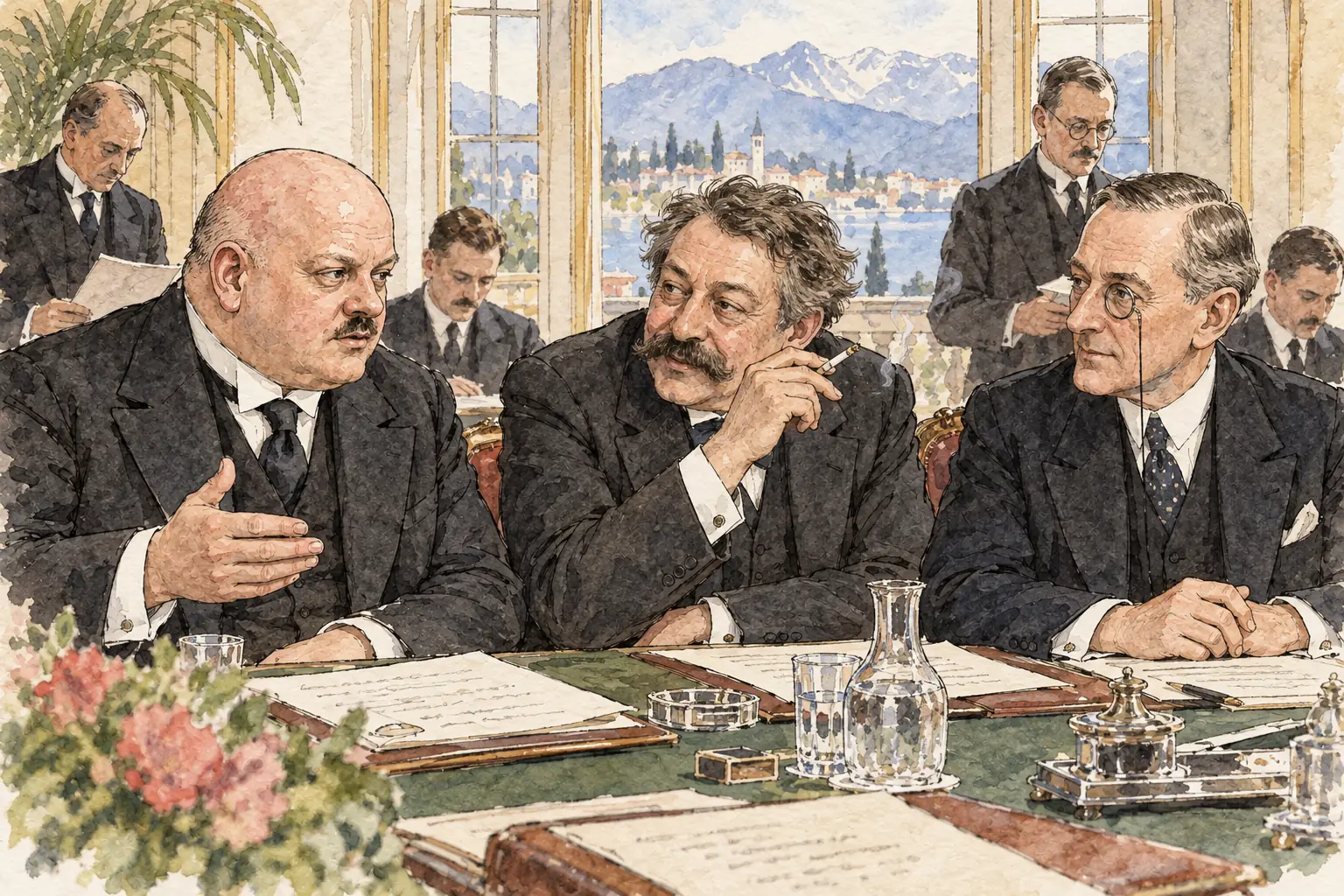
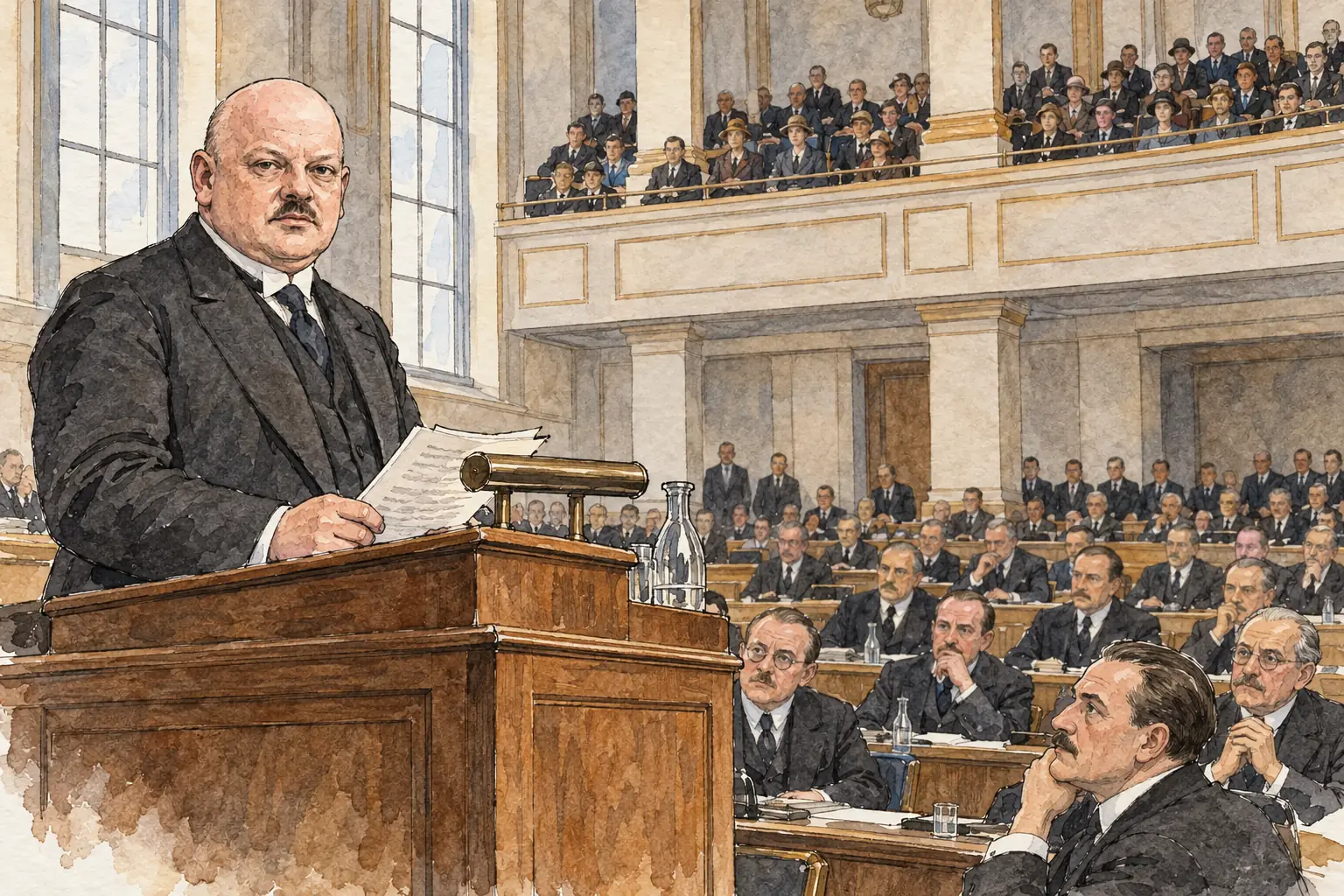
Stresemann pursued a policy of fulfilment, cooperating with the Treaty of Versailles to gain concessions and reintegrate Germany into the international community. This approach yielded key treaties and agreements that reduced isolation and fostered peace.
Key diplomatic milestones
| Milestone | Description |
|---|---|
| Locarno Treaties (1925) | Germany voluntarily recognised its western borders with France and Belgium, with mutual guarantees against aggression; Britain and Italy acted as guarantors, easing tensions and paving the way for further cooperation. |
| League of Nations entry (1926) | Germany's admission as a permanent council member signalled acceptance by former enemies, allowing participation in global decision-making. |
| Kellogg-Briand Pact (1928) | Germany joined this international agreement outlawing war, enhancing its peaceful image though the pact lacked enforcement mechanisms. |
| Young Plan (1929) | Negotiated a reduction in total reparations from 132 billion to 112 billion marks, with payments extended over 59 years, and ended foreign occupation of the Rhineland ahead of schedule. |
Social and cultural changes during the period
Image 1 of 2: Berlin's nightlife, where young women with bobbed hair and short skirts enjoyed new freedoms
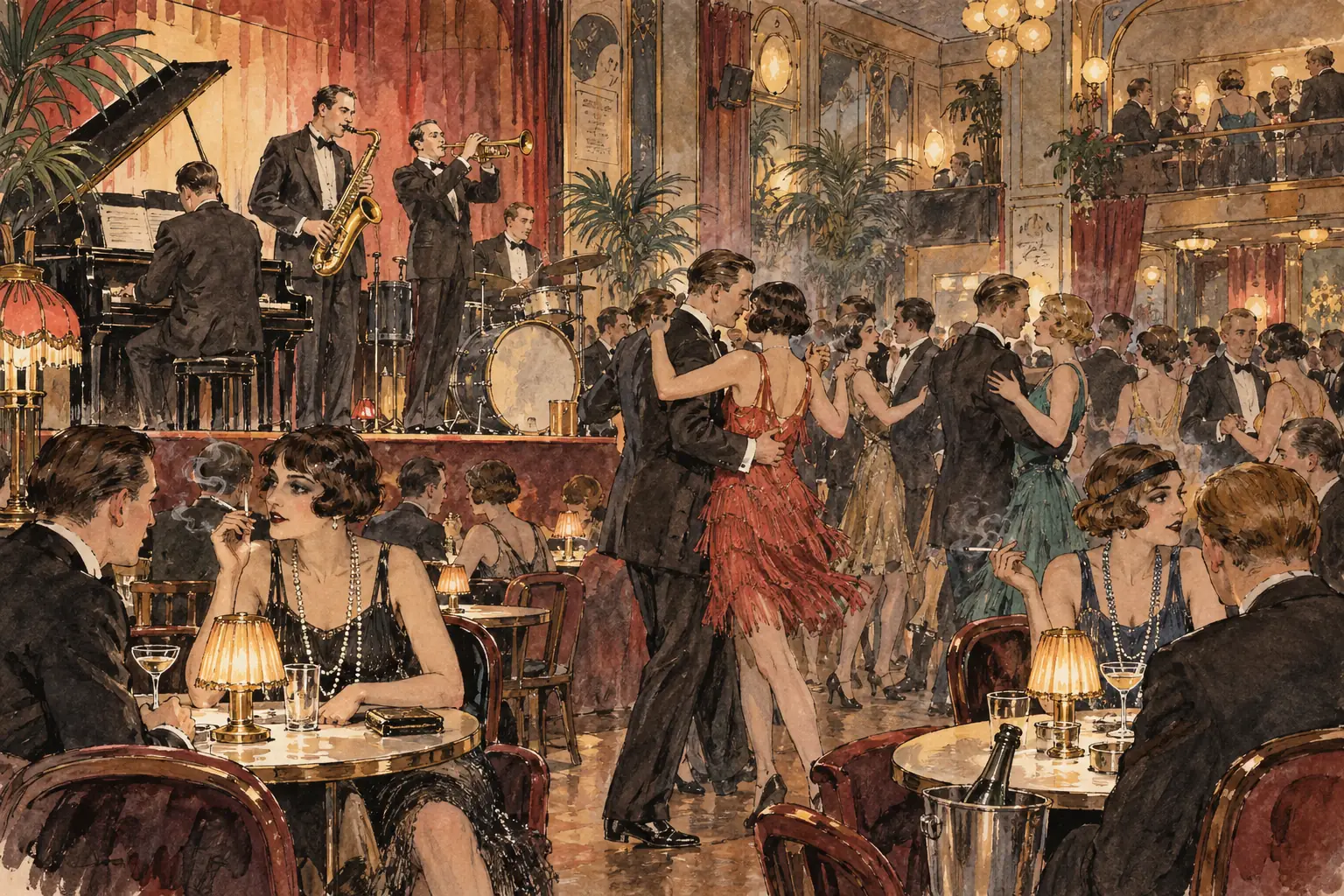
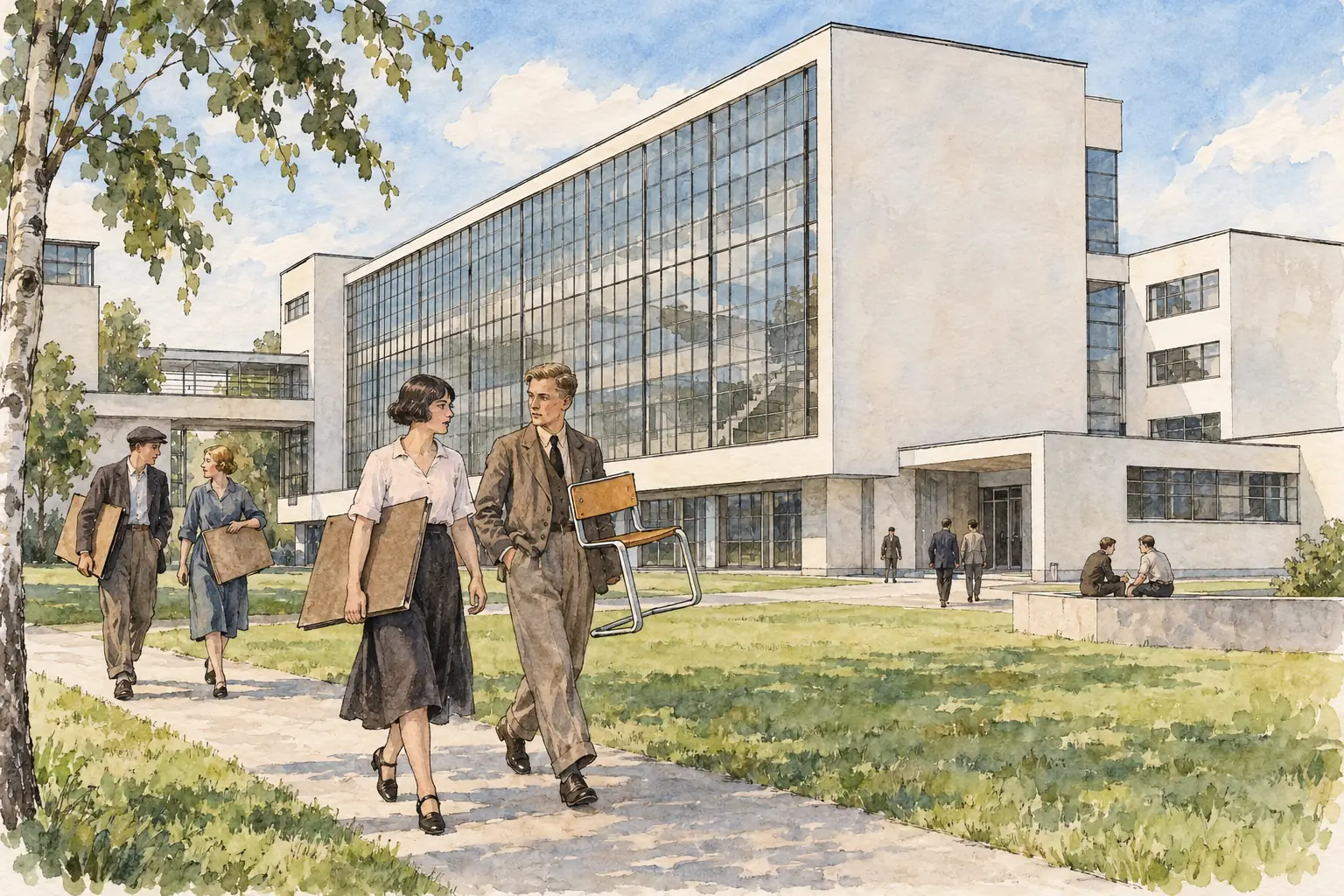
The mid-1920s brought a wave of modernisation and liberalisation, particularly in urban areas like Berlin, where new freedoms and artistic expressions flourished. However, these shifts provoked resistance from conservative groups who viewed them as moral decay.
Changes in women's roles
- Expanded opportunities - Women gained voting rights and entered the workforce in greater numbers, especially in offices and shops, with some pursuing careers in medicine and law.
- Social freedoms - Greater access to education and contraception allowed more independence, reflected in fashion trends like shorter skirts and bobbed hair.
Developments in culture and entertainment
- Nightlife and cabaret - Berlin's vibrant scene featured jazz clubs, dance halls, and satirical performances that challenged social norms and explored themes of sexuality and politics.
- Film industry - German cinema boomed with innovative directors like Fritz Lang, producing expressionist films such as Metropolis that addressed modern anxieties.
- Bauhaus movement - This design school promoted functional architecture and art, influencing global modernism with its emphasis on simplicity and mass production.
Backlash from traditionalists
- Conservative opposition - Rural and religious groups criticised urban excesses as decadent, associating them with Americanisation and the erosion of family values.
- Political resistance - Right-wing parties decried cultural changes as un-German, fuelling propaganda against the republic's perceived immorality.
Beneficiaries and remaining vulnerabilities
While the recovery improved conditions for many, benefits were unevenly distributed, and structural weaknesses persisted. Urban workers and the middle class gained most, but rural areas lagged, and the system remained fragile.
Groups that benefited from recovery
- Urban workers - Rising wages and shorter working hours, along with welfare reforms like unemployment insurance, improved living standards.
- Middle class - Economic growth restored savings and property values, with access to consumer goods like radios and cars.
- Industrialists - Foreign loans boosted production, leading to profits in sectors like chemicals and steel.
Persistent vulnerabilities in the Weimar system
- Reliance on foreign credit - Heavy dependence on short-term US loans made the economy vulnerable to global downturns, as seen in the 1929 crash.
- Fractured party politics - Proportional representation led to unstable coalitions, with frequent government changes weakening effective governance.
- Hostile elites - Army officers, judges, and landowners remained loyal to the old monarchy, undermining the republic through biased rulings and covert opposition.
Assessment of Weimar's stabilisation by 1929
By 1929, the Weimar Republic appeared more stable than in its early years, with economic prosperity and diplomatic successes fostering optimism. However, this stability was superficial, as underlying issues left it exposed to future crises.
Balanced judgement on stabilisation
- Achievements in stabilisation - Currency reforms ended hyperinflation, while treaties normalised relations with Europe, reducing the threat of invasion and boosting trade.
- Limitations and instabilities - Cultural divisions deepened social rifts, and economic reliance on foreign aid proved unsustainable; political fragmentation prevented strong leadership.
- Overall evaluation - Weimar had achieved partial recovery, benefiting urban populations and integrating Germany internationally, but vulnerabilities like elite hostility and economic dependence meant true long-term stability remained elusive, setting the stage for collapse in the 1930s.