2.1 - The Depression: Crisis, Unemployment & Extremism
Key facts and dates
The Great Depression, triggered by the 1929 Wall Street Crash, devastated Germany's fragile economy, leading to mass unemployment, social hardship, and political instability. This period eroded faith in the Weimar Republic and fuelled the growth of extremist parties, setting the stage for radical change.
Timeline of key events
| Date | Event |
|---|---|
| October 1929 | Wall Street Crash in the USA sparks a global economic downturn, causing American banks to recall loans from Germany. |
| 1930 | Unemployment in Germany rises sharply to over 3 million, prompting widespread poverty and protests. |
| March 1930 | Heinrich Brüning appointed chancellor, introduces deflationary policies through emergency decrees. |
| 1930–1932 | Brüning's government relies heavily on Article 48, bypassing the Reichstag and weakening democratic processes. |
| July 1932 | NSDAP wins 37% of the vote in Reichstag elections, becoming the largest party amid economic chaos. |
| November 1932 | Further elections show continued polarisation, with NSDAP and KPD together holding over 50% of seats. |
1929 Wall Street Crash and its impact on Germany
Image 1 of 2: Crowds gather outside the New York Stock Exchange as share prices collapse in October 1929
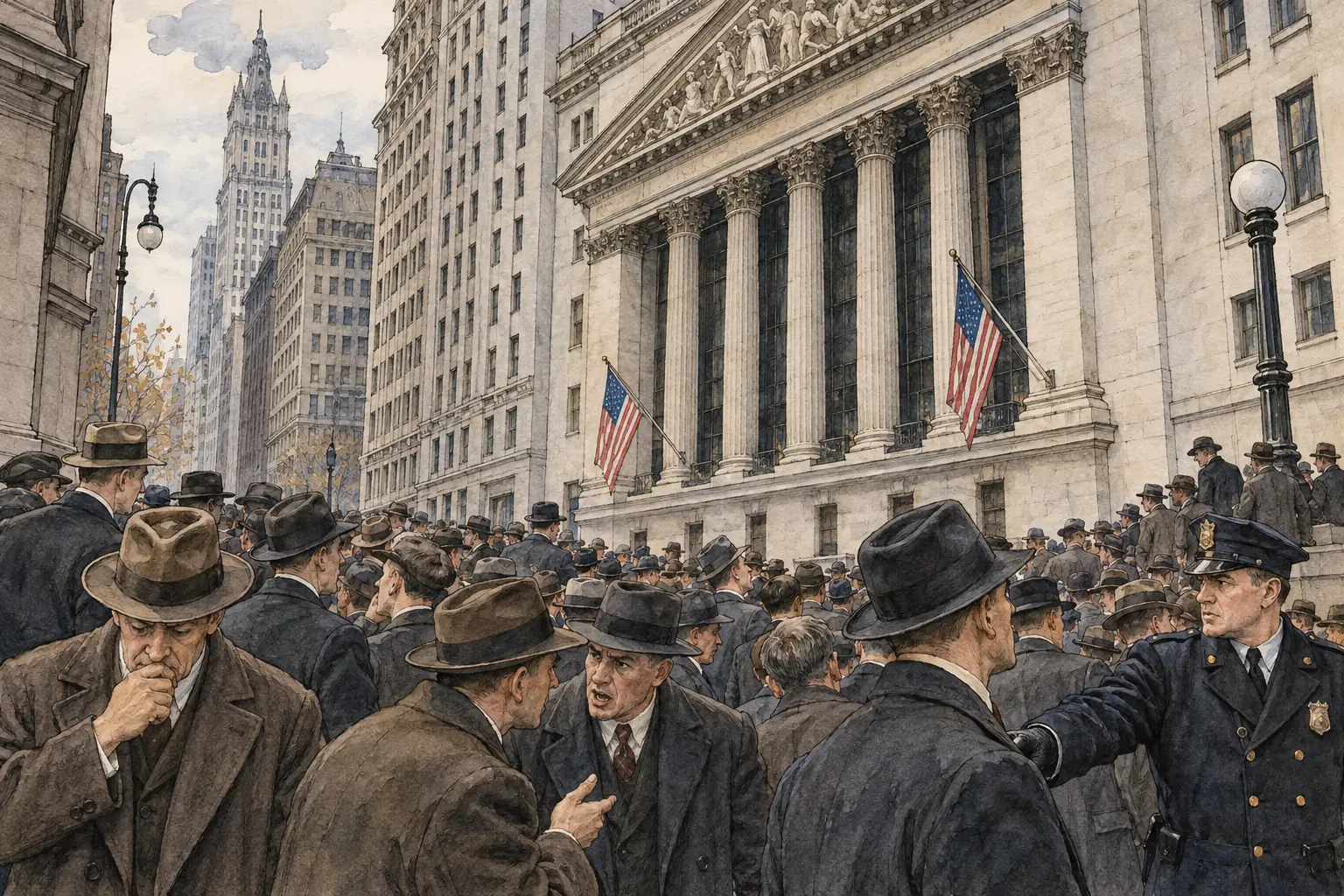
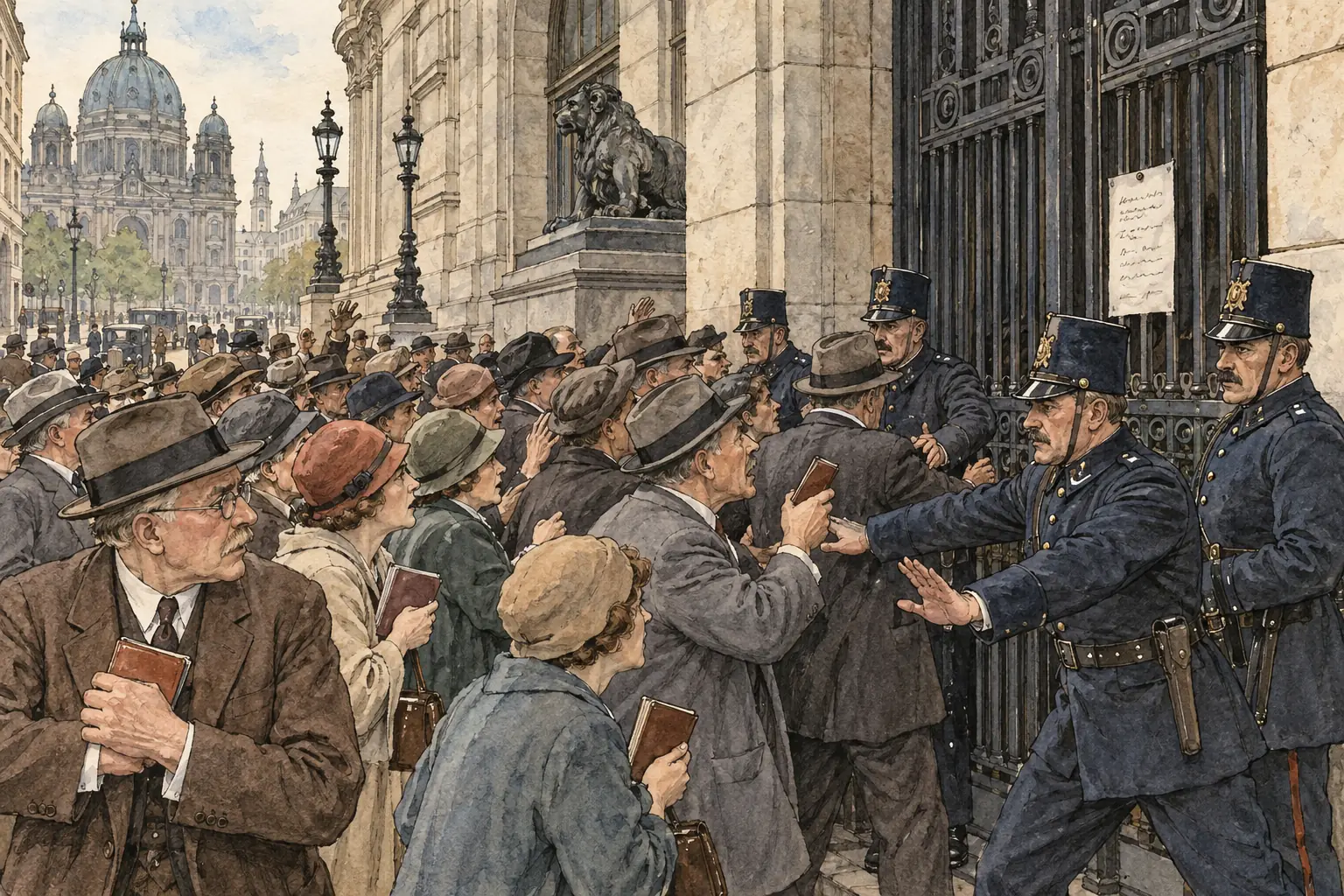
The Wall Street Crash of October 1929 marked the collapse of the American stock market, triggering a worldwide economic crisis. Germany, heavily reliant on foreign loans to rebuild after the First World War, was particularly vulnerable, as the sudden withdrawal of American funds created a severe financial shortfall.
How the crash triggered Germany's economic downturn
- Dependence on American loans - During the 1920s, Germany borrowed extensively from the USA under the Dawes Plan to stabilise its economy and pay reparations. The crash led banks to demand immediate repayment, cutting off this vital credit line.
- Collapse of trade and industry - Global demand for goods plummeted, hitting Germany's export-dependent sectors like manufacturing and agriculture hard. Factories closed, and agricultural prices fell, exacerbating the crisis.
- Banking failures - German banks, overextended by foreign debts, faced runs on deposits and widespread insolvency, further paralysing the economy and amplifying the downturn's effects.
Surge in unemployment and social consequences
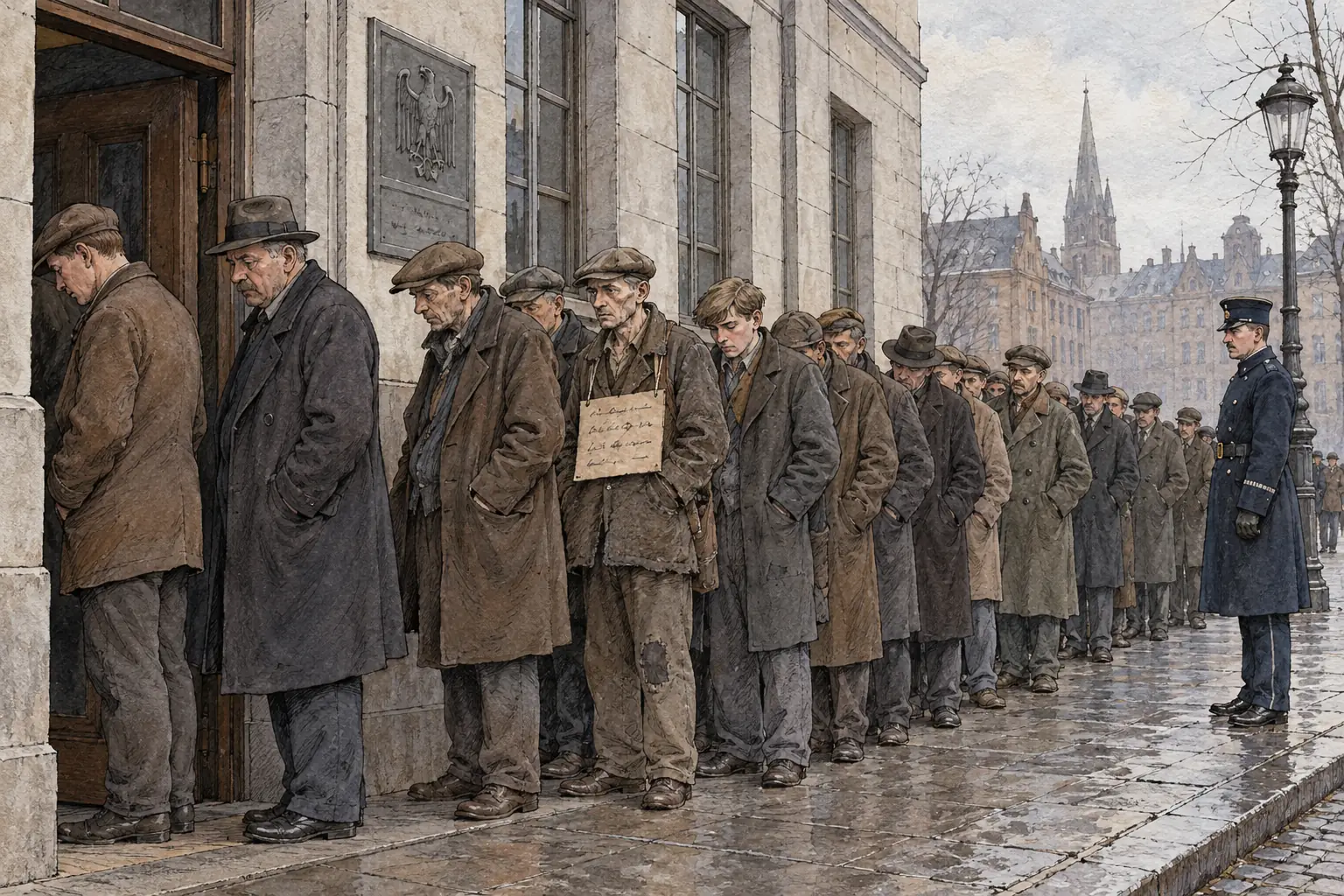
Unemployment soared dramatically in Germany following the crash, rising from around 1.3 million in 1929 to over 6 million by 1932. This mass joblessness created profound social distress, undermining the stability of the Weimar Republic.
Social effects of rising unemployment
- Widespread poverty - Millions of families lost their incomes, leading to homelessness, malnutrition, and reliance on inadequate soup kitchens or charity. Urban areas saw a sharp increase in beggars and makeshift shantytowns.
- Cuts to welfare systems - The government, facing budget shortfalls, reduced unemployment benefits and social services, leaving many without support and deepening inequality between the employed and jobless.
- Rise in street politics - Desperation fuelled public protests, strikes, and clashes between rival political groups. Unemployed workers often joined paramilitary organisations, turning economic frustration into visible social unrest.
Brüning's policies and the erosion of democracy
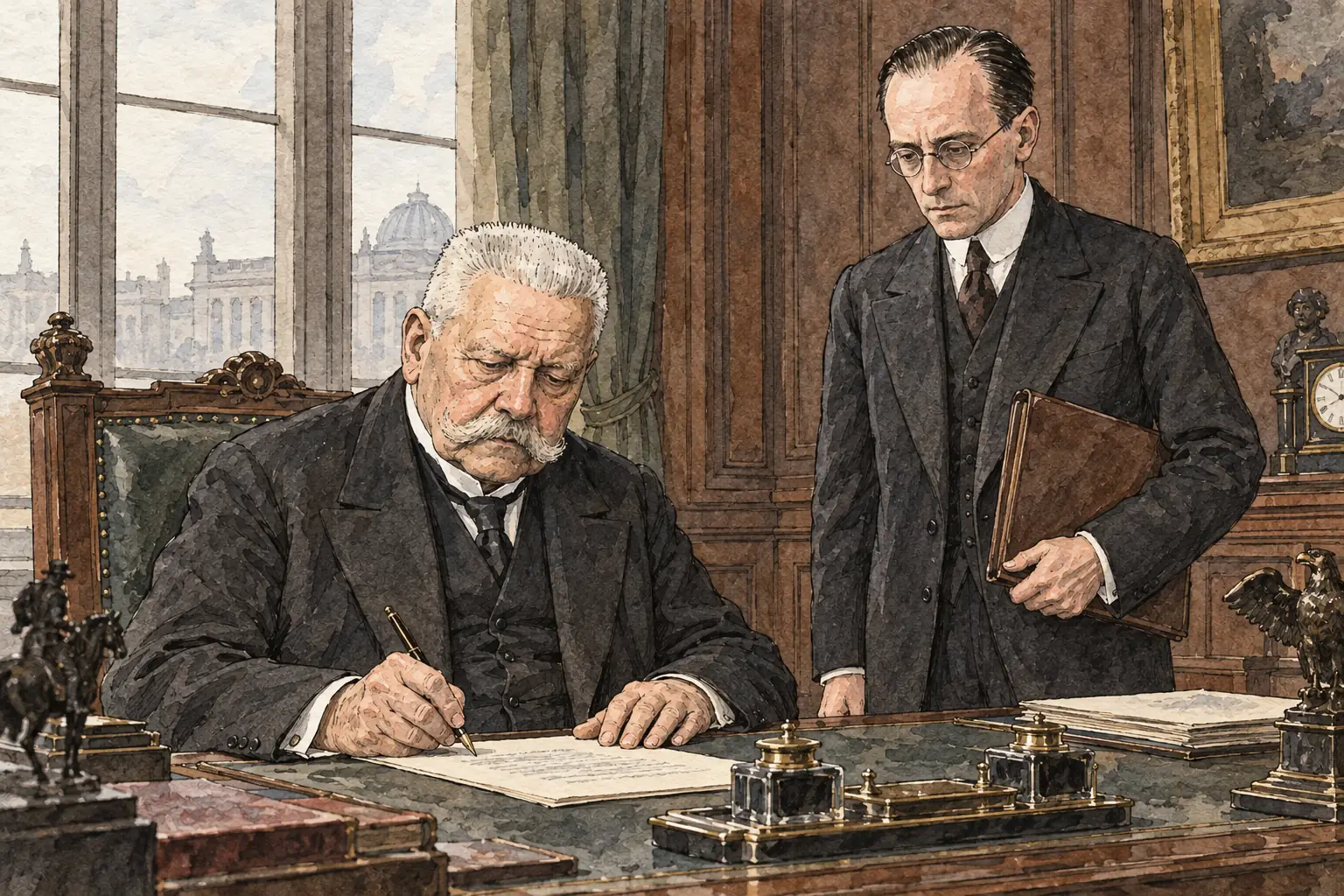
Heinrich Brüning, appointed chancellor in March 1930, responded to the crisis with deflationary measures aimed at balancing the budget. However, these policies intensified hardship and contributed to the weakening of democratic institutions in the Weimar Republic.
Key aspects of Brüning's approach
- Deflationary policies - Brüning cut government spending, raised taxes, and reduced wages to combat inflation and restore investor confidence. These austerity measures deepened the recession by lowering consumer spending and increasing unemployment.
- Reliance on Article 48 - Facing a divided Reichstag, Brüning governed through presidential emergency decrees under Article 48 of the Weimar Constitution, bypassing parliamentary approval and setting a precedent for authoritarian rule.
- Erosion of democratic norms - This shift reduced the Reichstag's influence, fostering political instability through frequent dissolutions and elections. It alienated voters and highlighted the republic's fragility, paving the way for anti-democratic forces.
Rise of political extremism and polarisation
The economic collapse created fertile ground for radical ideologies, as moderate parties failed to address the crisis effectively. This led to growing support for extremist groups on both the left and right, polarising German society.
Factors linking economic pain to extremism
- Growth of the NSDAP - The National Socialist German Workers' Party (NSDAP), led by Adolf Hitler, capitalised on economic despair by promising jobs, national revival, and scapegoating minorities. Their vote share surged from 2.6% in 1928 to 37.3% in July 1932.
- Rise of the KPD - The Communist Party of Germany (KPD) attracted unemployed workers with calls for revolution and workers' rights, increasing their support to 16.9% by November 1932 and intensifying fears of a Bolshevik-style uprising.
- Causation and polarisation - Economic suffering eroded trust in democracy, making radical solutions appealing. The middle class feared communism, turning to the NSDAP for protection, while workers supported the KPD, creating a divided political landscape that moderate parties could not bridge.. The course is GCSE History.