3.3 - Trade Unionism: GNCTU, Tolpuddle & Early Reform
Key facts and dates
The rise of trade unionism during the Industrial Revolution represented a response to harsh working conditions and economic changes, building on earlier forms of worker organisation. Despite government opposition, key events and figures highlighted growing demands for reform, influencing the development of labour rights in Britain.
Timeline of key events
| Date | Event |
|---|---|
| Early 1800s | Unrest among workers, including Luddite machine-breaking protests (1811–1816) and Swing Riots by agricultural labourers (1830). |
| 1825 | Combination Act legalises trade unions but restricts activities like strikes. |
| 1833 | Robert Owen founds the Grand National Consolidated Trades Union (GNCTU) to unite workers across trades. |
| 1834 | Tolpuddle Martyrs arrested for oath-taking; sentenced to transportation to Australia. |
| 1837 | Glasgow Cotton Spinners convicted for violent strike actions, drawing attention to union suppression. |
| 1838 | Chartist movement emerges, supporting union causes and demanding political reforms. |
| 1842 | Public campaigns lead to pardons for the Tolpuddle Martyrs, boosting union sympathy. |
Context of early trade unionism
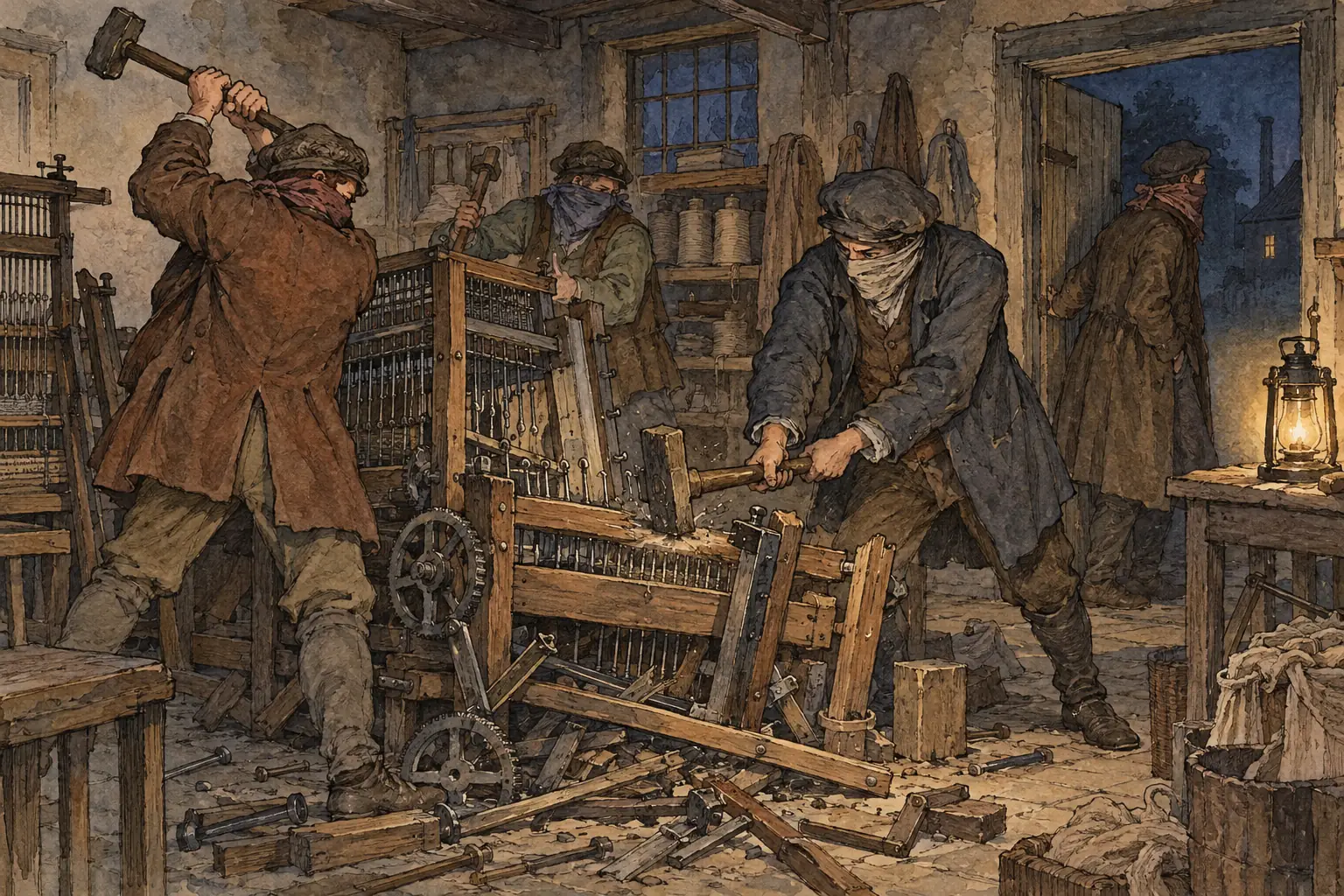
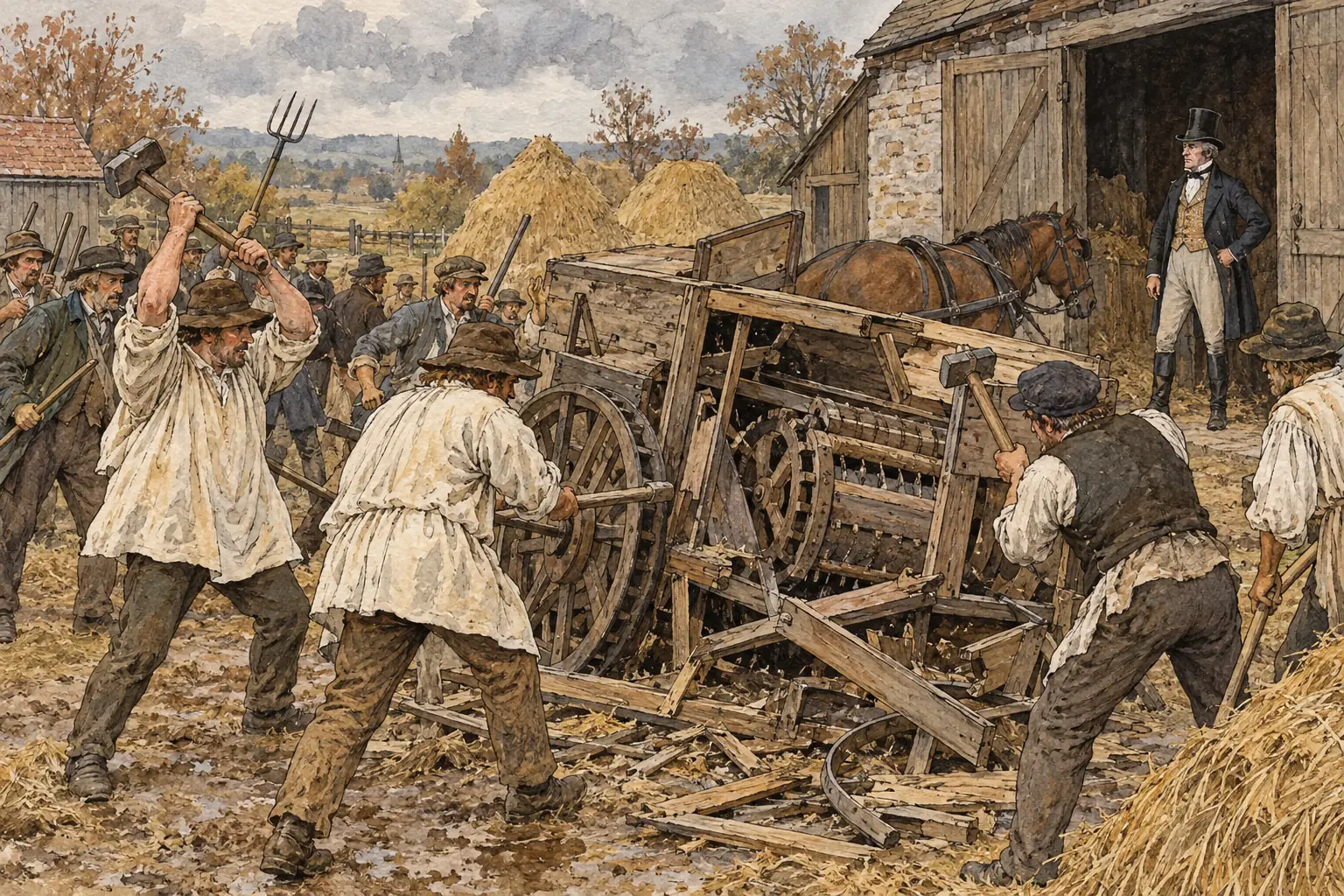
Image 1 of 2: Between 1811 and 1816 Luddites smashed the new machines they blamed for cutting their wages and jobs
The Industrial Revolution, spanning the late 18th and early 19th centuries, transformed Britain from an agrarian society to one dominated by factories and machinery. This shift created new challenges for workers, prompting the emergence of trade unions as a means of collective action.
Earlier traditions and worker unrest
- Guild systems - Medieval guilds, which regulated crafts and provided mutual support for artisans, laid early foundations for worker organisation, though they declined with industrialisation.
- Luddite protests (1811–1816) - Skilled workers, particularly in textiles, smashed machinery they blamed for job losses and wage cuts, reflecting resistance to technological change.
- Swing Riots (1830) - Agricultural labourers in southern England destroyed threshing machines and demanded better pay, highlighting rural discontent amid economic hardship.
These events occurred against a backdrop of rapid urbanisation, poor factory conditions, and economic inequality, setting the stage for organised unionism.
Robert Owen and the GNCTU
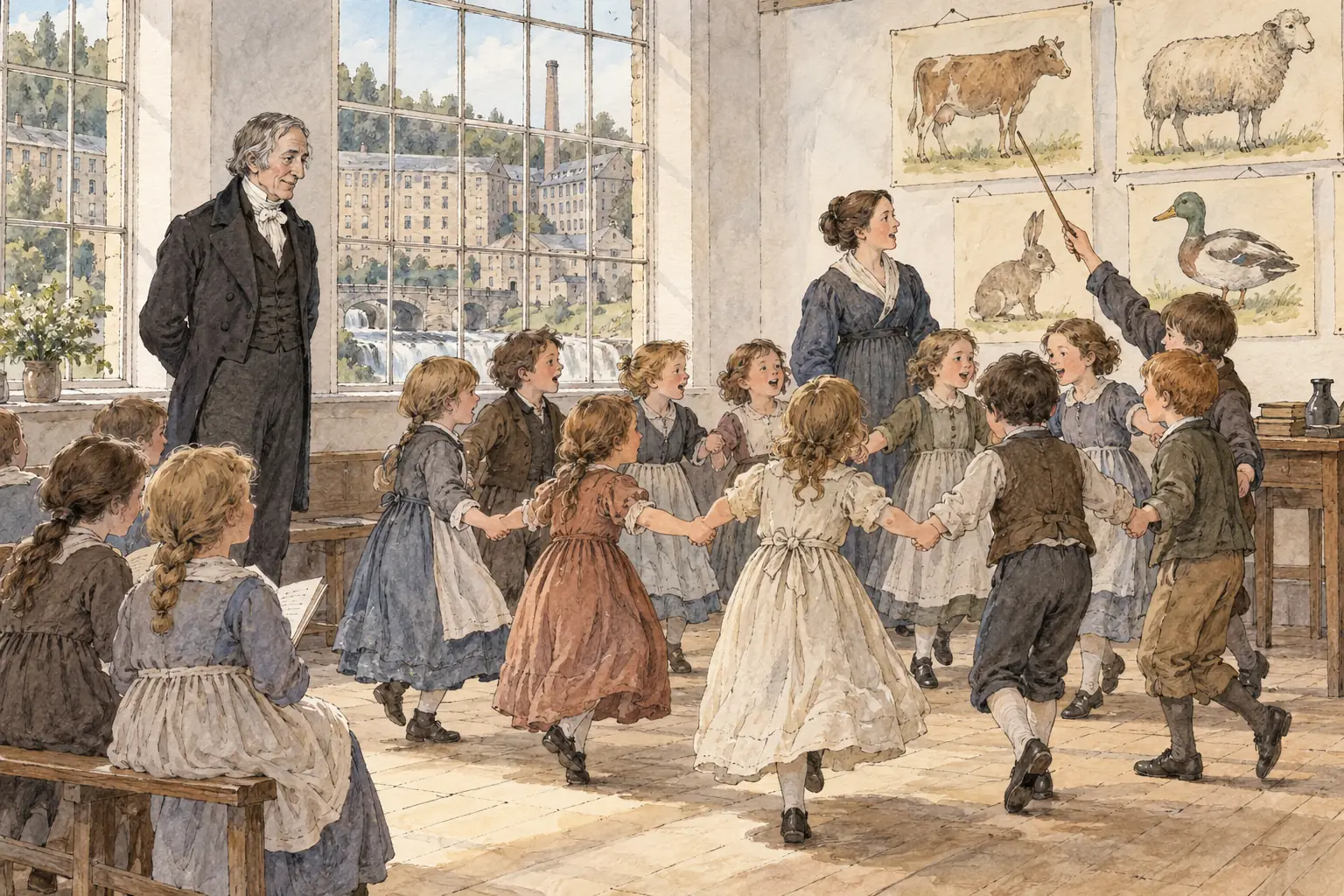
Robert Owen, a Welsh industrialist and social reformer, played a pivotal role in early trade unionism through his visionary ideas on cooperative labour. His influence extended beyond factory management to advocating for workers' rights on a national scale.
Owen's influence and the formation of the GNCTU
- Owen's reformist ideas - As owner of the New Lanark mills, Owen improved working conditions, reduced child labour, and promoted education, believing that better environments would enhance productivity and social harmony.
- Establishment of the GNCTU (1833) - Owen founded the Grand National Consolidated Trades Union to unite workers from various trades into one large organisation, aiming for collective bargaining and mutual support.
- Aims and challenges - The GNCTU sought to coordinate strikes and provide aid during disputes, but it faced internal divisions and collapsed within a year due to legal pressures and employer resistance.
Owen's efforts marked a shift towards broader, national-level unionism, inspiring future labour movements.
The Tolpuddle Martyrs and public response
Image 1 of 2: In March 1834 six Dorset labourers were sentenced at Dorchester to seven years' transportation for swearing secret oaths
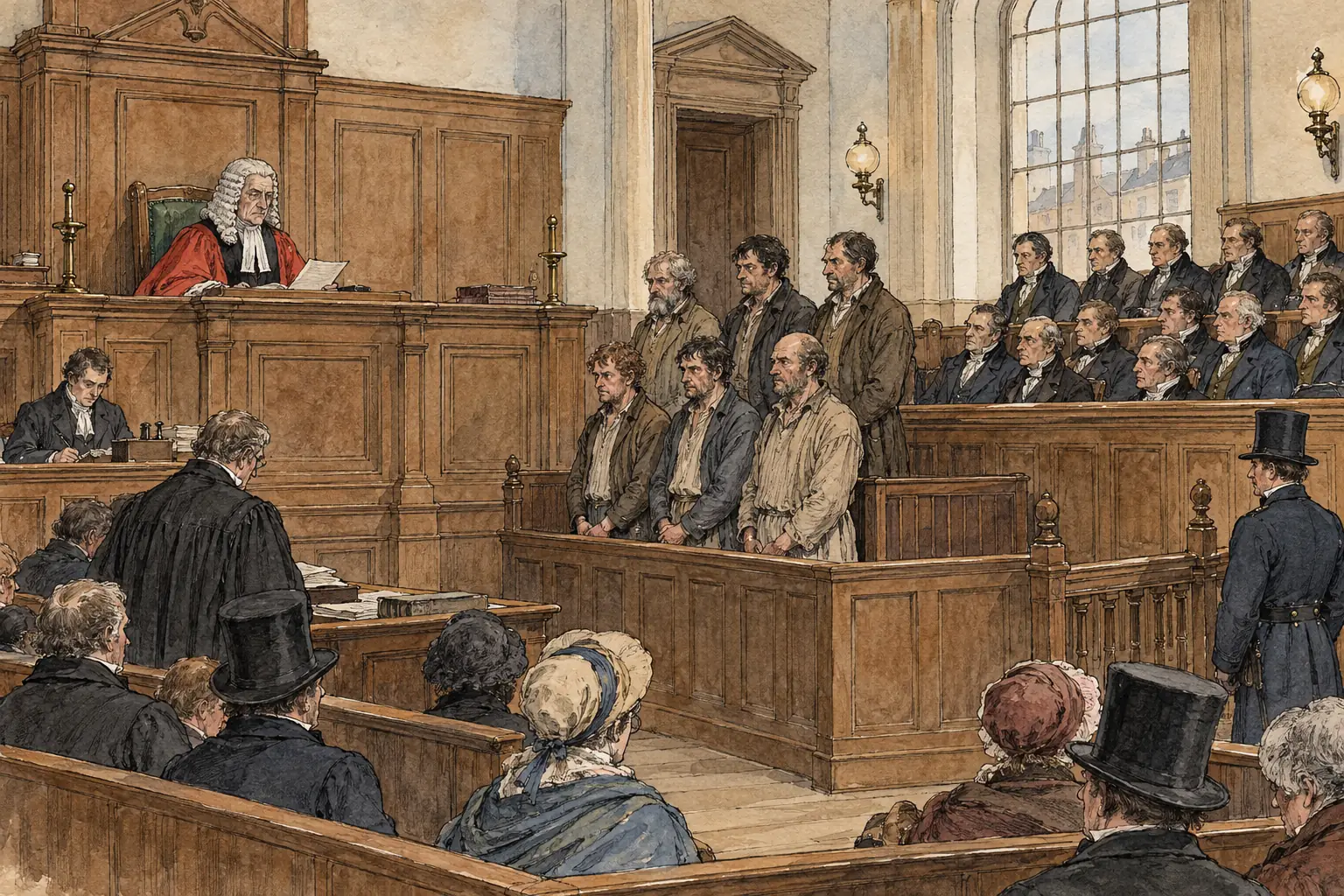
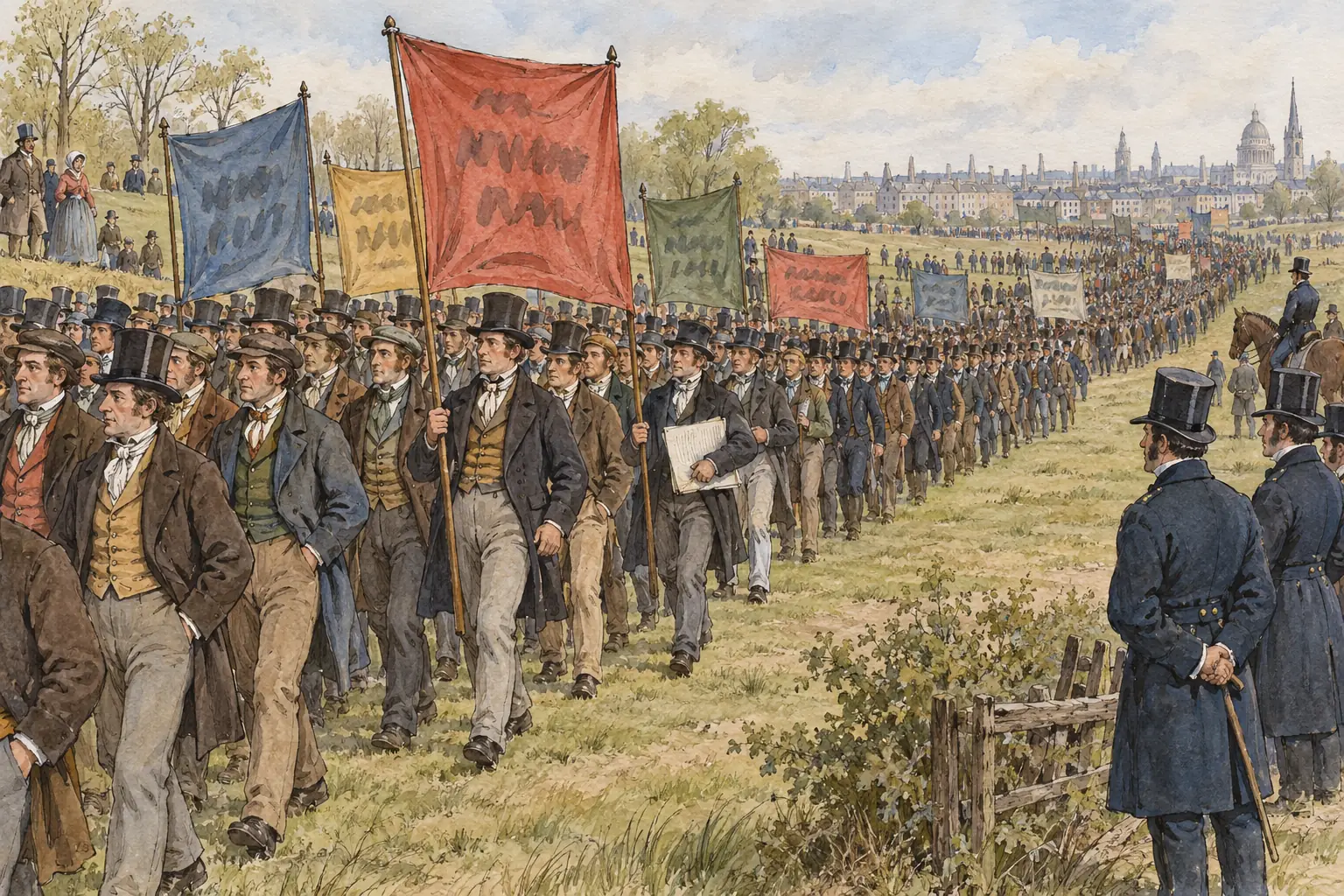
In 1834, six agricultural labourers from Tolpuddle, Dorset, became symbols of union injustice after forming a friendly society to resist wage cuts. Their case highlighted government efforts to suppress union activities.
Events surrounding the Tolpuddle Martyrs
- Oath-taking and arrest - The group, led by George Loveless, administered secret oaths to maintain unity, which authorities deemed illegal under laws against unlawful oaths.
- Sentences and transportation - Convicted and sentenced to seven years' transportation to Australia, the harsh punishment was intended to deter union formation in rural areas.
- Public sympathy and campaigns - Widespread outrage led to petitions and protests, with over 800,000 signatures collected; the Chartist movement later amplified support, viewing the case as part of broader demands for workers' rights.
- Pardons and legacy (1842) - Sustained public pressure resulted in full pardons, allowing their return; the event boosted union morale and exposed the need for legal reforms.
The Tolpuddle case transformed public perceptions, portraying unions as defenders of ordinary workers against oppressive laws.
Early union aims and other key events
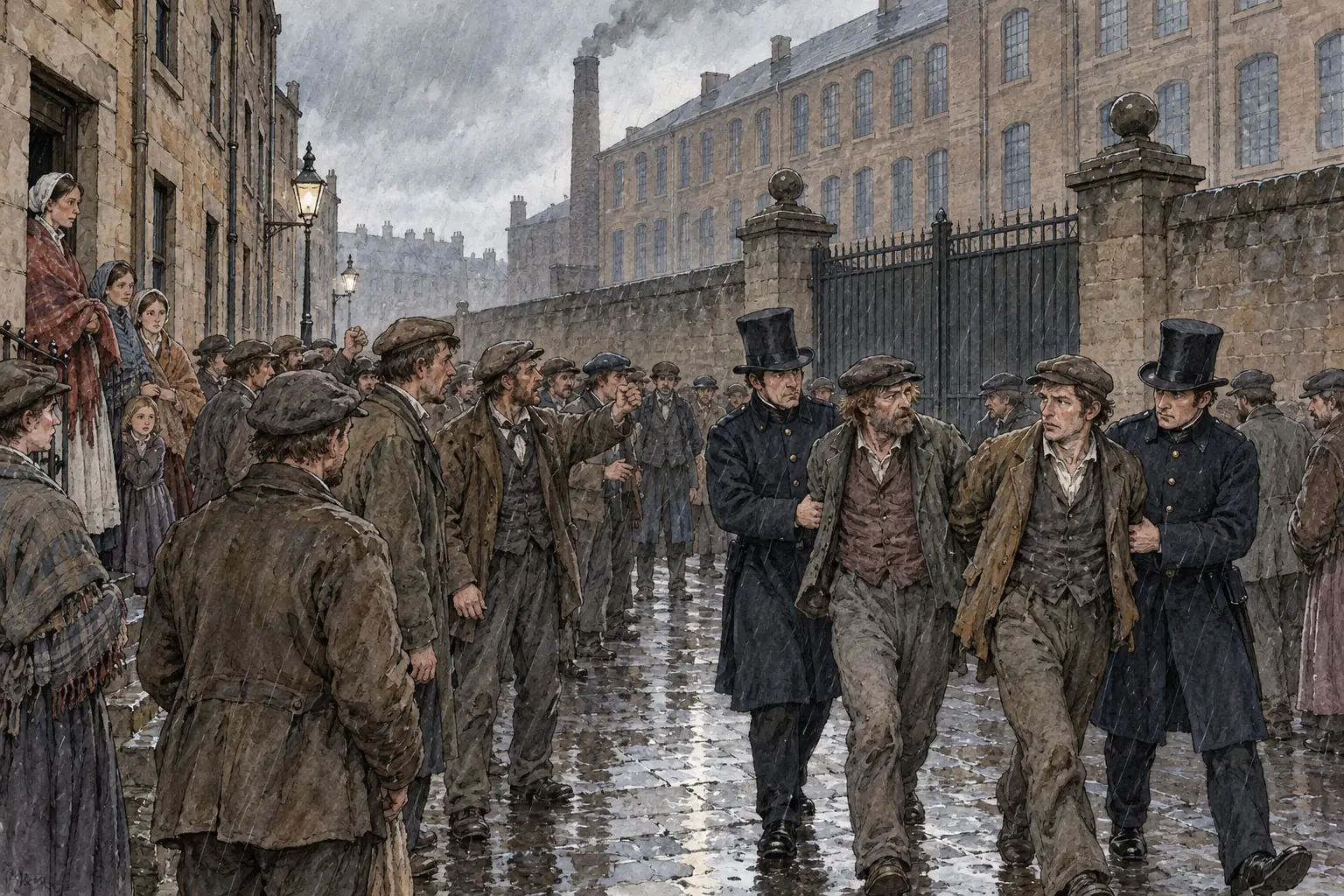
Early trade unions focused on practical improvements to workers' lives, evolving from mutual aid societies into bodies capable of negotiating with employers. Alongside Tolpuddle, other incidents illustrated the struggles and aims of these groups.
Primary aims of early unions
| Aim | Description |
|---|---|
| Mutual aid | Unions provided financial support during illness, unemployment, or strikes, functioning like friendly societies to offer security. |
| Wage protection | Efforts centred on preventing wage reductions and securing fair pay through collective bargaining. |
| Safer and fairer conditions | Unions campaigned for reduced working hours, better safety standards, and limitations on child labour. |
The Glasgow Cotton Spinners case (1837)
- Strike and violence - Cotton spinners in Glasgow struck for better wages, but the action turned violent, leading to arrests and convictions for conspiracy.
- Significance - The case drew parallels to Tolpuddle, highlighting ongoing government crackdowns on unions and fueling calls for reform.
These aims and events laid the groundwork for more structured labour organisations in the mid-19th century.
Factors driving trade union reform
Several interconnected factors propelled the growth and reform of trade unions during this period, influencing their strategies and successes. These elements combined to create momentum for change.
Key factors influencing union development
| Factor | Description |
|---|---|
| Economics | Rapid industrial growth led to exploitation, with low wages and job insecurity driving workers to organise for economic protection. |
| Ideas | Reformist thinkers like Owen promoted socialist and cooperative ideals, encouraging unions to envision fairer societies. |
| Role of the individual | Figures such as Owen and Loveless inspired action, with their leadership galvanising support and publicising union causes. |
| Government | Repressive laws, like the 1825 Combination Act, initially hindered unions but also provoked backlash, leading to gradual legal concessions. |
| Communication | Improved literacy, newspapers, and petition campaigns spread union messages, building national sympathy and coordinating efforts. |