2.6 - Roosevelt's Leadership & 1930s Culture
Key facts and dates
The 1930s in the United States were dominated by the Great Depression and Franklin D. Roosevelt's New Deal policies, which reshaped government and society. Cultural developments during this era reflected both economic hardships and hopes for recovery, providing insights into public mood and resilience.
Timeline of key events
- 1929 – Wall Street Crash triggers the Great Depression, leading to widespread unemployment and economic collapse.
- 1932 – Franklin D. Roosevelt (FDR) elected president, promising a "New Deal" to combat the crisis.
- 1933 – FDR launches the Hundred Days, introducing key reforms like the Civilian Conservation Corps and banking regulations.
- 1935 – Second New Deal includes Social Security Act and Works Progress Administration, expanding federal support.
- 1937 – "Roosevelt Recession" sees economic setback, highlighting limits of New Deal recovery.
- 1939 – Outbreak of World War II in Europe begins to stimulate U.S. economy through increased production.
- 1941 – U.S. enters World War II after Pearl Harbor, leading to full economic mobilisation and end of Depression-era unemployment.
Roosevelt's leadership and coalition building
Franklin D. Roosevelt (FDR) became president in 1933 amid the Great Depression, adopting a dynamic and pragmatic approach to leadership. His style emphasised bold experimentation and direct communication, which helped him build a broad political alliance to support his reforms.
Characteristics of Roosevelt's leadership
- Pragmatic experimentation - FDR promoted trying new policies to address the crisis, famously stating that action was essential even if it involved trial and error, as seen in the rapid implementation of New Deal programmes.
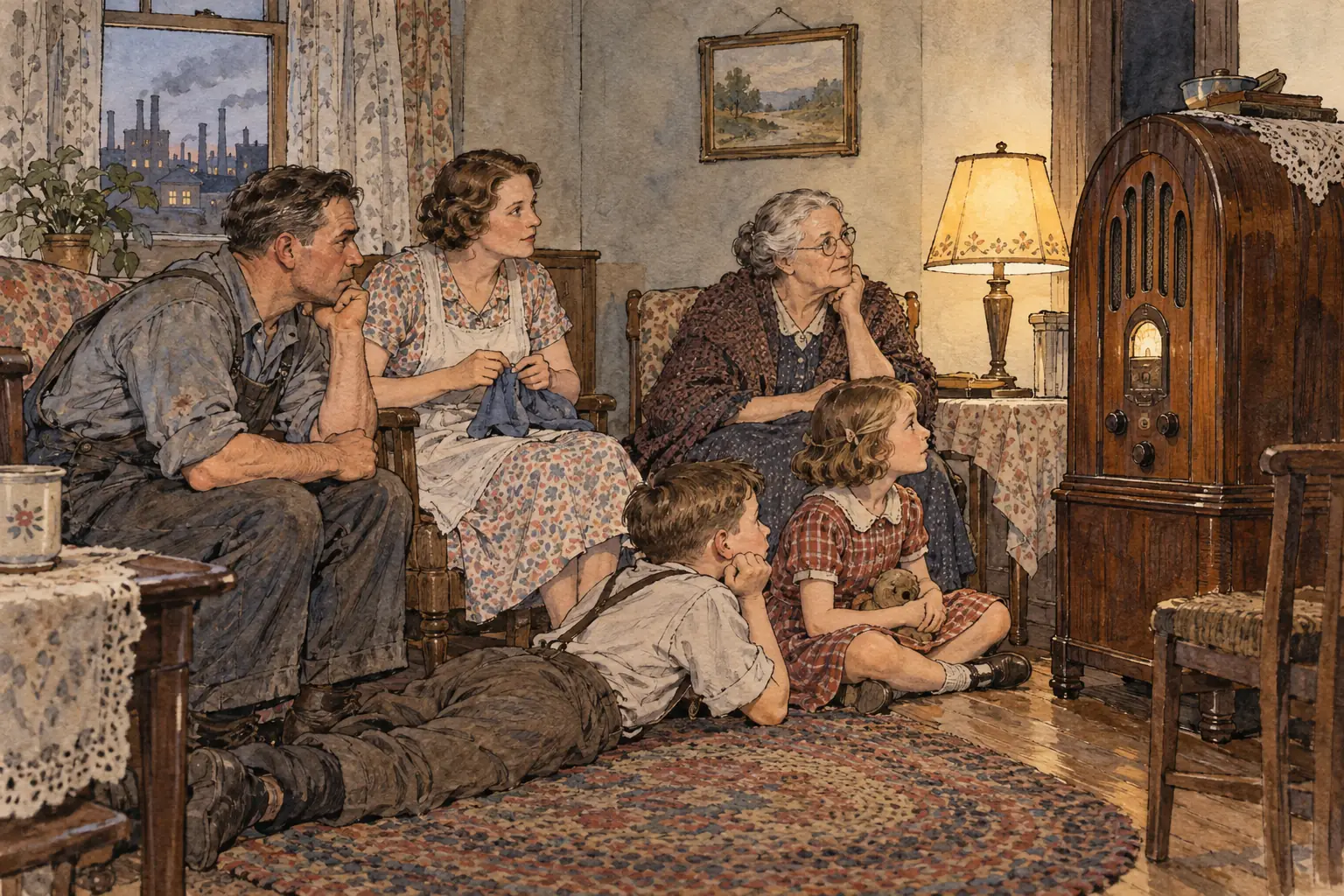
- Effective communication - Through "fireside chats" on radio, he connected directly with the public, explaining policies in simple terms to build trust and confidence during uncertain times.
- Inclusivity and adaptability - He adapted ideas from various sources, including progressive thinkers, to create flexible responses to economic challenges.
Formation of the New Deal coalition
- Diverse support base - FDR united urban workers, ethnic minorities, southern Democrats, farmers, and intellectuals into a powerful coalition that shifted the Democratic Party towards broader social welfare.
- Key alliances - He gained backing from labour unions by supporting workers' rights, appealed to African Americans through relief programmes (despite limitations on civil rights), and secured southern votes by maintaining regional traditions.
- Long-term political shift - This coalition dominated U.S. politics for decades, realigning voter loyalties and emphasising federal intervention in economic matters.
Impact of Roosevelt's presidency on governance
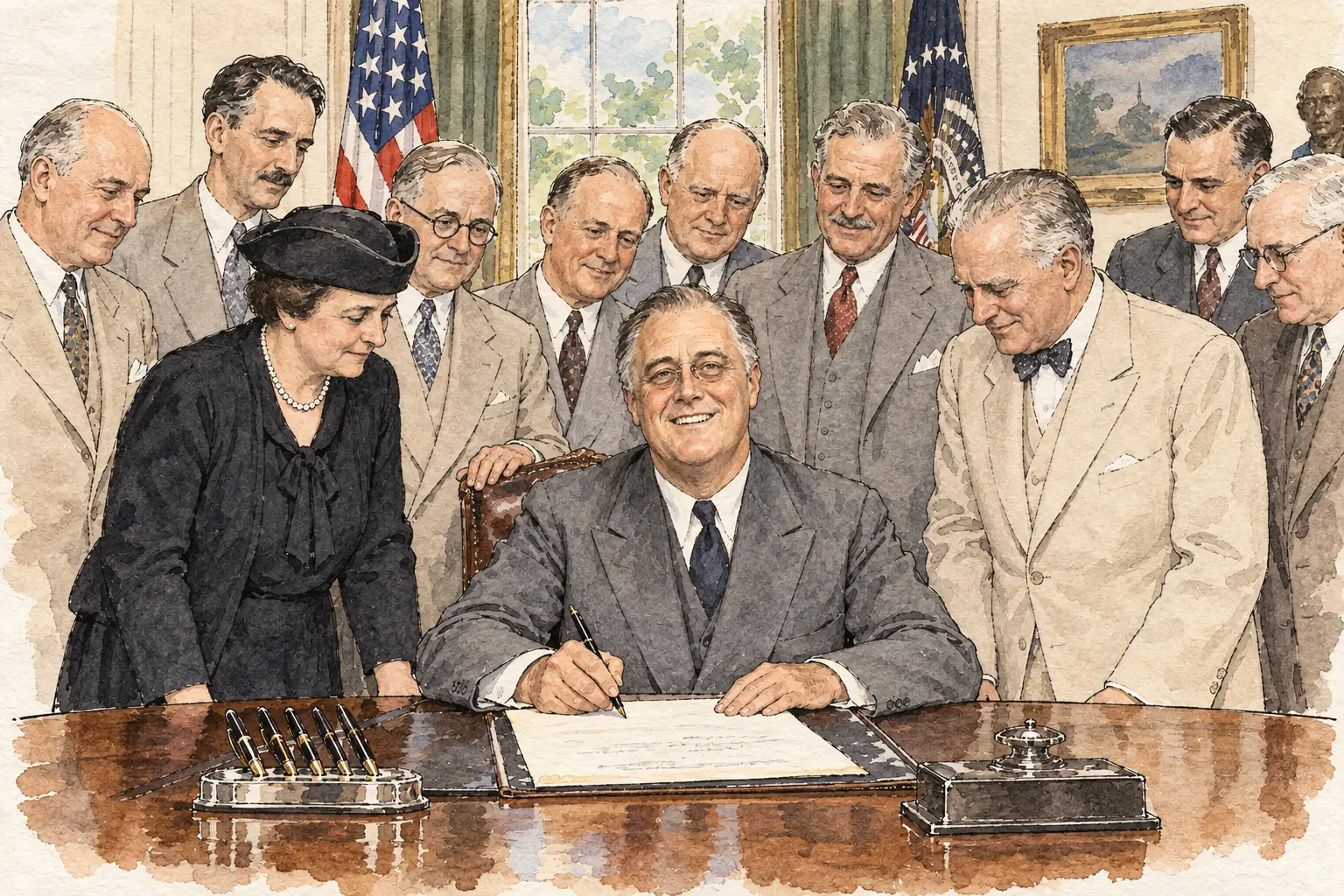
Roosevelt's time in office from 1933 to 1945 fundamentally transformed the role of the federal government and the presidency. His New Deal initiatives expanded executive power and established precedents for government involvement in citizens' lives.
Expansion of presidential authority
- Increased executive influence - FDR's use of executive orders and emergency powers during the Depression set a model for future presidents to act decisively in crises, bypassing Congress when needed.
- Court-packing attempt - In 1937, his proposal to add justices to the Supreme Court (after it struck down some New Deal laws) highlighted tensions but ultimately led to a more compliant court, reinforcing presidential agenda-setting.
- Legacy of activism - The presidency evolved from a limited role to one of active leadership in economic and social policy, influencing how later leaders like Truman and Johnson approached governance.
Changes to federal government structure
- New agencies and programmes - Institutions like the Securities and Exchange Commission and Federal Deposit Insurance Corporation provided ongoing regulation, while Social Security introduced long-term welfare support.
- Shift towards interventionism - The government took responsibility for economic stability and unemployment relief, marking a departure from laissez-faire policies and embedding the welfare state in American life.
- Criticisms and balances - While expanding federal power, this also sparked debates over government overreach, leading to checks like the 22nd Amendment limiting presidential terms.
Debate: Did FDR or WWII end the Depression?
Historians debate whether Roosevelt's New Deal policies truly ended the Great Depression or if the economic recovery was primarily driven by the demands of World War II. Evaluating this involves weighing evidence from economic indicators, employment trends, and public confidence measures.
Arguments that FDR's New Deal ended the Depression
- Economic recovery indicators - New Deal programmes reduced unemployment from 25% in 1933 to around 14% by 1937, with GDP growth averaging 8% annually during the First New Deal, suggesting policies like public works stimulated demand.
- Employment trends - Initiatives such as the Works Progress Administration employed millions in infrastructure projects, providing wages that boosted consumer spending and stabilised communities.
- Confidence measures - Fireside chats and banking reforms restored public faith in the financial system, as evidenced by reduced bank failures and increased savings deposits.
Arguments that WWII ended the Depression
- Wartime economic boom - Military production after 1941 eliminated unemployment (dropping to under 2% by 1944) and doubled GDP through government spending on weapons and supplies, far exceeding New Deal impacts.
- Limitations of New Deal evidence - The 1937 recession showed incomplete recovery, with persistent high unemployment until war mobilisation, indicating that peacetime policies alone were insufficient.
- Weighing the evidence - While the New Deal provided relief and reforms, full employment and industrial output only surged with WWII demands, suggesting the war was the decisive factor in ending the Depression.
Cultural expressions: Music, radio and literature
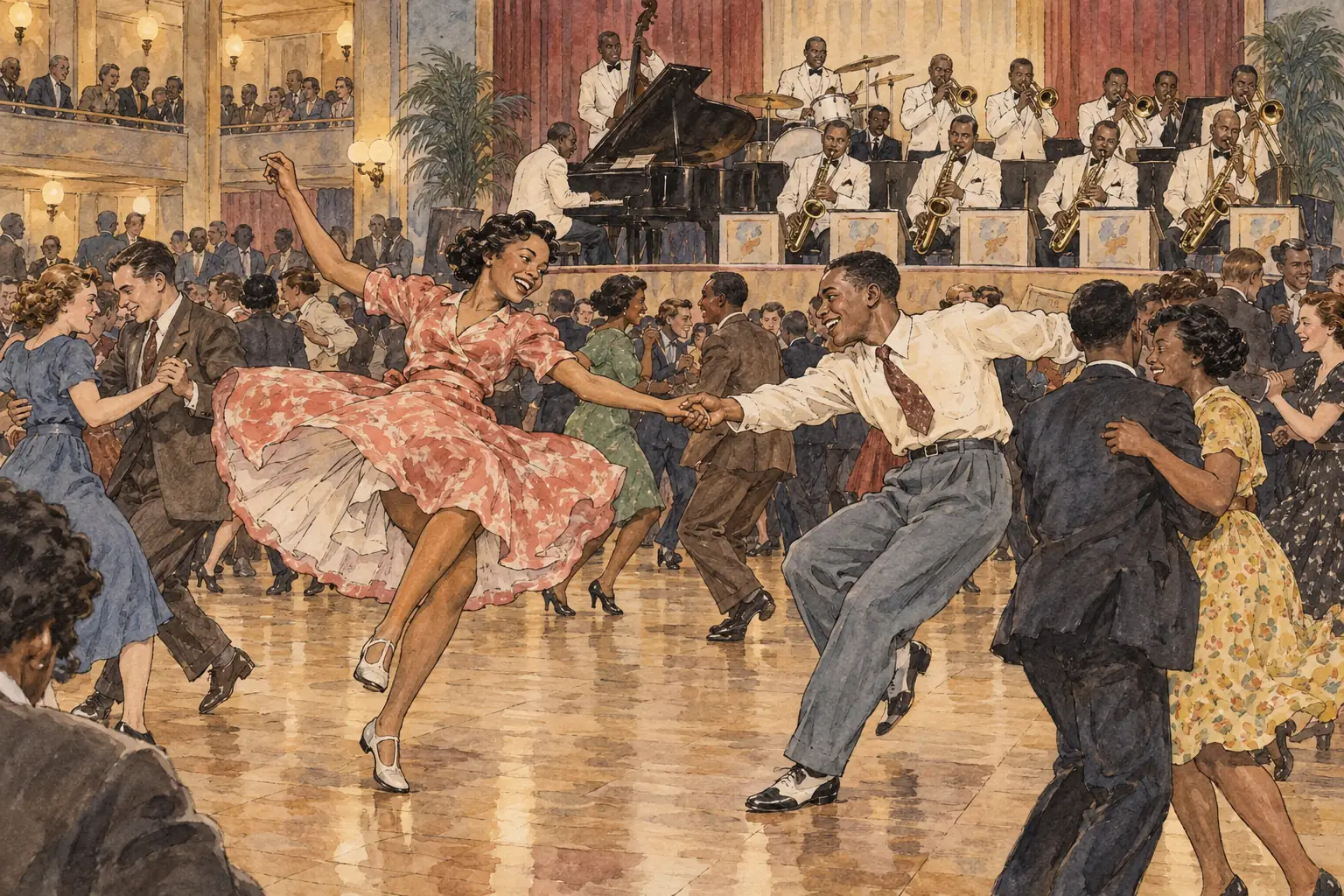
Image 1 of 2: Swing bands drew crowds of young dancers to ballrooms such as the Savoy in Harlem
The 1930s saw cultural developments that mirrored the era's hardships and aspirations. Music, musicals, radio broadcasts, and literature often addressed themes of struggle, hope, and social inequality, offering escapism and commentary on American life.
Music and musicals as outlets for emotion
- Swing and jazz influences - Genres like swing, led by artists such as Duke Ellington, provided upbeat rhythms that contrasted with economic woes, fostering communal joy through dance halls and live performances.
- Musicals reflecting optimism - Productions like "The Wizard of Oz" (1939) used fantasy to symbolise escape from hardship, with songs emphasising resilience and the pursuit of better times.
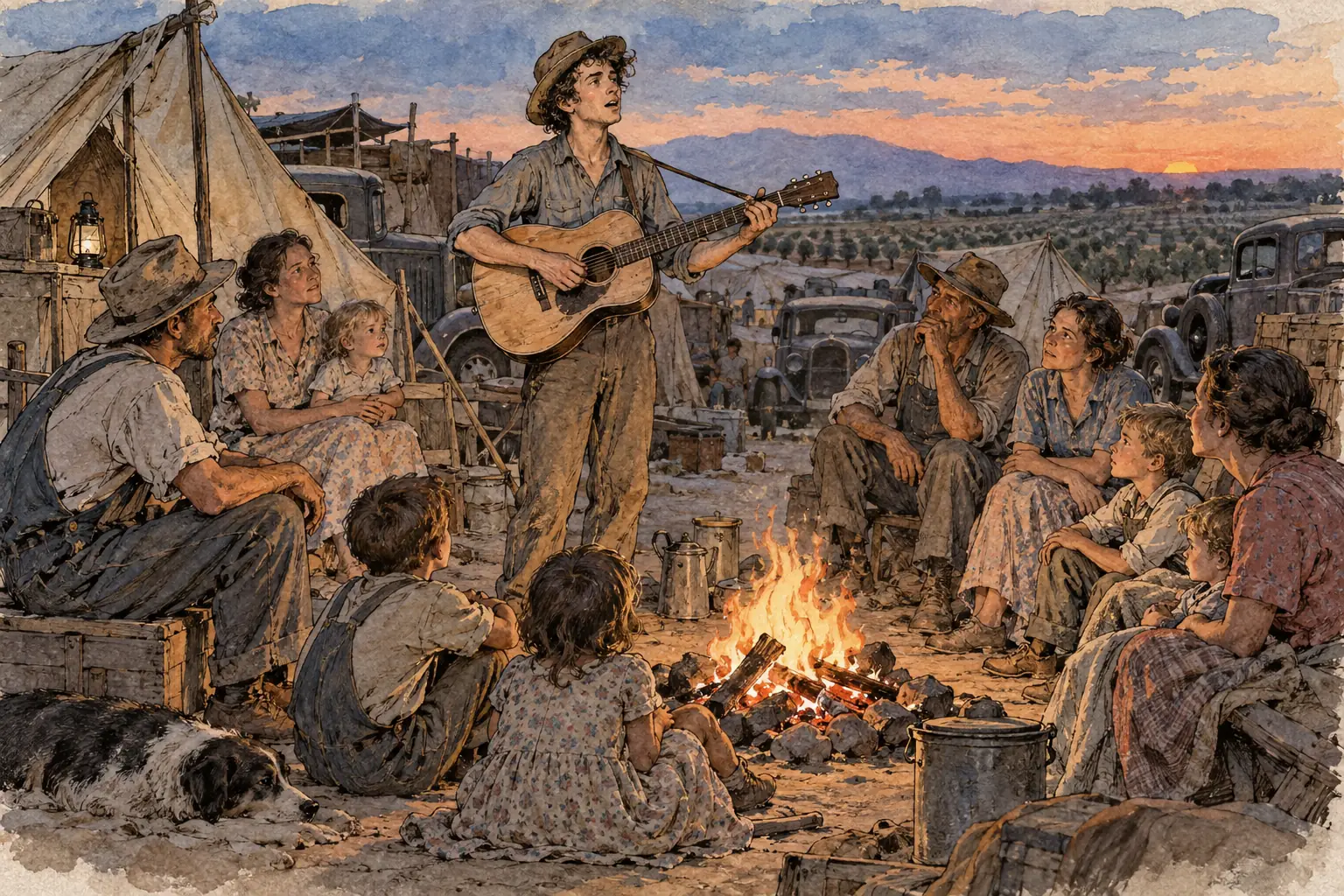
- Folk music's social edge - Singers like Woody Guthrie captured the plight of migrants and workers in protest songs, highlighting Dust Bowl migrations and labour struggles.
Radio and literature as social mirrors
- Radio's widespread reach - Programmes like FDR's fireside chats and serial dramas offered information and entertainment, uniting families and shaping public opinion on recovery efforts.
- Social realism in literature - Authors such as John Steinbeck in "The Grapes of Wrath" depicted the harsh realities of poverty and migration, critiquing capitalism and advocating for social change through vivid narratives.
Comic books and sport in 1930s American society
Image 1 of 2: Cheap comic books sold in huge numbers after Superman first appeared in 1938
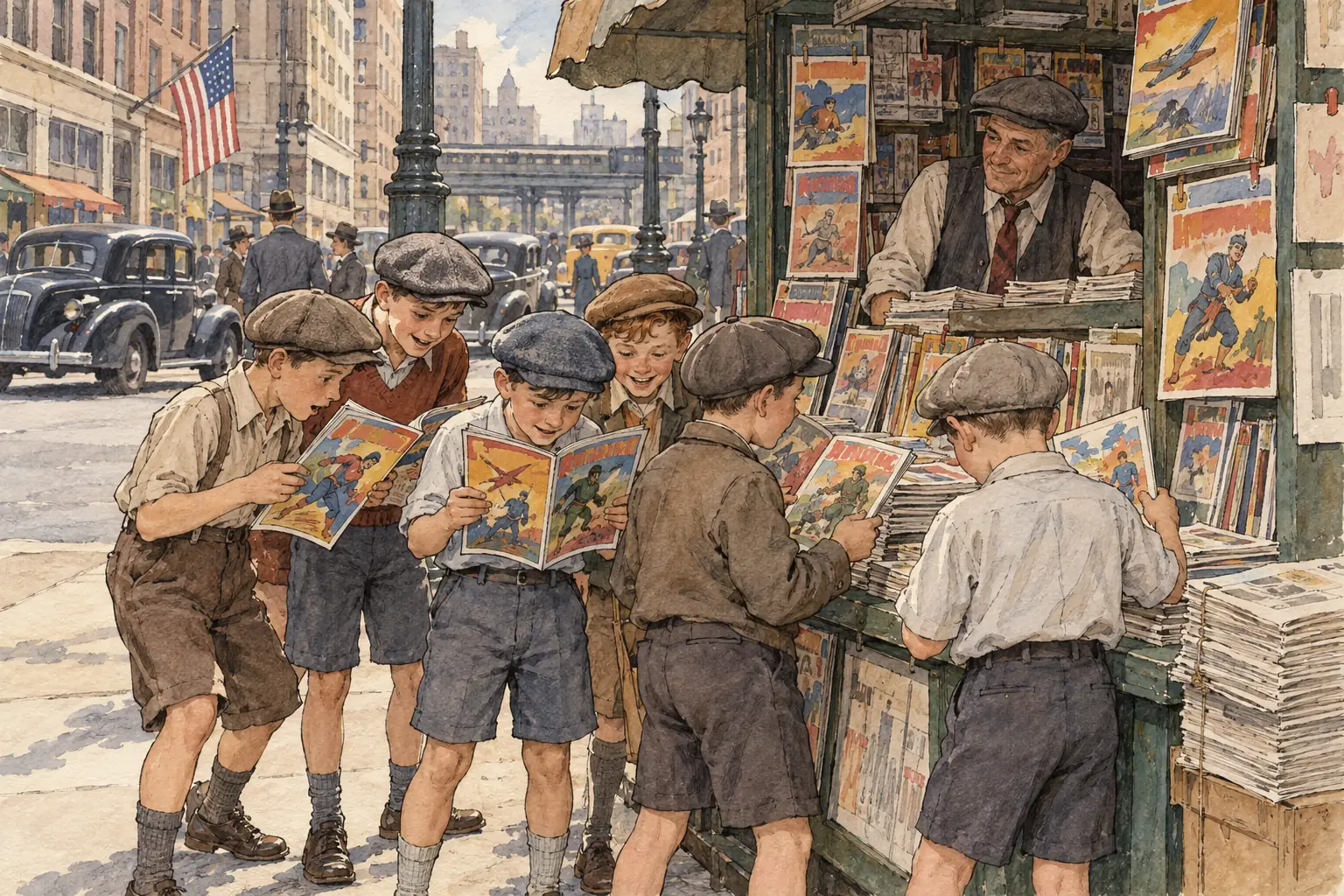
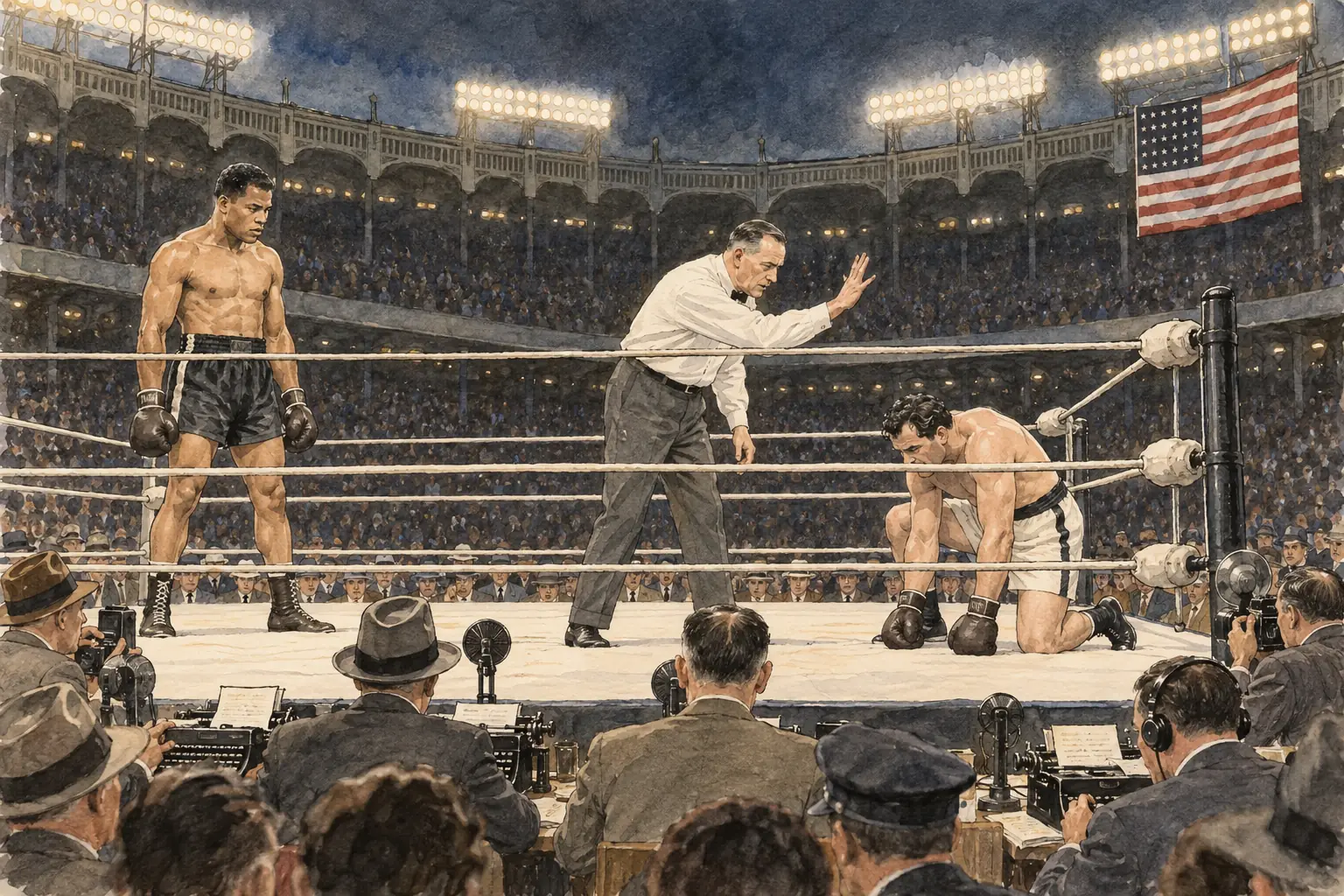
Comic books and sports during the 1930s served as windows into American hopes and anxieties, providing affordable escapism while embodying ideals of heroism and perseverance amid the Depression.
Comic books and heroic narratives
- Rise of superheroes - Characters like Superman (debuting in 1938) symbolised strength and justice, offering fantasies of overcoming adversity that resonated with a public facing economic insecurity.
- Themes of hope and anxiety - Stories often featured ordinary people gaining extraordinary powers, reflecting desires for empowerment and fears of societal collapse, with villains representing real-world threats like corruption.
- Cultural accessibility - Cheap and widely available, comics provided distraction and moral lessons, influencing youth culture and later media.
Sport as a source of national pride and unity
- Baseball's enduring popularity - Figures like Babe Ruth embodied the American dream, with games offering affordable entertainment and a sense of normalcy during tough times.
- Boxing and individual triumph - Matches featuring Joe Louis, who defeated German boxer Max Schmeling in 1938, symbolised American resilience and anti-fascist sentiment, boosting morale.
- Olympic achievements - Jesse Owens' 1936 Berlin Olympics victories highlighted racial tensions and national hopes, countering Nazi propaganda and inspiring unity against external threats.