1.7 - Norman Control: Revolts, Harrying & Government
Key facts and dates
The period from 1067 to 1075 saw significant Anglo-Saxon resistance to Norman rule, met with harsh suppression by William I, including the devastating Harrying of the North. These events, combined with effective governance tools, helped consolidate Norman power, though challenges persisted into the succession of 1087.
Timeline of key events
- 1067 – Initial unrest in Kent and Herefordshire marks the start of revolts against Norman control.
- 1068 – Revolt in Exeter, led by local elites, is swiftly crushed by William's siege.
- 1069-1070 – Northern risings erupt, involving Danish invaders and local leaders, prompting William's Harrying of the North.
- 1070-1071 – Hereward the Wake leads guerrilla resistance in the Fens, supported by disaffected Anglo-Saxons.
- 1075 – Revolt of the Earls, involving Norman nobles Roger de Breteuil and Ralph de Gael, is defeated.
- 1069-1070 – Harrying of the North causes widespread famine and depopulation.
- 1087 – William I dies, dividing his lands between sons Robert and William II, leading to disputes.
Main revolts against Norman control (1067-1075)
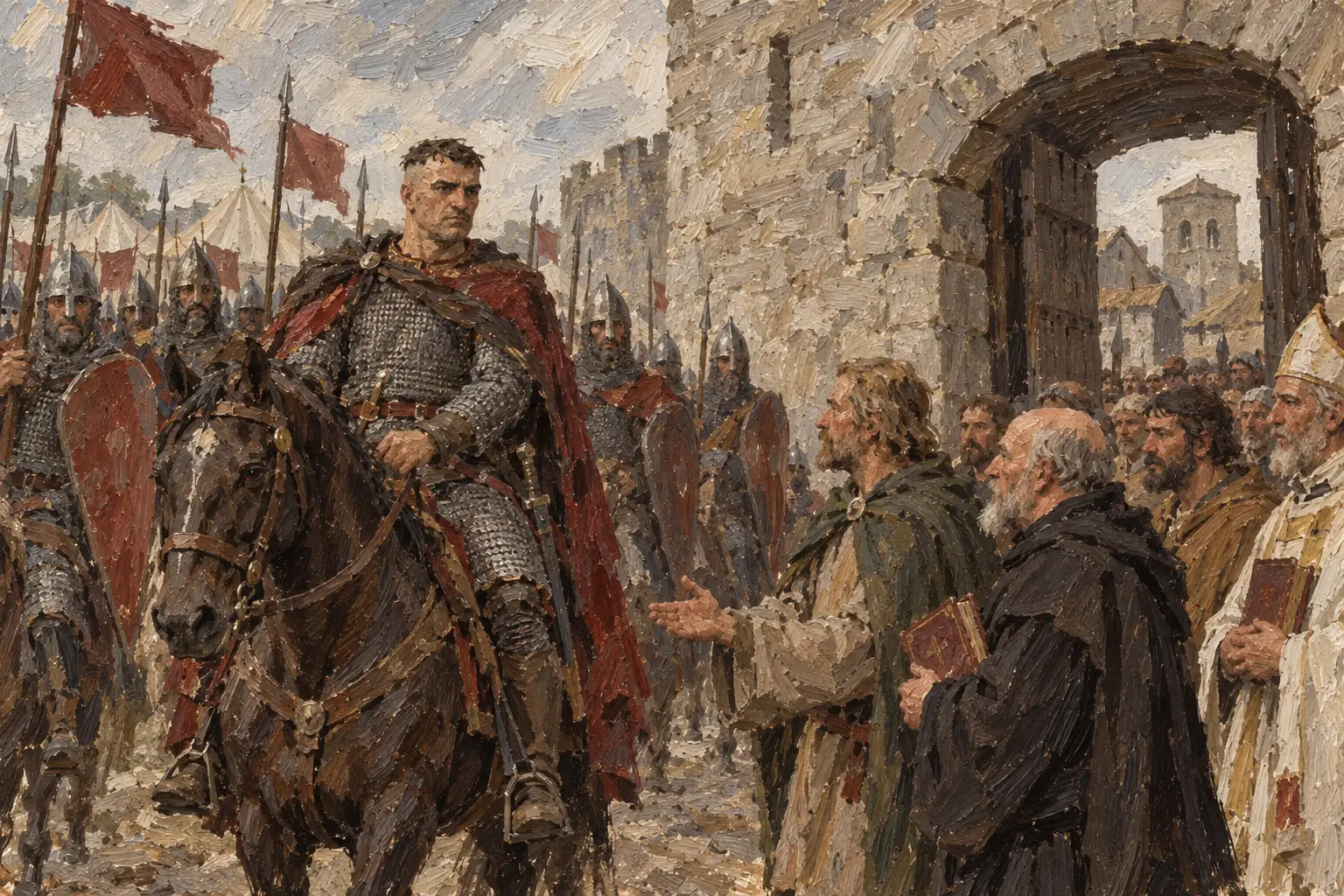
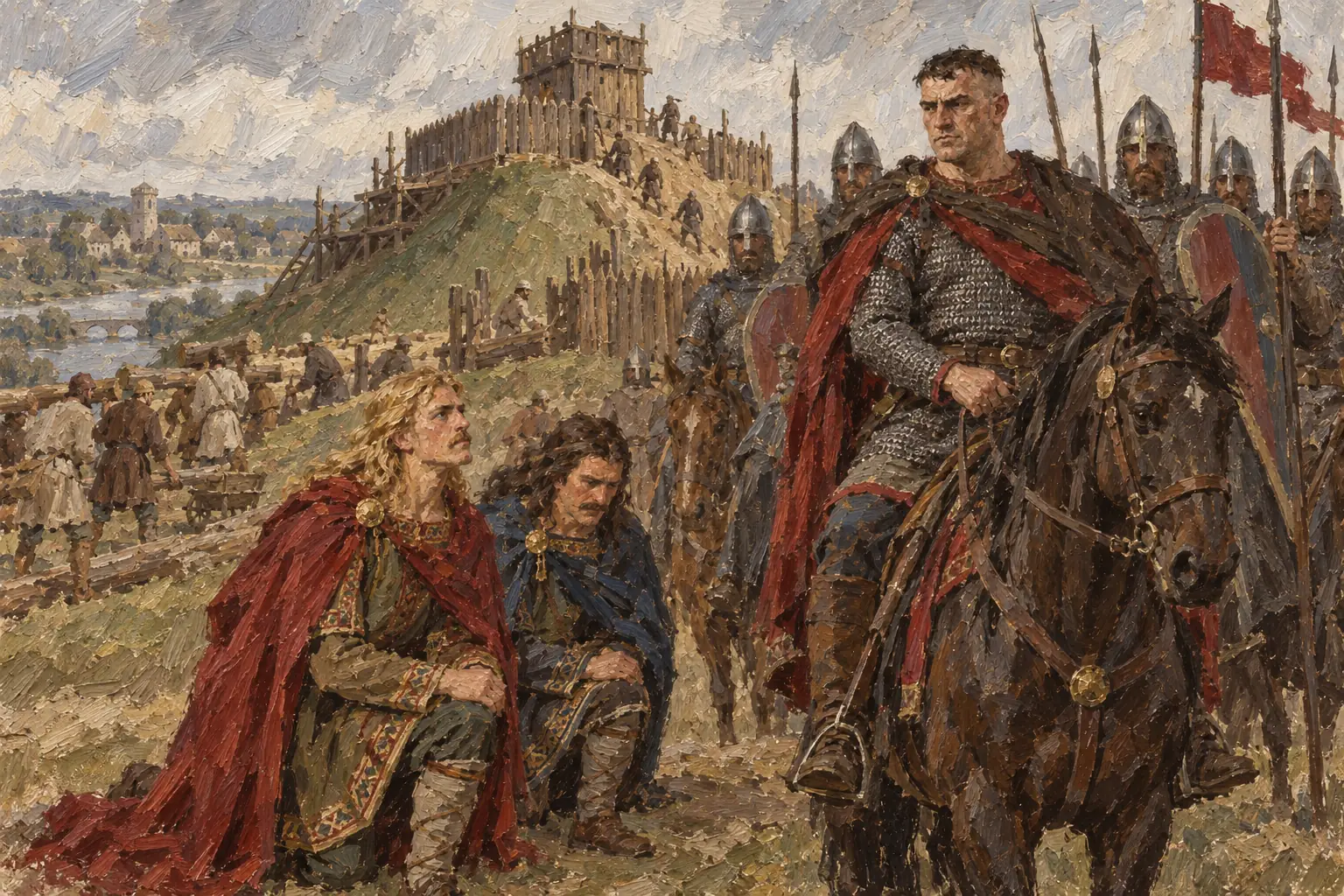
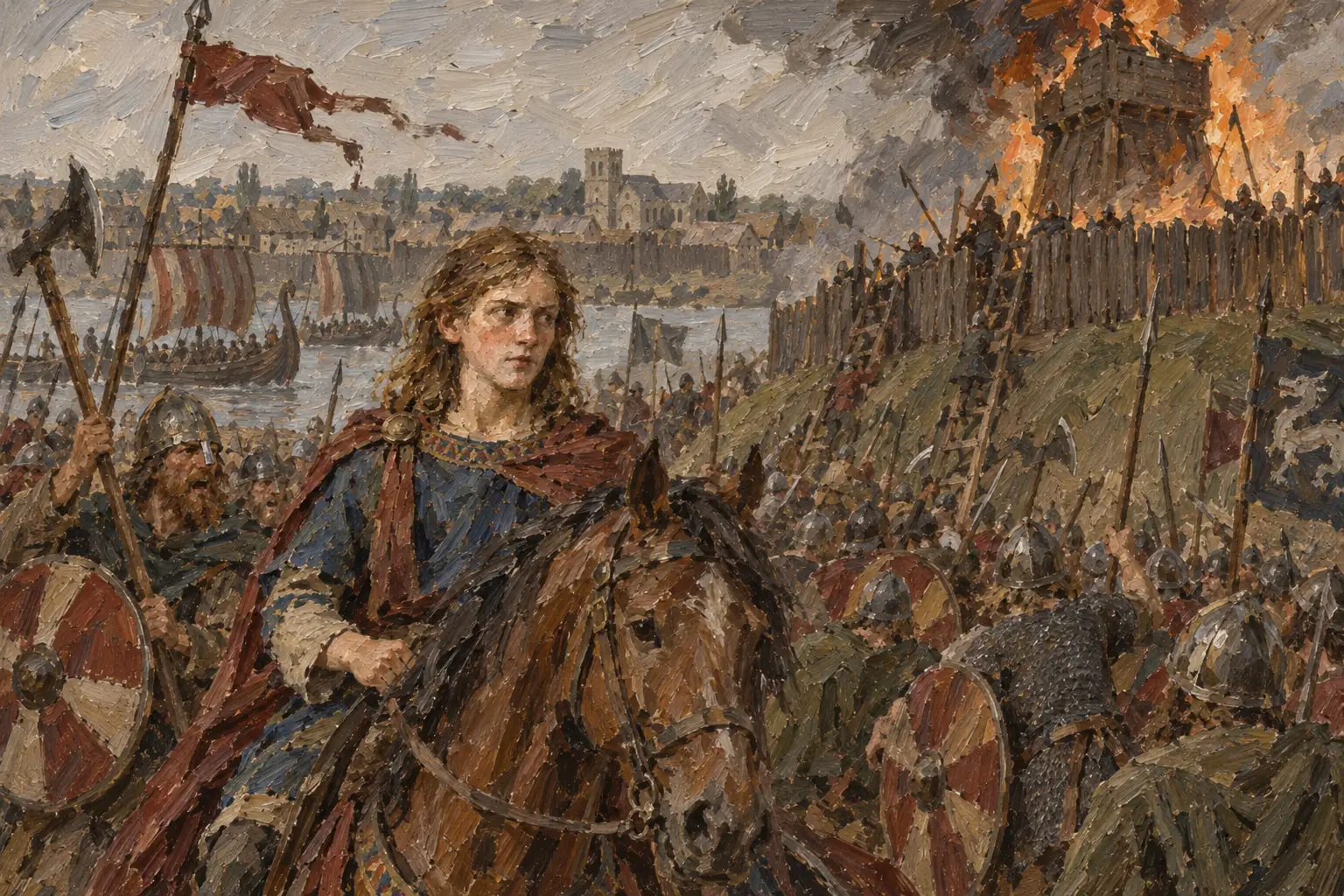
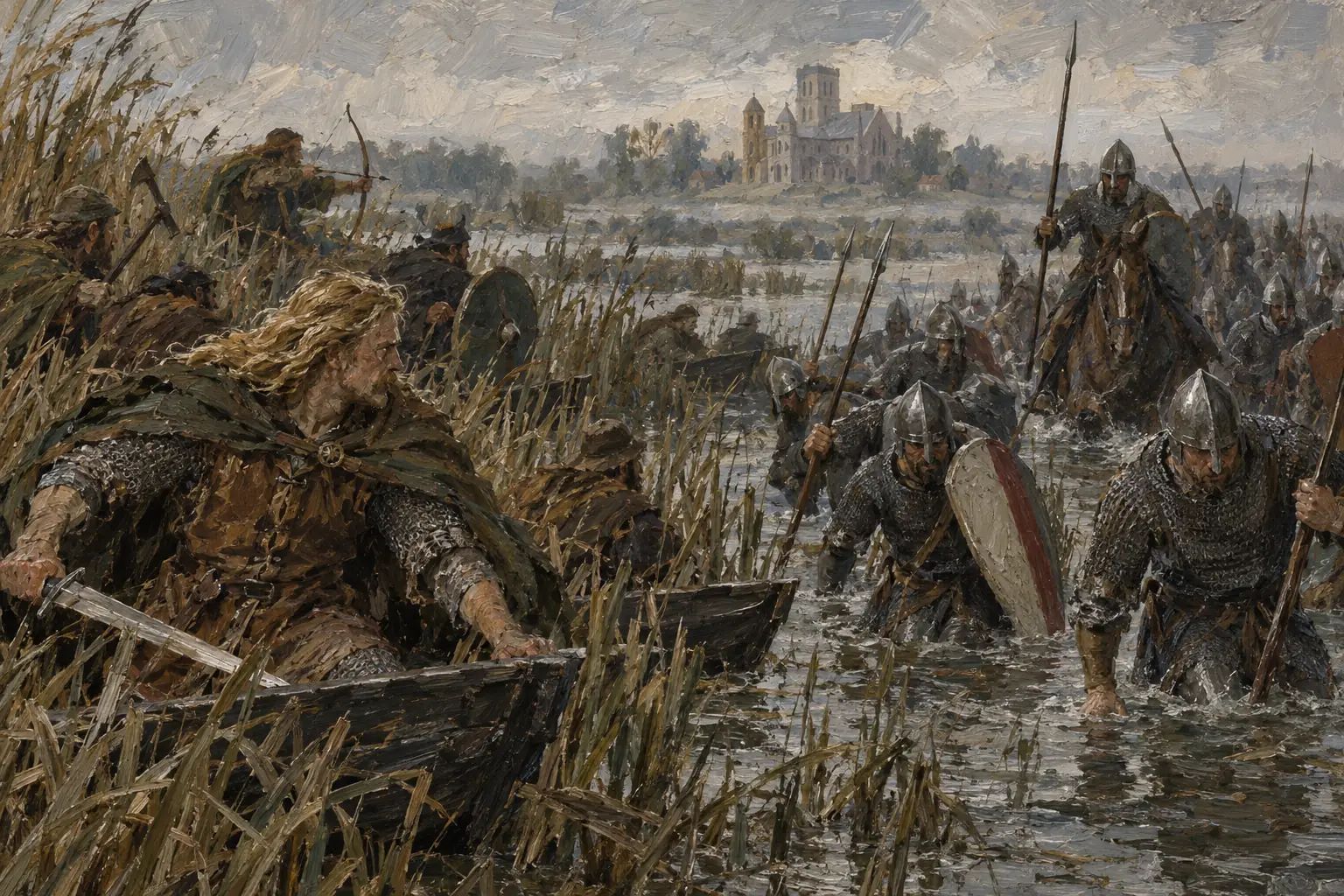
Image 1 of 4: William besieged Exeter in 1068 and built a castle there once it fell
Between 1067 and 1075, Anglo-Saxon and some Norman elites launched several uprisings against William I's rule, driven by resentment over land seizures and heavy taxation. These revolts varied in scale and location but were ultimately suppressed, highlighting the challenges of consolidating power after the 1066 conquest.
Key revolts and their features
- Exeter revolt (1068) - Local Anglo-Saxon nobles and citizens in the southwest, including Harold Godwinson's mother, barricaded the city against Norman forces. William besieged and captured it, executing leaders and imposing fines.
- Northern risings (1069-1070) - Uprisings in Yorkshire and Durham involved local thegns like Edgar the Aetheling, supported by a Danish fleet. Rebels captured York but were defeated by William's counterattacks.
- Hereward the Wake in the Fens (1070-1071) - A guerrilla campaign in East Anglia, led by the Anglo-Saxon outlaw Hereward, used marshy terrain for ambushes against Norman troops. It ended with the capture of Ely after betrayal by monks.
- Revolt of the Earls (1075) - Norman earls Roger de Breteuil and Ralph de Gael, allied with Breton and Anglo-Saxon forces, rebelled over land disputes. William returned from Normandy to crush the uprising, executing or imprisoning the leaders.
Reasons for the failure of Anglo-Saxon resistance
Anglo-Saxon resistance lacked coordination and faced overwhelming Norman military advantages, allowing William I to maintain control. The absence of a single leader and swift Norman responses prevented any revolt from gaining lasting momentum.
Factors contributing to the failure of resistance
- Lack of unified leadership - Rebels operated in isolated groups without a central figure like Harold Godwinson, leading to fragmented efforts that were easily divided and defeated.
- William's rapid and ruthless response - The king mobilised forces quickly, using surprise marches and sieges to overwhelm uprisings before they could spread.
- Effective use of castles and garrisons - Normans built motte-and-bailey castles to control key areas, housing garrisons that intimidated locals and provided defensive strongholds.
- Co-option or replacement of local elites - William replaced rebellious Anglo-Saxon nobles with loyal Normans or co-opted others through land grants, weakening potential opposition networks.
The Harrying of the North and its impacts
Image 1 of 2: In the winter of 1069-70 William's army burned villages, crops and livestock across the North
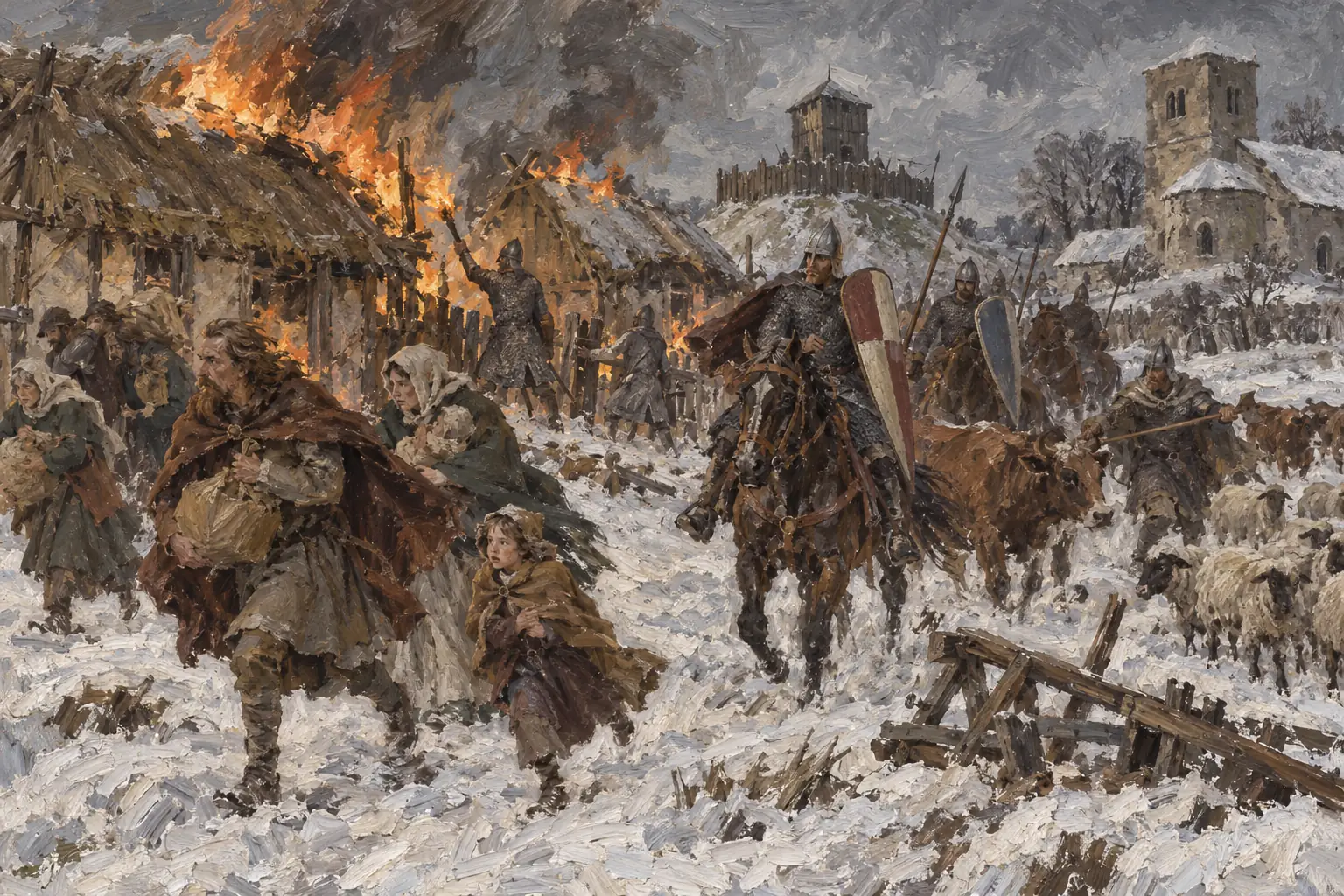
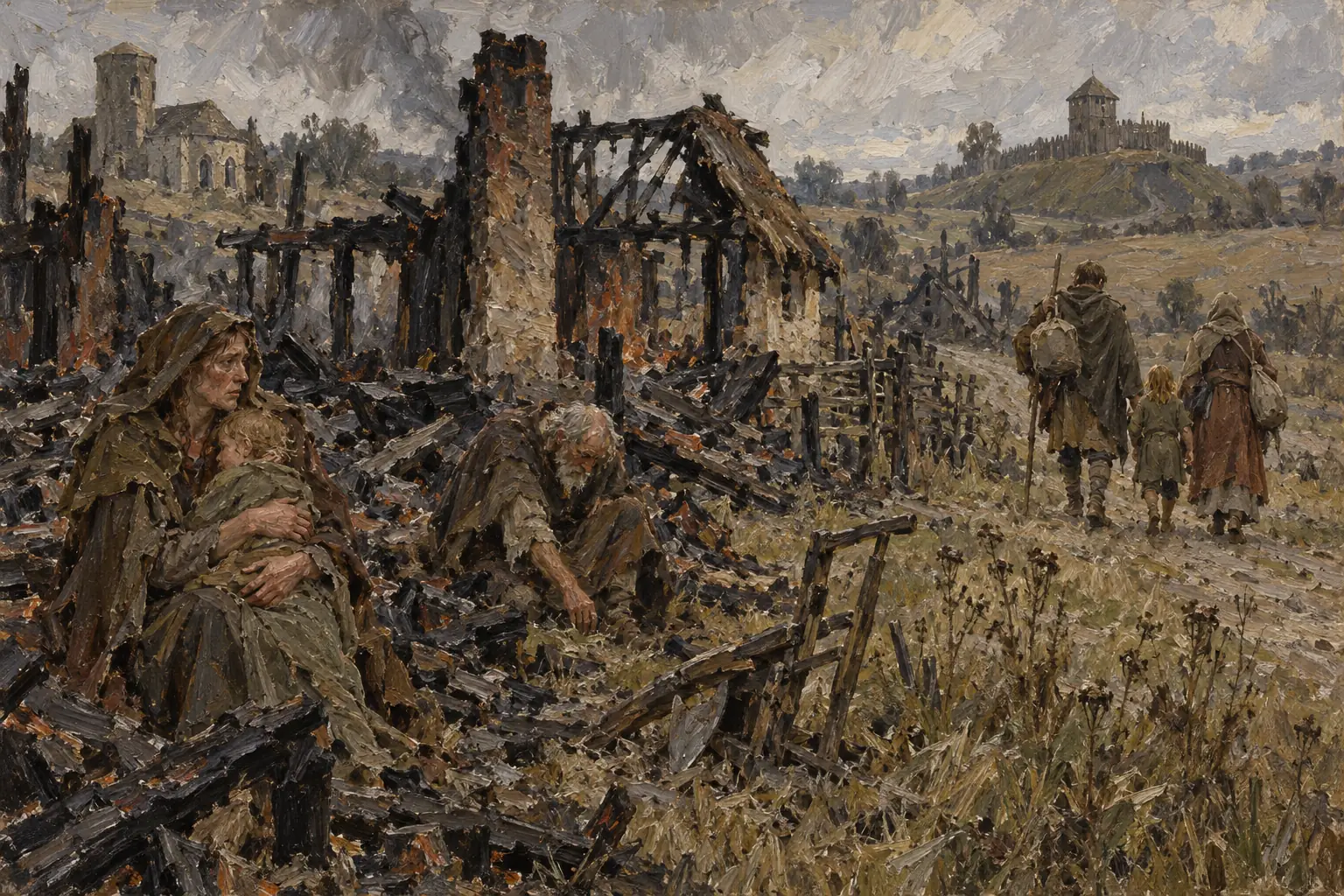
The Harrying of the North was a brutal campaign by William I in 1069-1070 to suppress northern resistance and deter future revolts. It targeted Yorkshire and surrounding areas, reflecting broader regional ties to Scotland and Scandinavia.
Strategy and scale of the Harrying
William's forces systematically destroyed villages, crops, livestock, and tools across a vast area, aiming to eliminate resources that could support rebels. This scorched-earth approach involved burning settlements and salting fields to prevent regrowth, covering regions from York to the Scottish border.
Humanitarian and strategic impacts
- Humanitarian consequences - The destruction led to widespread famine, with estimates of over 100,000 deaths from starvation and exposure. Survivors faced years of hardship, as recorded in contemporary chronicles.
- Strategic aims - The campaign broke the north's links to King Malcolm III of Scotland, who harboured ambitions in the region, and severed Scandinavian influences through Danish alliances. It ensured long-term Norman dominance by depopulating rebellious areas.
- Wider context - The north's ties to external powers, including Malcolm's raids and Danish invasions, made it a persistent threat, justifying the extreme measures in William's view.
Instruments of Norman government and control
William I implemented a range of administrative and social tools to govern England effectively, blending Norman practices with existing Anglo-Saxon systems. These instruments helped centralise power and integrate the conquered population.
Key instruments of Norman rule
- Charters and writs - Official documents granted lands, rights, or privileges, often in Latin or French, to reward loyalty and regulate society.
- Hostage-taking - Anglo-Saxon nobles' family members were held as guarantees of good behaviour, deterring revolts.
- Border control - Fortified marches along Welsh and Scottish borders, with appointed lords to manage defence and prevent incursions.
- Marriages and colonisers - Norman nobles married into Anglo-Saxon families to forge alliances, while French settlers were encouraged to occupy lands and spread Norman culture.
- Treasury and taxation - A centralised treasury at Winchester collected taxes like the geld, funding the military and administration.
- Church support - Archbishop Lanfranc reformed the English Church to align with Norman interests, appointing Norman bishops and using ecclesiastical courts to reinforce royal authority.
Succession and stability after William I's death
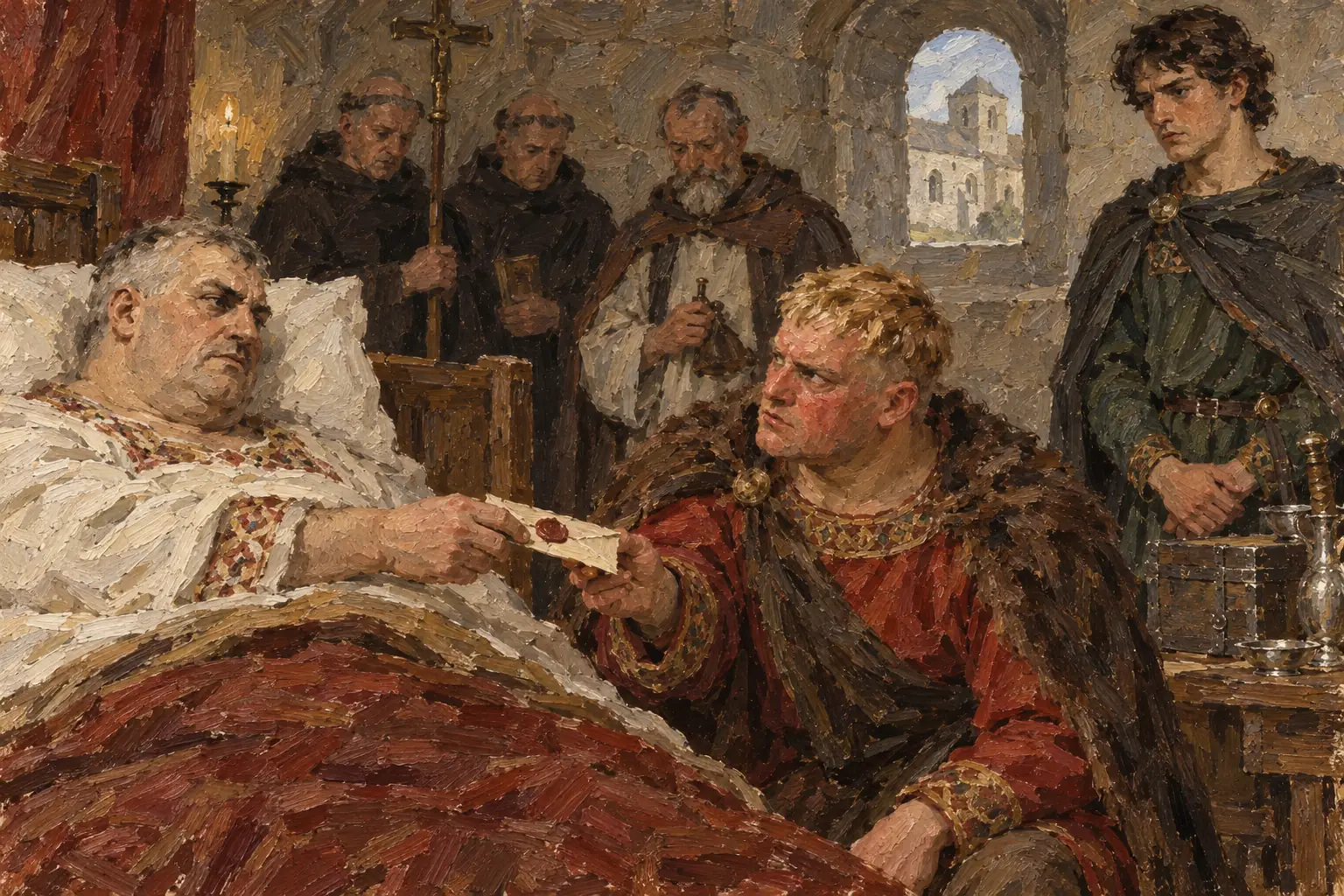
William I's death in 1087 triggered a disputed succession, dividing his territories and testing the stability of Norman rule. His will reflected strategic priorities but sowed seeds for future conflicts.
Division of inheritance and implications
- William's legacy to his sons - Robert Curthose received Normandy, while William II (Rufus) inherited England, including its treasury and administrative systems. The youngest, Henry, got silver but no land initially.
- Implications for stability - The split led to rivalries, with Robert invading England in 1088, though William II repelled him. This division weakened unified control but preserved Norman dominance through continued military and governmental structures.
- Long-term effects - The arrangement highlighted tensions between Normandy and England, contributing to instability until Henry I's reign unified the realms in 1106.