3.6 - Causes of War With Spain
Key facts and dates
Tensions between England and Spain escalated during Elizabeth I's reign due to religious differences, colonial ambitions, and political rivalries. These factors created a volatile international environment, culminating in the Anglo-Spanish War. The following timeline outlines the major events that contributed to the outbreak of hostilities.
Timeline of key events
- 1568 – Battle of San Juan de Ulúa sees Spanish forces attack English ships in Mexico, heightening mutual distrust.
- 1570 – Pope Pius V excommunicates Elizabeth I, encouraging Catholic opposition against her rule.
- 1572 – Start of the Dutch Revolt against Spanish control, drawing English sympathy and involvement.
- 1585 – Treaty of Nonsuch commits England to support Dutch rebels with troops and funds.
- 1587 – Francis Drake raids Cadiz harbour, destroying Spanish ships in an action known as 'singeing the King of Spain's beard'.
- 1588 – Launch of the Spanish Armada marks the beginning of open warfare between England and Spain.
International and ideological context
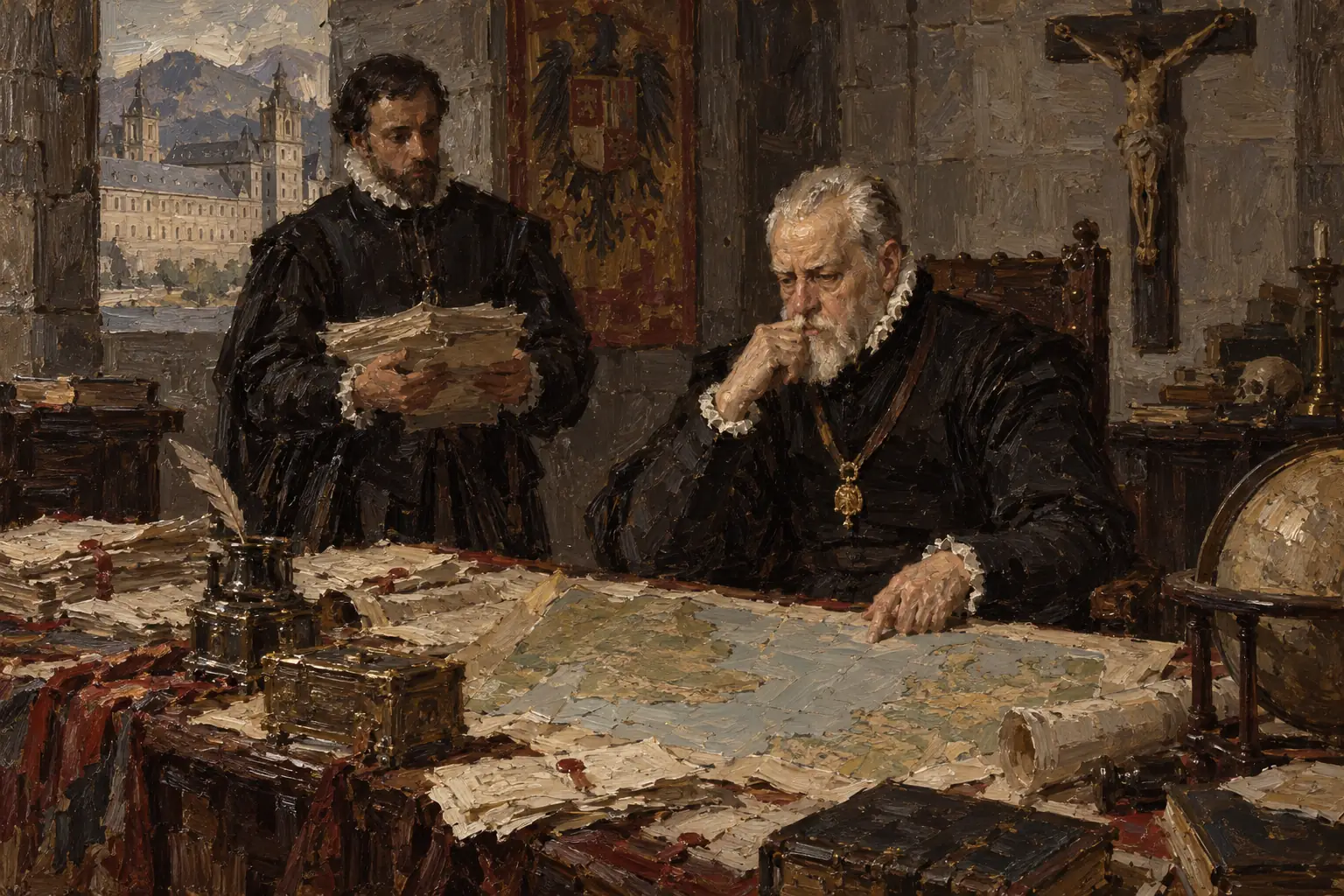
During the late 16th century, England and Spain represented opposing religious and political forces in Europe. England, under Elizabeth I, had embraced Protestantism, while Spain remained a staunch defender of Catholicism, leading to deep ideological divisions that fuelled international tensions.
Religious and political divisions
- Protestant reforms in England - Elizabeth's establishment of a Protestant Church challenged Catholic authority, creating friction with Spain, which viewed itself as the protector of the Catholic faith.
- Spanish imperial power - Under King Philip II, Spain controlled vast territories, including parts of the Netherlands and the Americas, and sought to expand Catholic influence, seeing Protestant England as a threat to this dominance.
- Broader European context - The Reformation had divided Europe along religious lines, with alliances forming around Protestant or Catholic causes, making any conflict between England and Spain part of a larger ideological struggle.
Elizabeth's excommunication and the Dutch Revolt
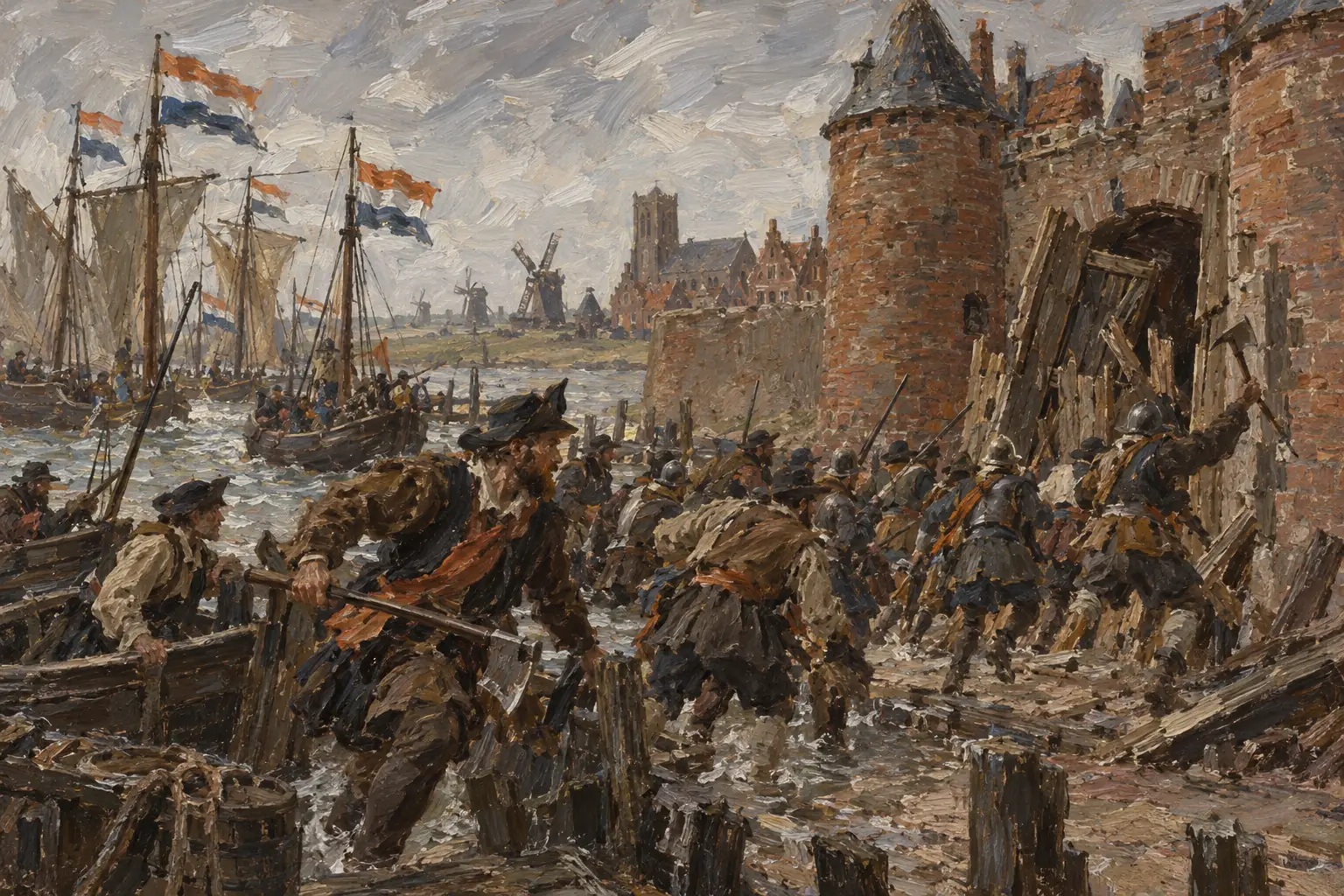
Elizabeth I's excommunication by the Pope intensified religious hostilities, while the Dutch Revolt against Spanish rule provided a focal point for English intervention, drawing the two nations closer to conflict.
Impact of excommunication
- Papal bull of 1570 - Pope Pius V declared Elizabeth a heretic and released her Catholic subjects from loyalty, encouraging plots against her and justifying Spanish aggression.
- Encouragement of rebellion - This decree emboldened Catholic factions in England and abroad, heightening Philip II's resolve to undermine Elizabeth's regime.
Nature of the Dutch Revolt
- Origins in 1572 - Dutch Protestants rebelled against harsh Spanish governance, seeking independence and religious freedom, which resonated with England's own Protestant values.
- English sympathy - Elizabeth saw the revolt as an opportunity to weaken Spain and protect Protestant interests, though she initially hesitated due to fears of direct confrontation.
English support and the Treaty of Nonsuch
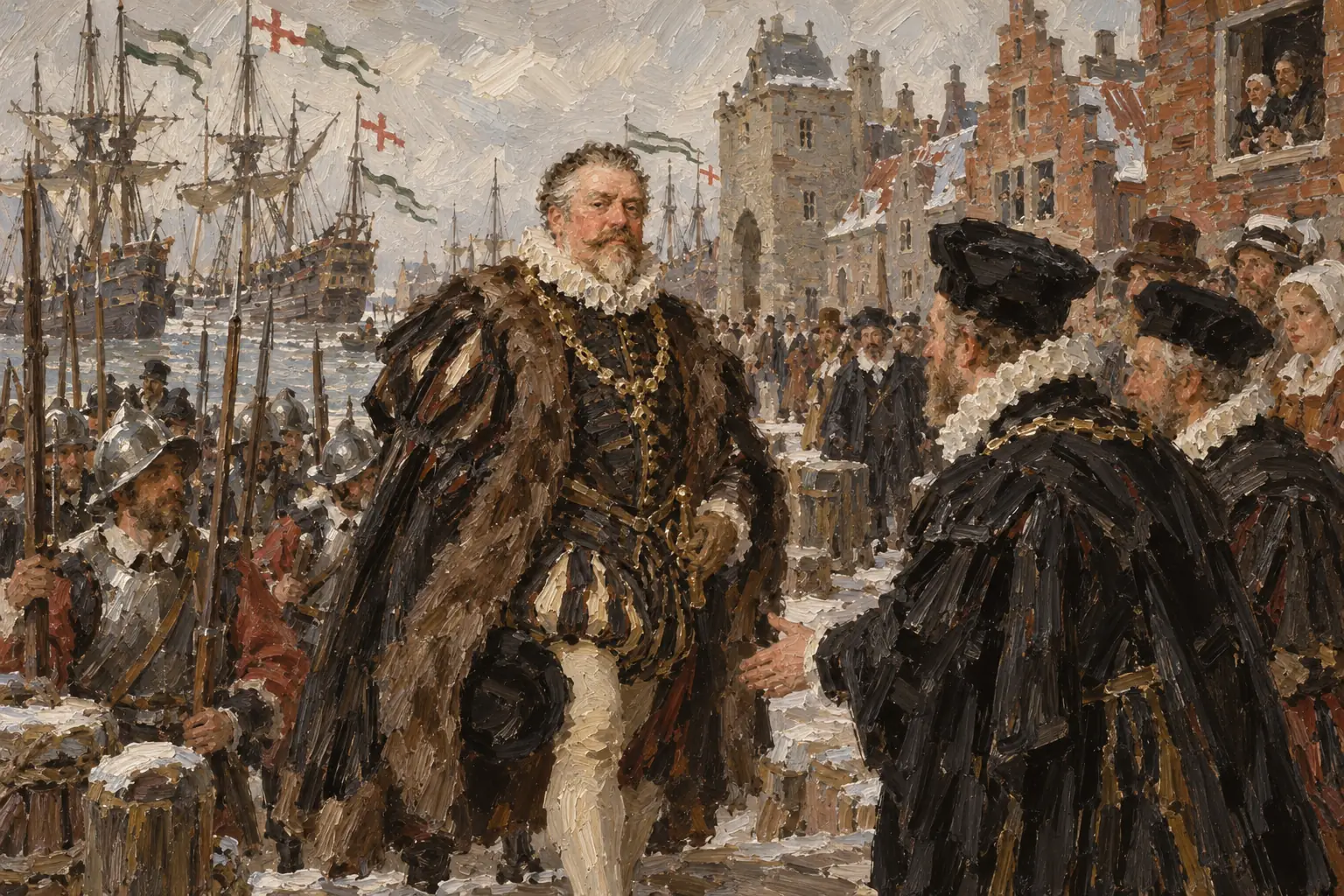
England's decision to aid the Dutch rebels marked a significant escalation in tensions with Spain. This support was formalised through diplomatic agreements, directly challenging Spanish authority in the Netherlands.
Forms of English assistance
- Military and financial aid - England provided troops, money, and supplies to the Dutch, bolstering their resistance against Spanish forces.
- Treaty of Nonsuch (1585) - This agreement committed Elizabeth to send an expeditionary force under the Earl of Leicester, openly aligning England with the rebels and provoking Spanish retaliation.
Privateering, trade rivalry and Drake's raids
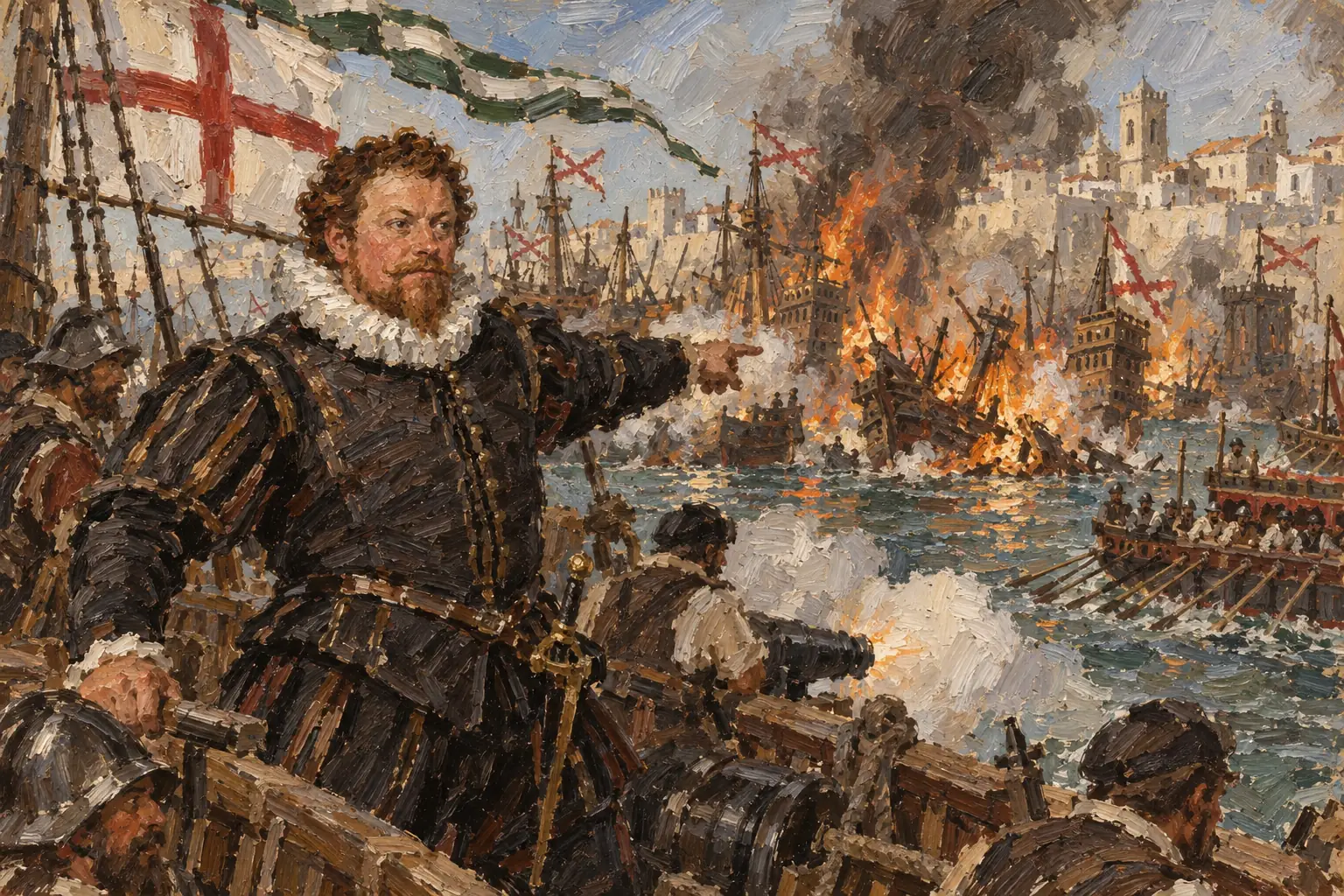
Economic competition and acts of piracy further strained relations, as English adventurers targeted Spanish interests in the Americas and beyond. These actions disrupted Spain's wealth and prestige.
Key economic grievances
- Privateering against Spanish shipping - English sailors, authorised by letters of marque, attacked and looted Spanish vessels, seizing treasure and weakening Spain's naval power.
- Trade rivalry in the New World - England challenged Spain's monopoly on American colonies by establishing trading outposts and claiming territories, leading to clashes over resources like gold and silver.
Drake's provocative raids
- Cadiz attack (1587) - Francis Drake led a fleet to destroy ships and supplies in Cadiz harbour, delaying Spanish preparations for invasion in an act famously called 'singeing the King of Spain's beard'.
- Broader impact - Such raids humiliated Philip II and demonstrated England's willingness to strike preemptively, accelerating the path to war.
Earlier flashpoints and marriage diplomacy
Initial incidents and failed diplomatic efforts set the stage for conflict, revealing underlying animosities that could not be resolved peacefully. By the late 1580s, these elements had made war inevitable.
Significant early incidents
- San Juan de Ulúa (1568) - Spanish forces ambushed English ships in a Mexican port, resulting in heavy losses and fostering long-term resentment among English mariners like John Hawkins and Francis Drake.
- Other provocations - Ongoing disputes over trade and religion created a pattern of hostility, with each side viewing the other as an existential threat.
Role of marriage diplomacy
- Failed negotiations - Proposals for Elizabeth to marry Philip II or other Catholic suitors aimed to ease tensions but collapsed due to religious differences, ending hopes for a peaceful alliance.
- Path to open war - Cumulative grievances, from ideological clashes to direct aggressions, eroded any chance of reconciliation, leading Philip II to plan an invasion of England by 1588.