2.3 - Disease & Treatments in the Early Modern Period
Key facts and dates
The early modern period, spanning roughly from 1500 to 1800, saw a mix of longstanding medical traditions and emerging innovations influenced by scientific thought and overseas discoveries. While humoural theory dominated, new approaches began to challenge it, though everyday treatments often remained unchanged.
Key facts to remember
- Humoural theory – Based on balancing four bodily humours (blood, phlegm, yellow bile, black bile) to restore health.
- Herbalism – Use of plants like willow bark for pain relief, drawing on ancient and local knowledge.
- Paracelsus (1493–1541) – Advocated chemical medicine, using minerals and alchemy to treat specific diseases.
- Cinchona bark – Introduced to Europe in the 1630s from South America, used to extract quinine for treating malaria.
- Apothecaries – Gained prominence from the 1600s, acting as regulated dispensers of medicines.
- Quackery – Unregulated sellers of fake cures persisted throughout the period, exploiting public desperation.
- Women's roles – Household healers relied on herbals and community wisdom, often without formal training.
Traditional treatments for disease
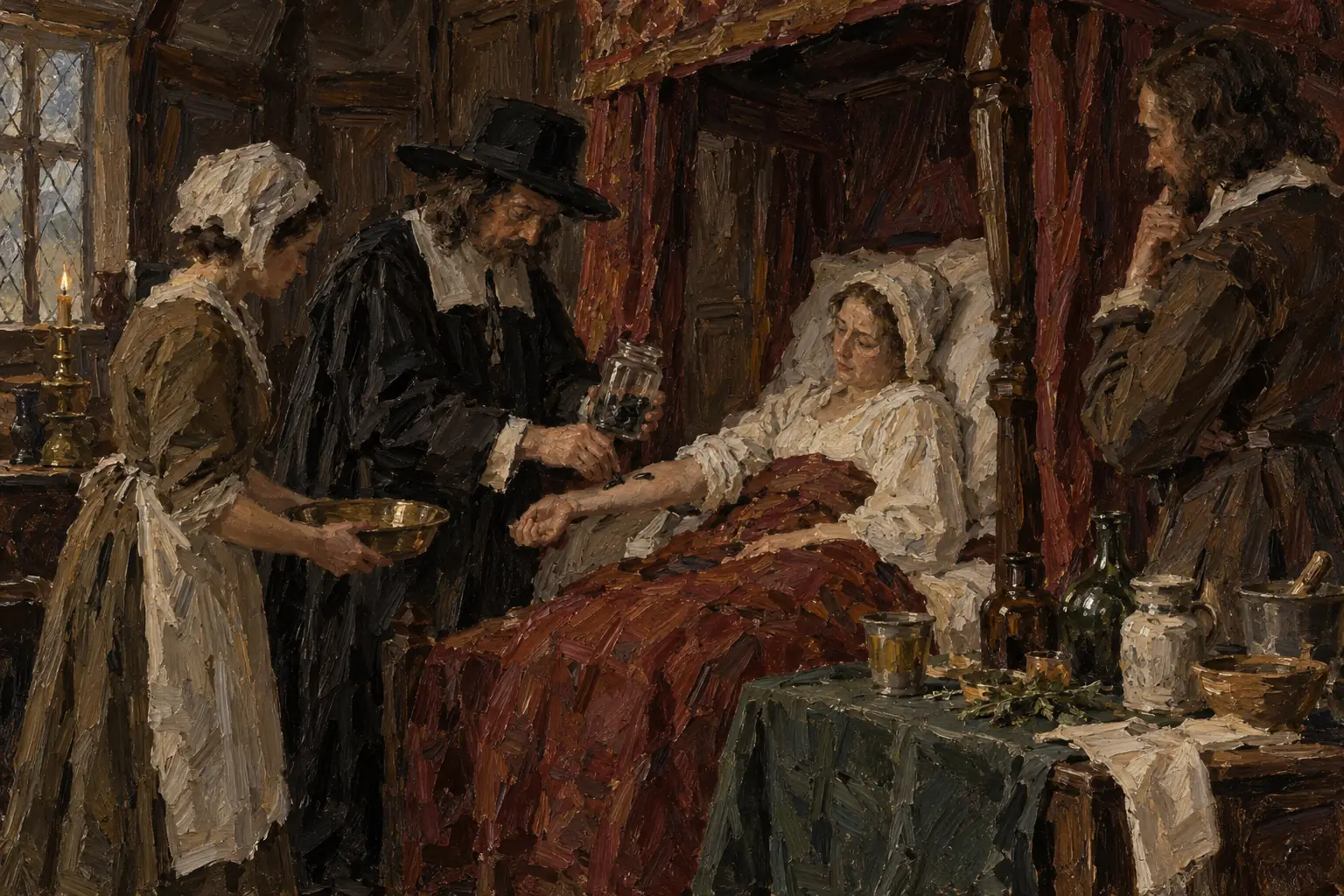
In the early modern period, medical practices largely followed ancient theories, focusing on restoring balance within the body. These methods were widely used by physicians, healers, and ordinary people, reflecting a reliance on established ideas passed down through generations.
Common traditional approaches to treatment
- Humoural balancing - Health was seen as depending on equilibrium among the four humours; treatments aimed to correct imbalances through methods like bloodletting or dietary changes.
- Herbalism - Plants and natural remedies, such as infusions of herbs for ailments like fevers or digestive issues, formed the basis of many cures, often prepared at home or by local practitioners.
- Purging - Techniques to expel excess humours included inducing vomiting or using laxatives, believed to cleanse the body and alleviate symptoms of illness.
Chemical medicine and global exploration
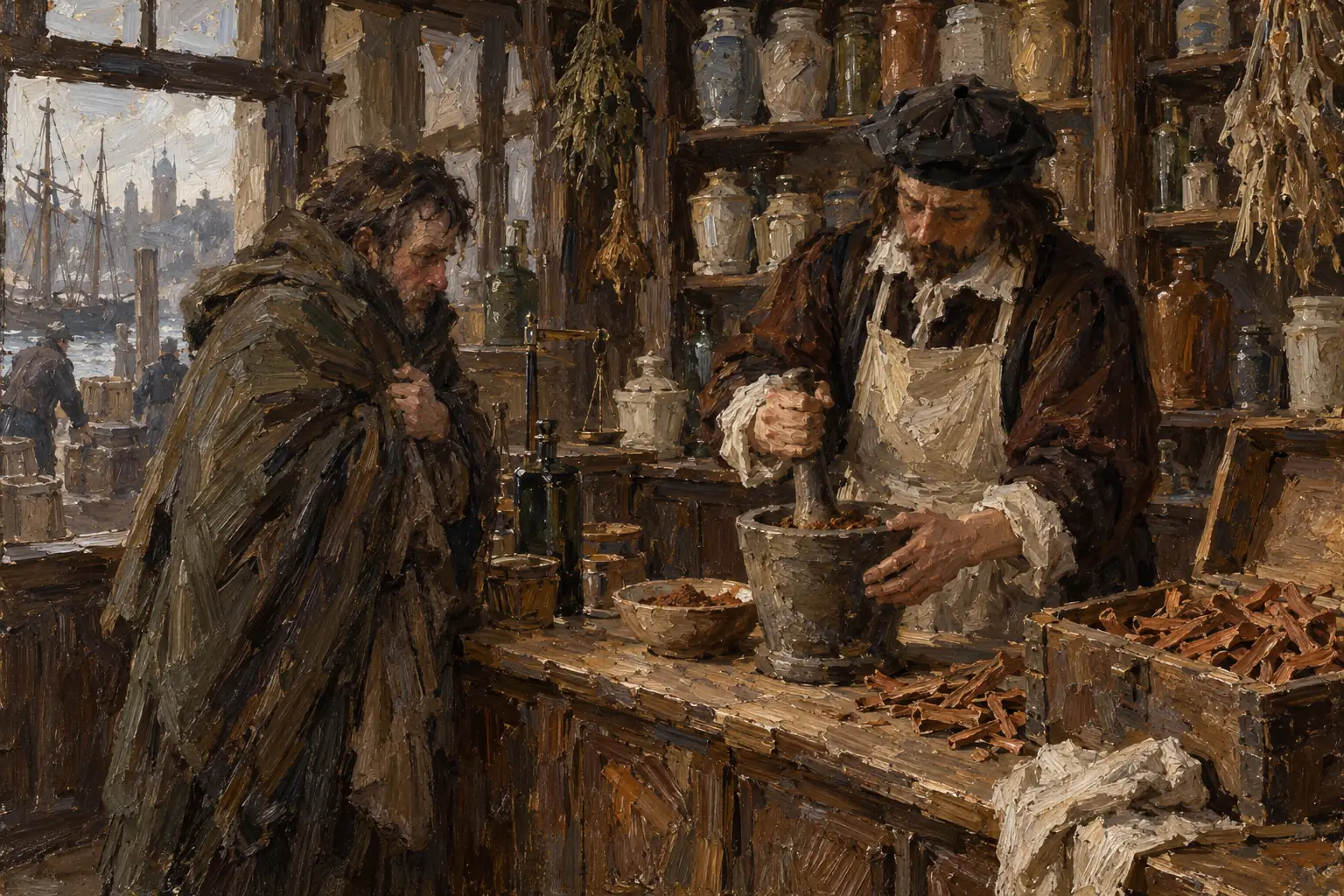
The period introduced innovative approaches that began to shift medical thinking away from purely traditional methods. Influences from alchemy and overseas trade brought novel substances and concepts, challenging the dominance of humoural theory.
Developments in chemical medicine
- Influence of Paracelsus - This Swiss physician promoted the use of chemicals like mercury and antimony to target specific diseases, arguing that treatments should be based on observation and experimentation rather than ancient texts.
- Alchemy and minerals - Chemical preparations, derived from alchemical processes, were used to create medicines that addressed particular symptoms, marking an early move towards targeted therapies.
Contributions from global exploration
- Introduction of new remedies - Trade and exploration brought exotic substances to Europe, such as tobacco from the Americas for pain relief or spices from Asia for digestive aids.
- Cinchona bark and quinine - Sourced from South American trees, this bark was processed into quinine, providing an effective treatment for malaria and demonstrating how global discoveries could enhance medical options.
Growth of apothecaries and persistence of quackery
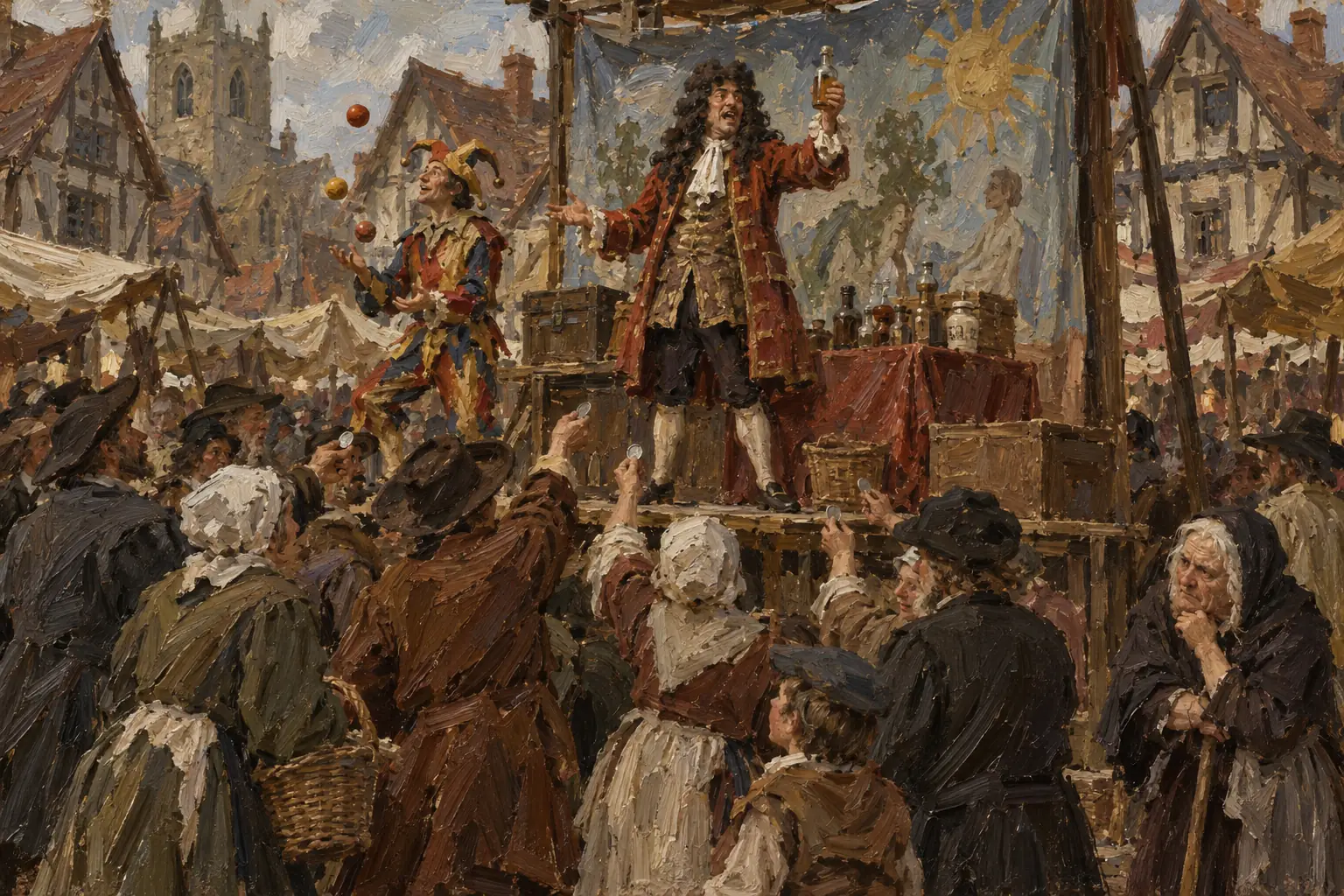
As medical knowledge expanded, professional roles evolved, with apothecaries becoming key figures in dispensing remedies. However, alongside this growth, unregulated practices continued to thrive, often preying on vulnerable patients.
Expansion of the apothecary profession
- Role and regulation - Apothecaries prepared and sold medicines, gaining formal status through guilds and regulations from the 17th century, which helped standardise treatments and reduce reliance on unqualified sellers.
- Services provided - They compounded prescriptions from physicians, offered advice on remedies, and stocked a growing range of ingredients, including those from chemical medicine and imports.
Continuation of quackery
- Unregulated sellers - So-called quacks peddled miracle cures like patent medicines or elixirs, often without scientific basis, using aggressive marketing to attract customers desperate for relief.
- Reasons for persistence - Limited access to trained professionals and widespread belief in quick fixes allowed quackery to flourish, despite occasional crackdowns by authorities.
Continuity and innovation in medical practice
While new ideas emerged, much of early modern medicine showed strong continuity with medieval practices. Innovations were adopted slowly, often blending with traditional methods rather than replacing them outright.
Balance between old and new approaches
- Persistence of traditional methods - Everyday treatments like herbal remedies and purging remained common in households and communities, as they were familiar, affordable, and rooted in cultural beliefs.
- Gradual adoption of innovations - Chemical medicines and imported remedies were integrated selectively, often tested through trial and error, leading to incremental improvements in treating conditions like fevers or infections.
- Factors influencing change - Increased printing of medical texts spread new knowledge, but resistance from established physicians and limited scientific understanding slowed widespread reform.
Role of women as healers and caregivers
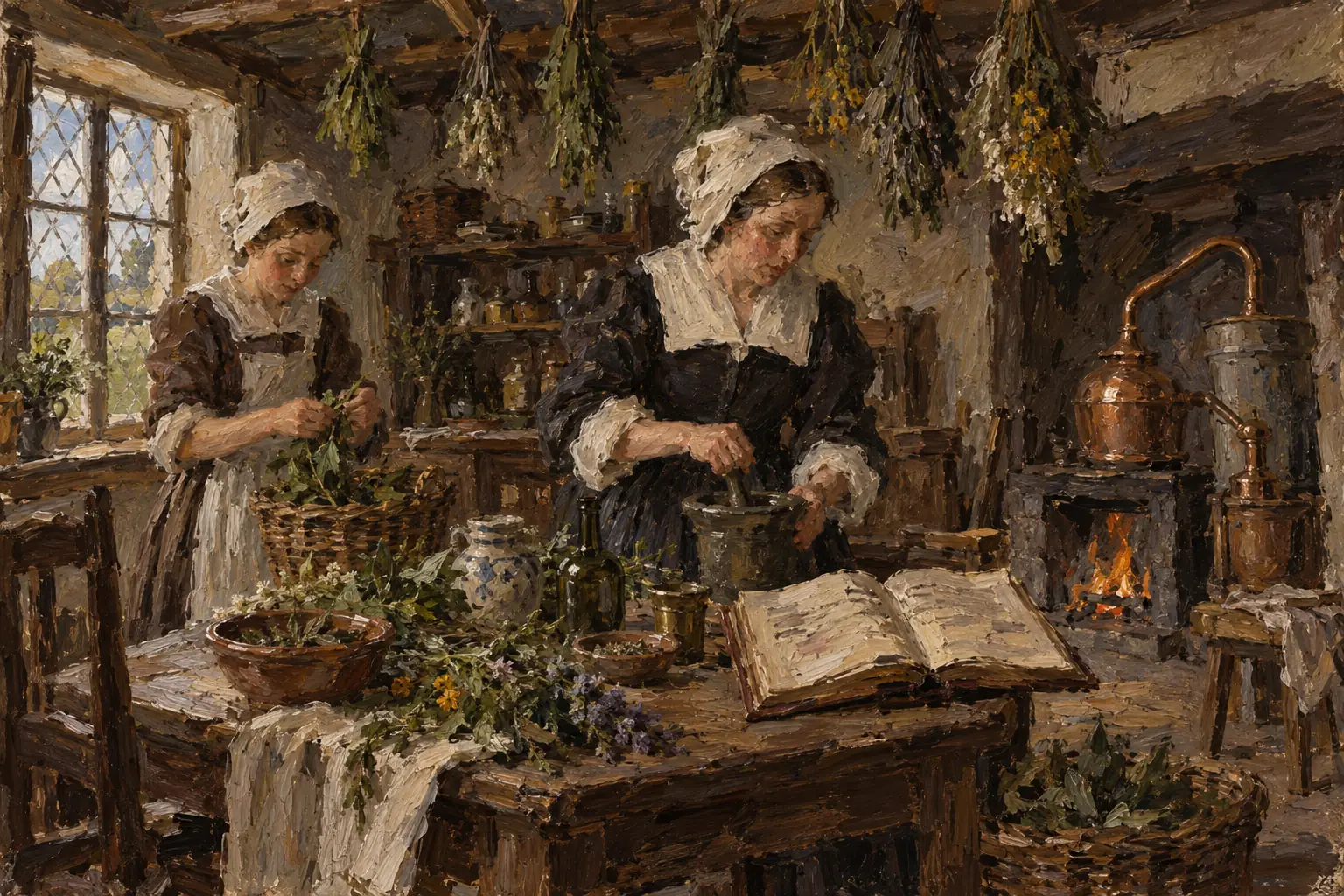
Women played a central part in early modern healthcare, particularly within families and local networks. Their contributions, based on practical experience and shared knowledge, were essential but often undervalued compared to male professionals.
Contributions of women in healing
- Household and community care - Women managed illness at home, using herbals (books of remedies) to prepare treatments, nurse the sick, and provide midwifery services.
- Reliance on local knowledge - Drawing from folklore and generational wisdom, they gathered and applied plants for common ailments, filling gaps left by distant or expensive physicians.
- Challenges and recognition - Although restricted from formal medical training, women's roles as caregivers sustained community health, with some gaining reputations as skilled healers despite societal limitations..