2.4 - The Great Plague: Ideas, Responses & Impact
Key facts and dates
The Great Plague of 1665 struck London and other parts of England, killing an estimated 100,000 people and exposing limited progress in medical understanding since medieval times. While some new administrative measures emerged, traditional beliefs persisted, and the outbreak ended largely due to natural factors rather than effective interventions.
Timeline of key events
- April 1665 – First cases reported in London, brought from the Netherlands via infected goods.
- June 1665 – Royal court issues orders for quarantine and house shutdowns to contain spread.
- July 1665 – Peak of the outbreak in London, with weekly Bills of Mortality recording thousands of deaths.
- September 1665 – Plague reaches its height, prompting mass exodus from cities and trade halts.
- February 1666 – Outbreak begins to subside as colder weather reduces flea activity.
- September 1666 – Great Fire of London destroys many rat-infested areas, indirectly aiding plague prevention.
Beliefs about the causes of the Great Plague
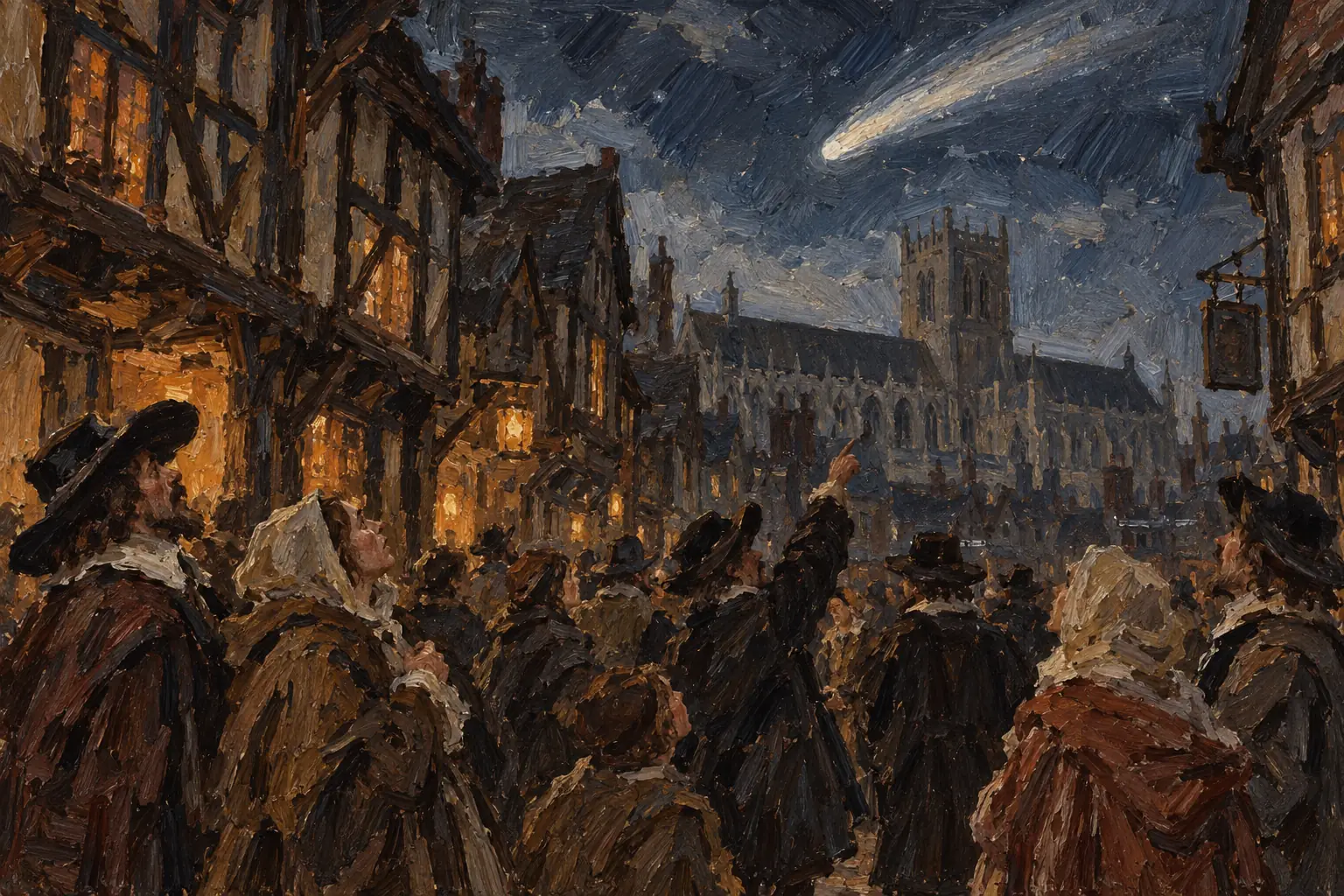
During the 1665 plague outbreak in England, people held a mix of traditional and emerging ideas about what triggered the disease. These beliefs influenced how communities responded, though they often delayed effective action. In reality, the plague was caused by the bacterium Yersinia pestis, transmitted through bites from fleas that infested black rats, which thrived in unsanitary urban environments.
Common theories on plague causation
- Miasma theory - Many believed the disease spread through poisonous vapours or 'bad air' from rotting matter, leading to practices like burning herbs to purify the atmosphere.
- Contagion idea - Some recognised that the plague could pass directly from person to person, prompting isolation measures, though this was not universally accepted.
- Supernatural or divine causes - Religious views saw the outbreak as God's punishment for sin, encouraging prayer and fasting as remedies.
- Astrological influences - Positions of planets or comets were thought to imbalance bodily humours, reflecting lingering medieval thinking.
Responses and measures taken during the outbreak
Image 1 of 2: Infected houses were shut for 40 days, with a red cross on the door and a watchman outside
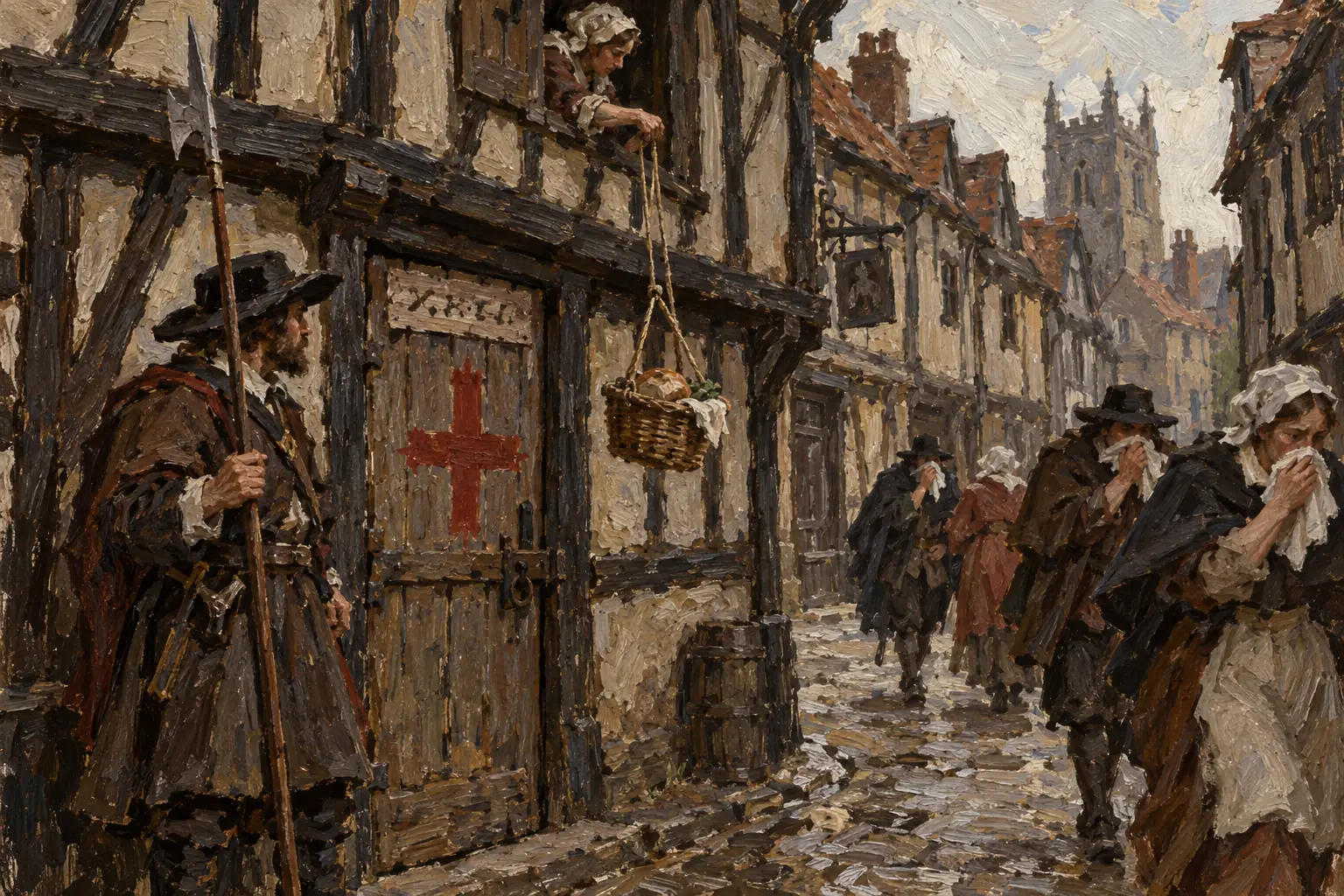
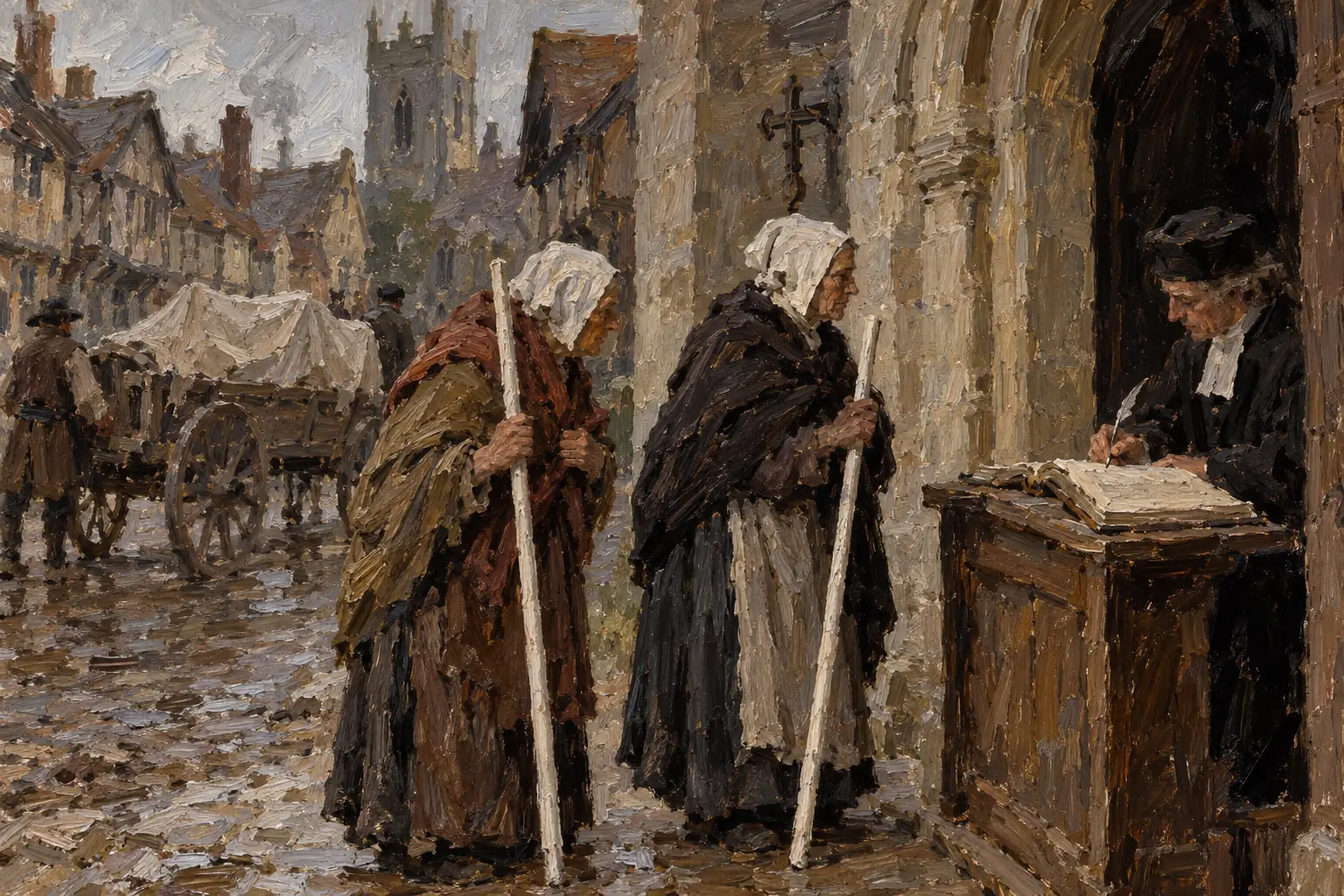
Authorities in 1665 implemented a range of strategies to curb the plague's spread, drawing on both old superstitions and new administrative tools. These included local and national efforts, often enforced by civic officials and the royal court, though enforcement varied by region.
Key preventive and control measures
- Quarantine and house shutdowns - Infected households were sealed for 40 days, with guards posted and a red cross marked on doors; watchmen ensured no one left, sometimes leading to entire families perishing inside.
- Role of searchers - Typically older women were employed to examine bodies and report plague deaths, helping authorities track the disease despite their low pay and lack of medical training.
- Bills of Mortality - Weekly publications listed death causes and numbers in London parishes, providing data for monitoring the outbreak and informing public warnings.
- Civic actions - Local councils ordered street cleaning, stray animal culls, and bans on public gatherings like theatres to reduce contact.
- Royal measures - King Charles II and the court fled London but issued decrees for food distribution to the poor and restrictions on trade from infected areas.
Impact on trade, work and social life
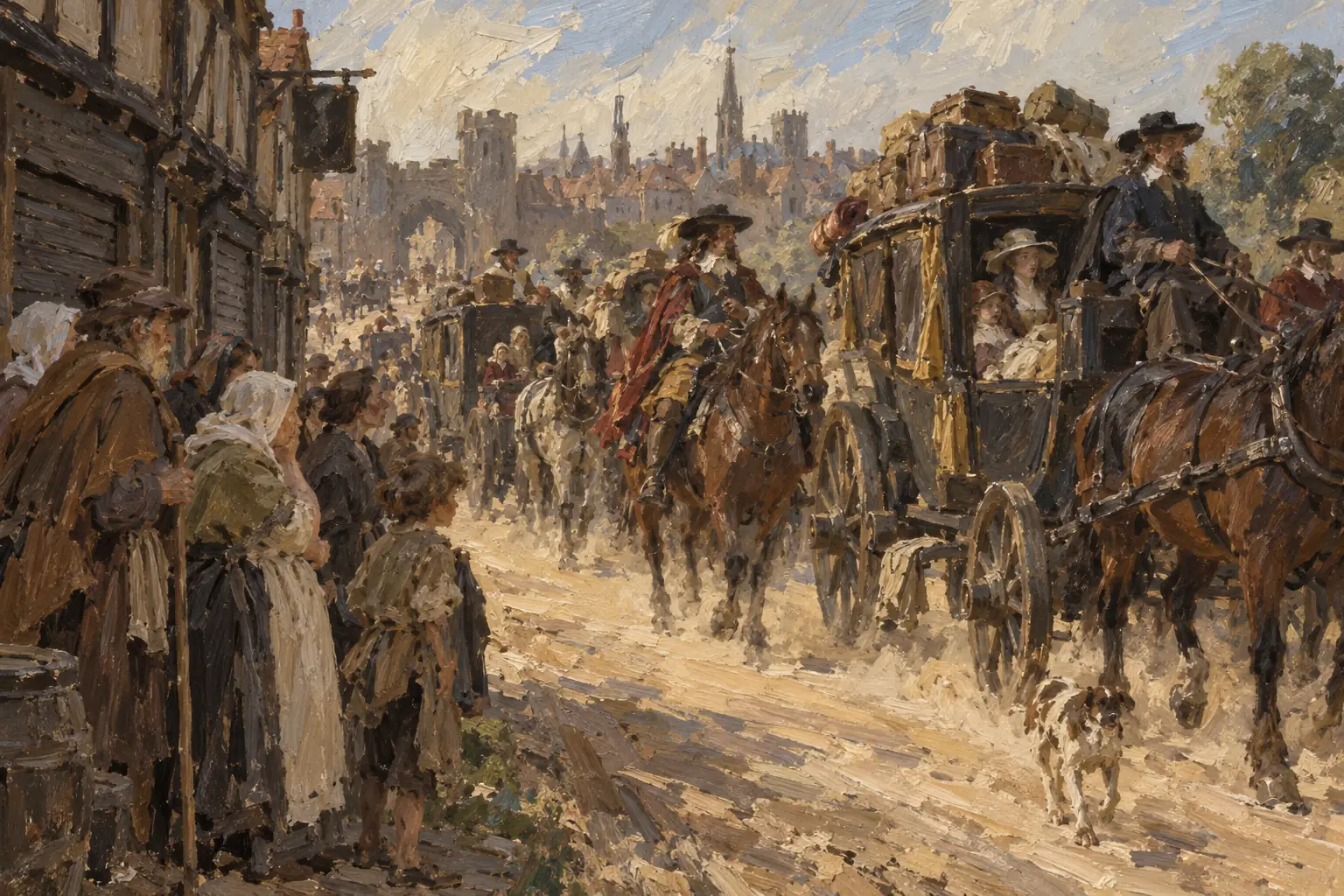
The 1665 plague disrupted daily life across England, particularly in urban centres like London, where fear and restrictions led to widespread hardship. These effects rippled through the economy and society, exacerbating inequalities and altering community dynamics.
Consequences for economic and social structures
- Disruption to trade - Ports and markets closed, halting imports and exports; merchants suffered losses as goods rotted, and international commerce with places like the Netherlands declined sharply.
- Effects on work - Many professions halted, with labourers, artisans, and shopkeepers unable to operate; unemployment rose, though some roles like grave-digging saw demand increase.
- Changes in social life - Families separated due to flight from cities, with the wealthy escaping to rural areas while the poor remained trapped; social events ceased, fostering isolation and mistrust.
- Broader societal strain - Food shortages emerged from disrupted supplies, and crime increased in deserted areas; the plague deepened class divides, as affluent groups accessed better resources.
Comparison with the Black Death of 1348-49
The Great Plague of 1665 showed some advancements over the Black Death three centuries earlier, but significant continuities in ignorance and ineffective responses highlighted limited overall progress. While administrative organisation improved, core understandings of disease causation remained rooted in medieval ideas.
Similarities and differences in understanding and management
| Aspect | Black Death (1348-49) | Great Plague (1665) | Extent of change |
|---|---|---|---|
| Beliefs about causes | Dominated by miasma, divine punishment, and humours; no knowledge of bacterial transmission. | Similar emphasis on miasma and contagion, but emerging ideas of person-to-person spread; still unaware of fleas and bacteria. | Minimal progress; traditional theories persisted without scientific breakthroughs. |
| Responses | Basic quarantines in some cities; flagellation and prayers as common remedies. | More structured quarantines, Bills of Mortality for tracking, and civic orders; searchers systematised reporting. | Moderate improvement in organisation, but enforcement was inconsistent and often harsh. |
| Impact on society | Massive population loss led to labour shortages and social upheaval. | Similar economic disruption, but smaller scale; trade halts and urban flight echoed earlier patterns. | Little change in overall societal effects, though better records documented the 1665 outbreak. |
| Long-term outcomes | Spurred some economic shifts like higher wages; no major medical advances. | Followed by the Great Fire aiding sanitation; laid groundwork for future public health reforms. | Slight advancement, as administrative tools evolved, but true progress awaited later discoveries. |