1.5 - Territorial Changes & Mandates
Key facts and dates
The Treaty of Versailles in 1919 imposed significant territorial losses on Germany, redrawing European borders and redistributing overseas possessions. These changes aimed to weaken German influence while strengthening Allied nations, though they sowed seeds for future tensions.
Key facts to remember
- Alsace-Lorraine – Returned to France after being seized by Germany in 1871.
- Eupen-Malmedy – Transferred to Belgium following a 1920 plebiscite.
- Northern Schleswig – Awarded to Denmark after a 1920 plebiscite.
- Polish Corridor and Danzig – Corridor created to give Poland sea access; Danzig became a free city under League of Nations supervision.
- West Prussia and Posen – Ceded to Poland to form the new Polish state.
- Saar region – Placed under League control for 15 years, with a 1935 plebiscite planned.
- Rhineland – Designated as a demilitarised zone to protect France.
- Overseas colonies – Converted to League mandates administered by Britain, France, Japan, and others.
Territorial adjustments in Europe
The Treaty of Versailles, signed in 1919, fundamentally altered Germany's borders in Europe as part of the post-World War I settlement. These changes were designed to reduce German territory and military potential, while addressing nationalist claims from neighbouring states and promoting self-determination through mechanisms like plebiscites.
Major principles guiding territorial changes
- Redistribution to weaken Germany - Land losses aimed to diminish Germany's size and resources, preventing future aggression.
- Self-determination - Plebiscites allowed local populations to vote on their national affiliation, reflecting Woodrow Wilson's ideals.
- Allied gains - Territories were reassigned to victorious powers or newly formed states to restore pre-1871 balances or create buffers.
Border changes: France, Belgium, Denmark, Poland
Image 1 of 3: French troops are welcomed in Strasbourg in November 1918 as Alsace-Lorraine returns to France
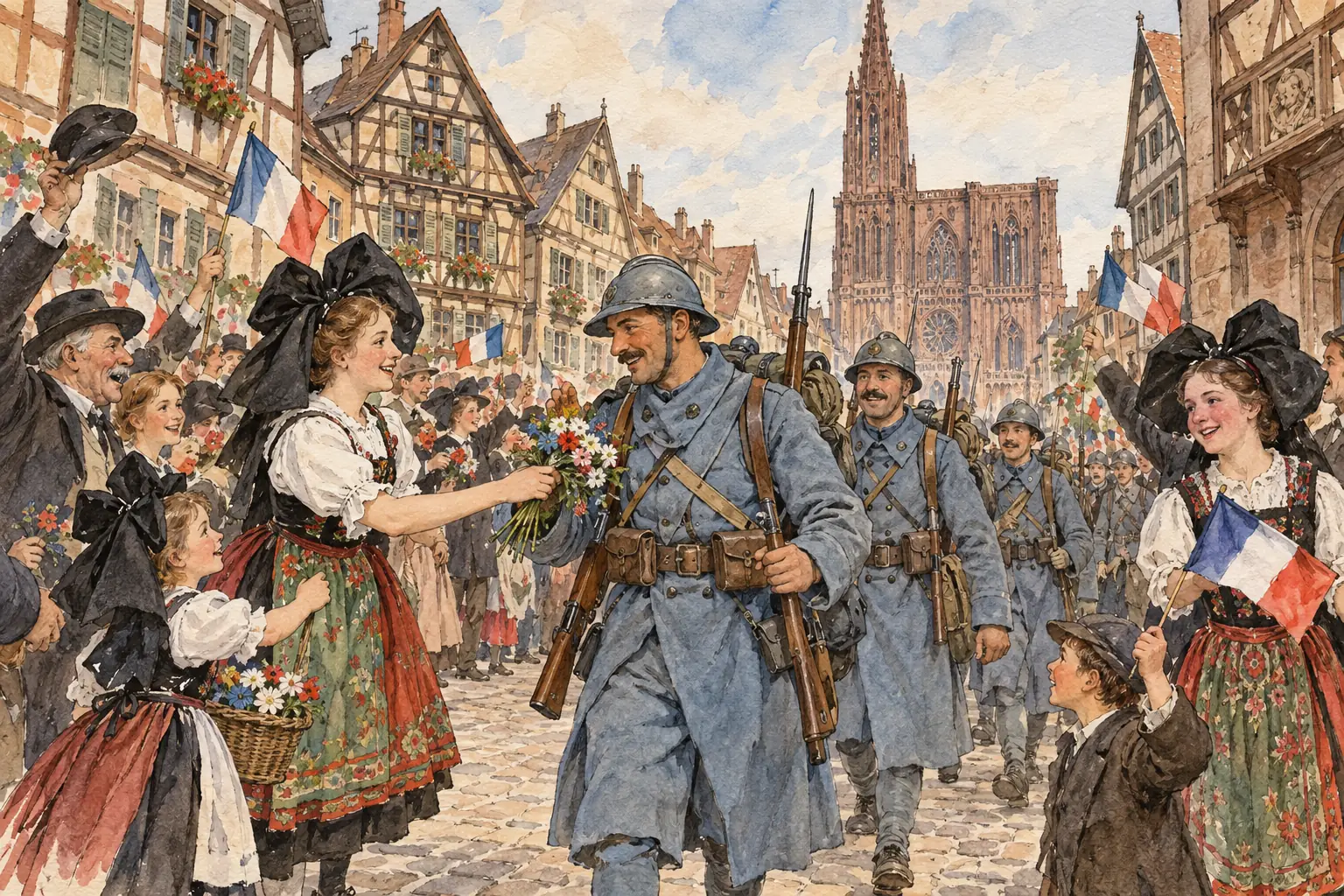
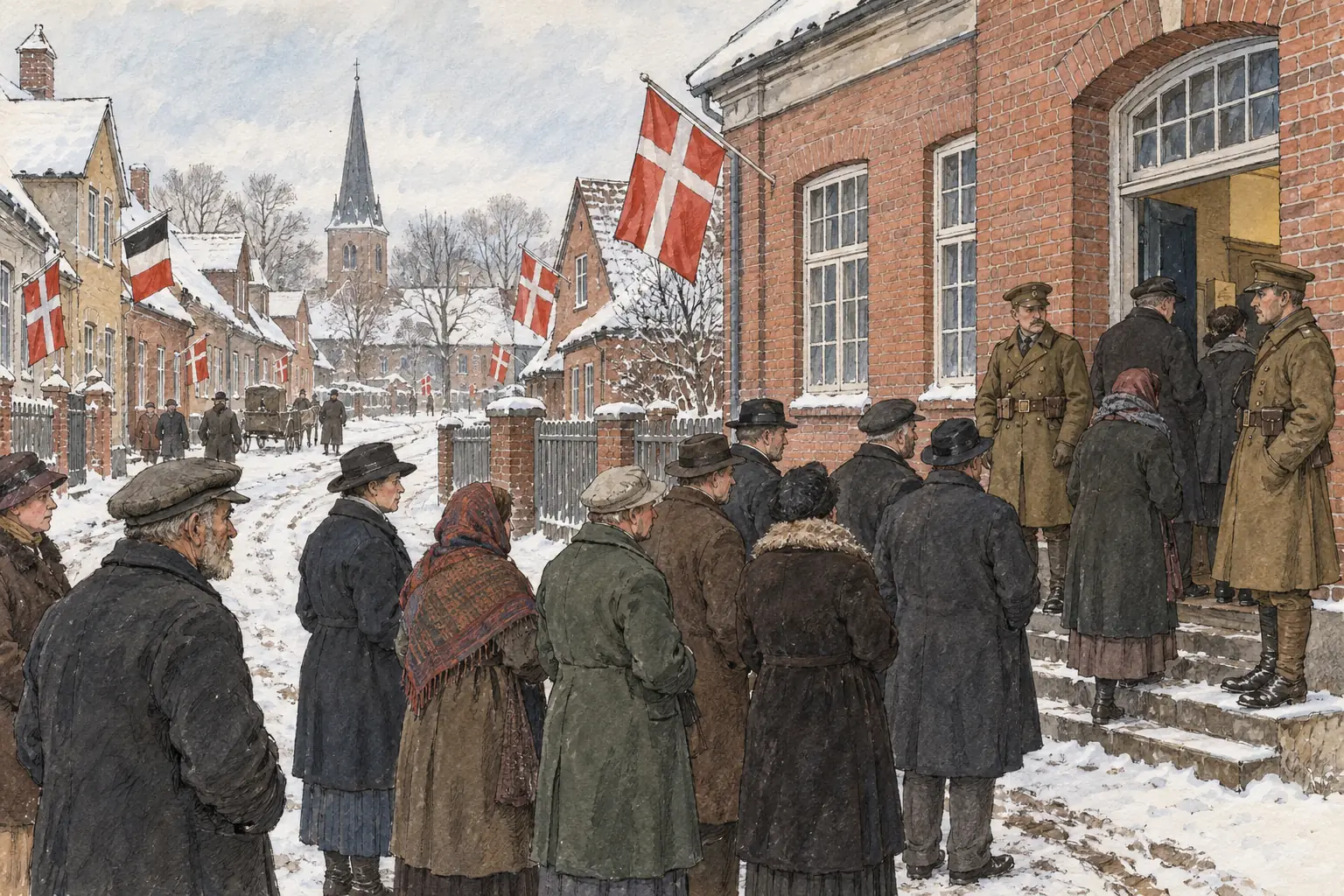
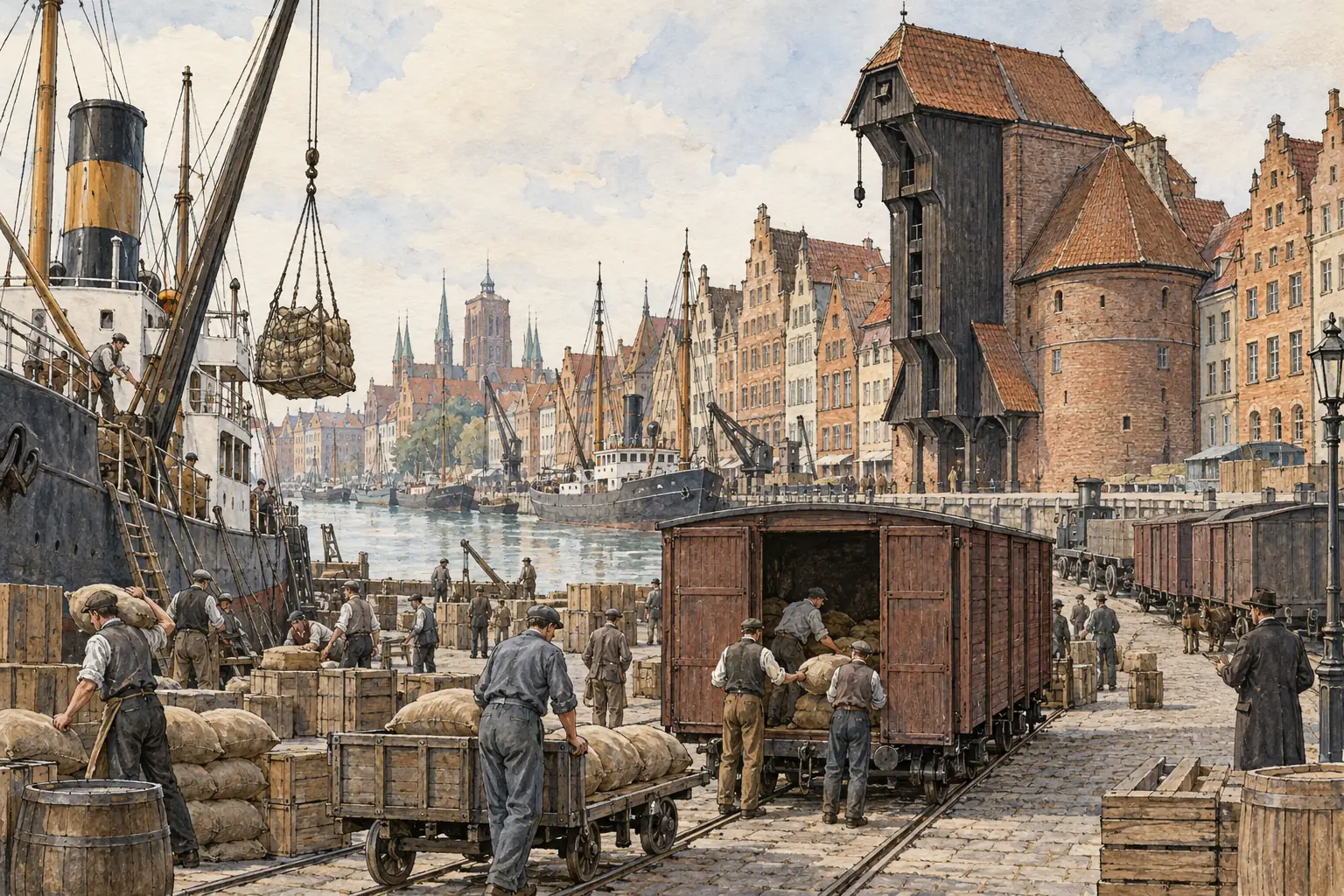
Germany lost several key regions along its western, northern, and eastern borders, which were transferred to neighbouring countries. These adjustments not only reduced German territory but also addressed historical grievances and strategic concerns.
Key border adjustments
- With France - Alsace-Lorraine, annexed by Germany after the Franco-Prussian War, was restored to French control, fulfilling a major French demand for revenge and security.
- With Belgium - The districts of Eupen and Malmedy were ceded to Belgium, confirmed by a plebiscite in 1920, enhancing Belgium's eastern defences.
- With Denmark - Northern Schleswig was returned to Denmark following a 1920 plebiscite, where the local population voted to rejoin their cultural homeland.
- With Poland - West Prussia and Posen were given to the newly independent Poland to provide it with viable territory. Additionally, the Polish Corridor was established, granting Poland access to the Baltic Sea, while the port city of Danzig was designated a free city under League of Nations administration to balance German and Polish interests.
Special arrangements: Saar, Rhineland, Austria
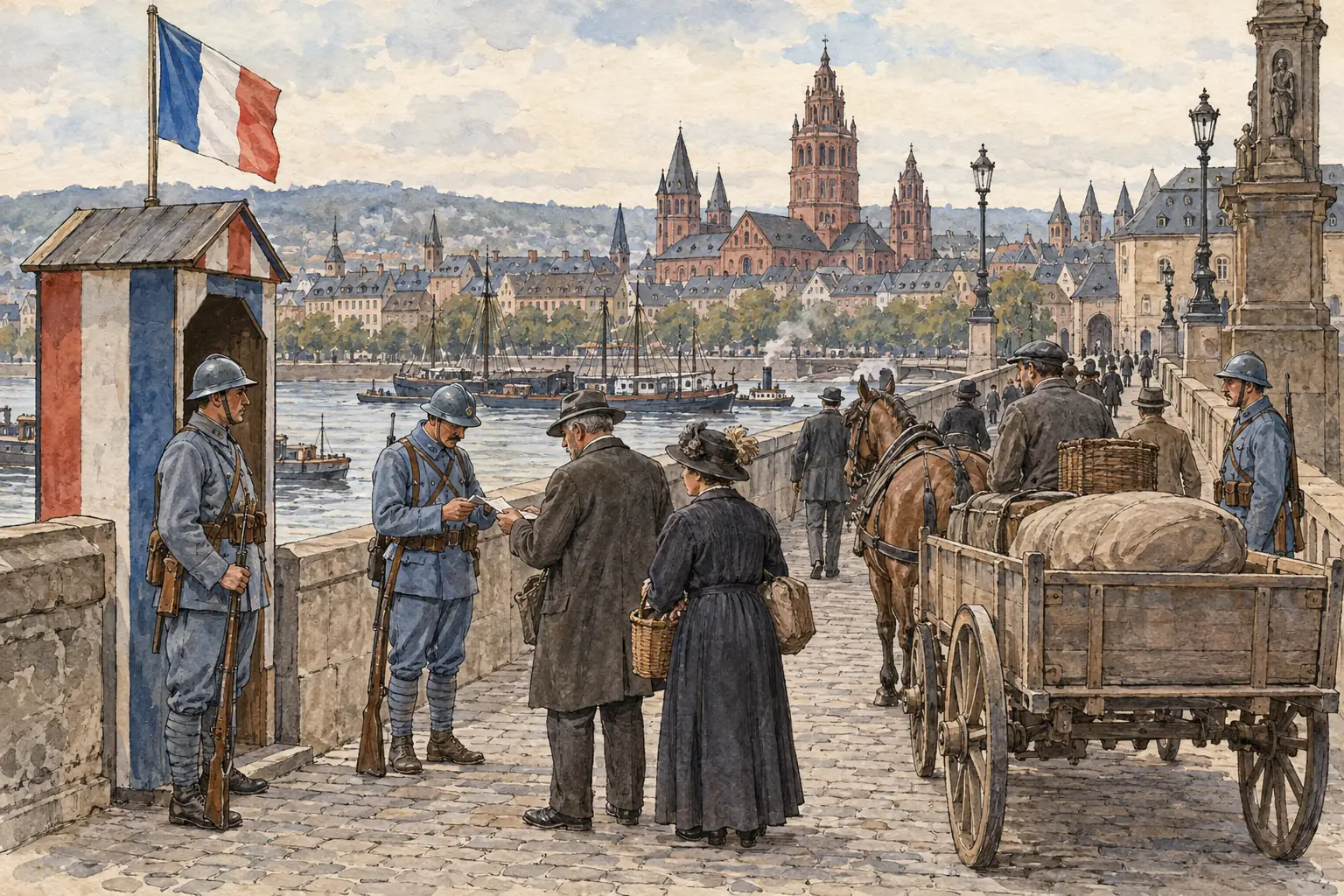
Certain areas received unique statuses to ensure long-term stability and prevent German remilitarisation. These provisions included temporary international oversight and restrictions on sovereignty.
Arrangements for key regions
- Saar region - This coal-rich area was placed under League of Nations administration for 15 years, allowing France to exploit its mines as reparations. A plebiscite was scheduled for 1935 to determine its future status.
- Rhineland - The area along the Rhine River was demilitarised, forbidding German troops or fortifications to create a buffer zone protecting France and Belgium from invasion.
- Austria - The treaty explicitly prohibited Anschluss, or political union between Germany and Austria, to prevent the creation of a stronger German-speaking power in Central Europe.
Loss of colonies through the mandate system
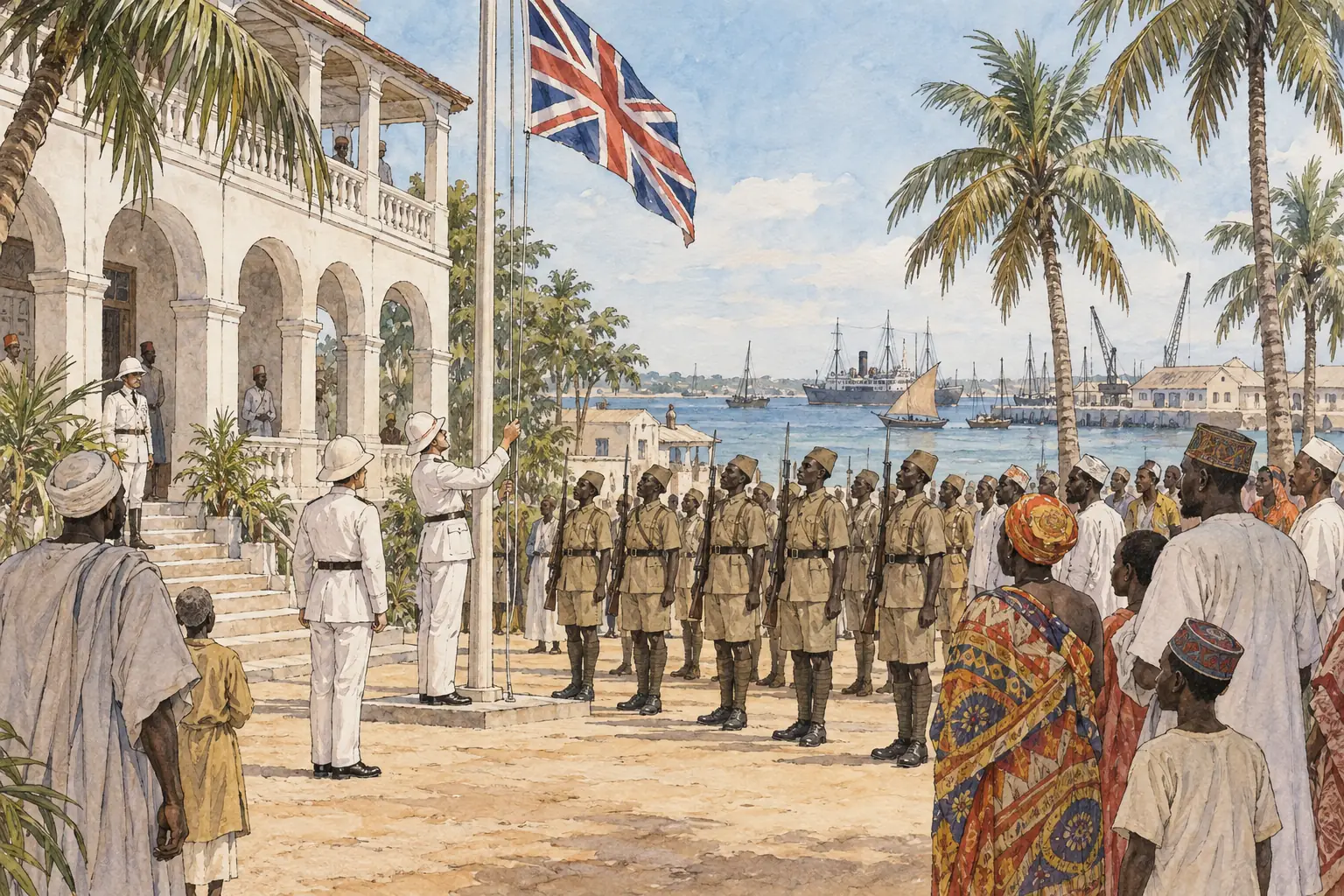
Germany was stripped of its entire colonial empire, which was redistributed under the new mandate system established by the League of Nations. This system aimed to prepare territories for eventual independence while placing them under temporary Allied administration.
Details of the mandate system
- Distribution of colonies - Former German possessions in Africa (such as Tanganyika to Britain and Togo to France), the Pacific (islands to Japan), and elsewhere were reclassified as mandates.
- League oversight - Mandates were supervised by the League to ensure they were governed in the interests of local populations, rather than as outright annexations.
- Administering powers - Britain, France, Japan, and other Allied nations took control, with varying degrees of responsibility based on the mandate's classification (A, B, or C, reflecting readiness for self-rule).
Impact on global power dynamics and prestige
The territorial clauses of the Treaty of Versailles significantly diminished Germany's status as a world power, while enhancing that of the Allies. This reshaping extended beyond Europe to influence international relations.
Consequences for power and prestige
- Diminished German influence - Losing 13% of its European territory and all colonies reduced Germany's economic resources and military reach, symbolising its defeat and humiliation.
- Strengthened Allied positions - France regained industrial regions, Britain expanded its empire through mandates, and Japan gained Pacific footholds, shifting the balance of global power.
- Rise of new tensions - The changes fostered resentment in Germany, contributing to instability, while the mandate system introduced a novel approach to colonial administration, though it often masked continued exploitation.
- Long-term global effects - By weakening Germany and redistributing territories, the treaty altered colonial dynamics and set the stage for decolonisation movements in the 20th century.