2.5 - 1934: Night of the Long Knives & Führer State
Key facts and dates
The year 1934 marked a pivotal moment in Nazi Germany, as Hitler eliminated internal threats and consolidated absolute power following his appointment as Chancellor. This period involved brutal purges and strategic manoeuvres that transformed the regime into a one-man dictatorship.
Timeline of key events
- Early 1934 – Growing tensions between Hitler and SA leader Ernst Röhm, who pushes for a "second revolution" and greater SA influence.
- 30 June 1934 – Night of the Long Knives begins; SS arrests and executes SA leaders, including Röhm.
- 1 July 1934 – Purge continues, targeting perceived enemies like former Chancellor Kurt von Schleicher.
- 2 July 1934 – Official end of the operation, with around 200 people killed, justified as preventing a coup.
- 13 July 1934 – Hitler addresses the Reichstag, portraying the purge as a necessary defence of the state.
- 2 August 1934 – President Hindenburg dies; Hitler merges the roles of Chancellor and President into "Führer".
- 3 August 1934 – German army swears a personal oath of loyalty to Hitler as Führer.
Tensions between Hitler and the SA
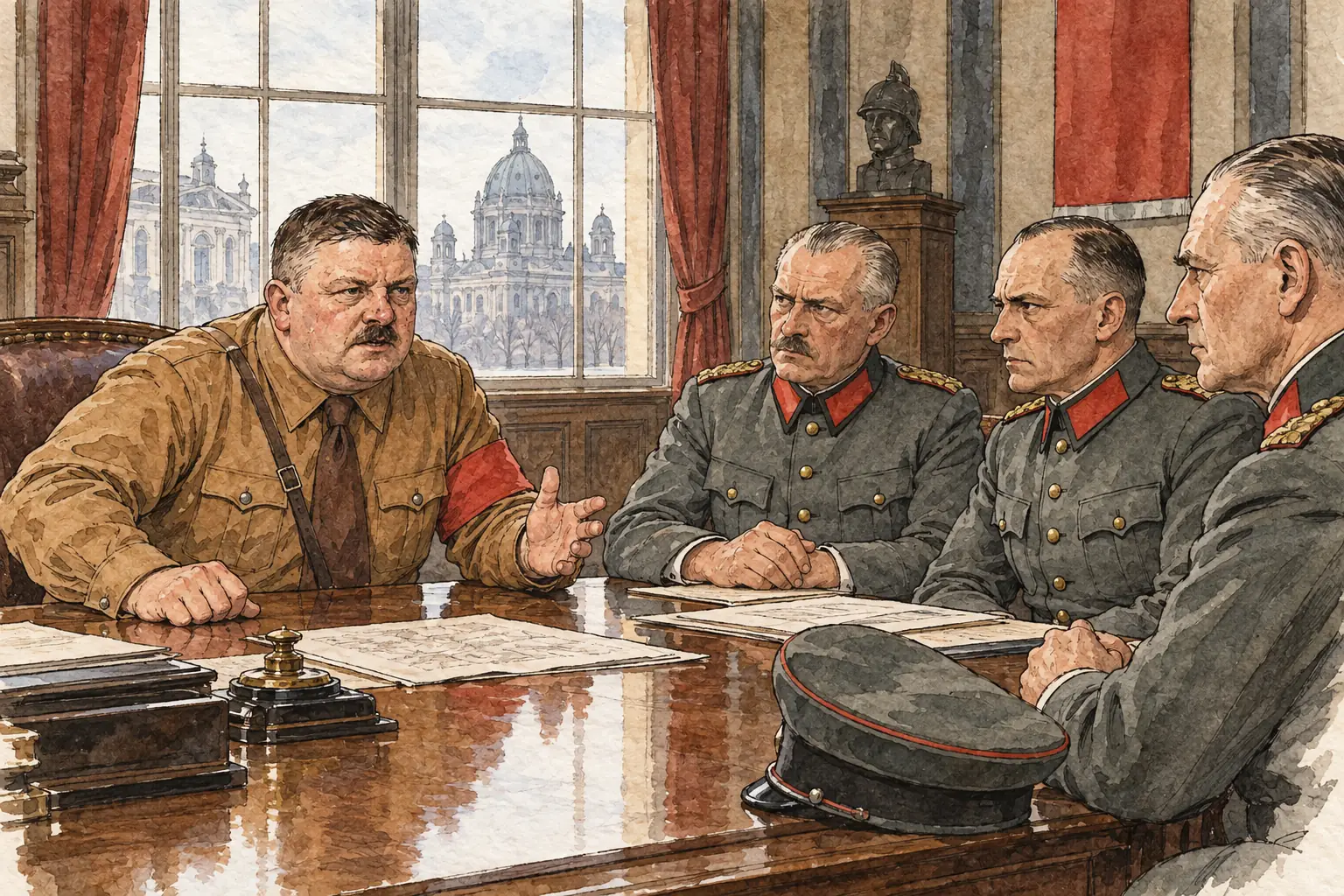
By 1934, significant friction had developed within the Nazi Party between Adolf Hitler and the Sturmabteilung (SA), the party's paramilitary wing. The SA, under Ernst Röhm, had grown to over three million members and played a key role in Hitler's rise to power through street violence and intimidation. However, Röhm's radical vision clashed with Hitler's more pragmatic approach to consolidating control.
Key sources of tension with the SA
- Röhm's ambitions - As SA leader, Röhm sought to expand his influence by integrating the SA into the regular army, potentially making him a rival power base to Hitler.
- Push for a "second revolution" - Röhm advocated for radical socialist reforms, including wealth redistribution and attacks on big business, which alarmed conservative elites and contradicted Hitler's alliances with industrialists.
- SA's unruly behaviour - The SA's continued thuggery, even after the Nazis gained power, created public disorder and threatened Hitler's image as a stabilising force.
Need for army support and elite reassurance
Hitler recognised that long-term control required the backing of traditional institutions, particularly the German army and conservative elites. The SA's growing power posed a direct threat to these groups, prompting Hitler to prioritise their loyalty over his old paramilitary allies.
Reasons for seeking army and elite support
- Army allegiance - The professional army viewed the SA as a chaotic mob and resisted Röhm's plans to absorb it; Hitler needed the army's support for future military expansion and rearmament.
- Reassuring elites - Conservative figures, including industrialists and aristocrats, feared the SA's radicalism would undermine social order and economic stability; aligning with them helped Hitler maintain funding and political backing.
- Strategic consolidation - By sidelining the SA, Hitler aimed to eliminate internal rivals and present the Nazi regime as a reliable partner to Germany's establishment.
The Night of the Long Knives purge
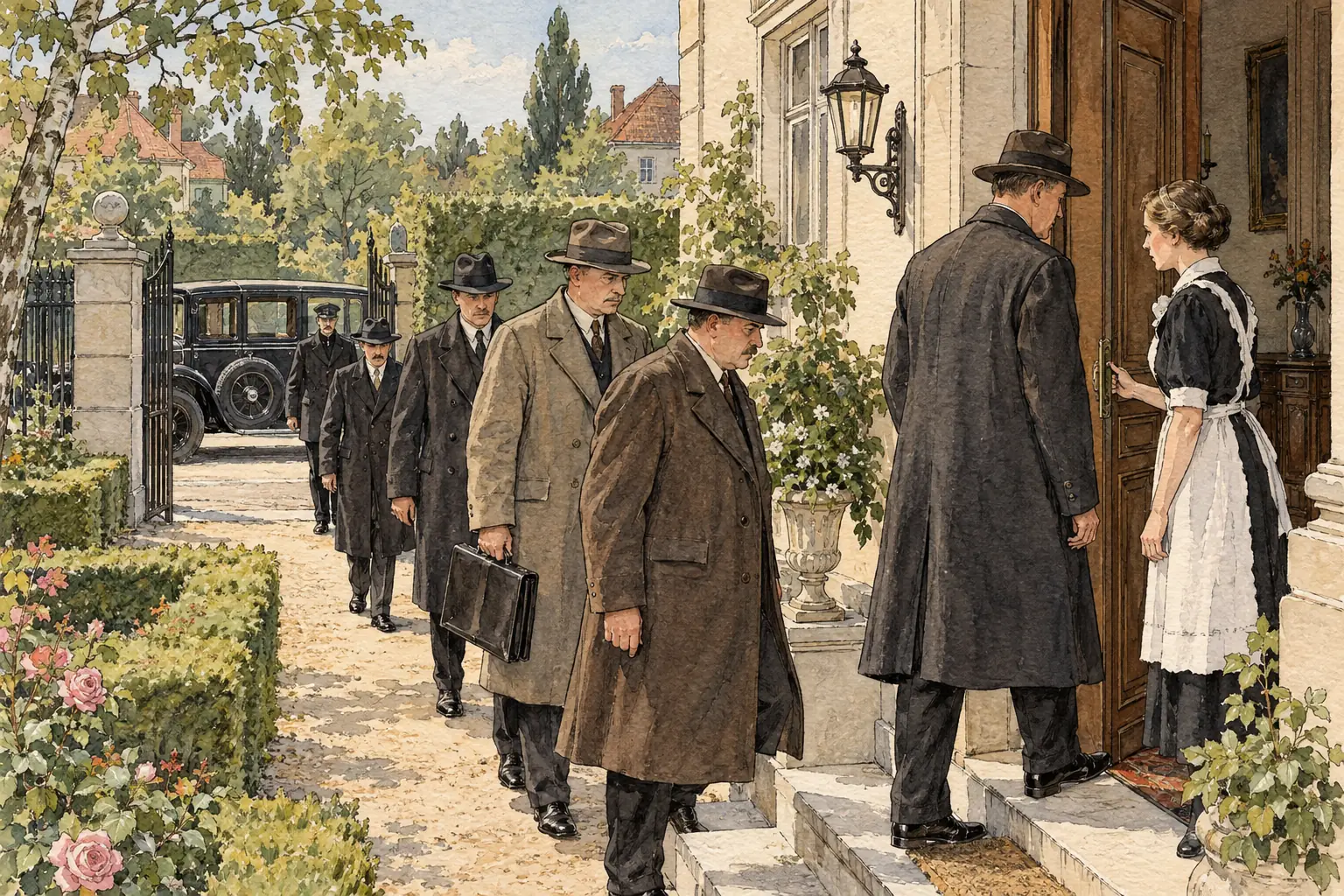
The Night of the Long Knives was a ruthless operation orchestrated by Hitler to eliminate the SA leadership and other opponents. Carried out from 30 June to 2 July 1934, it involved the Schutzstaffel (SS) and Gestapo in a swift, violent crackdown that solidified Hitler's dominance.
Details of the purge operation
- Targets - Primarily SA leaders like Röhm, but also extended to political rivals such as former Chancellor Kurt von Schleicher, conservative critics, and even some Nazis seen as disloyal; estimates suggest around 200 deaths.
- Methods - SS squads conducted arrests and summary executions without trials; Röhm was shot in prison after refusing suicide, while others were killed in their homes or during custody.
- Consequences - The purge weakened the SA, elevating the SS as the regime's primary enforcer; it demonstrated Hitler's willingness to use terror internally, intimidating potential opponents.
Hindenburg's death and the Führer state
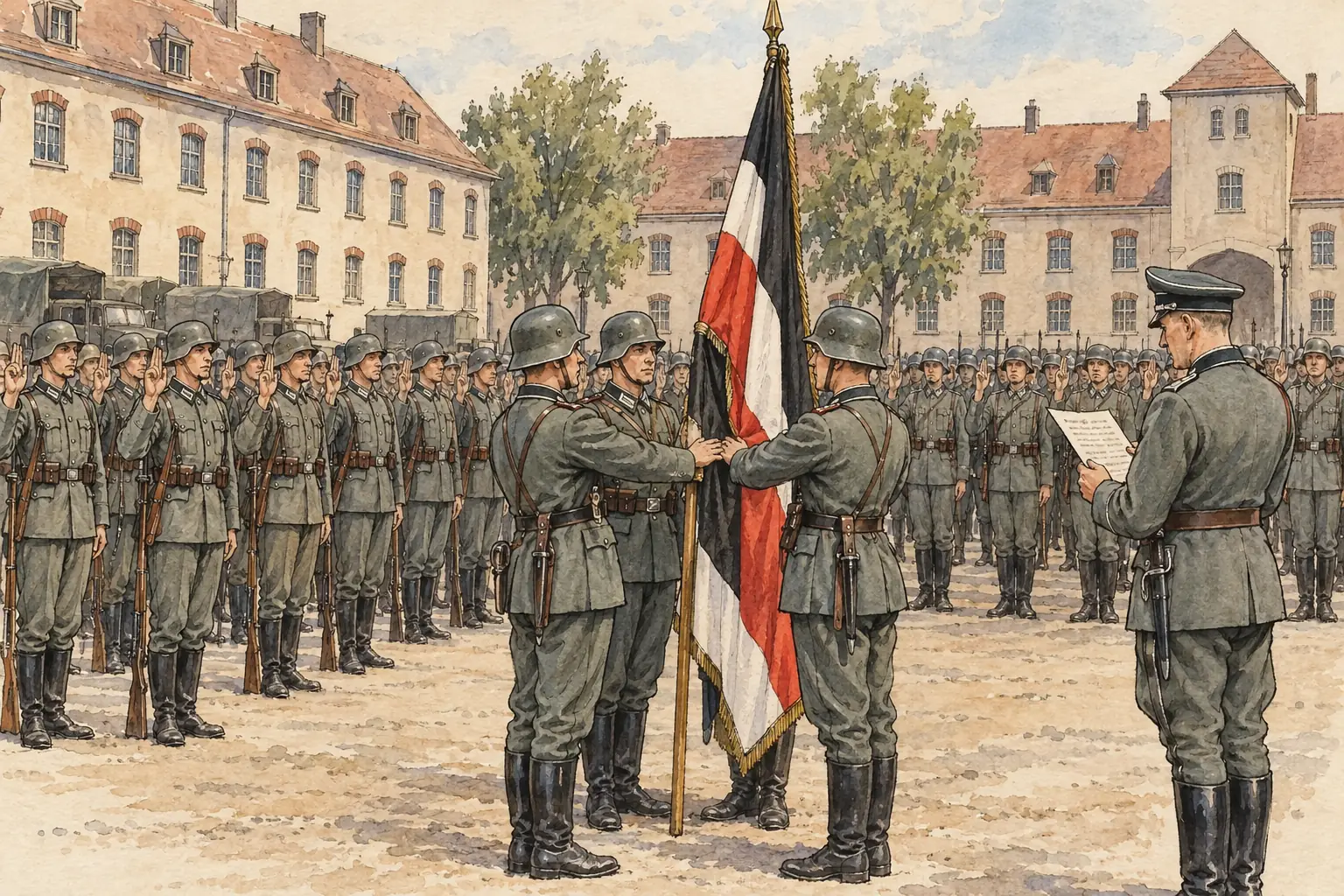
Following the purge, the death of President Paul von Hindenburg on 2 August 1934 provided Hitler with an opportunity to further centralise power. This event allowed him to merge key offices and secure personal loyalty from the military.
Key developments after Hindenburg's death
- Merging of roles - Hitler combined the positions of Chancellor and President into the new title of "Führer und Reichskanzler", granting him supreme authority over the state and party.
- Army oath to Hitler - On 3 August 1934, soldiers swore a personal oath of unconditional obedience to Hitler, rather than the constitution, binding the military directly to him.
- Impact on the state - This transformation ended the Weimar Republic's remnants, creating a totalitarian Führer state where Hitler's word became law.
Violence, legality, and propaganda
Hitler masterfully blended brute force, legal facades, and media manipulation to establish unchallenged rule. This multifaceted approach not only eliminated threats but also legitimised his actions in the eyes of the German public and institutions.
Elements used to cement one-man rule
- Violence - The purge's assassinations showcased raw power, eliminating rivals and instilling fear, while empowering loyal groups like the SS.
- Legality - Hitler retroactively justified the killings through a Reichstag law on 3 July 1934, declaring them necessary for state defence, maintaining an illusion of lawful order.
- Propaganda - Joseph Goebbels' ministry portrayed the events as a heroic prevention of treason; Hitler's 13 July speech to the Reichstag praised the dead as martyrs, while censoring details to shape public perception.
- Overall effect - This combination neutralised opposition, secured elite and military support, and propagated the myth of Hitler as Germany's saviour, entrenching his dictatorship.