4.3 - Minority Rights Since WWII: Protest & Policy
Key facts and dates
The period since the Second World War saw significant developments in minority rights in Britain, shaped by migration, discrimination, and responses from government and society. These changes were influenced by economic needs, evolving ideas about equality, and individual leadership, amid public debates communicated through media and protests.
Timeline of key events
| Date / Era | Event |
|---|---|
| Roman era to Civil War | Black presence in Britain documented from ancient times, including African soldiers in Roman legions and servants during the Tudor period. |
| 1948 | British Nationality Act grants citizenship to Commonwealth residents, encouraging post-war migration for labour shortages. |
| 1962 | Commonwealth Immigrants Act restricts entry, responding to public concerns over immigration. |
| 1965 | Race Relations Act bans discrimination in public places, marking early anti-racism legislation. |
| 1968 | Enoch Powell's "Rivers of Blood" speech fuels anti-immigrant sentiment; Immigration Act further limits entry. |
| 1976 | Updated Race Relations Act extends protections against discrimination in employment and housing. |
| 1977 | Battle of Lewisham sees anti-fascist groups confront the National Front, highlighting counter-mobilisations. |
| 1981 | Brixton riots erupt due to policing tensions; Scarman Report recommends reforms to address discrimination. |
Black communities in Britain before WWII
Black communities have existed in Britain for centuries, countering the misconception that post-1945 migration represented an entirely new phenomenon. This long history includes contributions across various eras, influenced by economic opportunities, imperial connections, and individual migrations.
Early examples of Black presence in Britain
- Roman era - African soldiers served in Roman legions stationed in Britain, with archaeological evidence showing diverse populations in places like Hadrian's Wall.
- Tudor period - Black individuals worked as musicians, servants, or traders in royal courts and port cities, often arriving via European trade routes.
- Civil War era - During the 17th century, Black sailors and workers participated in naval activities and urban life, with some gaining freedom and establishing families.
- Broader context - These early communities faced varying degrees of acceptance, but their presence highlights Britain's multicultural history, shaped by global trade and empire.
Post-WWII migration and discrimination
Image 1 of 2: In June 1948 the Empire Windrush brought one of the first large groups of Caribbean migrants to Britain
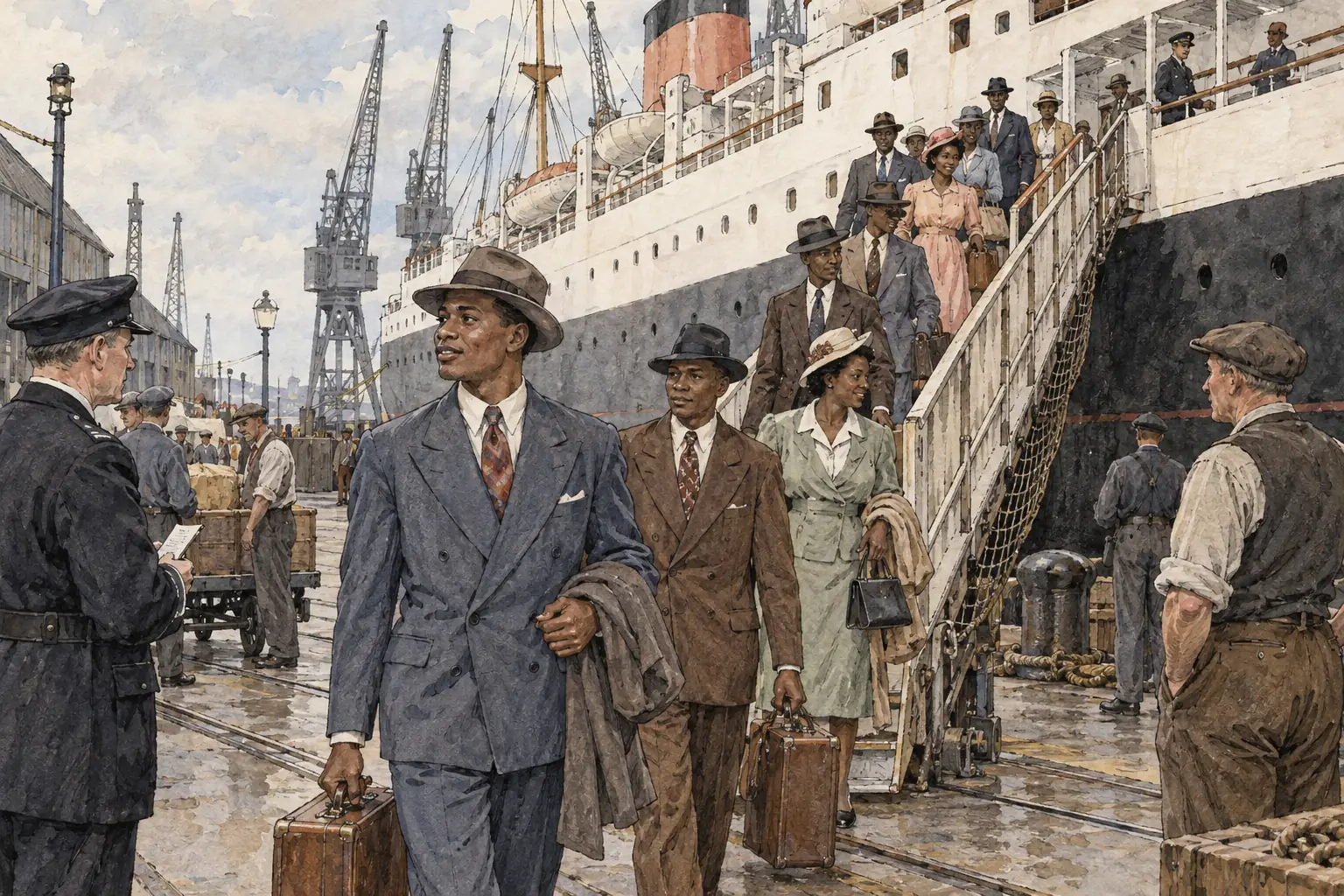
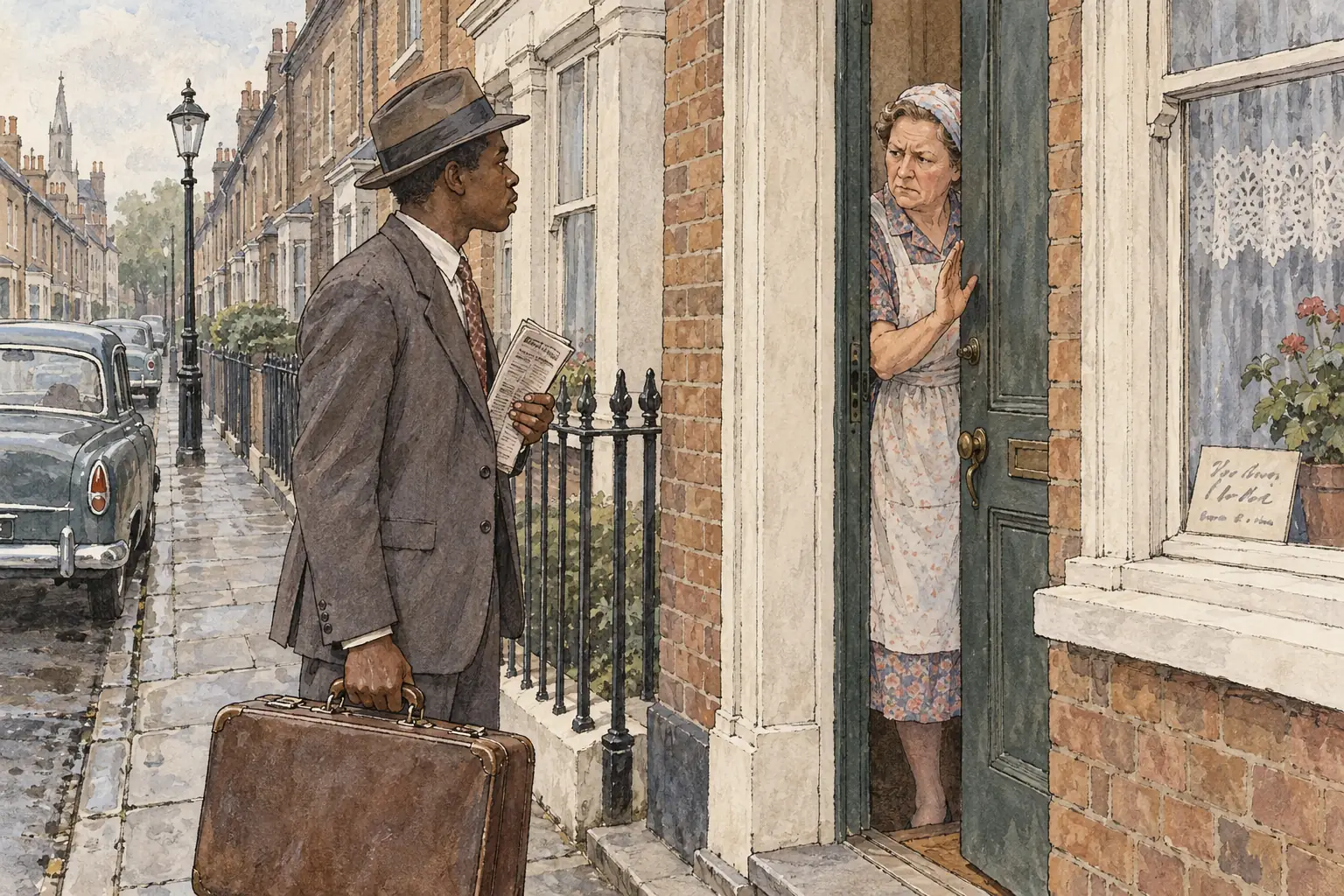
After the Second World War, Britain experienced a surge in migration from Commonwealth countries to address labour shortages in rebuilding the economy. Migrants encountered patterns of work and housing that were often segregated, alongside widespread discrimination driven by economic competition and societal prejudices.
Patterns of post-war migration and settlement
- Migration drivers - Economic factors, such as job invitations for industries like transport and healthcare, drew migrants from the Caribbean, South Asia, and Africa, with the Empire Windrush arrival in 1948 symbolising this wave.
- Work experiences - Many took low-paid jobs in factories, public services, or construction, facing barriers like the "colour bar" that excluded them from better positions despite qualifications.
- Housing challenges - New arrivals often lived in overcrowded, substandard urban areas due to discriminatory letting practices, exacerbating poverty and social isolation.
Forms of discrimination faced by migrants
- Colour bar practices - Informal rules in pubs, workplaces, and housing prevented equal access, reflecting racist ideas communicated through media and politics.
- Economic and social impacts - Discrimination limited opportunities, leading to unemployment and tension, while individuals like community leaders began organising for change.
Key government legislation and public reactions
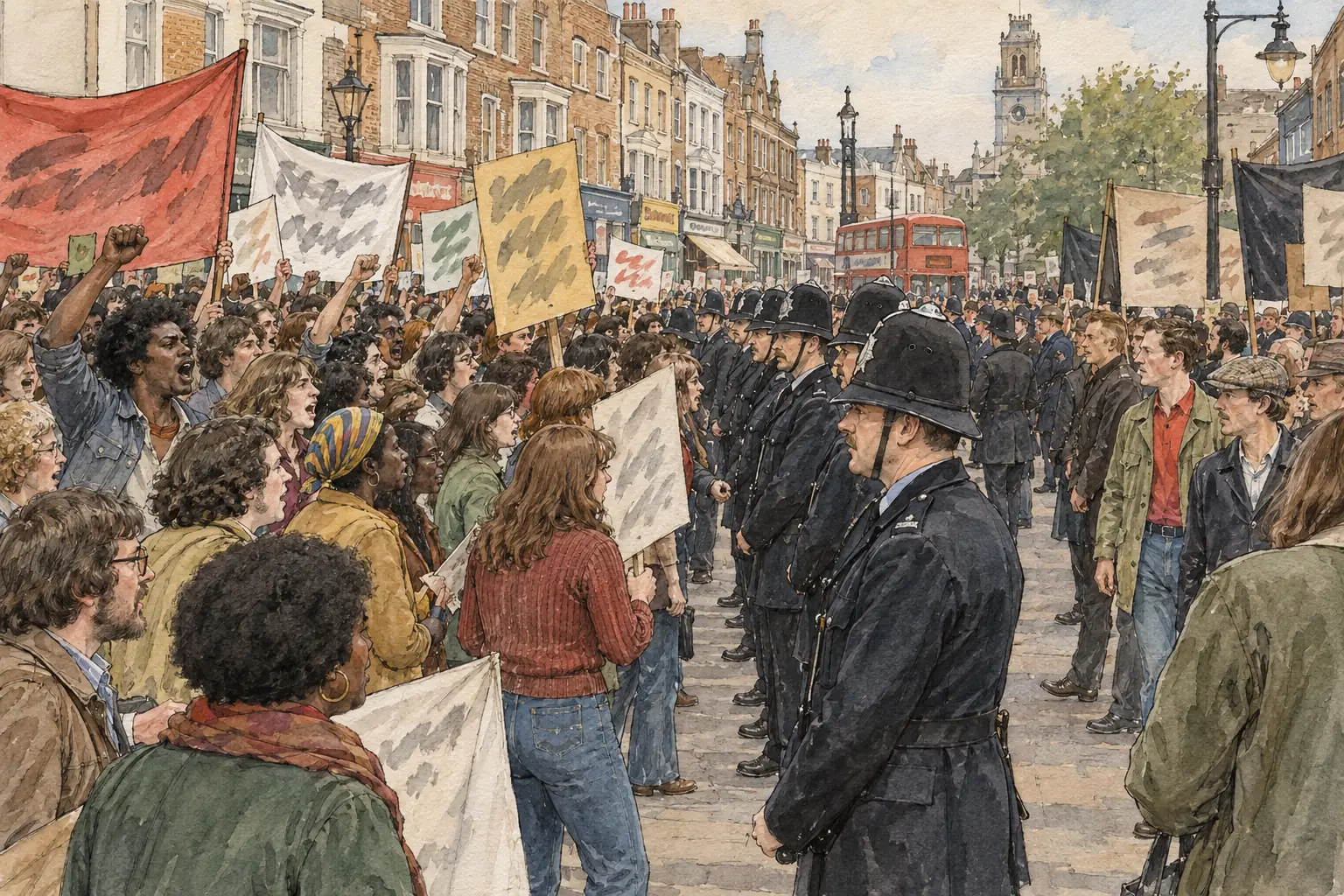
Government responses to post-war migration included a mix of inclusive and restrictive policies, often influenced by economic needs and public opinion. These measures sparked reactions ranging from support for equality to anti-immigrant movements, highlighting debates over national identity.
Major government measures on immigration and race relations
- British Nationality Act (1948) - Granted citizenship rights to Commonwealth subjects, facilitating migration but later criticised for not anticipating integration challenges.
- Immigration Acts (1962 and 1968) - Introduced voucher systems and family restrictions to control numbers, driven by economic concerns and public pressure amid rising unemployment.
- Race Relations Acts (1965 and 1976) - The 1965 Act outlawed discrimination in public venues, while the 1976 version expanded to employment and education, establishing bodies to investigate complaints.
Public reactions and movements
- Powellism - Enoch Powell's 1968 speech warned of cultural conflict, popularising anti-immigrant ideas and influencing policy through widespread media coverage.
- National Front - This far-right group organised marches in the 1970s, promoting racist ideologies and clashing with opponents, reflecting economic fears during recessions.
- Counter-mobilisations - Anti-racist groups, including trade unions and local communities, resisted through events like the 1977 Battle of Lewisham, where thousands blocked a National Front march.
The Brixton riots of 1981 and the Scarman Report
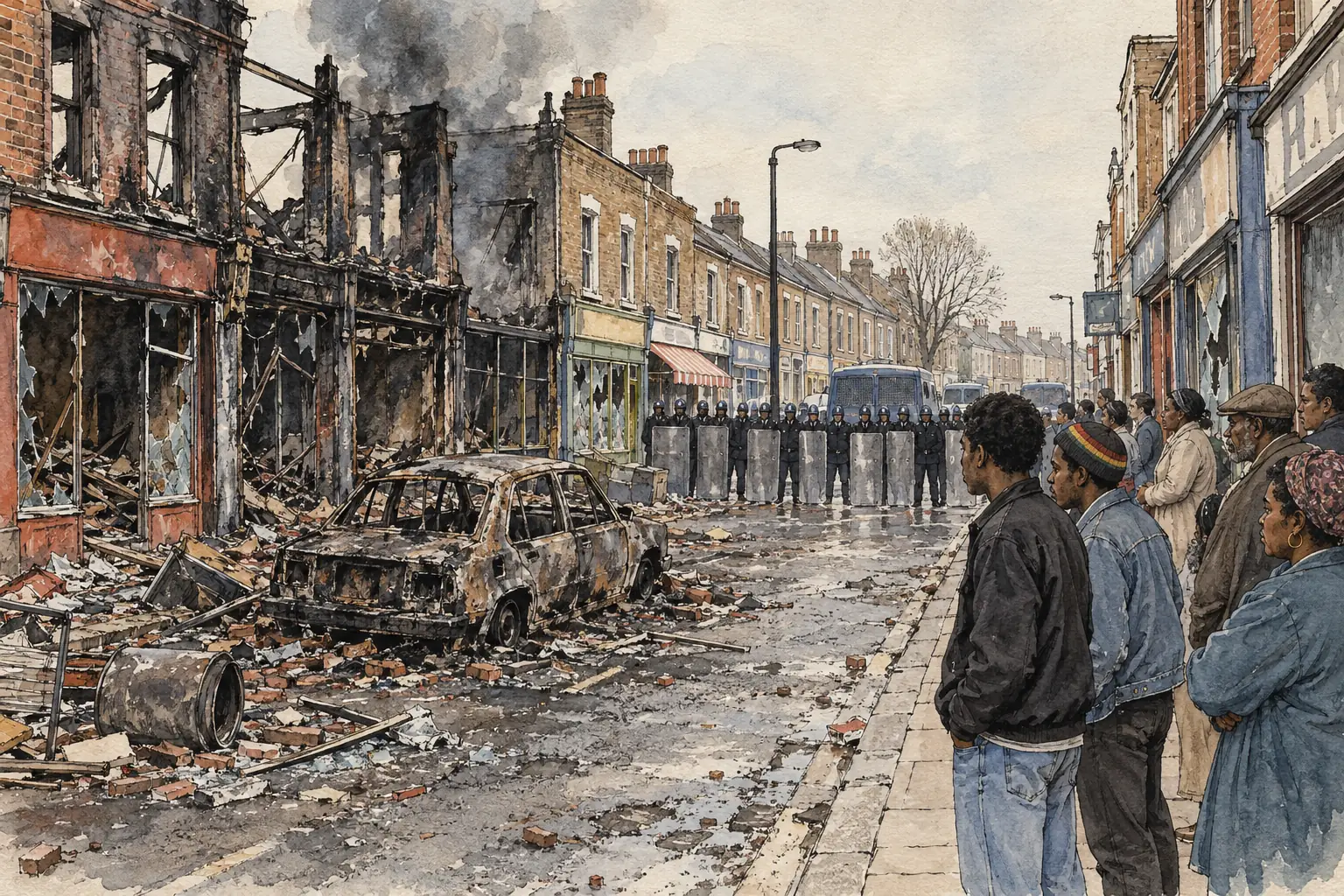
The Brixton riots in south London represented a flashpoint of tension between minority communities and police, rooted in discriminatory practices and economic hardship. The subsequent inquiry highlighted systemic issues, influencing debates on policing and equality.
Causes of the Brixton riots
- 'Sus' law - Allowed police to stop and search individuals based on suspicion alone, disproportionately targeting Black youths and fostering resentment.
- Operation Swamp 81 - This police initiative involved mass stop-and-searches in Brixton, escalating community anger amid high unemployment and poor housing.
- Broader factors - Economic decline, racist ideas in society, and ineffective communication between authorities and residents contributed to the outbreak of violence over several days.
The Scarman Report and its conclusions
- Key findings - Lord Scarman's 1981 report identified institutional racism in policing, inadequate community relations, and the need for better training to prevent discrimination.
- Recommendations - Called for reforms like independent complaints procedures and recruitment from minority groups, emphasising the role of government in addressing inequality.
- Impact - While not fully implemented, the report shifted public discourse on policing, encouraging ongoing protests for systemic change.
Protest and the struggle for minority rights
Minority rights campaigns since the war have involved diverse forms of protest, from marches to legal challenges, driven by individuals and groups seeking equality. These efforts continue amid debates over policing, economic inclusion, and societal ideas.
Types of protest and mobilisation
- Direct action - Marches, boycotts, and sit-ins, such as those against the National Front, used communication tools like leaflets and media to raise awareness.
- Legal and community efforts - Groups lobbied for policy changes, with individuals like activists playing key roles in challenging discrimination through courts and campaigns.
- Policing debates - Protests highlighted issues like stop-and-search disparities, leading to calls for accountability and better community engagement.
The continuing struggle for equality
- Economic influences - Persistent inequalities in jobs and housing fuel demands for fairer policies, linking minority rights to broader economic justice.
- Role of ideas and individuals - Evolving concepts of multiculturalism, promoted by leaders and thinkers, counter racist narratives, though challenges remain in achieving full integration.