1.1 - The Death of Edward the Confessor & Succession
Key facts and dates
The death of Edward the Confessor in 1066 triggered a succession crisis that led to the Norman Conquest, stemming from internal power struggles and external threats during his reign. This period highlighted the fragility of English kingship without a clear heir, amid rival claims from powerful families and foreign rulers.
Timeline of key events
- 1016 – Cnut conquers England, beginning Danish rule that Edward later ended.
- 1042 – Edward the Confessor becomes king, restoring Anglo-Saxon rule after the deaths of Cnut's sons.
- 1051 – Failed rebellion by the Godwin family against Edward's Norman influences.
- 1053 – Death of Earl Godwin; his son Harold Godwinson inherits his power and titles.
- 1064 – Harold's visit to Normandy, where he allegedly swore loyalty to Duke William.
- 5 January 1066 – Edward the Confessor dies without a direct heir, sparking the succession crisis.
- 6 January 1066 – Harold Godwinson is crowned king by the Witan.
Edward's reign and stabilisation of England
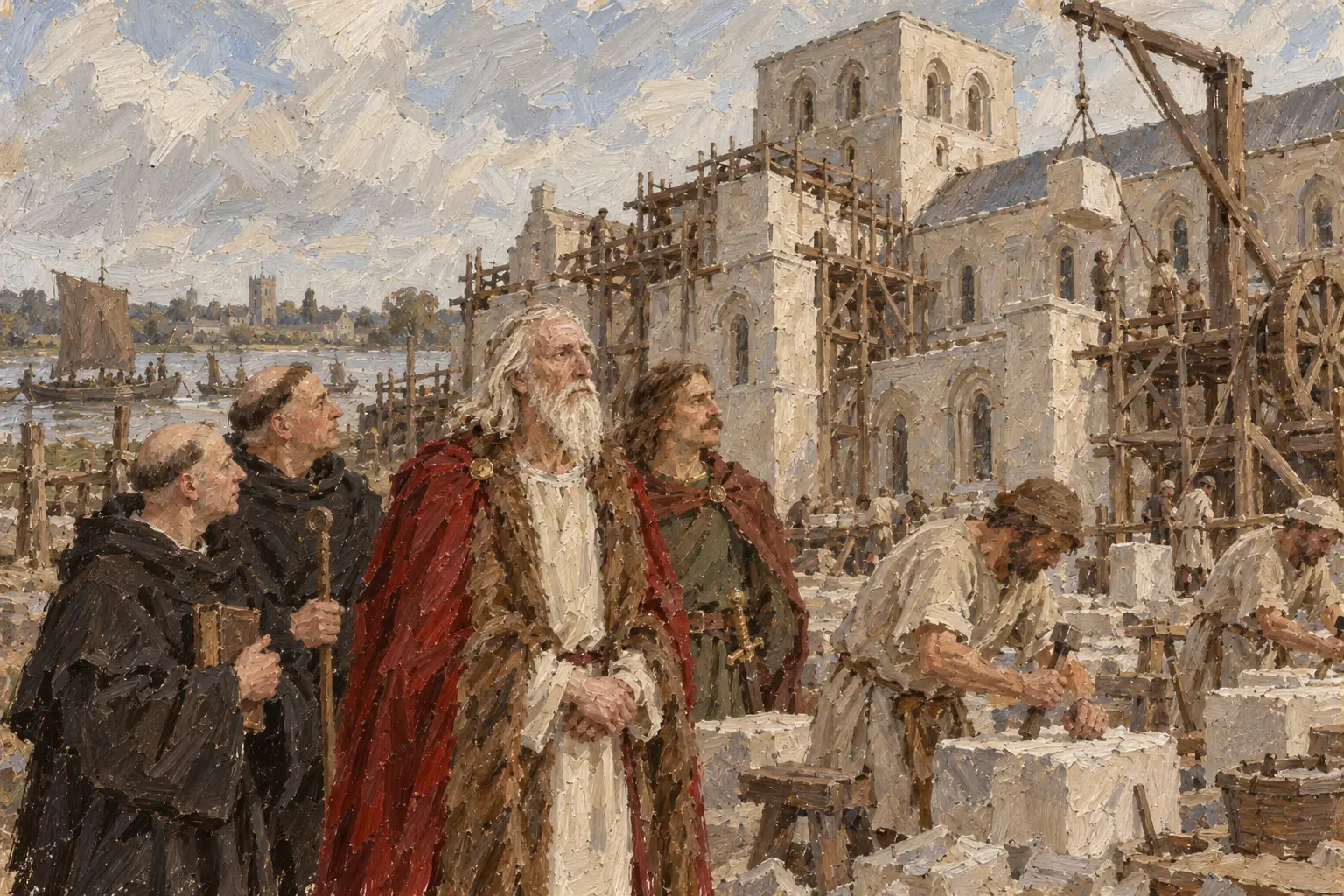
Edward the Confessor ruled England from 1042 to 1066, a period marked by efforts to restore stability after the turbulent rule of Danish kings. Having spent much of his early life in exile, he focused on rebuilding royal authority and unifying the kingdom.
Key aspects of Edward's stabilisation efforts
- Restoration after Danish rule - Edward took the throne following the deaths of Cnut's sons, Harthacnut and Harold Harefoot, ending a period of instability and re-establishing Anglo-Saxon kingship.
- Strengthening government - He reformed administration by appointing loyal earls and bishops, improving tax collection and law enforcement to maintain order across the realm.
- Religious and cultural focus - Known for his piety, Edward promoted church reforms and built Westminster Abbey, which enhanced his reputation but diverted attention from producing an heir.
- Lack of a clear successor - Despite a long reign, Edward had no children, creating uncertainty as he grew older and leaving the kingdom vulnerable to rival claims upon his death.
The rise of the Godwin family
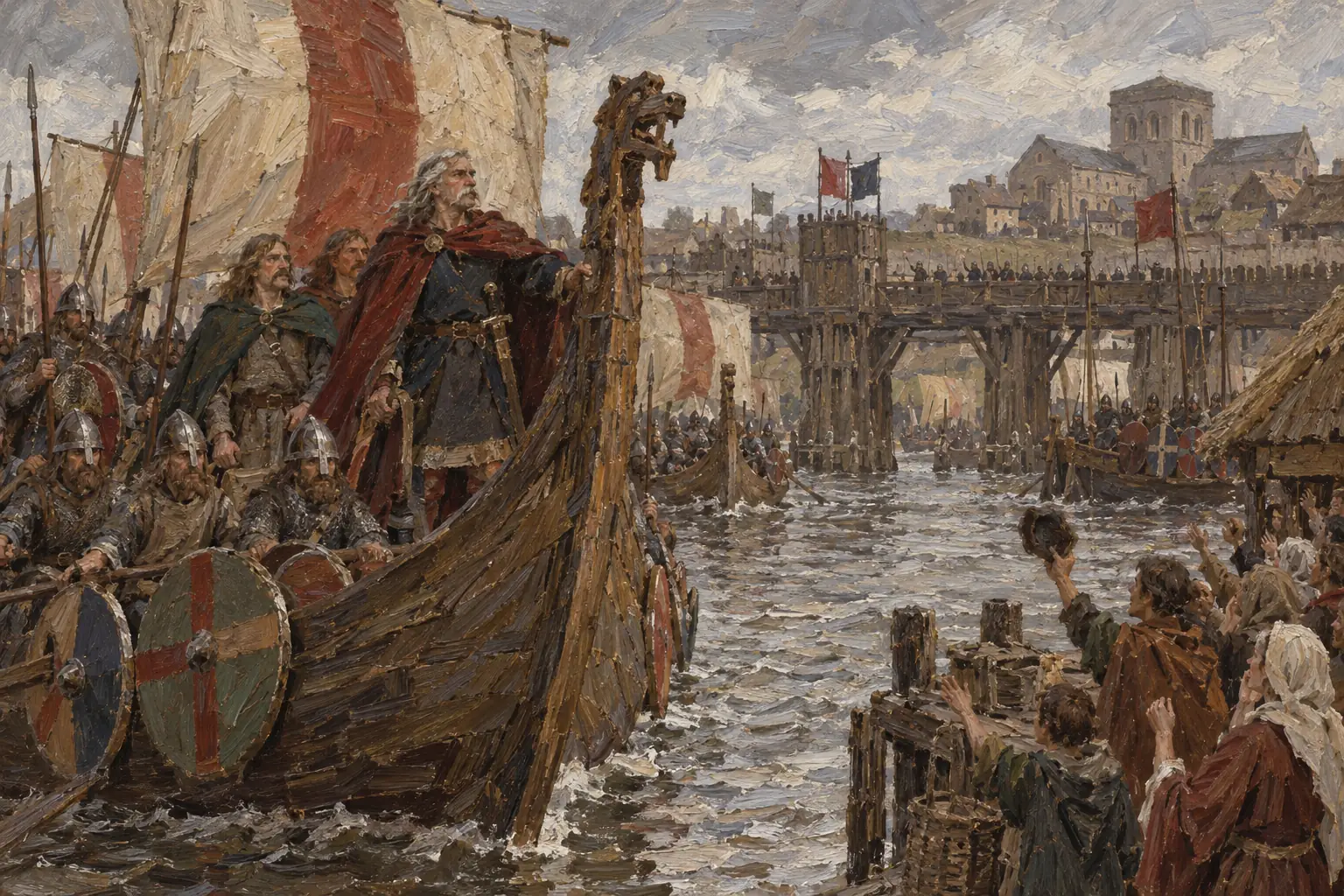
The Godwin family emerged as one of the most influential forces in mid-11th century England, rising from relative obscurity to dominate politics and military affairs. Their ascent created both alliances and rivalries within the elite.
Factors in the Godwins' rise to power
- Godwin's early influence - As Earl of Wessex under Cnut, Godwin amassed wealth and lands, using strategic marriages and military support to secure favour with subsequent kings.
- Exile and return - In 1051, Godwin and his sons were exiled after clashing with Edward over Norman appointments, but they returned in 1052 with popular backing, forcing Edward to restore their positions.
- Harold Godwinson's succession - After Godwin's death in 1053, his son Harold inherited the earldom of Wessex and expanded his influence, becoming Edward's chief advisor and a skilled military leader.
- Control over earldoms - By the 1060s, the Godwins held multiple earldoms, giving them vast resources and armies, which positioned Harold as a strong contender for the throne.
Edward's Norman connections and elite tensions
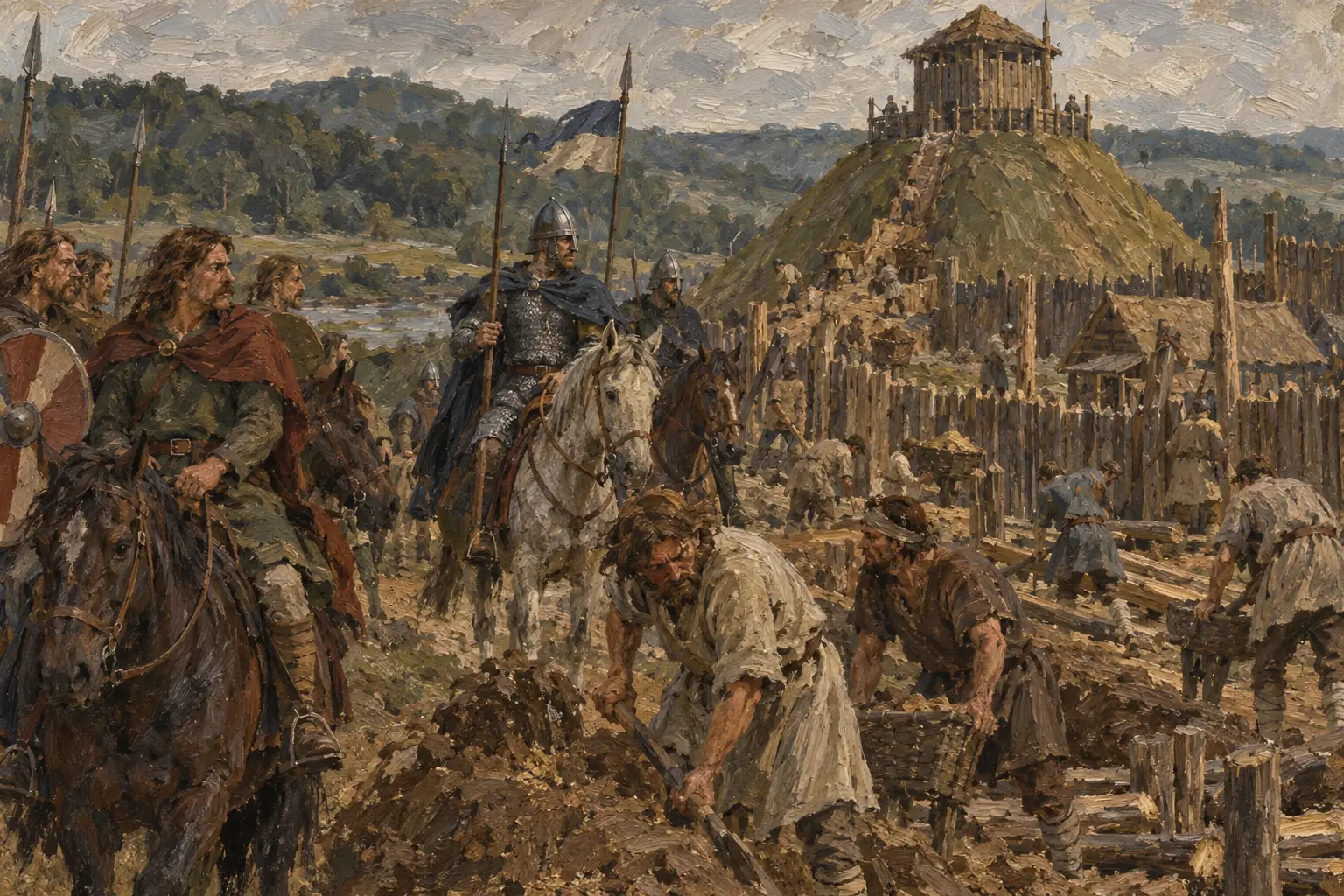
Edward's upbringing in Normandy shaped his policies and court, introducing Norman customs and personnel that often clashed with English traditions. This created divisions among the nobility and heightened suspicions of foreign influence.
Sources of tension between English and Norman elites
- Edward's exile in Normandy - Spending 25 years in exile before 1042, Edward developed close ties with Norman nobles, including his cousin Duke William, and adopted some Norman administrative practices.
- Appointments of Normans - Edward placed Normans in key roles, such as bishops and castle builders, which angered English earls who felt sidelined and threatened by these outsiders.
- Cultural and political clashes - Norman influences, like the construction of motte-and-bailey castles, were seen as imposing foreign control, leading to rebellions and resentment among the Anglo-Saxon aristocracy.
- Godwin family opposition - The Godwins frequently opposed Edward's pro-Norman stance, culminating in their 1051 exile, which underscored the growing rift between English and Norman factions at court.
The English succession system
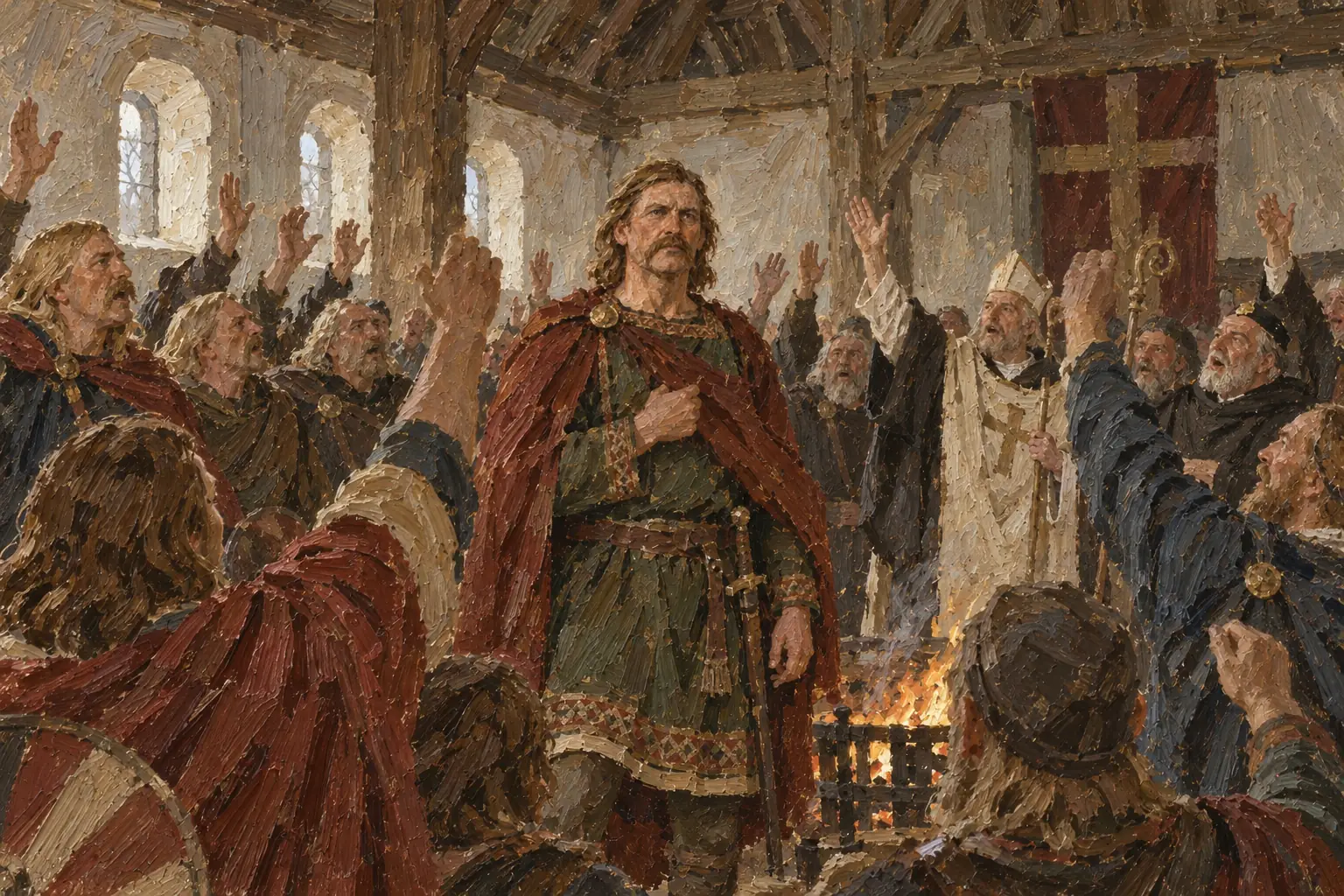
In 11th-century England, there was no automatic right of inheritance for the throne, making succession a complex process influenced by multiple factors. This flexible system contributed to the disputes following Edward's death.
Elements of the succession process
- Absence of primogeniture - Unlike later systems, kingship did not automatically pass to the eldest son; instead, it depended on a combination of traditions and practical considerations.
- The dying king's wishes - The outgoing monarch could nominate a successor, as Edward reportedly did by promising the throne to both Harold Godwinson and William of Normandy at different times.
- Role of the Witan - This council of nobles, bishops, and advisors elected the king, prioritising candidates who could unite the realm and defend it against threats.
- Claimant's ability to rule - A potential king needed military strength, noble support, and the capacity to protect England, which favoured powerful figures like Harold over distant or weaker claimants.
External pressures on the 1066 succession
The death of Edward in January 1066 occurred amid significant threats from abroad, intensifying the succession crisis. Rival powers in Scandinavia and Normandy viewed England as a prize, exploiting the lack of a clear heir.
Major external threats and their impact
- Norman claims - Duke William of Normandy asserted that Edward had promised him the throne during his exile, reinforced by Harold's alleged oath of loyalty in 1064, leading to preparations for invasion.
- Scandinavian ambitions - Harald Hardrada of Norway, backed by Danish allies, claimed the English crown through historical Viking ties, seeing the instability as an opportunity for conquest.
- Volatile geopolitical context - England's wealth and strategic position attracted these rivals, with the absence of a strong heir making the kingdom appear vulnerable to foreign intervention.
- Internal vulnerabilities - These pressures forced the new king, Harold, to mobilise defences quickly, dividing resources between potential invasions from the north and south.