1.7 - The Black Death
Key facts and dates
The Black Death, which struck England in 1348-49, tested the limits of medieval medical knowledge and beliefs, leading to widespread death and social upheaval. Traditional explanations focused on supernatural or environmental causes, while treatments were largely ineffective due to a lack of scientific insight.
Key facts to remember
- Outbreak period – Arrived in England in 1348 via trade routes, peaking in 1349 with massive mortality.
- Contemporary causes – Attributed to God's anger, miasma (bad air), planetary alignment, or outsiders like foreigners or minority groups.
- Modern explanation – Caused by Yersinia pestis bacterium, spread by fleas on rats; included bubonic (swollen lymph nodes) and pneumonic (lung infection) forms.
- Treatments – Involved prayer, flagellation, herbal remedies, lancing swellings, and basic isolation measures.
- Mortality rate – Estimated 30-60% of Europe's population died, causing immediate labour shortages.
- Long-term effects – Led to economic shifts like higher wages for survivors and challenged but also reinforced medieval medical ideas.
Contemporary explanations for the Black Death
Image 1 of 2: Many believed the Black Death was God's punishment for humanity's sins
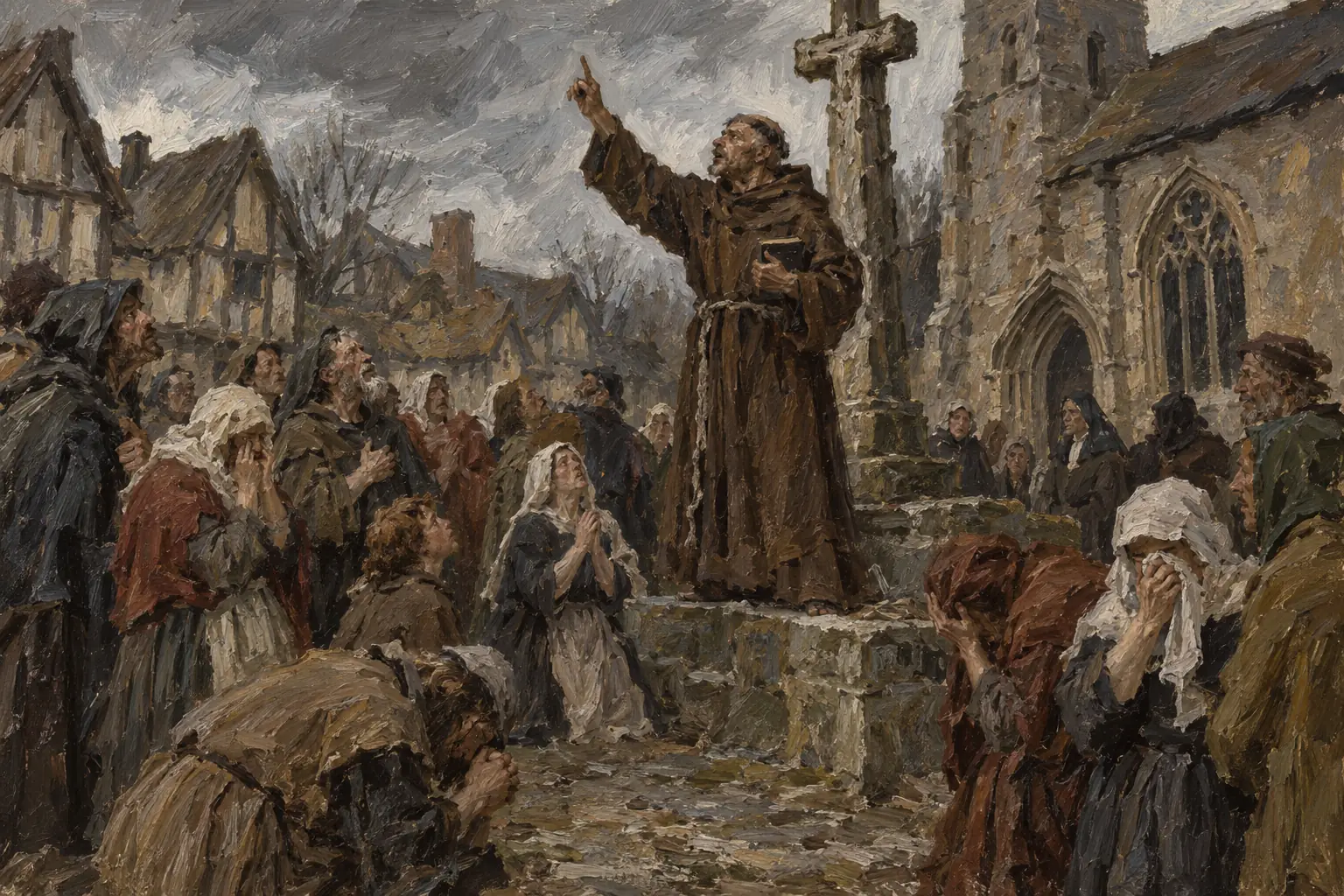
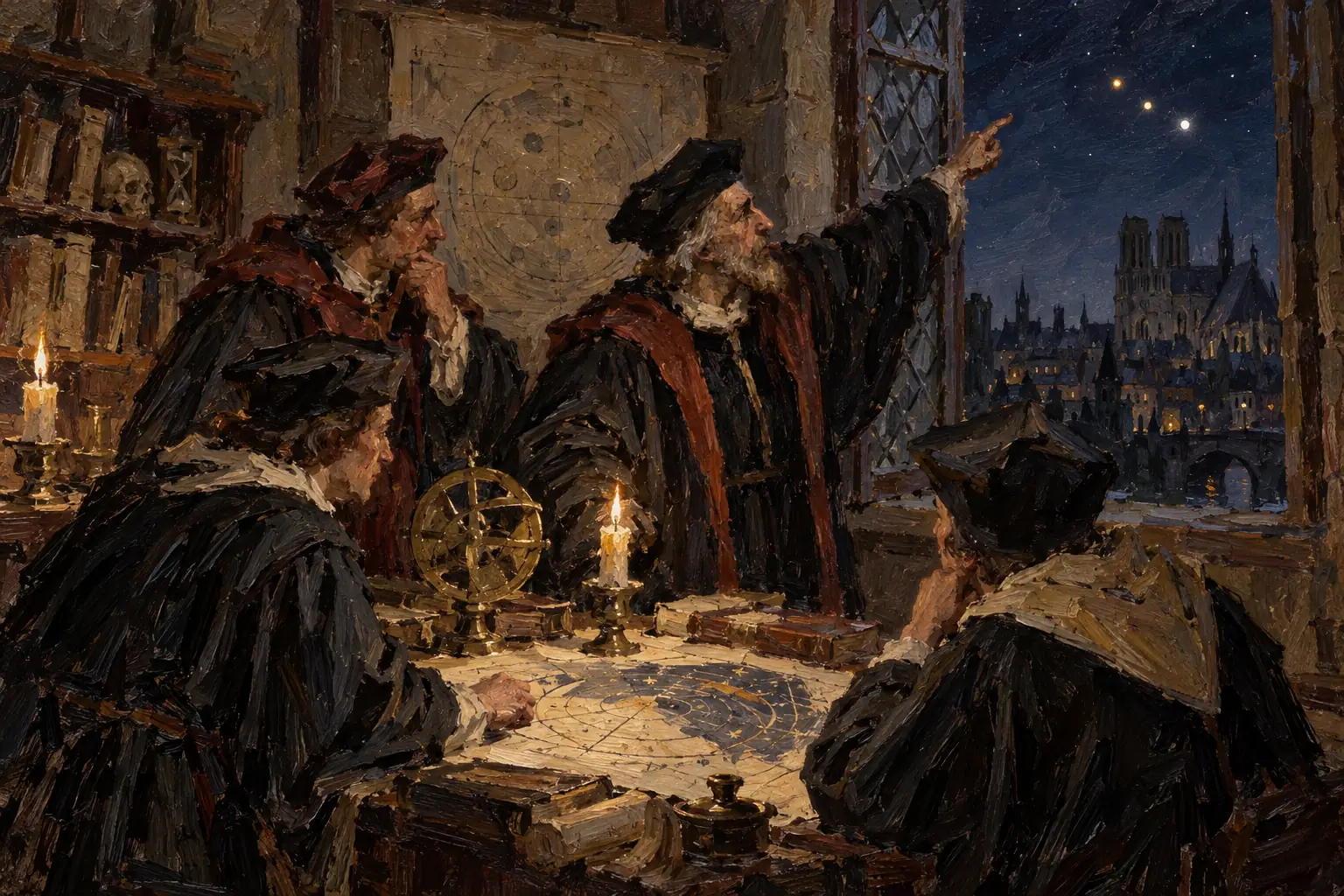
In the mid-14th century, people in England lacked scientific knowledge about disease, so they turned to religious, astrological, and environmental theories to explain the devastating plague outbreak of 1348-49. These ideas reflected the dominant medieval worldview, where supernatural forces and imbalances in nature were seen as central to illness.
Medieval theories about the plague's causes
- God's anger - Many believed the plague was divine punishment for humanity's sins, prompting calls for repentance and moral reform.
- Miasma - Foul-smelling air, corrupted by decaying matter or pollution, was thought to carry the disease, leading people to avoid bad odours.
- Planetary alignment - Astrologers attributed the outbreak to unusual positions of planets, which were believed to influence earthly events and health.
- Blame on outsiders - Suspicion fell on foreigners, travellers, or minority groups like Jews, who were accused of poisoning wells or spreading the illness deliberately.
Modern understanding of its causes
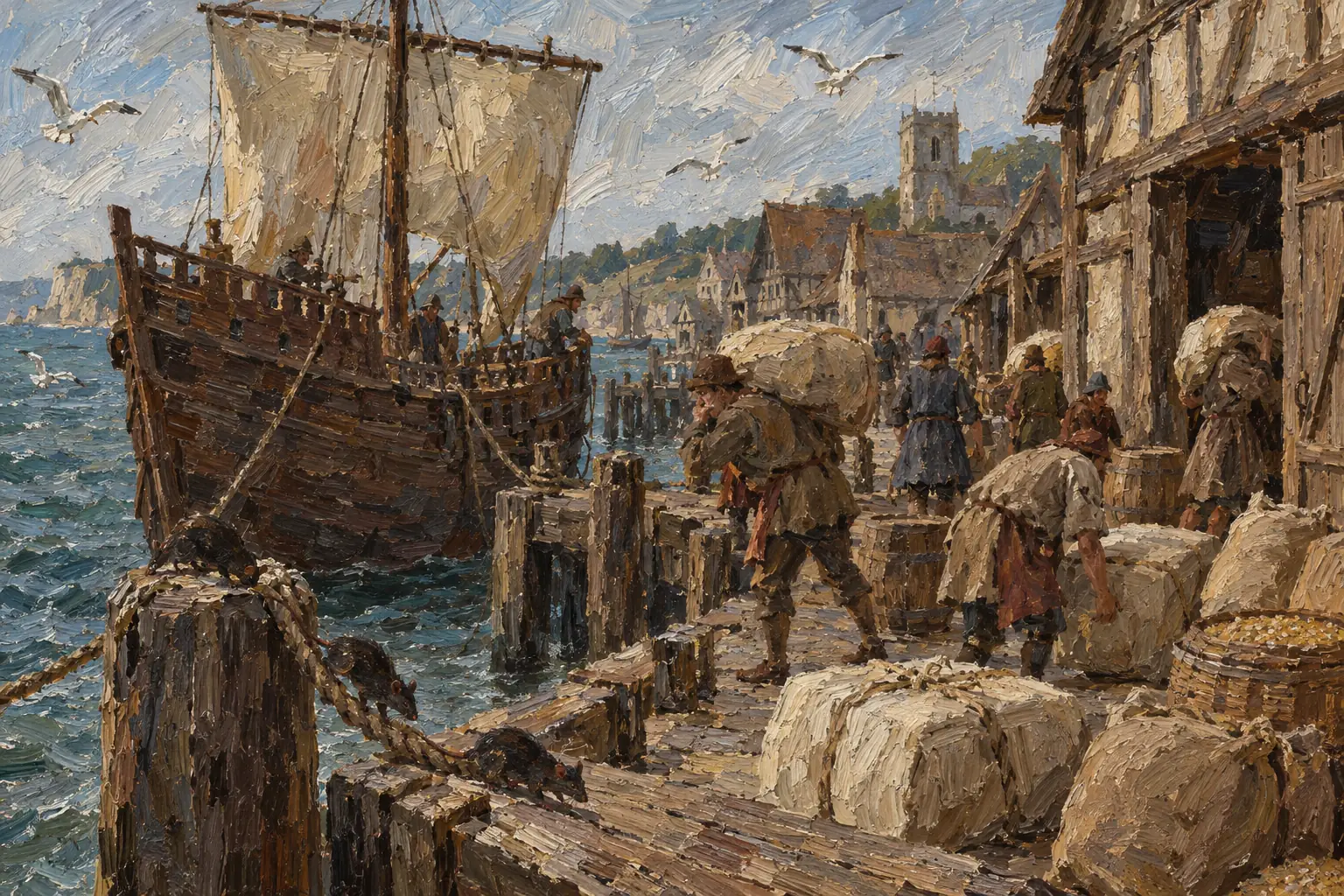
Today, historians and scientists understand the Black Death as a bacterial infection that spread rapidly through medieval Europe. This explanation contrasts sharply with 14th-century ideas and highlights how trade and poor sanitation facilitated its transmission.
Scientific explanation of the plague
- Causative agent - The disease was triggered by the bacterium Yersinia pestis, which originated in Asia and reached England through trade ships.
- Transmission methods - Fleas living on black rats carried the bacteria, biting humans and spreading infection; direct human-to-human contact occurred in the pneumonic form through coughing.
- Forms of the disease - Bubonic plague caused painful swellings (buboes) in the lymph nodes, fever, and often death within days; pneumonic plague affected the lungs, making it highly contagious and even deadlier.
Attempted treatments and preventions
Image 1 of 2: Flagellants whipped themselves in public to atone for the sins they believed had caused the plague
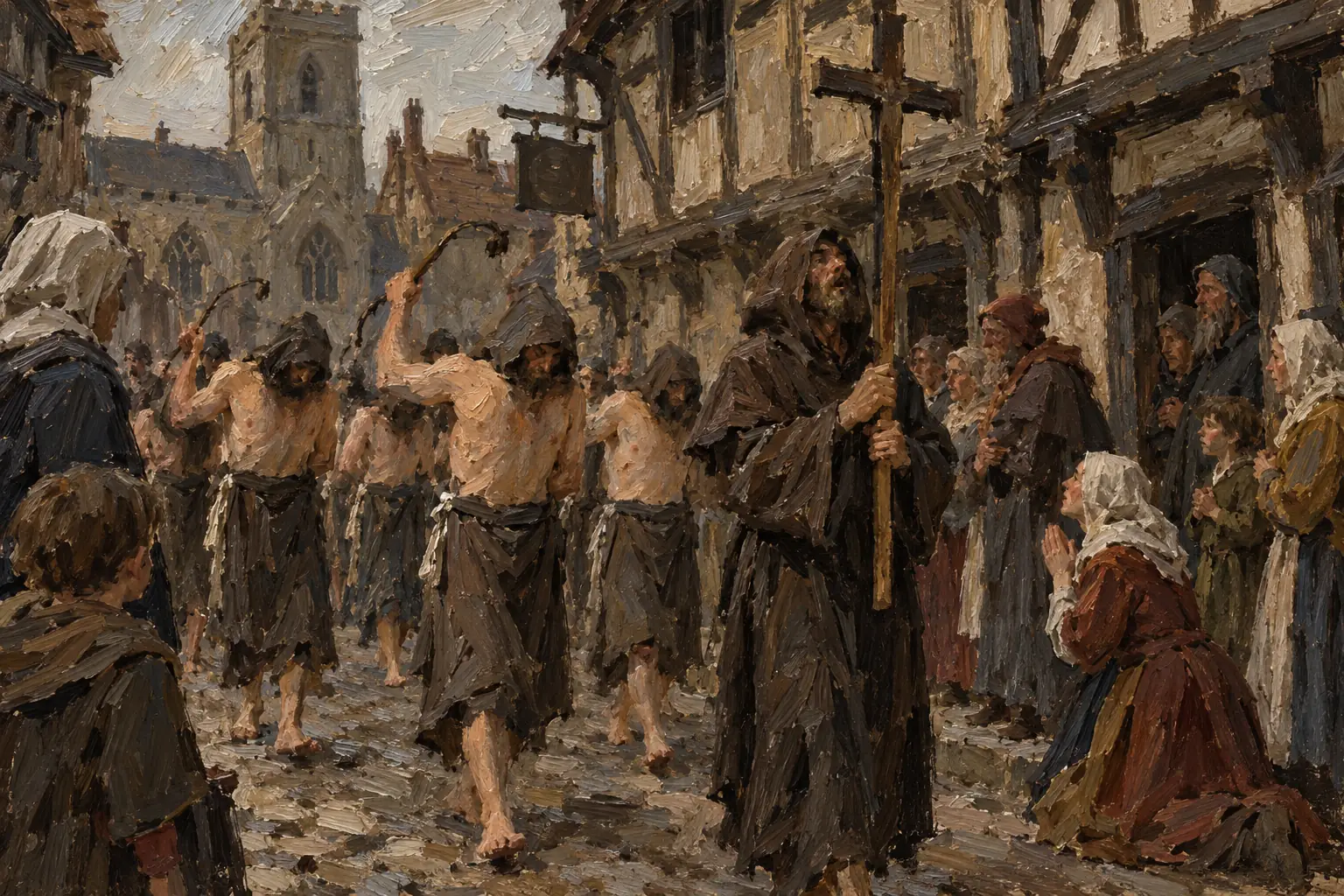
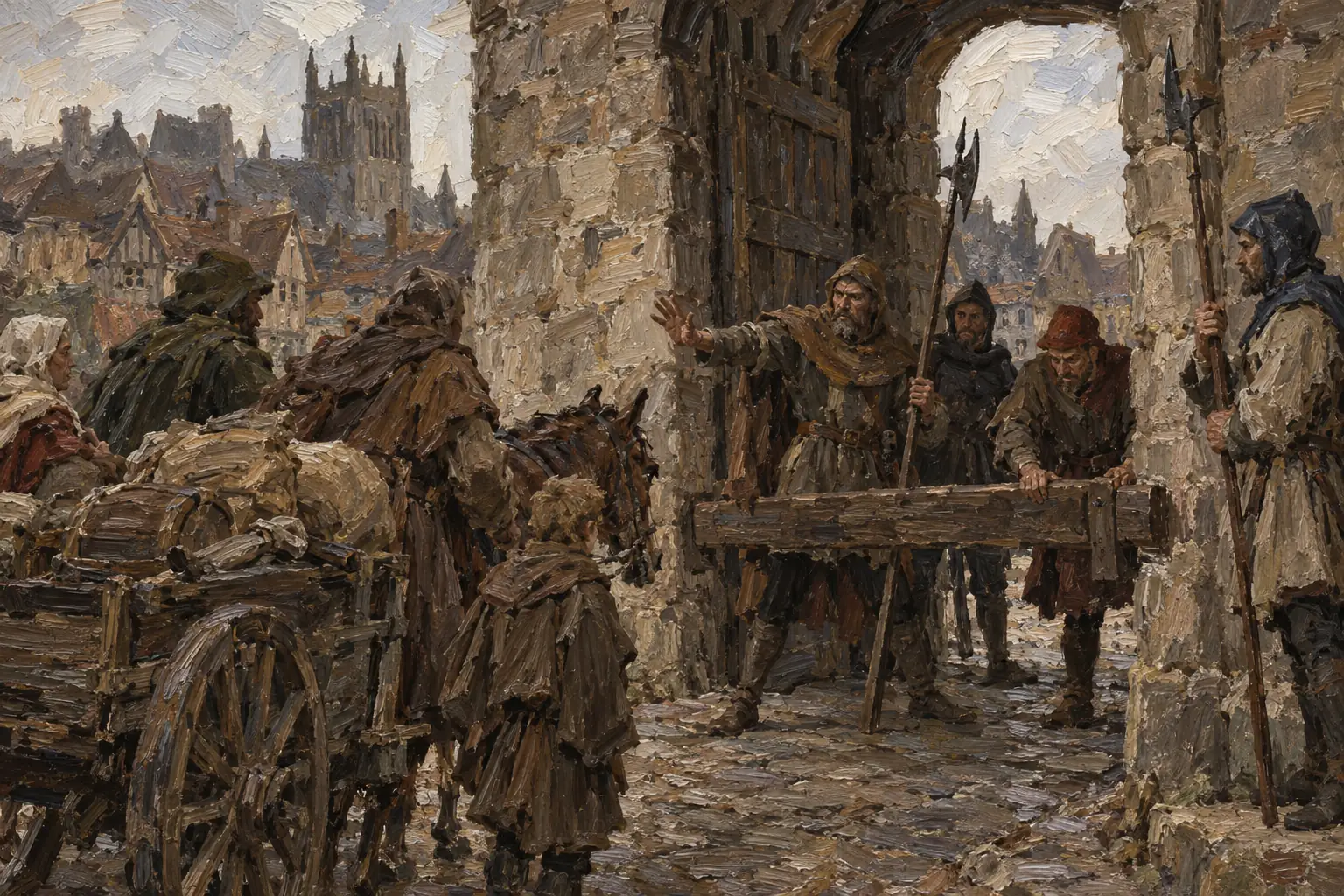
Medieval responses to the Black Death combined religious practices, herbal remedies, and early public health measures, but most were ineffective against the bacterial infection. These efforts reveal the era's reliance on tradition rather than evidence-based medicine.
Methods used to treat and prevent the plague
| Approach | Description | Rationale and limitations |
|---|---|---|
| Religious practices | Prayer and flagellation (self-whipping) to atone for sins | Based on belief in divine punishment; offered spiritual comfort but no medical benefit |
| Herbal remedies | Applying poultices made from herbs, onions, or vinegar to buboes | Aimed to draw out 'poisons' according to humoural theory; rarely effective and could spread infection |
| Surgical interventions | Lancing or draining buboes to release fluids | Intended to balance bodily humours; risky and often led to further complications like secondary infections |
| Public health measures | Rudimentary isolation of the sick and restrictions on movement, such as quarantining villages | Early attempts to limit spread; somewhat logical but inconsistently applied and not based on germ knowledge |
Short-term devastation of the plague
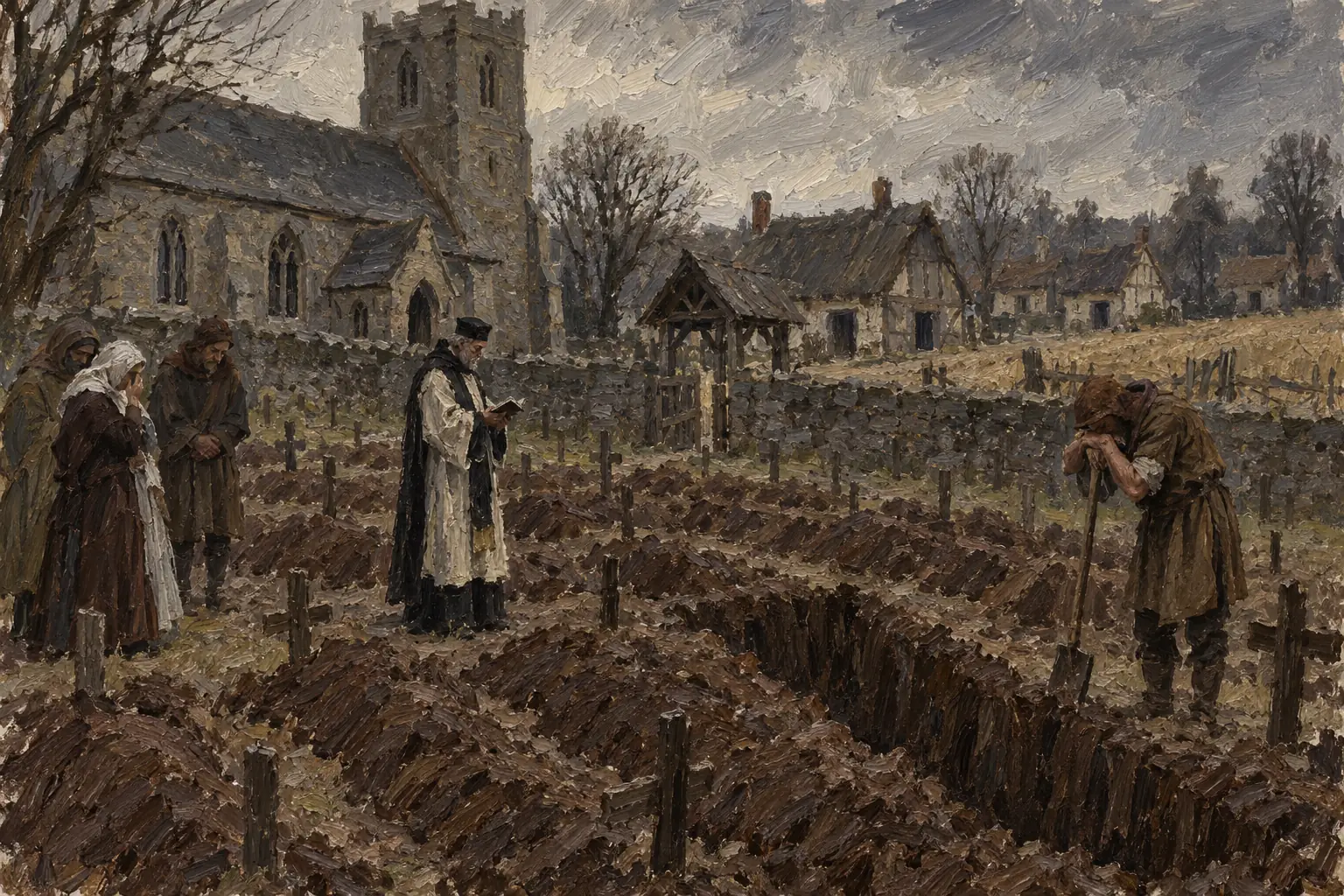
The Black Death caused immediate and profound disruption across England in 1348-49, with death rates soaring and society grinding to a halt. The high mortality overwhelmed communities, leading to chaos in daily life and governance.
Immediate impacts of the outbreak
- Very high mortality - Up to half of England's population perished, with entire villages decimated and bodies left unburied due to a lack of gravediggers.
- Labour shortages - The loss of workers in agriculture and trades halted food production, caused famines, and disrupted trade, exacerbating economic hardship.
- Social breakdown - Fear led to family abandonments, breakdown of law and order, and scapegoating of vulnerable groups, deepening community divisions.
Long-term consequences of the plague
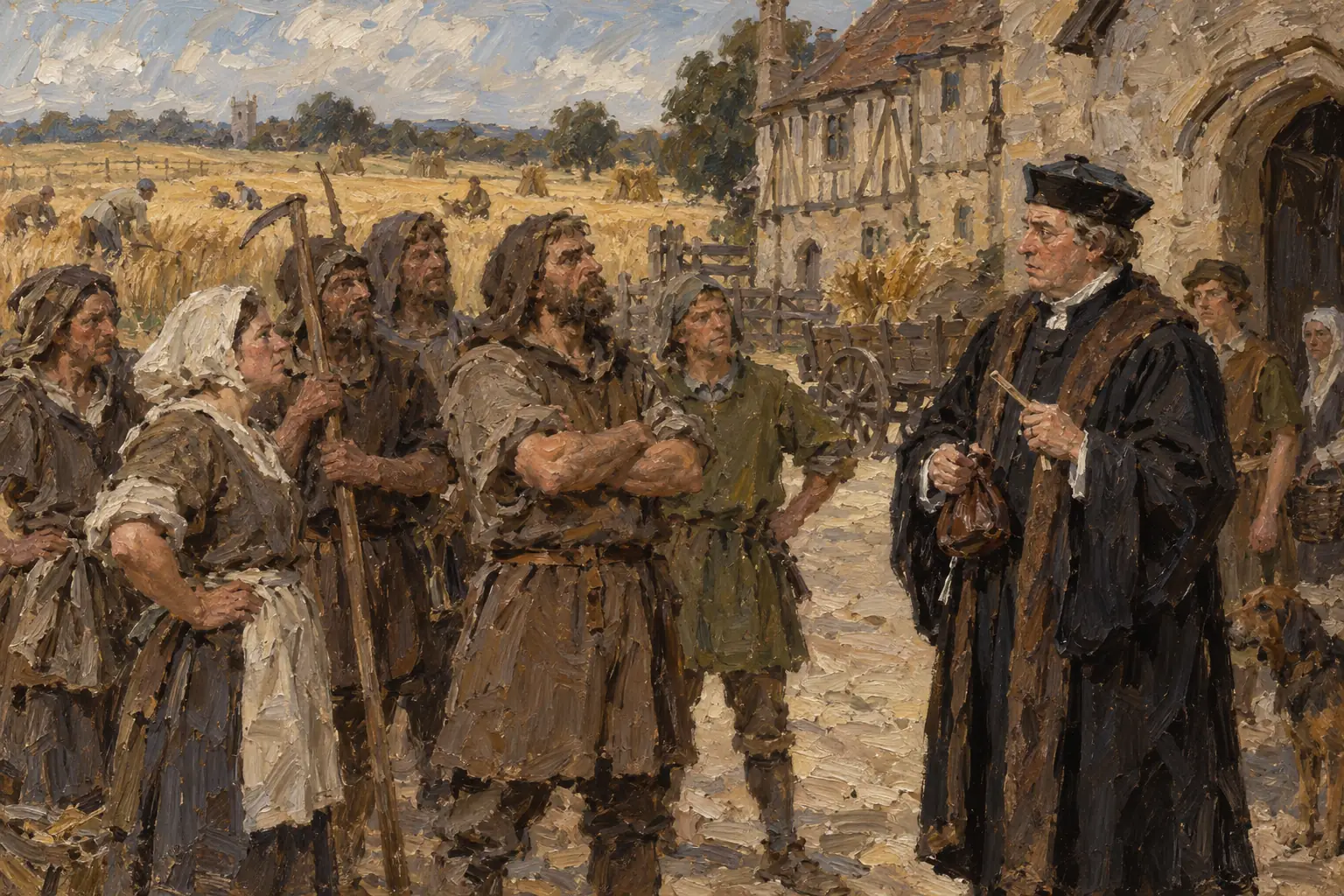
While the Black Death's immediate effects were catastrophic, its aftermath reshaped English society and the economy over decades. It also highlighted flaws in medieval medicine, though some traditional beliefs persisted due to the absence of alternative explanations.
Lasting effects of the plague
- Economic changes - Labour shortages empowered surviving workers to demand higher wages and better conditions, weakening the feudal system and accelerating the shift towards a wage-based economy.
- Social transformations - Population decline led to greater social mobility, with peasants gaining access to land and some rising in status, while the Church's authority waned as prayers failed to stop the disease.
- Impact on medieval medicine - The plague exposed the ineffectiveness of humoural theory and miasma ideas, prompting some questioning of traditional methods; however, without scientific tools, it reinforced reliance on religion and astrology for many, delaying medical progress.