2.1 - Renaissance Influence on Medicine in Britain
Key facts and dates
The Renaissance marked a period of intellectual revival across Europe, influencing medicine through renewed interest in ancient texts and empirical methods. In Britain, these changes arrived gradually via continental exchanges, fostering observation while traditional approaches persisted.
Key facts to remember
- Revival of classical learning – Rediscovery of Greek and Roman texts emphasised humanism and rational inquiry in medicine.
- Humanism's impact – Encouraged viewing the body through art and architecture, promoting accurate anatomical studies.
- Exploration and inventiveness – Global voyages introduced new herbs and ideas, sparking innovative treatments.
- Printing press (c.1440) – Revolutionised knowledge sharing, making medical texts widely available.
- Shift from Church authority – Gradual decline in religious control allowed more dissections and questioning of doctrines.
- Uneven progress – Treatments remained traditional, but investigation methods advanced significantly.
- Continental training – British doctors studied in Italian and French universities, importing progressive ideas.
Wider context of the Renaissance period
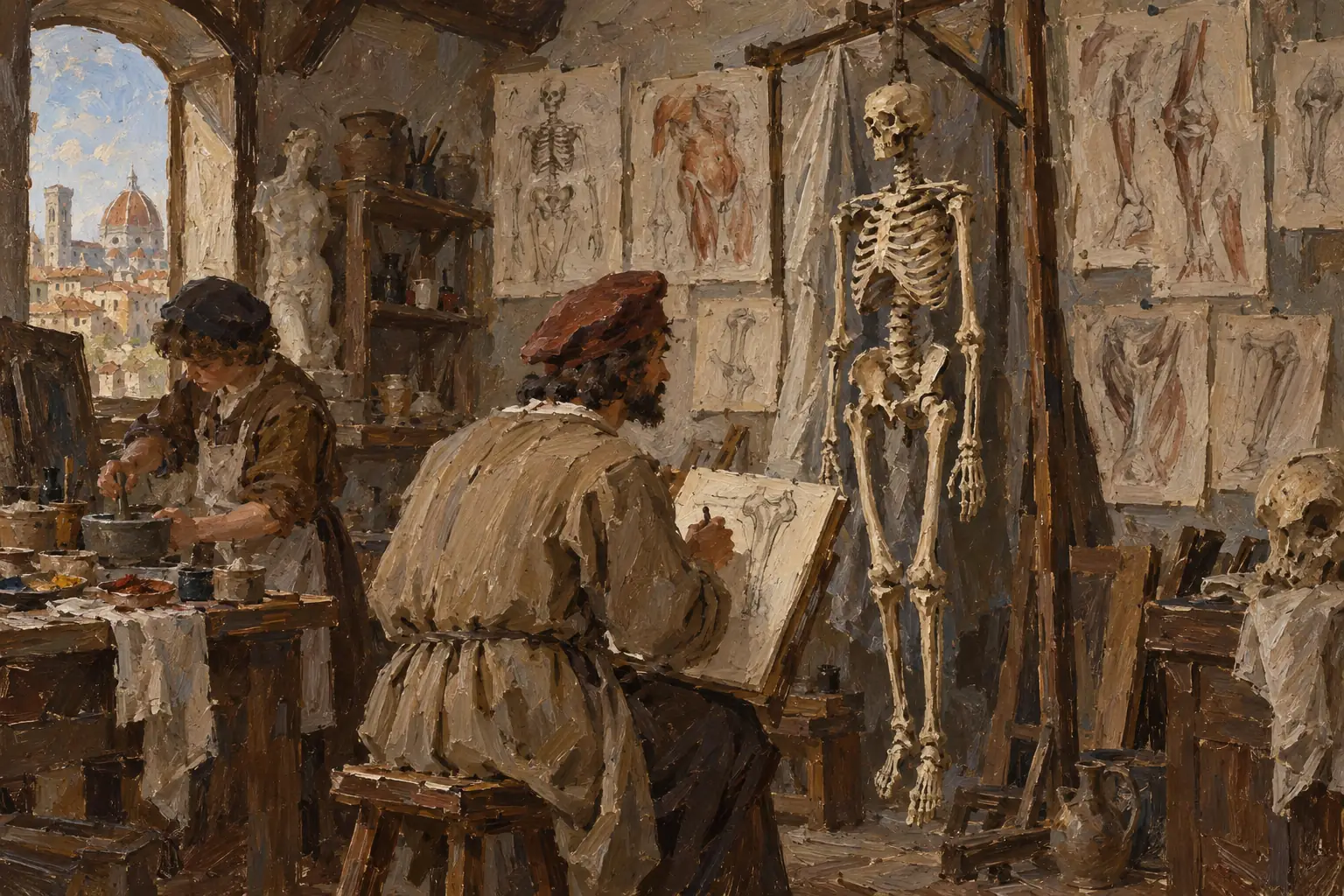
The Renaissance, spanning roughly the 14th to 17th centuries, was a time of cultural and intellectual rebirth across Europe, driven by a renewed fascination with ancient Greek and Roman knowledge. This era emphasised humanism, which placed greater value on human potential and rational thought, influencing fields like art, architecture, exploration, and science. In medicine, these developments created a fertile ground for challenging medieval ideas and promoting more systematic approaches to understanding the human body and disease.
Core features of the Renaissance influencing medicine
- Revival of classical learning - Scholars rediscovered and translated works by ancient physicians like Hippocrates and Galen, inspiring a return to evidence-based thinking rather than solely religious or superstitious explanations.
- Humanism and rational inquiry - This philosophical shift encouraged doctors to view patients as individuals worthy of study, fostering empathy and detailed observation in medical practice.
- Advances in art and architecture - Realistic depictions of the human form in paintings and sculptures improved anatomical accuracy, helping physicians visualise bodily structures more precisely.
- Exploration and inventiveness - Voyages to new lands brought exotic plants and remedies, while a spirit of innovation led to experiments with tools and techniques for diagnosis and surgery.
Key innovations encouraging medical progress
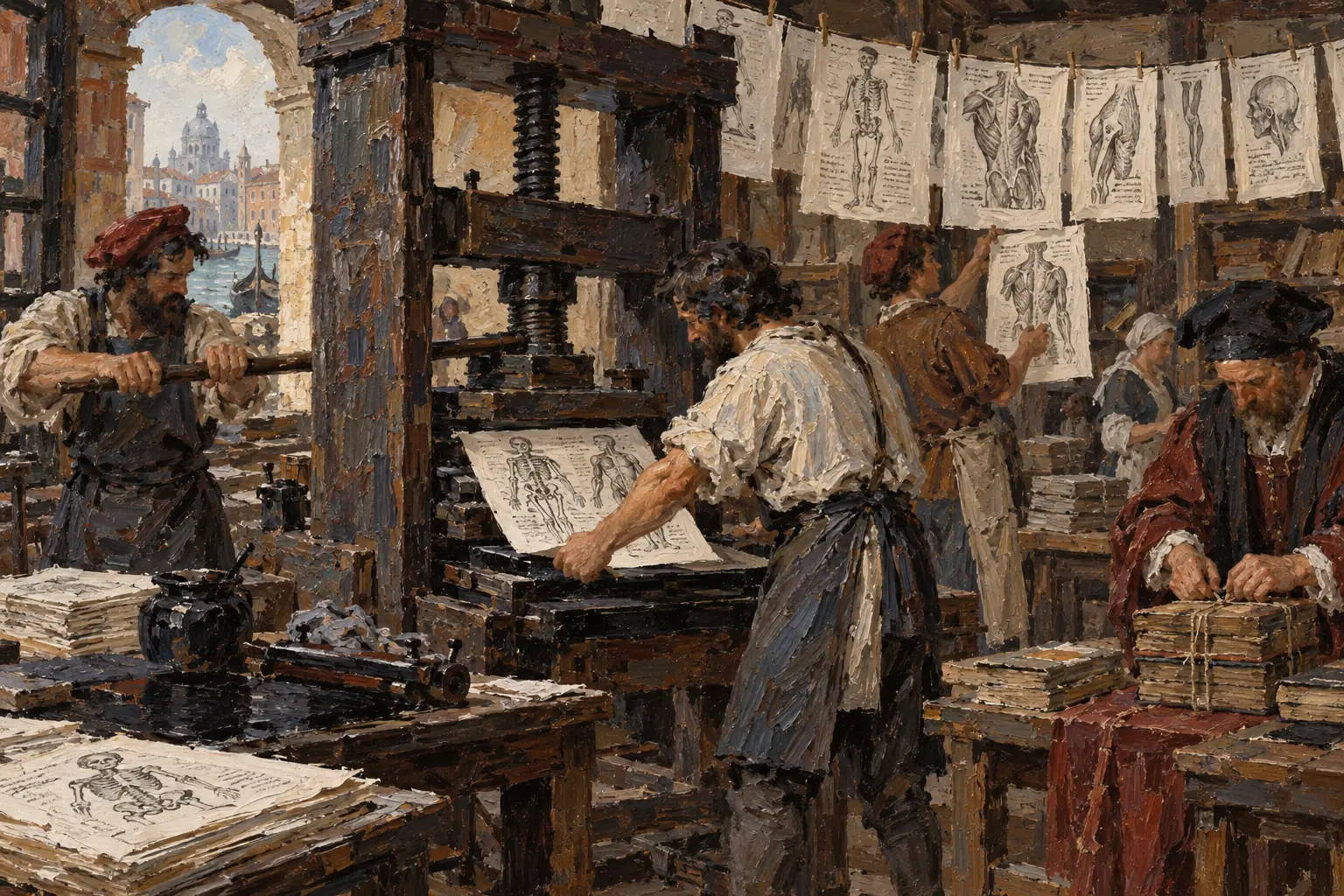
Several groundbreaking developments during the Renaissance transformed how medical knowledge was acquired and disseminated. These innovations promoted a culture of questioning established beliefs and emphasised careful, empirical observation, laying the foundation for modern scientific methods in medicine.
Major innovations in Renaissance medicine
- Printing press - Invented around 1440 by Johannes Gutenberg, this technology allowed for the mass production of books, enabling the rapid spread of medical texts and illustrations across Europe and into Britain.
- More frequent dissections - As societal attitudes shifted, human dissections became more common, providing hands-on opportunities to study anatomy directly and correct longstanding errors in classical texts.
- Gradual shift away from Church authority - The Church's traditional dominance over education and science began to wane, reducing prohibitions on practices like dissection and encouraging physicians to rely on observation and evidence rather than dogma.
These changes collectively fostered an environment where doctors could challenge outdated ideas through direct investigation and collaboration.
Uneven changes in medical practices
While the Renaissance introduced progressive methods, the pace of change in medicine was inconsistent. Many everyday treatments remained rooted in medieval traditions, but advancements in investigation techniques marked a clear evolution, highlighting the gradual nature of medical progress during this period.
Areas of continuity and change
- Persistent traditional treatments - Common remedies, such as herbal concoctions, bloodletting, and reliance on the theory of the four humours, continued largely unchanged, reflecting slow adoption among practitioners and patients.
- Improvements in investigation methods - Dissections became more detailed and frequent, leading to better understanding of human anatomy.
- Advances in illustration - Medical books featured accurate drawings of the body, aiding teaching and reducing errors in surgical procedures.
- Enhanced publication - The printing press enabled widespread sharing of new findings, allowing ideas to circulate faster and reach a broader audience of physicians.
This uneven development meant that while foundational knowledge improved, practical applications in patient care often lagged behind.
Continental influences on British medicine
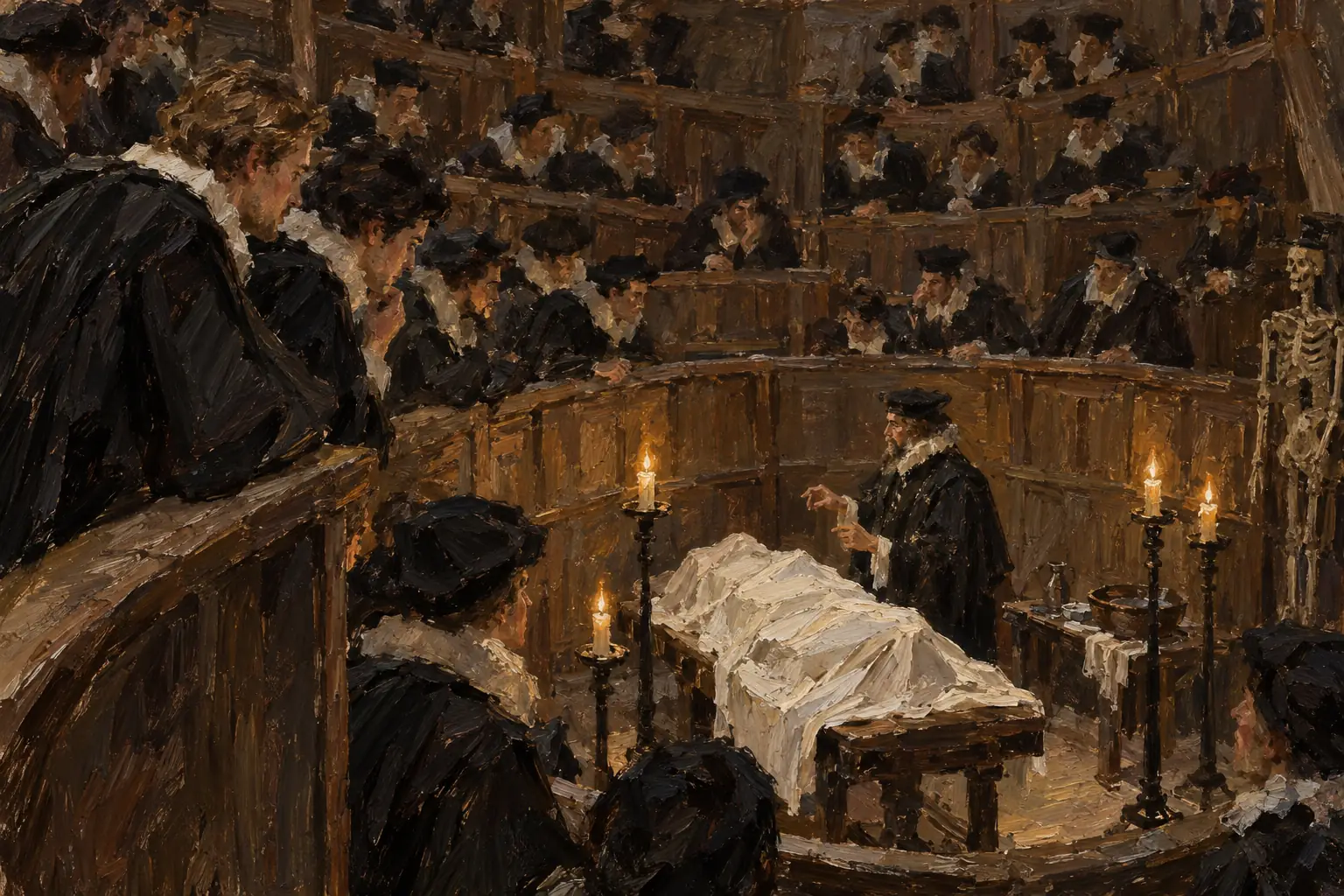
Britain's medical advancements during the Renaissance were heavily shaped by ideas and practices from mainland Europe. As an island nation, Britain imported knowledge through travel, education, and trade, integrating continental innovations into its own evolving medical landscape.
Ways continental developments reached Britain
- Training in foreign universities - British doctors frequently studied at prestigious institutions in Italy (such as Padua) and France (like Montpellier), where they learned advanced techniques in anatomy and surgery before returning home.
- Importation of books and ideas - Printed medical texts from continental scholars, including works on dissection and herbal remedies, were brought to Britain, disseminating new theories and illustrations.
- Exchange through networks - Correspondence and visits between European physicians facilitated the flow of inventive approaches, such as improved observational methods, influencing British practices without requiring complete reinvention.