3.1 - The Anglo-Saxon Church c.1066: Structure & Problems
Key facts and dates
The Anglo-Saxon Church in England around 1066 was a well-established institution that played a central role in society, but it faced calls for reform due to various abuses. Key elements included its hierarchical organisation and widespread influence, alongside issues like corruption that prompted criticism from reformers.
Key facts to remember
- Archbishoprics – Two main ones at Canterbury and York, overseeing the Church's spiritual leadership.
- Dioceses – Regional divisions, each led by a bishop responsible for local administration.
- Monasteries – Centres for religious life, education, and charity, often owning significant land.
- Simony – The practice of buying or selling Church positions for personal gain.
- Nepotism – Appointing family members to Church roles, regardless of suitability.
- Pluralism – Clergy holding multiple offices simultaneously, often neglecting duties.
- Clerical marriage – Priests marrying and having families, seen as distracting from spiritual focus.
- Church-state ties – Close links, with kings influencing appointments and Church supporting royal authority.
Structure of the Anglo-Saxon Church
The Anglo-Saxon Church in England around 1066 had a clear hierarchical organisation that extended from national leadership down to local communities. This structure ensured the Church's presence across the country, supporting religious practices and social functions.
Main elements of Church organisation
- Archbishoprics - At the top were the archbishoprics of Canterbury and York, which provided overall guidance and resolved major disputes within the Church.
- Dioceses - These were geographical areas, each managed by a bishop who oversaw priests and ensured adherence to Church doctrines.
- Monasteries - Religious communities of monks or nuns that served as hubs for prayer, learning, and economic activity, often controlling large estates.
- Parish life - At the local level, parishes formed the basic unit, with priests conducting services, baptisms, and burials in village churches, fostering community ties.
Problems within the Anglo-Saxon Church
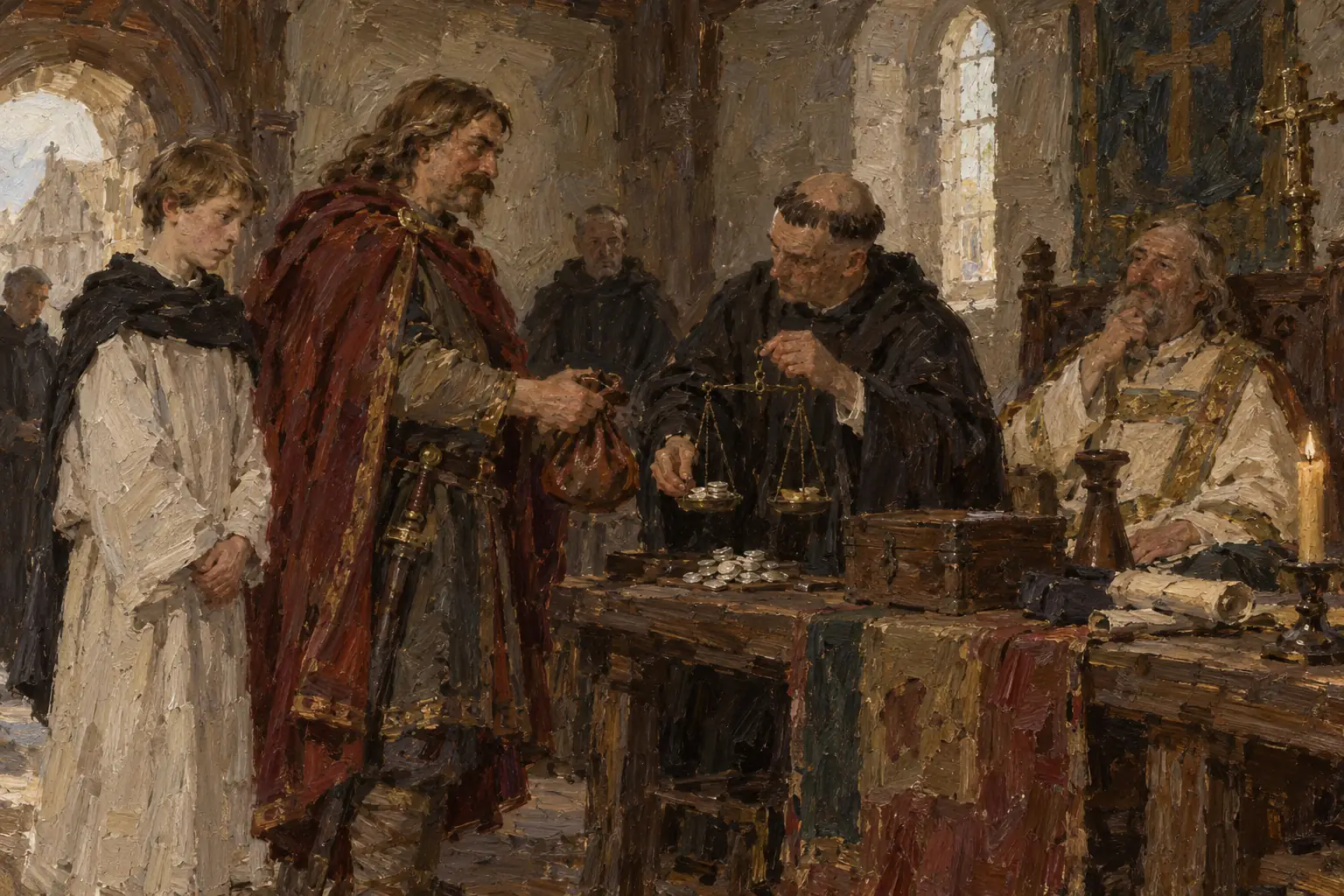
By the mid-11th century, the Anglo-Saxon Church faced significant issues that critics argued undermined its spiritual integrity. These abuses were widespread and led to growing demands for reform to restore purity and effectiveness.
Key abuses in the Church
- Simony - Church positions were often bought or sold, allowing wealthy individuals to gain roles without proper qualifications or devotion.
- Nepotism - Bishops and other leaders frequently appointed relatives to important posts, prioritising family connections over merit or piety.
- Pluralism - Many clergy members held several offices at once, collecting incomes from multiple sources while failing to fulfil all their responsibilities adequately.
- Clerical marriage - Priests were allowed to marry and raise families, which reformers viewed as a distraction from religious duties and a source of worldly attachments.
Church influence on daily life
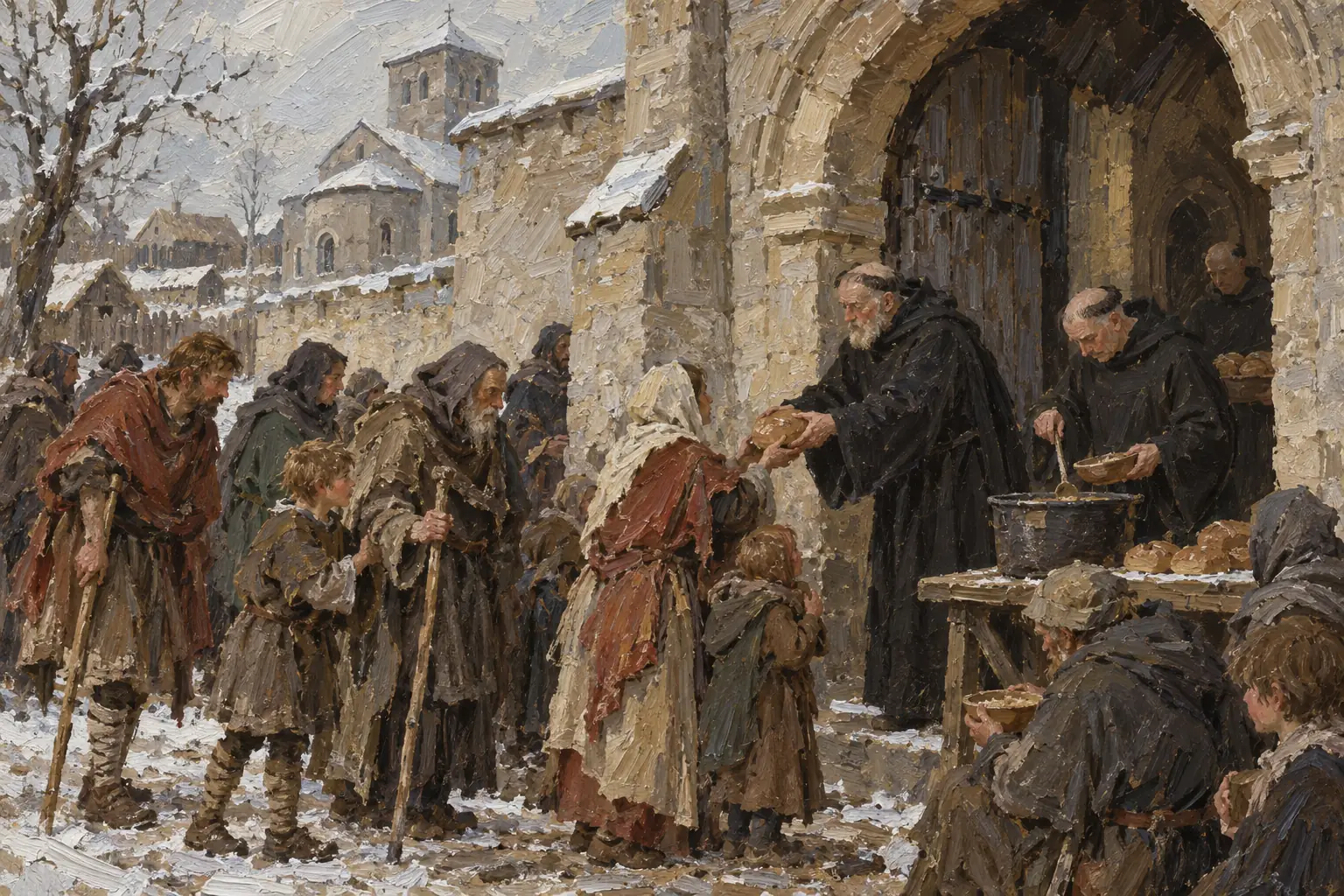
The Anglo-Saxon Church deeply affected everyday existence, integrating religious practices with social and moral guidance. It shaped community routines and provided essential support, making it a cornerstone of Anglo-Saxon society.
Ways the Church shaped society
- Festivals and holy days - The Church organised numerous religious celebrations and feast days, which served as opportunities for communal gatherings, rest, and reflection.
- Moral teaching - Priests delivered sermons and guidance on ethical behaviour, influencing personal conduct and reinforcing societal norms.
- Care for the poor - Through alms-giving and monastic charities, the Church offered aid to the needy, including food distribution and shelter, helping to alleviate hardship.
Relationship between Church and state
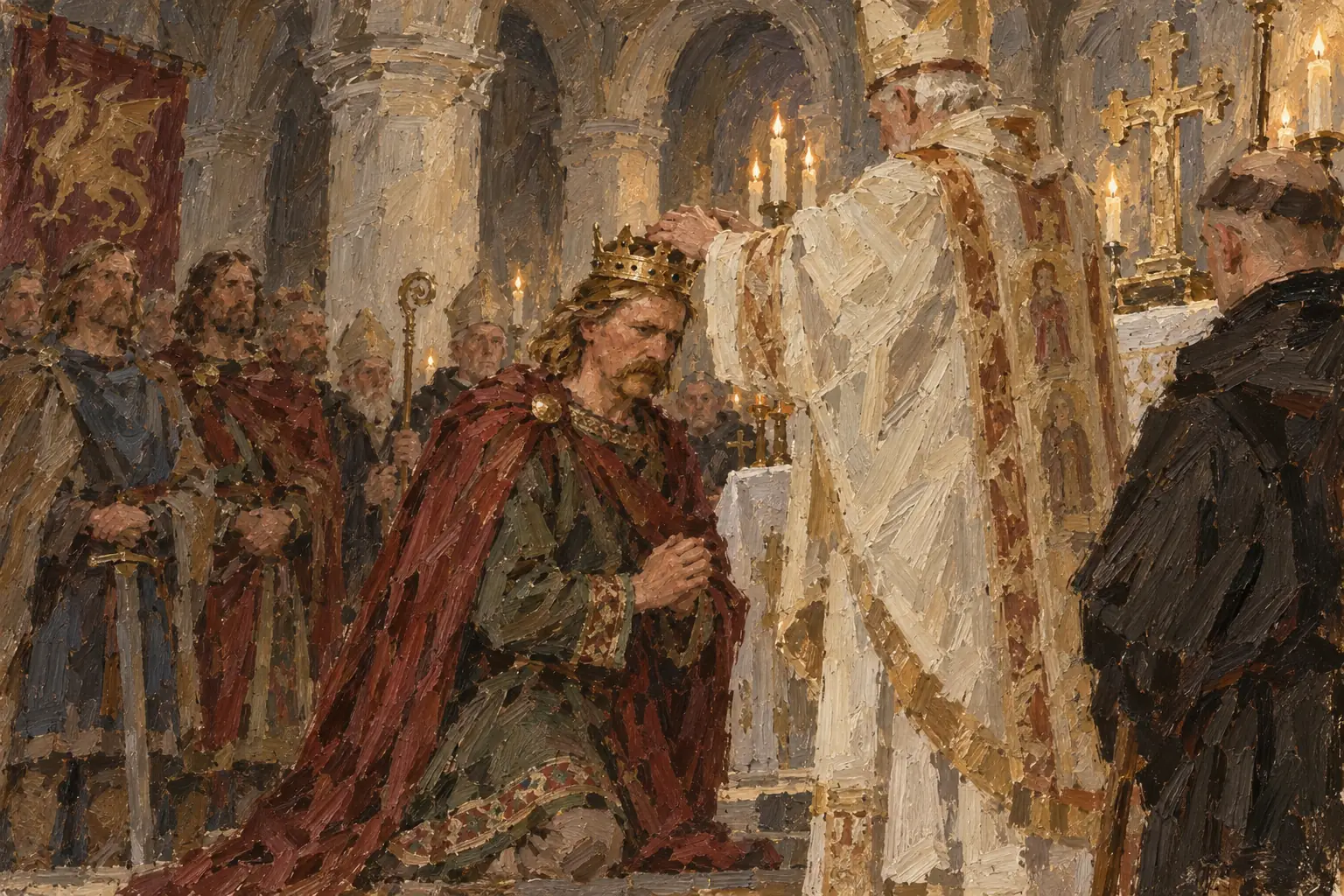
In Anglo-Saxon England, the Church and monarchy were closely intertwined, with each supporting the other's authority. This partnership influenced governance, law, and cultural life, blurring the lines between spiritual and secular power.
Features of Church-state connections
- Royal influence on Church affairs - Kings often appointed bishops and abbots, using these roles to reward loyal supporters and maintain control over Church lands.
- Church support for the monarchy - In return, the Church legitimised royal rule through coronations, oaths, and teachings that emphasised obedience to authority.
- Shared interests - Both institutions collaborated on matters like law-making and education, with the Church providing literate administrators and moral justification for state actions.