3.2 - Lanfranc & Reform: Bishops, Dioceses & Church Courts
Key facts and dates
Archbishop Lanfranc spearheaded a comprehensive Norman reform of the English Church following the Conquest, aiming to align it more closely with continental practices and strengthen central control. These changes involved personnel shifts, structural reorganisations, and new institutions, though their effects varied across society.
Timeline of key events
- 1070 – Lanfranc appointed Archbishop of Canterbury; begins replacing Anglo-Saxon bishops with Norman ones.
- 1072 – Council of Winchester establishes Canterbury's primacy over York and elevates the role of archdeacons.
- 1075 – Synod of London reorganises dioceses and promotes church building in Romanesque style.
- 1077 – Establishment of separate ecclesiastical courts for clerical matters.
- 1080s – Major cathedral constructions, such as those at Canterbury and Lincoln, adopt monastic structures.
- 1089 – Lanfranc's death marks the end of his direct reforms, though his legacy endures.
Replacing bishops and reorganising dioceses
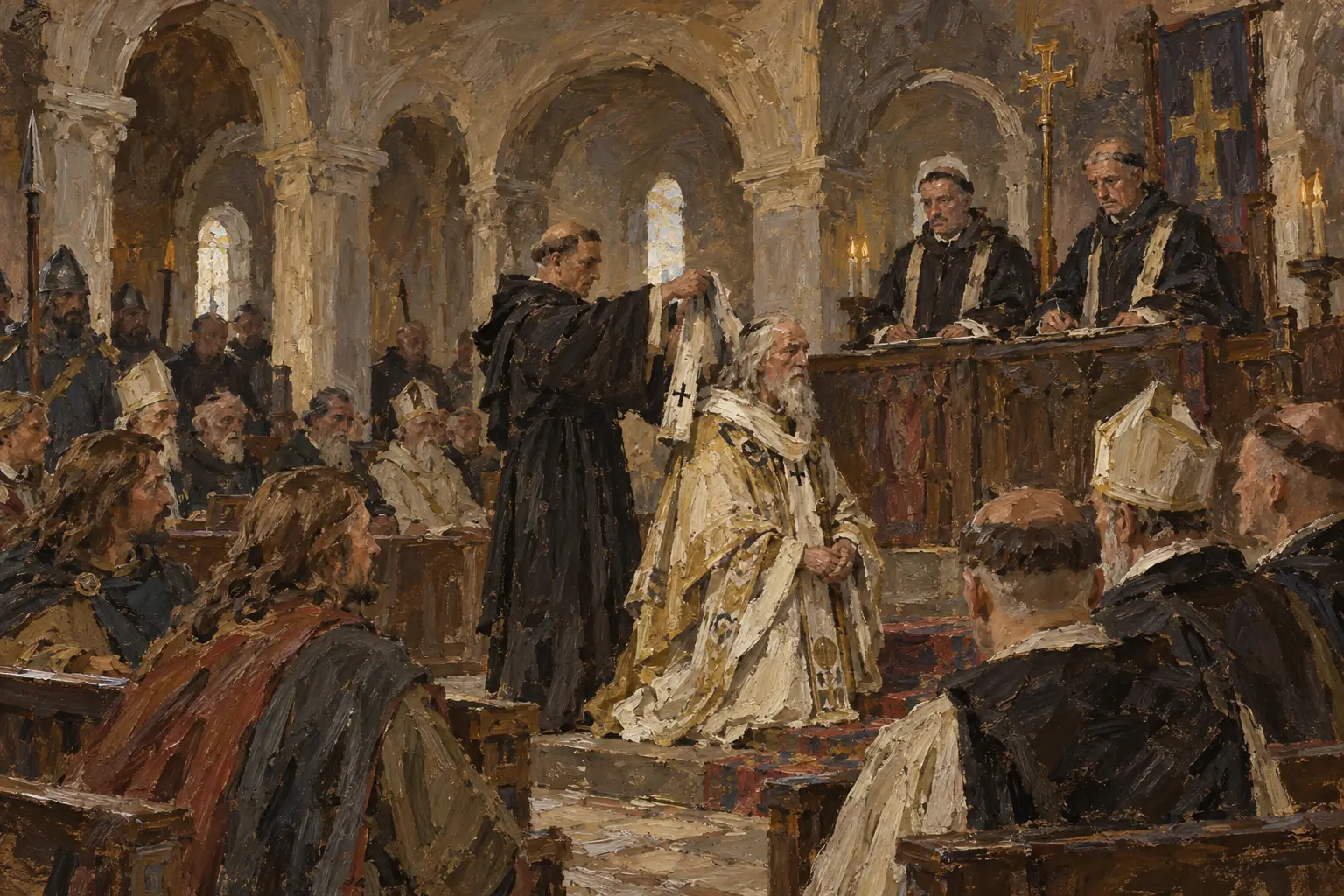
Following the Norman Conquest, Lanfranc initiated a sweeping overhaul of the Church's leadership to ensure loyalty and introduce Norman practices. This involved systematically appointing Normans to key positions and adjusting administrative boundaries to improve efficiency.
Changes to episcopal leadership
- Removal of Anglo-Saxon bishops - Lanfranc replaced most native bishops with Norman clerics, often on grounds of incompetence or disloyalty; by 1087, only one Anglo-Saxon bishop remained, as the new appointees brought continental expertise and allegiance to the Norman regime.
- Criteria for replacement - Decisions were based on perceived moral failings, such as simony or inadequate education, though political reliability was a key factor in securing Norman control over the Church.
Reorganisation of diocesan structures
- Adjustment of boundaries - Dioceses were redrawn to create more manageable units; for example, the large diocese of Lichfield was split, and seats were moved to urban centres like Chester to enhance administrative oversight.
- Purpose of changes - These reforms aimed to centralise authority, reduce regional independence, and align the English Church with Norman models, facilitating better governance and tax collection.
Archdeacons and the church building programme
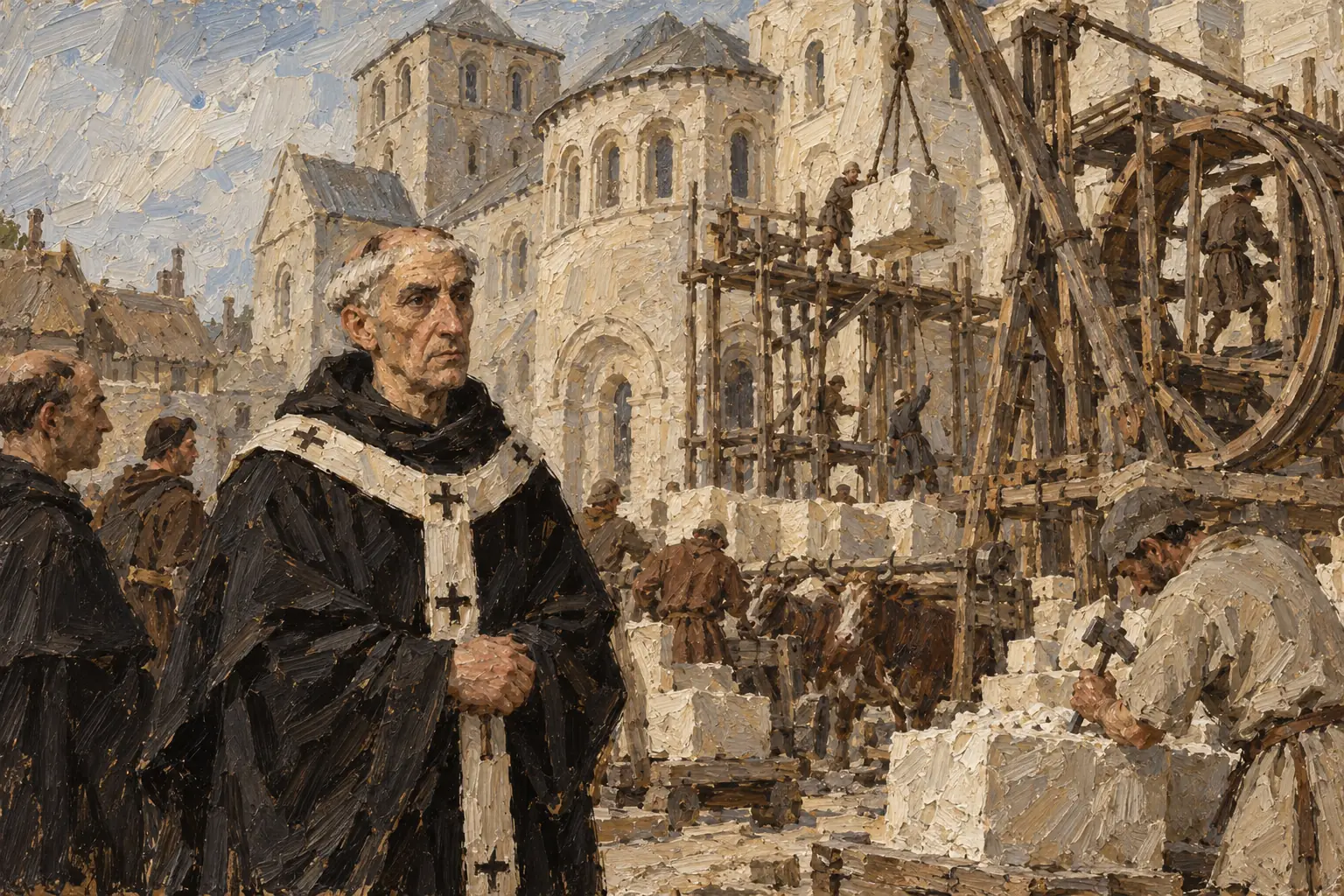
Lanfranc's reforms extended to mid-level church officials and infrastructure, emphasising hierarchy and architectural renewal. Archdeacons gained prominence, while a massive construction programme transformed religious sites.
Role and elevation of archdeacons
- Enhanced responsibilities - Archdeacons were promoted to oversee diocesan administration, including financial matters and clergy discipline, acting as the bishop's deputies to enforce reforms at a local level.
- Impact on church hierarchy - This elevation created a more structured chain of command, bridging the gap between bishops and parish priests, and ensuring consistent application of Norman standards across England.
The church building programme
- Romanesque style adoption - New cathedrals and churches were built in the robust Romanesque style, featuring rounded arches and thick walls, symbolising Norman power and continental influence.
- Shift to monastic cathedrals - Many cathedrals transitioned to monastic models, where monks replaced secular canons, promoting a more disciplined and scholarly environment; examples include reconstructions at Canterbury and Winchester.
- Scale and significance - Over 15 major cathedrals were rebuilt or expanded in the late 11th century, often on grander scales, to inspire awe and reinforce the Church's role in society.
Primacy over York and use of church councils
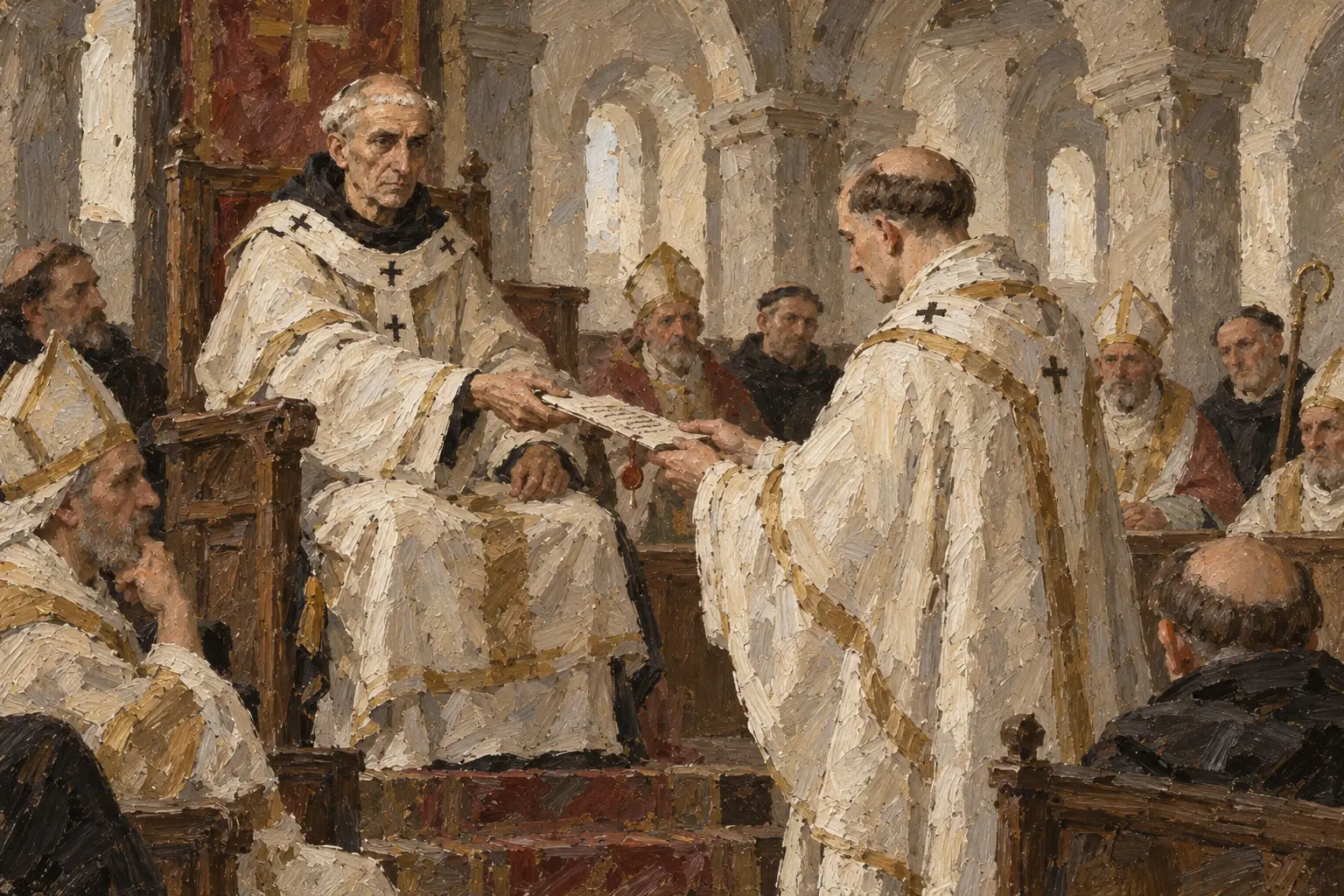
Lanfranc asserted Canterbury's supremacy to unify the English Church under a single authority, while employing councils to implement and debate reforms. These measures centralised power and standardised practices.
Establishment of primacy
- Dispute with York - Lanfranc claimed authority over the Archbishop of York, resolving a long-standing rivalry through papal support and royal backing, ensuring Canterbury's leadership in ecclesiastical matters.
- Outcomes of primacy - This created a unified national church structure, preventing division and allowing Lanfranc to coordinate reforms across northern and southern England.
Function of church councils
- Regular synods - Lanfranc convened councils, such as those at Winchester and London, to discuss doctrine, discipline, and administration, involving bishops and abbots in decision-making.
- Key decisions - Councils addressed issues like clerical marriage and simony, issuing decrees that standardised church law and promoted moral reform among the clergy.
Establishment of ecclesiastical courts
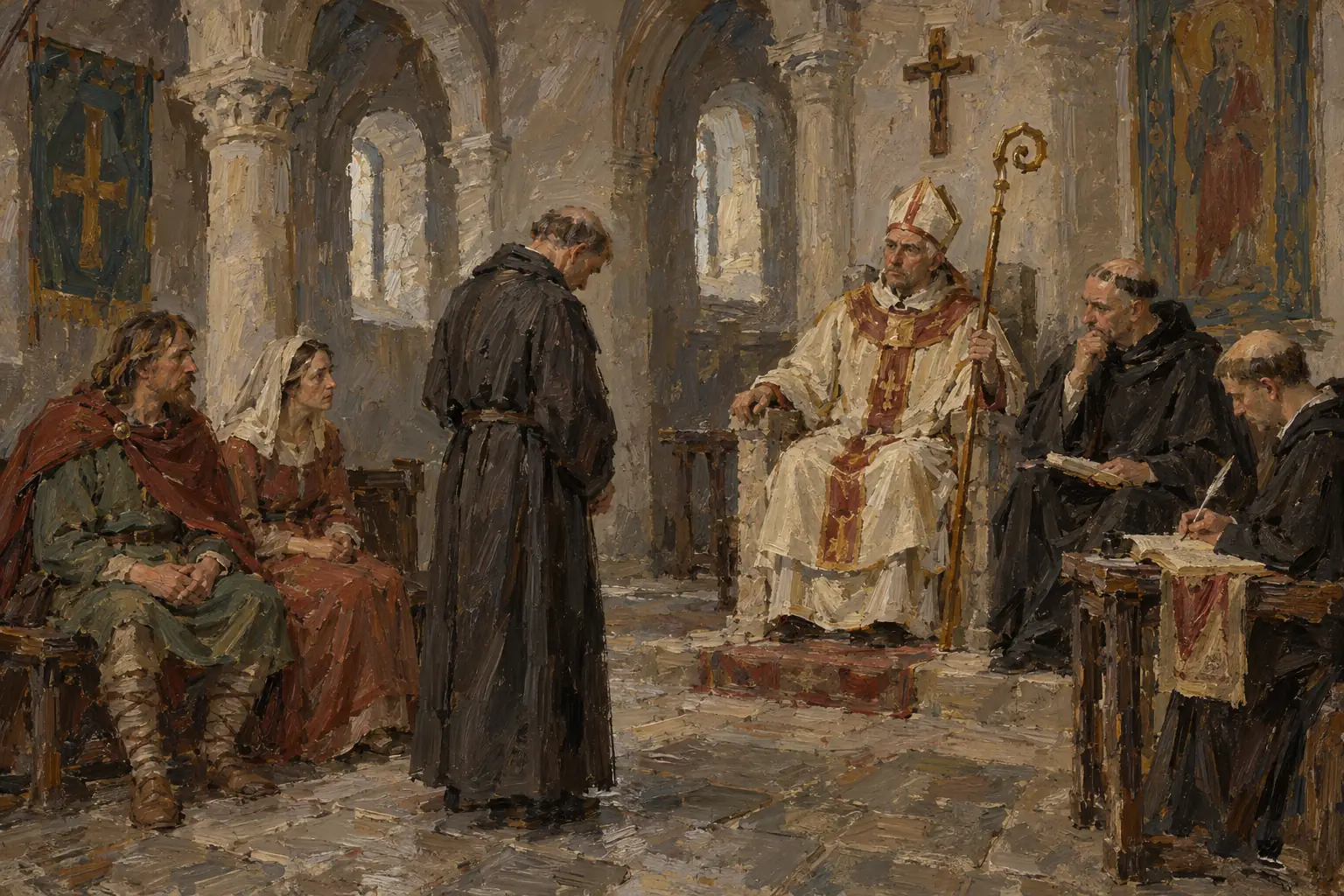
To separate church matters from secular justice, Lanfranc introduced dedicated courts for clerical cases, drawing on continental models. This reform aimed to protect church autonomy and ensure internal accountability.
Structure and purpose of ecclesiastical courts
- Separation from royal courts - Ecclesiastical courts were established to handle cases involving clergy, such as moral offences or disputes over church property, removing them from the king's jurisdiction.
- Hierarchy of courts - These ranged from archdeacons' local hearings to bishops' diocesan courts, with appeals possible to the archbishop or even the pope, creating a tiered system for resolving disputes.
Procedures and enforcement
- Focus on clerical discipline - Courts dealt with issues like heresy or misconduct, using canon law to impose penalties such as fines or excommunication.
- Broader implications - While primarily for clerics, these courts occasionally influenced lay matters, such as marriage disputes, extending church authority into everyday life.
Impact on parish priests and laypeople
Lanfranc's reforms had mixed effects on lower-level clergy and ordinary people, with changes filtering down unevenly. While some improvements occurred, many aspects of daily religious life remained unchanged.
Effects on parish priests
- Limited direct impact - Most parish priests, often poorly educated and focused on local duties, experienced little immediate change; reforms like bans on marriage were inconsistently enforced at this level.
- Gradual professionalisation - Over time, elevated standards through councils and archdeacons encouraged better training and conduct, though many priests continued traditional practices.
Effects on laypeople
- Architectural and communal changes - New churches provided impressive worship spaces, potentially enhancing religious experience, but relocations sometimes disrupted local communities.
- Minimal everyday influence - For most laypeople, reforms had little direct effect on daily life; tithing and services continued as before, with the main impact being a more Norman-influenced church hierarchy rather than altered personal piety.
- Long-term consequences - The reforms strengthened church authority, which could lead to greater interference in lay affairs, such as through ecclesiastical courts, but this developed gradually beyond Lanfranc's era.