2.4 - Theatre Achievements & Social Controversies
Key facts and dates
Elizabethan theatre emerged as a vibrant cultural force in the late 16th century, blending artistic innovation with commercial success while facing significant social and political challenges. Despite opposition, it helped forge a sense of national identity and received crucial support from high-level patrons, reflecting broader tensions in society.
Timeline of key events
- 1576 – Construction of The Theatre, the first purpose-built playhouse in London, marking the start of a professional theatre industry.
- 1587 – Establishment of the Queen's Men acting company under royal patronage, promoting national unity through drama.
- 1593 – Theatres closed due to plague outbreak, highlighting health-related civic concerns.
- 1594 – Formation of the Lord Chamberlain's Men, which included William Shakespeare and performed at court.
- 1597 – Puritan-led attacks intensify, leading to calls for theatre bans over moral issues.
- 1599 – Opening of the Globe Theatre, symbolising the commercial peak of Elizabethan drama.
- 1603 – James I grants royal patent to the King's Men, continuing court support for theatre.
Literary innovations and national identity
Elizabethan drama represented a period of remarkable creativity, transforming English literature and contributing to a shared sense of national pride. Playwrights experimented with new forms and themes, drawing on classical influences while addressing contemporary issues.
Literary innovations in Elizabethan plays
- Blank verse and character development - Writers like Christopher Marlowe and William Shakespeare pioneered unrhymed iambic pentameter, allowing for natural dialogue and complex psychological portrayals in works such as Doctor Faustus and Hamlet.
- Genre blending - Plays mixed tragedy, comedy, and history, often incorporating elements of romance or satire to explore human nature, social hierarchies, and moral dilemmas.
- Themes of power and ambition - Dramas frequently examined kingship, revenge, and fate, reflecting Renaissance humanism and inspiring audiences to consider their place in society.
Role in fostering national identity
- Historical narratives - Plays like Shakespeare's history cycles celebrated English monarchs and victories, reinforcing a collective sense of heritage and unity amid threats from abroad.
- Cultural reflection - Theatre mirrored societal changes, such as the rise of individualism and exploration, helping to define an emerging English identity distinct from continental Europe.
- Public engagement - Performances in open-air venues drew diverse audiences, promoting shared cultural experiences that transcended class boundaries.
Development of the commercial theatre industry
The Elizabethan era saw the rise of a thriving commercial theatre sector, shifting drama from amateur or courtly entertainment to a profitable business. This industry relied on purpose-built venues and professional companies to attract paying audiences.
Key features of the commercial theatre industry
- Purpose-built playhouses - Structures like The Theatre and later the Globe featured innovative designs with stages, galleries, and standing areas, accommodating up to 3,000 spectators and enabling elaborate productions.
- Acting companies and shareholders - Groups such as the Lord Chamberlain's Men operated as joint-stock enterprises, with actors like Richard Burbage owning shares and sharing profits from ticket sales.
- Audience diversity and revenue - Theatres drew crowds from all social levels, charging varying fees for seats or standing room, which generated steady income and supported regular performances.
Economic and social impact
- Job creation - The industry employed playwrights, actors, costume makers, and stagehands, stimulating London's economy and urban growth.
- Competition and expansion - Rival companies vied for audiences, leading to a boom in playwriting and the construction of multiple venues along the Thames.
Opposition from city authorities and Puritans
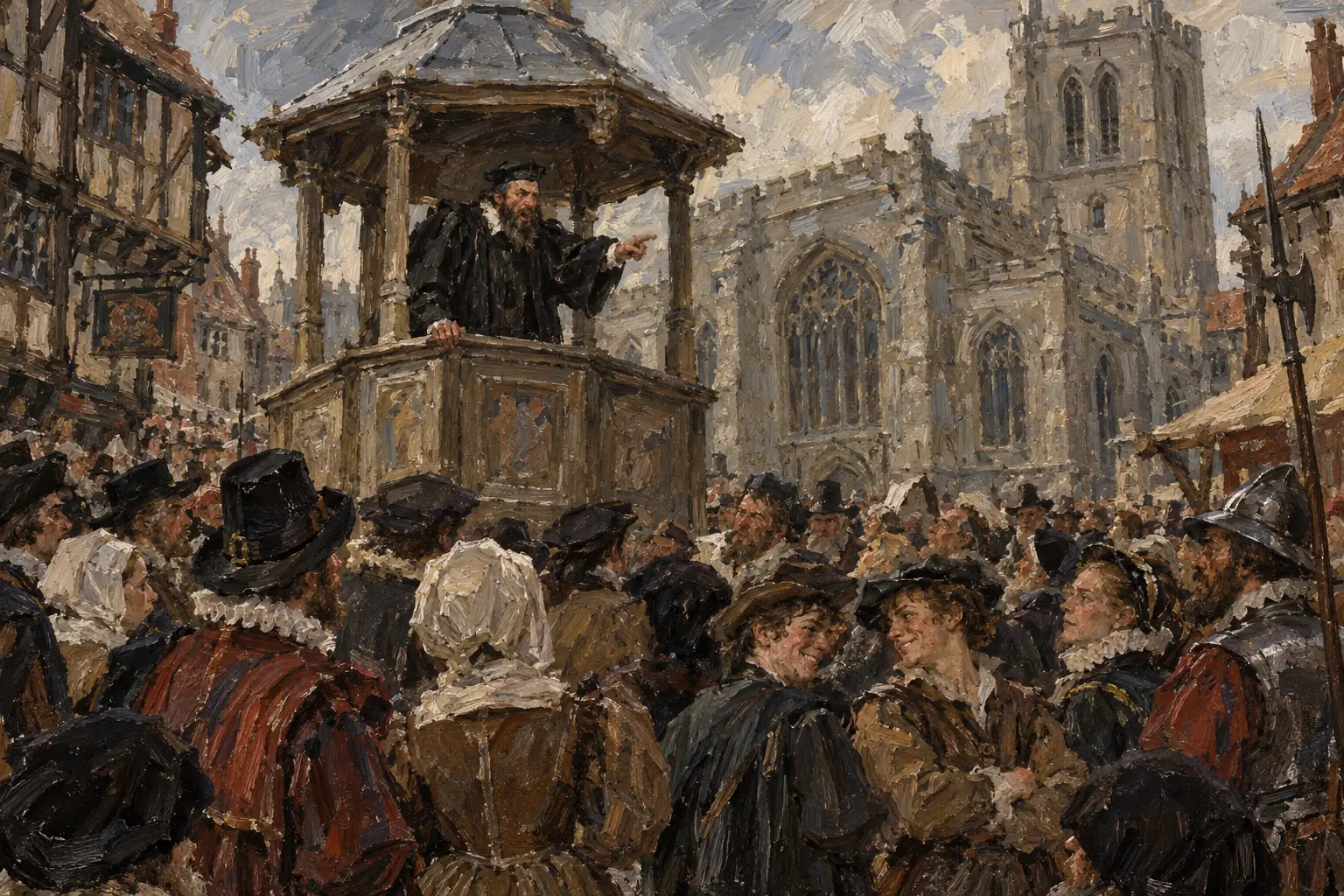
Theatre faced strong resistance from London city authorities and Puritan groups, who viewed it as a source of moral decay and public disorder. These critics argued that plays encouraged vice and distracted from religious duties.
Concerns raised by city authorities
- Public disorder - Officials feared that large crowds at theatres could lead to riots, crime, or unrest, especially in densely populated areas outside direct city control.
- Plague transmission - Theatres were seen as hotspots for disease spread, prompting closures during outbreaks to protect public health.
- Economic disruption - Authorities claimed that performances lured apprentices from work, harming productivity and trade.
Puritan objections
- Moral corruption - Puritans condemned plays for promoting immorality, idolatry, and cross-dressing, which they believed violated biblical teachings.
- Religious opposition - They argued that theatre competed with church attendance and glorified sinful behaviours like deception and lust.
- Pamphlet campaigns - Writers like Stephen Gosson published attacks, such as The School of Abuse, urging bans on what they saw as ungodly entertainment.
Censorship and periodic theatre closures
Image 1 of 2: The Master of the Revels read and licensed every play, cutting anything seditious or immoral
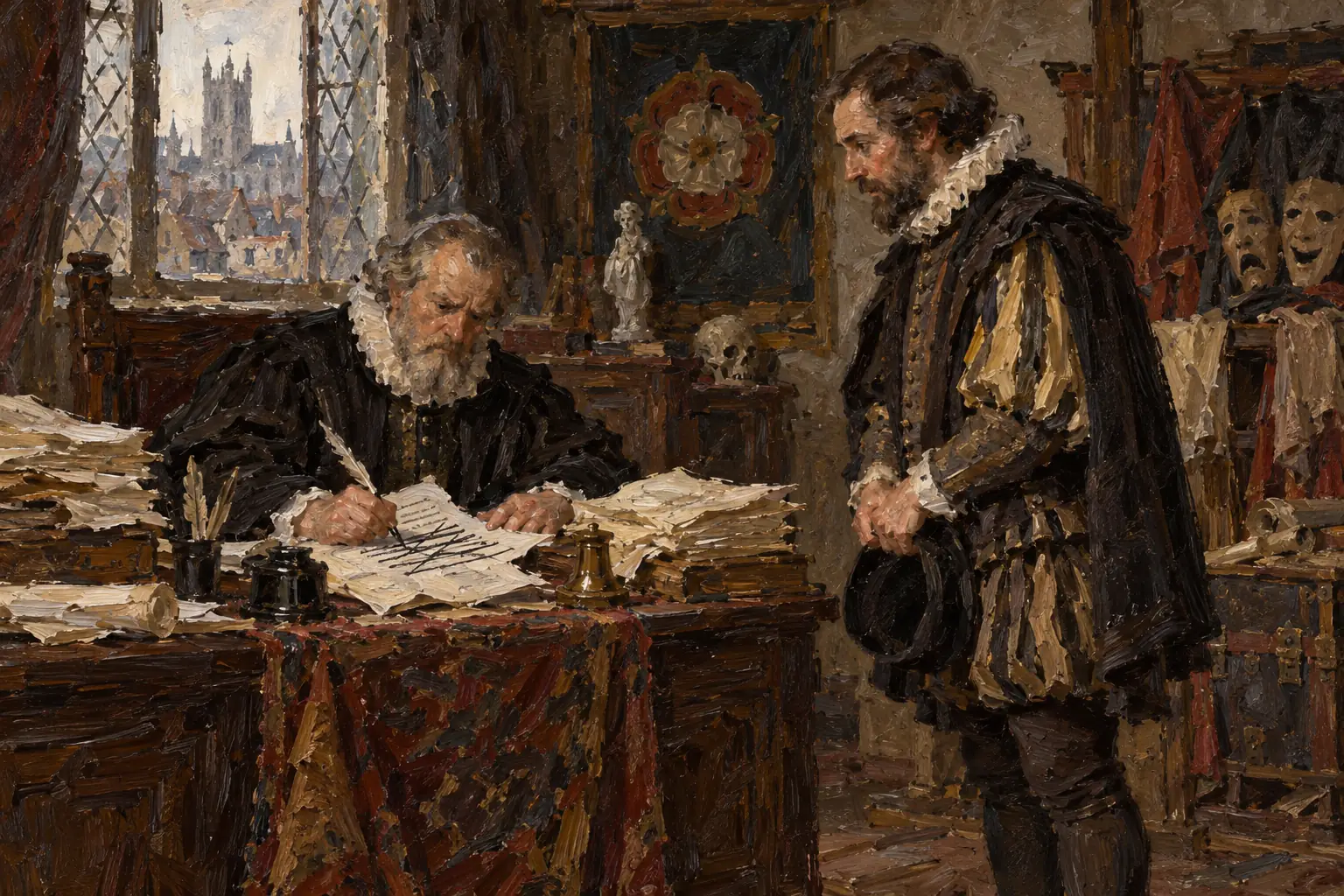
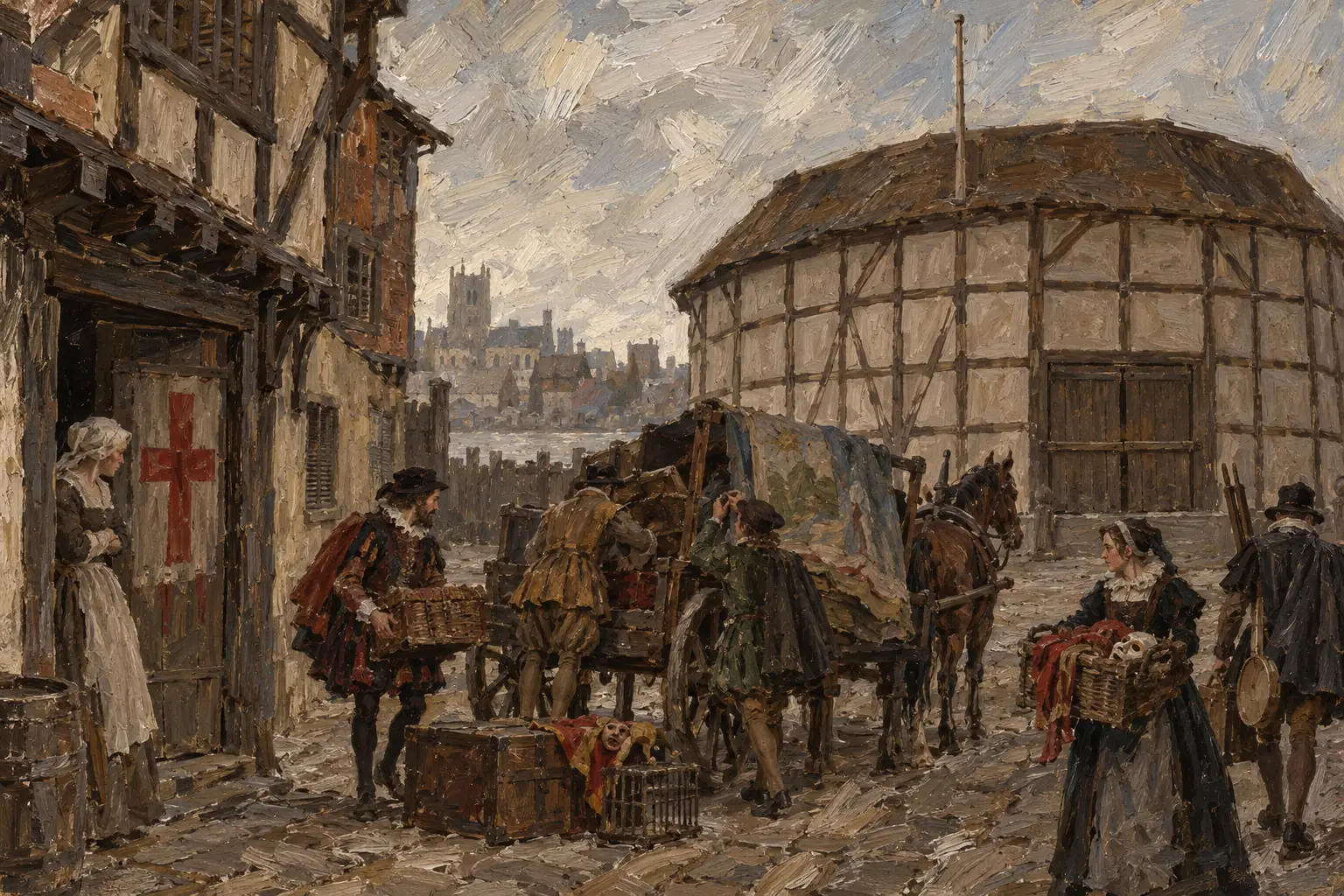
In response to opposition, the government imposed censorship and temporary shutdowns, balancing control with the cultural value of drama. These measures aimed to regulate content while addressing public concerns.
Mechanisms of censorship
- Master of the Revels - This official reviewed and licensed all plays, cutting or banning material deemed seditious, obscene, or politically sensitive.
- Privy Council oversight - The council enforced rules, such as limiting performances to licensed companies, to prevent inflammatory content.
Reasons for periodic closures
- Plague-related shutdowns - Outbreaks, like those in 1593 and 1603, led to extended closures lasting months, forcing companies to tour provinces or disband temporarily.
- Moral and political crackdowns - Periods of heightened Puritan influence or social unrest resulted in bans, reflecting efforts to maintain order and propriety.
Patronage from the Privy Council and court
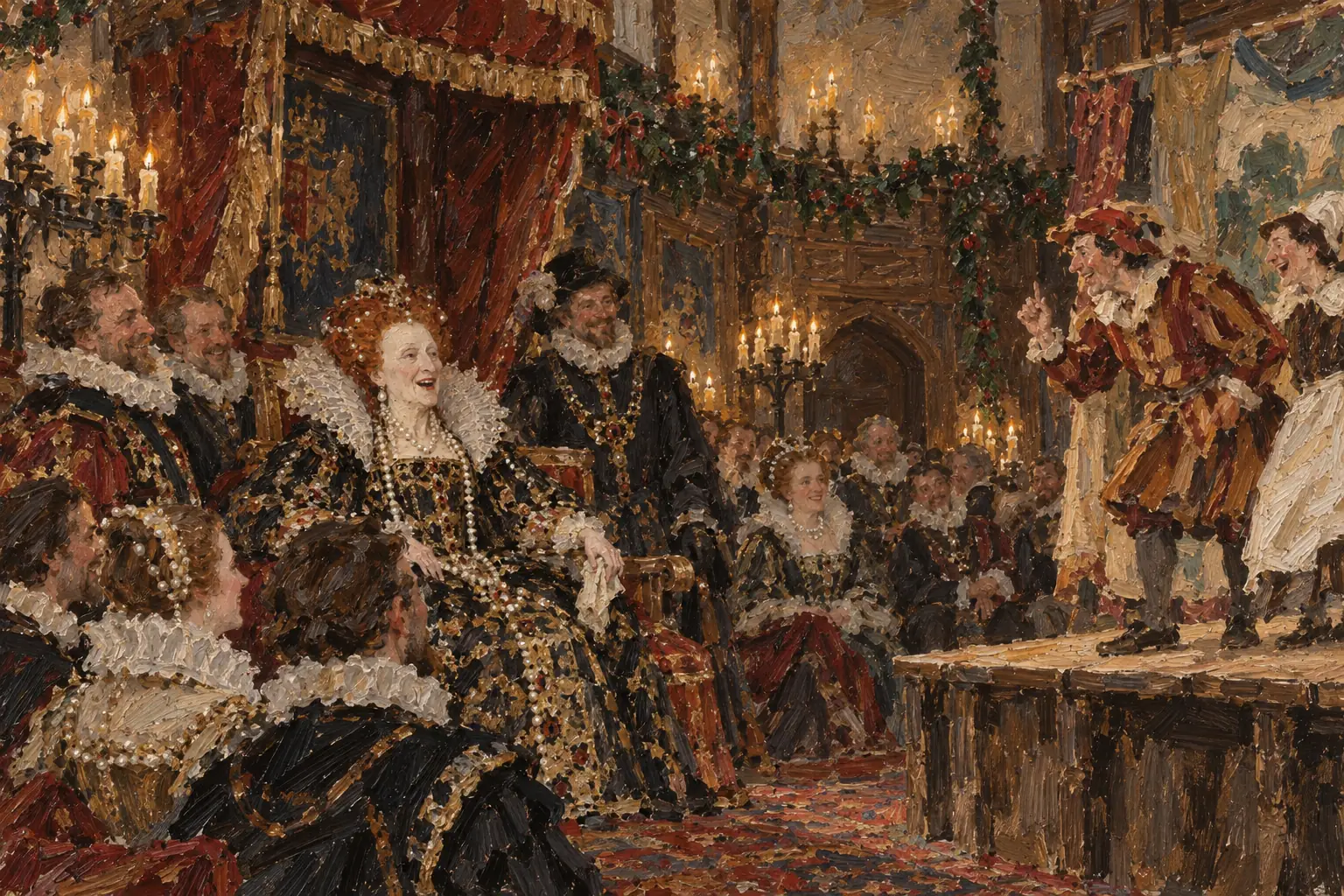
Despite civic hostility, theatre received vital support from the Privy Council and royal court, which recognised its potential for propaganda and entertainment. This patronage helped sustain the industry against opposition.
Forms of court patronage
- Royal companies - Monarchs like Elizabeth I and James I sponsored troupes, such as the Queen's Men and King's Men, granting them prestige and protection.
- Court performances - Plays were staged at court for holidays and state occasions, providing income and elevating theatre's status.
Dual role of theatre in society
- Expressing social tensions - Dramas often satirised class divisions, corruption, and gender roles, allowing audiences to engage with contemporary conflicts.
- Serving state image-making - The court used theatre to promote loyalty, national pride, and the monarch's authority, countering opposition by aligning drama with official narratives.