1.2 - The Atomic Bomb & Superpower Relations
Key facts and dates
The atomic bombings of Hiroshima and Nagasaki in 1945 marked a pivotal shift in global power dynamics, granting the United States a temporary nuclear advantage that intensified tensions with the Soviet Union. This period set the stage for the early Cold War, characterised by mutual suspicion and an escalating arms race.
Timeline of key events
| Date | Event |
|---|---|
| July–August 1945 | Potsdam Conference reveals US atomic monopoly, heightening Soviet mistrust amid discussions on post-war Europe. |
| 6 August 1945 | US drops atomic bomb on Hiroshima, killing over 70,000 instantly and demonstrating nuclear capability. |
| 9 August 1945 | Second bomb dropped on Nagasaki, causing similar devastation and forcing Japan's surrender. |
| 1945–1949 | Soviet Union accelerates its nuclear programme in response to US dominance. |
| 29 August 1949 | USSR successfully tests its first atomic bomb, ending US monopoly and intensifying the arms race. |
Impact of atomic bombings on post-war relations

The atomic bombings of Hiroshima and Nagasaki in August 1945 not only hastened the end of the Second World War but also profoundly influenced the relationship between the United States and the Soviet Union. These events introduced a new era of nuclear power, altering the balance of international diplomacy and laying the groundwork for the Cold War.
Consequences of the bombings for US-Soviet relations
- Demonstration of power - The bombs showcased unprecedented destructive force, signalling US technological superiority and shifting the post-war power dynamic away from traditional military strength.
- End of wartime alliance - The bombings accelerated the breakdown of the fragile US-Soviet alliance formed during the war, as the Soviet Union perceived them as a threat rather than a shared victory over Japan.
- Psychological impact - The sheer scale of destruction fostered global fear and reshaped diplomatic negotiations, making future conflicts riskier and encouraging both superpowers to prioritise strategic deterrence over direct confrontation.
US atomic monopoly at the Potsdam Conference
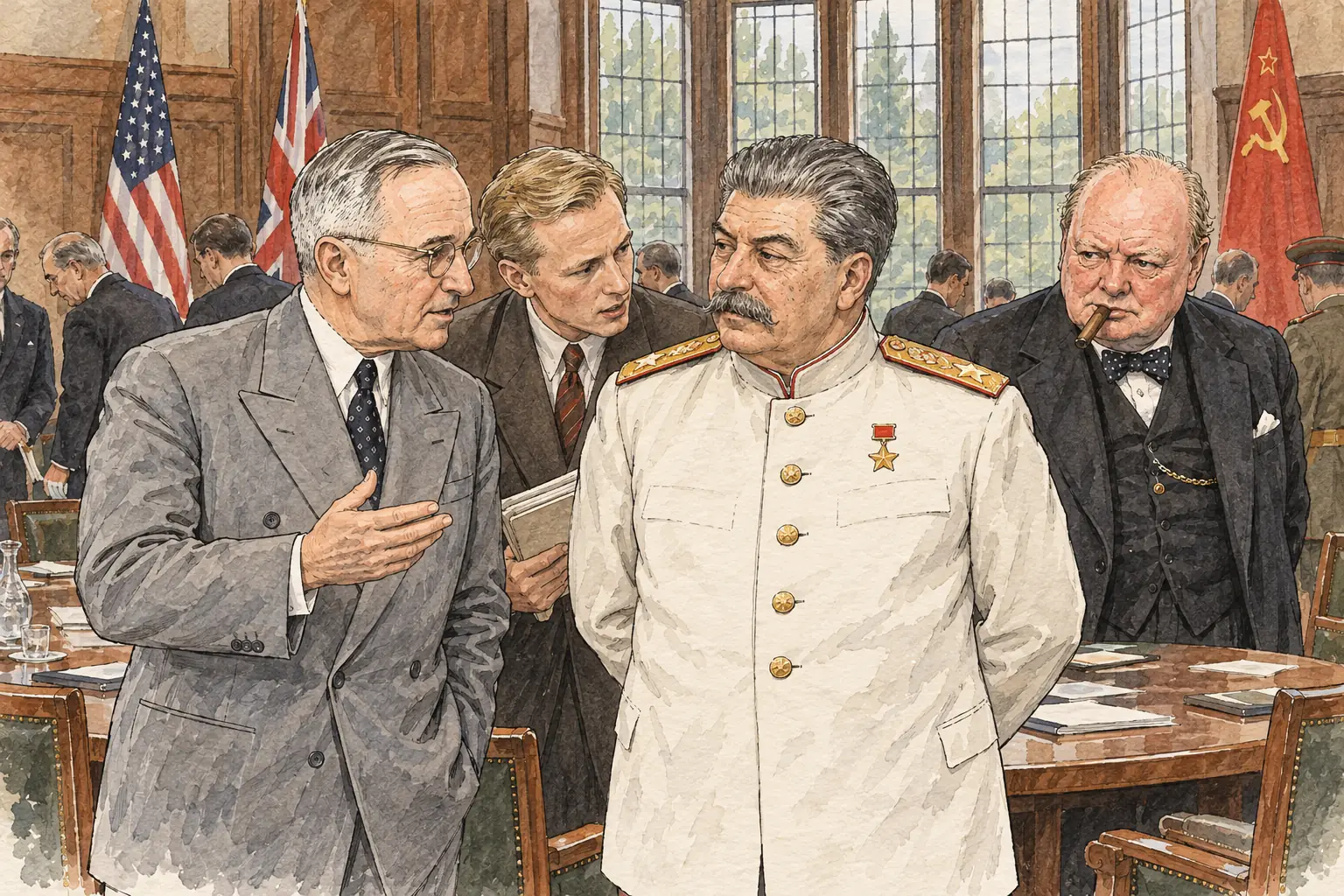
At the Potsdam Conference in July–August 1945, the United States held a unique atomic monopoly, which significantly altered the diplomatic landscape. This advantage allowed US leaders to negotiate from a position of strength, but it also sowed seeds of distrust with their Soviet counterparts.
Effects of the monopoly on conference dynamics
- Altered bargaining power - President Truman informed Stalin of the successful atomic test, subtly implying US dominance, which influenced discussions on issues like German reparations and European borders.
- Soviet awareness and response - Stalin, already informed through spies, downplayed the revelation but internally viewed it as a challenge to Soviet security, prompting a reevaluation of post-war strategies.
- Diplomatic imbalance - The monopoly emboldened the US to push for favourable outcomes, such as limiting Soviet influence in Eastern Europe, while heightening tensions over unresolved wartime agreements.
Soviet suspicions and the logic of deterrence
The US atomic bombings and subsequent monopoly fuelled deep Soviet suspicions, leading to the development of deterrence as a core strategy in superpower relations. This logic emphasised preventing aggression through the threat of overwhelming retaliation, fundamentally changing how conflicts were approached.
Factors driving Soviet suspicions
- Perceived threats - The Soviets interpreted the bombings as a warning directed at them, rather than solely at Japan, exacerbating fears of US aggression in the post-war world.
- Ideological divide - Rooted in differing capitalist and communist worldviews, these suspicions amplified mutual paranoia, with each side viewing the other's actions as provocative.
Principles of nuclear deterrence
- Raised stakes in confrontations - The bomb's destructive potential made any direct conflict potentially catastrophic, encouraging both powers to avoid escalation and rely on threats instead.
- Mutual assured destruction - This emerging concept held that neither side would attack if it guaranteed their own annihilation, shaping early Cold War strategies and rhetoric.
- Incentive for balance - Deterrence logic pushed the Soviets to seek nuclear parity, transforming diplomacy into a high-stakes game of brinkmanship.
Soviet nuclear programme and the arms race
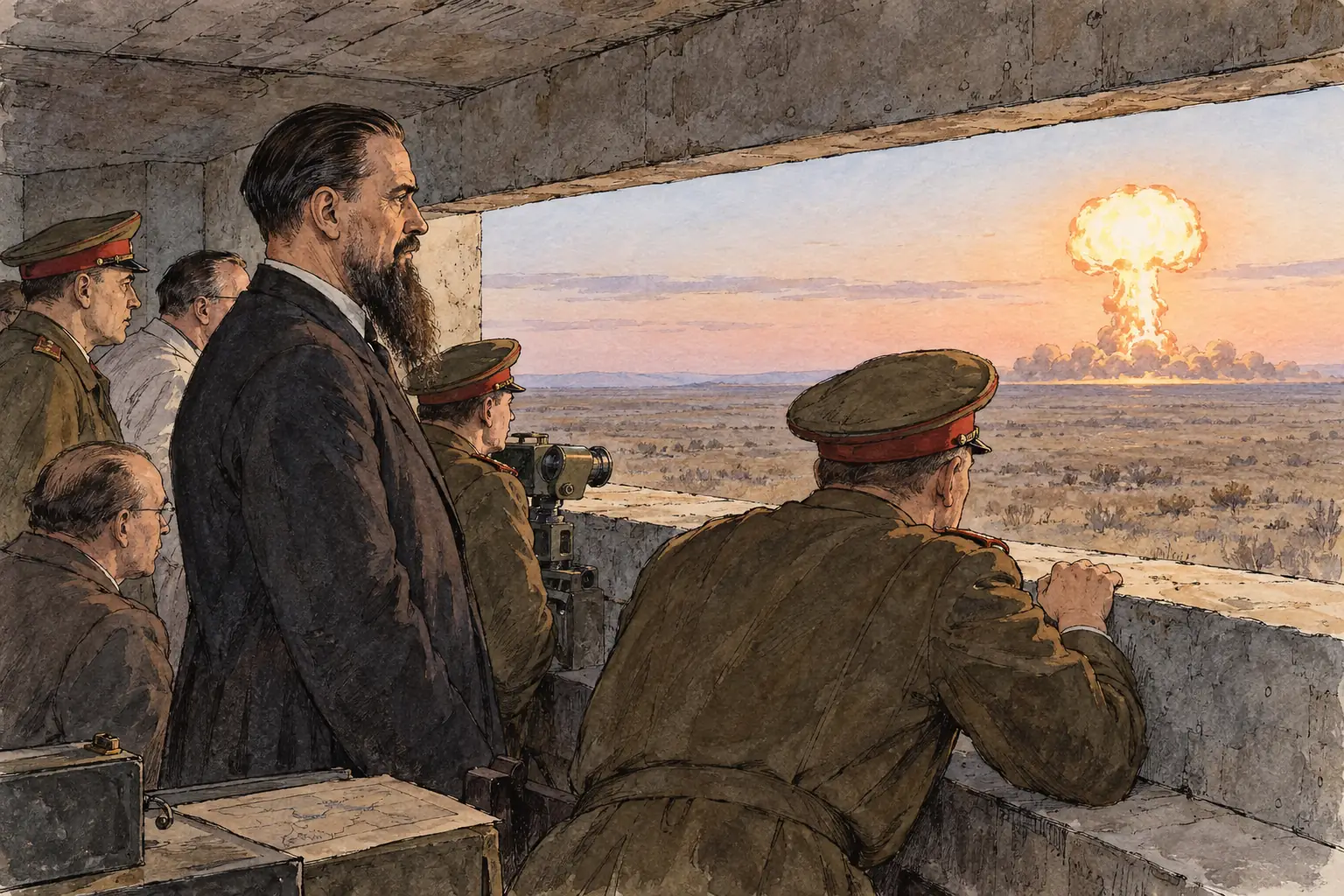
In response to US nuclear dominance, the Soviet Union rapidly advanced its own atomic programme, sparking an arms race that defined the early Cold War. This competition extended beyond weapons to influence global rhetoric and strategic calculations.
Development of the Soviet programme
- Urgent response to monopoly - Stalin prioritised nuclear research post-1945, using espionage and domestic resources to close the technological gap, achieving a successful test by 1949.
- Key motivations - The programme was driven by security concerns, aiming to counter US threats and restore balance in superpower relations.
Characteristics of the resulting arms race
- Escalation of weaponry - Both nations invested heavily in developing more advanced bombs and delivery systems, leading to a cycle of innovation and stockpiling.
- Shaping Cold War rhetoric - Leaders used nuclear capabilities in propaganda, with terms like "iron curtain" and "containment" reflecting heightened risks and the need for constant vigilance.
- Influence on risk calculus - Decision-making incorporated nuclear threats, making crises like the Berlin Blockade more tense, as each side weighed the potential for apocalyptic outcomes.