3.5 - Détente: Drivers, SALT 1 & Superpower Diplomacy
Key facts and dates
The period of détente in the late 1960s and early 1970s represented a temporary easing of Cold War tensions between the United States and the Soviet Union, driven by mutual economic pressures and strategic necessities. This era focused on arms control and diplomatic engagement, though underlying rivalries persisted.
Timeline of key events
- Late 1960s – Escalating costs of the arms race and Vietnam War strain US resources, while nuclear parity emerges between superpowers.
- 1969 – Sino-Soviet border clashes highlight the split between China and the USSR, opening diplomatic opportunities for the USA.
- 1969–1972 – US President Nixon and Soviet leader Brezhnev engage in negotiations amid ideological tensions and human rights concerns.
- May 1972 – Signing of SALT 1, including the ABM Treaty and Interim Agreement, limiting missile defences and freezing certain offensive weapons.
- 1972 – Nixon's visit to Moscow marks a high point of détente, aiming to regulate rather than eliminate superpower rivalry.
Sources of renewed tension between superpowers
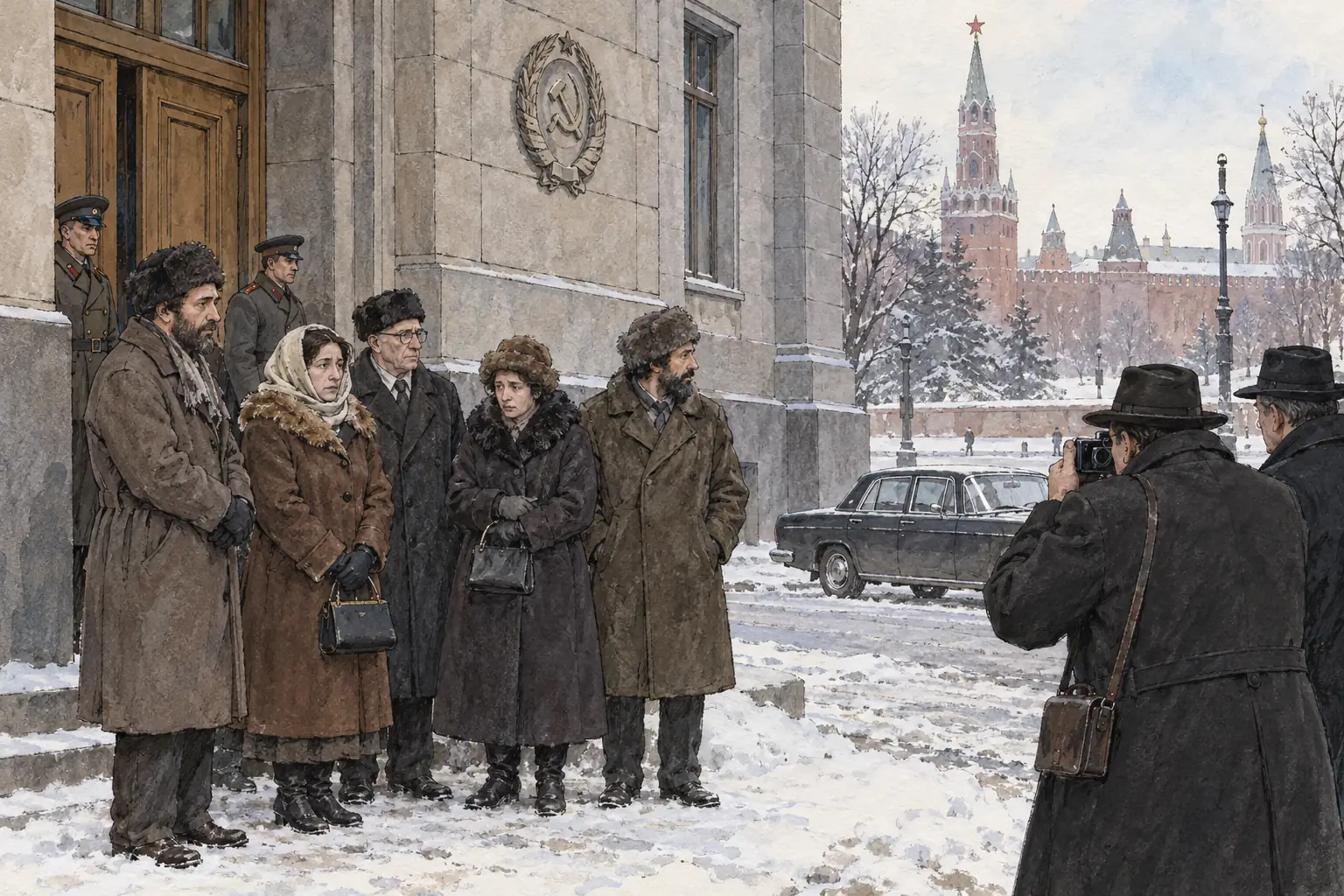
Despite efforts towards cooperation, underlying issues continued to fuel friction between the United States and the Soviet Union during the Cold War. These tensions stemmed from fundamental differences in political systems and values, which often undermined diplomatic progress.
Key factors contributing to ongoing superpower tensions
- Ideological differences - The USA promoted capitalism and democracy, clashing with the Soviet emphasis on communism and state control, leading to mutual suspicion and propaganda campaigns.
- Soviet human rights record - Reports of political repression, including the suppression of dissent and restrictions on freedoms, drew criticism from the West, complicating efforts at reconciliation.
Drivers for détente in the 1960s and 1970s
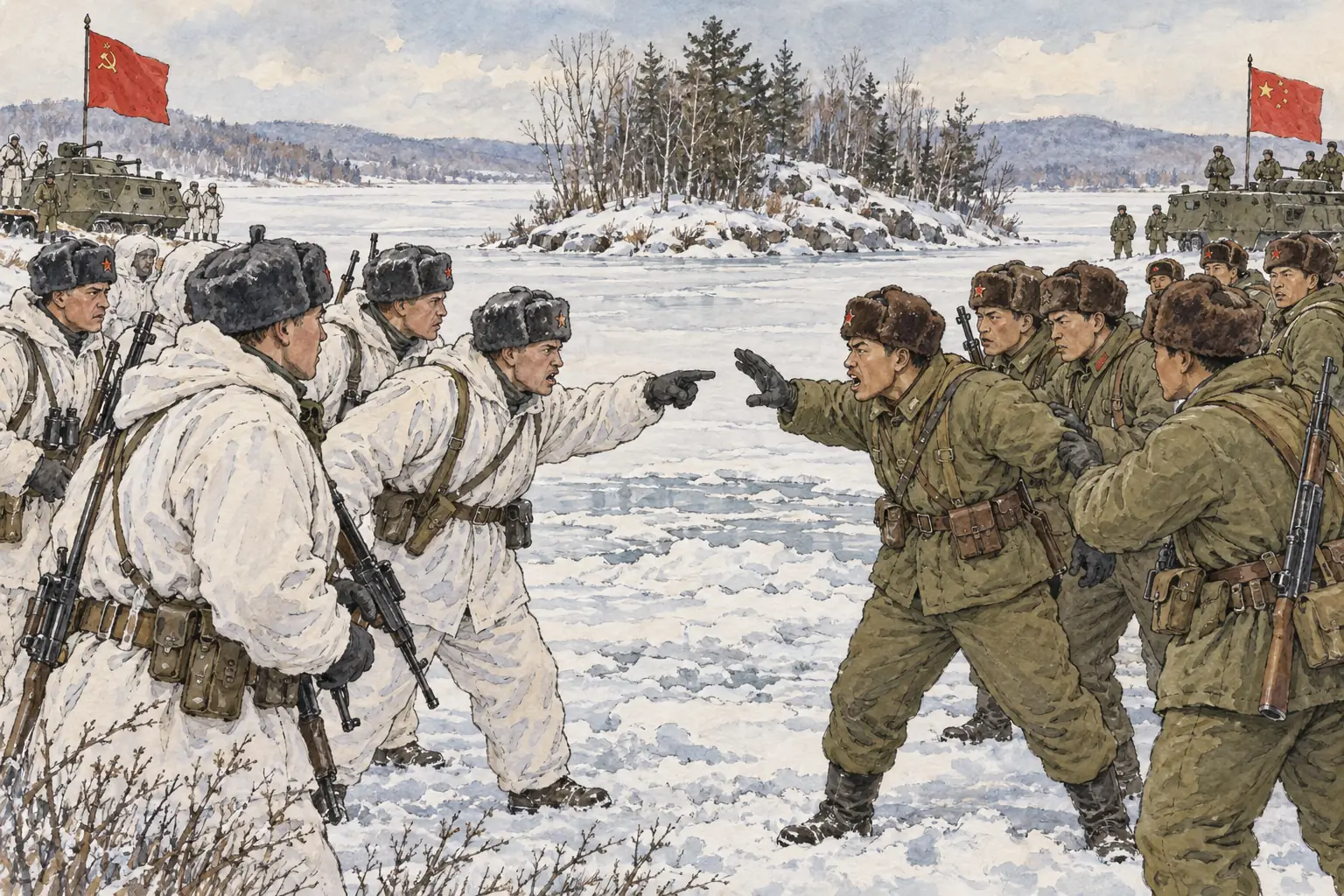
The shift towards détente emerged as both superpowers recognised the unsustainable nature of constant confrontation. This period saw a move away from direct hostility towards negotiated coexistence, influenced by a mix of military, economic, and geopolitical factors.
Main reasons for pursuing détente
- Nuclear parity - By the late 1960s, the Soviet Union had achieved rough equality in nuclear capabilities with the USA, reducing the incentive for further escalation and encouraging arms control talks.
- Cost of the arms race - The enormous financial burden of developing and maintaining advanced weapons systems strained both economies, prompting leaders to seek ways to limit spending.
- Burden of the Vietnam War on the USA - Prolonged involvement in Vietnam drained American resources and public support, making the USA more open to easing tensions elsewhere to focus on domestic issues.
- Sino-Soviet split - Growing rivalry between China and the Soviet Union created opportunities for the USA to exploit divisions through diplomacy, such as improving relations with China to isolate the Soviets.
Details of the SALT 1 agreement in 1972
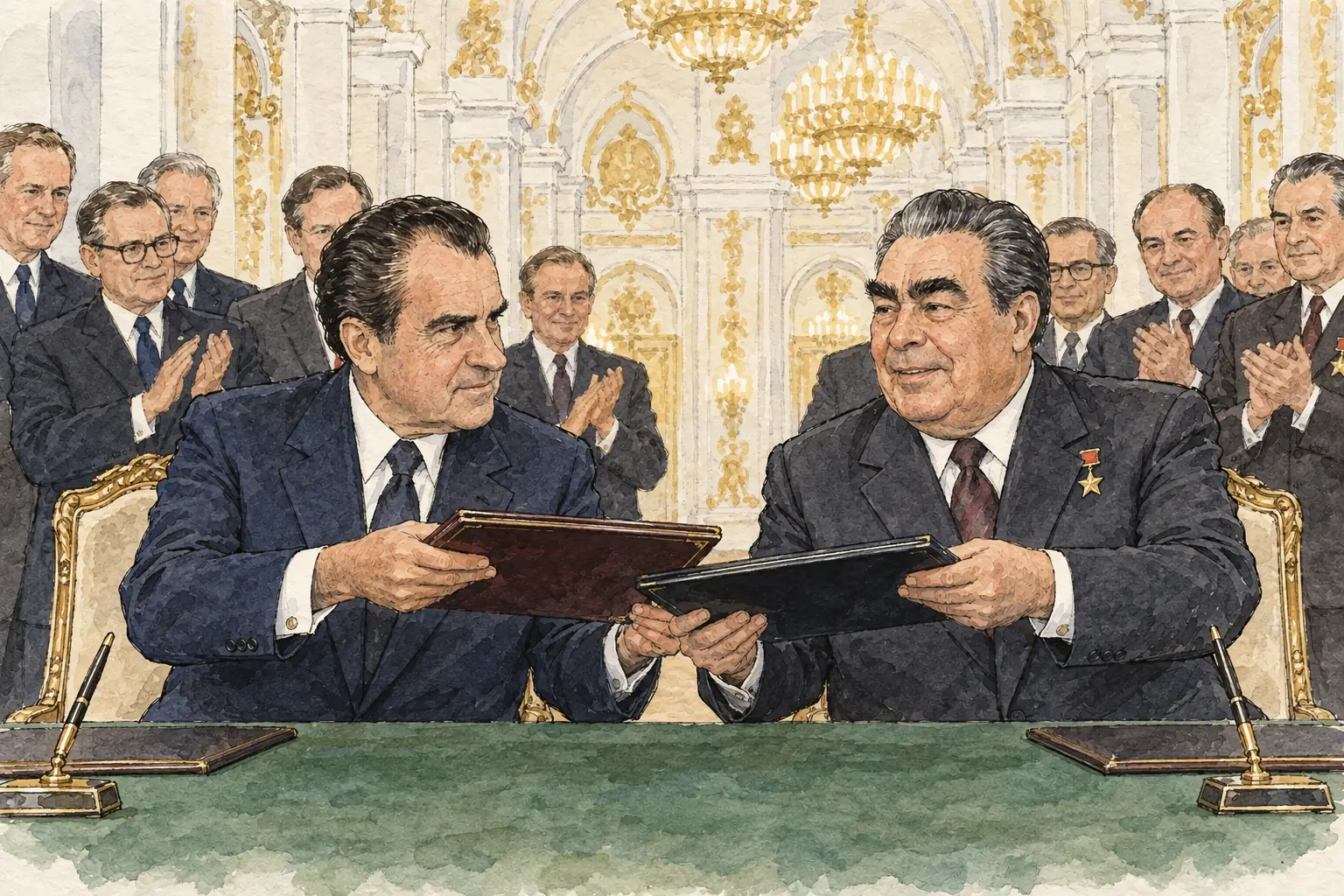
The Strategic Arms Limitation Talks (SALT 1) culminated in a landmark agreement signed in Moscow in May 1972, representing a key achievement of détente. It focused on curbing the nuclear arms race through specific restrictions on defensive and offensive systems.
Components of the SALT 1 agreement
- Anti-Ballistic Missile (ABM) Treaty - This limited each superpower to only two ABM sites, designed to prevent the development of extensive missile defence systems that could destabilise mutual deterrence.
- Interim Agreement - A temporary measure that froze the number of certain strategic missiles, including intercontinental ballistic missiles (ICBMs) and submarine-launched ballistic missiles (SLBMs), at existing levels for five years to allow time for further negotiations.
Roles of Nixon and Brezhnev in détente
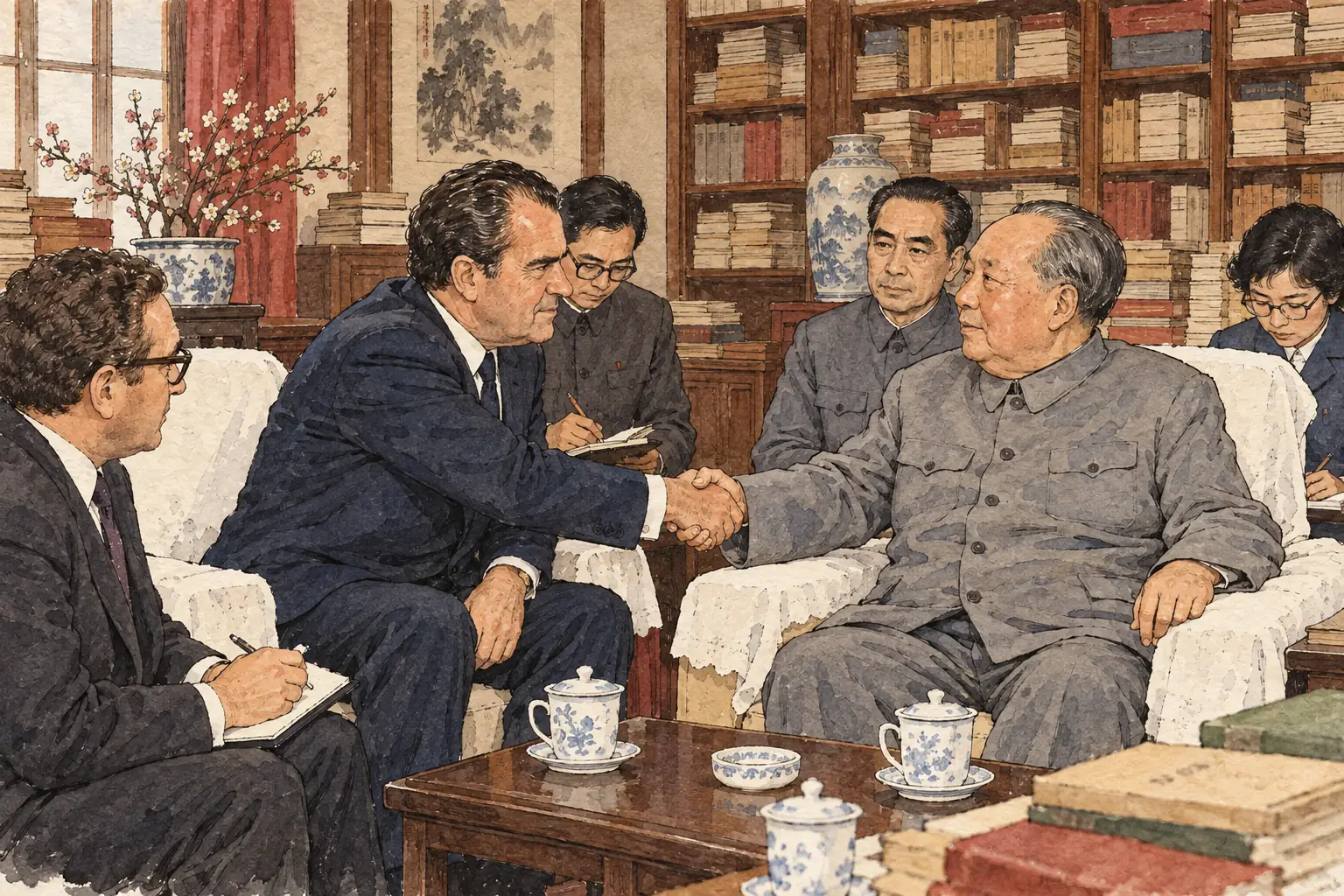
US President Richard Nixon and Soviet leader Leonid Brezhnev were central figures in steering their nations towards détente. Their leadership and diplomatic initiatives helped bridge divides, though personal and national interests shaped their approaches.
Contributions of key leaders to détente
- Richard Nixon's role - As US president from 1969, Nixon pursued a pragmatic foreign policy, initiating talks with the Soviets to reduce nuclear risks and ease the strain of Vietnam, including his historic 1972 visit to Moscow.
- Leonid Brezhnev's role - Leading the Soviet Union from 1964, Brezhnev sought to stabilise relations to address economic pressures and consolidate power, engaging in summits that led to arms agreements while maintaining Soviet influence.
Aims and nature of détente
Détente was not intended to resolve the core conflicts of the Cold War but rather to create a framework for controlled rivalry. It allowed both sides to pursue their interests without resorting to outright confrontation, focusing on stability and mutual benefits.
Objectives and characteristics of détente
- Managing competition - The policy aimed to regulate superpower interactions through diplomacy and treaties, preventing escalation while permitting ongoing rivalry in areas like proxy conflicts and ideological influence.
- Limitations of the approach - While it achieved arms limitations and improved communication, détente did not eliminate underlying tensions, serving as a temporary thaw rather than a permanent resolution.