3.6 - Control & Repression: Propaganda, SS & Gestapo
Key facts and dates
The Nazi regime in Germany relied on a combination of propaganda and repressive measures to maintain power from 1933 to 1945. Under Joseph Goebbels, propaganda shaped public opinion, while organisations like the Schutzstaffel (SS) and Gestapo enforced control through fear and surveillance. The following timeline outlines the key developments in this system of control.
Timeline of key events
- 1933 – Joseph Goebbels appointed as Minister of Propaganda, establishing control over media and culture.
- 1933 – Gestapo (secret state police) founded by Hermann Göring to target political opponents.
- 1934 – Heinrich Himmler takes control of the SS, expanding it into a powerful paramilitary organisation.
- 1935 – Nuremberg Laws criminalise dissent and promote Nazi racial ideology through legal means.
- 1936 – Berlin Olympics used as a propaganda spectacle to showcase Nazi achievements.
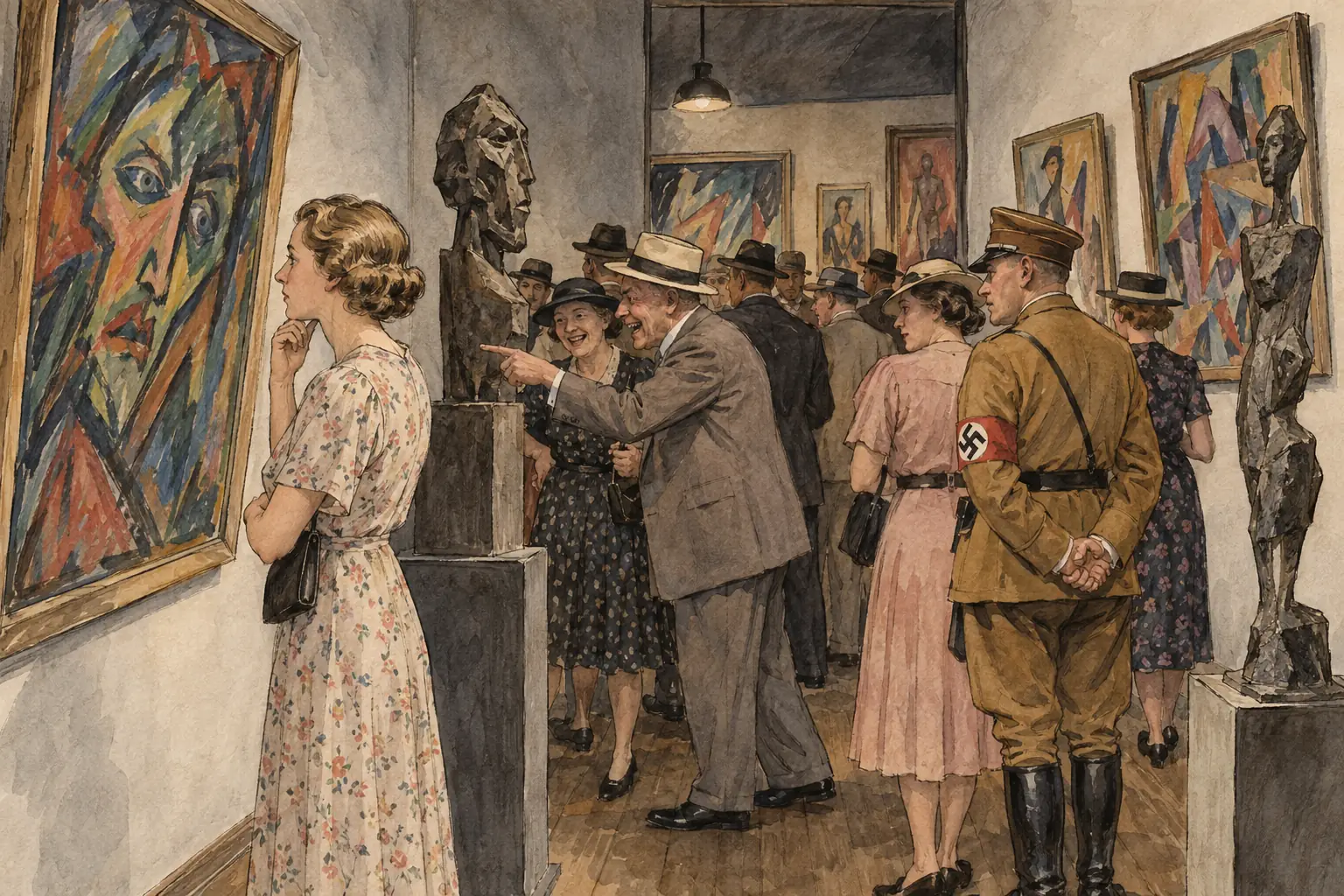
- 1937 – 'Degenerate Art' exhibition ridicules modern art, enforcing Nazi cultural norms.
- 1939 – Outbreak of war intensifies propaganda efforts and SS control over occupied territories.
Goebbels' propaganda machine and its methods
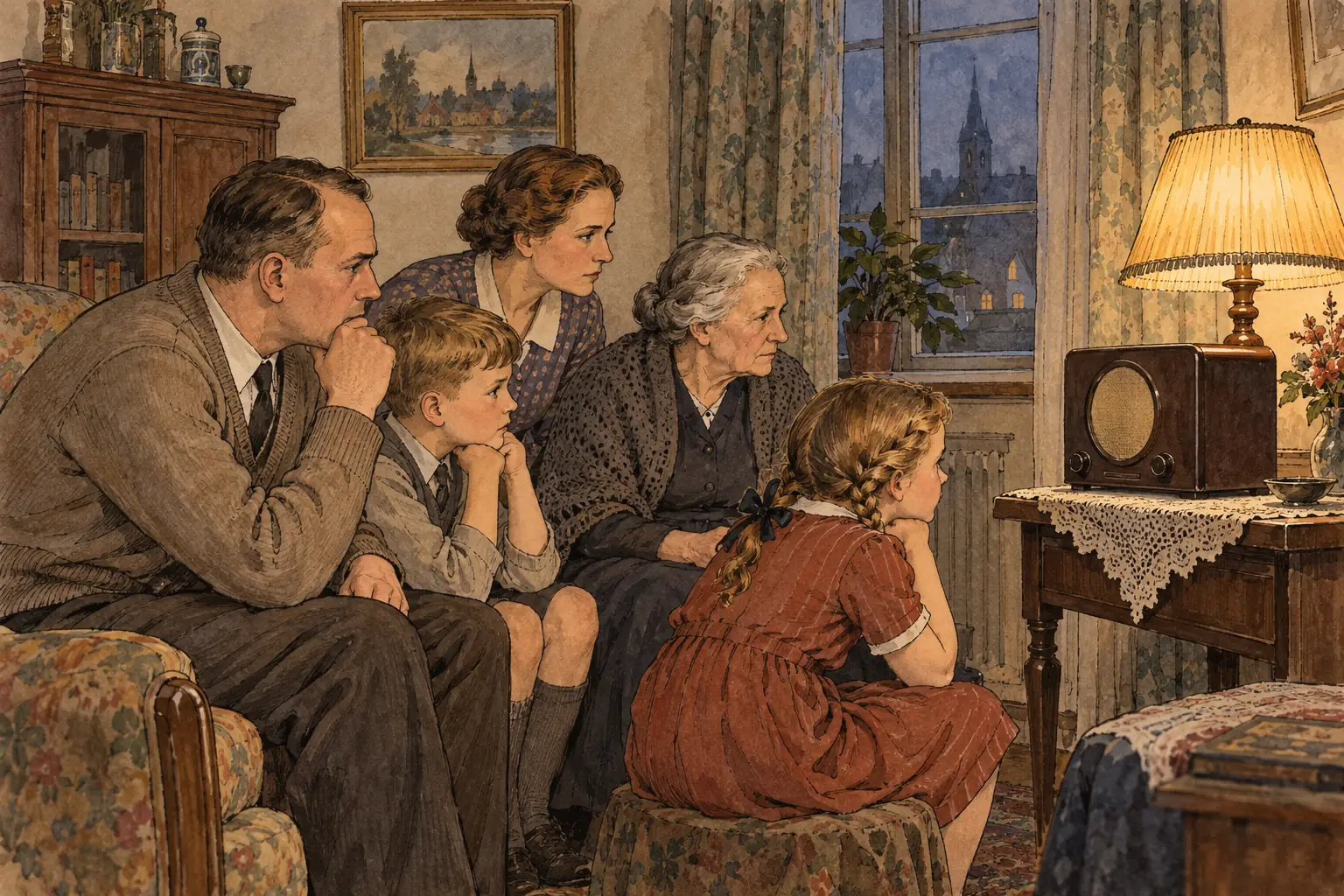
Image 1 of 2: Cheap 'people's receivers' brought speeches by Hitler and other leaders into most homes
Joseph Goebbels, as head of the Reich Ministry of Public Enlightenment and Propaganda from 1933, created a comprehensive system to influence public opinion and reinforce Nazi ideals. This machine utilised various media and events to ensure widespread dissemination of messages, often making propaganda an integral part of daily life.
Key methods used in Nazi propaganda
- Radio broadcasts - Affordable 'people's receivers' were distributed to households, enabling direct access to speeches by Adolf Hitler and other leaders, with mandatory listening in public spaces.
- Cinema and films - All films required approval, with productions like documentaries and features glorifying Nazi history and values, while newsreels before screenings delivered state messages.
- Press control - Newspapers were censored or taken over, with editors forced to follow directives that aligned content with Nazi views, eliminating independent journalism.
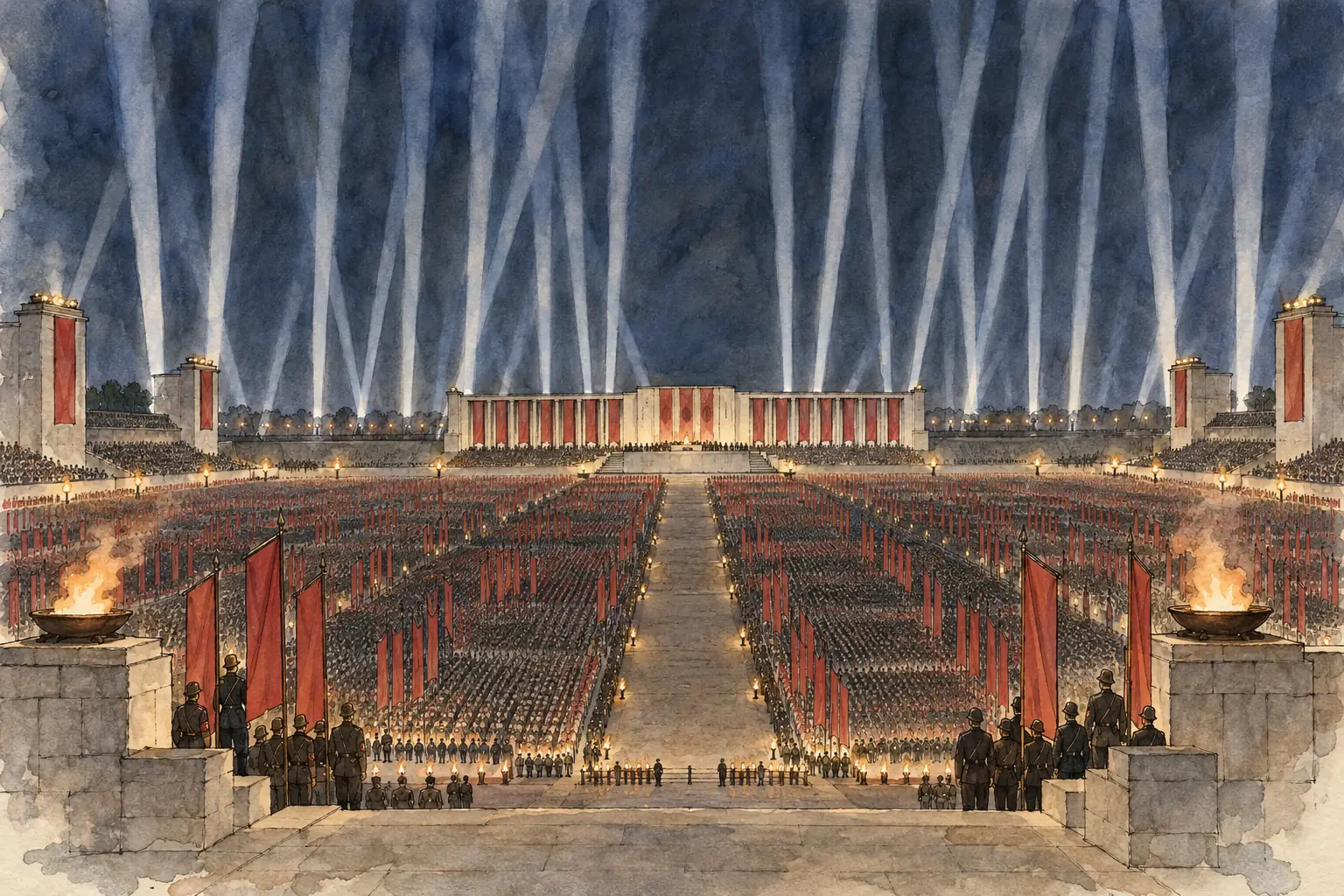
- Rallies and spectacles - Mass events, such as the annual Nuremberg rallies, featured dramatic lighting, marches, and speeches to create a sense of unity and excitement.
Promotion of Nazi ideology through propaganda
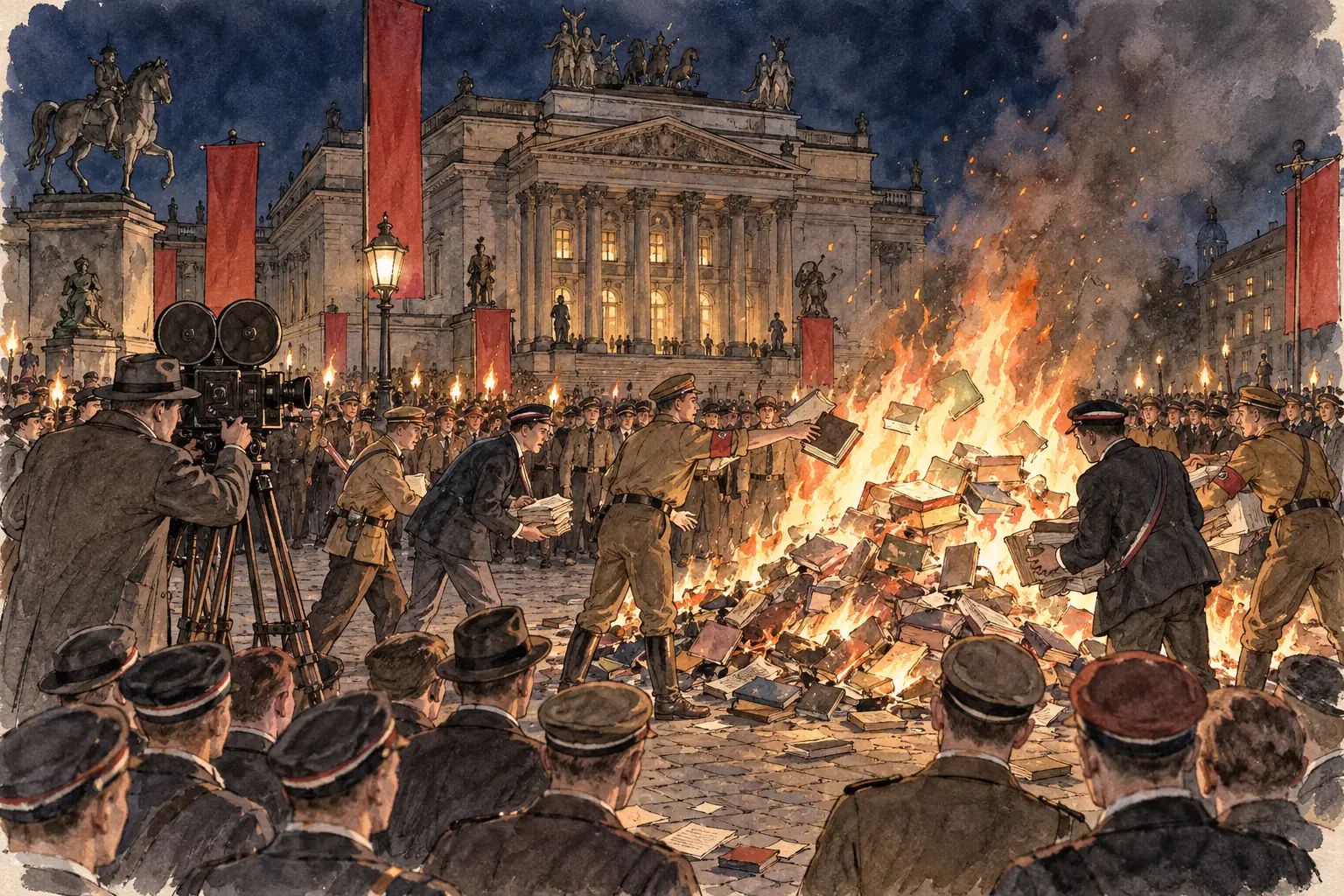
Image 1 of 2: On 10 May 1933 Nazi students burned books by 'un-German' writers
Propaganda under Goebbels actively promoted core Nazi concepts, shaping societal norms and fostering loyalty. This involved elevating key figures and ideas while systematically suppressing opposing views.
Core elements promoted by propaganda
- Führer cult - Hitler was portrayed as an infallible leader through posters, films, and speeches, encouraging personal devotion and presenting him as the saviour of Germany.
- Volksgemeinschaft (people's community) - Messages emphasised a unified national community based on racial purity, excluding groups like Jews and promoting collective sacrifice for the state.
- Nazi cultural norms - Art, literature, and music were steered towards 'Aryan' ideals, celebrating heroic themes and rural life to align with regime values.
- Suppression of 'degenerate' art - Modern or abstract works by artists like Picasso were labelled corrupt and publicly mocked in exhibitions, with confiscations and bans enforcing cultural conformity.
Structure of the SS and Gestapo
Image 1 of 2: Heinrich Himmler, who led the SS and became Chief of German Police in 1936
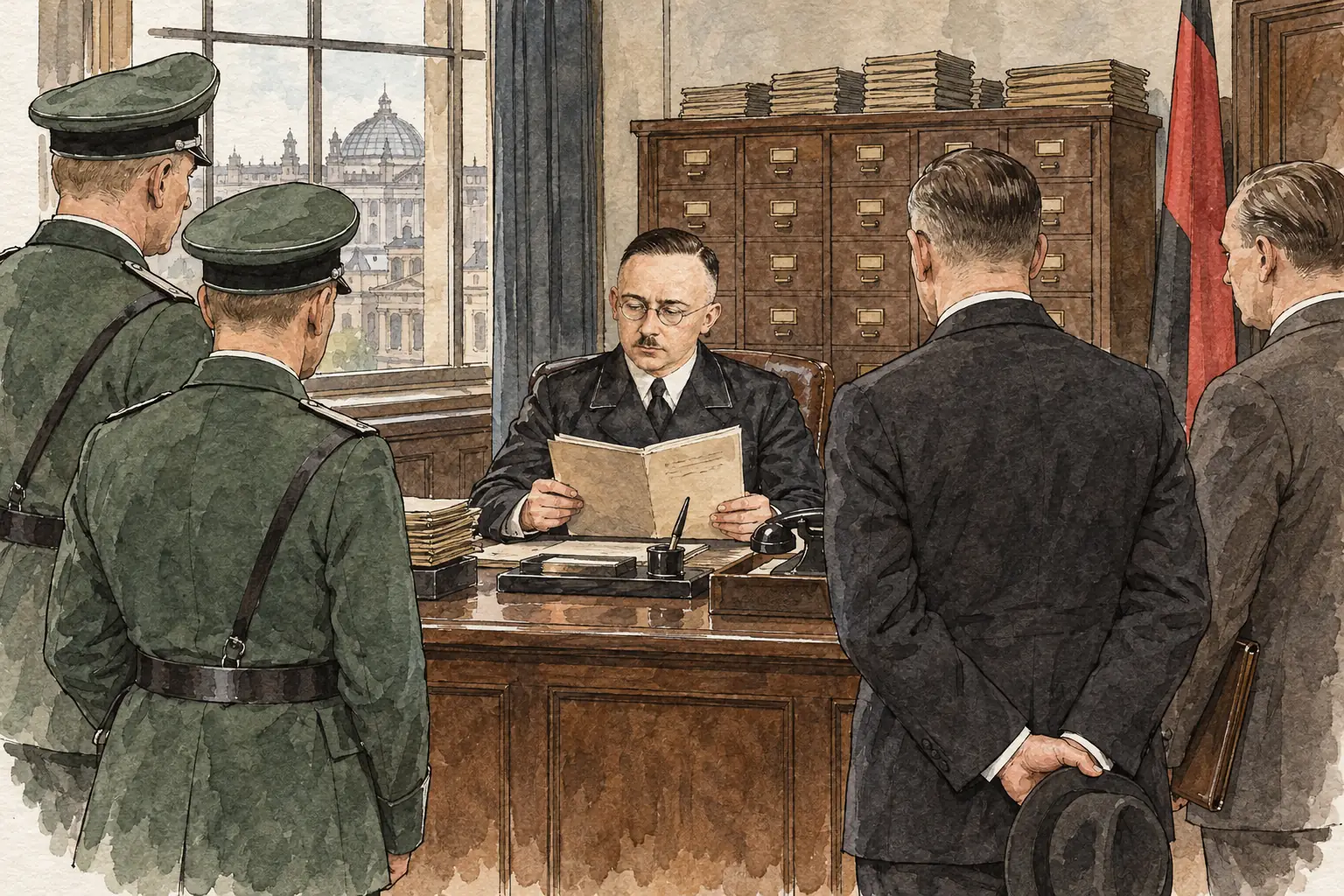
The Nazi police state was built around organisations like the SS and Gestapo, which operated outside normal legal boundaries to enforce obedience. These groups created a network of surveillance and terror that permeated society.
Organisation and functions of the SS
- Branches of the SS - Led by Heinrich Himmler, it included the Waffen-SS (armed forces), Allgemeine-SS (general administration), and security services, growing to oversee concentration camps and racial policies.
- Expansion of power - From a small bodyguard unit, the SS became a vast organisation involved in intelligence, policing, and extermination during the war.
Role and methods of the Gestapo
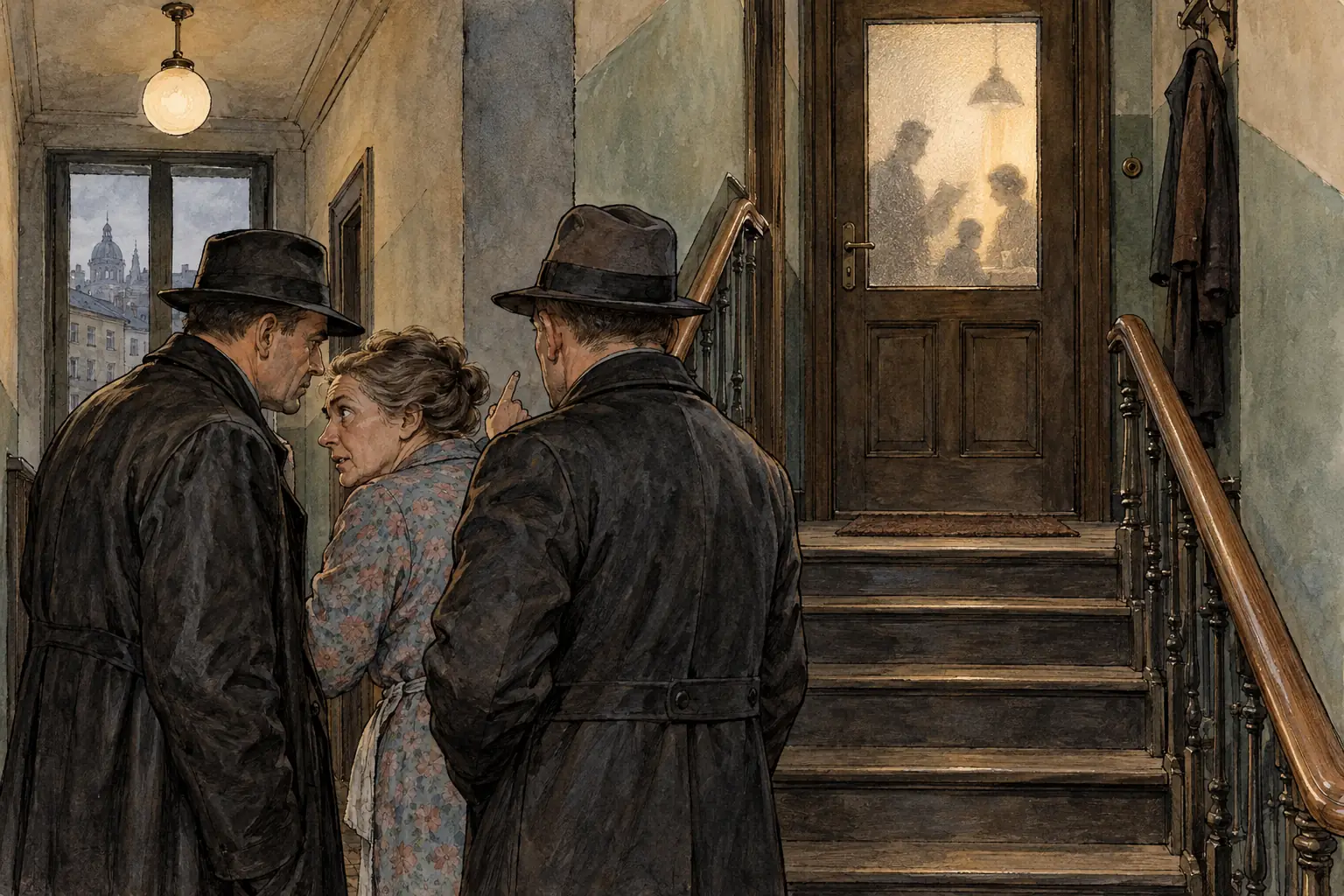
- Informant networks - The Gestapo relied on ordinary citizens to report suspicious activities, creating widespread distrust and self-censorship.
- Preventive detention - Individuals could be arrested without trial for potential threats, often based on rumours or political views.
- Concentration camps - Sites like Dachau, established in 1933, held political prisoners, where torture and forced labour deterred opposition.
Reshaping of law and courts to suppress dissent
The Nazi regime transformed the legal system to legitimise repression, turning courts into tools for enforcing ideology. This involved new laws and judicial changes that criminalised any form of dissent.
Changes to the legal framework
- Special courts and laws - Tribunals like the People's Court handled political cases, with judges appointed for loyalty to the regime, bypassing fair trials.
- Criminalisation of dissent - Acts such as spreading 'defeatist' rumours or listening to foreign radio were made illegal, with severe penalties including death.
- Everyday conformity through surveillance and incentives - Block wardens monitored neighbourhoods, while rewards like promotions encouraged reporting; fear of denunciation ensured compliance in daily life.
Effectiveness and limits of Nazi control
The combination of propaganda and police state measures was largely effective in maintaining Nazi power, but it had notable limitations, particularly as the war progressed.
Assessment of Nazi control mechanisms
- Effectiveness - Propaganda successfully indoctrinated many, especially youth, while the SS and Gestapo suppressed organised resistance through terror, preventing major uprisings until late in the war.
- Use of incentives and fear - Positive elements like community events and economic benefits complemented repression, fostering voluntary conformity among the majority.
- Limits and resistance - Not all Germans were convinced; underground groups like the White Rose distributed anti-Nazi leaflets, and wartime hardships eroded propaganda's impact, leading to passive resistance such as absenteeism.