3.7 - Opposition & Resistance: Youth, Army & 20 July
Key facts and dates
Opposition to the Nazi regime in Germany ranged from subtle non-conformity to outright plots against Hitler, involving diverse groups like youth, churches, workers, and military elites. Despite these efforts, the regime's repressive measures limited their success, maintaining overall stability until the war's end. This timeline captures pivotal moments and actions in the resistance landscape.
Timeline of key events
- 1930s – Emergence of youth subcultures like Swing Youth and Edelweiss Pirates, challenging Nazi conformity through music and informal gatherings.
- 1939–1943 – Church figures such as Dietrich Bonhoeffer criticise the regime; White Rose group distributes anti-Nazi leaflets.
- 1943 – Arrest and execution of White Rose leaders Hans and Sophie Scholl, intensifying regime crackdowns on dissent.
- 1944 – Worker slowdowns and covert networks increase amid wartime hardships, signalling growing passive resistance.
- 20 July 1944 – Colonel Claus von Stauffenberg's bomb plot attempts to assassinate Hitler, representing the peak of military opposition.
- Post-1944 – Over 7,000 arrests and executions follow the failed plot, crushing organised resistance.
The spectrum of opposition
Opposition to the Nazi regime existed on a broad spectrum, ranging from everyday acts of non-conformity that subtly defied social norms to organised active resistance aimed at overthrowing the government. These forms varied in intensity, risk, and effectiveness, influenced by the regime's totalitarian control.
Types of opposition across the spectrum
- Non-conformity - Involved low-level defiance, such as listening to banned music or telling anti-Nazi jokes in private, which expressed dissatisfaction without direct confrontation.
- Passive resistance - Included actions like worker slowdowns, where employees deliberately reduced productivity in factories to undermine war efforts, or forming covert networks to share information and resources.
- Active resistance - Encompassed high-risk activities, such as distributing propaganda leaflets or plotting assassinations, often driven by ideological or moral motives.
- Variations in motive, method, and timing - Motives ranged from ideological rejection of Nazism to personal grievances; methods evolved from cultural rebellion in the 1930s to desperate wartime plots; efforts intensified during the war years as hardships grew, but remained fragmented due to surveillance.
Youth subcultures as forms of resistance
Image 1 of 3: The Swing Youth held secret dance parties to American jazz
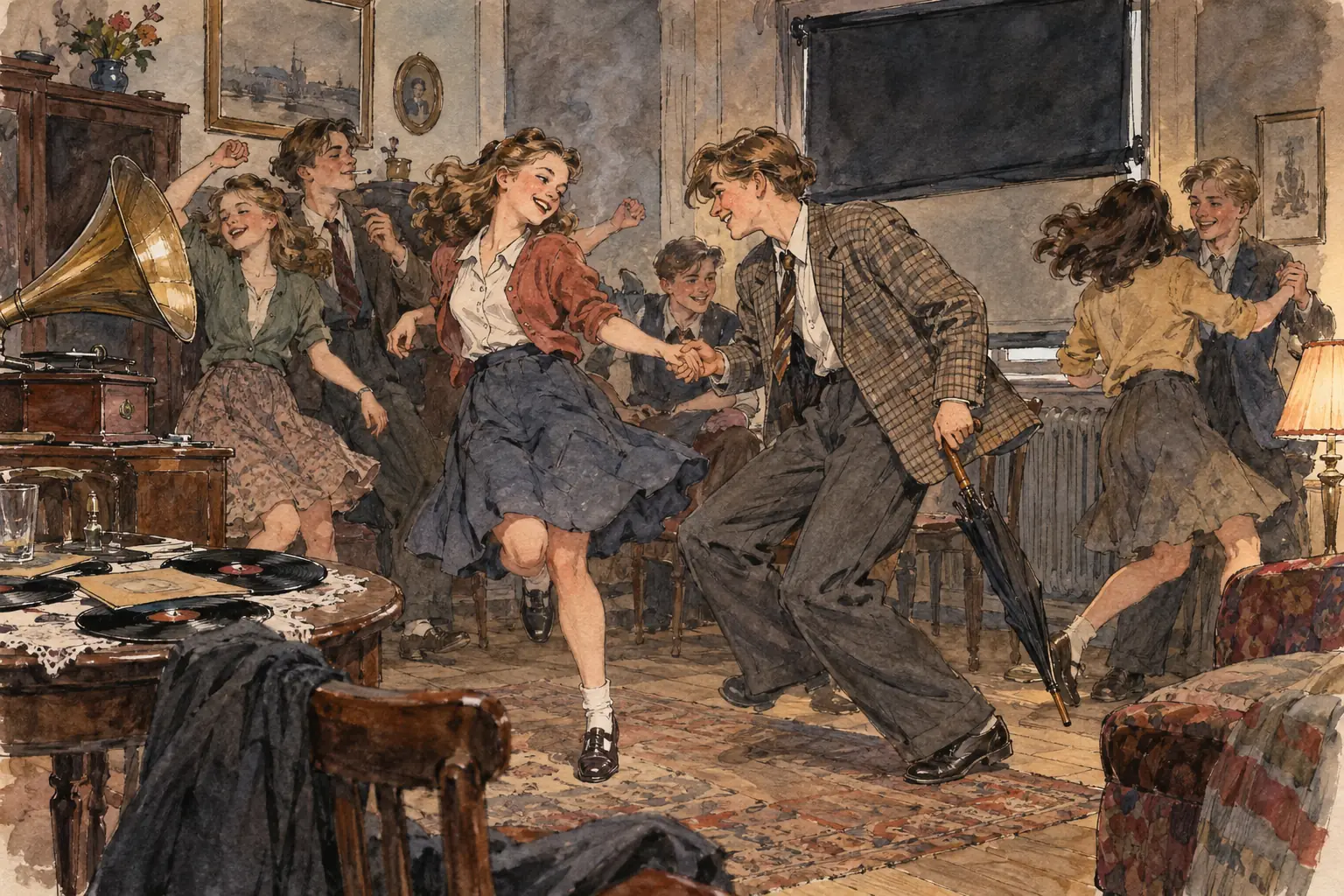
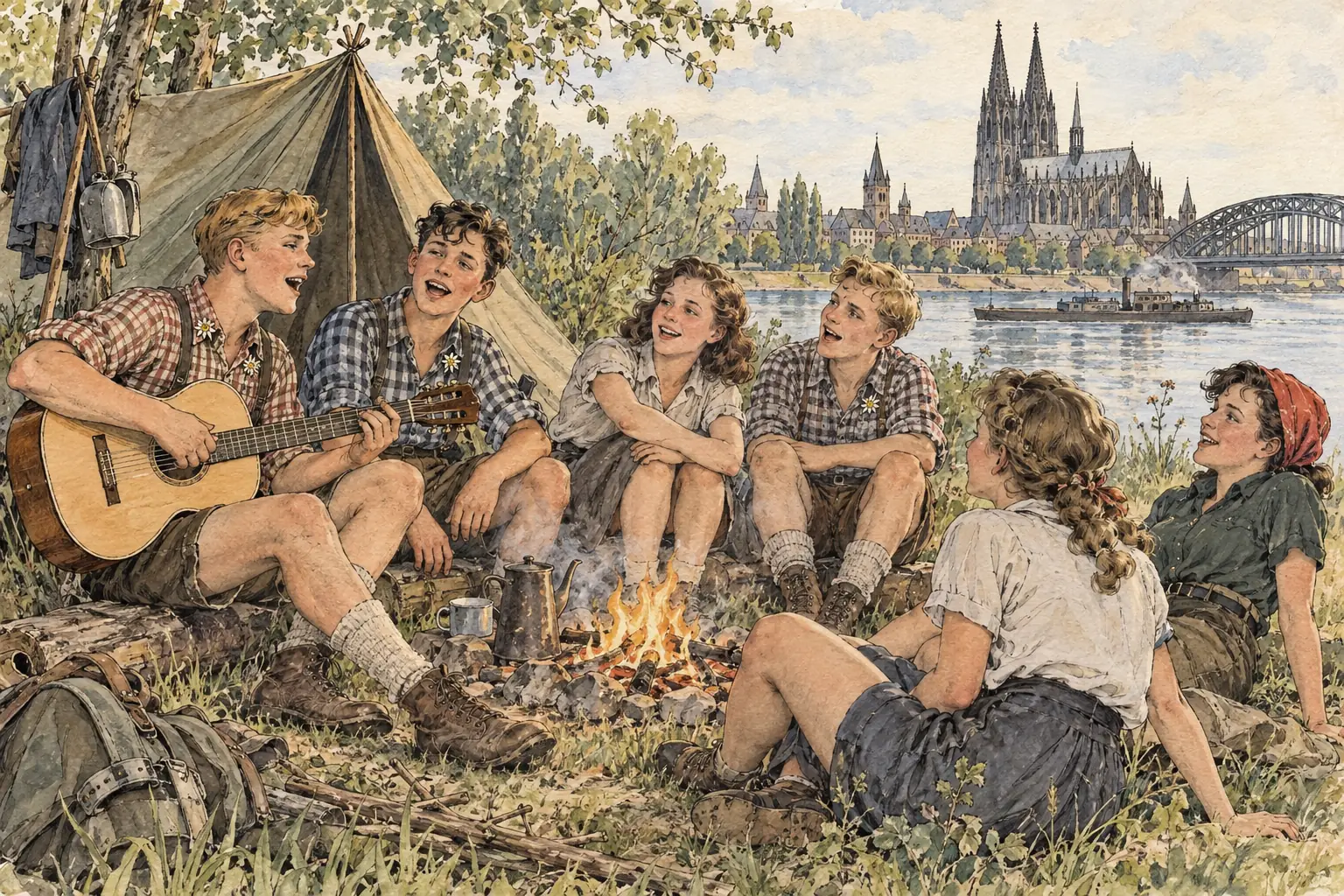
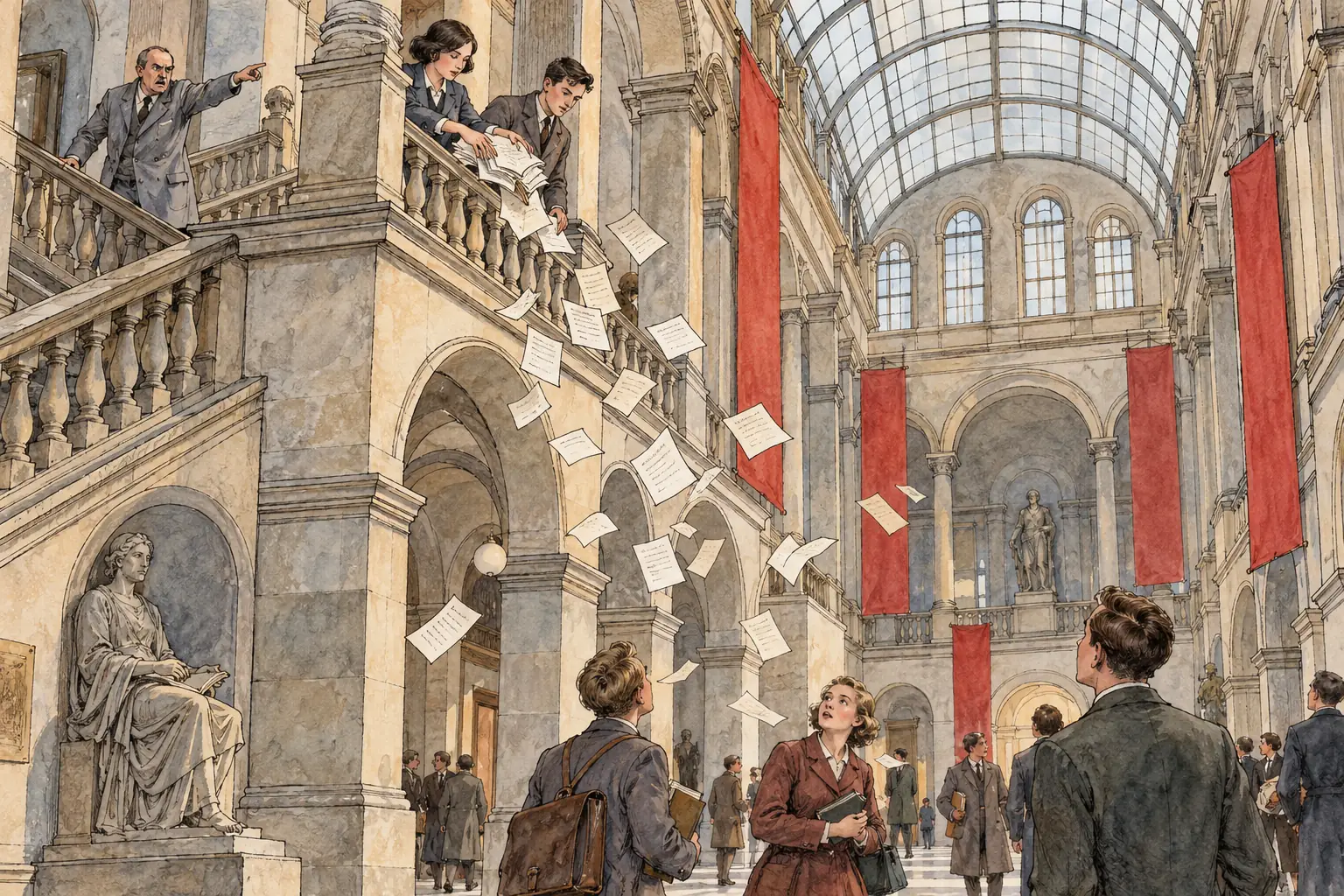
Young people in Nazi Germany formed subcultures that rejected the regime's emphasis on uniformity and militarism, using lifestyle choices as a subtle form of resistance. These groups operated outside official youth organisations like the Hitler Youth, challenging Nazi ideals through cultural expression.
Key youth subcultures and their activities
- Swing Youth - Urban middle-class teenagers who embraced American jazz music, wore distinctive clothing like long jackets, and held secret dance parties to defy the regime's cultural controls.
- Edelweiss Pirates - Working-class groups in industrial areas who engaged in outdoor adventures, sang protest songs, and occasionally clashed with Hitler Youth members, symbolising a rejection of regimentation.
- Methods of resistance - These subcultures spread non-conformist ideas through informal networks, graffiti, and minor sabotage, though they avoided direct political action to minimise risks.
- Motives and timing - Driven by a desire for personal freedom amid wartime restrictions, these movements peaked in the early 1940s but were limited by their apolitical nature and the regime's ability to label them as delinquent.
Church-based critics and worker opposition
Religious figures and industrial workers provided important sources of opposition, using moral authority and economic leverage to critique the regime. Church-based efforts often focused on ethical objections, while workers employed practical tactics to disrupt production.
Forms of church-based criticism
- White Rose group - A student-led network that produced and distributed leaflets exposing Nazi atrocities, such as the euthanasia programme and war crimes, urging passive resistance among the public.
- Dietrich Bonhoeffer - A pastor who publicly condemned the regime's policies, including anti-Semitism, and participated in underground networks to aid persecuted groups.
- Motives and methods - Driven by Christian ethics, these critics used sermons, writings, and secret communications; efforts varied from open protests in the 1930s to clandestine support during the war.
Worker opposition strategies
- Slowdowns and sabotage - Employees in factories intentionally worked at a reduced pace or damaged equipment to hinder the war economy, often in response to poor conditions and forced labour.
- Covert networks - Underground groups shared anti-Nazi information, sheltered deserters, or organised strikes, building on pre-war socialist traditions.
- Timing and impact - These actions increased after 1941 as wartime shortages worsened, but remained localised due to fear of reprisals, contributing to minor disruptions without threatening regime control.
Army plots and the 20 July 1944 bomb plot
Image 1 of 2: Stauffenberg leaves the bomb in his briefcase under the map table at the Wolf's Lair on 20 July 1944
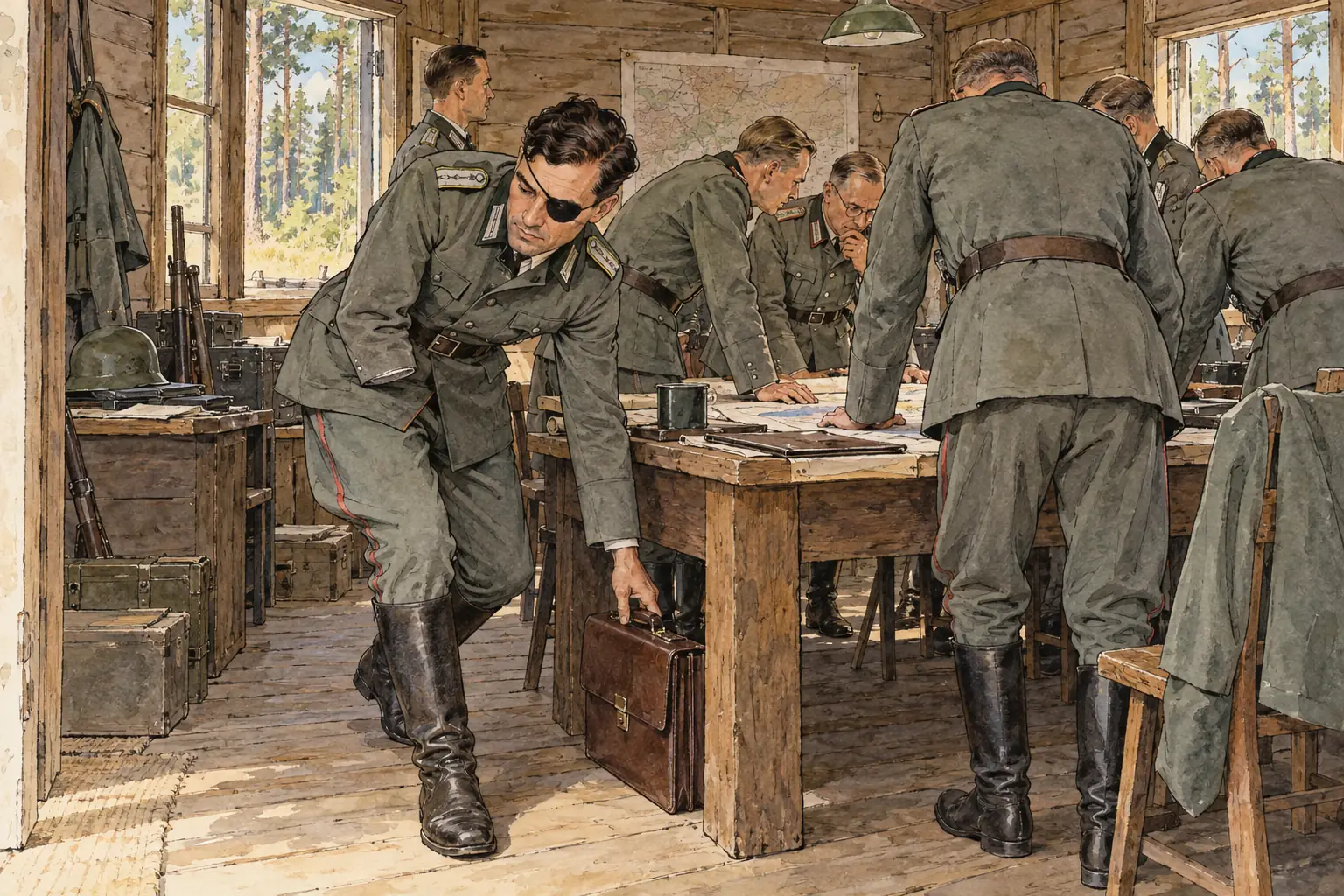
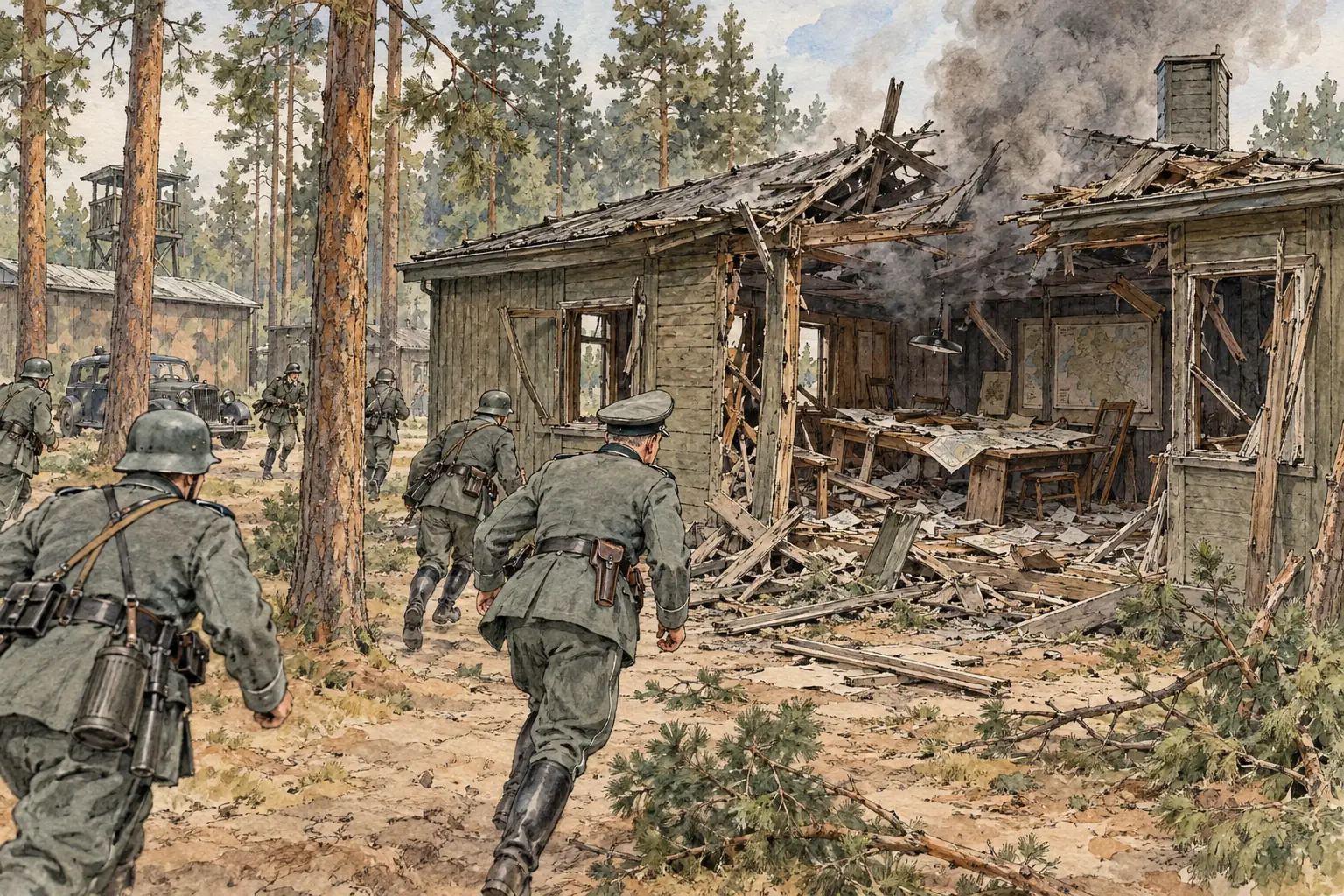
Elements within the German military elite, disillusioned by Hitler's leadership and war failures, organised conspiracies to remove him from power. These plots culminated in the most significant assassination attempt, reflecting growing desperation among conservative officers.
Development of army opposition
- Elite and military plots - Senior officers, including figures like Ludwig Beck, formed secret circles to plan coups, motivated by strategic defeats and moral concerns over genocidal policies.
- Methods and motives - Plots involved arrests or assassinations, driven by a mix of patriotism and self-preservation; they evolved from early wartime discussions to coordinated actions by 1944.
The 20 July 1944 bomb plot
- Key events - Colonel Claus von Stauffenberg planted a bomb at Hitler's Wolf's Lair headquarters during a meeting; the explosion injured Hitler but failed to kill him due to the bomb's positioning and a sturdy table.
- Immediate aftermath - Conspirators attempted to seize control in Berlin but were quickly overwhelmed as Hitler survived and loyal forces mobilised.
- Reasons for failure - Lack of broad support within the army, poor coordination, Hitler's survival, and the regime's efficient security apparatus prevented success; many plotters hesitated or were betrayed.
Regime responses and the impact on Nazi stability
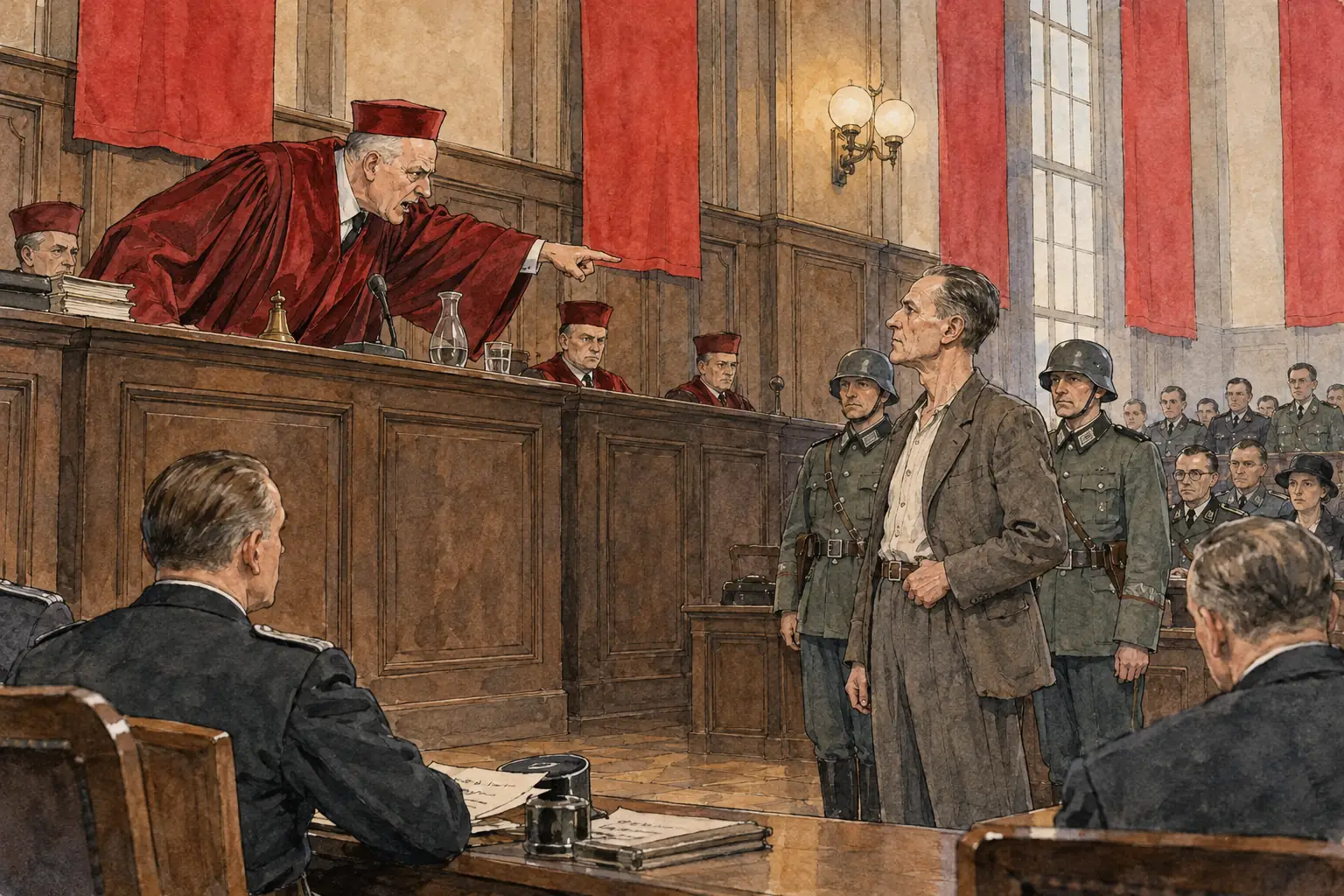
The Nazi regime responded to opposition with severe repression, using terror to deter further dissent. While these measures maintained control, they also highlighted underlying weaknesses in the system's stability.
Regime's repressive measures
- Arrests and executions - Thousands faced imprisonment or death; for example, over 200 were executed following the 20 July plot, including public hangings to instil fear.
- Terror tactics - The Gestapo intensified surveillance, infiltrations, and show trials, targeting suspected groups with collective punishments like family arrests.
- Responses to specific groups - Youth subcultures faced raids and forced conscription; church critics were silenced through bans or assassinations; workers endured harsher labour laws and concentration camps.
Overall impact on Nazi stability
- Limited effectiveness of opposition - Fragmented and isolated efforts failed to mobilise mass support, allowing the regime to endure until Allied victory in 1945.
- Variations in impact - Early non-conformity had minimal effect, while wartime plots exposed elite discontent but were swiftly crushed, ultimately reinforcing Hitler's cult of personality through propaganda.
- Long-term significance - Opposition demonstrated moral resistance and provided post-war narratives of German anti-Nazism, though it did little to destabilise the regime during its rule.