2.2 - Landholding, Patronage & Military Service
Key facts and dates
The Norman Conquest of 1066 fundamentally transformed landholding in England, shifting power from Anglo-Saxon elites to Norman lords through a process known as the tenurial revolution. This redistribution strengthened royal authority, military capabilities, and social structures, while patronage and obligations reinforced loyalty and control.
Key facts to remember
- Tenurial revolution – Massive transfer of English estates to Norman barons and church officials post-1066.
- Patronage system – Rewards of land and titles to secure allegiance from followers.
- Sussex Rapes – Example of compact territorial blocks created for strategic defence.
- Servitium debitum – Fixed quota of knights each tenant-in-chief owed to the king.
- Castle-guard duty – Knights' obligation to defend specific castles for set periods.
- Fyrd's role – Continued use of Anglo-Saxon militia, limited to local defence.
- Lordship obligations – Lords provided protection and justice in exchange for tenants' service.
Land distribution after the Norman Conquest
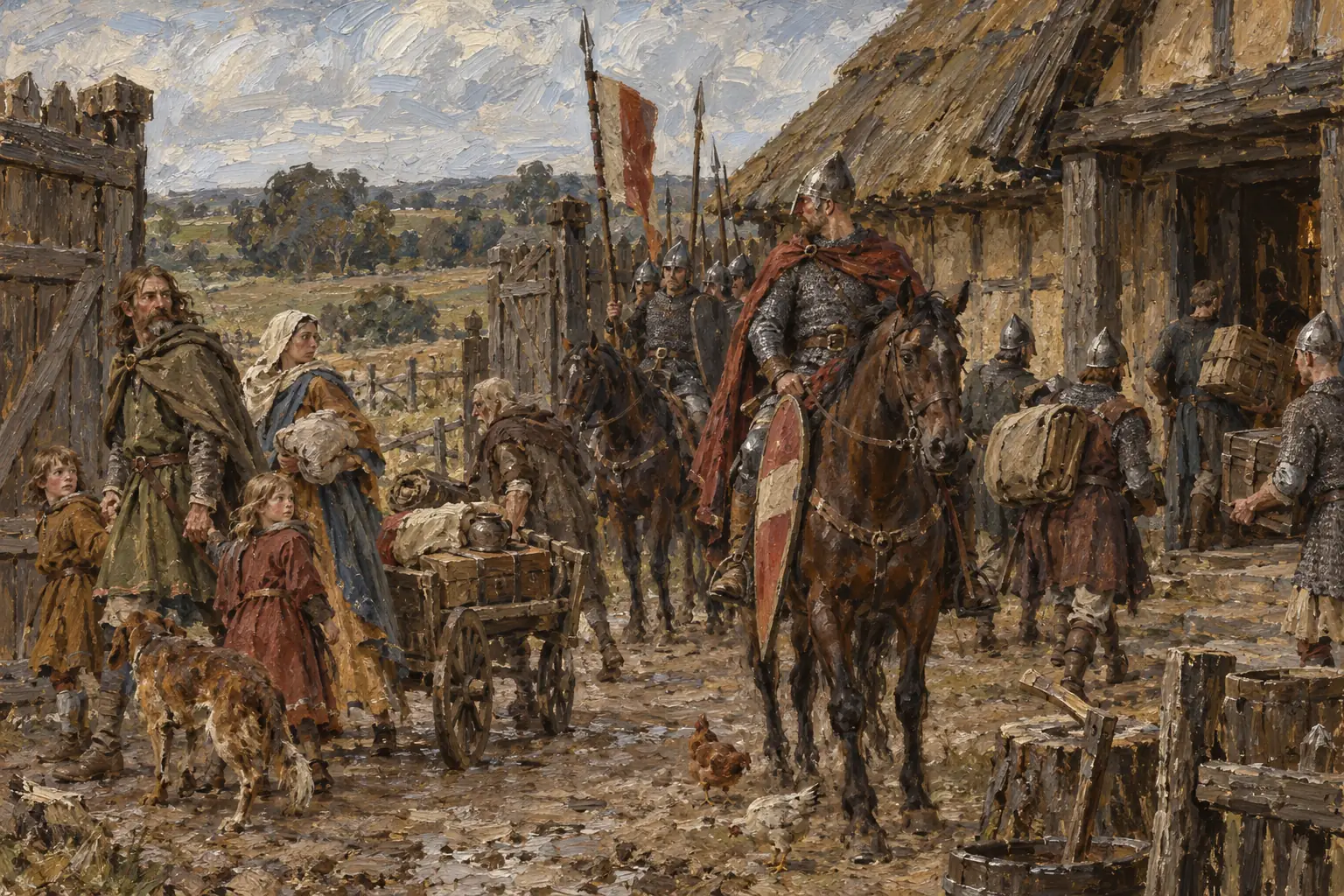
Following William the Conqueror's victory in 1066, England experienced a dramatic overhaul in land ownership, often termed the tenurial revolution. This involved confiscating properties from Anglo-Saxon nobles and redistributing them to Norman supporters, fundamentally altering the power structure.
Key features of the tenurial revolution
- Transfer to Norman elites - Vast estates were granted to Norman barons and church leaders, replacing the previous Anglo-Saxon landowners and ensuring loyalty to the new regime.
- Scale of redistribution - By the time of the Domesday Book in 1086, most major holdings had been reassigned, concentrating wealth and authority in Norman hands.
- Impact on power dynamics - This shift underpinned royal control, as land became the primary means of rewarding service and maintaining a network of dependent lords.
The role of patronage in rewarding loyalty
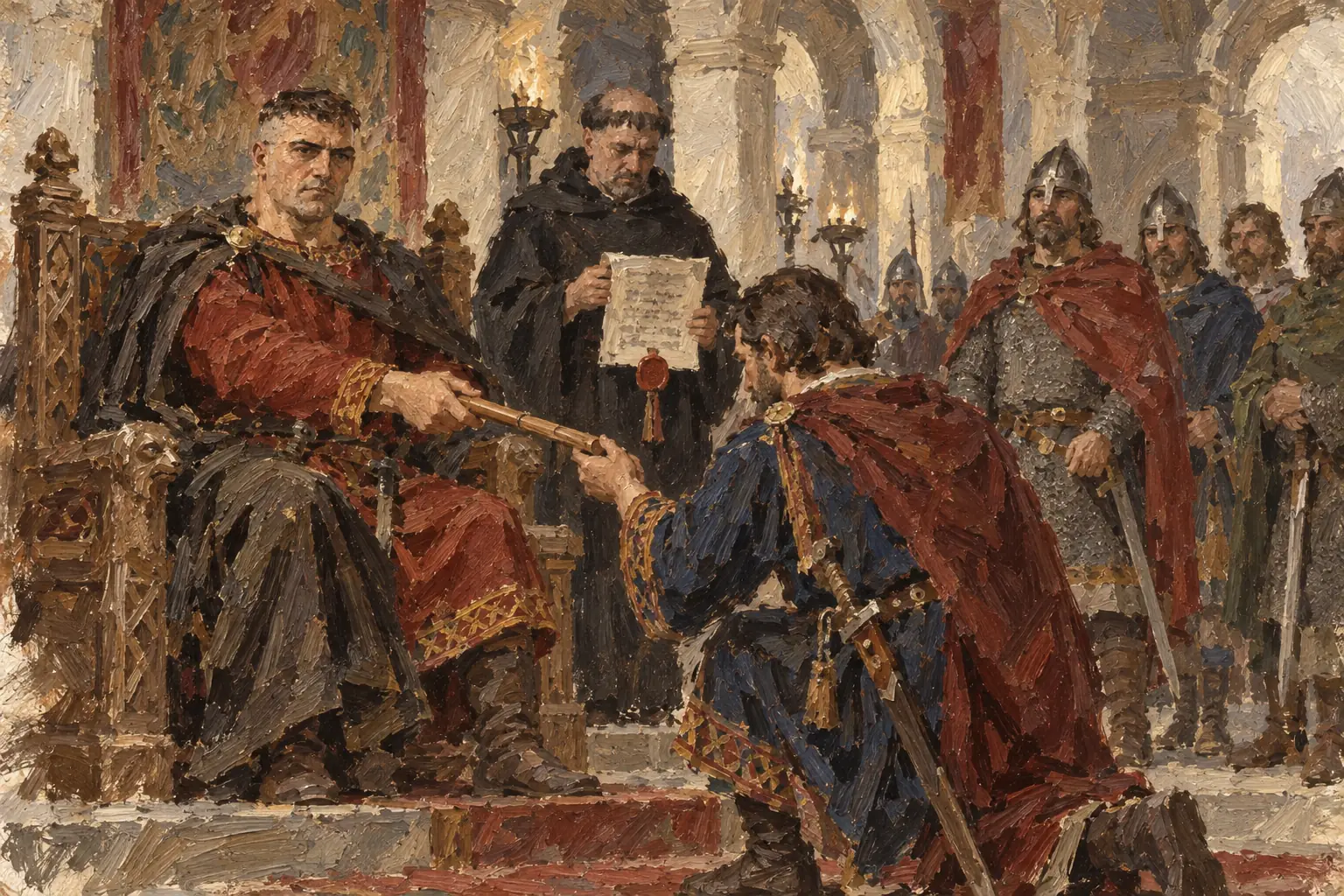
Patronage served as a crucial tool for Norman kings to build and sustain alliances. By granting land, titles, or other benefits, rulers bound followers to them, fostering a system of mutual dependence that stabilised the conquest.
Ways patronage secured allegiance
- Rewards for service - Loyal supporters received estates or positions, incentivising continued support and discouraging rebellion.
- Binding followers - Grants often came with conditions, such as military aid, creating a web of obligations that reinforced the king's authority.
- Long-term effects - This system helped integrate Norman and English elites, reducing resistance and promoting stability in the post-conquest era.
Creation of compact land blocks for control
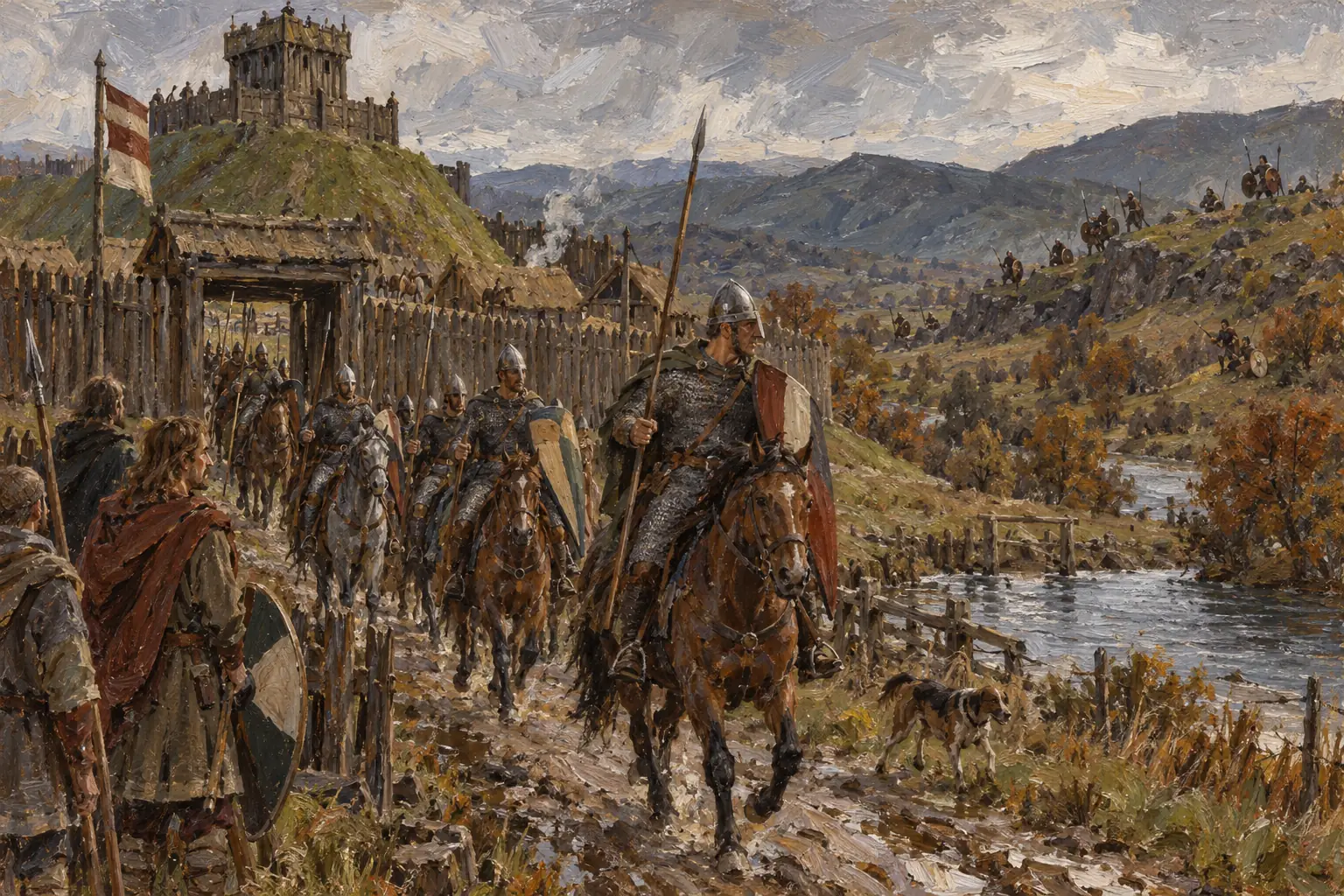
To enhance security and administration, Normans organised land into concentrated territorial units. These blocks allowed for efficient defence and governance, particularly in vulnerable areas.
Examples and purposes of compact blocks
- Sussex Rapes - Divided into six strategic zones along the south coast, each controlled by a trusted baron with a central castle for rapid response to threats.
- Strategic advantages - Such arrangements facilitated control over key regions, enabling quick mobilisation and oversight of local populations.
- Broader application - Similar patterns appeared elsewhere, like in border areas, to strengthen frontiers and prevent uprisings.
Military obligations: knight service and the fyrd
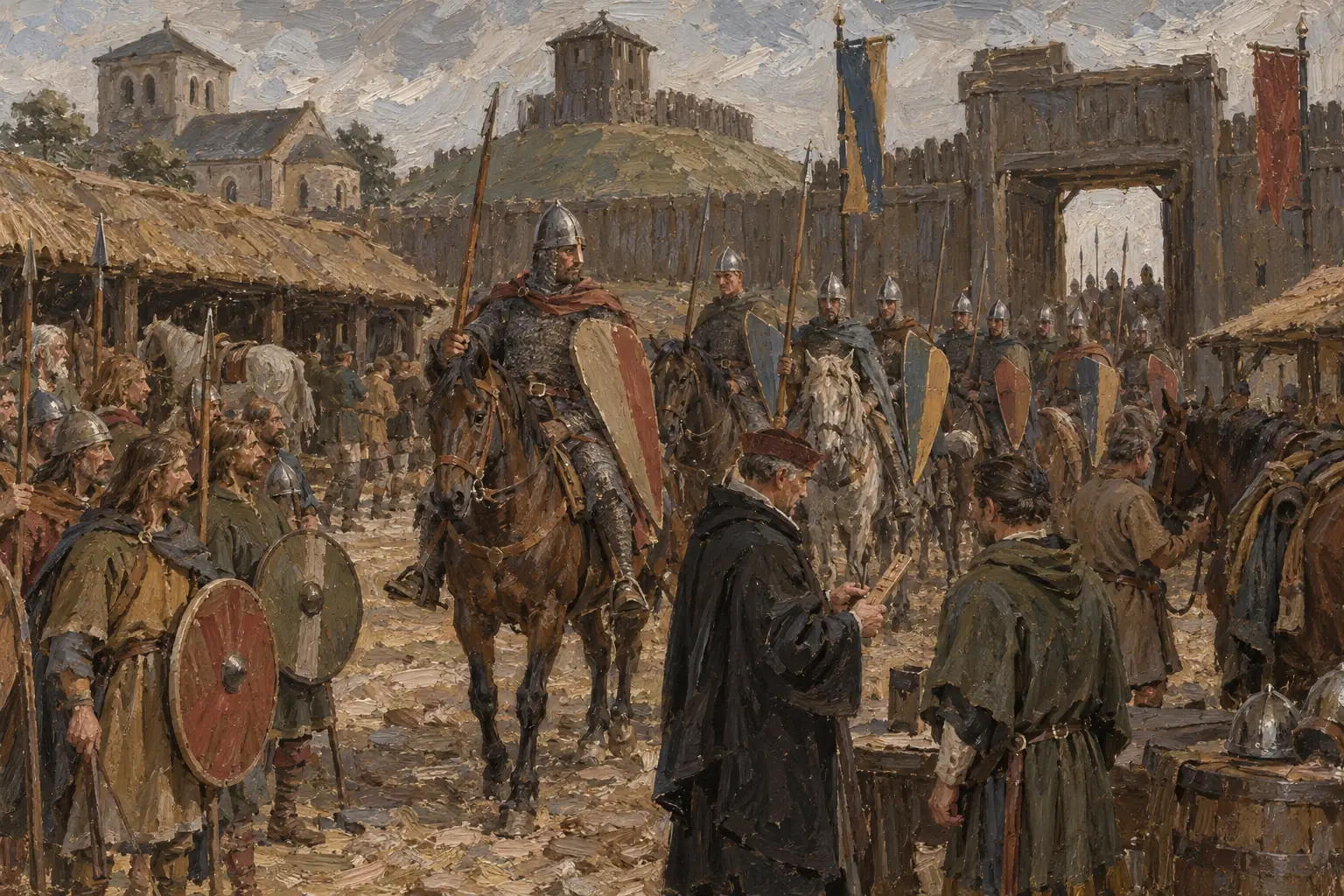
Norman rule introduced formalised military duties, blending new feudal practices with existing Anglo-Saxon traditions. These obligations ensured a ready force for defence and expansion.
Types of military service
- Knight service (servitium debitum) - Tenants-in-chief were required to provide a specified number of knights for the king's army, typically for 40 days per year.
- Castle-guard - Knights assigned to protect royal or baronial castles, serving rotations to maintain fortifications against invasion or revolt.
- Calls to arms - Additional summons for campaigns beyond standard duties, often in response to specific threats.
- Role of the fyrd - The traditional Anglo-Saxon militia persisted for local defence, but its use was limited to short-term, regional actions and lacked the professionalism of knightly forces.
Obligations and rights within lordship
Lordship formed the backbone of medieval society, defining relationships between lords and tenants. It involved reciprocal duties that influenced local governance, economy, and politics.
Key elements of lord-tenant relationships
| Aspect | Lord's obligations | Tenant's obligations | Impact on society |
|---|---|---|---|
| Protection | Provide military defence and security against external threats | Offer loyalty, military service, or labour | Strengthened local stability and reduced lawlessness |
| Justice | Administer courts and resolve disputes fairly | Pay fees or perform services in return | Shaped community norms and resolved conflicts |
| Economic support | Grant land use and resources for livelihood | Render rents, produce, or other dues | Influenced agricultural output and wealth distribution |
| Social ties | Offer patronage and advancement opportunities | Maintain allegiance and support lord's interests | Fostered hierarchical structures and political alliances |
These arrangements created a structured society where power flowed from land ownership, but they also limited individual freedoms and tied communities to feudal hierarchies.