1.4 - Leisure, Cinema, Jazz & the Changing Role of Women
Key facts and dates
The 1920s in America, often called the Roaring Twenties, saw rapid cultural transformations through leisure activities like cinema and jazz, alongside shifts in women's roles. These changes reflected growing urbanisation and consumerism but also sparked tensions with traditional values.
Timeline of key events
- 1919 – Prohibition begins, influencing underground jazz clubs and speakeasies.
- 1920 – 19th Amendment grants women the right to vote, marking a key step in political equality.
- 1920s – Rise of Hollywood's star system, with figures like Charlie Chaplin gaining fame.
- 1925 – Emergence of dance crazes like the Charleston, symbolising youth rebellion.
- 1927 – Release of The Jazz Singer, the first major 'talkie' film, revolutionising cinema.
- 1929 – Stock market crash ends the decade, highlighting economic disparities in cultural access.
Cultural changes illustrated by cinema and jazz
Image 1 of 2: Crowds queued for the first talking pictures after The Jazz Singer opened in October 1927
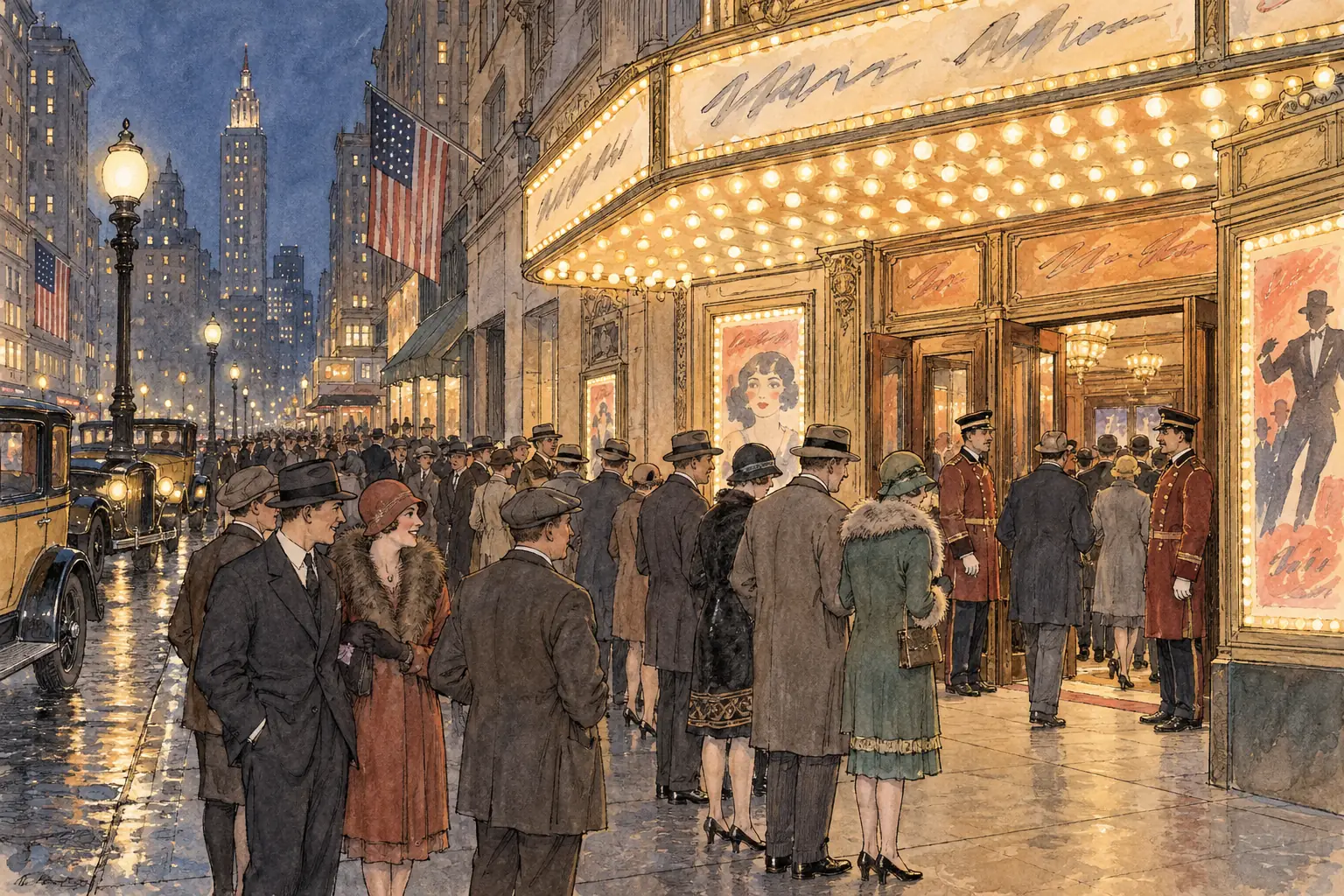
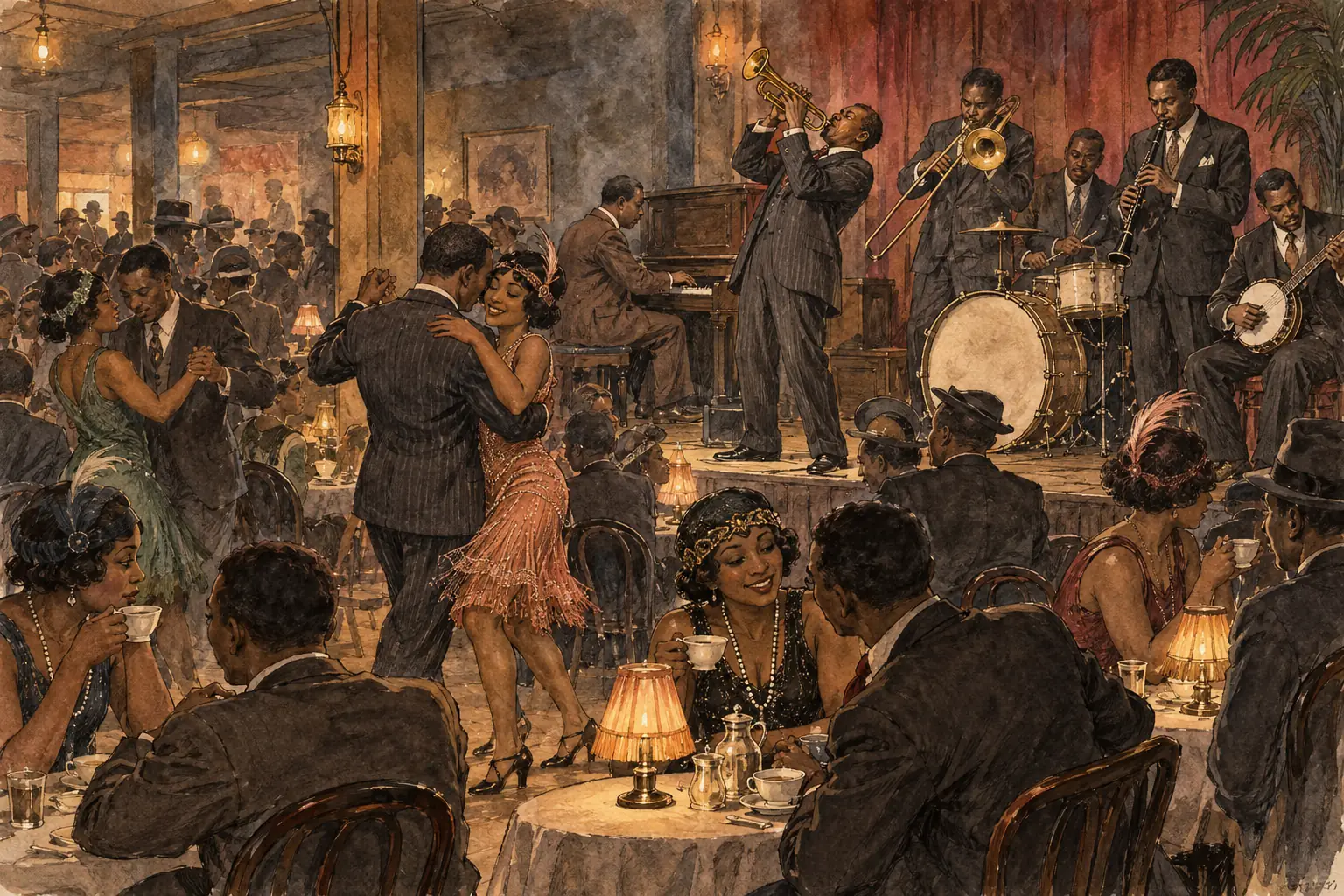
The 1920s witnessed significant cultural shifts driven by new forms of leisure, particularly cinema and jazz. These developments reflected broader societal changes, including urban growth and technological advancements, which made entertainment more accessible to the masses.
Key features of cinema's evolution
- Hollywood's star system - Film studios promoted actors as celebrities, creating idols like Mary Pickford and Rudolph Valentino, which boosted the industry's appeal and influenced public aspirations.
- Arrival of 'talkies' - The introduction of sound in films, starting with The Jazz Singer in 1927, transformed silent movies into immersive experiences, drawing larger audiences and integrating music into storytelling.
Key features of jazz's rise
- Jazz clubs - Venues in cities like New York and Chicago became hubs for live performances, often in speakeasies during Prohibition, fostering a vibrant nightlife.
- Radio's role - Broadcasts spread jazz nationwide, allowing artists like Louis Armstrong to reach rural and urban listeners, democratising access to this African American-originated music.
- Sports and dance crazes - Events like baseball games gained popularity through radio coverage, while dances such as the Charleston encouraged energetic, liberated movements in social settings.
Impact of mass culture
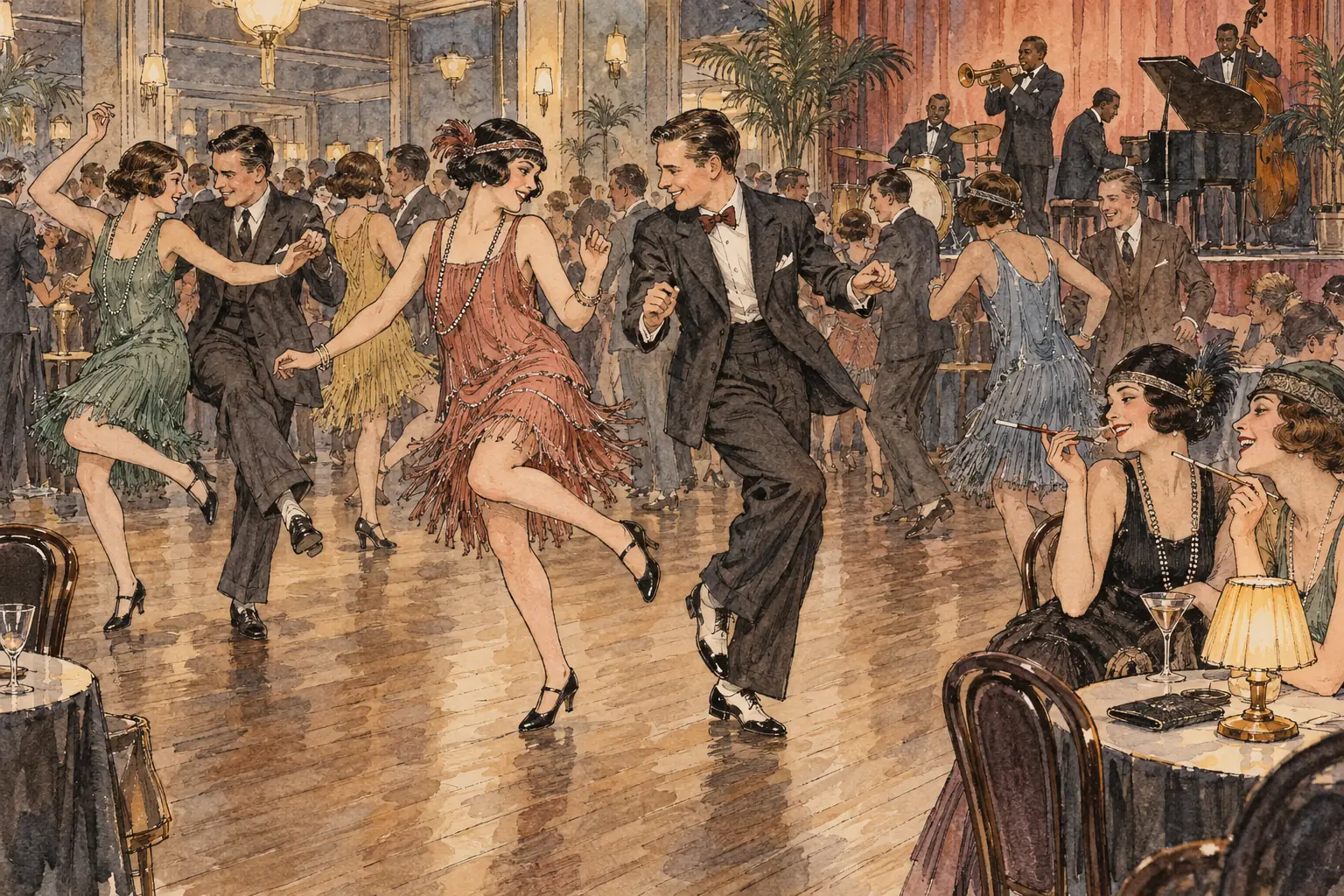
Mass culture in the 1920s, fuelled by cinema, jazz and media, profoundly influenced everyday life. It promoted new styles and attitudes, particularly among young people, creating a sense of modernity and individualism.
Ways mass culture shaped society
- Fashions - Cinema stars popularised short skirts, bobbed hair and makeup, while jazz-inspired attire like loose-fitting dresses allowed greater freedom of movement.
- Behaviours - Dance crazes and club scenes encouraged social mixing, smoking and drinking among youth, challenging Victorian-era restraint.
- Youth identities - Young people formed distinct subcultures, rejecting parental norms in favour of independence, with terms like 'flapper' embodying this rebellious spirit.
Conservative backlash against cultural changes
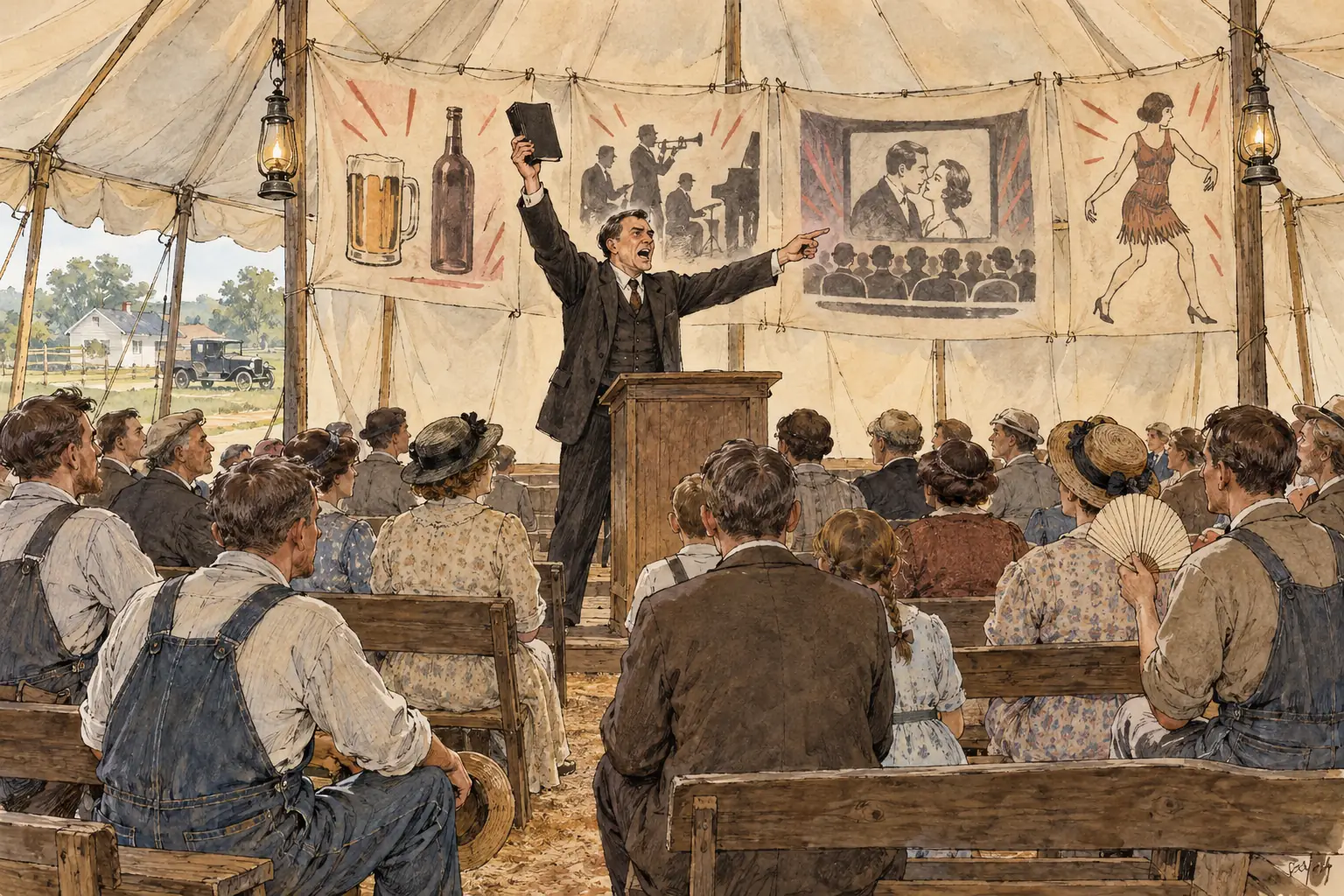
While mass culture brought excitement, it also triggered opposition from traditionalists who viewed these changes as threats to moral and social order. This backlash highlighted divisions in American society.
Forms of conservative opposition
- Moral concerns - Groups criticised jazz as 'immoral' due to its associations with alcohol and racial mixing, and cinemas for promoting scandalous behaviours.
- Religious and political responses - Fundamentalists, including some in the Ku Klux Klan, campaigned against urban decadence, advocating a return to rural, Protestant values.
- Legislative efforts - Laws like Prohibition aimed to curb perceived excesses, though they often failed and fuelled underground activities.
Changing status of women in the 1920s
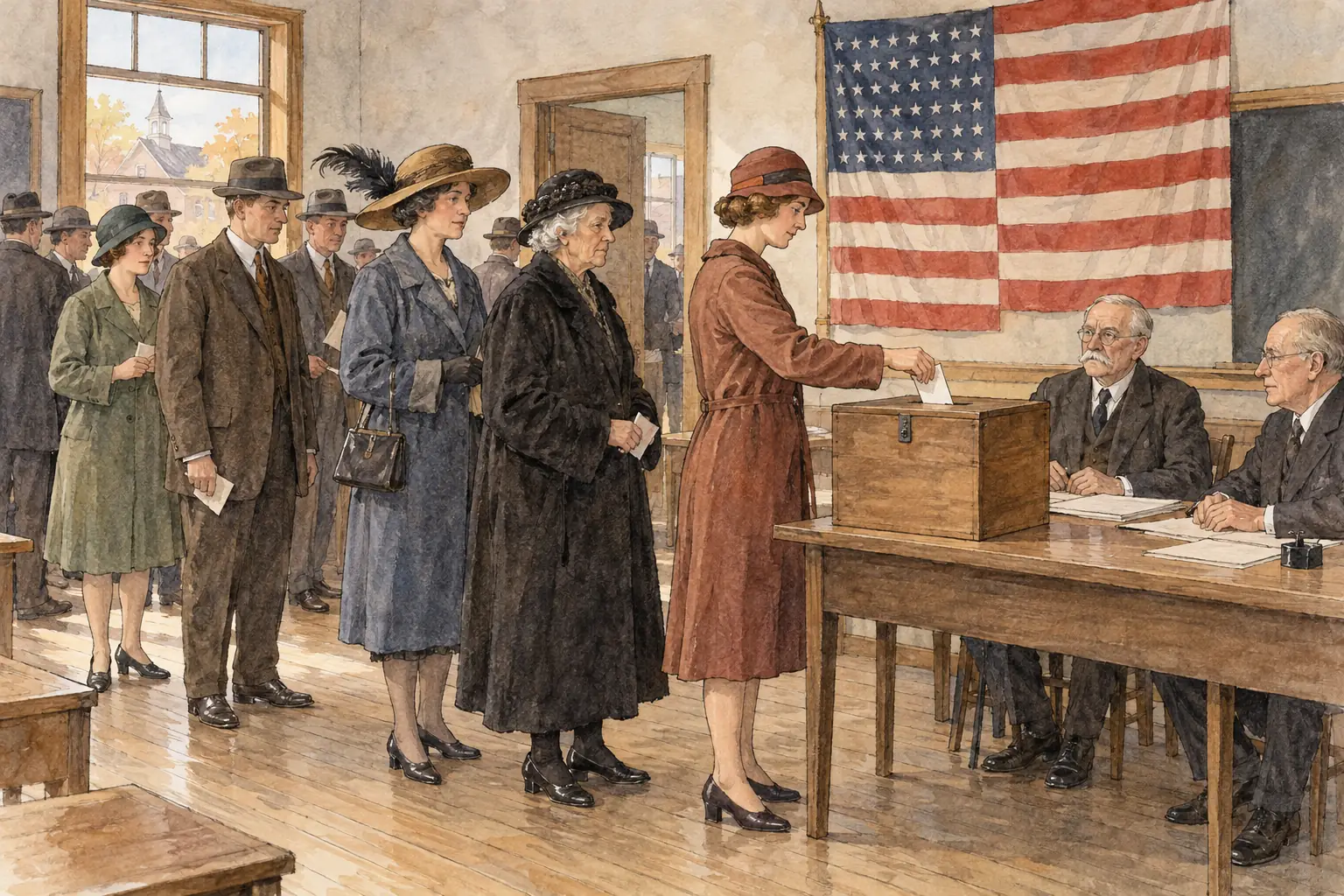
Image 1 of 2: Women across the United States voted in a presidential election for the first time in November 1920, after the 19th Amendment
The decade marked notable progress in women's roles, driven by political gains and social shifts. Urbanisation and economic growth opened new opportunities, particularly for younger women.
Advances in women's status
- The 1920 vote - The 19th Amendment enfranchised women, enabling political participation and symbolising greater equality.
- Flappers - These young, urban, mostly white middle-class women embraced short hair, smoking and dancing, representing a break from traditional femininity.
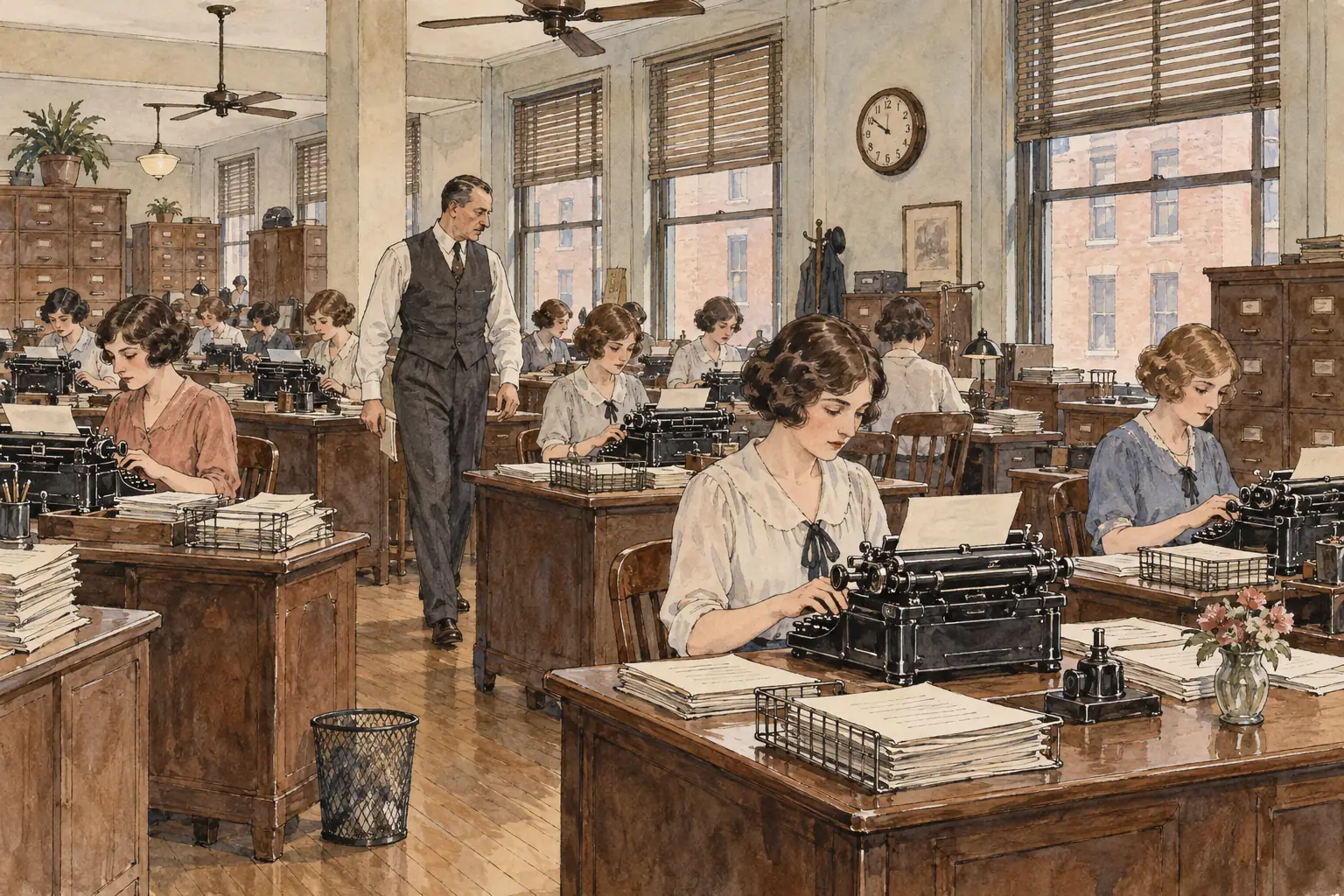
- Rising employment - More women entered clerical jobs like typing and service roles in shops, gaining financial independence.
- Greater social freedoms - Access to cars, clubs and consumer goods allowed women to socialise more freely, challenging restrictive norms.
Limitations on women's changing roles
Despite advancements, women's progress was uneven and constrained by persistent inequalities. Expectations and barriers varied widely, limiting true equality.
Constraints on women's progress
- Expectations of domesticity - Many women were still expected to prioritise marriage and housework, with societal pressure to conform after initial freedoms.
- Pay gaps - Women earned less than men for similar work, often facing discrimination in hiring and promotion.
- Cultural double standards - While men enjoyed similar freedoms without judgment, women faced criticism for 'unladylike' behaviours like drinking.
- Variations by class, race and region - Working-class and rural women had fewer opportunities; African American and immigrant women encountered additional racial barriers, with changes mostly benefiting urban whites.