1.5 - Prohibition, Organised Crime & Social Impacts
Key facts and dates
Prohibition represented a major attempt to reform American society by banning alcohol, driven by moral and patriotic motives, but it instead fuelled organised crime and social division. While initially popular in rural areas, its failure in urban centres highlighted deep cultural splits, ultimately leading to its reversal.
Timeline of key events
- 1917 – Wartime measures restrict alcohol production, building momentum for national prohibition.
- 1919 – The 18th Amendment is ratified, prohibiting the manufacture, sale, and transportation of alcohol.
- 1920 – The Volstead Act enforces the amendment, marking the official start of Prohibition.
- 1925 – Al Capone rises to power in Chicago, exemplifying the growth of gangster networks.
- 1929 – St Valentine's Day Massacre in Chicago intensifies public awareness of gang violence.
- 1933 – The 21st Amendment repeals Prohibition, ending the 'noble experiment'.
Introduction of Prohibition and reasons for it
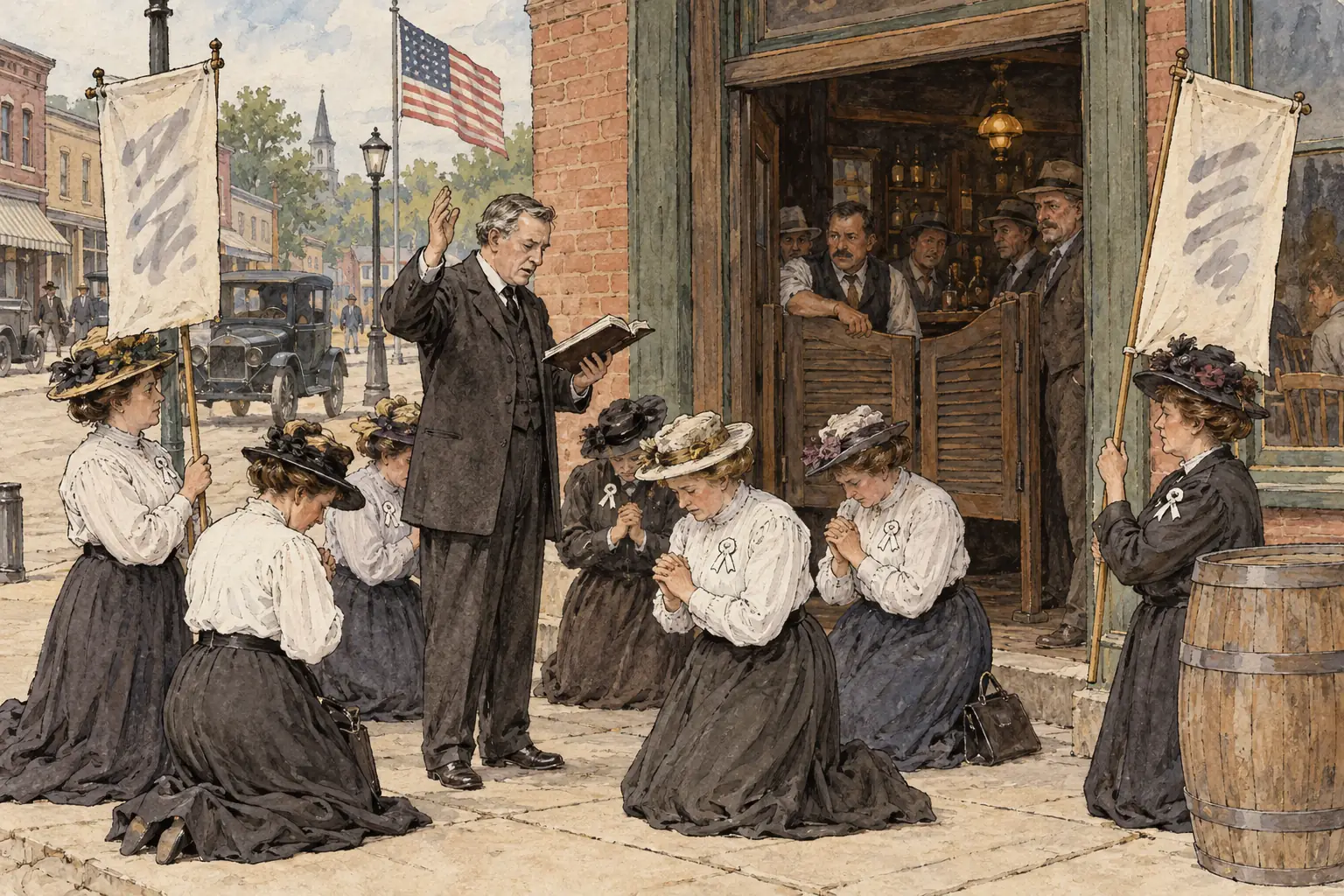
Prohibition was a nationwide ban on alcohol in the United States, enacted through constitutional and legislative measures in the early 20th century. It aimed to address perceived moral and social problems but stemmed from a mix of religious, patriotic, and cultural pressures.
Key reasons for introducing Prohibition
- Religious 'dry' activism - Groups like the Anti-Saloon League (ASL) and the Woman's Christian Temperance Union (WCTU) campaigned vigorously, viewing alcohol as a sin that corrupted families and society, with 'dry' supporters pushing for moral reform.
- Wartime patriotism - During the First World War, anti-alcohol sentiment grew as grain used for brewing was redirected to food supplies, and drinking was linked to unpatriotic behaviour or inefficiency in the workforce.
- Anti-immigrant sentiment - Many associated alcohol with recent immigrants from Europe, particularly Germans and Irish, whose brewing traditions were seen as threats to American values, fuelling nativist calls for restriction.
- Hopes to reduce social ills - Advocates believed banning alcohol would lower crime rates, domestic violence, and poverty, improving public health and productivity in an increasingly industrialised nation.
The ban was formalised by the 18th Amendment to the US Constitution in 1919, which prohibited the production, sale, and transport of intoxicating liquors. This was enforced by the Volstead Act of 1920, defining 'intoxicating' as any beverage with more than 0.5% alcohol.
Effects of Prohibition on crime and society
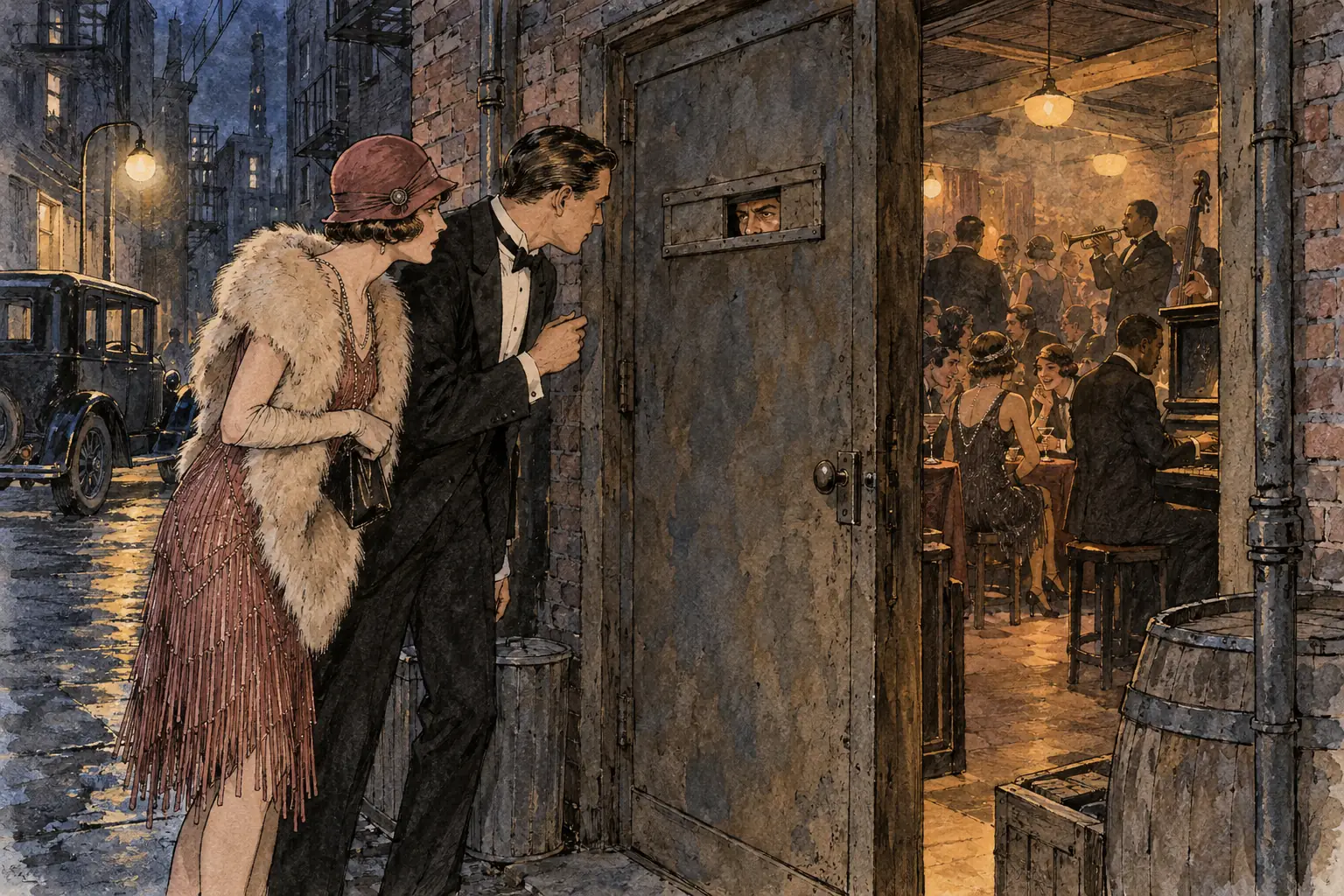
Image 1 of 3: Speakeasies hid behind unmarked doors, and customers needed a password to get in
While intended to create a sober society, Prohibition inadvertently boosted illegal activities and transformed urban life. The demand for alcohol persisted, leading to widespread evasion of the law and the emergence of powerful criminal enterprises.
Main effects of Prohibition
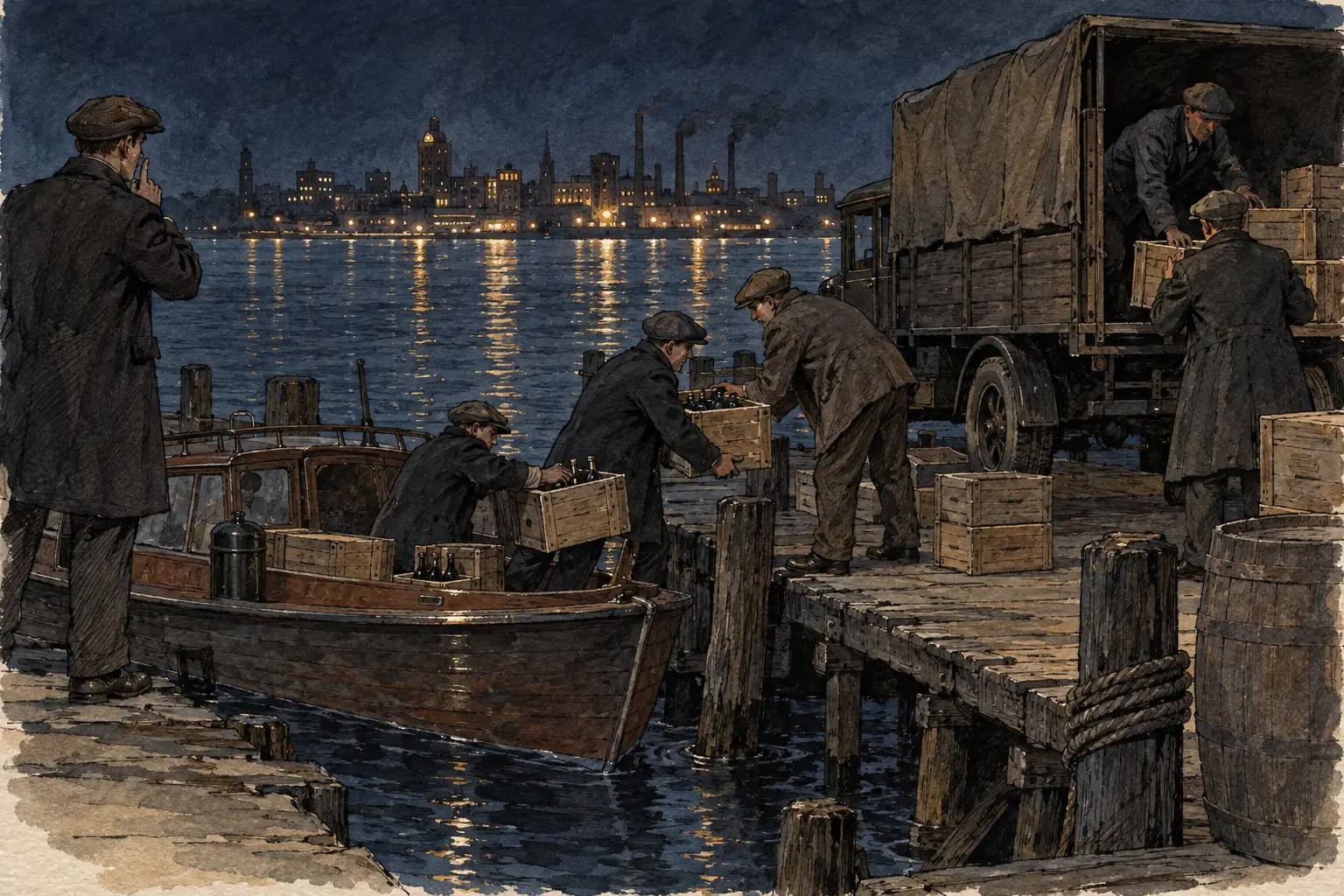
- Bootlegging - Illegal production and smuggling of alcohol became rampant, with individuals and groups distilling homemade spirits or importing supplies from Canada and Mexico to meet public demand.
- Speakeasies - Secret bars and clubs proliferated in cities, operating underground with passwords and hidden entrances, becoming social hubs where people flouted the law in a culture of rebellion.
- Corruption - Bribery of officials, including police and politicians, was common to protect illegal operations, undermining government authority and fostering a network of graft.
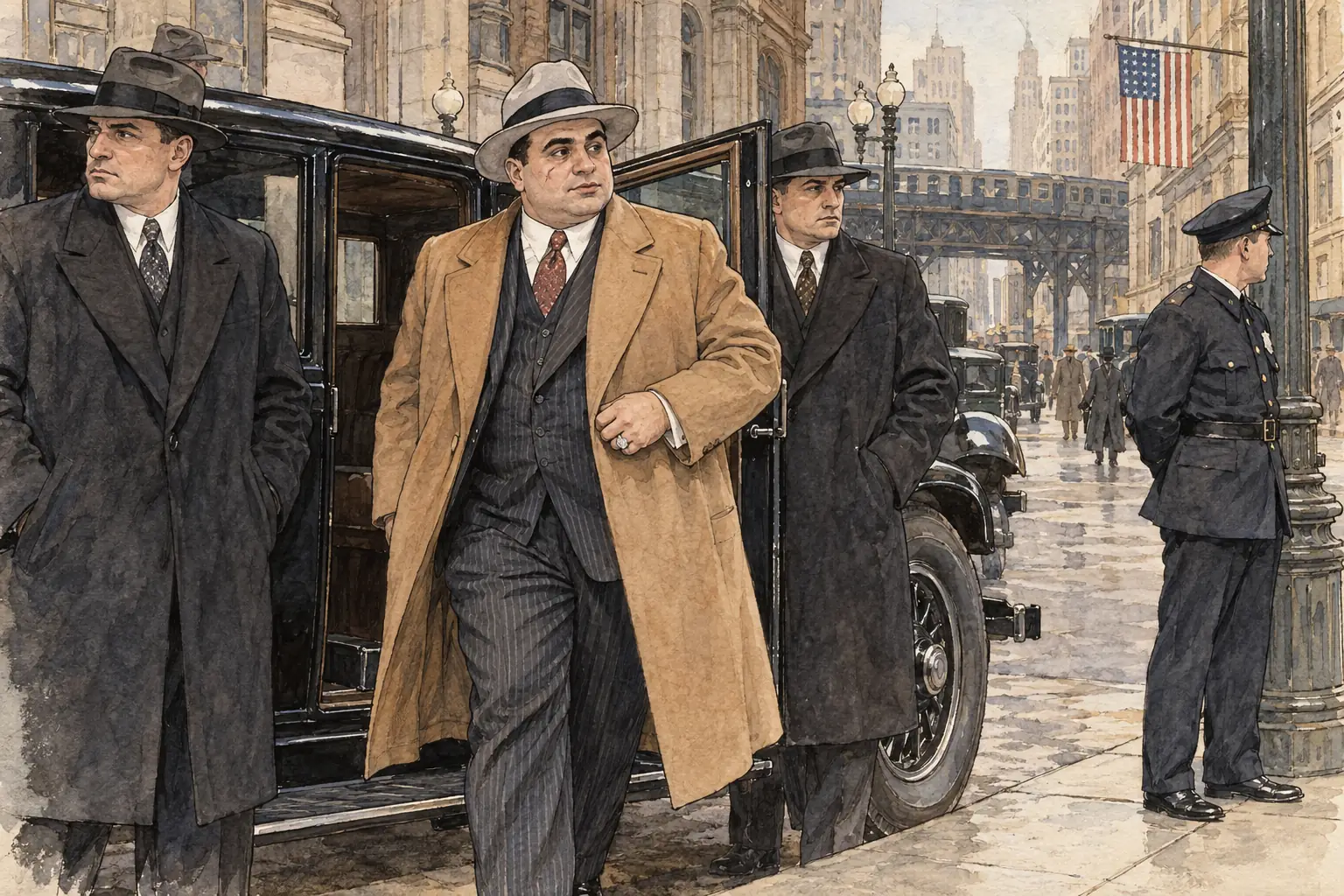
- Rise of gangsters - Organised crime syndicates expanded, particularly in Chicago, where figures like Al Capone controlled bootlegging empires, using violence and intimidation to dominate territories and amass fortunes.
These developments turned Prohibition into a catalyst for a shadow economy, with gangsters exploiting loopholes and weak enforcement to build vast criminal networks.
Social impacts and challenges of enforcement
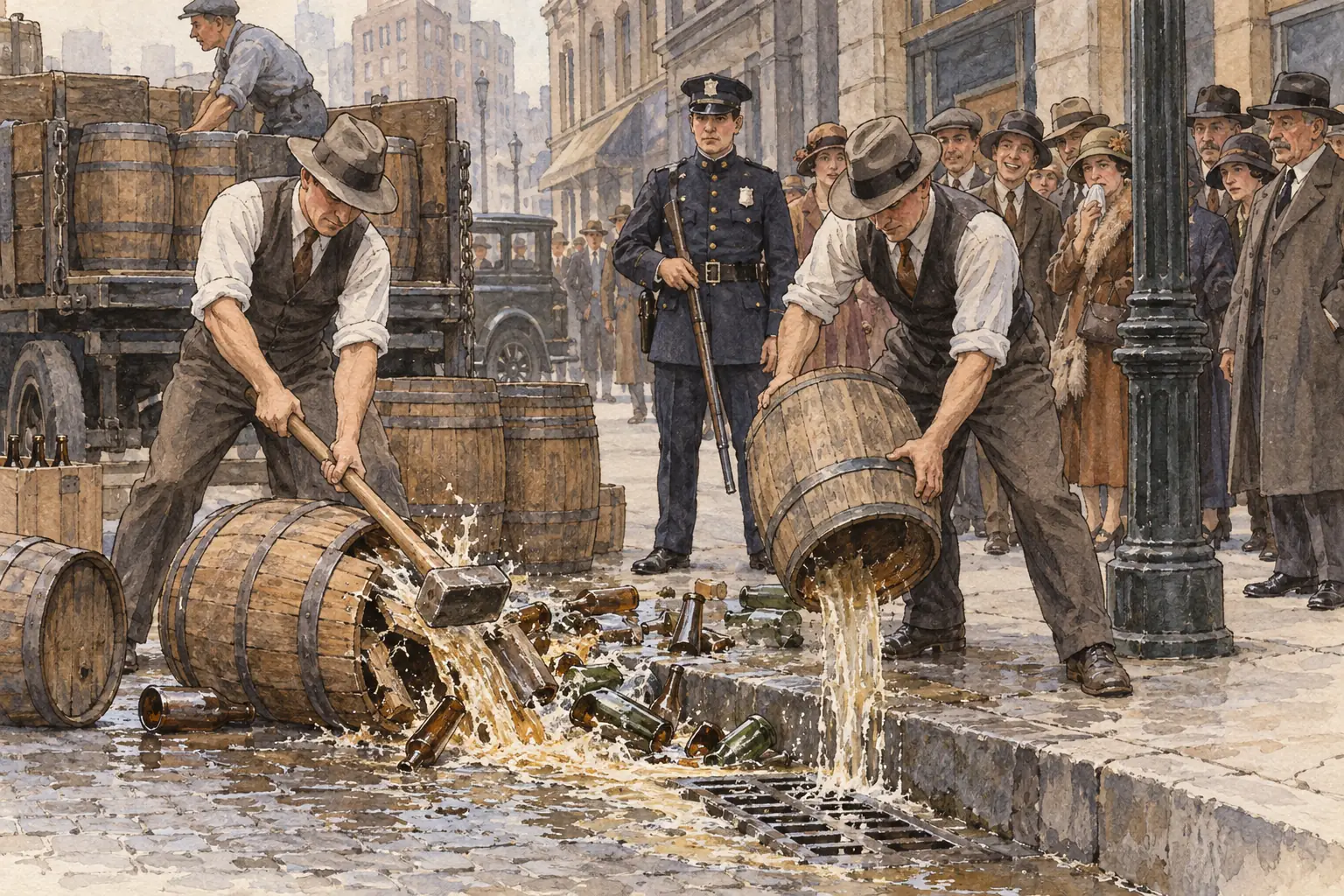
Prohibition's implementation revealed deep flaws, as efforts to police the ban strained resources and altered societal norms. Public disregard for the law grew, contributing to broader disillusionment and paving the way for its end.
Key social impacts of Prohibition
- Decline in respect for the law - Widespread violation eroded faith in legal institutions, as ordinary citizens viewed the ban as impractical and intrusive, leading to a culture of hypocrisy.
- Policing challenges - Federal agents faced overwhelming tasks with limited numbers—only about 2,000 nationwide—resulting in ineffective raids and frequent corruption among enforcers.
- Shifts in public attitudes - Initial support waned as economic pressures from the Great Depression mounted, with many arguing that legalising alcohol could generate tax revenue and create jobs.
These issues culminated in growing calls for change, highlighting Prohibition's failure to achieve its social goals and instead exacerbating problems like violence and inequality.
A divided society and the repeal of Prohibition
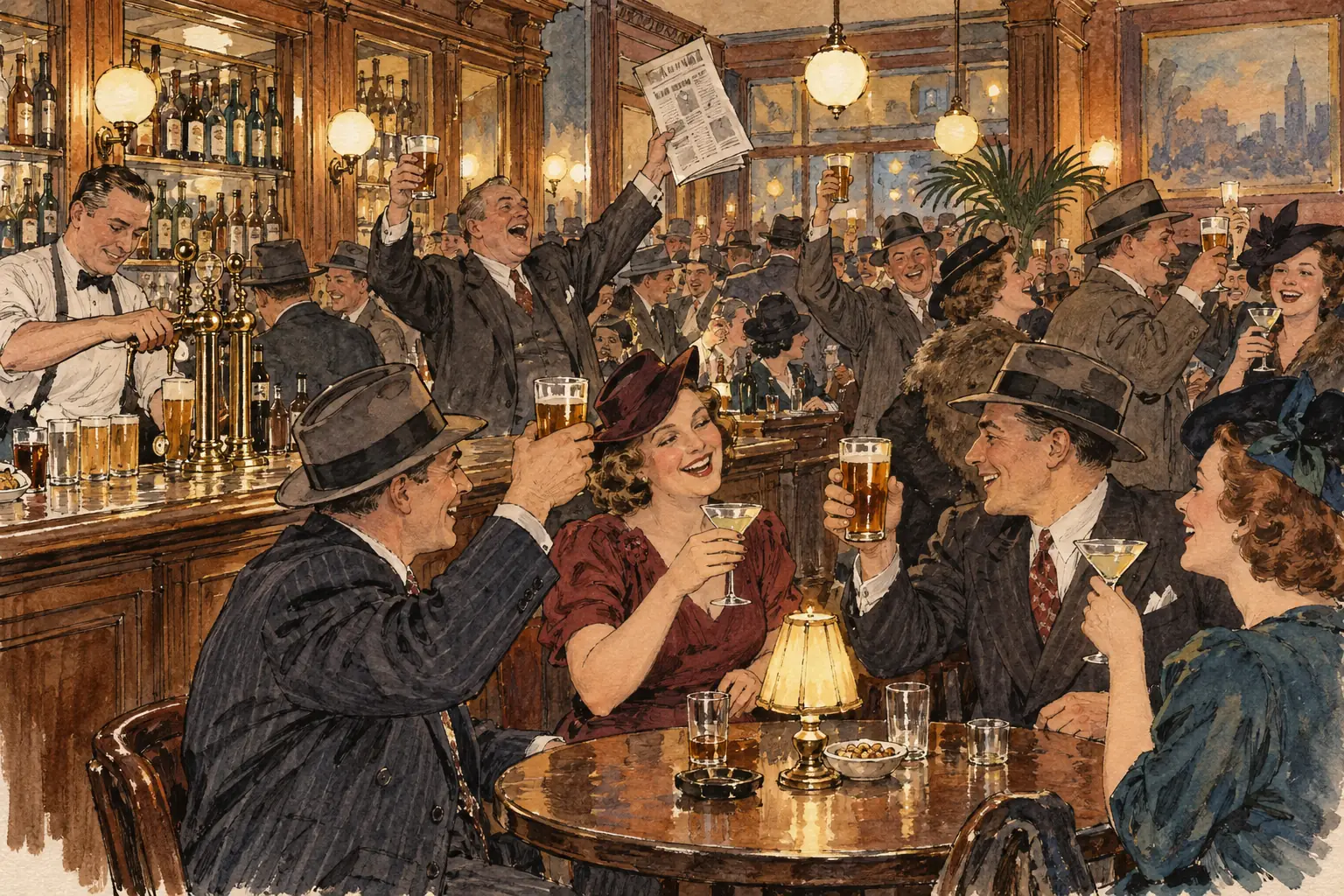
Prohibition exposed stark divisions within American society, reflecting conflicting values between regions and classes. These tensions underscored broader themes of cultural conflict in the 1920s, ultimately leading to the policy's abandonment.
Contrasts in societal values during Prohibition
- Rural 'dry' values - In countryside areas, especially the Bible Belt, traditional Protestant communities supported the ban as a moral crusade, aligning with conservative ideals of temperance and family purity.
- Urban 'wet' realities - Cities like New York and Chicago embraced a more liberal, hedonistic lifestyle, where immigrants and young people frequented speakeasies, rejecting the ban as outdated and unenforceable.
This rural-urban divide exemplified a 'divided society', with 'drys' seeing alcohol as a societal evil and 'wets' viewing the law as an infringement on personal freedoms. The mounting costs of enforcement, combined with economic woes, led to the 21st Amendment in 1933, which repealed Prohibition and restored state control over alcohol regulation.