3.4 - William II & the Church: Anselm, Rockingham & Papacy
Key facts and dates
William II's reign from 1087 to 1100 was marked by tense relations with the Church, driven by his assertive control over ecclesiastical matters and conflicts with papal authority. These tensions highlighted broader debates over royal power and Church independence, building on but diverging from the policies of his father, William I.
Timeline of key events
- 1088 – Trial of William of St-Calais, Bishop of Durham, establishes royal authority over bishops accused of treason.
- 1087–1093 – William II exploits Church vacancies by retaining revenues, delaying appointments to key positions like the Archbishopric of Canterbury.
- 1093 – During a severe illness, William II appoints Anselm as Archbishop of Canterbury, promising Church reforms.
- 1095 – Council of Rockingham debates Anselm's obedience to the Pope versus the king, escalating the investiture conflict.
- 1097 – Anselm goes into exile after disputes with William II over papal loyalty and investiture rights.
William II's character and the Church
William II, also known as William Rufus, ruled England from 1087 to 1100 and was known for his forceful personality, which often clashed with Church leaders. His reputation for impiety, greed, and authoritarianism created significant barriers to harmonious relations with ecclesiastical authorities and the Papacy.
Challenges posed by William II's character
- Assertive and secular outlook - William II prioritised royal power and financial gain over religious piety, viewing the Church primarily as a source of revenue and political support rather than an independent spiritual entity.
- Conflicts with papal authority - His reluctance to acknowledge the Pope's supremacy, particularly under Pope Gregory VII's reforms, led to disputes over issues like clerical obedience and the appointment of bishops.
- Personal impiety - Contemporary chroniclers described him as irreligious, with habits such as hunting on holy days, which alienated Church figures and fostered an environment of mistrust and confrontation.
Church vacancies and revenues under William II
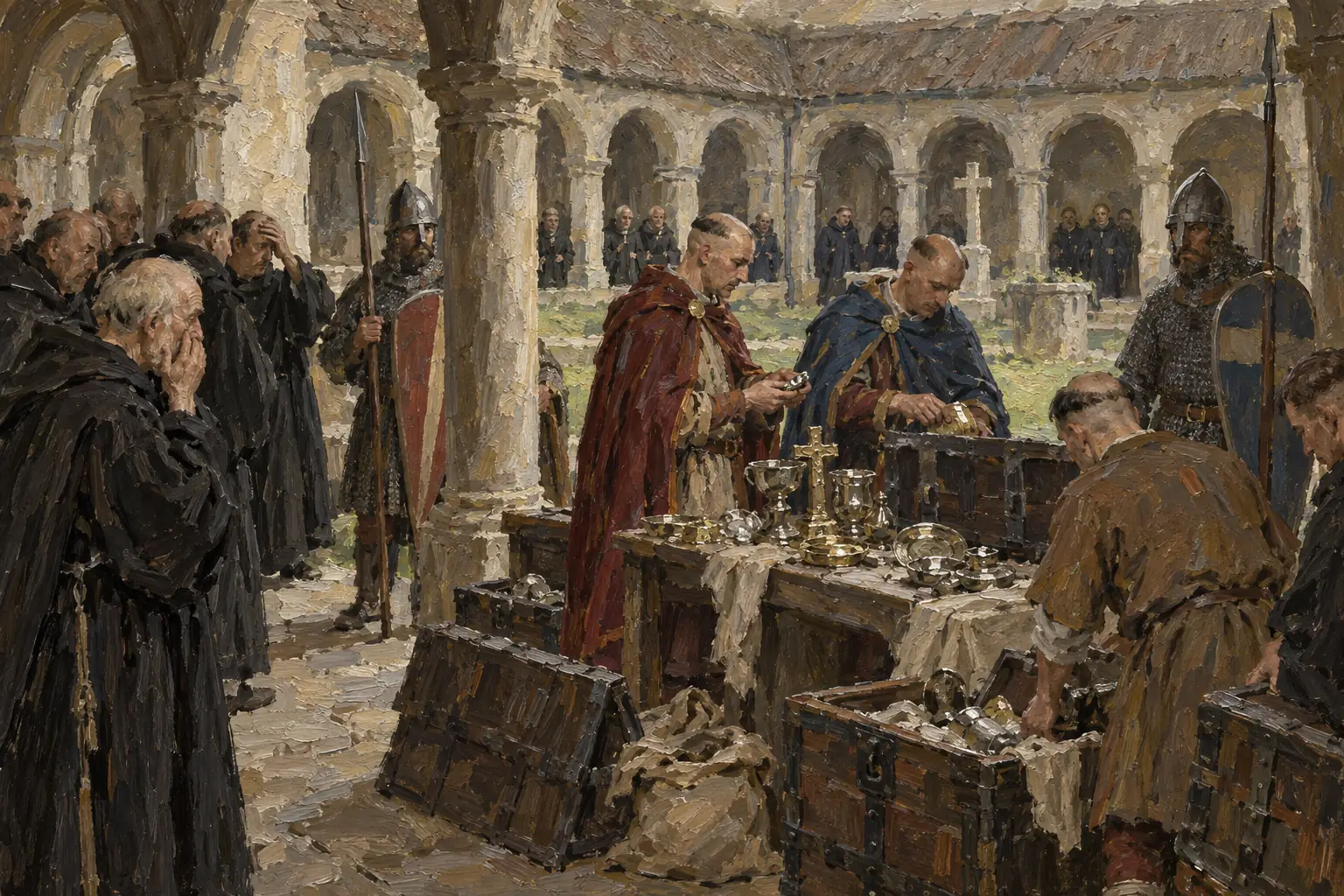
William II adopted a pragmatic but exploitative approach to managing empty Church positions, using them to bolster royal finances. This policy allowed him to exert control over the Church while maximising economic benefits.
Key aspects of vacancy management
- Retention of revenues - When high-ranking Church offices, such as bishoprics or abbeys, became vacant through death or resignation, William II kept the associated incomes for the crown instead of promptly filling the roles.
- Delayed appointments - He often prolonged vacancies to extend royal access to Church lands and funds; for example, the Archbishopric of Canterbury remained empty for four years after Lanfranc's death in 1089.
- Financial motivations - This practice generated substantial income for the king, funding military campaigns and court expenses, but it drew criticism from Church reformers who saw it as simony or interference in spiritual matters.
Anselm and the Council of Rockingham
Image 1 of 2: When William II fell gravely ill in 1093 he appointed Anselm, and the bishops forced the archbishop's staff into Anselm's hand
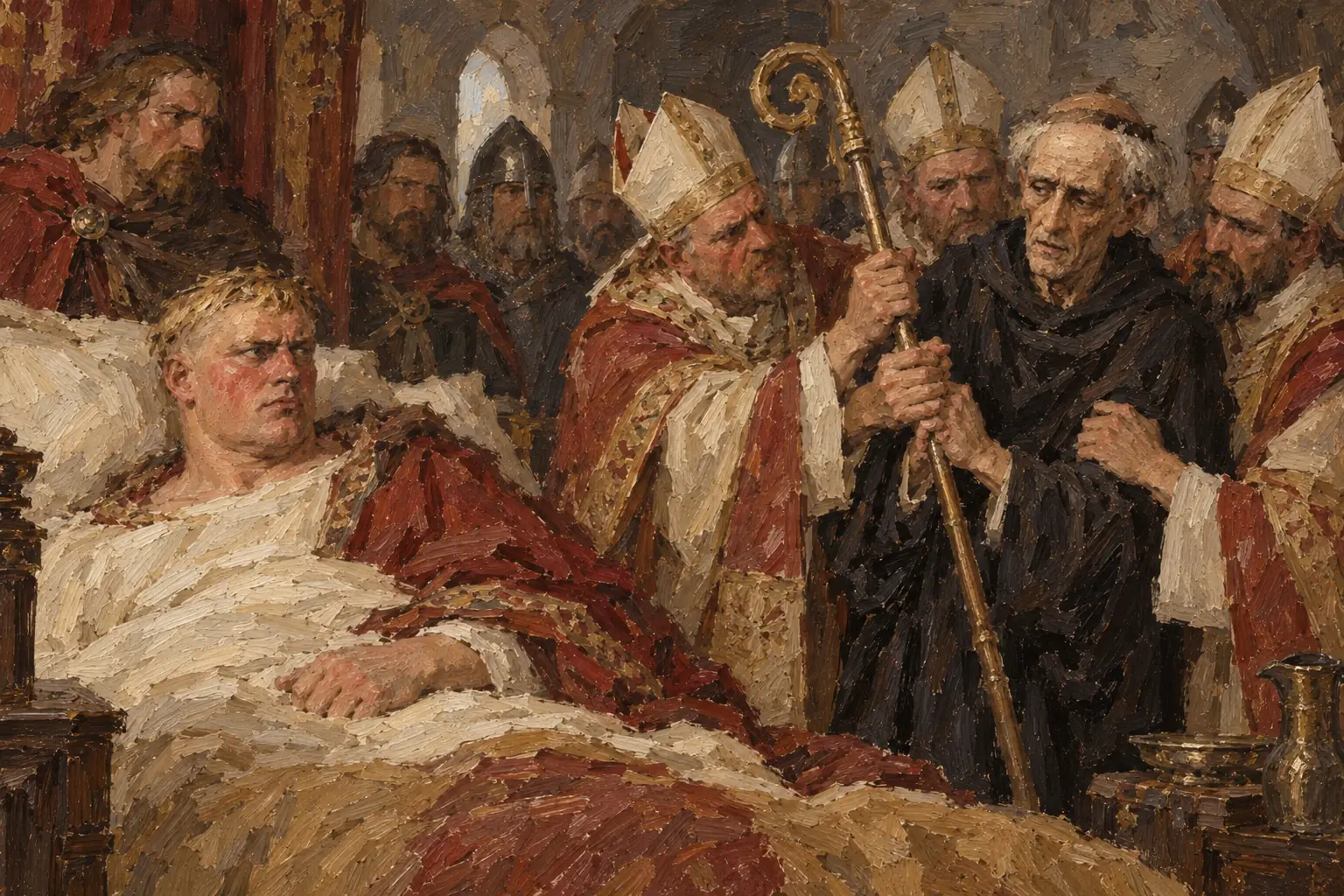
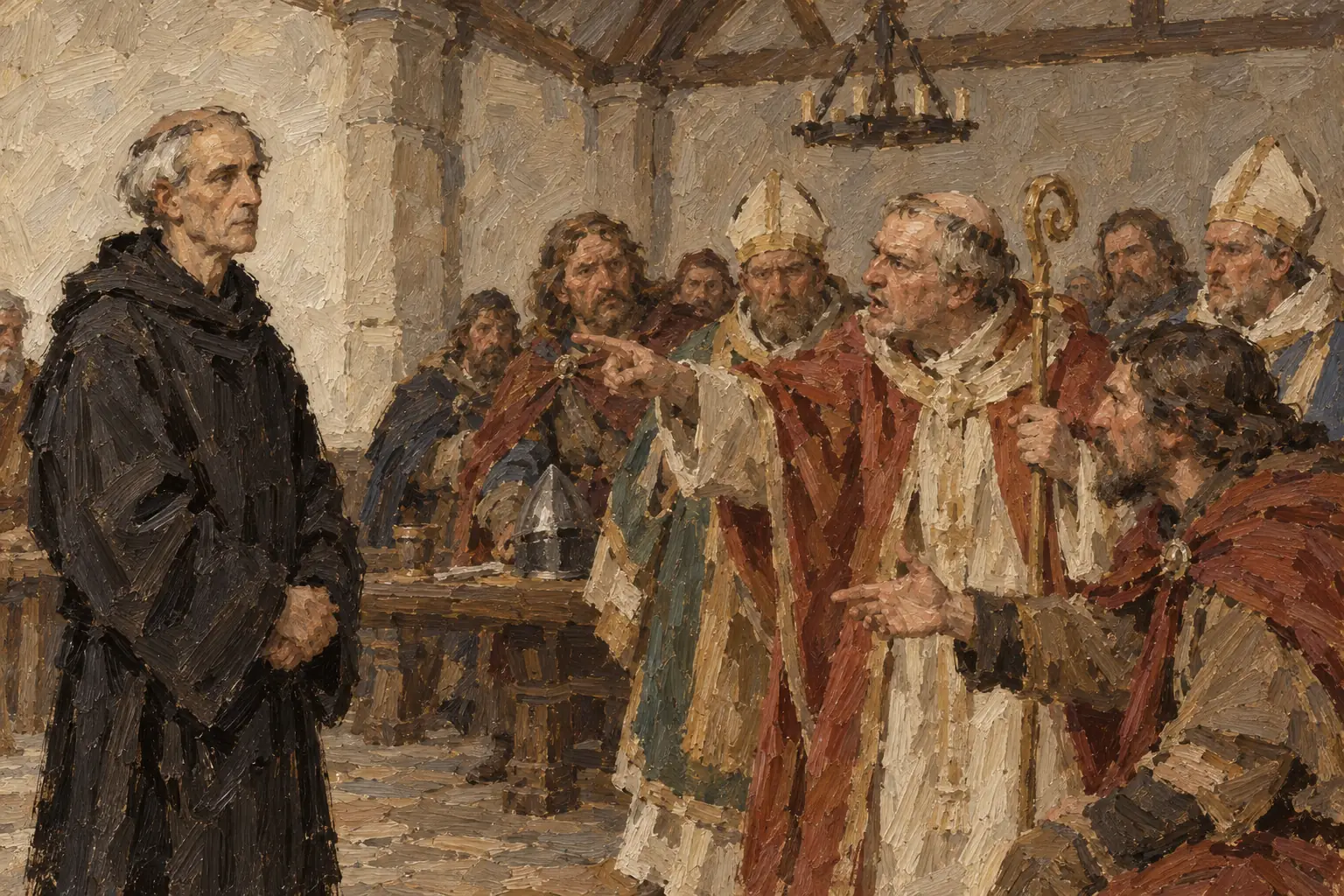
In 1093, William II faced a life-threatening illness that prompted a temporary shift in his Church policies, leading to the appointment of Anselm as Archbishop of Canterbury. This decision soon sparked conflicts, culminating in the Council of Rockingham in 1095.
Events surrounding Anselm's appointment
- Illness and nomination - Believing he was near death, William II vowed to reform his ways and appointed Anselm, a respected Italian monk and scholar, to the vacant archbishopric, hoping to secure divine favour.
- Initial cooperation - Anselm accepted the role reluctantly but sought to implement papal reforms, including greater Church independence from royal control.
The Council of Rockingham and resulting disputes
- Purpose of the council - Convened in 1095 to address Anselm's divided loyalties: his oath to the king conflicted with his obedience to Pope Urban II, especially regarding recognition of the Pope without royal approval.
- Debates over investiture - The council highlighted tensions around lay investiture, where kings granted bishops their symbols of office, a practice opposed by papal reformers who argued it undermined Church authority.
- Outcome and exile - No resolution was reached, leading to Anselm's exile in 1097 after further clashes, including his refusal to provide knights for royal service and his insistence on papal supremacy.
Contrast with church relations under william i
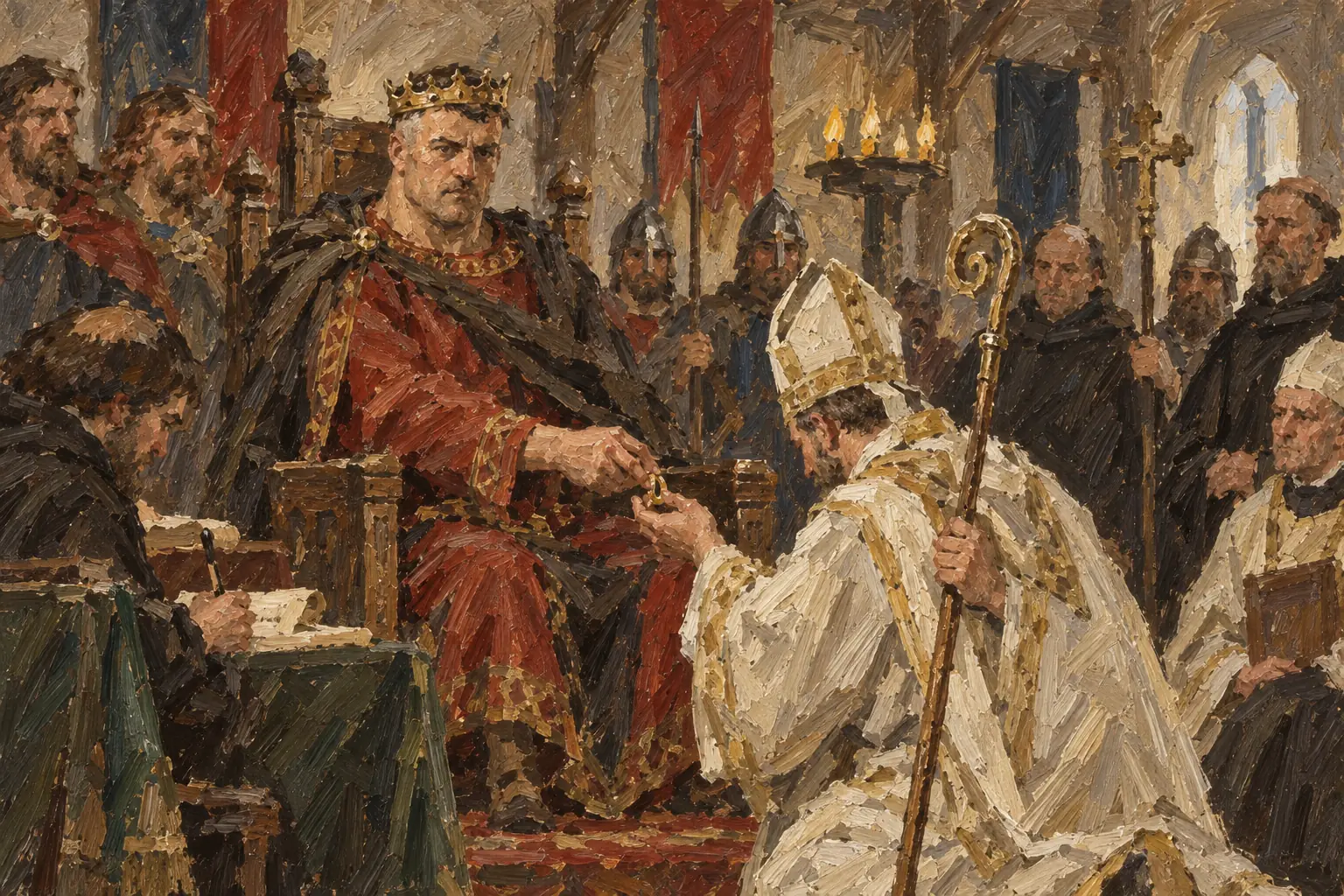
William II's approach to the Church differed markedly from that of his father, William I, who maintained a more balanced and cooperative relationship with ecclesiastical authorities. This contrast underscores the evolution of Church-state dynamics in Norman England.
Differences in Church policies
- William I's collaborative style - William I worked closely with Church leaders like Lanfranc, supporting reforms while ensuring royal oversight; he filled vacancies promptly and respected papal authority to a greater extent, fostering stability.
- William II's confrontational methods - In contrast, William II's exploitation of vacancies and resistance to papal directives created friction, alienating figures like Anselm and weakening Church support for the crown.
- Impact on obedience to Pope Gregory VII - William I navigated Gregory VII's investiture reforms cautiously, avoiding open conflict, whereas William II openly challenged them, refusing to allow bishops to attend papal councils without permission.
The 1088 trial of William of St-Calais
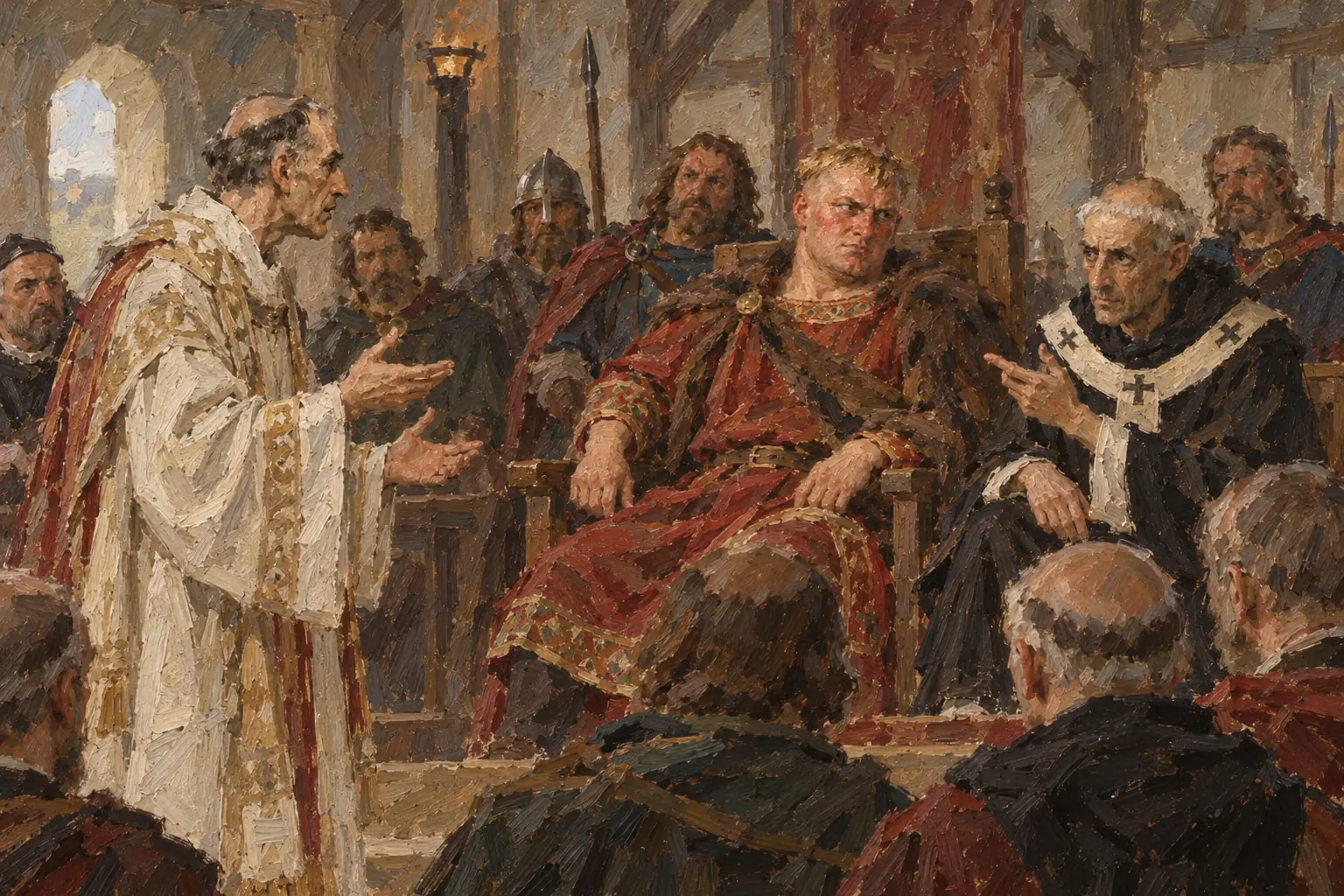
The trial of William of St-Calais, Bishop of Durham, in 1088 represented a pivotal moment in asserting royal authority over Church officials. Accused of supporting a rebellion against William II, the case tested the limits of episcopal immunity.
Details of the trial
- Background to the charges - St-Calais was implicated in the 1088 rebellion led by nobles seeking to replace William II with his brother Robert; he was charged with treason for failing to provide military aid.
- Legal proceedings - Tried in a royal court rather than an ecclesiastical one, St-Calais argued for clerical immunity, but William II insisted on secular jurisdiction over feudal obligations.
Significance for royal authority
- Establishment of precedent - The trial confirmed that bishops, as feudal lords holding lands from the king, were subject to royal justice for secular crimes, diminishing claims of Church immunity.
- Impact on Church-state relations - It reinforced William II's control over bishops, setting a tone for his reign and influencing later conflicts, such as those with Anselm.
- Long-term consequences - The case highlighted ongoing tensions between royal power and papal reforms, contributing to the broader Investiture Controversy across Europe.