3.5 - Mary, Queen of Scots: Threat, Trial & Execution
Key facts and dates
Mary, Queen of Scots, posed a significant challenge to Elizabeth I's rule due to her Catholic faith and rival claim to the English throne, leading to her involvement in conspiracies and eventual execution. These events heightened tensions both within England and across Europe, influencing the path to war with Spain.
Timeline of key events
- 1542 – Mary born, becomes Queen of Scots as an infant following her father's death.
- 1559–1560 – Briefly Queen of France through marriage to Francis II, who dies shortly after.
- 1568 – Flees to England after forced abdication in Scotland, seeking Elizabeth's protection.
- 1569 – Linked to the Northern Rebellion, an uprising by Catholic nobles against Elizabeth.
- 1584 – Bond of Association established, allowing execution of those plotting against the queen.
- 1586 – Babington Plot uncovered, directly implicating Mary in plans to assassinate Elizabeth.
- 1587 – Mary tried and executed at Fotheringhay Castle, sparking outrage in Catholic Europe.
Mary's background and flight to England
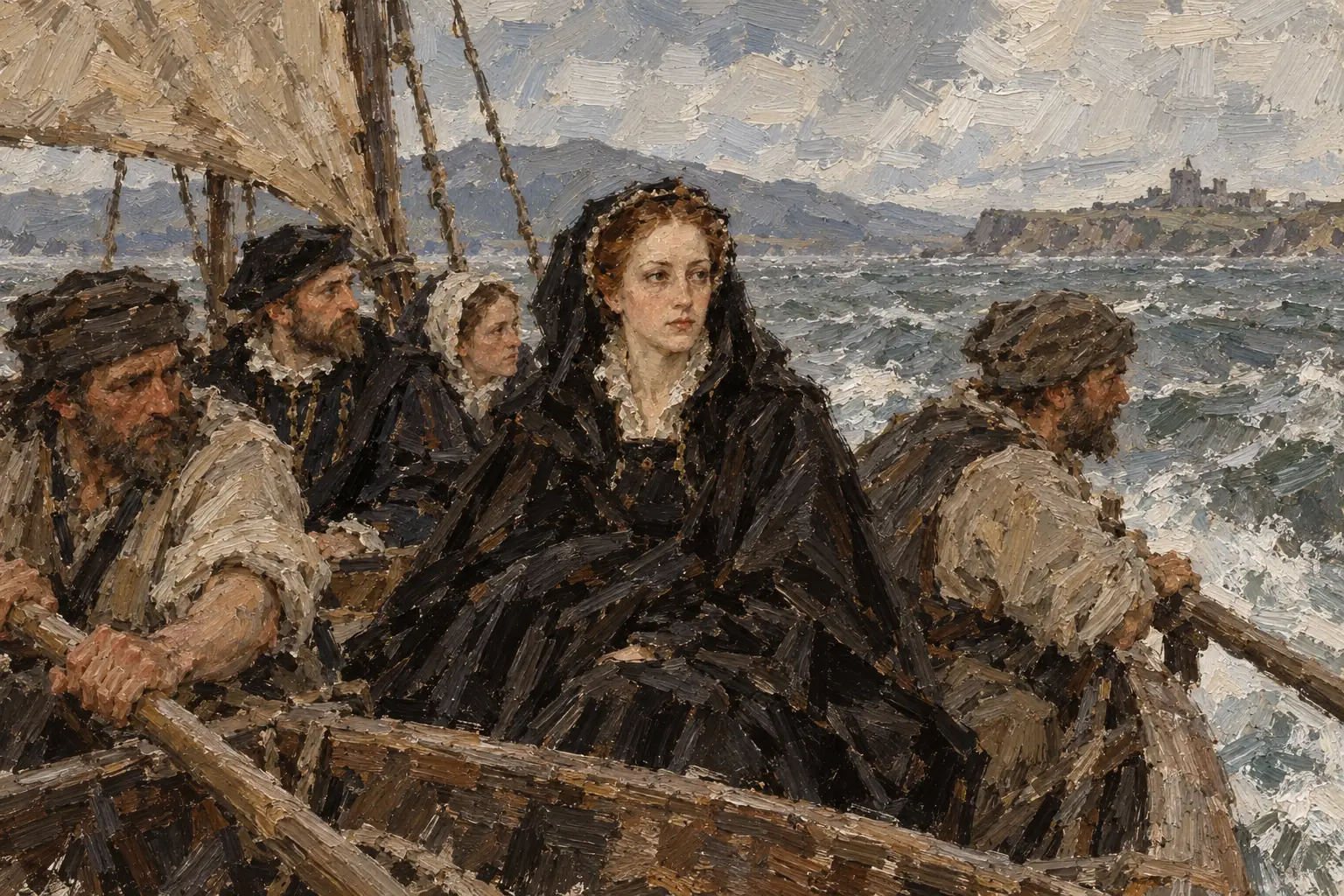
Mary Stuart inherited the Scottish throne as an infant and spent much of her early life in France, where she married into royalty. Her return to Scotland brought political turmoil, culminating in her removal from power and escape across the border.
Key events in Mary's early life and abdication
- Ascension and French connections - Born in 1542, Mary became Queen of Scots at just six days old. She was sent to France for safety, marrying the future King Francis II and briefly holding the title of Queen of France in 1559 until his death the following year.
- Return to Scotland - Mary came back in 1561 to rule a divided nation, facing Protestant opposition and personal scandals, including her marriage to Lord Darnley and involvement in his murder.
- Forced abdication and flight - In 1567, Scottish nobles compelled Mary to abdicate in favour of her son, James VI. Facing imprisonment and civil unrest, she escaped to England in 1568, hoping for support from her cousin, Elizabeth I.
Mary's claim to the throne and her custody
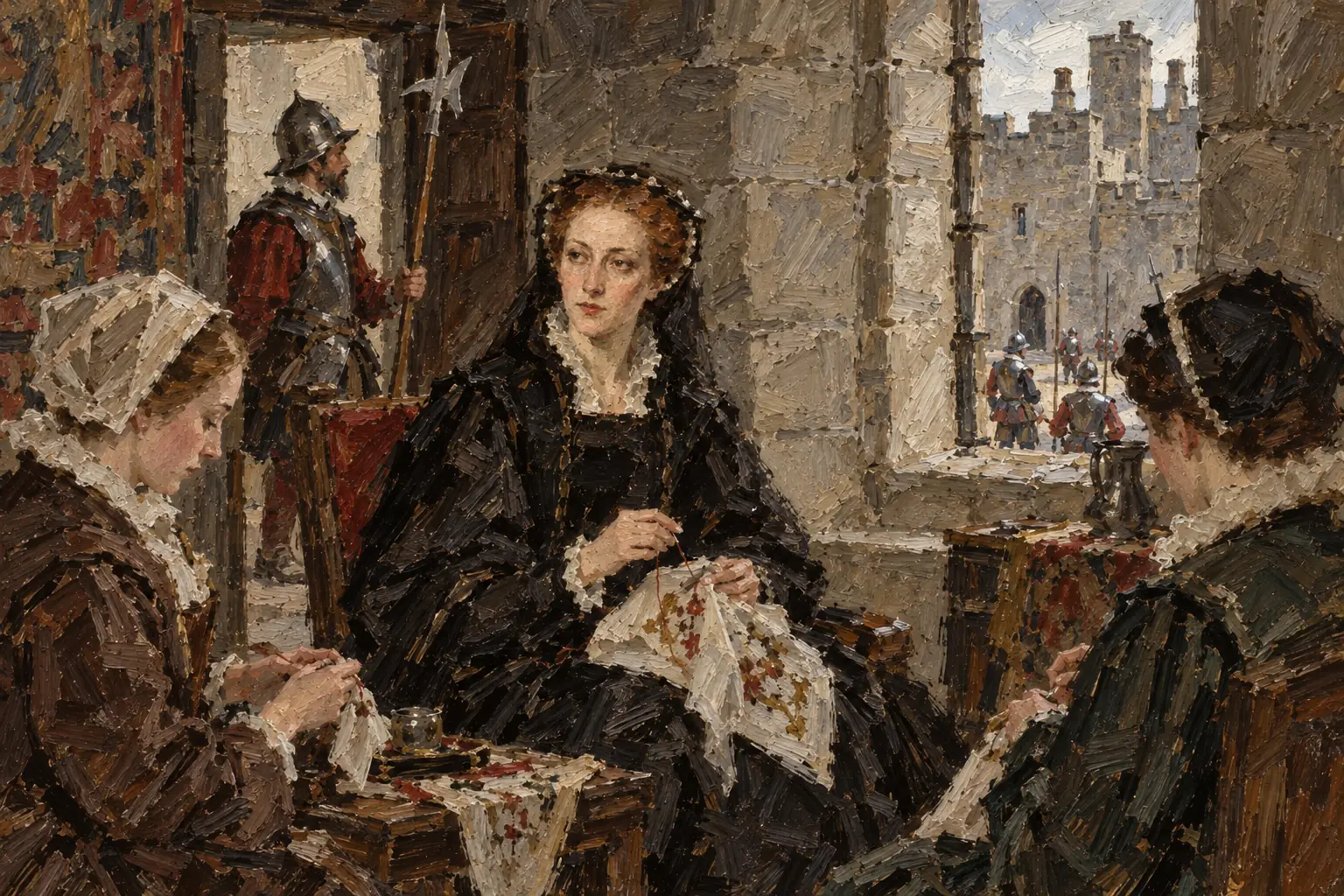
As a Catholic with Tudor blood, Mary represented a potent alternative to the Protestant Elizabeth, attracting support from those dissatisfied with the queen's rule. Her arrival in England led to her confinement, balancing security needs with diplomatic considerations.
Basis of Mary's claim and conditions of custody
- Rival claim to the throne - Mary's descent from Henry VII made her Elizabeth's closest relative, positioning her as a Catholic successor in the eyes of those opposing Protestant reforms or Elizabeth's unmarried status.
- Initial reception and restrictions - Elizabeth placed Mary under house arrest in noble residences, such as Bolton Castle, to prevent her from rallying supporters. Her movements were monitored, and correspondence was restricted to limit potential plotting.
- Rationale for treatment - This custody aimed to neutralise Mary's threat without outright imprisonment, though it evolved into stricter controls as conspiracies emerged, reflecting Elizabeth's caution over executing a fellow monarch.
Links to rebellions and plots against Elizabeth
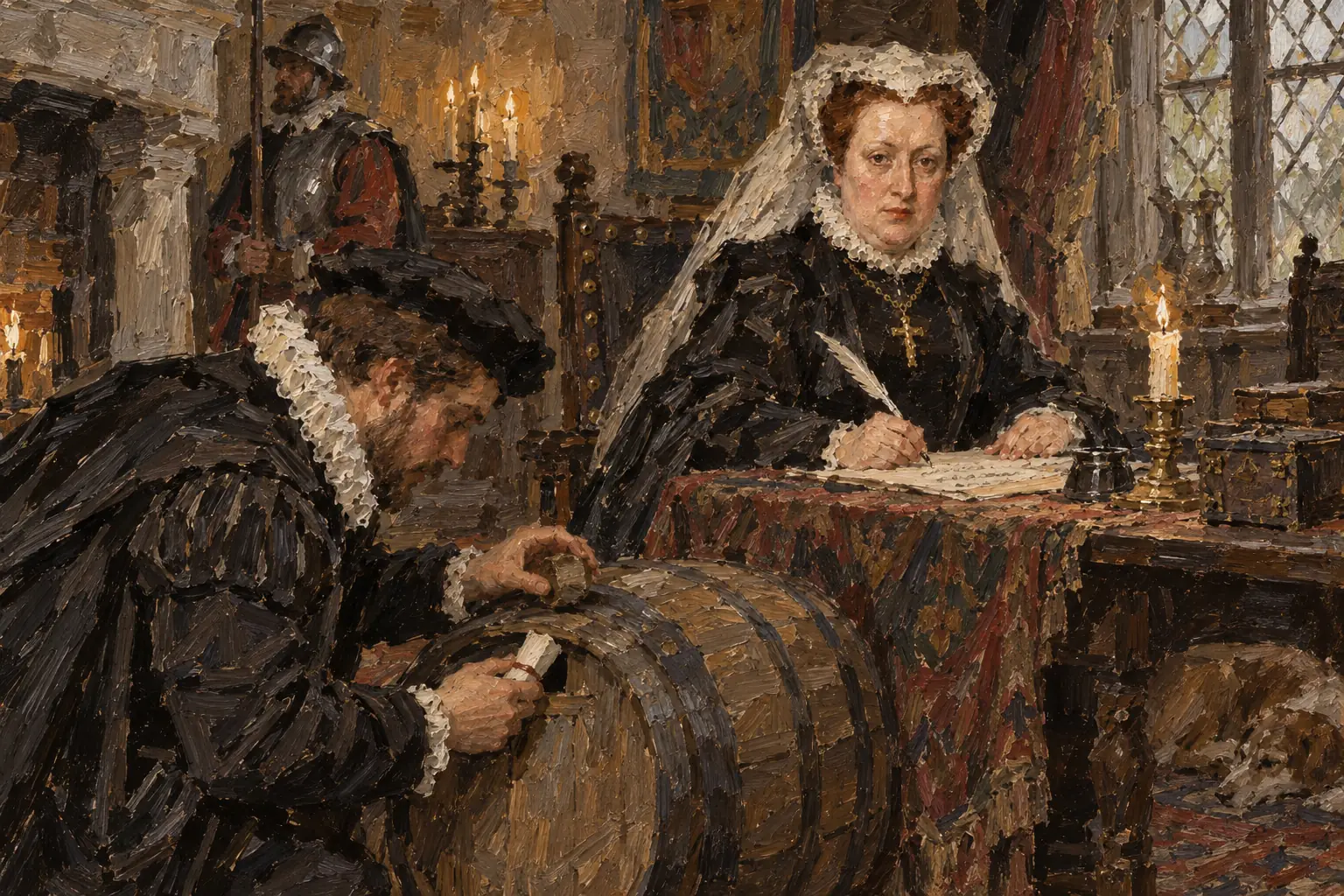
Mary's presence in England inspired Catholic dissidents, linking her to uprisings and assassination attempts. These events underscored her role as a focal point for opposition to Elizabeth's regime.
Major rebellions and plots involving Mary
- The Northern Rebellion (1569) - Catholic earls in northern England revolted to overthrow Elizabeth and install Mary as queen, marching with her banner. The uprising was swiftly crushed, but it highlighted her symbolic appeal.
- Later conspiracies - Mary was implicated in schemes like the Ridolfi Plot (1571) and Throckmorton Plot (1583), where foreign powers sought to depose Elizabeth in her favour.
- The Babington Plot (1586) - Led by Anthony Babington, this involved plans to assassinate Elizabeth and place Mary on the throne with Spanish aid. Intercepted letters showed Mary's approval, providing evidence of her direct involvement.
The trial and execution of Mary
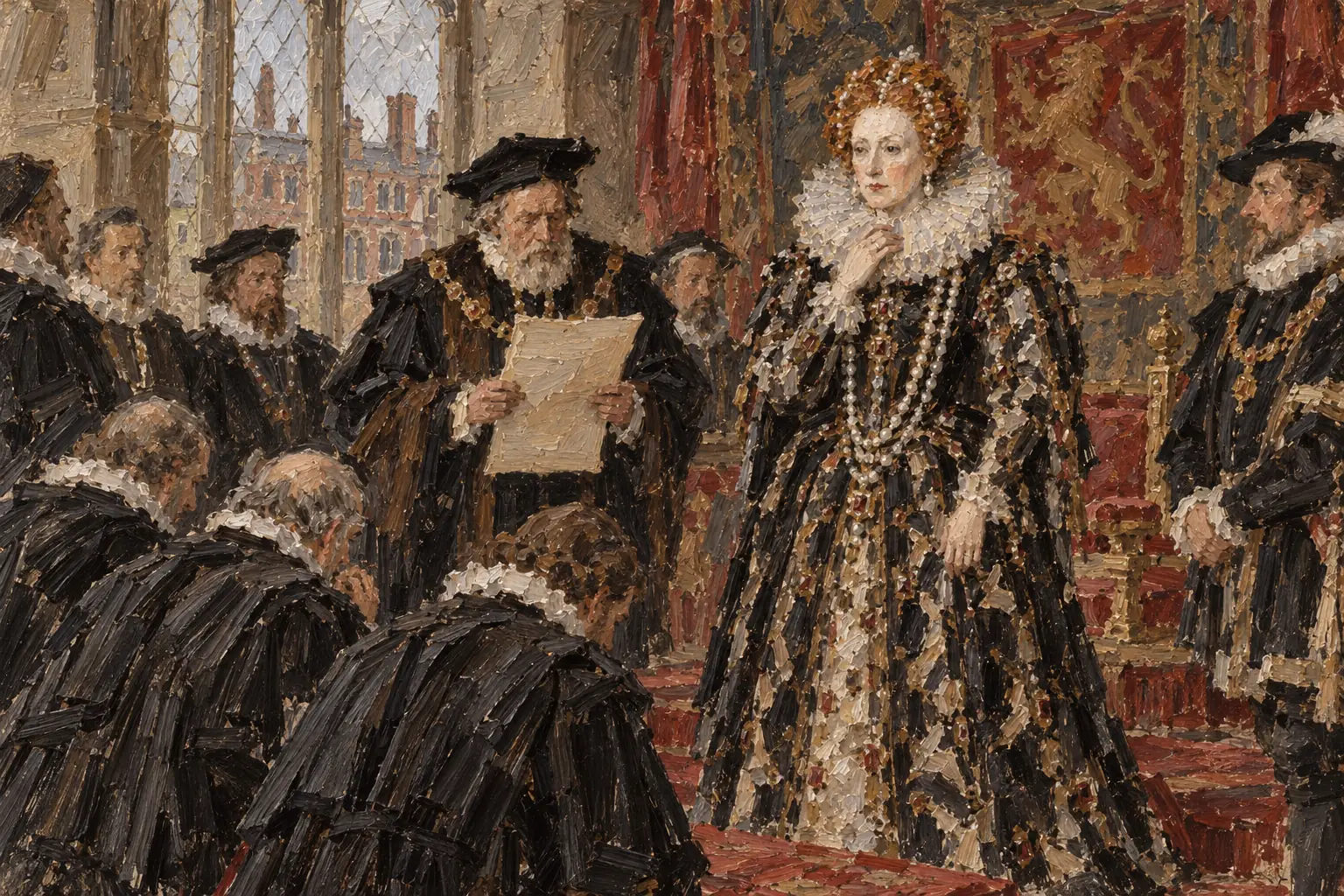
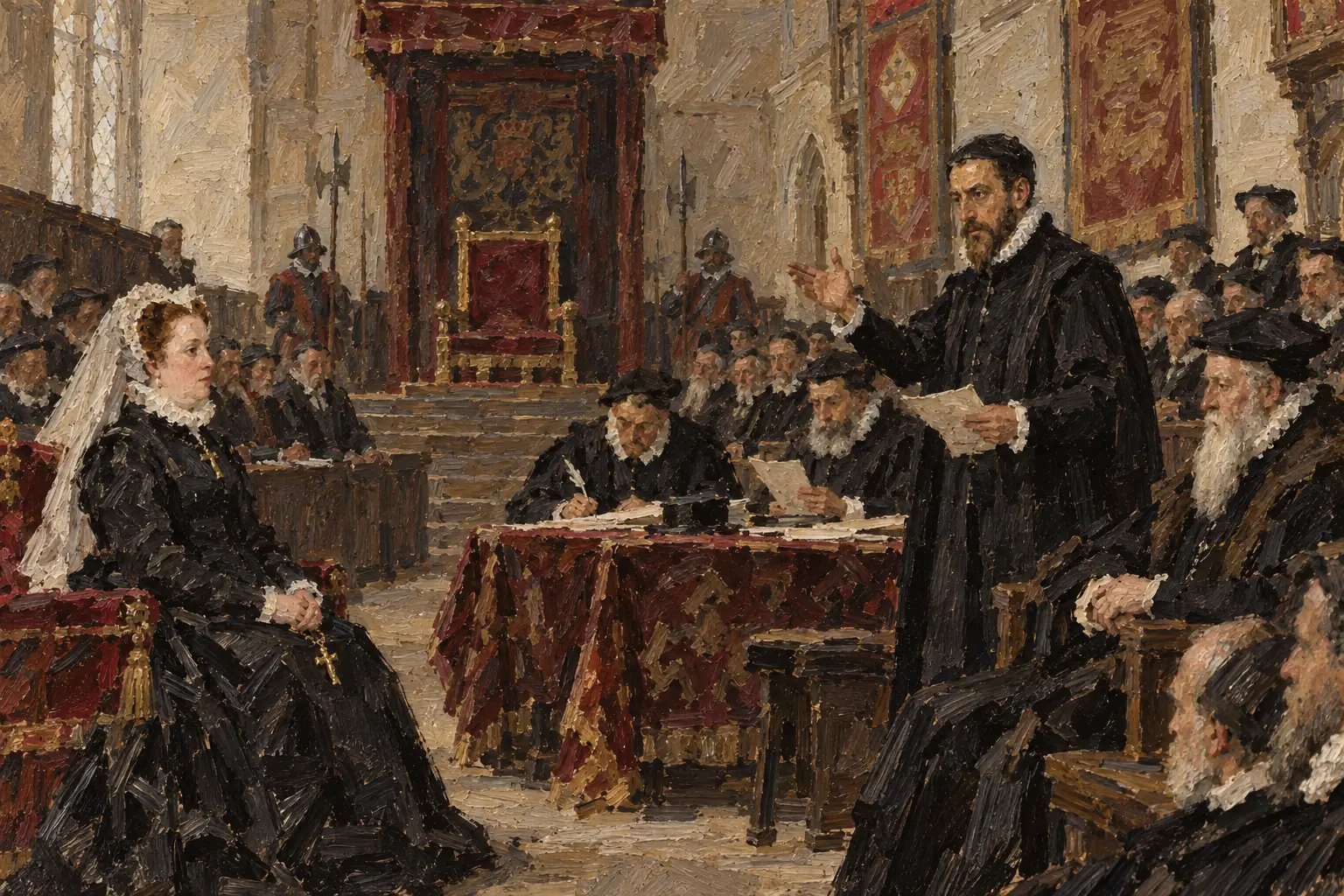
Image 1 of 2: At her trial at Fotheringhay Castle in October 1586, Mary's own ciphered letter accepting the Babington Plot was used against her
The discovery of Mary's role in plots prompted legal action, grounded in new protective measures. Her trial marked a pivotal moment in Elizabethan politics, navigating the challenges of judging a sovereign.
Legal framework and process of the trial
- Bond of Association (1584) - This oath, signed by Elizabeth's supporters, permitted the execution of anyone involved in plots against the queen, even if they were of royal blood, bypassing traditional treason laws.
- Trial proceedings - In 1586, Mary was charged with treason at Fotheringhay Castle. Without legal representation, she denied the accusations, but forged and genuine letters were presented as proof of her complicity in the Babington Plot.
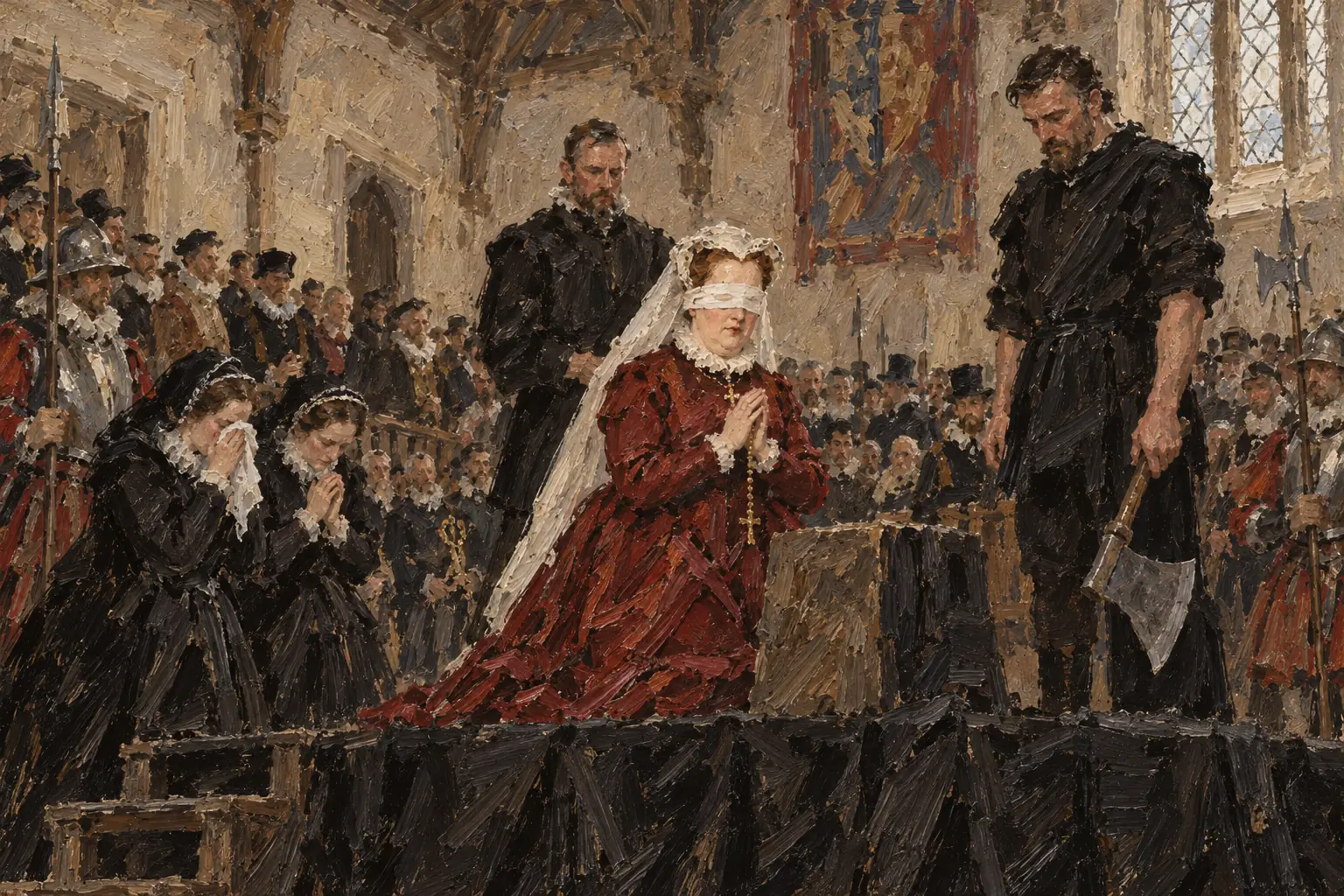
- Execution in 1587 - Elizabeth reluctantly signed the death warrant after parliamentary pressure. Mary was beheaded on 8 February, maintaining her innocence and Catholic faith to the end.
Impacts of Mary's execution
Mary's death strengthened Elizabeth's position at home but provoked backlash abroad, altering England's relations with Catholic powers. It resolved immediate threats while escalating long-term conflicts.
Consequences of the execution
| Aspect | Domestic impacts | International impacts |
|---|---|---|
| Security and stability | Eliminated a key figurehead for Catholic rebellions, enhancing Elizabeth's control and reducing internal plots. | Sparked fury in Catholic nations, with France and Scotland condemning the act as regicide. |
| Political dynamics | Boosted Protestant support and parliamentary loyalty, reinforcing the regime's authority. | Contributed to Philip II of Spain's decision to launch the Armada in 1588, intensifying Anglo-Spanish hostilities. |
| Long-term effects | Paved the way for Mary's son, James VI, to eventually unite the thrones peacefully in 1603. | Heightened religious divisions in Europe, positioning England as a Protestant bulwark against Catholic aggression. |