1.2 - Medieval Beliefs About Disease & Treatment
Key facts and dates
Medieval medicine blended ancient theories, religious influences, and practical remedies, with limited scientific understanding shaping responses to disease. Core ideas included balancing bodily fluids and seeking divine intervention, while various practitioners offered care based on their training and social roles.
Key facts to remember
- Humoural theory – Diseases resulted from imbalances in four bodily fluids: blood, phlegm, yellow bile, and black bile.
- Miasma belief – Illness spread through poisonous vapours in the air, often from decaying matter.
- God's punishment – Many viewed sickness as divine retribution for sins, prompting spiritual remedies.
- Astrological influences – Planetary alignments were thought to affect health, guiding diagnosis and treatment timing.
- Bloodletting and purging – Common natural treatments to restore humoural balance.
- Prayer and pilgrimage – Supernatural methods to seek healing through faith.
- Physicians' tools – Urine and zodiac charts used for diagnosis, combining science and superstition.
- Practitioner hierarchy – University-trained physicians for the elite; barber-surgeons and wise women for everyday care.
Natural beliefs about disease causation
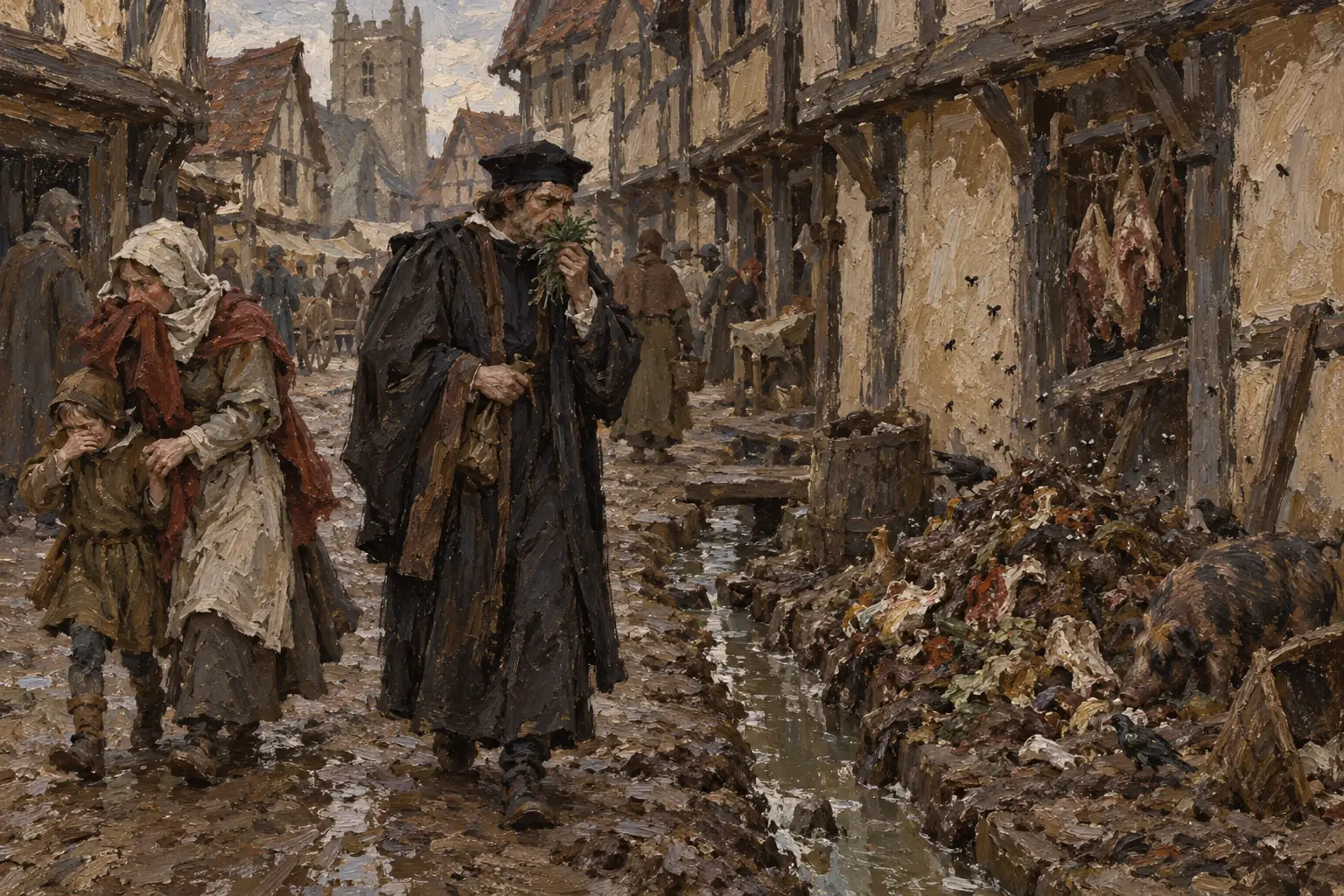
In medieval times, many explanations for disease drew from ancient Greek and Roman ideas, focusing on the body's internal balance and external environmental factors. These natural theories provided a framework for understanding illness without relying solely on supernatural causes.
Main natural theories of disease
- Humoural imbalance - Health depended on equilibrium among four key bodily fluids (blood, phlegm, yellow bile, and black bile), with any disruption causing sickness; for example, excess blood might lead to fevers.
- Diet and regimen - Poor eating habits or lifestyle choices, such as overeating or lack of exercise, were seen as upsetting the humours, contributing to various ailments.
- Miasma - Bad air or foul-smelling vapours from rotting waste or swamps were believed to carry disease, explaining outbreaks like plagues in crowded or unsanitary areas.
Supernatural explanations for illness
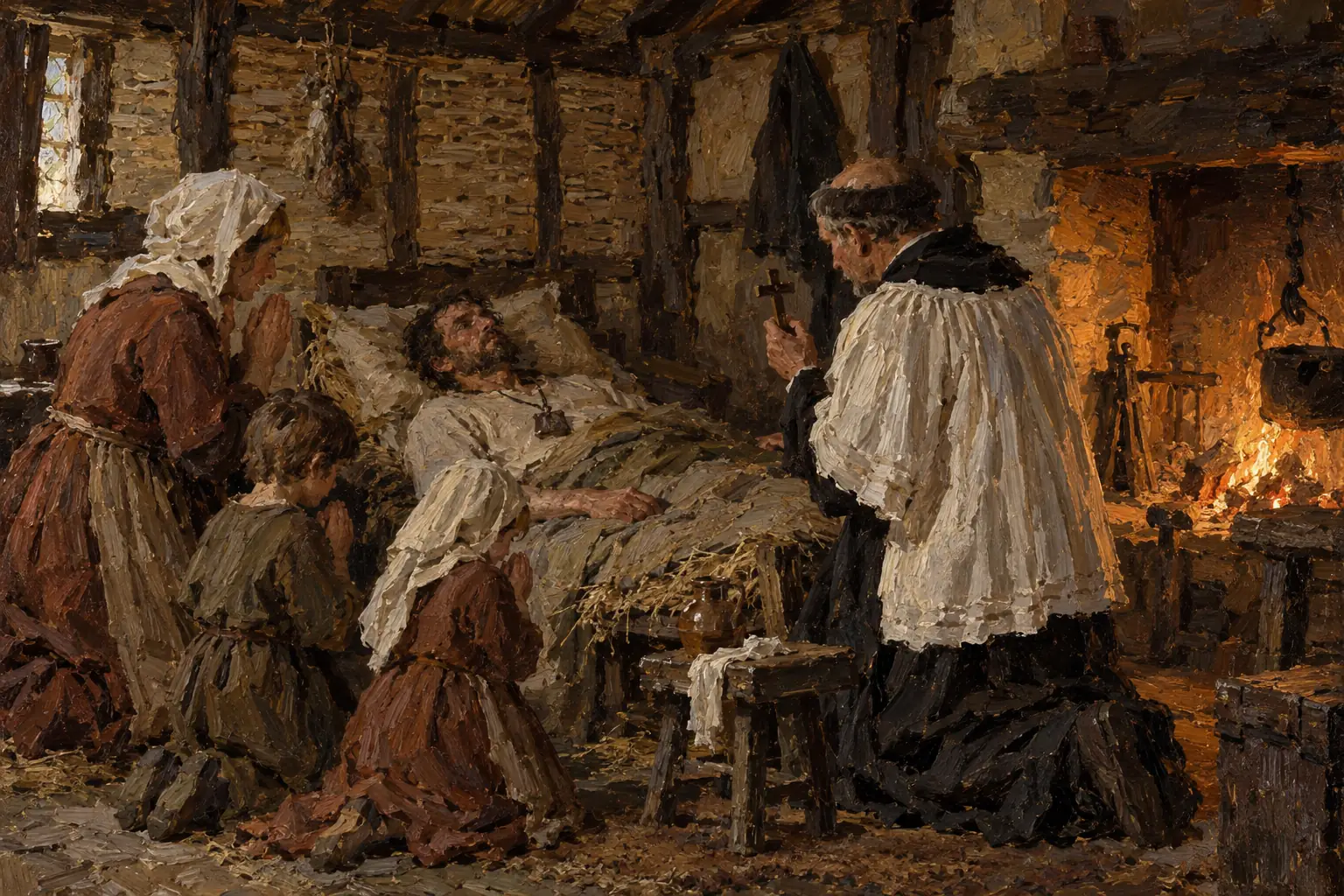
Alongside natural theories, medieval society often attributed disease to forces beyond human control, reflecting the strong influence of religion and folklore. These ideas emphasised moral or cosmic causes, leading to treatments that appealed to higher powers.
Key supernatural causes of disease
- God's punishment - Illness was frequently interpreted as divine judgement for personal or communal sins, encouraging repentance to restore health.
- Astrology - The positions of stars and planets were thought to influence bodily humours and disease susceptibility, with certain alignments predicting outbreaks.
- Charms and demons - Evil spirits or demonic possession could cause sickness, countered by protective amulets, spells, or exorcisms rooted in folk traditions.
Roles of different medical practitioners
Image 1 of 2: Wise women used local plants and family knowledge to make remedies and help at births
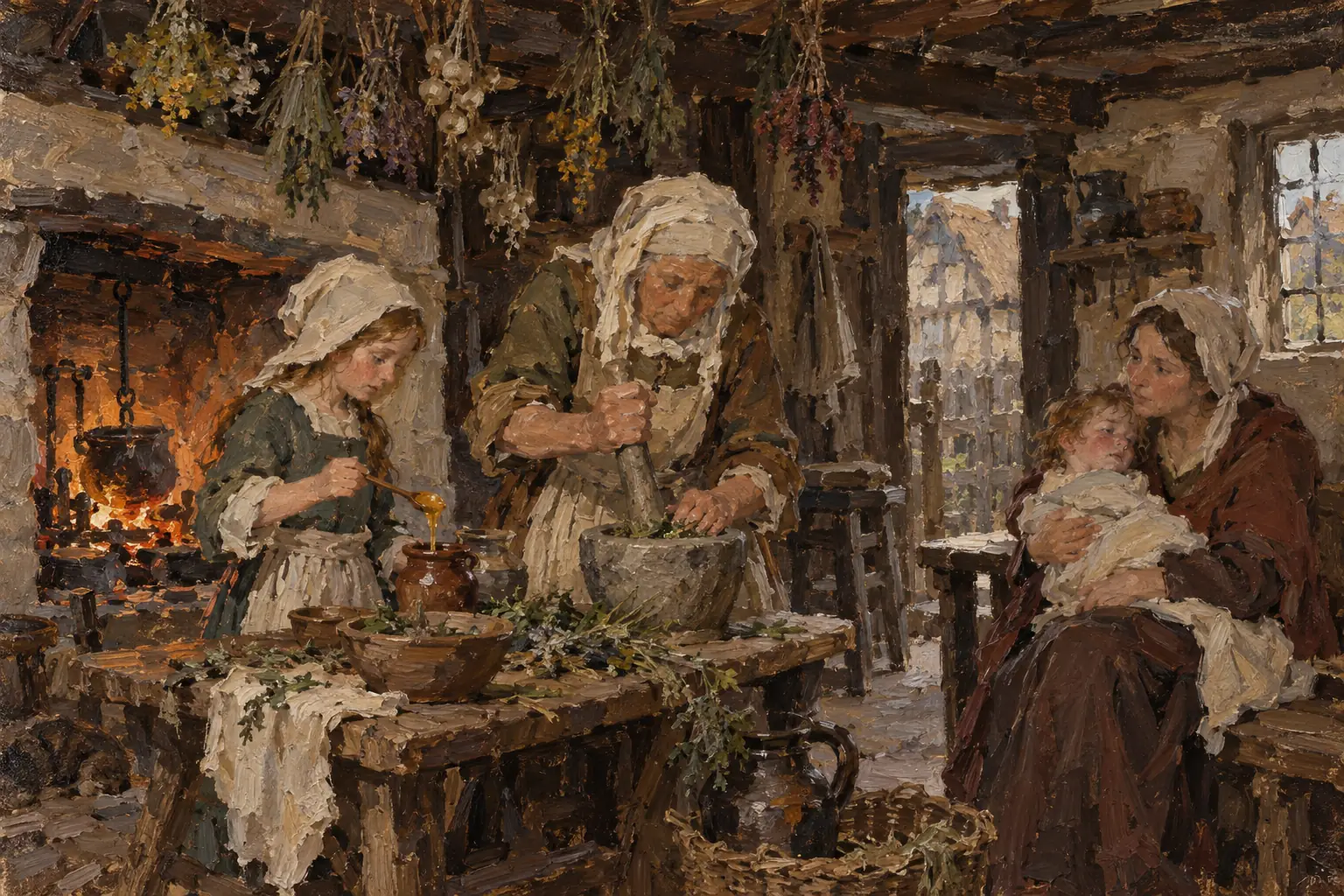
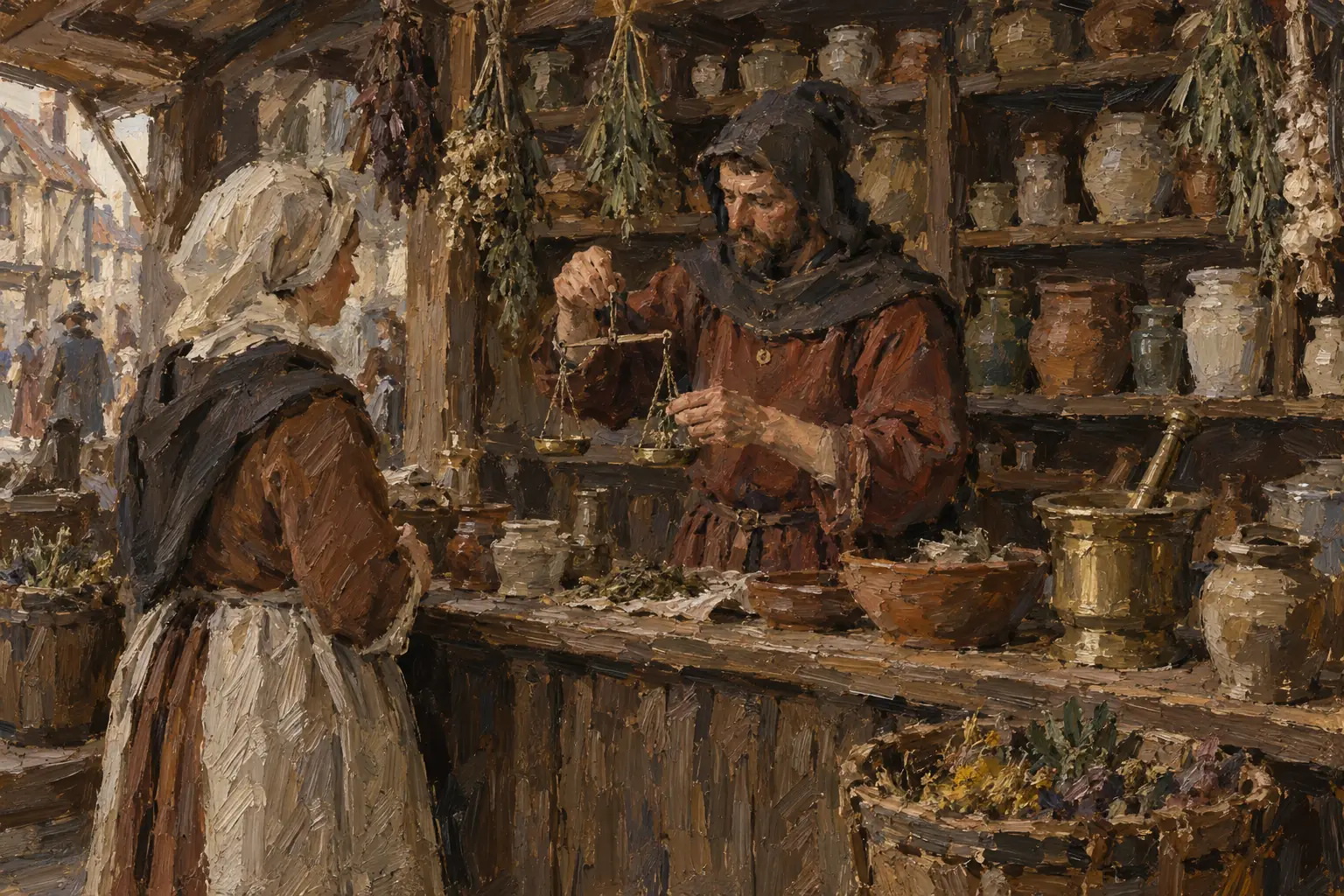
Medieval healthcare involved a range of practitioners, each with distinct training and responsibilities, serving different social classes. This system combined formal education, apprenticeships, and community knowledge to address health needs.
Types of practitioners and their functions
| Practitioner | Training | Main roles | Typical patients |
|---|---|---|---|
| Physicians | University education, studying ancient texts like those of Galen and Hippocrates | Diagnosed illnesses using theory, astrology, and observation; prescribed regimens | Wealthy or noble individuals who could afford fees |
| Barber-surgeons | Apprenticeship with experienced practitioners | Performed practical procedures like bloodletting, tooth extractions, and minor surgeries | Ordinary people seeking affordable, hands-on care |
| Apothecaries | Training in mixing compounds, often through guilds | Prepared and sold herbal remedies, potions, and ointments based on recipes | General public needing accessible treatments for common ailments |
| Wise women | Informal learning from family or community traditions | Provided folk remedies, midwifery, and herbal care using local plants and knowledge | Rural or lower-class communities, especially women and families |
Common treatment methods
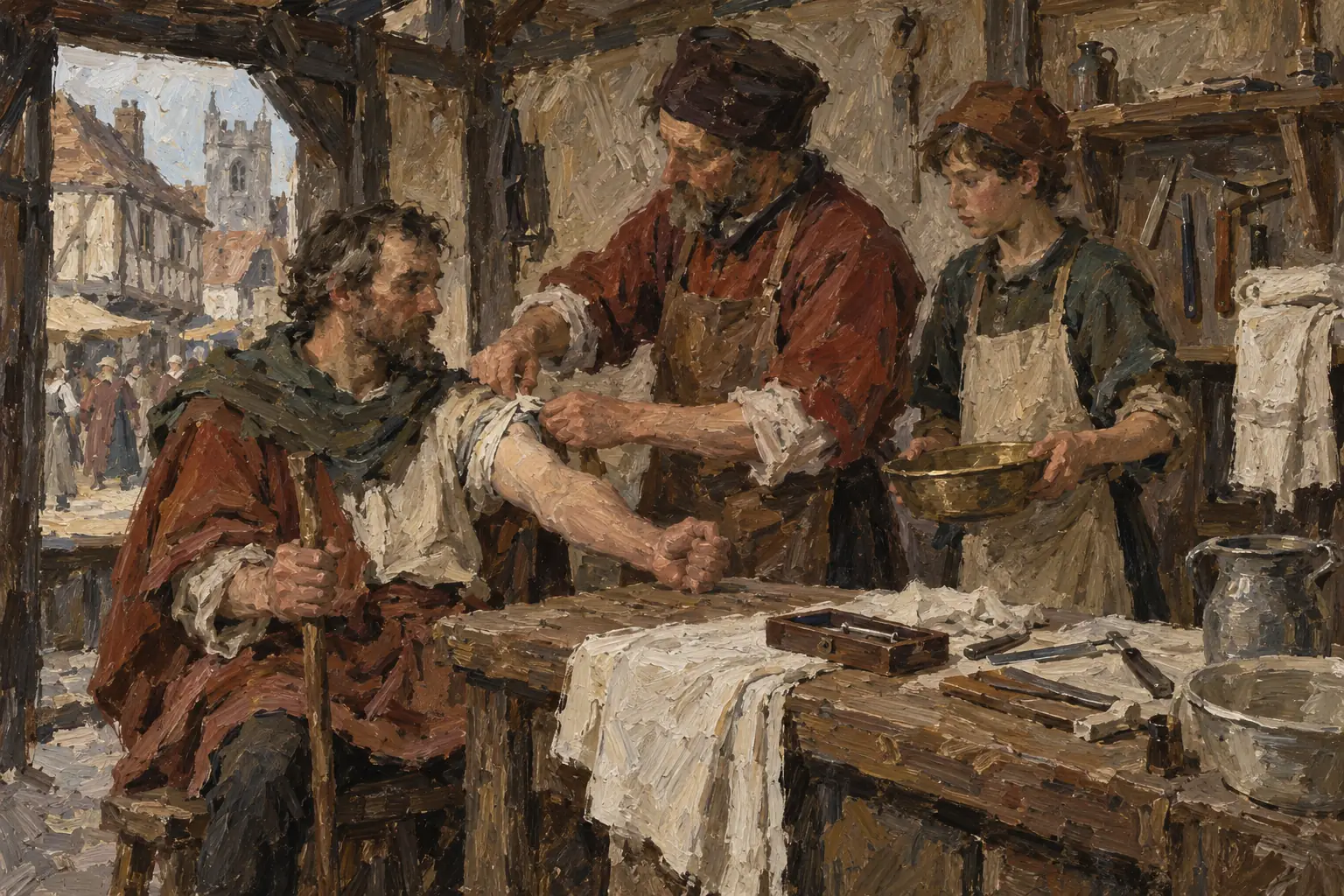
Treatments in the medieval period mixed natural remedies with spiritual practices, aiming to restore balance or seek divine favour. Practitioners often combined approaches, reflecting the era's blend of science, religion, and superstition.
Primary treatment approaches
- Bloodletting - Involved cutting veins or using leeches to remove excess blood, believed to rebalance humours and alleviate conditions like headaches or infections.
- Purging - Administered laxatives or emetics to expel harmful substances from the body, addressing imbalances caused by poor diet or miasma.
- Herbal remedies - Used plants and mixtures, such as willow bark for pain or garlic for infections, compounded by apothecaries or wise women to treat symptoms.
- Prayer and pilgrimage - Involved seeking healing through religious devotion, such as visiting shrines or offering prayers, especially for illnesses seen as God's will.
Diagnostic approaches in medieval medicine
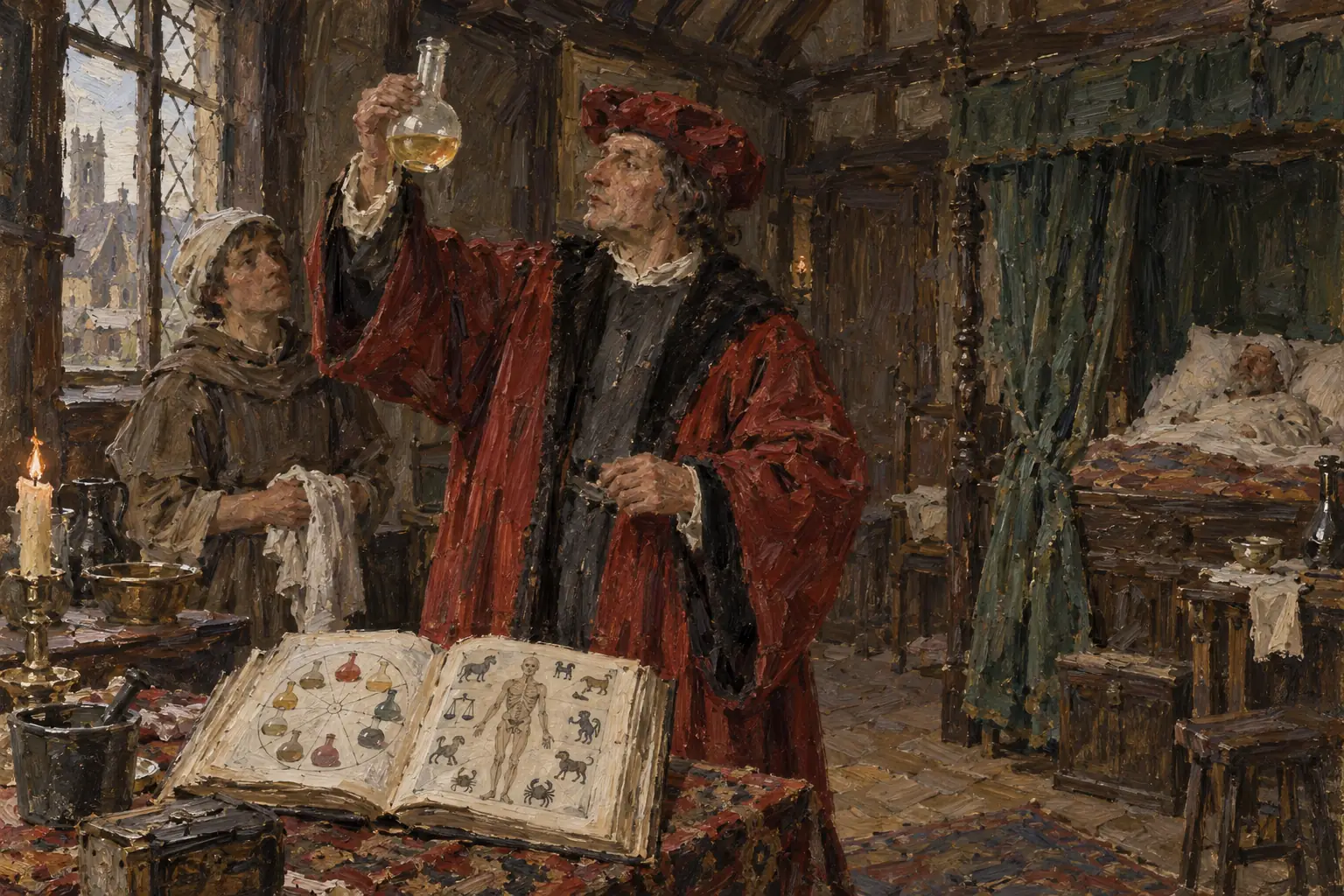
Diagnosis relied on a combination of observation, traditional tools, and astrological insights, limited by the era's scientific knowledge. These methods often integrated natural and supernatural elements, allowing for personalised but inconsistent assessments.
Tools and methods for diagnosis
- Urine charts - Physicians examined the colour, smell, and taste of urine to identify humoural imbalances, using detailed charts to match symptoms to conditions.
- Zodiac charts - Astrological diagrams helped determine the best times for treatments by aligning them with planetary positions, influencing decisions on procedures like bloodletting.
- Mixed influences - Religion and superstition shaped interpretations, with diagnoses sometimes incorporating prayer or charms alongside physical checks, highlighting the coexistence of varied approaches in practice.