2.2 - Membership, Powers & Agencies in Practice
Key facts and dates
The League of Nations, established after the First World War, experienced fluctuating membership that reflected global tensions, while its powers and agencies addressed both security and humanitarian issues. These elements highlight the organisation's strengths in welfare work against its weaknesses in maintaining peace.
Timeline of key events
- 1919 – League founded with original major members including Japan and Italy; the USA never joins.
- 1926 – Germany admitted as a member, marking progress in European reconciliation.
- 1933 – Germany withdraws under Nazi leadership, signalling rising aggression.
- 1934 – The USSR joins, briefly expanding the League's reach.
- 1930s – Japan and Italy leave after facing League criticism for invasions.
- 1939 – The USSR expelled following its attack on Finland.
Changes in the League of Nations' membership
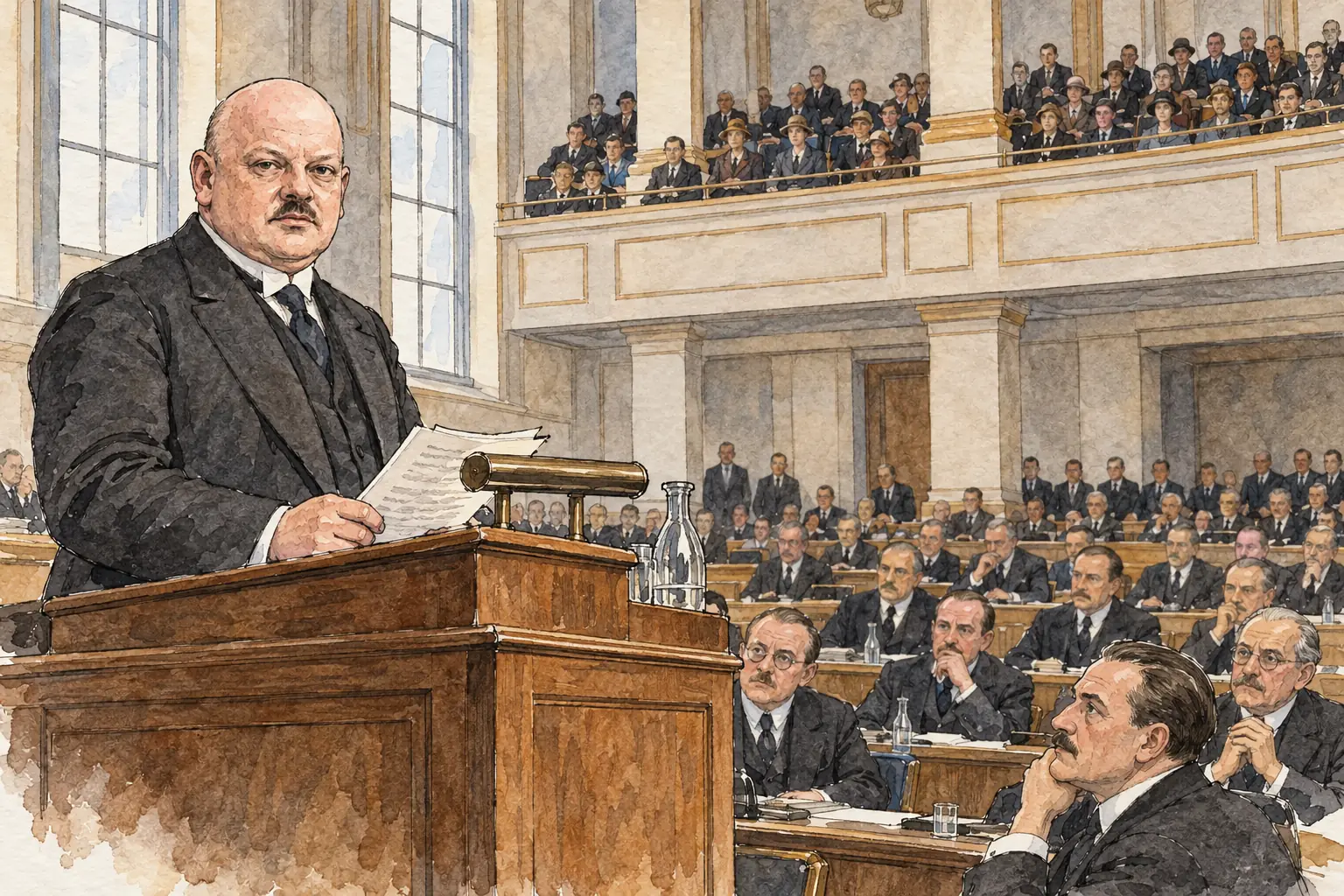
The League of Nations, formed in 1919 to promote international cooperation and peace, saw significant shifts in its membership during the interwar period. These changes often mirrored broader geopolitical tensions and undermined the organisation's effectiveness.
Key membership developments
- Absence of the USA - Despite President Wilson's role in its creation, the United States never joined due to domestic opposition, weakening the League from the start by excluding a major power.
- Germany's involvement - Admitted in 1926 as part of efforts to integrate it into global affairs, Germany withdrew in 1933 under Hitler, who rejected disarmament and pursued rearmament.
- The USSR's brief membership - The Soviet Union joined in 1934 amid concerns over German aggression but was expelled in 1939 after invading Finland, highlighting the League's inconsistent handling of powerful states.
- Withdrawals by Japan and Italy - Both were founding major members but left in the 1930s; Japan departed after condemnation for invading Manchuria, while Italy exited following criticism of its Ethiopian campaign, further eroding the League's authority.
Powers of the League
The League of Nations lacked its own military but relied on collective actions by member states to enforce decisions. Its powers were primarily diplomatic and economic, aimed at resolving disputes peacefully, though they proved limited in practice against determined aggressors.
Main powers available to the League
| Power | Description |
|---|---|
| Moral condemnation | The League could publicly criticise aggressive actions through resolutions, aiming to shame nations into compliance and rally international opinion. |
| Economic sanctions | Member states could impose trade restrictions, such as boycotts, to pressure violators economically without resorting to war. |
| Military force | In theory, the League could call on members to provide armed forces for collective security, but it had no standing army, making this dependent on voluntary cooperation which often failed. |
Work of the League's agencies
Image 1 of 2: Nansen passports, issued from 1922, gave stateless refugees papers that let them travel and work
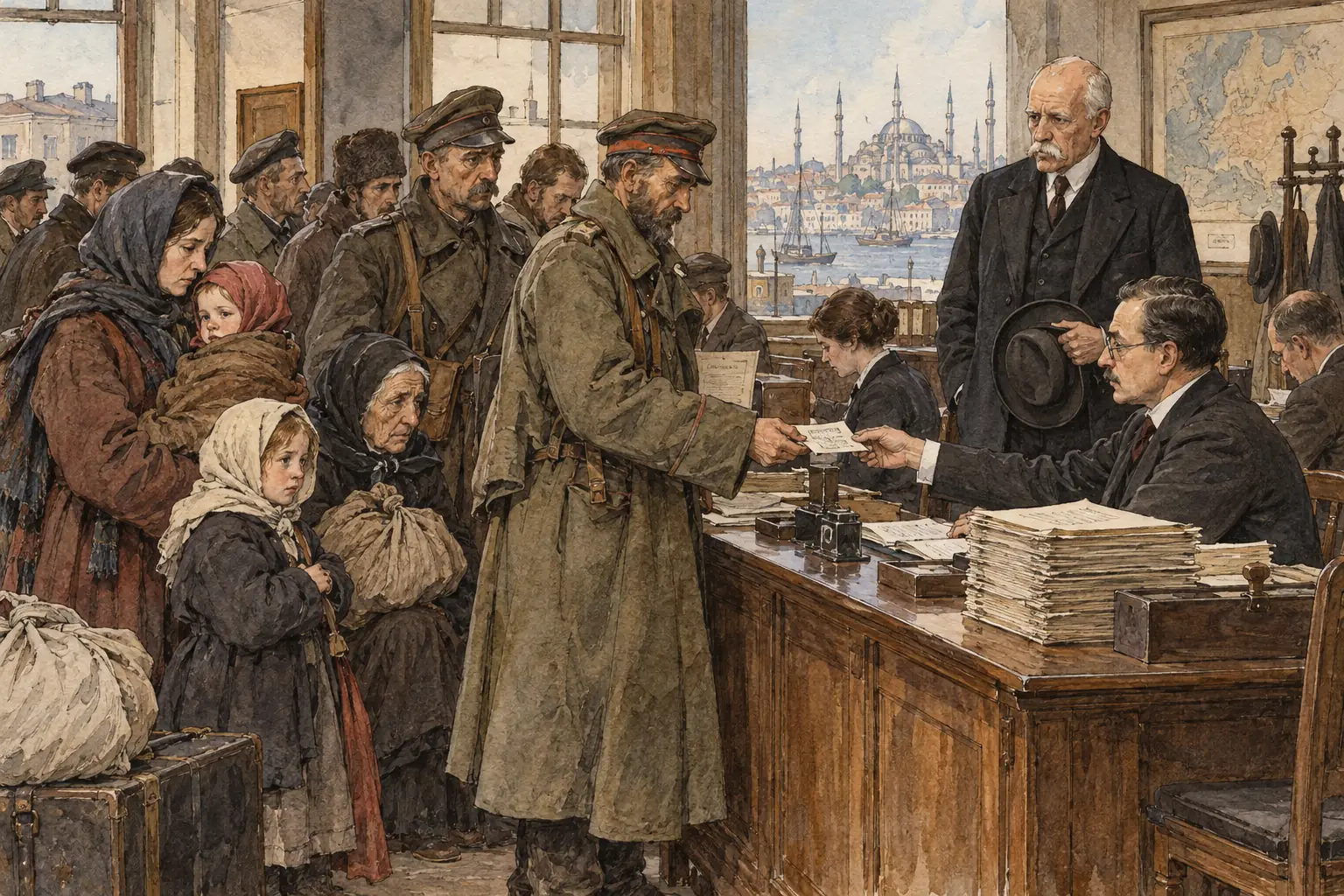
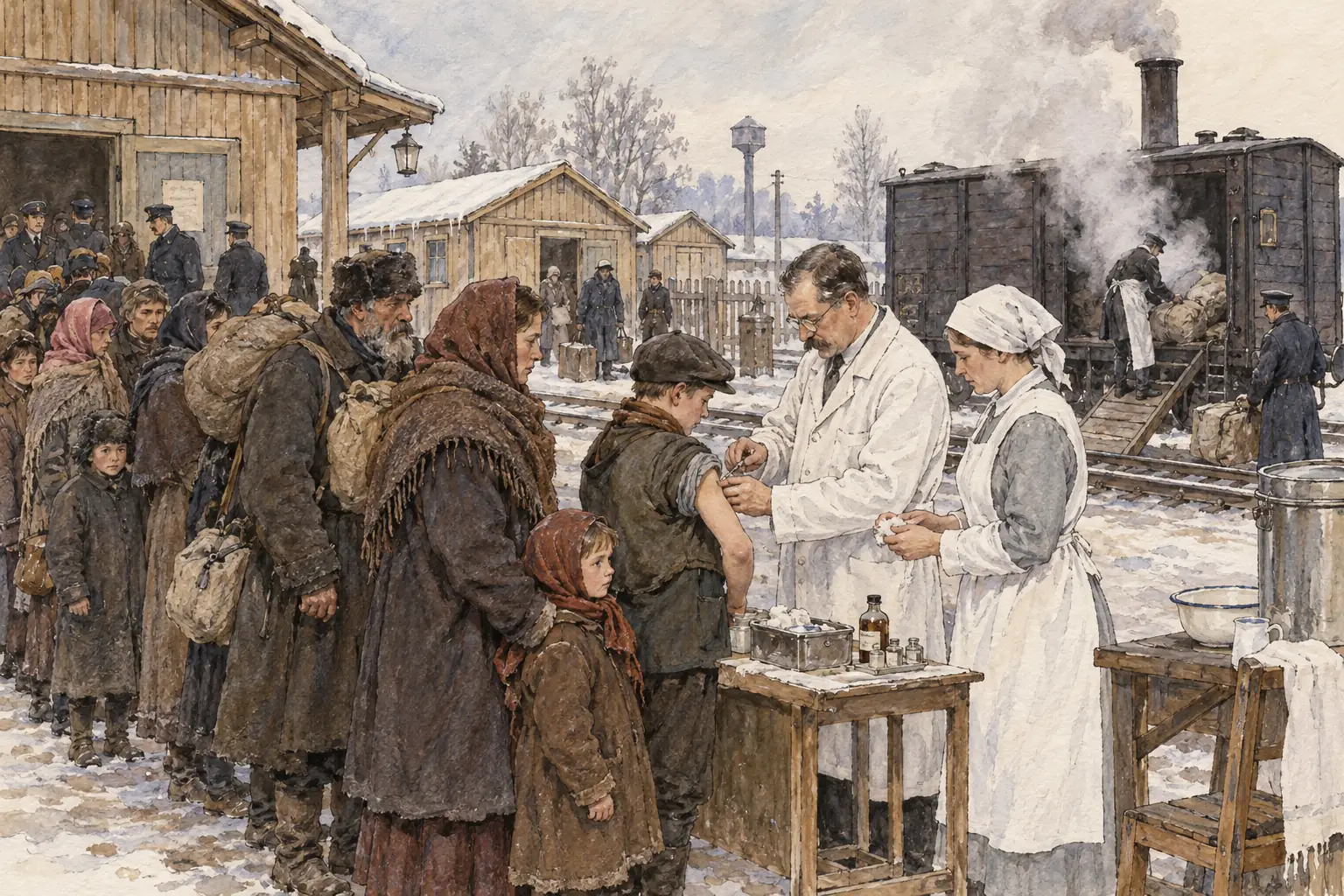
Despite failures in preventing major conflicts, the League of Nations achieved notable successes through its specialised agencies, which focused on humanitarian and social issues. These efforts provided lasting models for international cooperation in welfare and oversight.
Key achievements of League agencies
| Agency | Key achievements |
|---|---|
| Refugees committee | Led initiatives to assist displaced people, including issuing Nansen passports that enabled stateless refugees to travel and work across borders. |
| Health organisation | Worked on global disease prevention, coordinating efforts to control epidemics and improve public health standards worldwide. |
| Commission on slavery | Investigated and campaigned against forced labour, contributing to reductions in slavery practices in various regions. |
| International Labour Organization (ILO) | Promoted workers' rights by setting standards for fair wages, working hours, and conditions, influencing labour laws internationally. |
| Mandates commission | Oversaw former colonies of defeated powers, ensuring they were administered fairly and prepared for eventual independence, with reports on progress submitted regularly. |
These humanitarian successes endured even as the League's security mechanisms weakened, laying groundwork for future bodies like the United Nations.