2.3 - The League in the 1920s: Successes & Failures
Key facts and dates
The League of Nations, established in 1919 to promote peace and prevent future wars, faced mixed results in the 1920s when resolving international disputes. While it achieved some successes with smaller nations, it struggled against the influence of major powers, revealing structural weaknesses in its authority.
Timeline of key events
- 1920 – Vilna dispute arises, with Poland seizing the city despite League protests, highlighting early enforcement failures.
- 1921 – Åland Islands crisis resolved peacefully, awarding the territory to Finland after League mediation.
- 1921 – Upper Silesia plebiscite leads to partition between Germany and Poland, managed by the League.
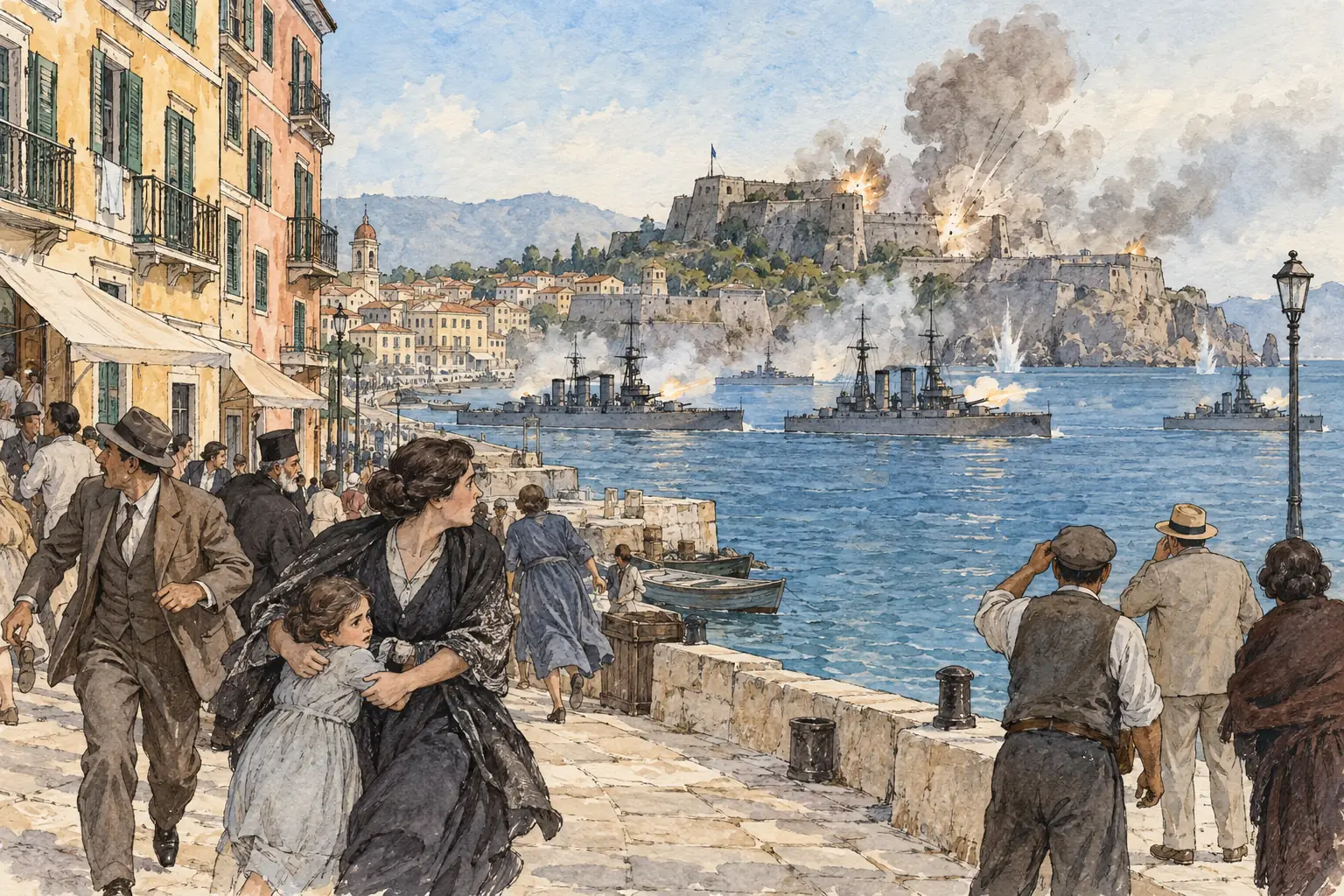
- 1923 – Corfu incident sees Italy bombarding Greek territory; League's authority undermined by external great-power intervention.
- 1925 – Greek invasion of Bulgaria halted through swift League mediation, preventing escalation.
Successful resolutions with smaller states
Image 1 of 3: A League commission visited the Åland Islands before the League awarded them to Finland in 1921
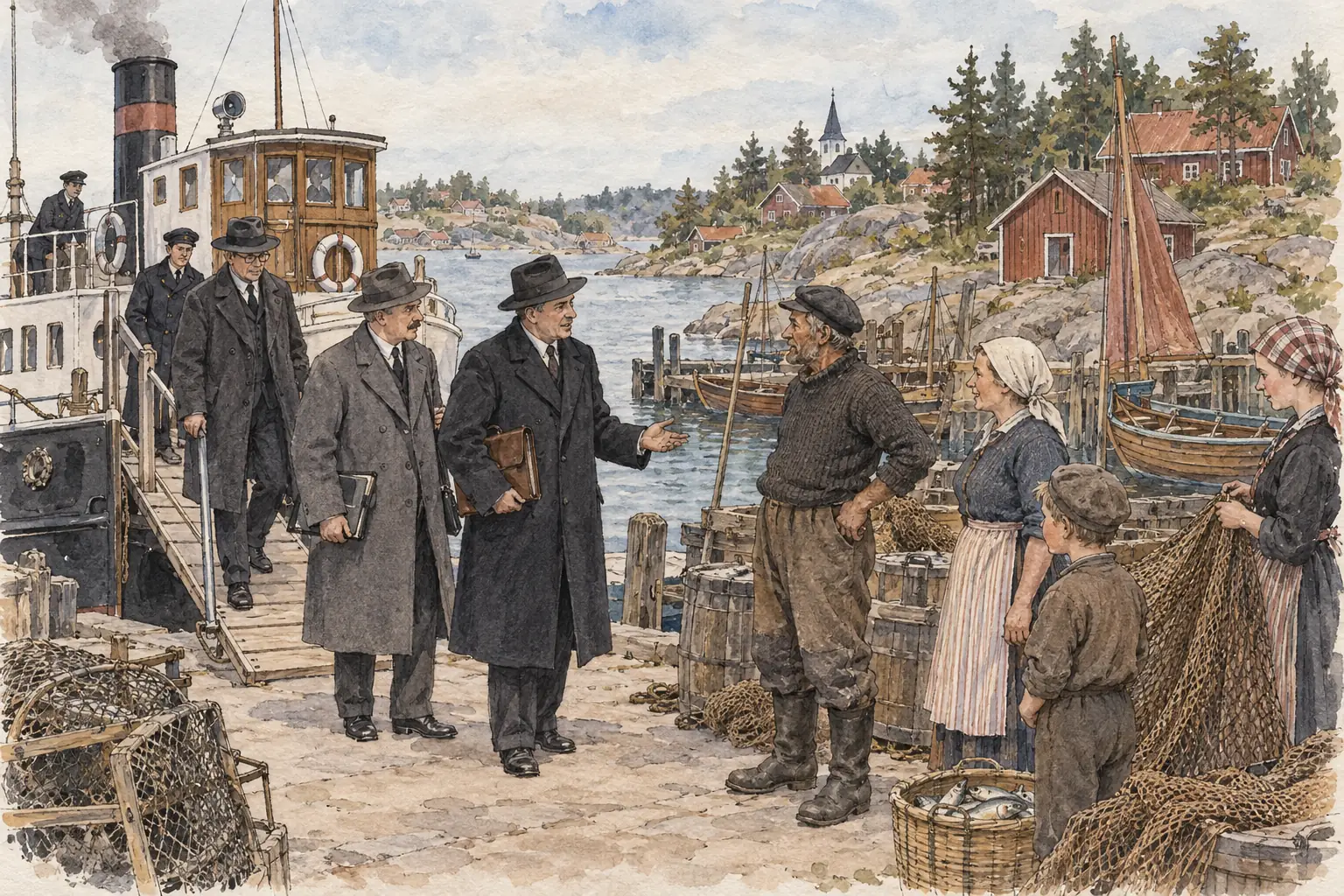
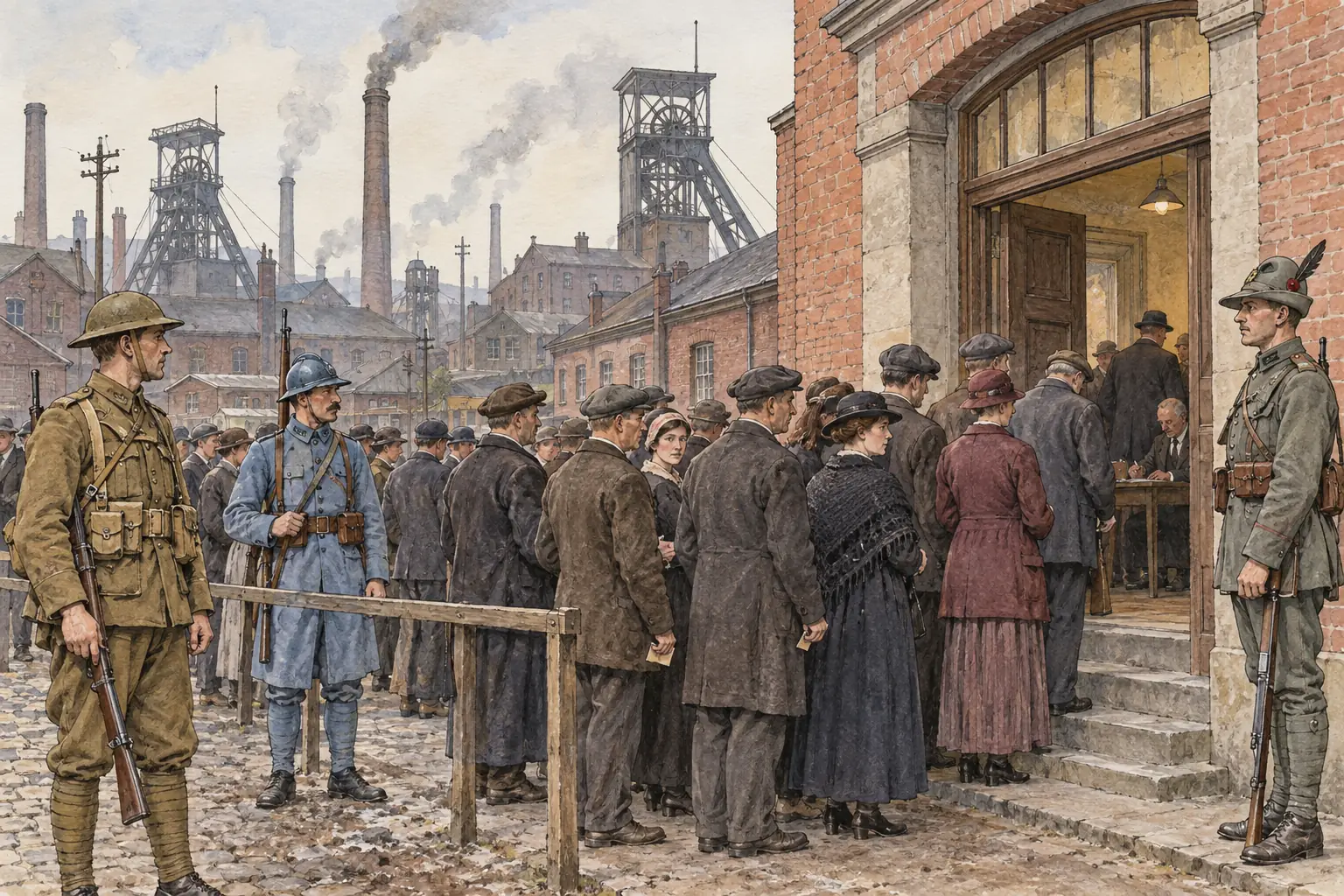
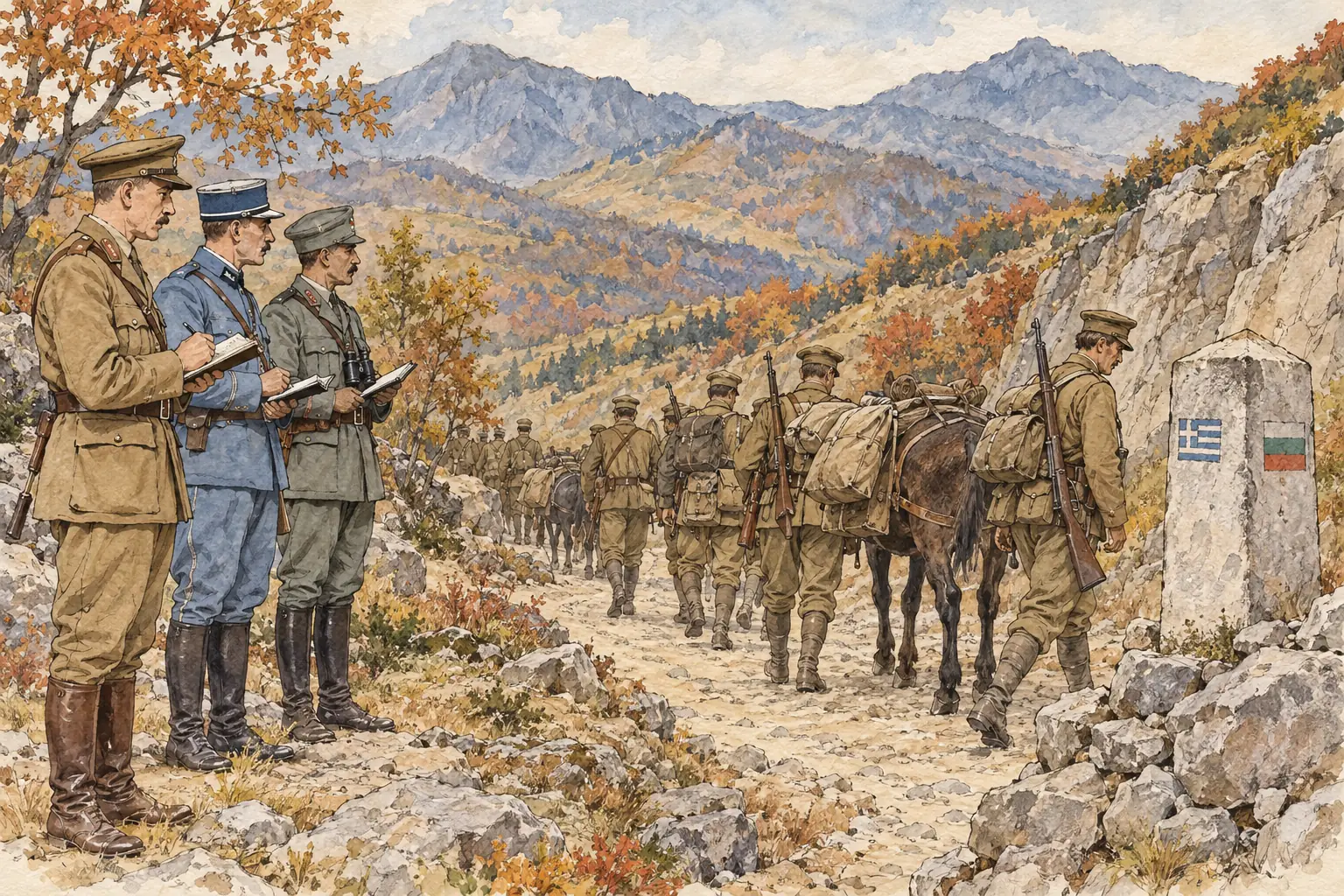
The League of Nations demonstrated effectiveness in the 1920s when dealing with conflicts between smaller countries, often achieving peaceful outcomes through mediation and arbitration. These cases highlighted the organisation's potential to enforce collective security when all parties were willing to cooperate.
The Åland Islands dispute (1921)
- Background - The islands, located between Sweden and Finland, were claimed by both nations after Finland's independence, with the local population favouring Sweden.
- League's role - The League investigated and ruled in favour of Finland, but with guarantees for the islands' autonomy and Swedish cultural rights.
- Outcome - Both countries accepted the decision, leading to a peaceful settlement without violence, showcasing the League's ability to mediate effectively among smaller states.
The Upper Silesia plebiscite (1921)
- Background - This industrial region was contested between Germany and Poland following the Treaty of Versailles, requiring a vote to determine its future.
- League's role - The League organised a plebiscite, supervised the voting process, and proposed a partition based on the results, dividing the area economically.
- Outcome - Despite some tensions, the solution was implemented orderly, with international troops maintaining peace, demonstrating the League's capacity for complex but fair resolutions.
The Bulgarian crisis (1925)
- Background - Greece invaded Bulgaria after a border incident, threatening regional stability.
- League's role - The League quickly condemned the invasion, demanded withdrawal, and threatened sanctions, facilitating mediation.
- Outcome - Greece complied, paying compensation to Bulgaria, which prevented a wider conflict and illustrated the League's strength in timely intervention against smaller aggressors.
Failures in handling conflicts with major powers
Image 1 of 2: Polish troops seized Vilna in October 1920 and kept it, even though the League called on them to withdraw
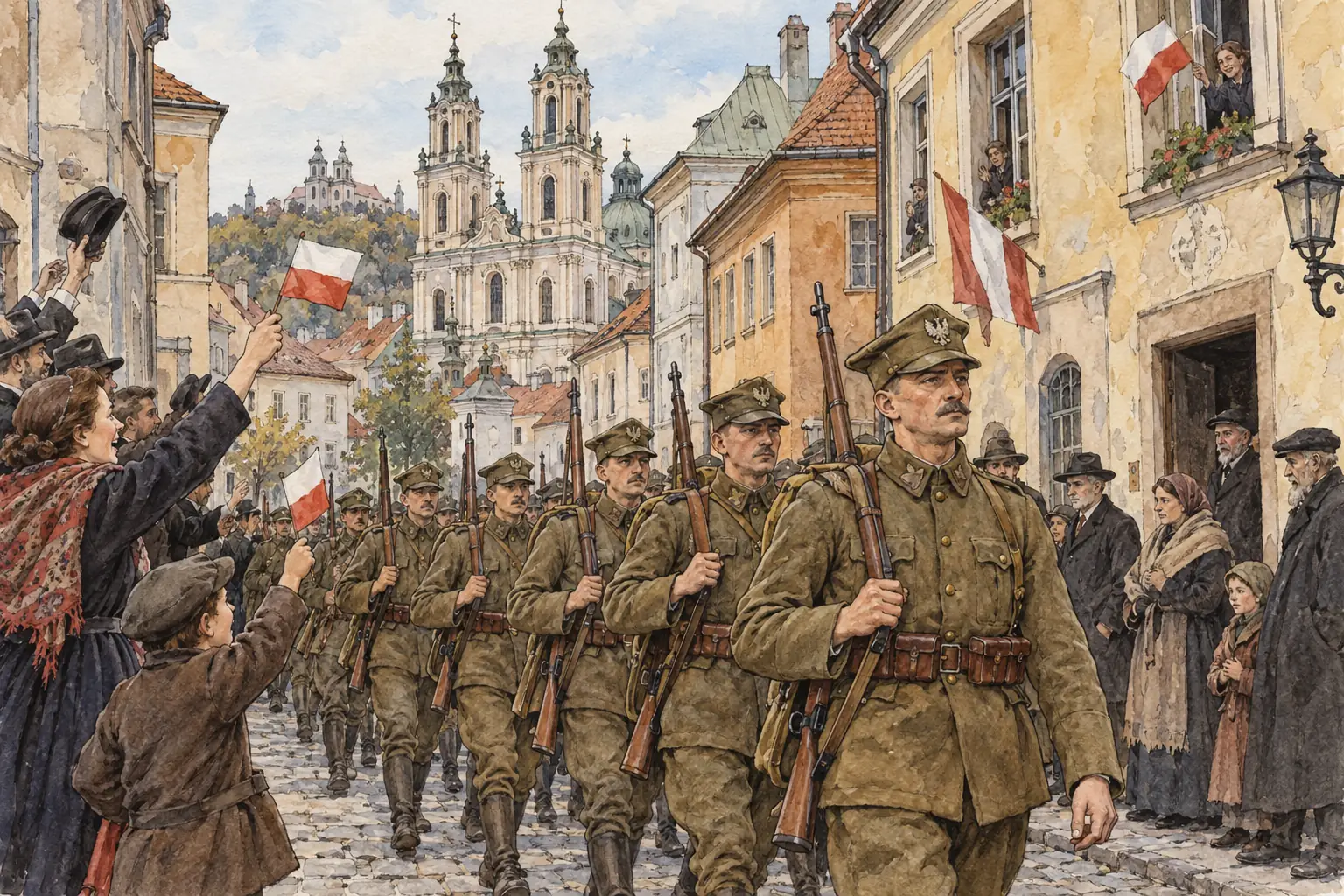
In contrast to its successes with smaller nations, the League often proved ineffective when major powers were involved, as these countries could ignore or bypass its authority. This exposed the organisation's reliance on moral persuasion rather than enforceable power.
The Vilna dispute (1920)
- Background - Lithuania claimed Vilna as its capital, but Poland occupied the city, which had a majority Polish population.
- League's role - The League called for Polish withdrawal and proposed a plebiscite, but Poland refused to comply.
- Outcome - Poland retained control, and the League backed down, revealing its weakness in enforcing decisions against determined great powers and setting a precedent for future defiance.
The Corfu incident (1923)
- Background - Italian forces bombarded and occupied the Greek island of Corfu after the murder of an Italian general on Greek soil.
- League's role - The League attempted to mediate, but Italy, under Mussolini, rejected its involvement and pressured Greece directly.
- Outcome - The dispute was resolved through external diplomacy involving Britain and France, outside the League's framework, with Greece paying compensation; this undermined the League's prestige and showed how major powers could coerce compliance without its help.
Patterns in effectiveness and limitations
Analysing the League's actions in the 1920s reveals clear patterns in its performance, influenced by the size and influence of the nations involved. These trends provide insight into the organisation's overall strengths and structural flaws.
Factors influencing League outcomes
- Compliance from small states - Smaller countries, lacking military might, often adhered to League decisions due to fear of isolation or sanctions, as seen in Bulgaria and the Åland Islands.
- Defiance by great powers - Major nations like Italy and Poland ignored the League when it suited them, exploiting its lack of an army and dependence on member cooperation.
- Role of external influences - In cases like Corfu, great-power diplomacy outside the League resolved issues, highlighting the organisation's limited authority without full support from powerful members.
Comparison of successes and failures
| Aspect | Successes (e.g., Åland, Upper Silesia, Bulgaria) | Failures (e.g., Vilna, Corfu) |
|---|---|---|
| Involved parties | Smaller states willing to negotiate | Major powers resisting authority |
| League methods | Mediation, plebiscites, swift intervention | Calls for withdrawal, condemned actions |
| Key outcomes | Peaceful settlements, maintained stability | Decisions ignored, resolutions bypassed |
| Broader implications | Boosted League's reputation in minor disputes | Exposed weaknesses, eroded confidence |