3.3 - Seminary & Jesuit Missions, 1570s-1580s
Key facts and dates
During the 1570s and 1580s, Catholic missionary efforts intensified in England, prompting the Elizabethan government to respond with increasingly severe measures to counter perceived threats to national security. These developments marked a shift from religious tolerance to stricter enforcement against recusancy.
Timeline of key events
- 1568 – English Seminary founded at Douai to train Catholic priests for missionary work in England.
- 1570 – Papal bull excommunicates Queen Elizabeth I, escalating tensions between Catholics and the state.
- 1571 – Treason Act makes it illegal to import or publish papal bulls.
- 1574 – First seminary priests arrive in England to minister to Catholic communities.
- 1580 – Jesuit mission begins, led by Edmund Campion and Robert Persons, focusing on spiritual renewal.
- 1581 – Act to Retain the Queen's Majesty's Subjects in Due Obedience increases fines for recusancy.
- 1585 – Act Against Jesuits and Seminary Priests declares their presence in England treasonous.
Douai Seminary and the seminary priests
Image 1 of 2: At the seminary founded at Douai in 1568, young Englishmen trained as Catholic priests
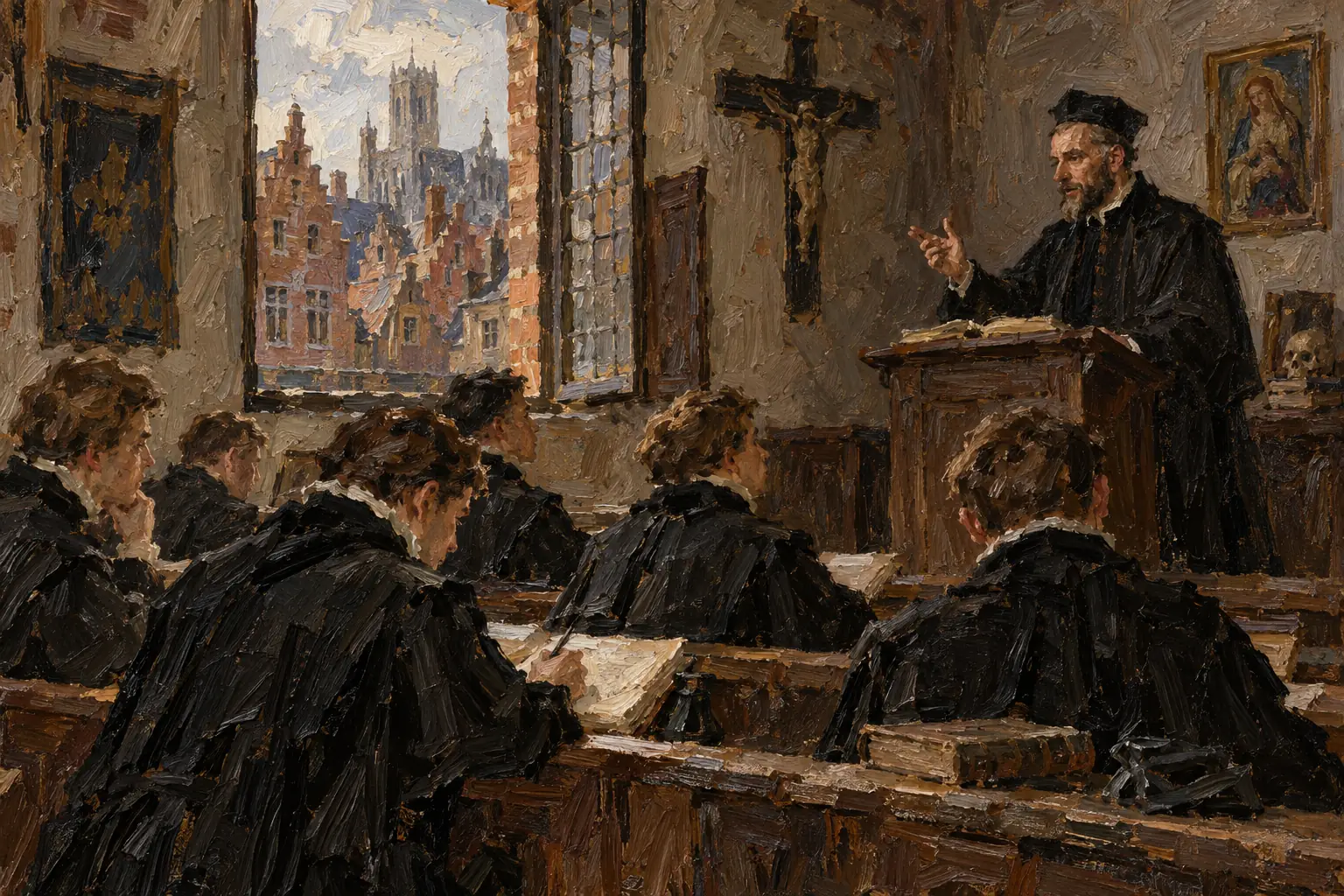
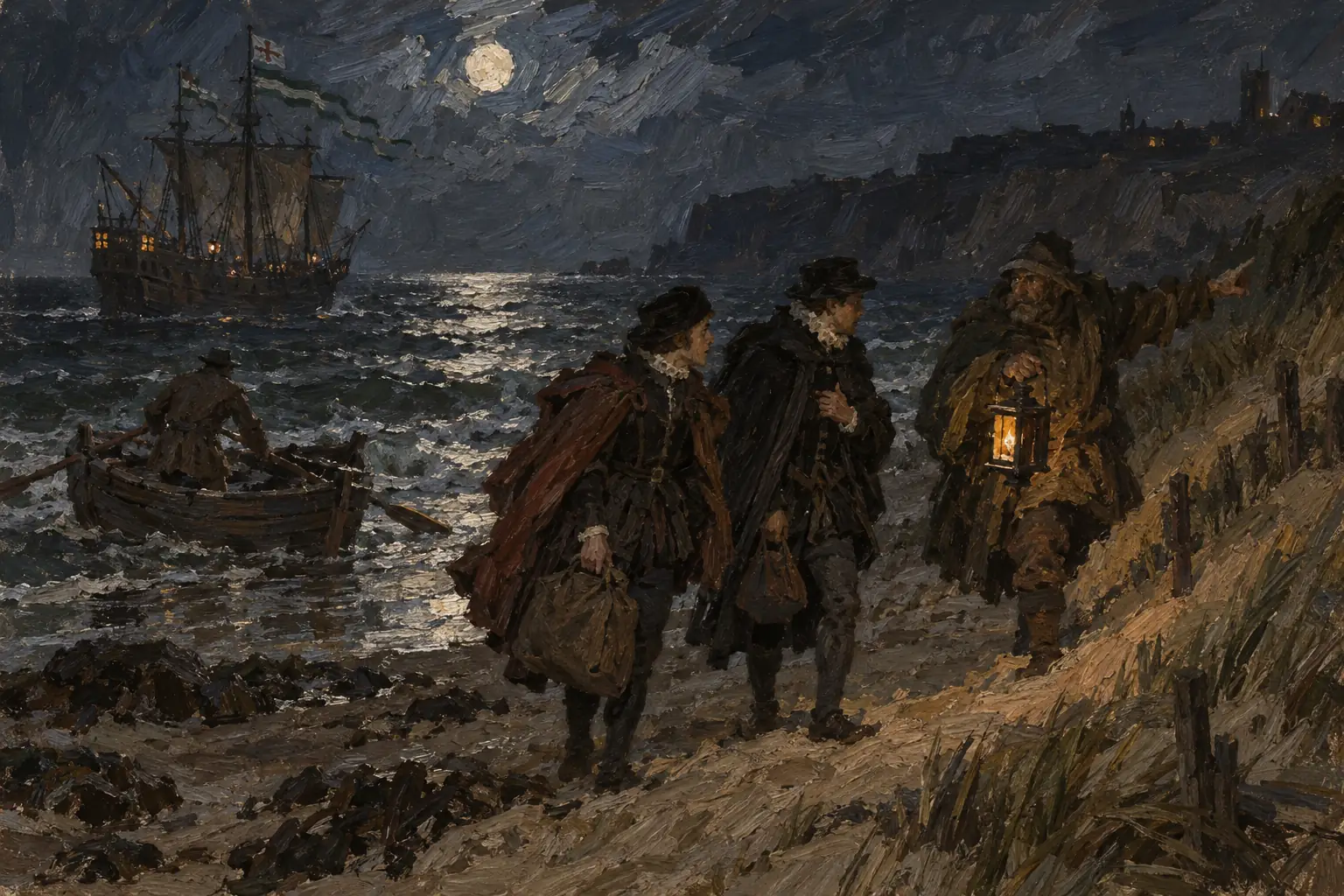
In response to the Protestant Reformation and the establishment of the Church of England, Catholic leaders sought ways to maintain their faith in England. A key initiative was the creation of a training centre abroad to prepare priests for clandestine work back home.
Establishment and purpose of the Douai Seminary
- Founding in 1568 - William Allen, an English Catholic exile, set up the seminary in Douai (then part of the Spanish Netherlands) to educate young men as priests, ensuring the continuation of Catholic worship despite restrictions in England.
- Training focus - Students received rigorous instruction in theology, Latin, and pastoral skills, preparing them to administer sacraments and support recusant communities without drawing attention from authorities.
- Arrival of priests from 1574 - The first group of trained seminary priests returned to England, operating secretly to celebrate Mass, hear confessions, and encourage Catholics to resist conformity to Protestant practices.
The 1580 Jesuit mission
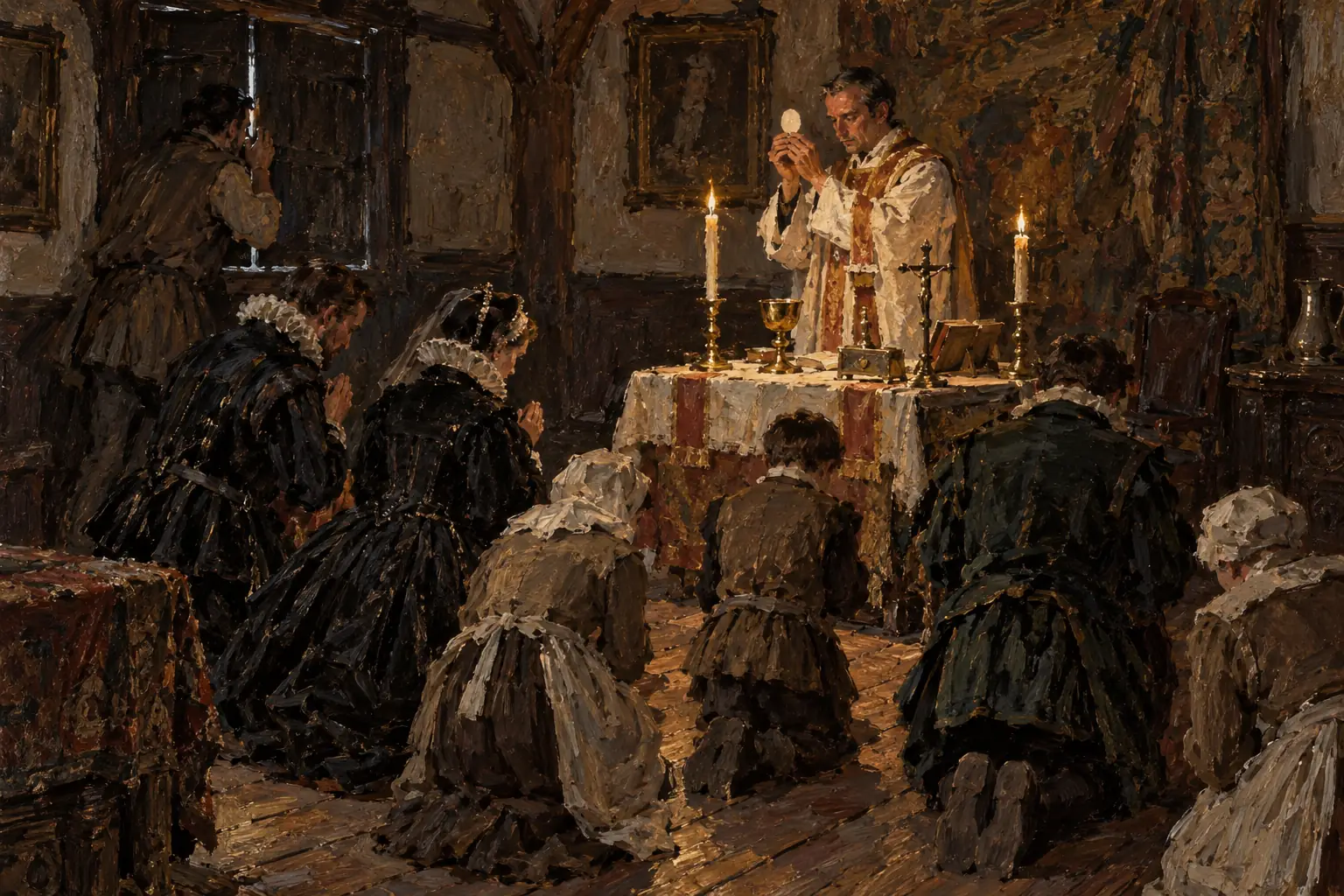
The Jesuit order, known for its disciplined approach to missionary work, launched a targeted effort in England to revive Catholicism. This mission combined spiritual objectives with practical strategies but aroused deep suspicions among government officials.
Aims and activities of the Jesuit mission
- Leadership and arrival - Edmund Campion and Robert Persons, both Jesuit priests, arrived in 1580 with instructions from Rome to focus on pastoral care, avoiding political involvement.
- Pastoral objectives - The mission aimed to strengthen Catholic faith through preaching, distributing religious texts, and providing sacraments in hidden locations, while also reconciling lapsed believers and training local supporters.
- Government suspicions - Authorities viewed the Jesuits as agents of foreign powers, particularly Spain and the Pope, fearing they encouraged subversion or plots against Queen Elizabeth I, leading to intense scrutiny and arrests.
Laws against Catholics and seminary priests
As Catholic missionary activities grew, the Elizabethan government introduced progressively harsher legislation to suppress recusancy and perceived threats. These laws targeted both religious practices and the presence of missionary priests.
Key legislative measures
- 1571 Treason Act - This law criminalised the importation, publication, or possession of papal bulls, treating such actions as treason to prevent the spread of Catholic decrees like the 1570 excommunication of Elizabeth I.
- 1581 Act to Retain the Queen's Majesty's Subjects in Due Obedience - It imposed steeper fines for recusancy (refusal to attend Protestant services), rising to £20 per month, and made it treason to convert others to Catholicism or withhold information about such conversions.
- 1585 Act Against Jesuits and Seminary Priests - This statute declared the mere presence of Jesuit or seminary priests in England as treason, punishable by death, and required them to leave the country or face execution.
Catholic survival and government surveillance
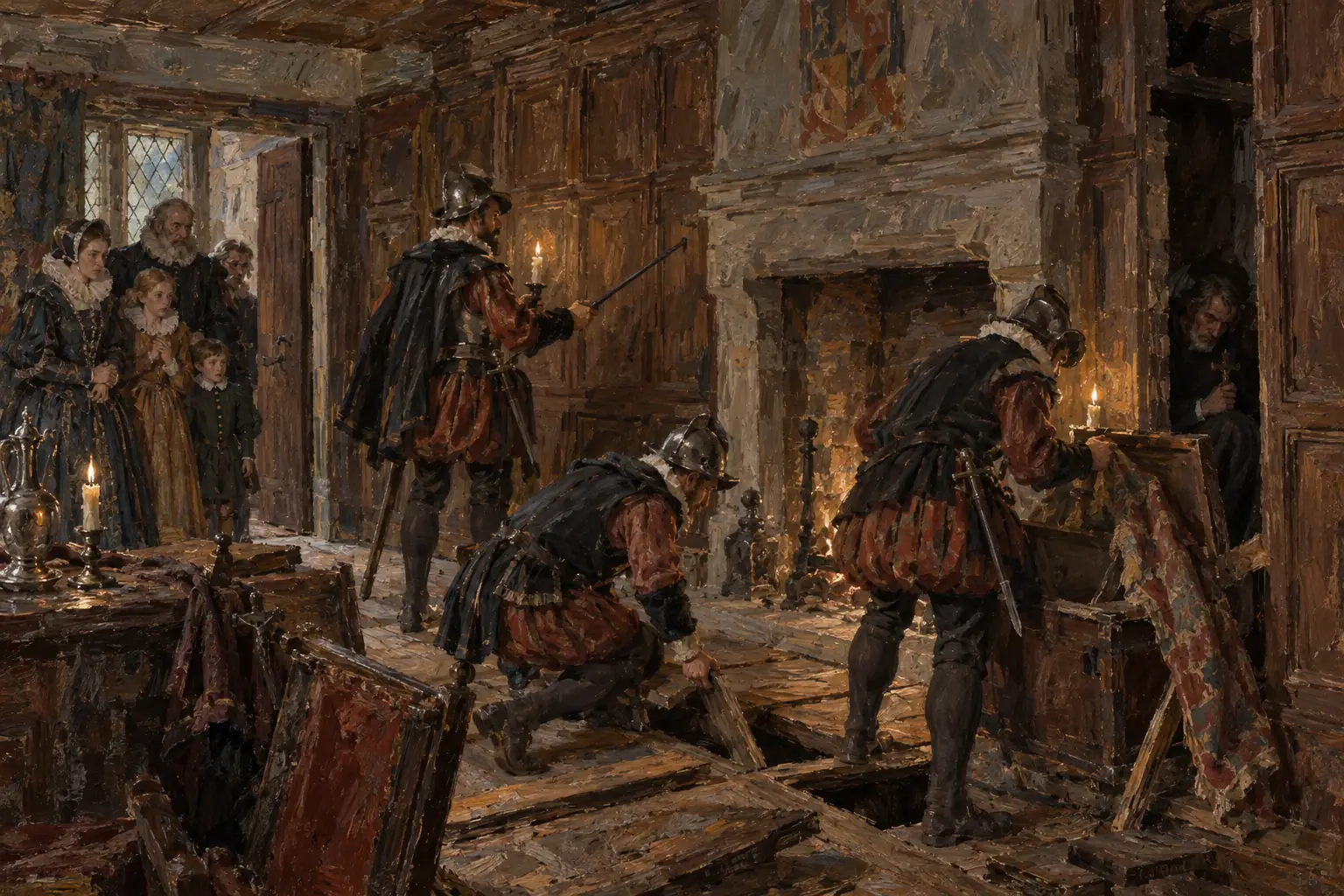
Catholic priests and their supporters developed ingenious methods to evade detection, while the government built a sophisticated network to track and apprehend them. This cat-and-mouse dynamic defined the period's religious conflict.
Catholic survival strategies and government countermeasures
| Aspect | Catholic measures | Government responses |
|---|---|---|
| Hiding priests | Priest-holes – secret compartments built into homes (e.g., in chimneys or under floors) to conceal priests during searches | Walsingham's intelligence network – a system of spies and informers led by Francis Walsingham to monitor Catholic activities and gather evidence |
| Clandestine operations | Priests disguised as ordinary citizens, travelling between safe houses to conduct services | Use of informers – paid individuals who infiltrated Catholic circles to report on meetings and priest locations |
| Support networks | Recusant families provided shelter, funds, and assistance for missionary work | House searches and raids – authorised by laws to uncover hidden priests and religious items |
Turning points in policy: 1570 and 1580
Certain events in the 1570s and 1580s represented pivotal shifts in the Elizabethan government's approach to Catholicism, moving from relative leniency to aggressive persecution. These moments heightened the perceived threat and justified stricter controls.
Significance of key turning points
- 1570 papal excommunication - Pope Pius V's bull Regnans in Excelsis declared Elizabeth I a heretic and released Catholics from allegiance to her, prompting the government to view all Catholics as potential traitors and leading to the 1571 Treason Act.
- 1580 Jesuit mission - The arrival of Campion and Persons intensified fears of organised Catholic resistance, seen as linked to international plots; this directly influenced the 1581 and 1585 acts, marking a transition to treating missionary presence as inherently subversive.
- Overall impact - These events transformed policy from sporadic enforcement to systematic repression, balancing religious uniformity with national security concerns amid threats from Catholic Europe.