3.4 - Catholic Plots, Laws & Government Response
Key facts and dates
Catholic plots during Elizabeth I's reign posed significant threats to her Protestant settlement, often involving plans for her assassination and Catholic restoration with foreign support. These conspiracies, peaking in the 1580s, prompted stricter government measures to maintain stability. The timeline below outlines the major plots and key responses.
Timeline of key events
- 1570 – Papal bull Regnans in Excelsis excommunicates Elizabeth, encouraging Catholic rebellion.
- 1571 – Ridolfi Plot uncovered, aiming to depose Elizabeth with Spanish aid.
- 1583 – Throckmorton Plot exposed, involving French and Spanish support for invasion.
- 1584 – Bond of Association created to protect Elizabeth from assassination attempts.
- 1585 – Act against Jesuits and seminary priests passed, making their presence treasonous.
- 1586 – Babington Plot revealed, leading to Mary Queen of Scots' execution.
- 1587 – Execution of Mary Queen of Scots following her implication in plots.
- 1588 – Spanish Armada defeated, marking the peak and decline of Catholic threats.
The main Catholic plots against Elizabeth I
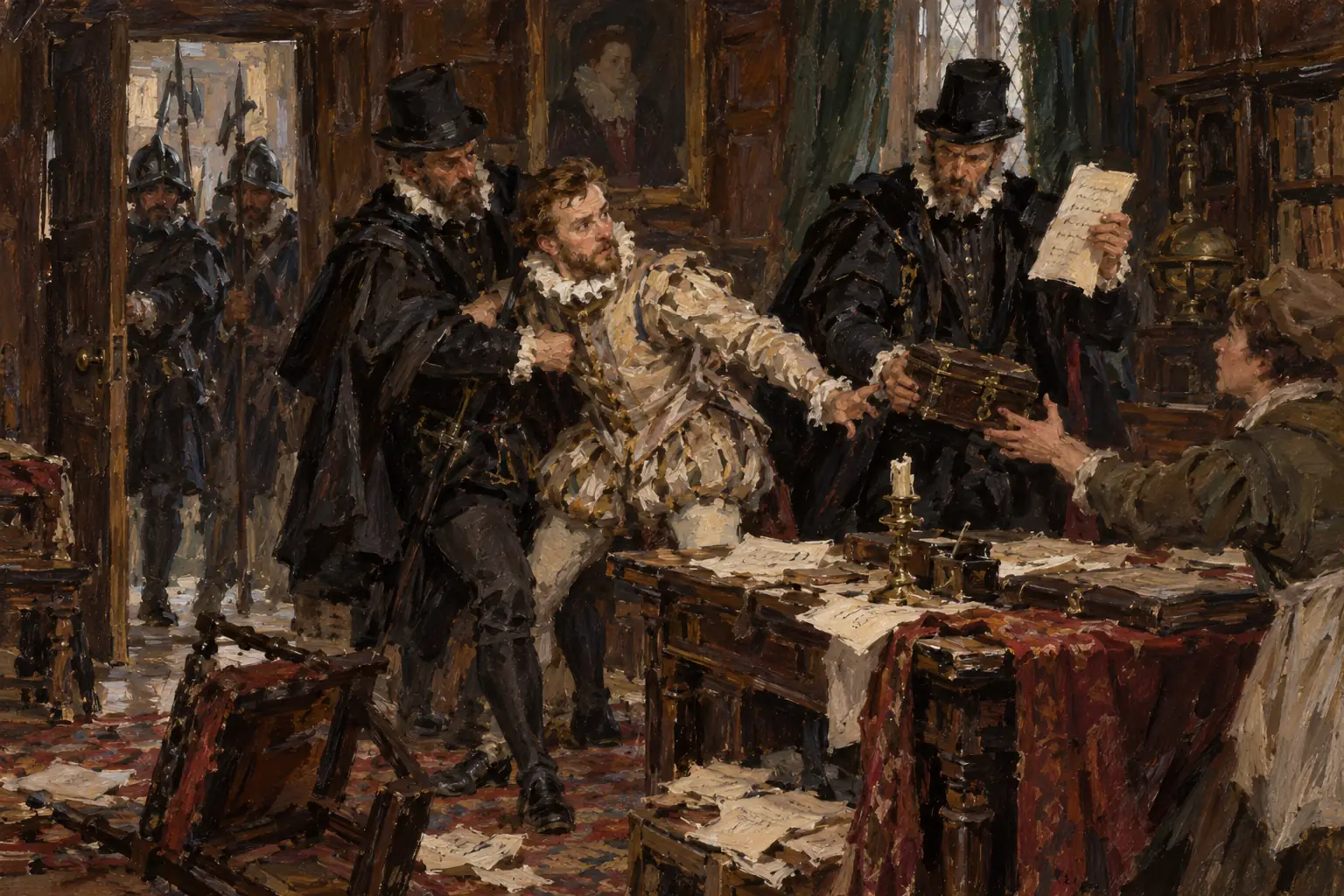
Several major conspiracies emerged during Elizabeth I's reign, driven by Catholic desires to restore the old faith and remove the Protestant queen. These plots often involved foreign powers like Spain and France, seeking to install Mary Queen of Scots or another Catholic figure on the throne.
Details of the key plots
| Plot | Details |
|---|---|
| Ridolfi Plot (1571) | Led by Italian banker Roberto Ridolfi, this scheme aimed to assassinate Elizabeth and spark a Catholic uprising supported by Spanish troops under the Duke of Alba. It involved English nobles like the Duke of Norfolk and sought papal backing, but was exposed through intercepted messages. |
| Throckmorton Plot (1583) | Organised by Francis Throckmorton, a Catholic agent, the plan included assassinating Elizabeth, freeing Mary Queen of Scots, and facilitating a French-backed invasion by the Duke of Guise. Spanish involvement was also suspected, with communications linking plotters across Europe. |
| Babington Plot (1586) | Anthony Babington, a young Catholic, conspired to kill Elizabeth and place Mary on the throne with Spanish military aid. The plot featured coded letters to Mary, who endorsed the assassination, providing evidence that sealed her fate. |
Walsingham's methods in exposing conspiracies
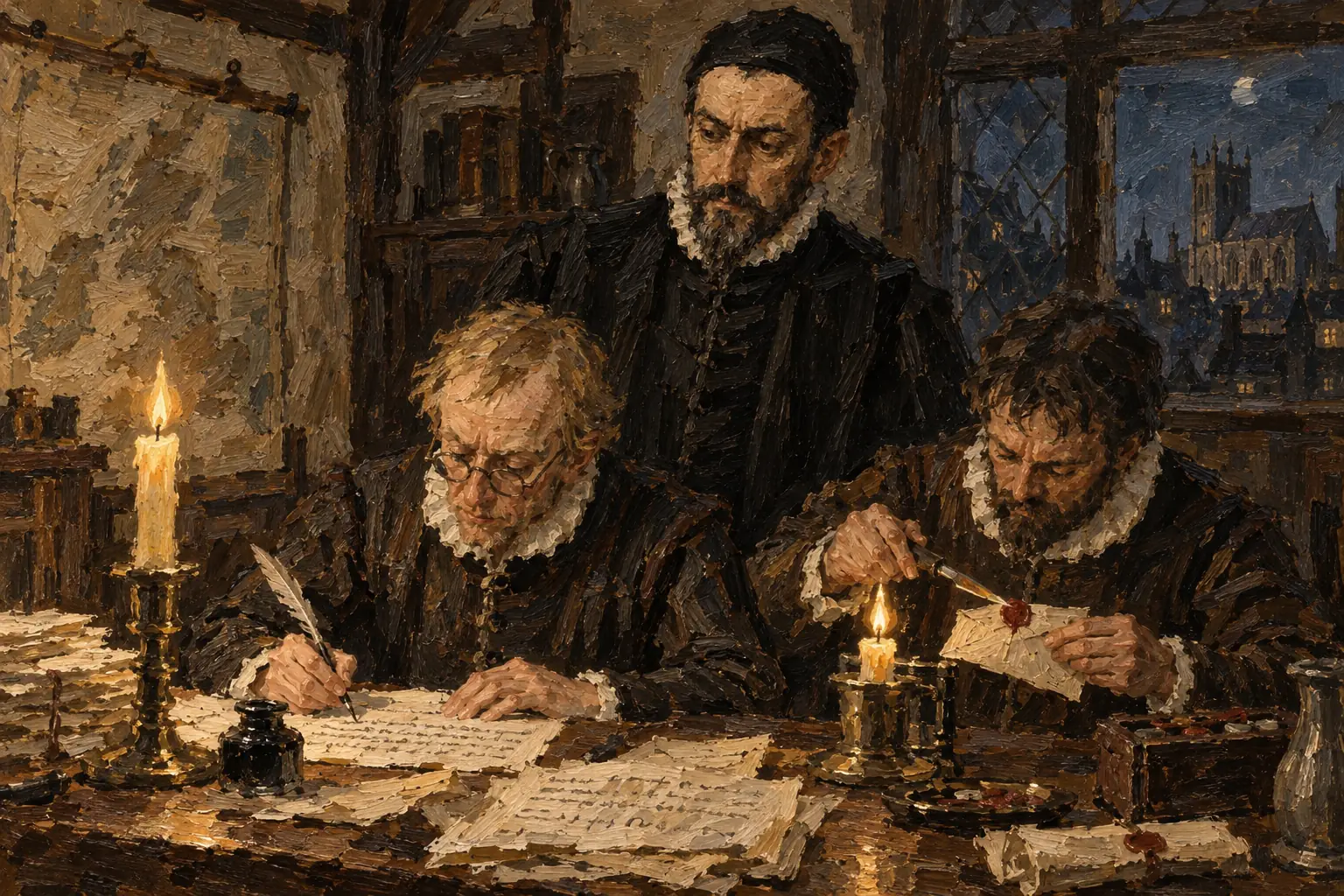
Francis Walsingham, Elizabeth's principal secretary and spymaster, developed a sophisticated intelligence network to uncover Catholic threats. His tactics combined technology, deception, and infiltration to dismantle plots before they could succeed.
Key techniques used by Walsingham
| Technique | Description |
|---|---|
| Cipher interception | Walsingham's agents seized and decoded encrypted letters between conspirators, such as those in the Babington Plot, revealing plans and implicating key figures like Mary Queen of Scots. |
| Agents provocateurs | Undercover operatives posed as sympathisers to encourage plotters to reveal their intentions, drawing out confessions or evidence that could be used in trials. |
| Entrapment | By planting false information or forging responses in intercepted messages, Walsingham lured suspects into incriminating themselves, as seen in the manipulation of Babington's correspondence to secure Mary's explicit approval. |
Government response through laws and surveillance
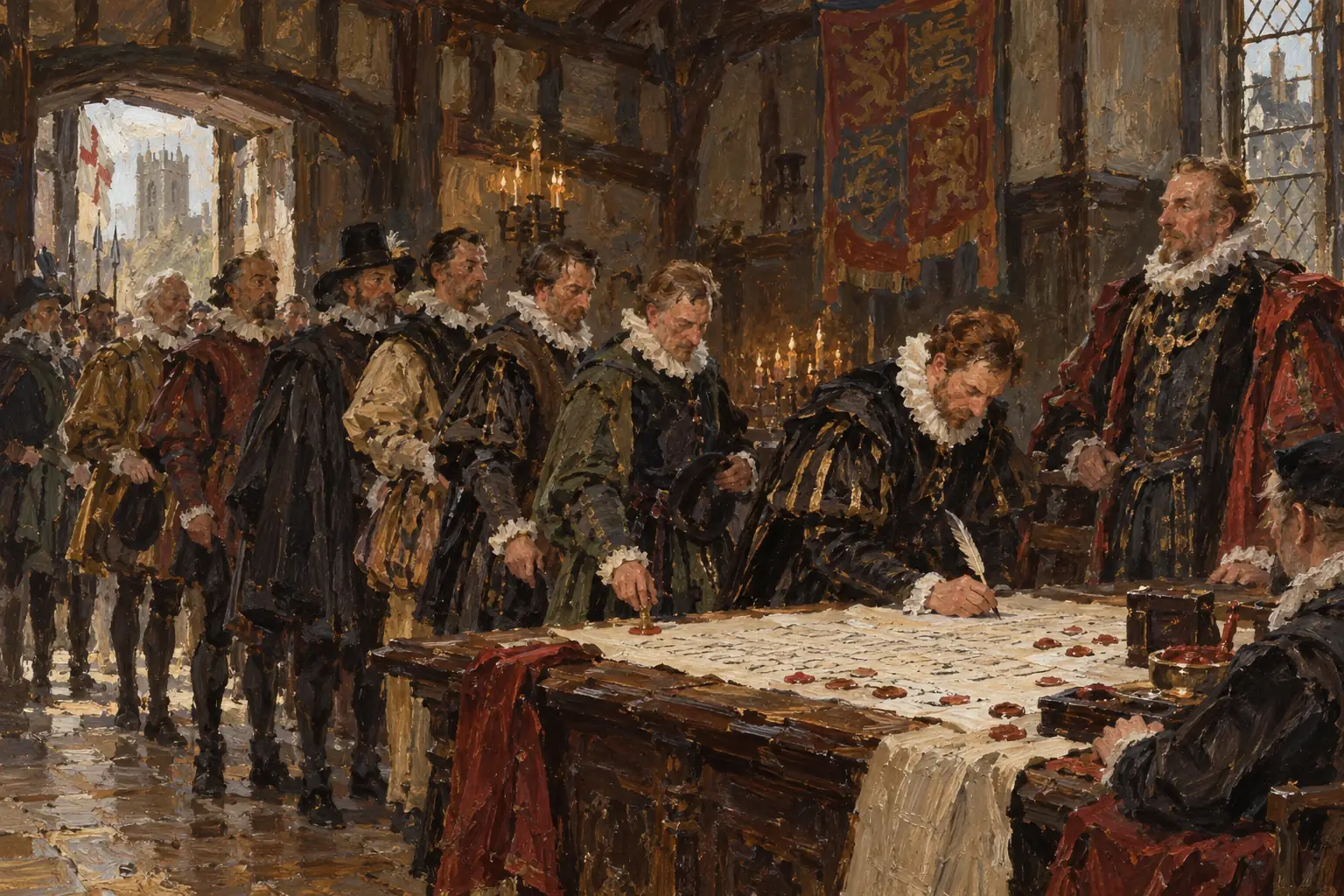
As Catholic plots intensified, Elizabeth's government introduced tougher measures to protect the religious settlement and suppress dissent. These responses included legal reforms, increased monitoring, and public campaigns to rally support.
Harsher statutes and legal measures
- Acts against Catholics - Laws like the 1585 Act made it treason for Jesuits or seminary priests to enter England, with penalties including death, aiming to curb foreign-trained clergy who fuelled unrest.
- Bond of Association (1584) - This voluntary pledge required signatories to execute anyone who attempted to harm Elizabeth, effectively authorising vigilante action against suspected plotters.
- Propaganda efforts - Government pamphlets and sermons portrayed Catholics as traitors, emphasising loyalty to the queen and Protestant faith to build public opposition to conspiracies.
Enhanced surveillance methods
- Spy networks - Walsingham expanded a system of informants across England and Europe to monitor Catholic activities, including searches of homes and ports for hidden priests or seditious materials.
- Imprisonment and executions - Suspected plotters faced torture, trials, and public executions to deter others, with over 100 priests hanged between 1577 and 1603.
Escalation of threats in the 1580s
The 1580s represented the height of Catholic dangers to Elizabeth's rule, fuelled by international tensions and domestic unrest. This decade saw plots become more coordinated and urgent, prompting a decisive government crackdown.
Factors contributing to the peak threat
- International pressures - Spain's growing hostility, culminating in the 1588 Armada, combined with French Catholic League support, amplified plotters' ambitions for invasion and regime change.
- Mary Queen of Scots' role - Her imprisonment in England made her a focal point for conspiracies, with her involvement in the Babington Plot leading to her 1587 execution, which both resolved and inflamed tensions.
- Domestic Catholic resurgence - The arrival of missionary priests and the 1570 papal excommunication encouraged secret masses and recusancy, increasing surveillance needs.
- Government impact - The escalating threats justified harsher laws and propaganda, ultimately strengthening the Protestant settlement by associating Catholicism with treason, though at the cost of civil liberties.