2.5 - Hospitals & Medical Training, 18th–19th C.
Key facts and dates
The 18th and 19th centuries marked a significant transformation in healthcare, moving from religiously oriented institutions to more scientific and professional medical practices. This period saw the establishment of new hospital types and training systems that laid the foundation for modern medicine, while retaining some elements of earlier care traditions.
Timeline of key events
- c.1700s – Voluntary hospitals begin to emerge in Britain, funded by donations and focused on treating the poor.
- 1720s – Dispensaries established to provide outpatient care and medicines for those unable to afford treatment.
- 1745 – Formation of the Company of Surgeons, separating surgical practice from barbers and promoting specialised training.
- Late 1700s – Teaching hospitals expand, incorporating bedside learning and anatomy theatres for medical students.
- 1800 – Royal College of Surgeons founded, introducing formal examinations and licensing for surgeons.
- Mid-1800s – Hospitals increasingly adopt secular approaches, emphasising cure over mere care amid industrial growth.
Shift to secular treatment-focused hospitals
During the 18th and 19th centuries, hospitals underwent a profound change, evolving from institutions primarily offering spiritual comfort and basic shelter to facilities dedicated to active medical intervention and recovery. This transition reflected broader societal shifts towards science and secularism, driven by the Enlightenment and industrialisation.
Key drivers of the transformation
- Decline of religious influence - Medieval hospitals, often run by monasteries, prioritised prayer and charity over medical cures, but by the 1700s, secular funding and management began to dominate as religious orders diminished.
- Focus on treatment and cure - New hospitals emphasised diagnosing and treating illnesses using emerging scientific methods, such as improved hygiene and surgical techniques, rather than just providing palliative care.
- Response to urban challenges - Rapid population growth in cities due to the Industrial Revolution increased demand for organised healthcare, prompting the creation of institutions that addressed epidemics and injuries from factory work.
Rise of voluntary and teaching hospitals
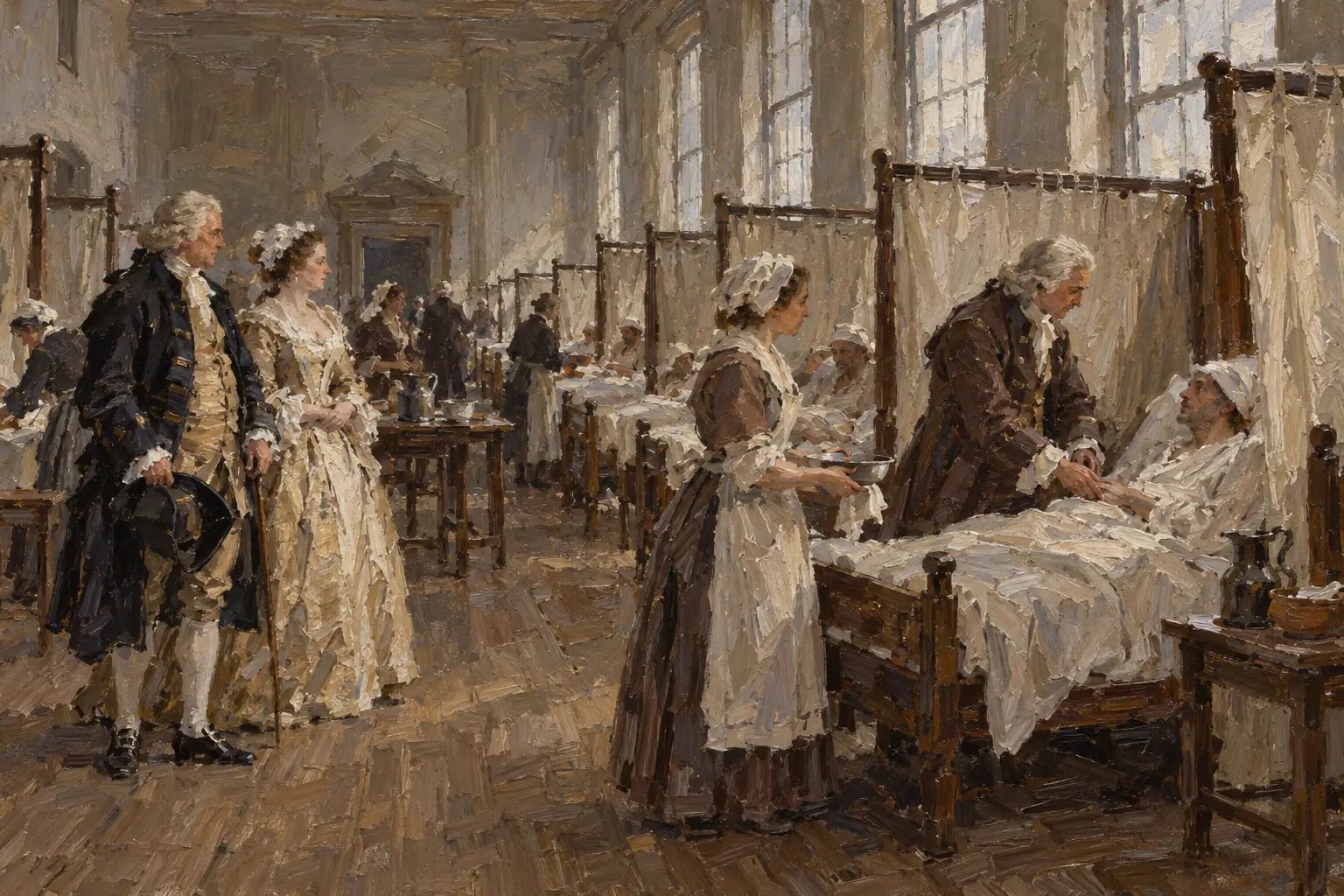
The 18th century saw the emergence of new healthcare models designed to meet the needs of growing urban populations, particularly the working poor. These institutions were often funded through public donations and subscriptions, marking a shift towards community-supported medicine.
Features of voluntary hospitals
- Funding and accessibility - Supported by wealthy donors and annual subscriptions, these hospitals provided free treatment to the deserving poor, excluding those with infectious diseases to prevent spread.
- Examples and impact - Institutions like Guy's Hospital in London (founded 1721) offered beds for acute cases, helping to reduce mortality from common ailments through structured care.
Role of dispensaries
- Outpatient services - Established from the 1720s, dispensaries supplied medicines and advice to patients who did not require hospital admission, extending medical access to more people at lower costs.
- Community benefits - They served as early forms of primary care, often run by physicians who volunteered time, and helped alleviate pressure on larger hospitals.
Development of teaching hospitals
- Integration with education - By the late 1700s, hospitals like those affiliated with universities incorporated training, allowing students to observe and participate in real cases.
- Expansion in the 19th century - These facilities grew in number, combining patient care with research, which accelerated medical advancements.
Developments in medical training methods
Image 1 of 2: Students followed experienced doctors on ward rounds to learn at the bedside
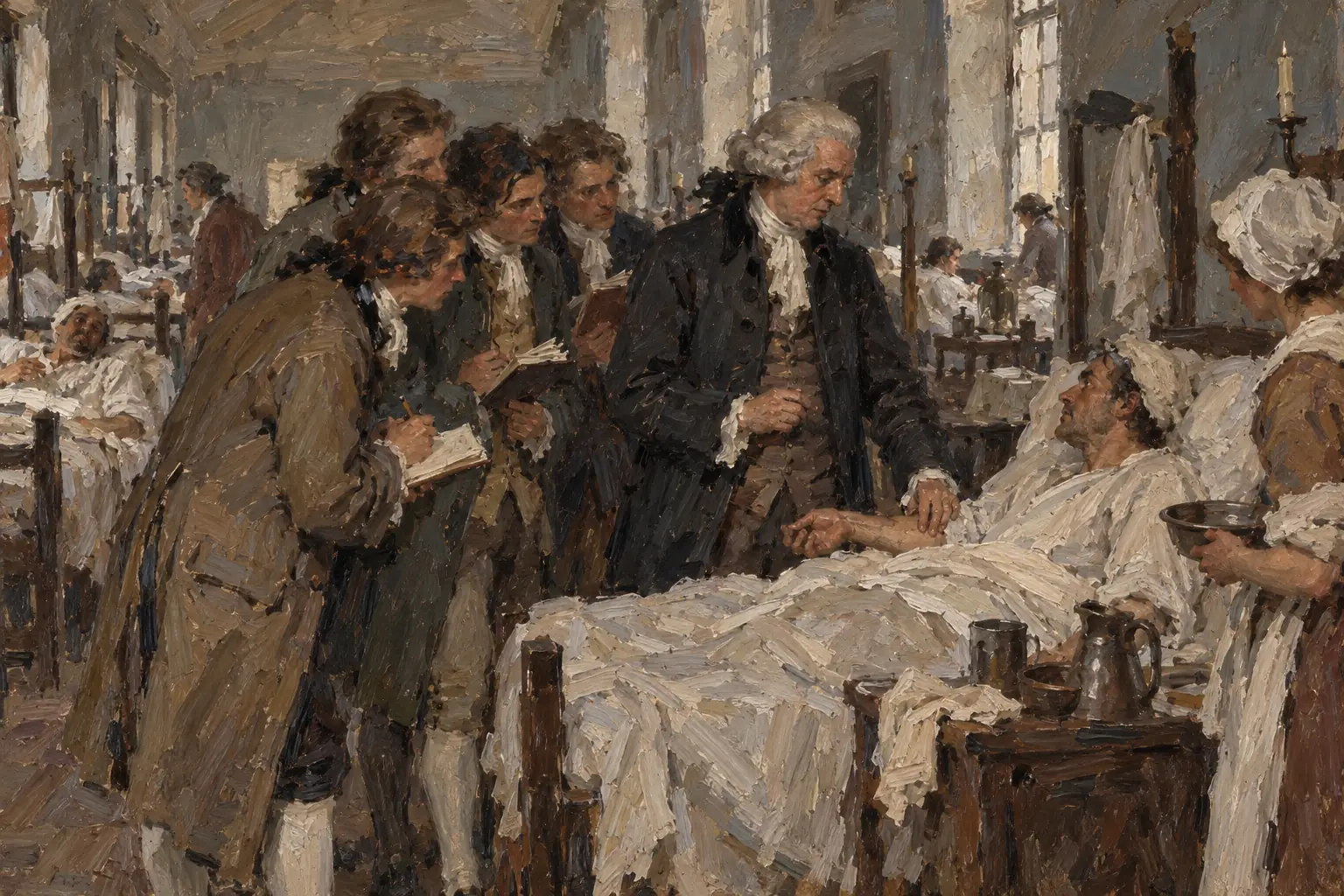
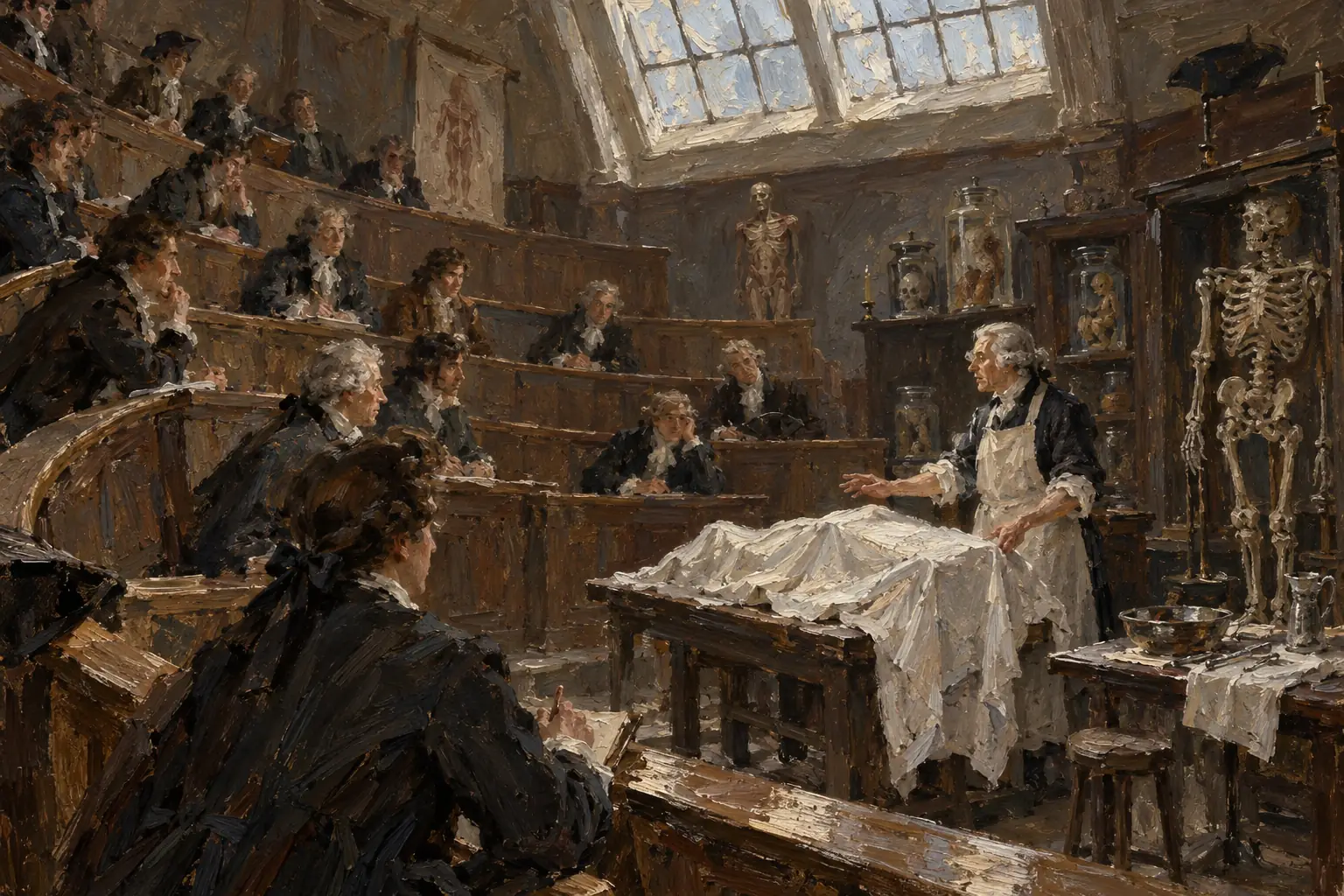
Medical education advanced significantly in the 18th and 19th centuries, moving from informal apprenticeships to structured, hands-on learning in hospital settings. This professional approach helped standardise knowledge and improve practitioner skills.
Bedside learning
- Practical observation - Students accompanied experienced doctors on ward rounds, directly examining patients and discussing symptoms, which provided real-world insights into diagnosis and treatment.
- Benefits for trainees - This method fostered clinical skills and encouraged evidence-based practices, contrasting with earlier theoretical learning from books alone.
Use of anatomy theatres
- Dissection and demonstrations - Purpose-built theatres allowed students to watch or participate in dissections of cadavers, often obtained legally after the 1832 Anatomy Act, enhancing understanding of human anatomy.
- Educational impact - These sessions, common in teaching hospitals, bridged theory and practice, preparing surgeons for complex operations.
Professionalisation of surgery
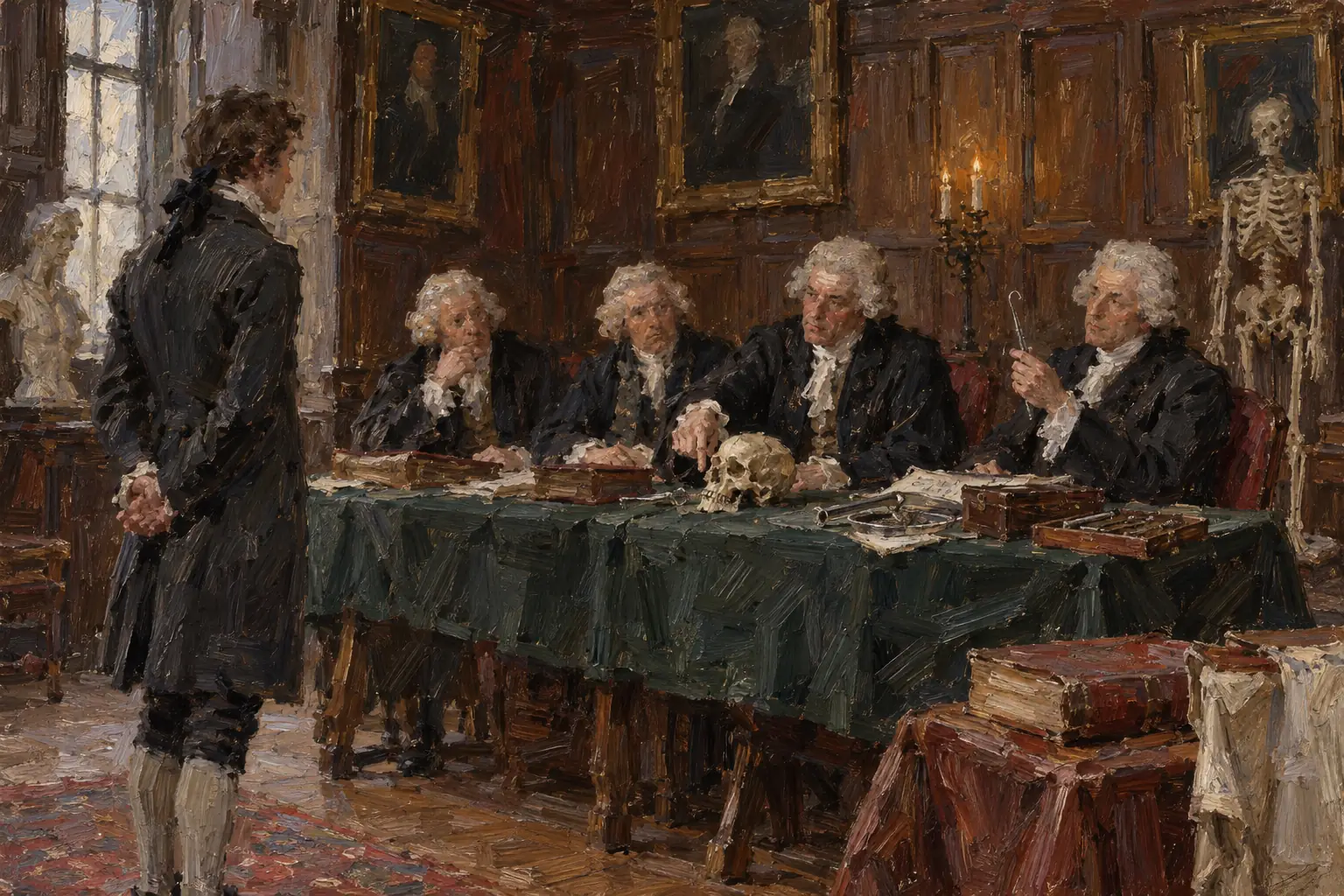
Surgery became a respected profession in the 18th and 19th centuries through the creation of dedicated organisations that enforced standards and qualifications. This marked a departure from the unregulated practices of earlier times.
Establishment of surgical bodies
- Company of Surgeons (1745) - Formed by separating surgeons from barbers, this group promoted specialised training and ethical standards, elevating the status of surgery.
- Royal College of Surgeons (1800) - Building on the Company, it gained royal charter and became the leading authority, overseeing education and practice.
Introduction of licensing and examinations
- Formal assessments - Aspiring surgeons had to pass rigorous exams covering anatomy, pathology, and surgical techniques, ensuring competence before practice.
- Regulatory impact - Licensing requirements reduced quackery and standardised qualifications, making surgery a more trustworthy field.
Comparing hospitals: change and continuity
Examining medieval hospitals alongside their 18th- and 19th-century counterparts reveals both radical changes and enduring elements in healthcare delivery. These comparisons underscore the evolution towards modern medicine while noting persistent charitable aspects.
Contrasts in facilities, staffing, and purpose
| Aspect | Medieval hospitals | 18th-19th century hospitals |
|---|---|---|
| Facilities | Basic wards in religious buildings with minimal equipment, focused on shelter and rest | Purpose-built structures with operating theatres, pharmacies, and isolation wards for better hygiene and treatment |
| Staffing | Primarily monks, nuns, and untrained volunteers providing spiritual care | Professional physicians, surgeons, and nurses (increasingly trained, especially after Nightingale's reforms) emphasising medical expertise |
| Purpose | Charitable care for the soul, with limited attempts at cure; often excluded the infectious | Secular treatment aimed at curing physical ailments, including education and research; more inclusive but still selective |
Elements of continuity
- Charitable ethos - Both eras relied on donations and aimed to help the poor, maintaining a focus on community welfare.
- Exclusion practices - Medieval institutions often turned away certain groups, a policy that continued in voluntary hospitals for reasons like infection control.