3.3 - The Saar, Rearmament, Stresa Front & Naval Pact
Key facts and dates
The period from 1935 marked a critical phase in German foreign policy under Hitler, as he began openly challenging the Treaty of Versailles through territorial recovery and military expansion. These actions tested the responses of Britain, France, and Italy, revealing divisions in European diplomacy. The following timeline outlines the key events in this sequence.
Timeline of key events
- January 1935 – Saar plebiscite results in about 90% voting for reunification with Germany, boosting Nazi propaganda.
- March 1935 – Germany publicly announces rearmament and introduces conscription, violating the Treaty of Versailles.
- April 1935 – Formation of the Stresa Front by Britain, France, and Italy to condemn German actions.
- June 1935 – Anglo-German Naval Agreement permits Germany a navy limited to 35% of Britain's surface fleet and equal submarine strength.
The Saar plebiscite and its significance
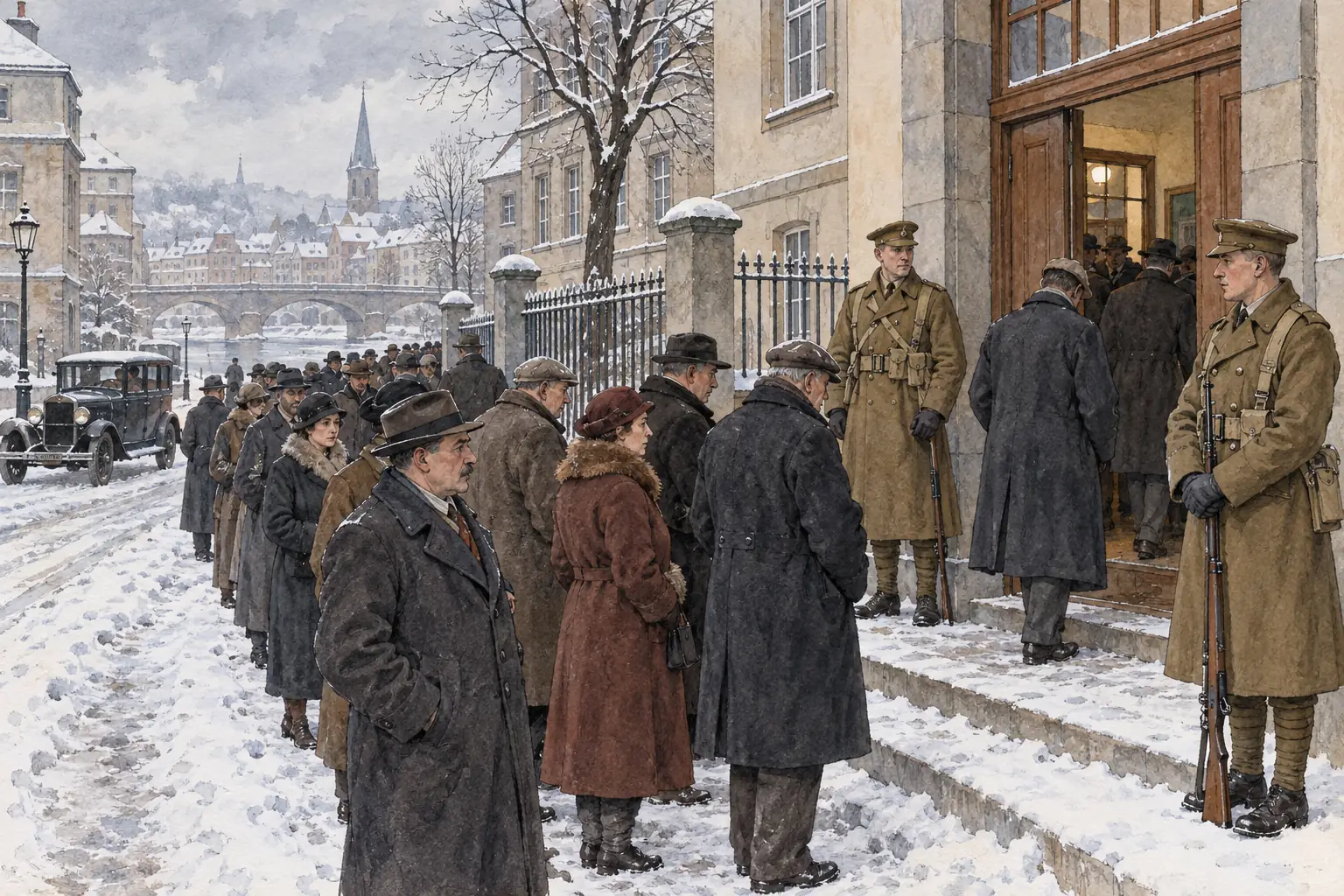
The Saar region, detached from Germany after the First World War and administered by the League of Nations, became a focal point for Hitler's early foreign policy. A plebiscite was held to determine its future, providing an opportunity for Germany to demonstrate national unity.
Outcome of the Saar plebiscite
- Voting results - In January 1935, approximately 90% of voters chose to rejoin Germany, with only a small minority opting for France or continued League control.
- Propaganda success - This overwhelming support was portrayed by the Nazis as evidence of widespread approval for Hitler's regime, strengthening his domestic position and international confidence.
- Strategic importance - The region's return added valuable coal resources and population to Germany, while also symbolising the reversal of Versailles Treaty penalties without military conflict.
Germany's rearmament and conscription
Image 1 of 2: Conscription, announced in March 1935, brought young German men into the army from that autumn
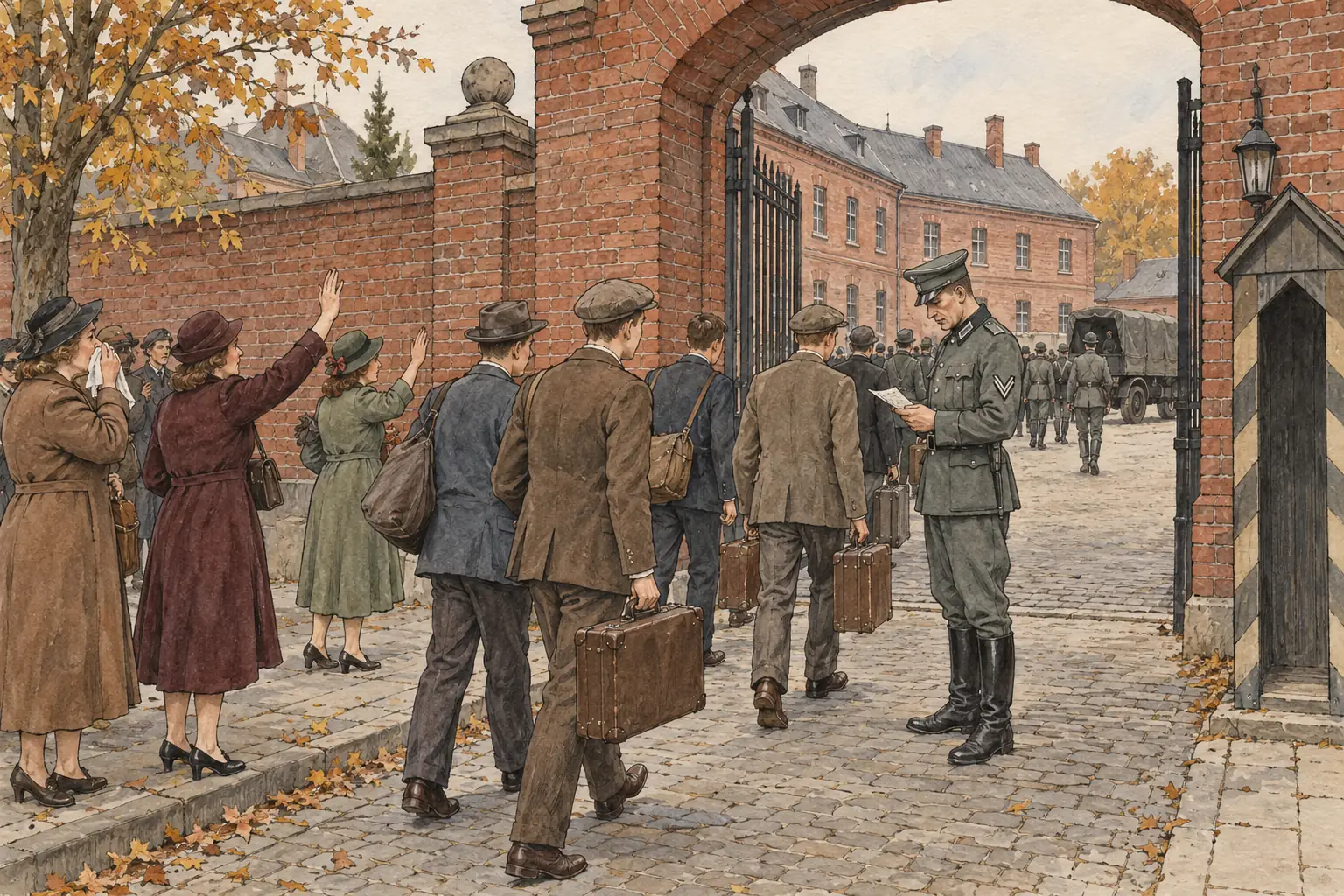
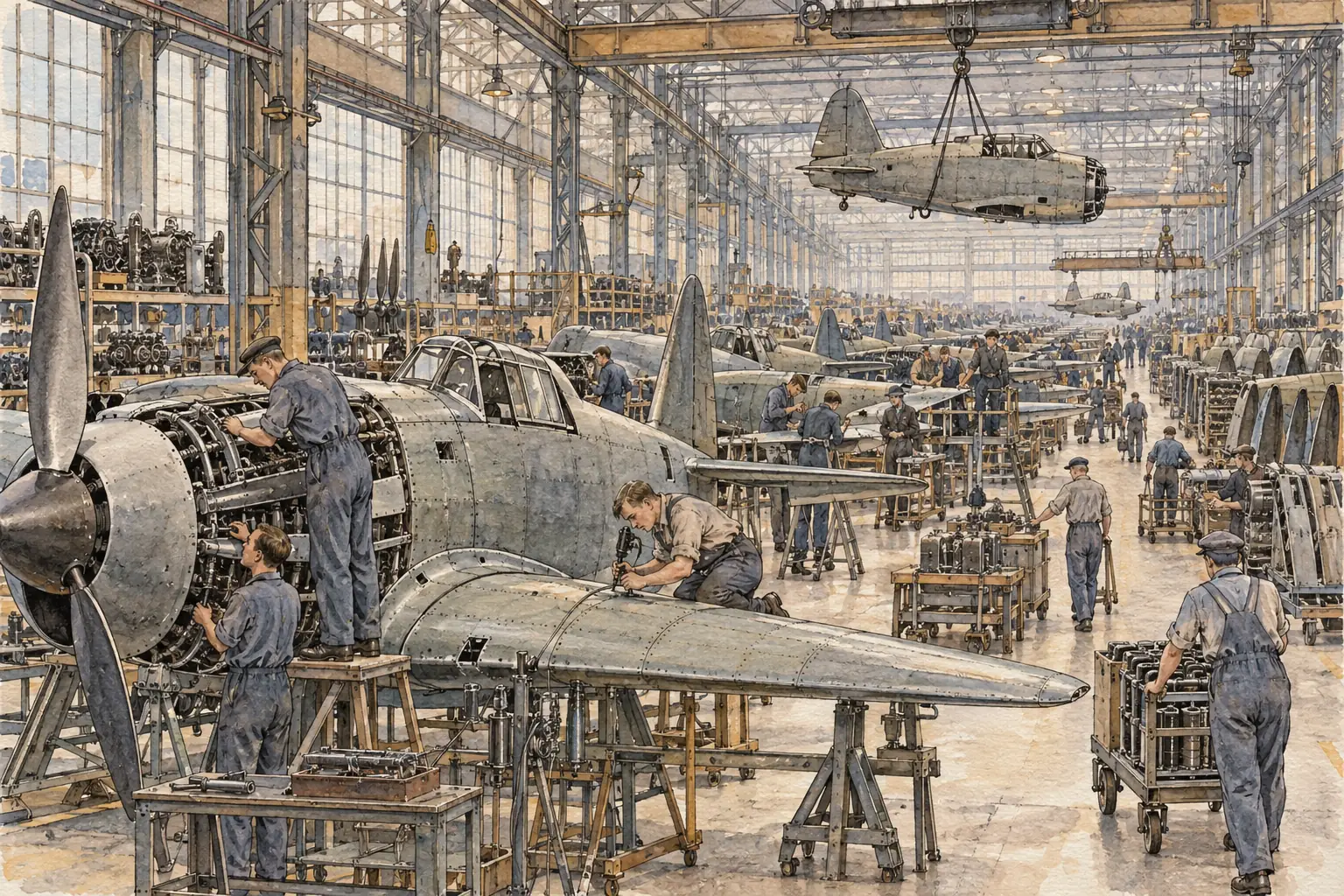
Hitler took bold steps to rebuild German military strength, directly confronting the restrictions imposed by the Treaty of Versailles. This move was part of a broader strategy to restore Germany's status as a major power.
Details of the rearmament announcement
- Public declaration - In March 1935, Germany openly revealed its rearmament programme, including the expansion of the air force and army, which had been secretly underway since the early 1930s.
- Introduction of conscription - Compulsory military service was reinstated to increase troop numbers to around 550,000, far exceeding the treaty's limit of 100,000.
- Challenge to Versailles - These actions violated key disarmament clauses, testing the willingness of other nations to enforce the treaty and signalling Hitler's intent to pursue aggressive revisionism.
The formation and limitations of the Stresa Front
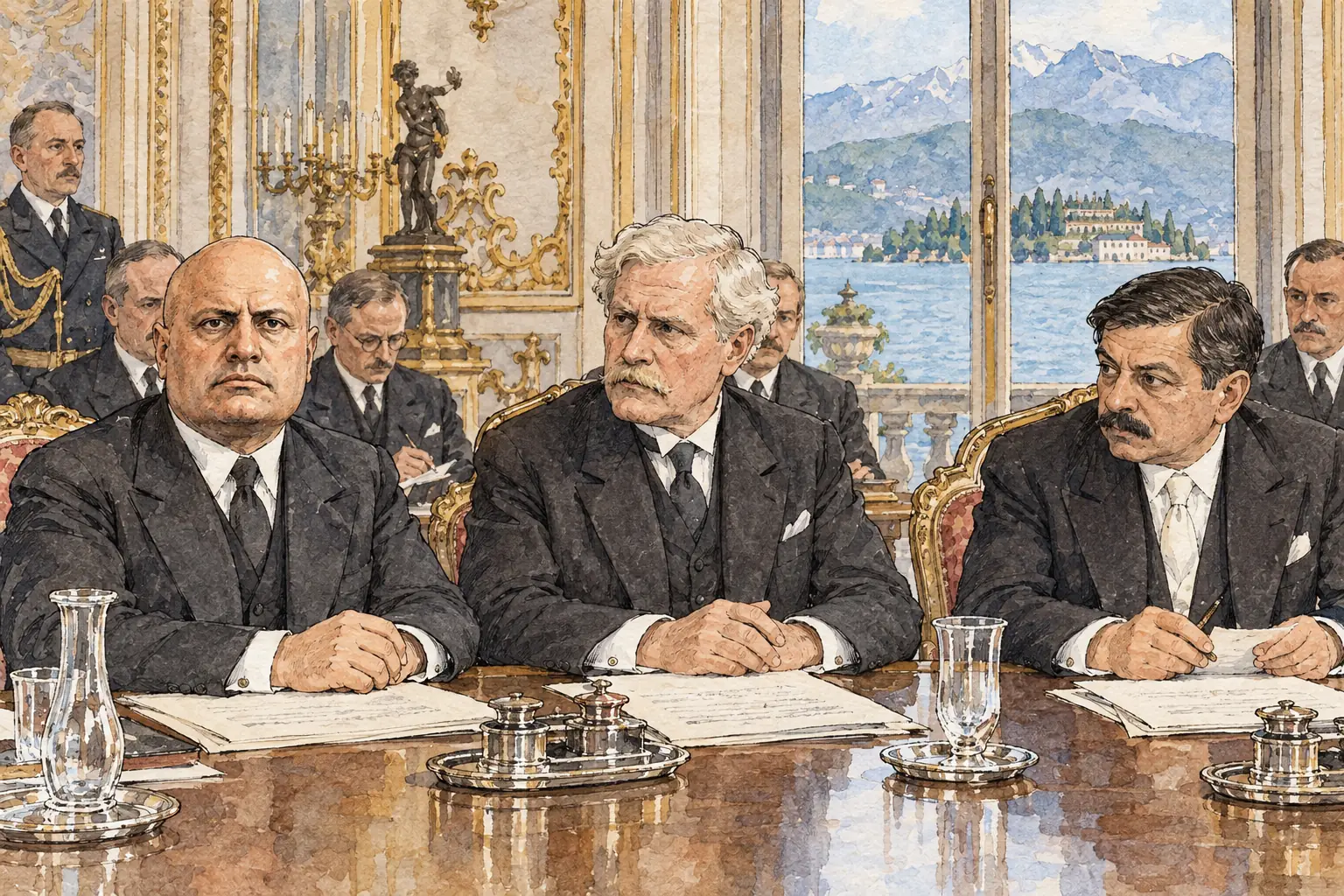
In response to Germany's rearmament, Britain, France, and Italy attempted to form a united front to maintain European stability. However, underlying tensions quickly undermined this alliance.
Key aspects of the Stresa Front
- Formation and aims - Established in April 1935 at a conference in Stresa, Italy, the agreement condemned German rearmament and pledged mutual support to uphold the Treaty of Versailles and prevent further violations.
- Lack of cohesion - The alliance was weakened by differing national interests: France sought strong security guarantees, Britain favoured appeasement, and Italy pursued its own ambitions in Africa.
- Short-term impact - While it initially appeared as a firm stance against Germany, the front collapsed within months due to Italy's invasion of Abyssinia, highlighting the fragility of collective European opposition.
The Anglo-German Naval Agreement and its impact
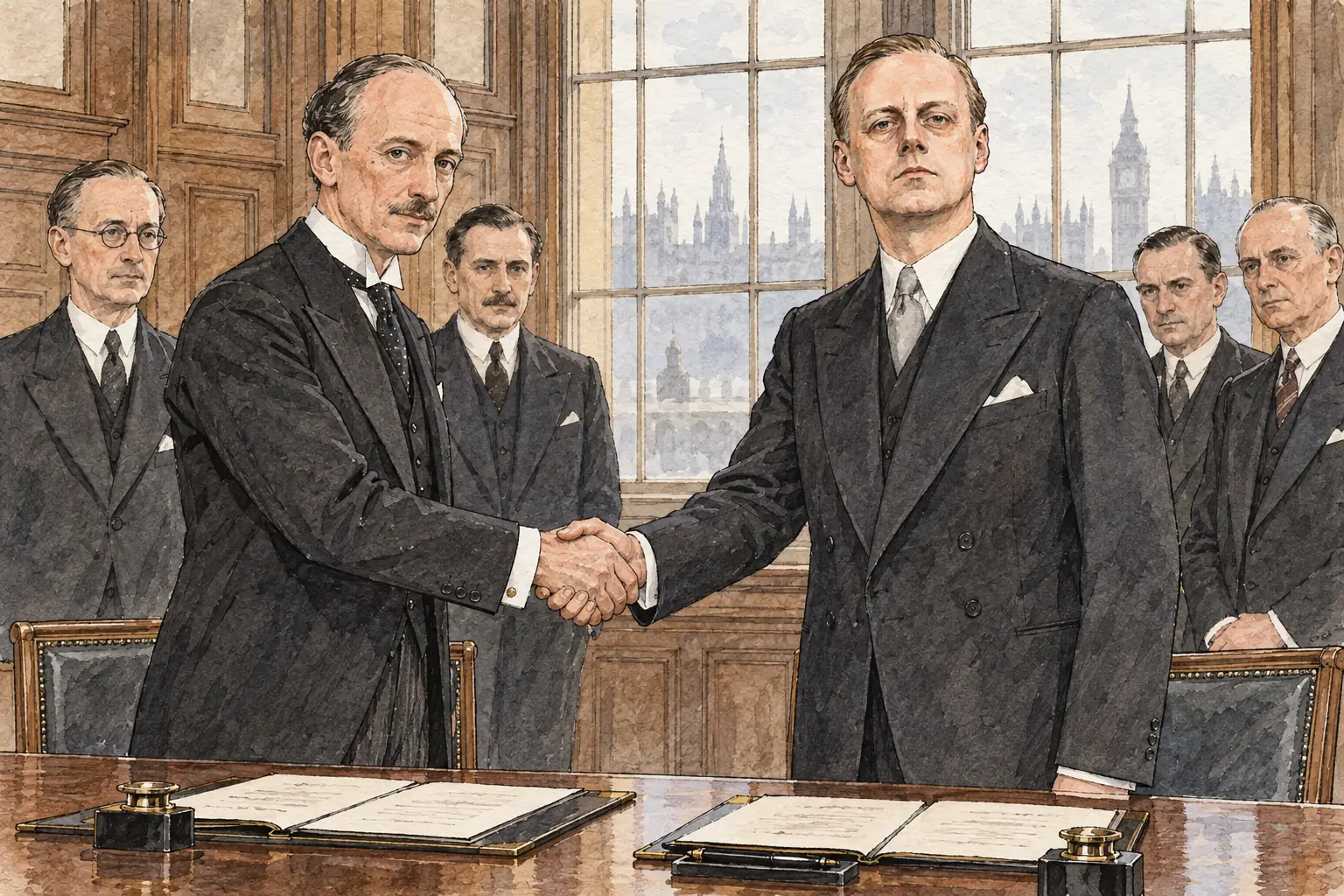
Britain's independent diplomacy further eroded unified resistance to Germany through a bilateral naval deal. This agreement reflected a pragmatic approach to managing German expansion.
Provisions of the Anglo-German Naval Agreement
- Naval limits - Signed in June 1935, it allowed Germany to build a navy up to 35% the size of Britain's surface fleet and permitted submarine forces equal to Britain's, acknowledging Germany's right to rearm at sea.
- Undermining the Stresa Front - By negotiating separately, Britain weakened the tripartite alliance and implicitly accepted German treaty breaches, isolating France and encouraging Hitler's boldness.
- Broader consequences - The pact signalled Britain's preference for appeasement over confrontation, boosting German morale and paving the way for further aggressions, such as the remilitarisation of the Rhineland.