1.6 - 1919–23: Unrest: Spartacists, Kapp & Munich Putsch
Key facts and dates
The early years of the Weimar Republic were marked by severe political instability, with uprisings from both left- and right-wing groups challenging the new democratic government. These events highlighted divisions within German society and the fragile nature of the republic's authority.
Timeline of key events
- January 1919 – Spartacist rising in Berlin, led by Rosa Luxemburg and Karl Liebknecht, suppressed by Freikorps units.
- March 1920 – Kapp Putsch attempts to overthrow the government, supported by Freikorps and parts of the army, but defeated by a general strike.
- November 1923 – Munich Putsch, organised by Adolf Hitler and the Nazi Party, fails after clashes with police.
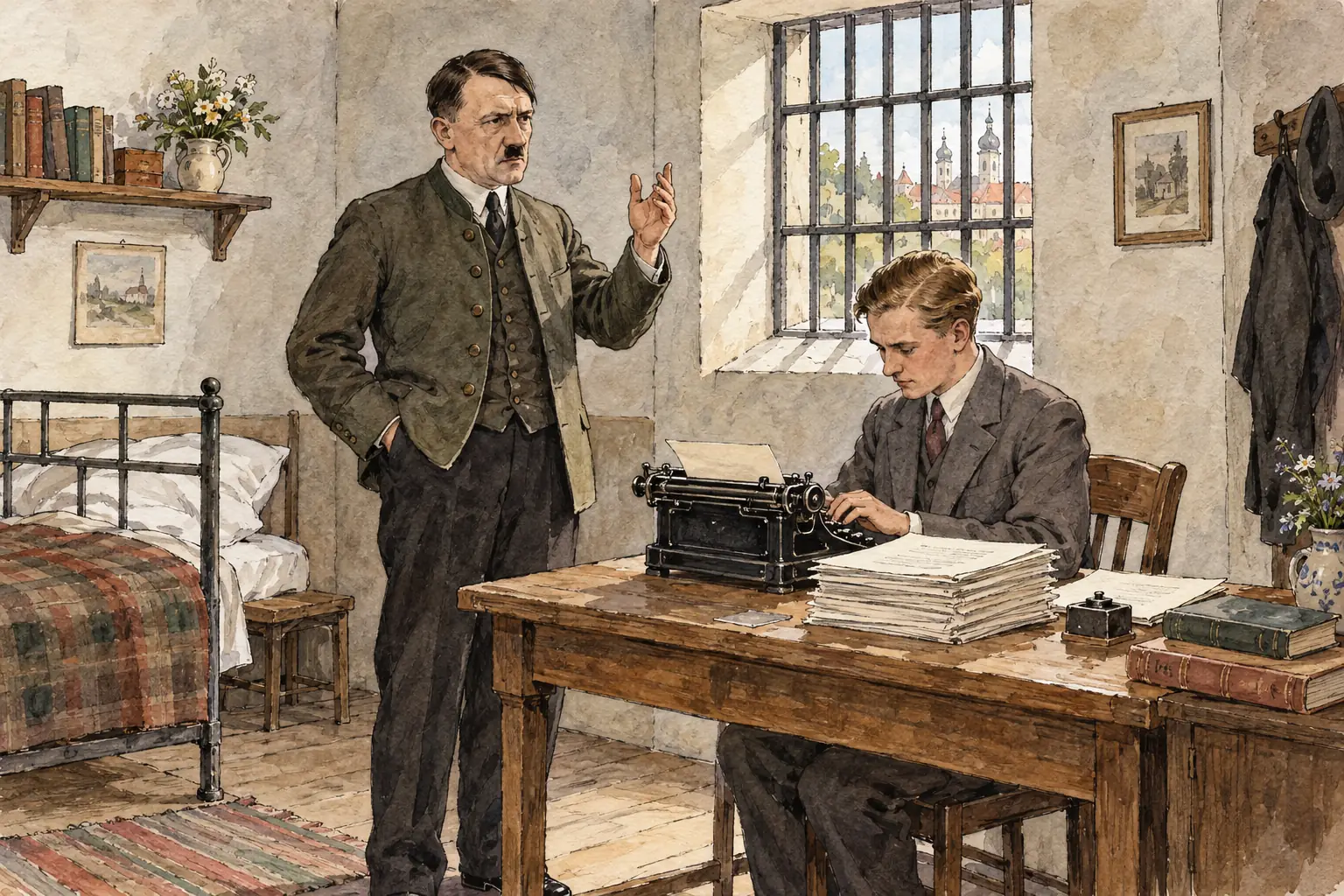
- 1923-24 – Hitler imprisoned following the Munich Putsch, during which he shifts strategy towards gaining power through elections.
The Spartacist rising of January 1919
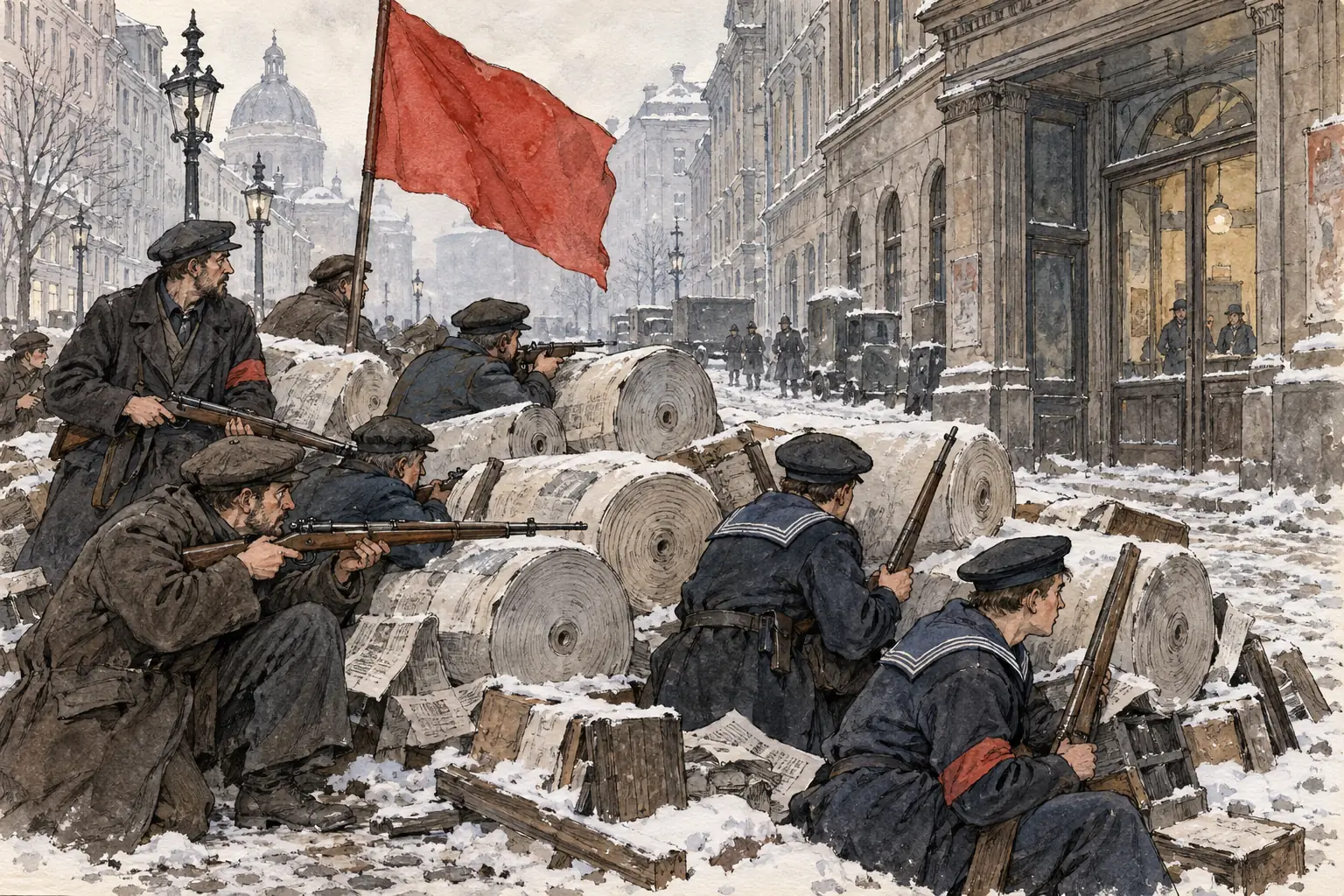
The Spartacist rising represented an early challenge to the Weimar Republic from the far left, inspired by the Russian Revolution. It arose amid post-war chaos, with revolutionaries seeking to establish a communist state.
Causes of the Spartacist rising
- Post-war discontent - Widespread anger over food shortages, unemployment, and the perceived betrayal of the armistice fuelled radical left-wing sentiment.
- Ideological motivations - The Spartacists, a breakaway group from the Social Democratic Party, aimed to create a workers' council system similar to Soviet Russia.
- Triggering events - The dismissal of Berlin's left-wing police chief sparked protests, which escalated into an armed uprising led by Rosa Luxemburg and Karl Liebknecht.
Narrative of the rising
The uprising began with strikes and demonstrations in Berlin, where Spartacists seized key buildings and newspapers. Government forces, unable to rely on the regular army, called in Freikorps units—paramilitary groups of ex-soldiers. The Freikorps brutally crushed the rebellion within days, resulting in over 100 deaths, including the execution of Luxemburg and Liebknecht.
The Kapp Putsch of March 1920
Image 1 of 2: Freikorps troops march into Berlin to put Kapp in power in March 1920
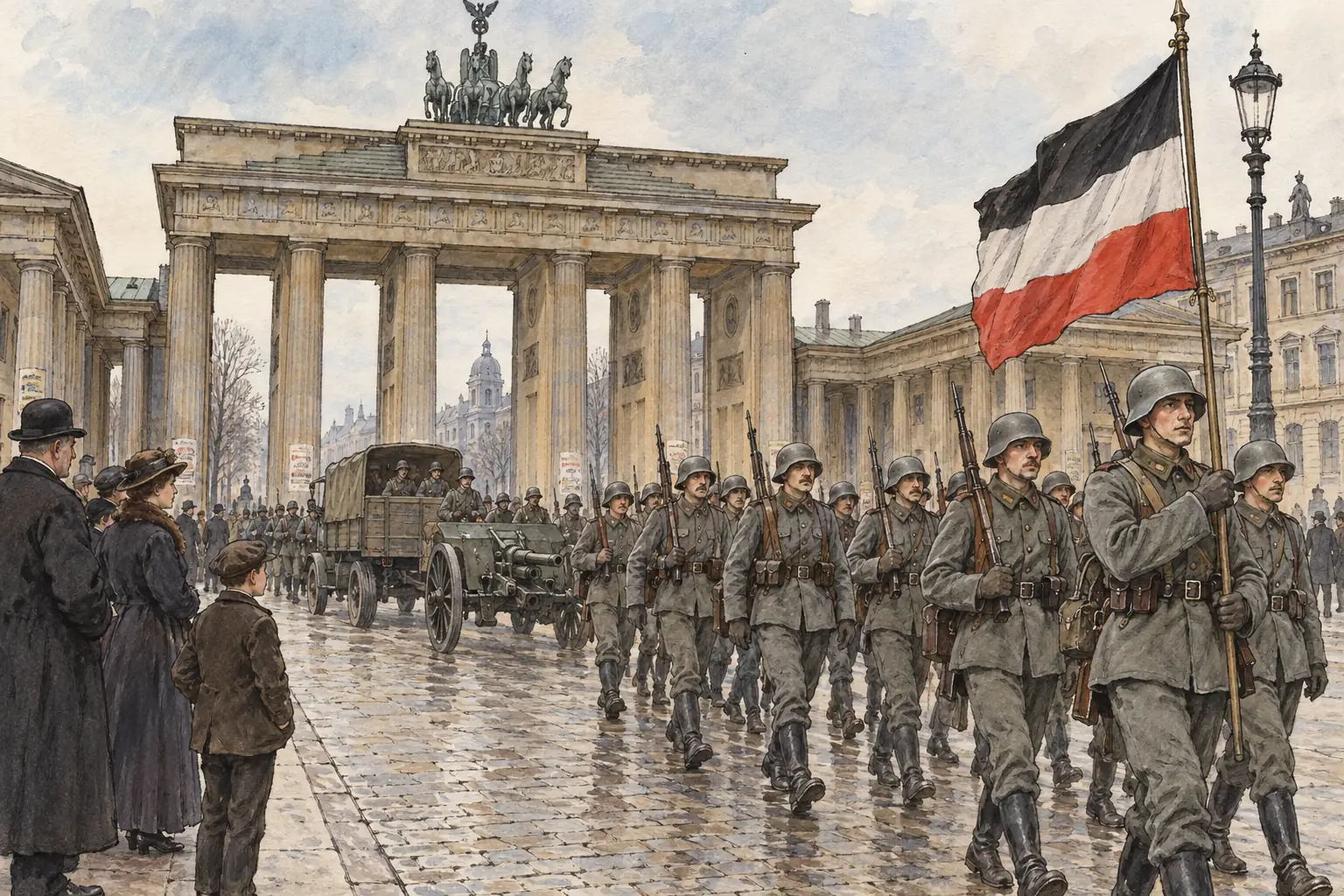
The Kapp Putsch was a right-wing attempt to overthrow the Weimar government and restore authoritarian rule. It reflected conservative opposition to the republic's democratic reforms and the Treaty of Versailles.
Causes of the Kapp Putsch
- Opposition to disarmament - The Treaty of Versailles required Germany to reduce its army, threatening the livelihoods of many officers and soldiers.
- Right-wing nationalism - Figures like Wolfgang Kapp resented the republic for accepting the treaty and sought a return to monarchy or military dictatorship.
- Freikorps involvement - Disbanded Freikorps units, facing dissolution, joined the plot to seize power.
Narrative of the putsch
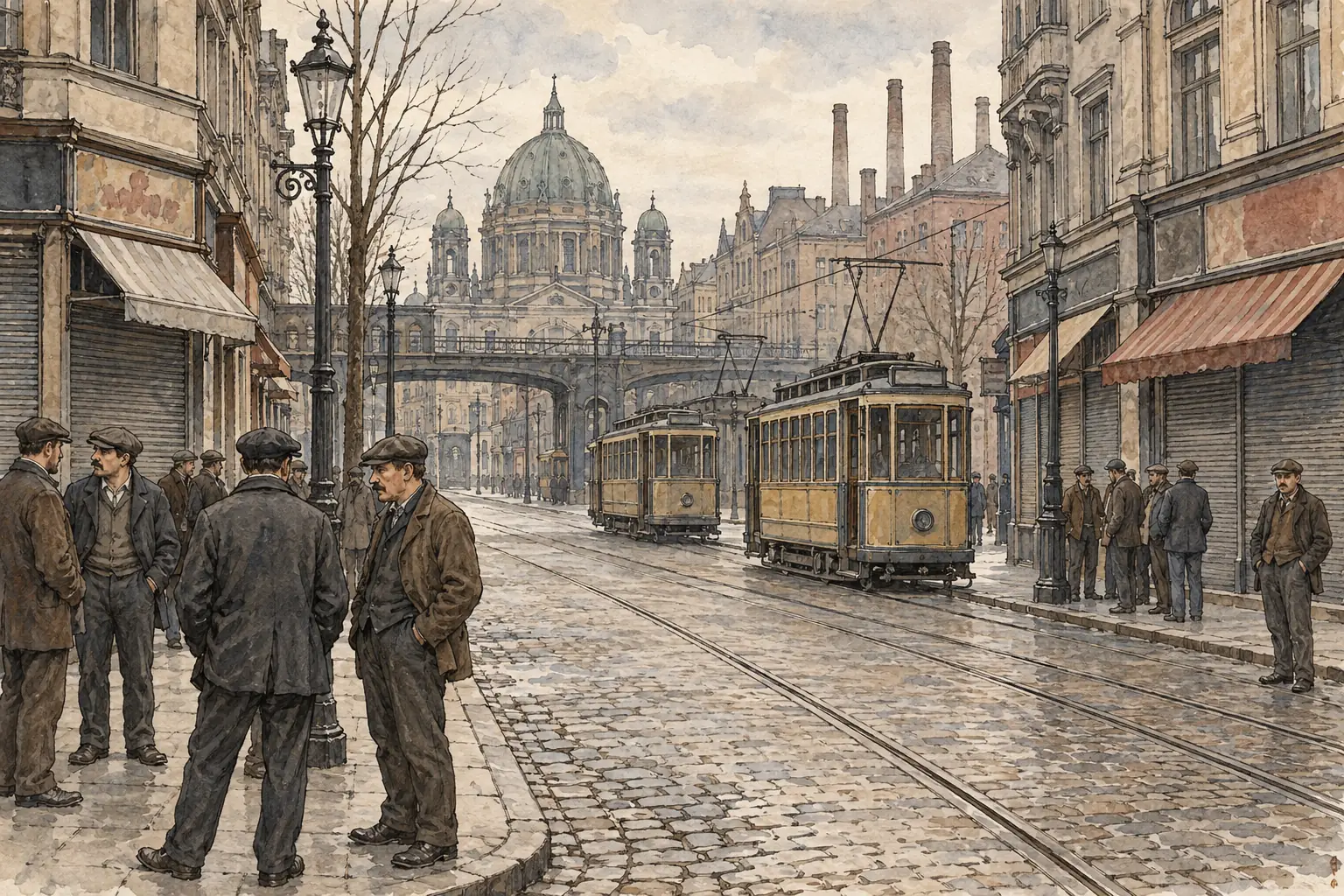
Kapp, supported by Freikorps brigades and sympathetic army elements, marched on Berlin and declared a new government. The official army adopted a neutral stance, refusing to intervene. However, a massive general strike organised by trade unions paralysed the country, forcing Kapp to flee after just four days. The putsch collapsed, but it exposed the army's unreliable loyalty to the republic.
Hitler's Munich Putsch of November 1923
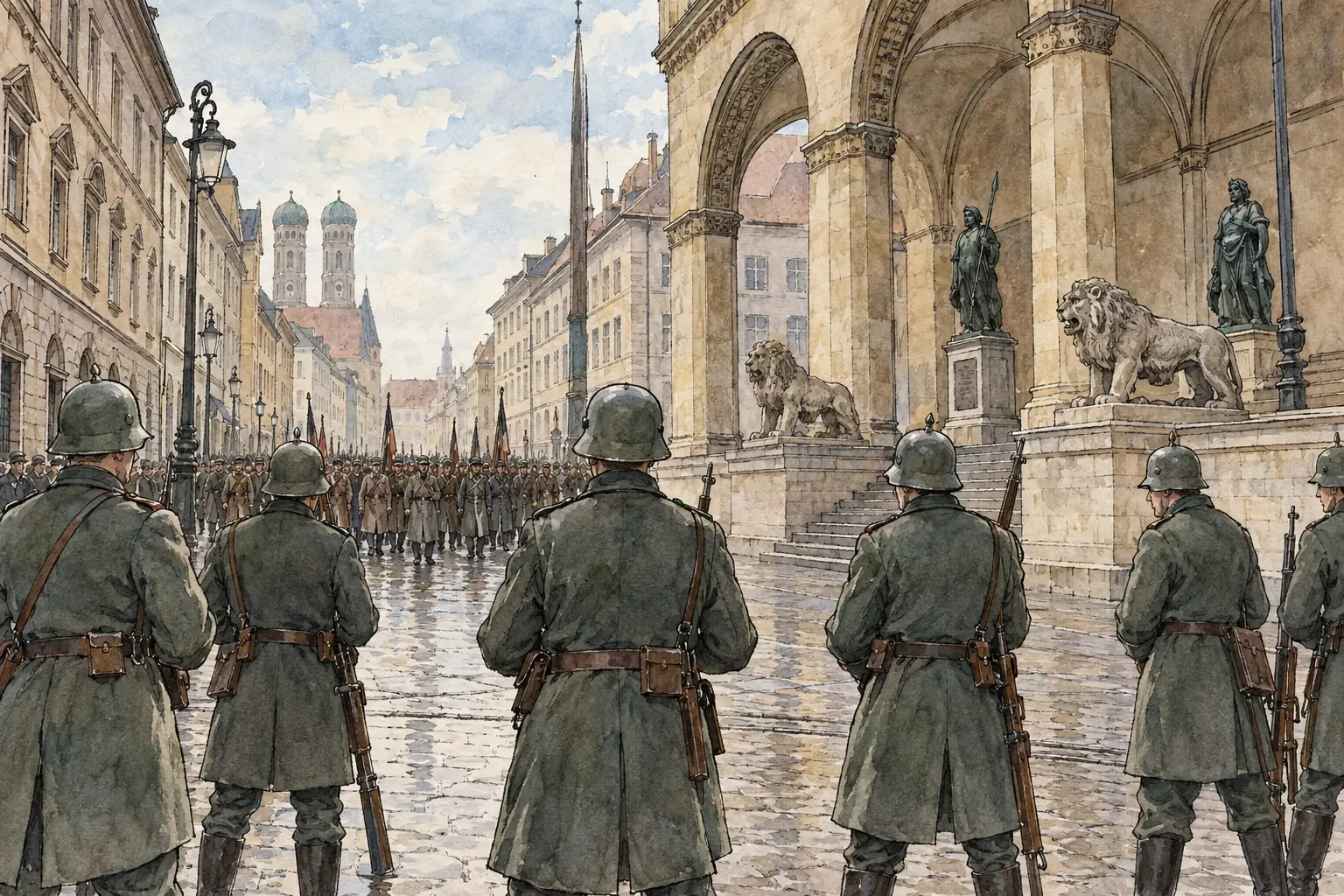
The Munich Putsch, also known as the Beer Hall Putsch, was Adolf Hitler's early bid to seize power in Bavaria as a stepping stone to national control. It occurred during a period of hyperinflation and economic turmoil.
Causes of the Munich Putsch
- Economic crisis - Hyperinflation in 1923 devastated the middle class, creating fertile ground for extremist groups like the Nazis.
- Inspiration from Mussolini - Hitler's National Socialist German Workers' Party (NSDAP) drew on the success of the Italian fascists' march on Rome.
- Bavarian separatism - Local right-wing discontent with the Weimar government encouraged Hitler to launch the coup in Munich.
Narrative of the putsch
Hitler and his followers interrupted a political meeting in a beer hall, declaring a revolution and attempting to win over Bavarian leaders. The next day, they marched through Munich but were met by police gunfire, resulting in 16 Nazi deaths. Hitler was arrested, and the putsch failed, highlighting the limitations of direct action against the state.
Left- and right-wing threats and the Freikorps
The Weimar Republic faced threats from both political extremes, but responses to them differed significantly. Left-wing uprisings were met with swift repression, while right-wing ones often encountered hesitation, reflecting biases within state institutions.
Nature of left- and right-wing threats
- Left-wing threats - Groups like the Spartacists sought communist revolution through workers' uprisings, focusing on class struggle and inspired by international socialism.
- Right-wing threats - Movements such as those behind the Kapp and Munich Putsches aimed to restore authoritarian or nationalist rule, opposing democracy and the Versailles Treaty.
- Similarities - Both sides used violence and sought to exploit economic hardship, but left-wing actions were more urban and worker-led, while right-wing ones often involved military elements.
Role of the Freikorps and the army's ambiguous stance
- Freikorps involvement - These volunteer paramilitaries, formed from demobilised soldiers, were instrumental in suppressing left-wing revolts like the Spartacists but participated in right-wing plots like the Kapp Putsch, showing their anti-communist bias.
- Army's position - The Reichswehr maintained an ambiguous loyalty, actively aiding against the left but remaining passive or sympathetic during right-wing challenges, which undermined the republic's stability.
Outcomes and impact on the Weimar Republic
These uprisings had lasting consequences for the Weimar Republic, reinforcing divisions and eroding confidence in democratic governance. While the government survived, it did so precariously.
Key outcomes of the crises
- Repression of the far left - The brutal suppression of the Spartacists weakened communist influence, with leaders eliminated and movements fragmented.
- Uneasy survival of the republic - The government's reliance on Freikorps and strikes to defeat threats like Kapp highlighted its vulnerability, but it endured without major structural changes.
- Hitler's strategic shift - Imprisoned after the Munich Putsch, Hitler used his time in Landsberg Prison to write Mein Kampf and pivot from violent coups to pursuing power through legal elections, strengthening the Nazi Party's organisation.
Impact on public trust in democracy
These repeated crises fostered widespread disillusionment, as the republic appeared weak and unable to maintain order without resorting to undemocratic forces. Public faith diminished, paving the way for extremist parties to gain support by promising stability and strength.