2.6 - Manchuria & Abyssinia: Crises & Consequences
Key facts and dates
The crises in Manchuria and Abyssinia exposed the weaknesses of the League of Nations during the 1930s, as aggressive actions by Japan and Italy went largely unchecked. These events highlighted issues with enforcement and member state priorities, undermining international cooperation.
Timeline of key events
- 18 September 1931 – Mukden Incident sparks Japan's invasion of Manchuria.
- 1932 – Japan establishes puppet state of Manchukuo.
- October 1932 – Lytton Commission report condemns Japan but offers concessions.
- February 1933 – Japan withdraws from the League of Nations.
- December 1934 – Wal-Wal incident triggers conflict between Italy and Abyssinia.
- October 1935 – Italy launches full invasion of Abyssinia.
- November 1935 – League imposes limited sanctions on Italy.
- December 1935 – Hoare-Laval Pact proposes secret deal to appease Italy.
- May 1936 – Italy completes conquest of Abyssinia.
The Manchurian crisis of 1931-33
Image 1 of 3: Japanese officers staged an explosion on the railway near Mukden on 18 September 1931 as an excuse to invade
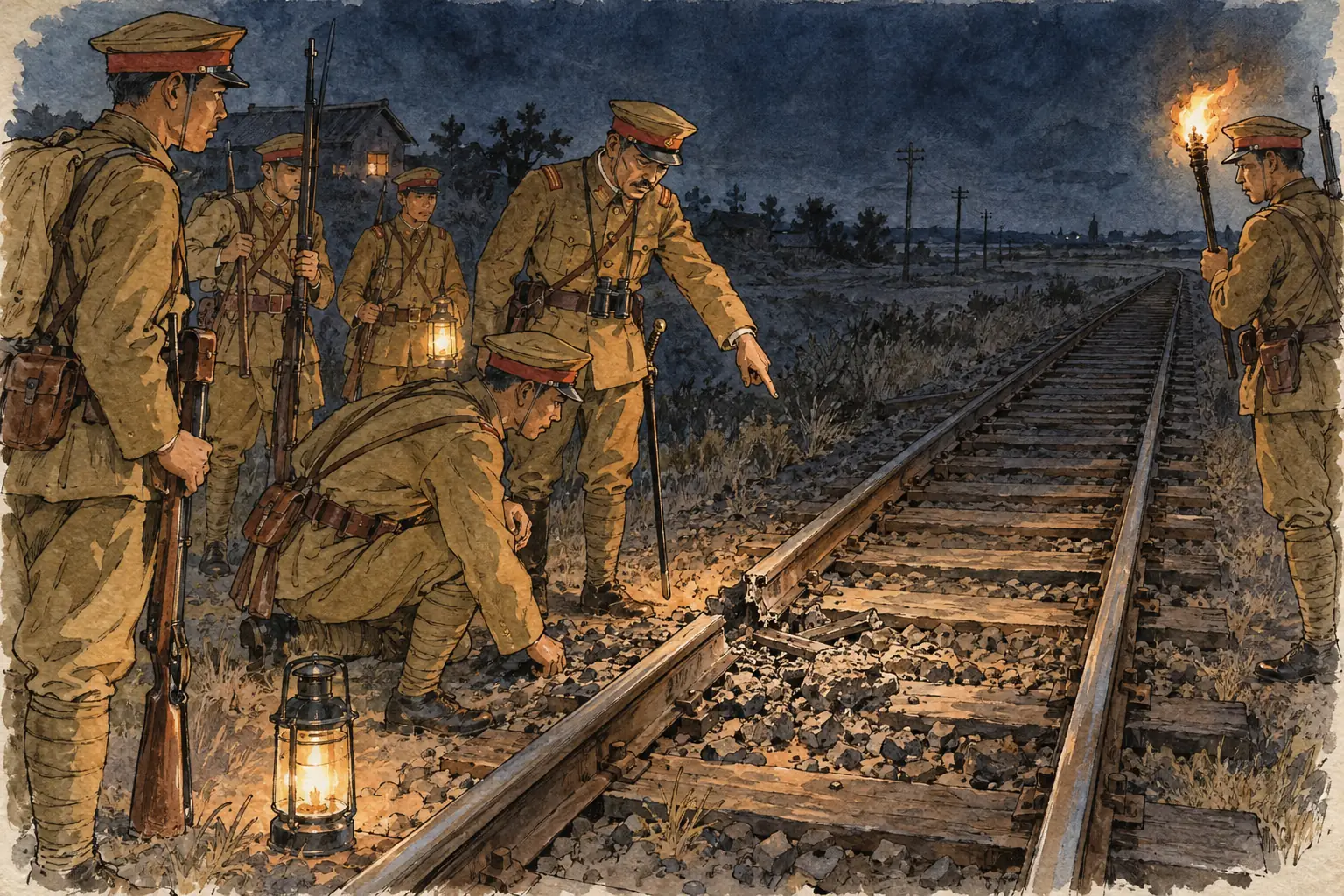
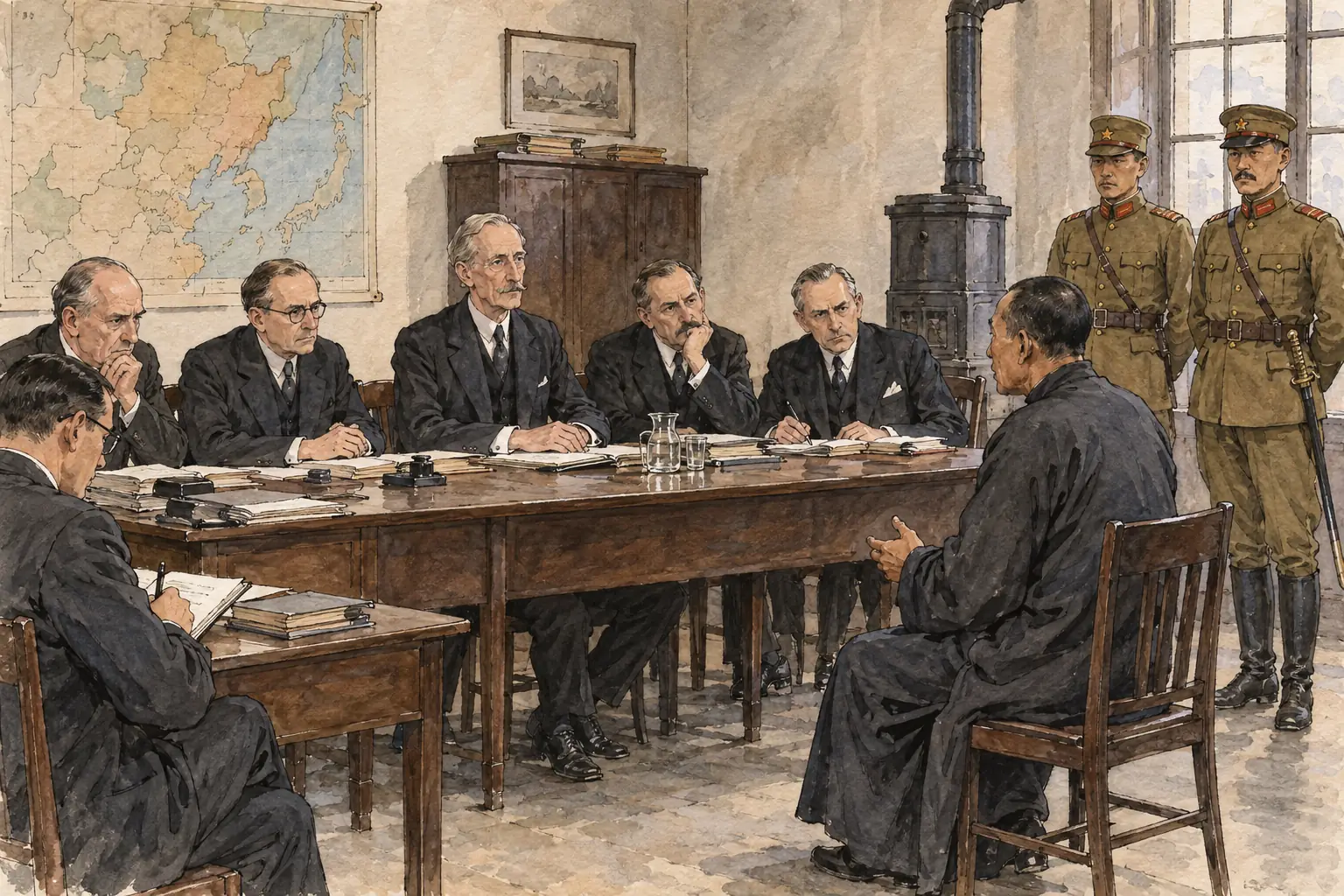
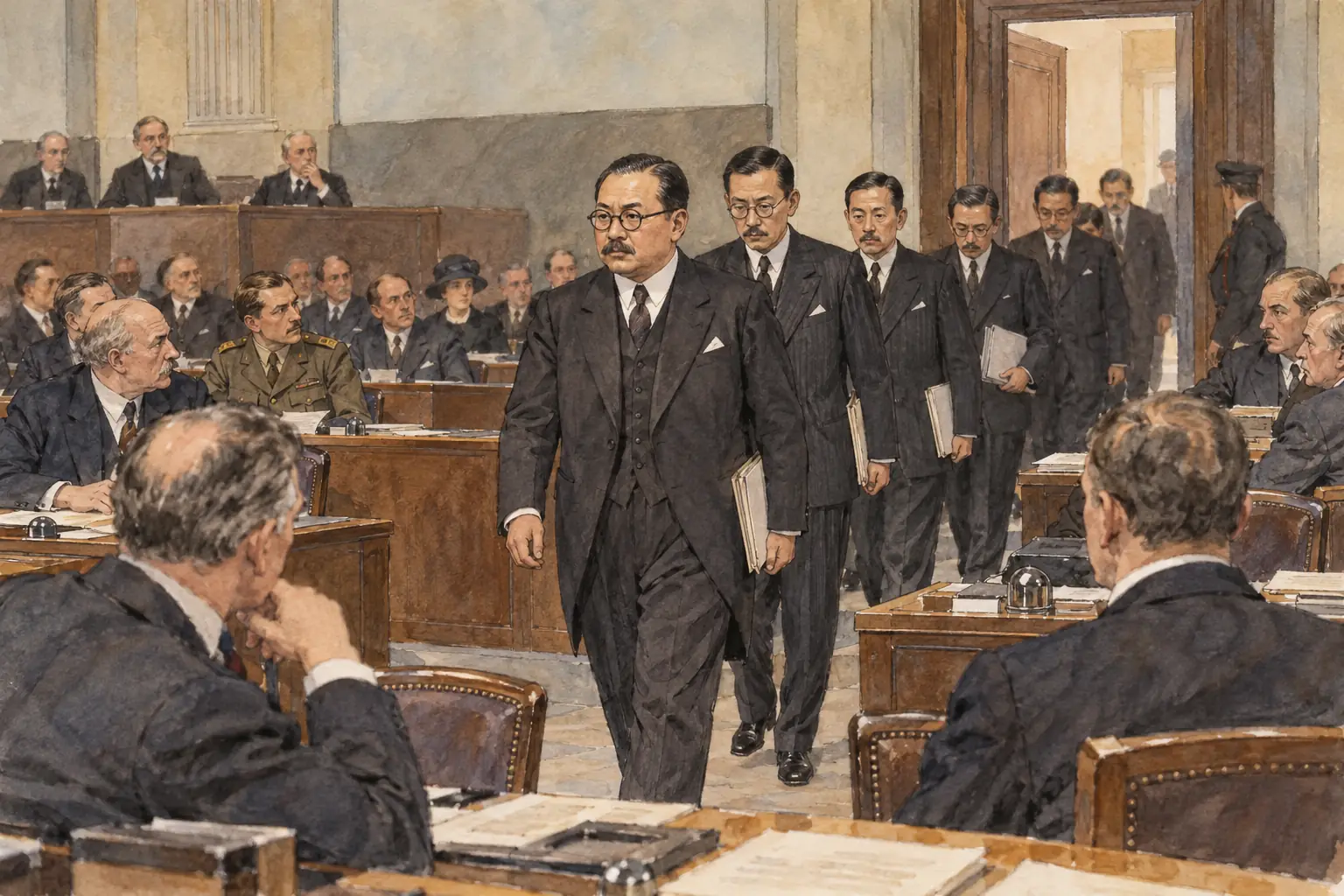
The Manchurian crisis began when Japan, seeking to expand its influence in Asia, took aggressive action against China. This event tested the League of Nations' ability to maintain peace, but slow responses and lack of enforcement allowed Japan to proceed unchecked.
Events leading to Japan's occupation of Manchuria
- Mukden Incident - On 18 September 1931, Japanese forces staged an explosion on a railway line near Mukden, blaming Chinese saboteurs as a pretext for invasion. This enabled Japan to quickly seize control of key areas in Manchuria.
- Creation of Manchukuo - By early 1932, Japan had occupied the entire region and set up a puppet state called Manchukuo, installing a former Chinese emperor as its nominal leader to give it a facade of legitimacy.
- Response from the League of Nations - China appealed to the League for help, but the organisation's procedures were cumbersome, delaying any decisive action.
The Lytton Commission and Japan's withdrawal
- Lytton Commission's investigation - The League appointed a commission led by Lord Lytton to examine the situation. It took nearly a year to produce a report in October 1932, which criticised Japan's actions but suggested compromises, such as recognising Manchukuo under certain conditions.
- Japan's reaction - Unhappy with the findings, Japan ignored the report and formally left the League in February 1933, marking a significant blow to the organisation's authority.
- Absence of effective sanctions - The League failed to impose meaningful penalties, such as trade restrictions or military intervention, partly due to fears of provoking wider conflict and the economic interests of member states.
The Abyssinian crisis of 1935-36
Image 1 of 3: Italy invaded Abyssinia in October 1935 with tanks and aircraft
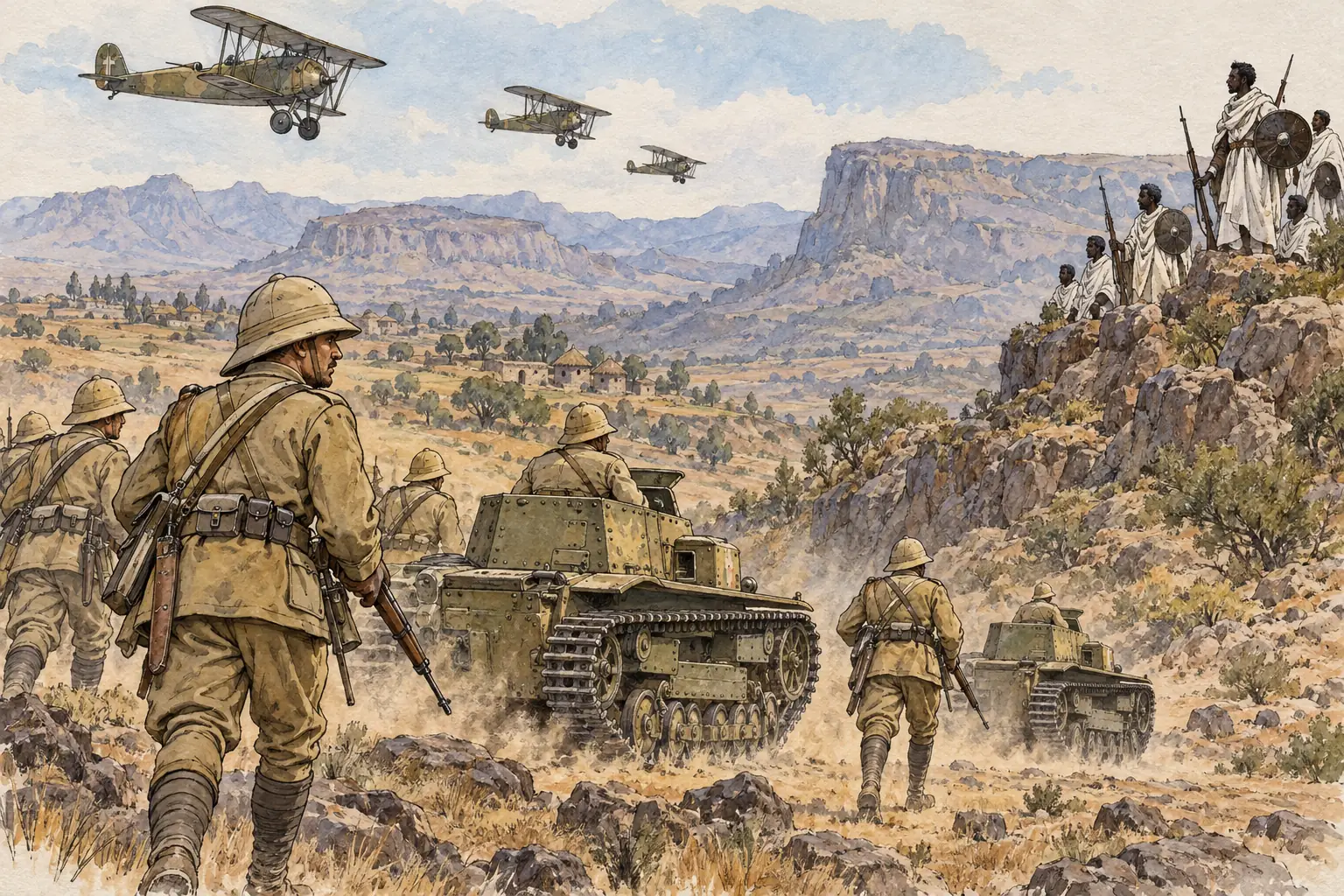
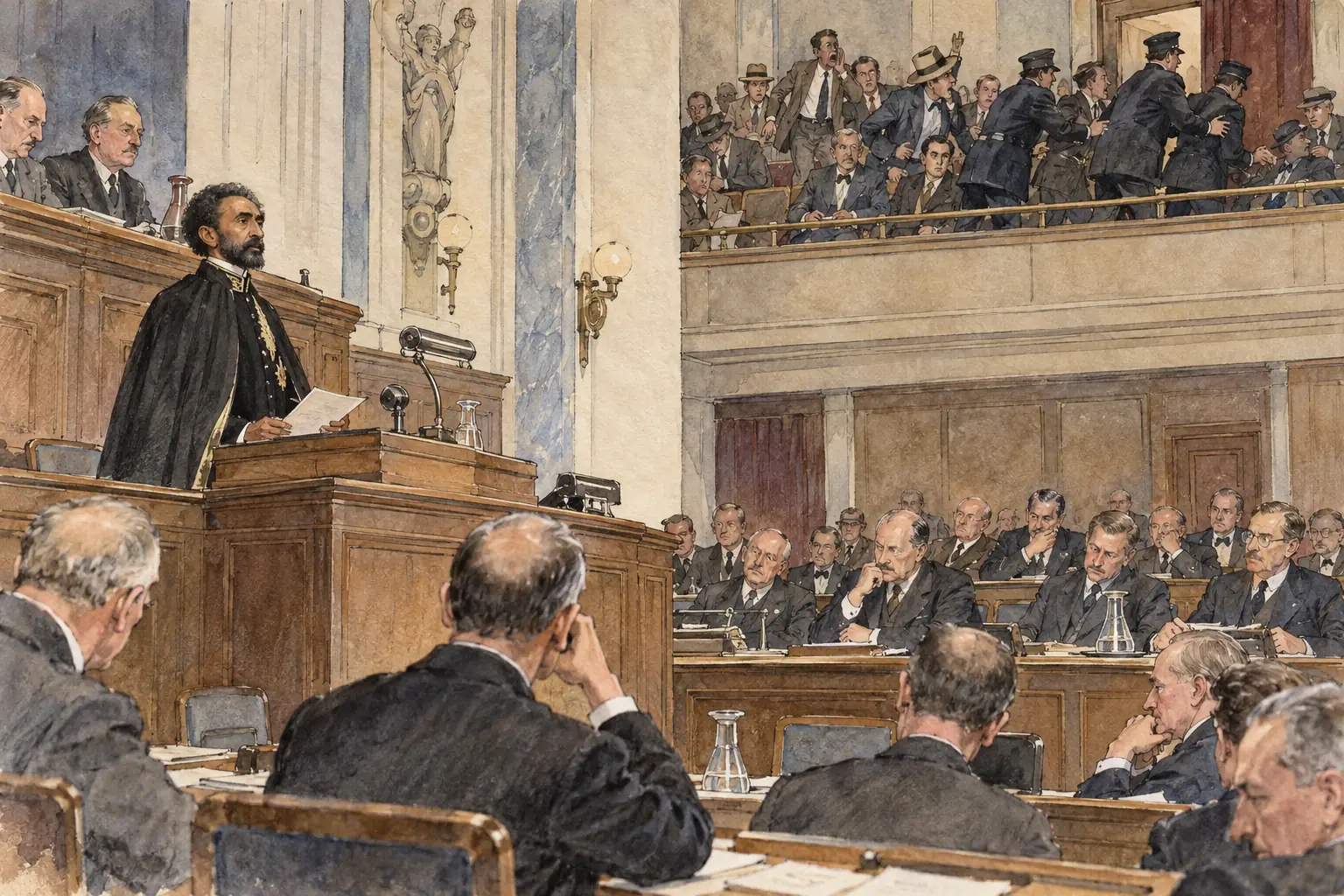
Italy, under Mussolini, aimed to build an empire in Africa and targeted Abyssinia (modern-day Ethiopia) as part of this ambition. The crisis further demonstrated the League's inability to stop aggression from powerful nations.
Build-up to the Italian invasion
- Wal-Wal incident - In December 1934, a clash occurred at an oasis near Wal-Wal on the border between Italian Somaliland and Abyssinia, where Italian troops confronted Abyssinian forces. Italy used this as justification to prepare for war.
- Full-scale invasion - On 3 October 1935, Italian forces launched a major assault on Abyssinia, employing modern weapons like tanks and aircraft against a less equipped opponent. Abyssinia appealed to the League for support.
League's response and the Hoare-Laval scandal
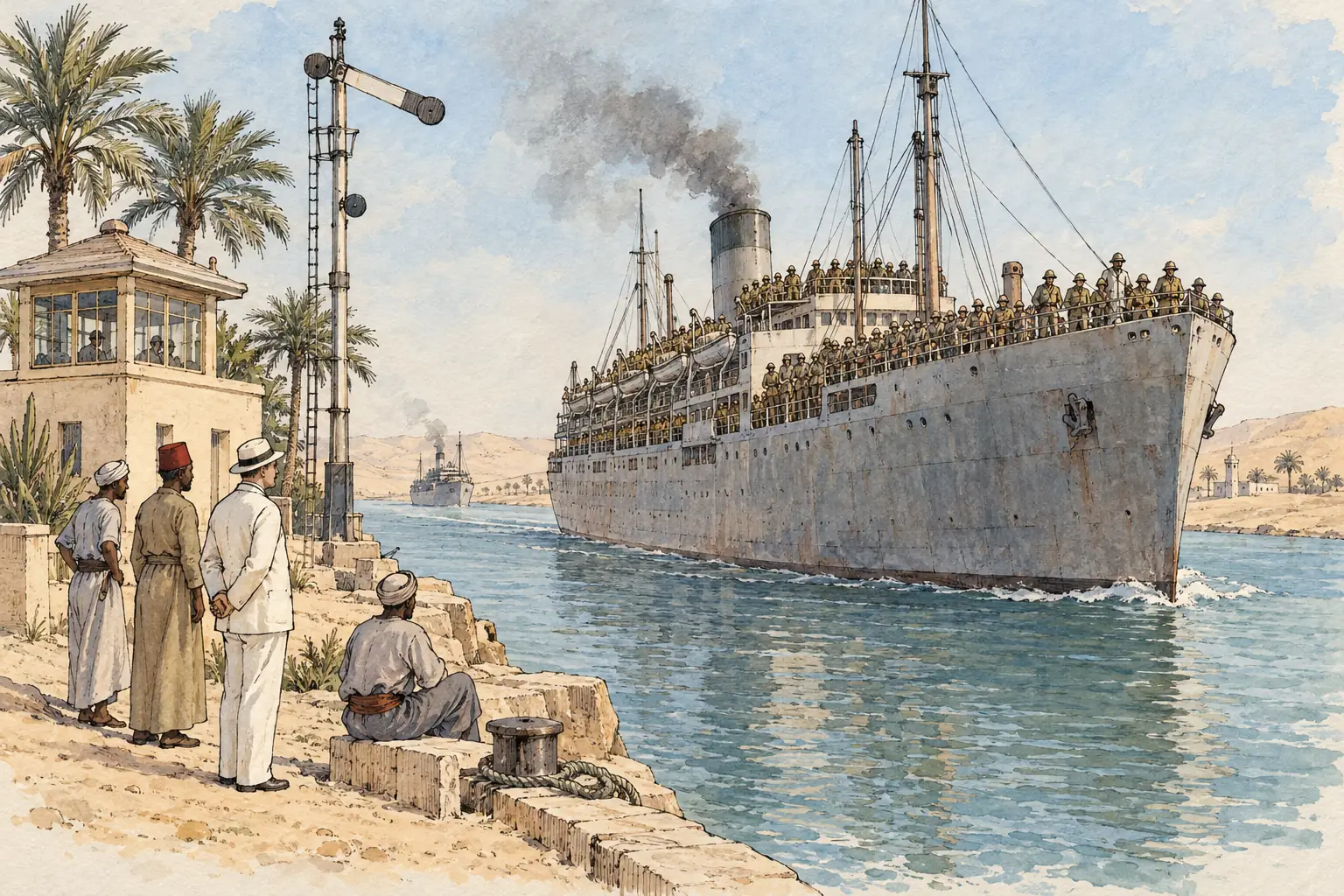
- Limited sanctions - The League condemned Italy and introduced economic sanctions in November 1935, banning exports of arms and certain goods. However, these were ineffective as they excluded crucial items like oil, and the Suez Canal remained open for Italian ships.
- Hoare-Laval Pact - In December 1935, British Foreign Secretary Samuel Hoare and French Foreign Minister Pierre Laval secretly proposed a deal to give Italy control over large parts of Abyssinia in exchange for ending the war. Public outrage forced its abandonment, but the scandal damaged trust in the League.
- Outcome of the invasion - By May 1936, Italy had conquered Abyssinia, annexing it into Italian East Africa, with the League unable to reverse the aggression.
Consequences for the League of Nations
The failures in handling the Manchurian and Abyssinian crises severely undermined the League of Nations, revealing fundamental flaws in its structure and operations. These events contributed to the erosion of global stability leading up to the Second World War.
Factors that damaged the League's credibility
- Great-power self-interest - Major powers like Britain and France prioritised their own economic and strategic concerns over collective security, such as avoiding sanctions on oil to prevent alienating Italy as a potential ally against Germany.
- Slow procedures - The League's requirement for unanimous decisions and lengthy investigations, like the Lytton Commission, allowed aggressors time to consolidate their gains without interference.
- Lack of enforcement - Without a standing army or willingness from members to use force, the League could not back up its resolutions, encouraging further aggression from nations like Germany and Italy.
- Broader impacts - These crises led to the League's declining membership and prestige, signalling to dictators that international rules could be ignored, which emboldened expansionist policies in Europe and Asia..