4.3 - The Liberal Reforms: Causes, Measures & Effects
Key facts and dates
The Liberal Reforms of the early 20th century represented a significant shift in British social policy, addressing widespread poverty amid concerns over national strength and international rivalry. These changes laid foundations for the modern welfare state, though they had notable limitations.
Timeline of key events
- 1899–1902 – Boer War reveals poor physical condition of British recruits, highlighting national efficiency issues.
- 1901 – Rowntree's survey of York exposes extent of urban poverty.
- 1903 – Booth's multi-volume study of London poverty concludes, influencing public and political opinion.
- 1906 – Provision of school meals introduced for needy children.
- 1907 – School medical inspections established to monitor children's health.
- 1908 – Old age pensions scheme launched for the elderly poor.
- 1911 – National Insurance Act provides sickness and unemployment benefits.
Reasons for introducing the Liberal Reforms
At the start of the 20th century, Britain faced growing awareness of deep-seated social problems, prompting the Liberal government to introduce a series of welfare measures between 1906 and 1914. These reforms were driven by a mix of humanitarian concerns, strategic needs, and political pressures.
Factors prompting the Liberal Reforms
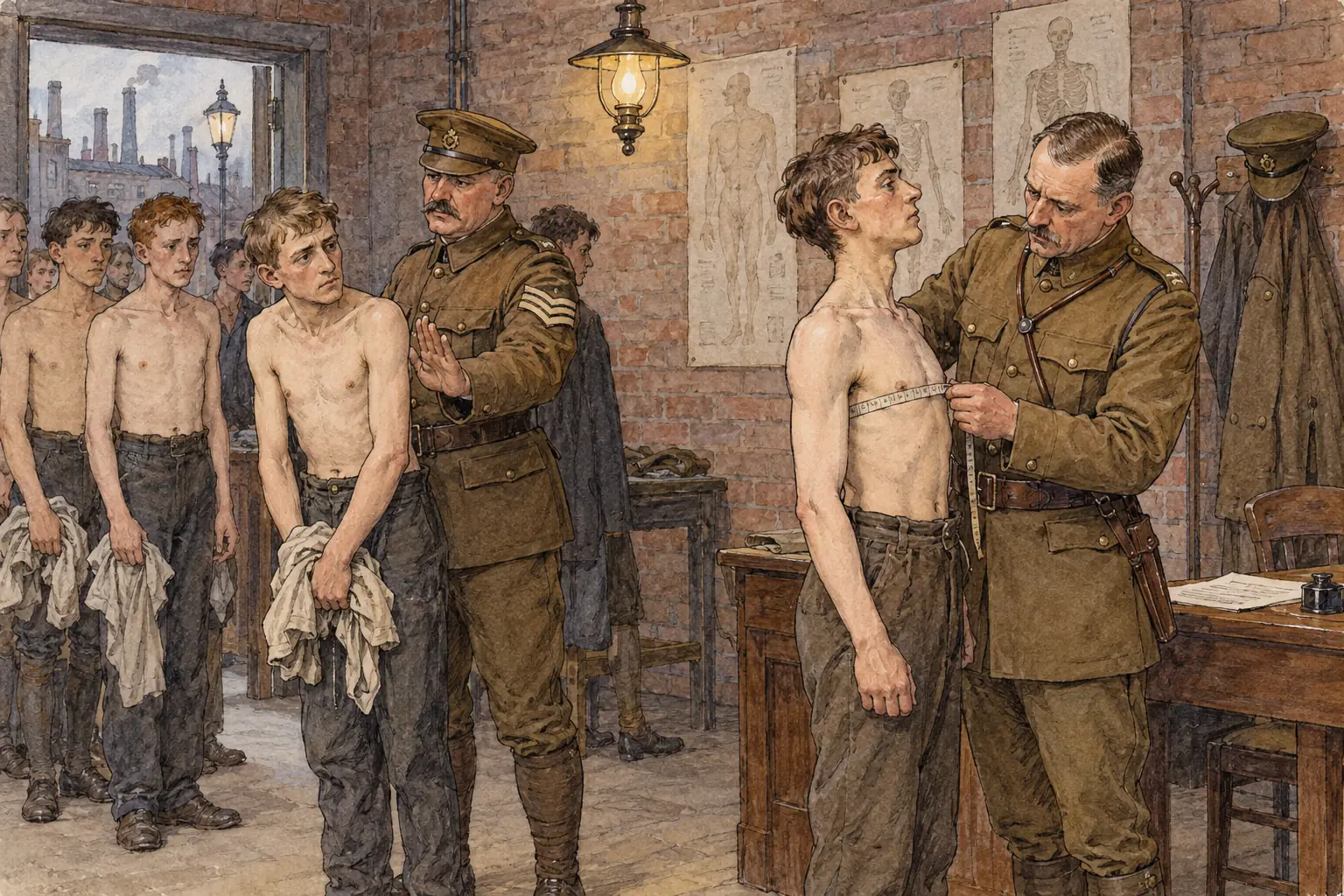
- Concerns over national efficiency - The Boer War (1899–1902) exposed alarming levels of unfitness among army recruits, with around 40% rejected due to health issues stemming from poverty, raising fears that Britain's workforce and military strength were declining.
- Social surveys revealing poverty - Charles Booth's extensive investigation into London life showed that about one-third of the population lived in poverty, while Seebohm Rowntree's study of York demonstrated that low wages and unemployment trapped families in cycles of deprivation, often leading to malnutrition and disease.
- Political competition with other nations - Countries like Germany had already implemented social insurance systems, putting pressure on Britain to modernise to maintain its global standing and prevent social unrest that could undermine economic competitiveness.
Key measures implemented by the Liberal government
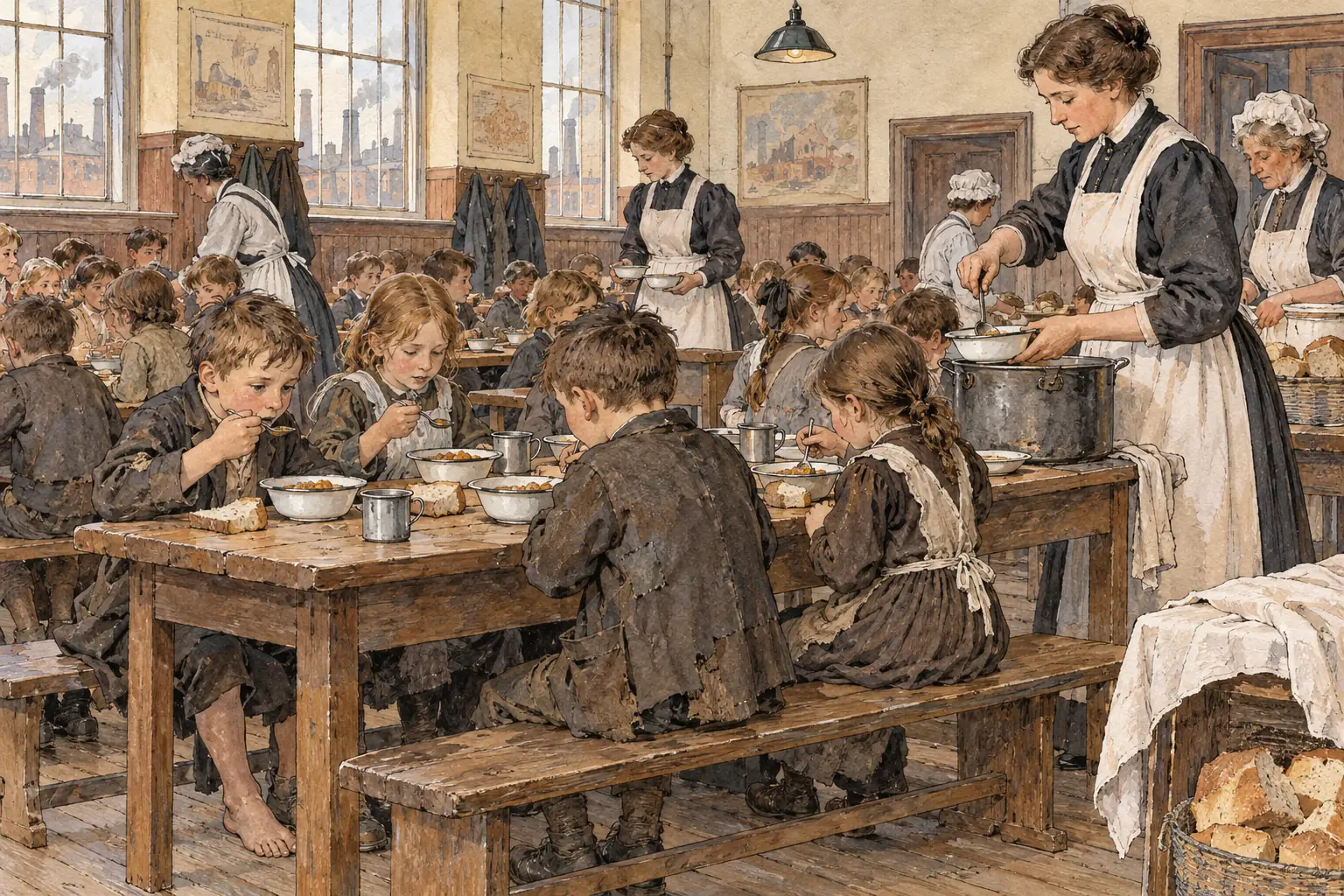
Image 1 of 3: From 1906 local authorities could give free school meals to poor children
The Liberal government, under leaders like David Lloyd George and Herbert Asquith, enacted targeted legislation to tackle poverty among vulnerable groups. These measures focused on children, the elderly, and workers, aiming to provide basic support without overburdening the state.
Main Liberal welfare measures
- Provision of school meals (1906) - Local authorities could offer free meals to children from poor families, helping to combat hunger and improve concentration in education.
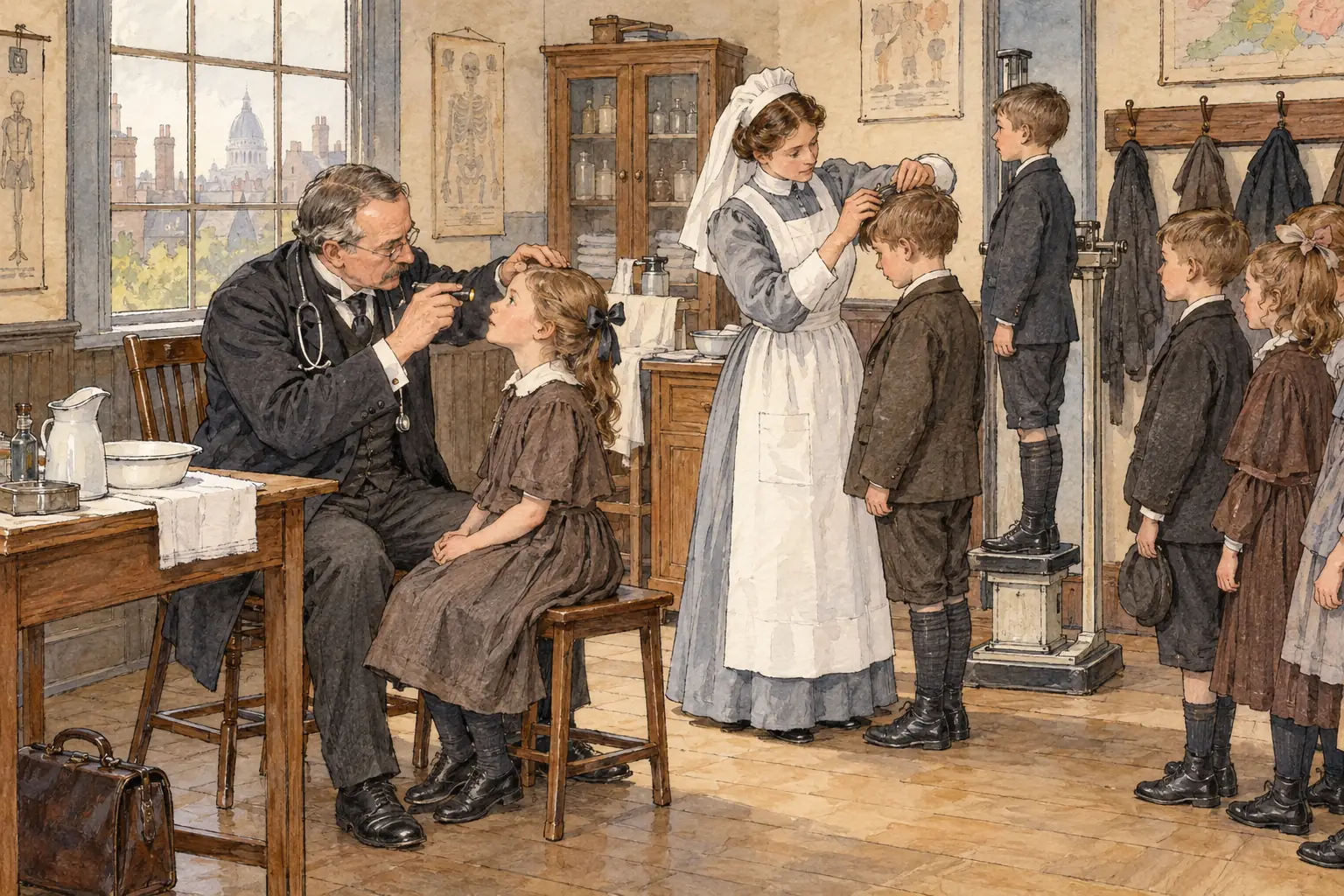
- School medical inspections (1907) - Compulsory health checks in schools identified issues like malnutrition or poor eyesight, though treatment was not initially provided.
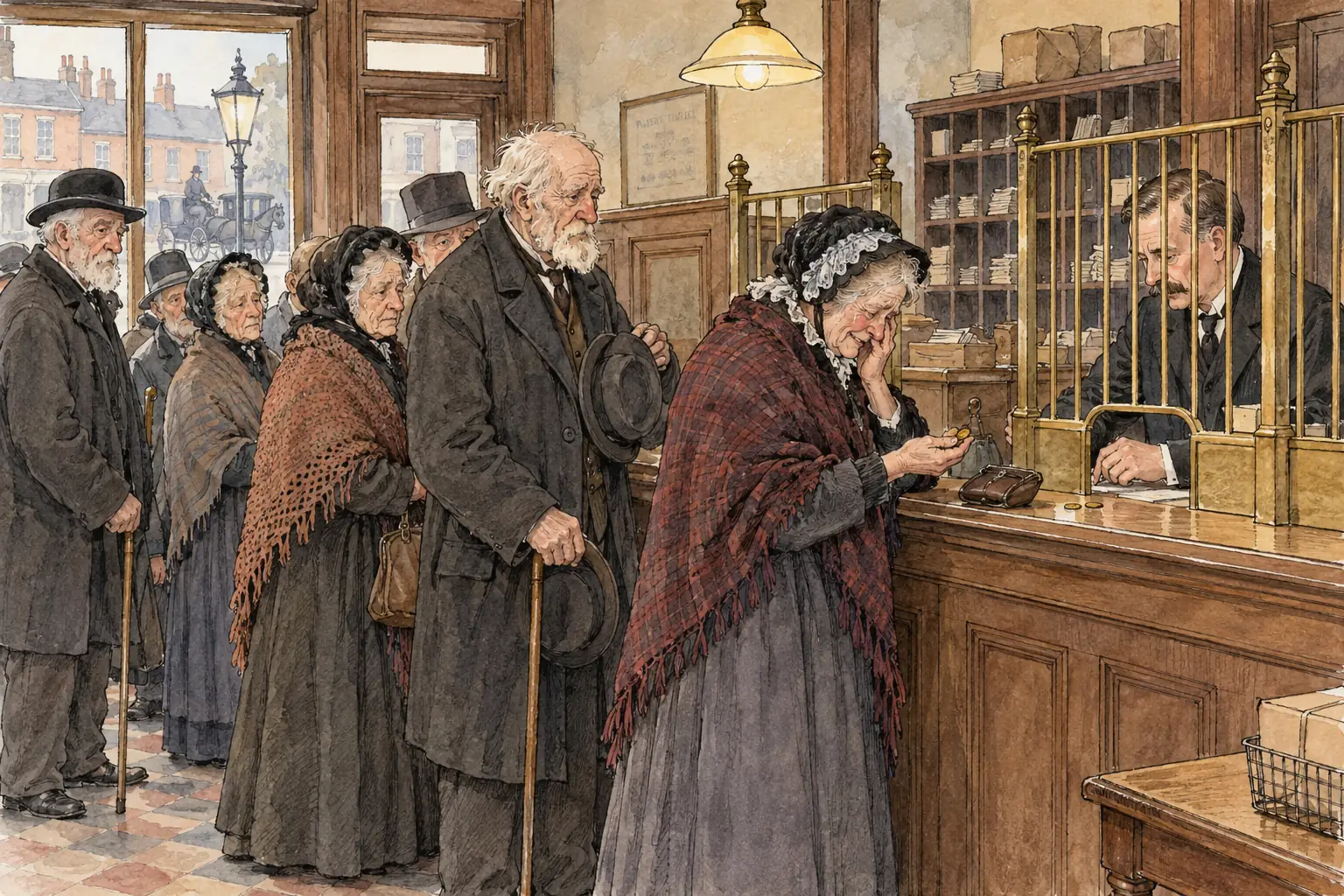
- Old age pensions (1908) - Non-contributory payments for those over 70 with low incomes, offering a small weekly sum to prevent destitution in old age.
- National Insurance Act (1911) - Introduced sickness benefits for workers earning below a certain threshold, funded by contributions from employees, employers, and the state; it also provided limited unemployment cover for specific trades.
Impact of the reforms on poverty and illness
The Liberal Reforms made some progress in alleviating the worst effects of poverty, particularly by addressing health issues linked to deprivation. They helped reduce instances of poverty-related illnesses through targeted support, though the overall impact was gradual.
Ways the reforms addressed poverty-related illness
- Improved child health - Free school meals reduced malnutrition among children, leading to fewer cases of conditions like rickets, while medical inspections allowed early detection of diseases such as tuberculosis.
- Support for the elderly - Pensions provided financial security, enabling older people to afford better nutrition and housing, which lowered rates of illness from cold and hunger.
- Worker protections - National Insurance offered sick pay, preventing families from falling into deeper poverty during illness and reducing the spread of untreated conditions in workplaces.
| Reform | Target group | Impact on poverty-related illness |
|---|---|---|
| School meals (1906) | Children | Decreased hunger-related weaknesses, improving resistance to infections |
| Medical inspections (1907) | Schoolchildren | Identified health problems early, reducing long-term effects of untreated ailments |
| Old age pensions (1908) | Elderly | Enabled access to food and warmth, cutting down on respiratory and dietary diseases |
| National Insurance (1911) | Workers | Provided income during sickness, limiting the worsening of conditions due to financial strain |
Limitations of the reforms and need for change
Despite their achievements, the Liberal Reforms were criticised for being piecemeal and insufficient, leaving many gaps in coverage. This created a need for more comprehensive changes to fully address systemic poverty and its health consequences.
Shortcomings of the Liberal Reforms
- Limited scope and coverage - Measures like pensions excluded those under 70 or with higher incomes, while National Insurance only applied to certain workers, leaving groups such as the self-employed or casually employed without support.
- Inadequate funding and benefits - Payments were often too small to lift people out of poverty; for example, pensions provided minimal amounts that barely covered basics, failing to prevent ongoing health issues from deprivation.
- Lack of universal provision - The reforms relied on means-testing and contributions, which stigmatised recipients and did not tackle root causes like low wages or unemployment, leading to persistent poverty-related illnesses.
- Calls for broader reform - Growing awareness, including from the First World War's impact on health standards, highlighted the need for a more inclusive system, eventually inspiring the post-war welfare state expansions.