3.1 - Berlin Wall: Causes, Impact & Kennedy's Response
Key facts and dates
The construction of the Berlin Wall in 1961 was a pivotal event in the Cold War, triggered by escalating tensions between East and West over Berlin's divided status. It symbolised the deepening divide between communist and capitalist ideologies, with significant immediate and lasting consequences.
Timeline of key events
| Date | Event |
|---|---|
| June 1961 | Vienna Summit between Khrushchev and Kennedy heightens tensions, with demands to resolve the Berlin issue. |
| 13 August 1961 | East German forces begin constructing the Berlin Wall overnight to seal off West Berlin. |
| October 1961 | Checkpoint Charlie standoff between U.S. and Soviet tanks nearly escalates to armed conflict. |
| 1961–1989 | The wall stabilises East Germany's borders but becomes a symbol of communist repression. |
| 26 June 1963 | President Kennedy delivers his 'Ich bin ein Berliner' speech in West Berlin. |
Causes of the Berlin Wall's construction in 1961
Image 1 of 2: By the summer of 1961 thousands of East Germans a week were arriving at West Berlin's Marienfelde refugee centre
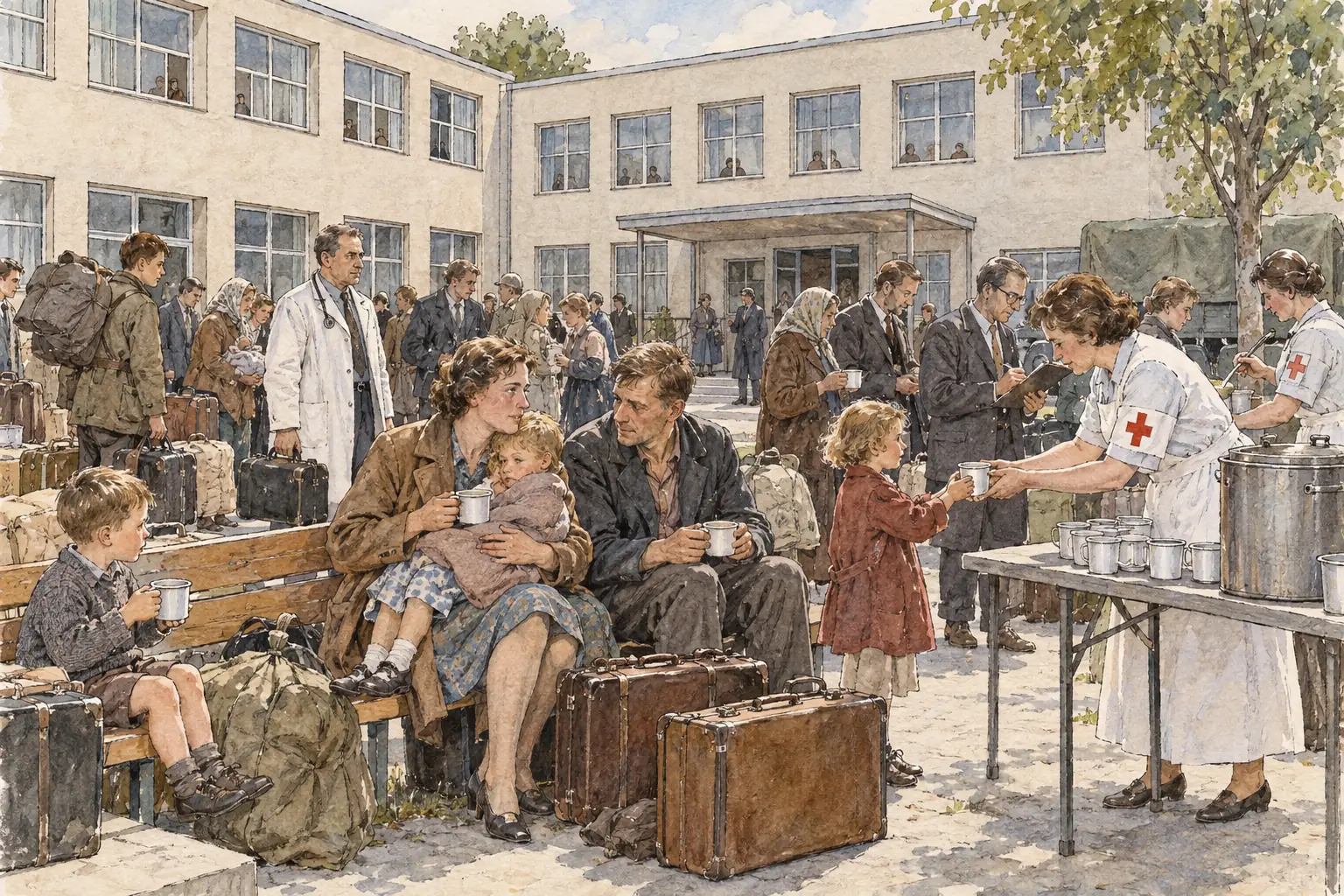
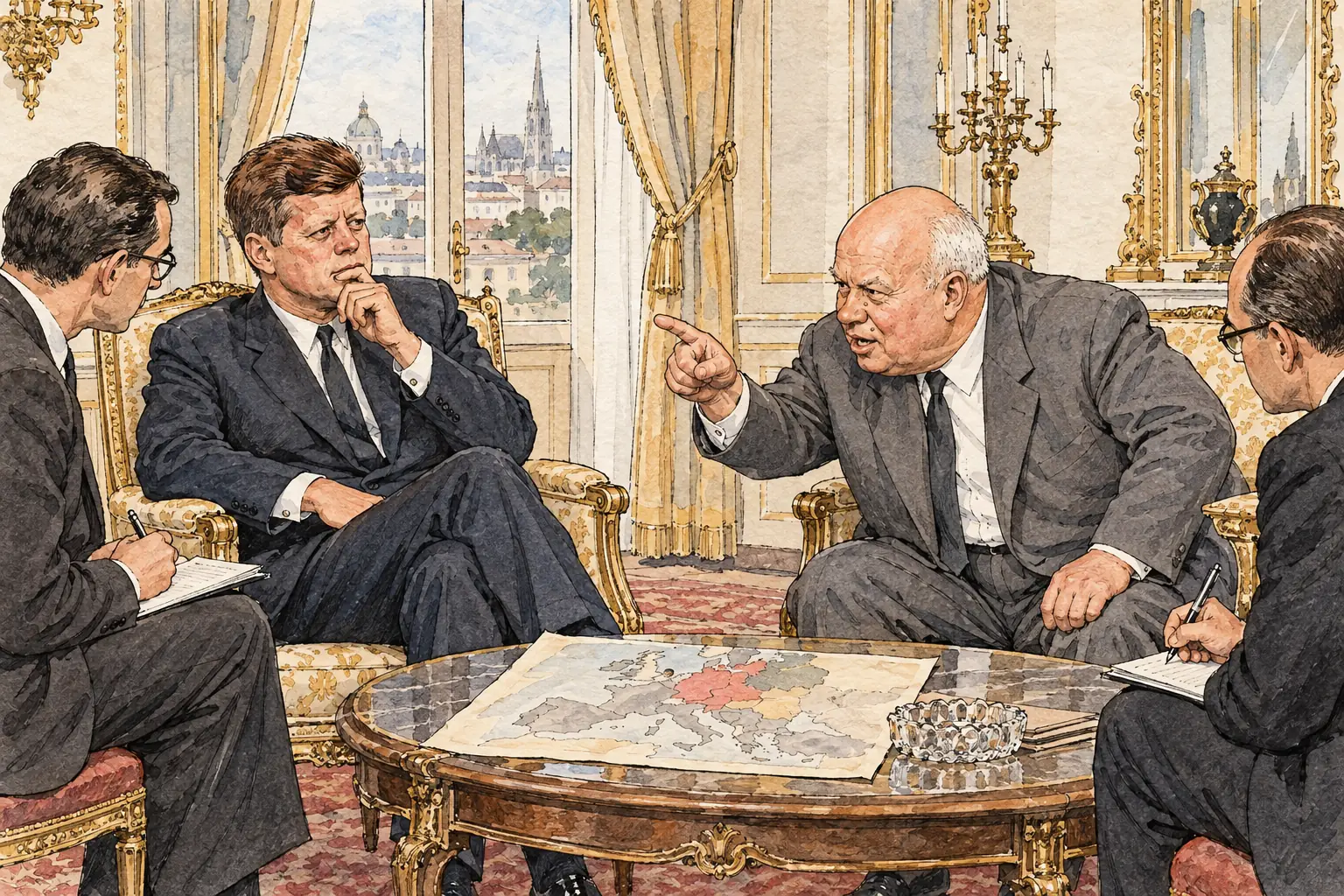
The Berlin Wall was erected by the German Democratic Republic (GDR) on 13 August 1961 to address severe economic and demographic challenges. This drastic measure stemmed from the ongoing division of Berlin, where the open border allowed free movement between the communist East and capitalist West, exacerbating problems for the East German regime.
Factors leading to the wall's construction
- Brain drain to the West - Skilled professionals, including doctors, engineers, and teachers, fled East Berlin for better opportunities in the West, depleting the GDR's workforce and weakening its economy.
- Economic pressures on the GDR - The loss of workers contributed to labour shortages and reduced productivity, threatening the stability of the communist system amid already strained resources.
- Berlin crisis after the Vienna Summit - The June 1961 meeting between Soviet leader Nikita Khrushchev and U.S. President John F. Kennedy intensified disputes over Berlin's status, with Khrushchev demanding the West withdraw and threatening unilateral action, prompting the GDR to fortify the border.
Immediate incidents following the wall's erection
Image 1 of 2: East German troops and militia strung barbed wire across Berlin overnight on 12-13 August 1961
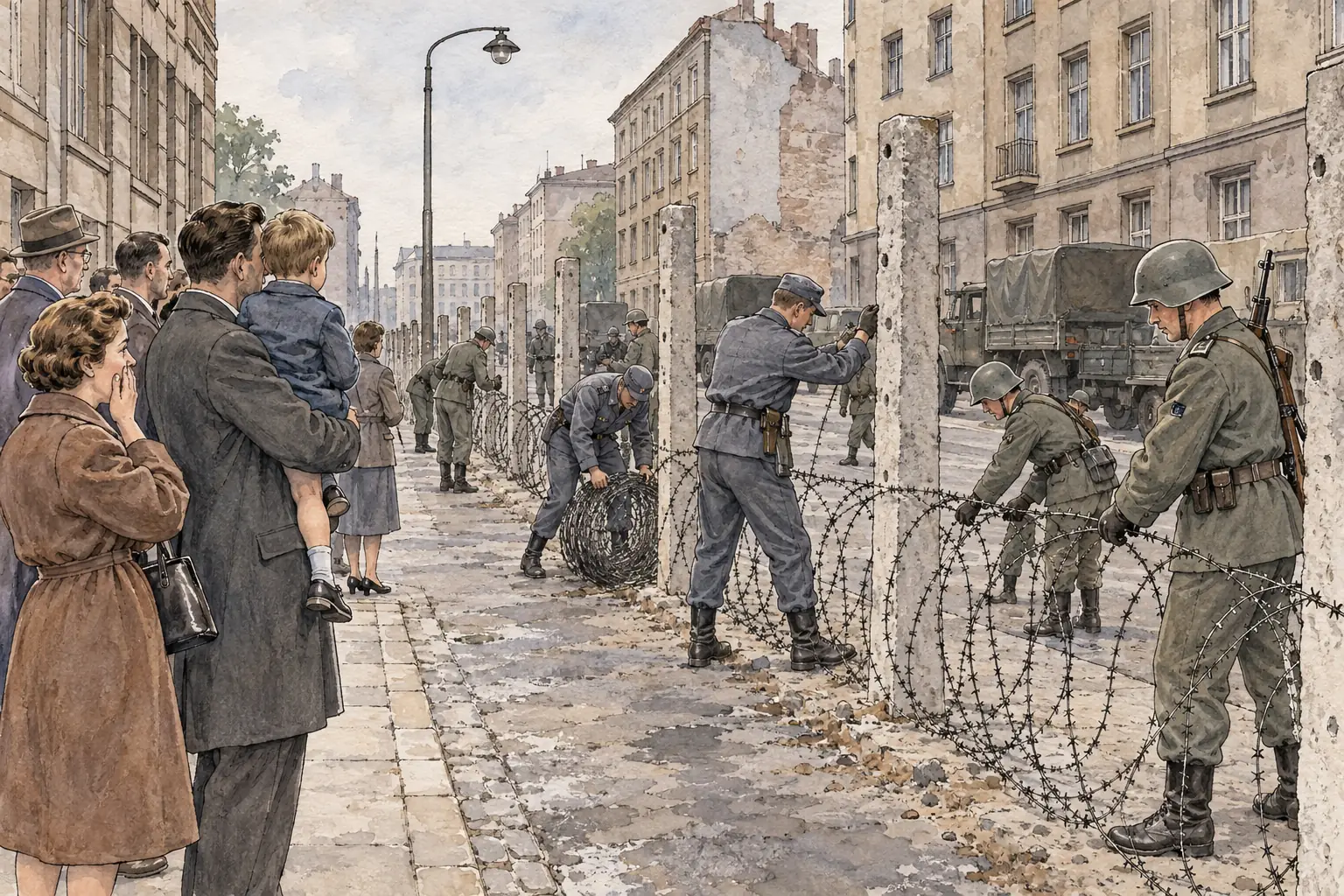
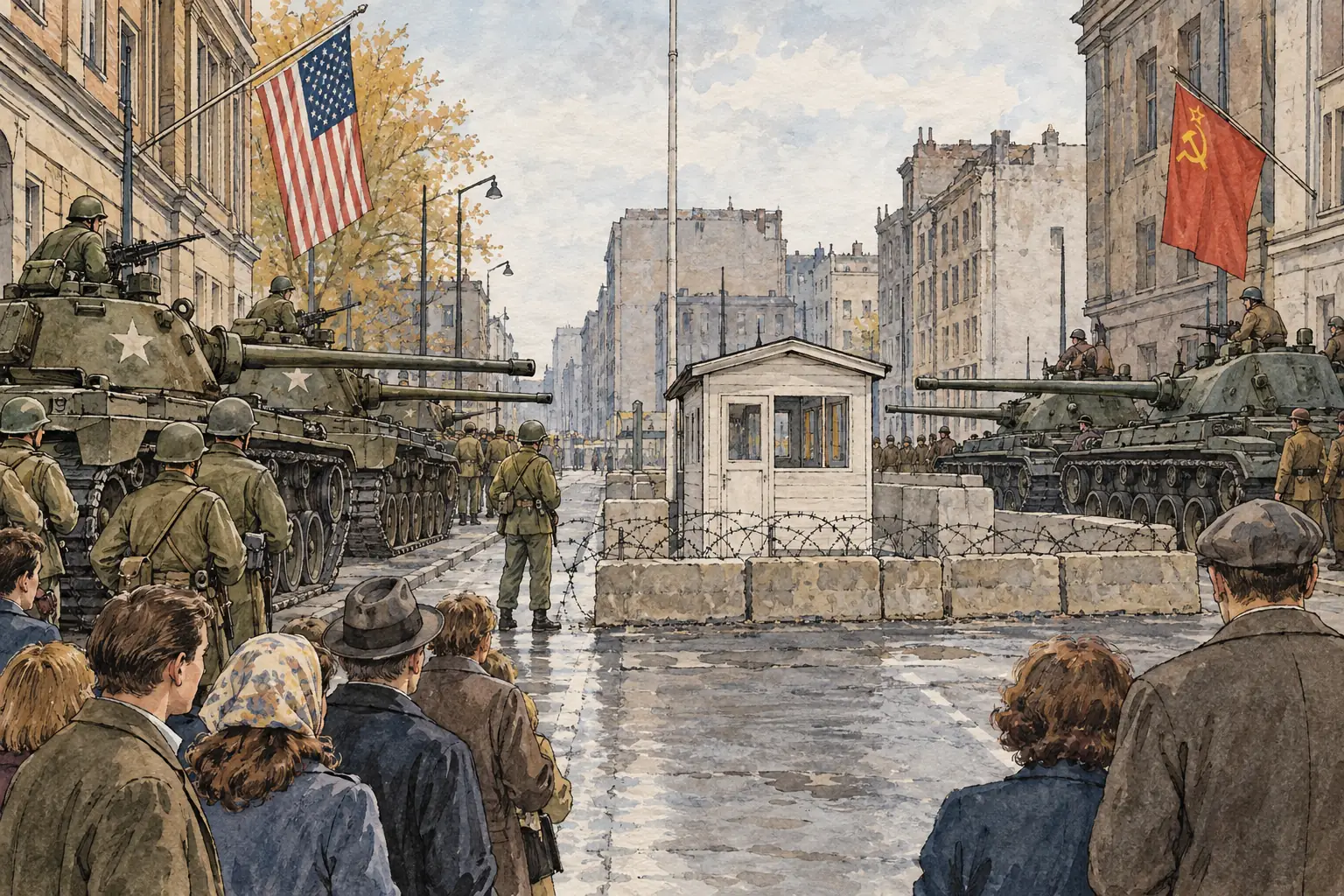
The sudden construction of the Berlin Wall created shockwaves, leading to tense confrontations as East German authorities enforced the new barrier. These events highlighted the risks of escalation in the Cold War standoff over Berlin.
Key immediate developments
- Overnight border closure - East German troops and police sealed off West Berlin with barbed wire and concrete barriers, preventing further migration and dividing families overnight.
- Checkpoint Charlie standoff - In October 1961, U.S. and Soviet tanks faced off at this key crossing point after disputes over access rights, bringing the superpowers to the brink of conflict before both sides withdrew.
Longer-term impacts of the Berlin Wall
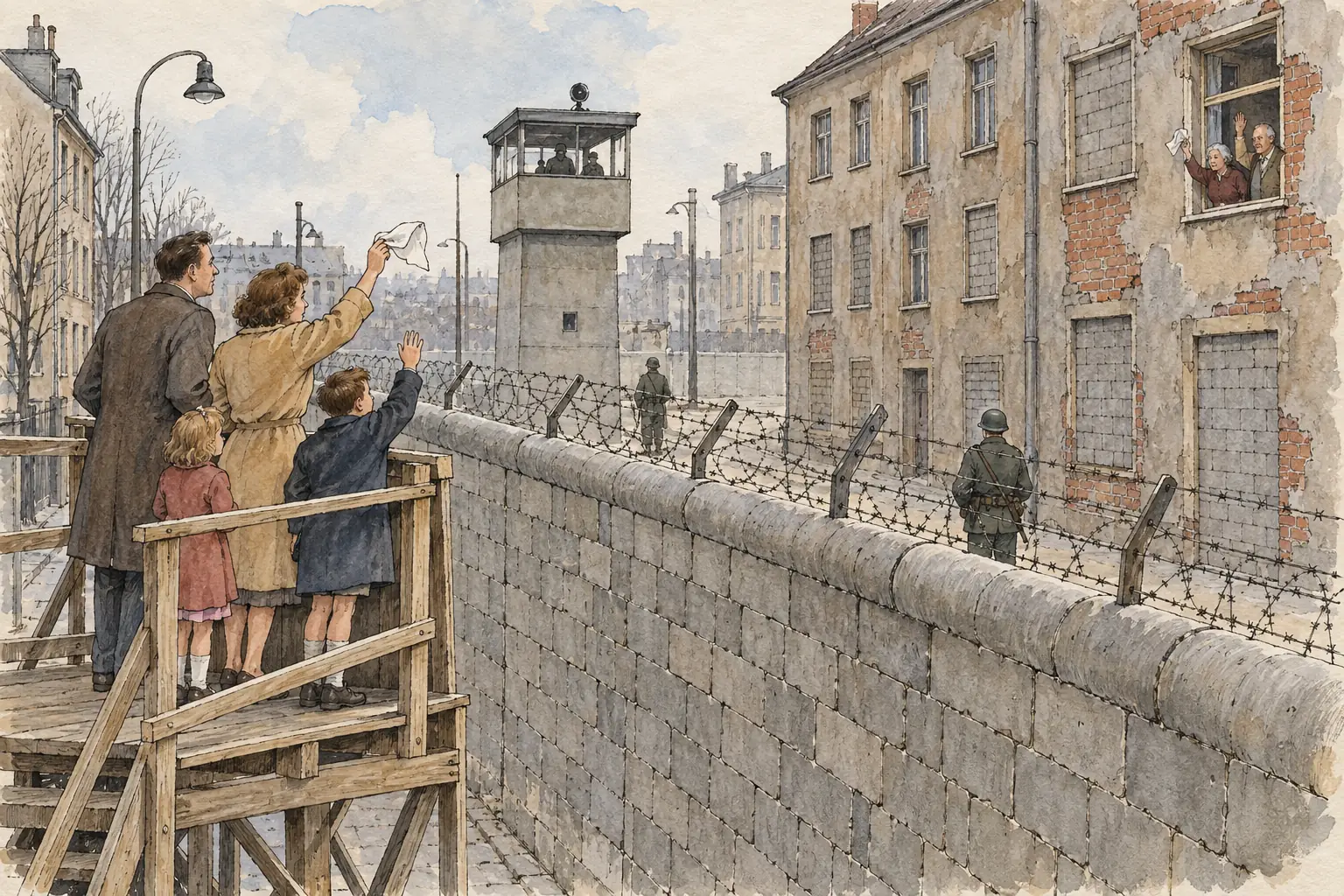
Beyond its immediate effects, the Berlin Wall had profound consequences that shaped Cold War dynamics for decades. It altered migration patterns, influenced global perceptions, and served as a tool for ideological messaging on both sides of the Iron Curtain.
Enduring effects of the wall
- Stabilisation of the border - The wall effectively halted the mass exodus from East to West, allowing the GDR to retain its population and stabilise its economy by reducing defections.
- Symbol of repression - It represented the oppressive nature of communist rule, restricting freedom of movement and leading to numerous deaths among those attempting to escape.
- Propaganda value for both sides - The West used the wall to highlight the failures of communism and the appeal of democracy, while the East portrayed it as protection against Western aggression, fueling mutual ideological campaigns.
Kennedy's stance and response to the Berlin crisis
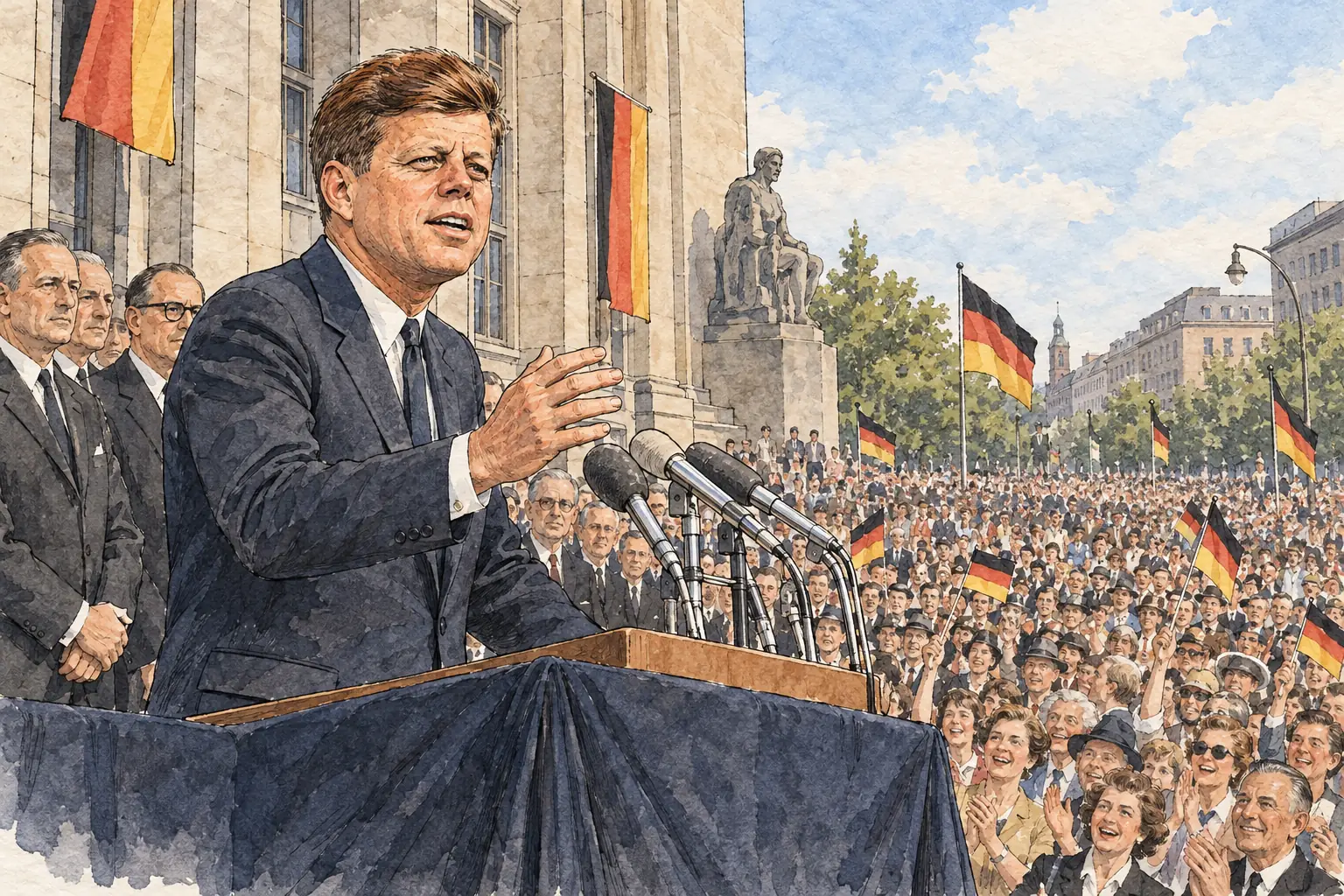
U.S. President John F. Kennedy adopted a firm but measured approach to the Berlin Wall crisis, emphasising support for West Berlin without provoking full-scale war. His public statements reinforced American commitment to defending democratic allies in Europe.
Kennedy's key actions and messaging
- Initial response to the wall - Kennedy condemned the construction as a violation of post-war agreements but chose not to intervene militarily, focusing instead on diplomatic pressure and military readiness to avoid escalation.
- Public support for Berlin - In his famous 1963 speech in West Berlin, Kennedy declared 'Ich bin ein Berliner' to express solidarity with the city's residents, boosting morale and underscoring U.S. resolve against Soviet threats.