1.4 - Provisions Of Oxford, 1265 Parliament & Legacy
Key facts and dates
The Provisions of Oxford represented a major attempt to reform royal government in 13th-century England, driven by baronial discontent with King Henry III's rule. This period of conflict and innovation set important precedents for parliamentary development, though it was marked by immediate turmoil and social unrest.
Timeline of key events
- 1258 – Provisions of Oxford established, creating a council of 15 to supervise the king and enforce regular parliaments.
- 1264 – Battle of Lewes sees Simon de Montfort defeat royal forces, capturing Henry III and Prince Edward.
- 1264-65 – Widespread anti-Jewish violence erupts amid debt disputes and baronial rebellions.
- 1265 – De Montfort's parliament summons knights and burgesses for broader representation.
- 1267 – Dictum of Kenilworth ends the conflict, restoring royal authority but with concessions.
- 1295 – Edward I's 'Model Parliament' builds on de Montfort's inclusive approach.
The Provisions of Oxford and their key reforms
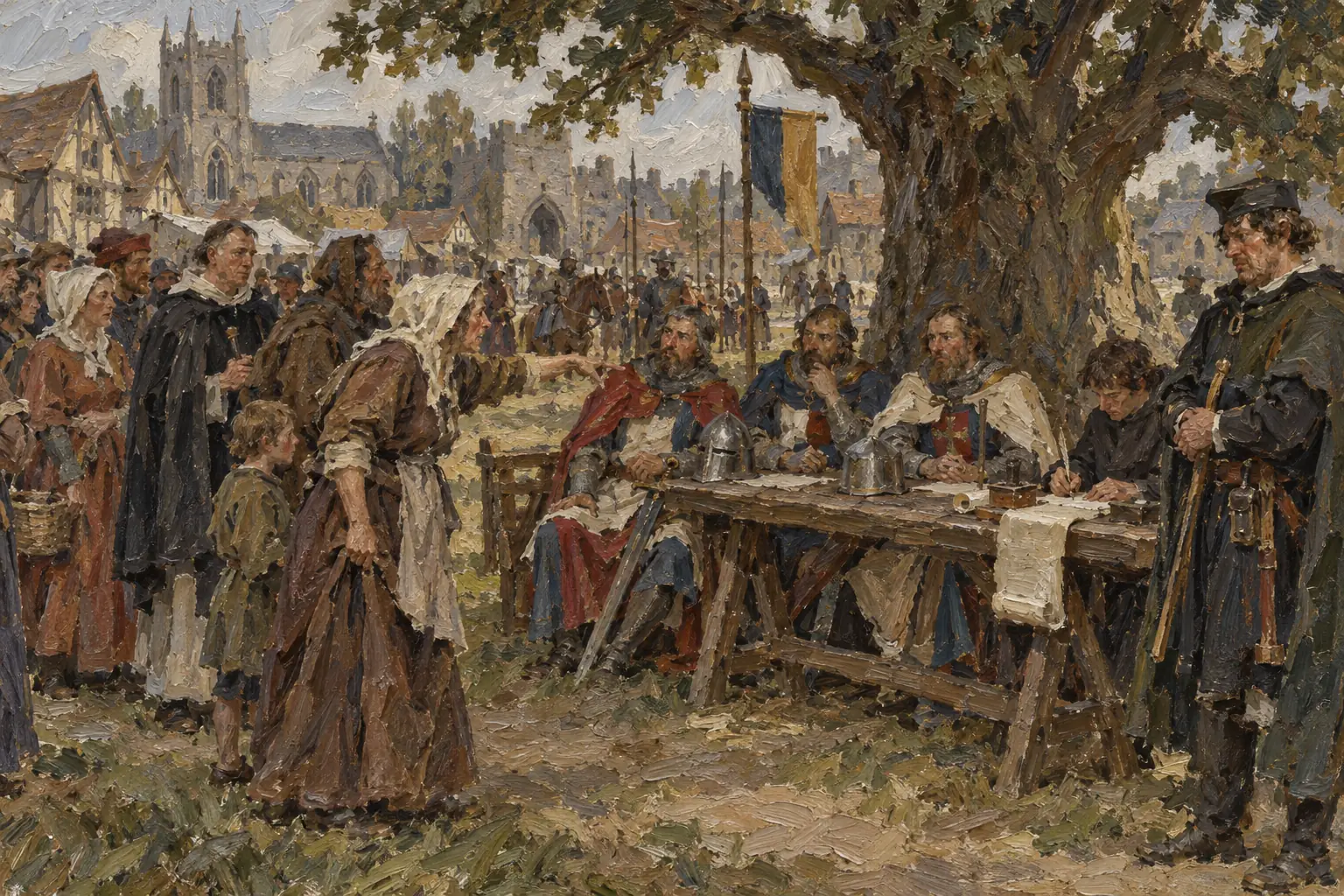
The Provisions of Oxford emerged in 1258 as a response to growing baronial frustration with King Henry III's mismanagement and arbitrary governance. This set of reforms aimed to limit the king's power and introduce more structured oversight, reflecting ideas about balanced government and accountability.
Main elements of the Provisions of Oxford
- Council of 15 - A group of barons was appointed to oversee royal decisions, advise the king, and prevent misuse of authority, ensuring that major actions required collective approval.
- Regular parliaments - Parliaments were to be held three times a year to discuss national affairs, promoting consistent consultation between the king and his nobles.
- Mechanisms to curb arbitrary rule - Reforms included controls on royal spending, appointments, and legal decisions, with local officials accountable to the council to reduce corruption and favouritism.
These changes were influenced by broader ideas of shared governance, though chance events like financial crises played a role in their creation.
Failure of the Provisions and start of conflict
Despite initial acceptance, the Provisions of Oxford faced resistance from King Henry III and his supporters, leading to their breakdown. Tensions arose from disagreements over implementation and the king's efforts to regain control, ultimately sparking armed conflict.
Factors leading to the Provisions' collapse
- Royal opposition - Henry III sought papal support to nullify the Provisions in 1261, viewing them as an infringement on his divine right to rule, which undermined their authority.
- Baronial divisions - Internal splits among the barons weakened unity, with some favouring compromise while others, led by Simon de Montfort, pushed for stricter enforcement.
- Escalation to war - Disputes over foreign policy and finances escalated into the Second Barons' War by 1263, as both sides mobilised forces, highlighting the role of individual leaders like de Montfort in driving events.
Chance factors, such as failed negotiations, contributed to the rapid shift from reform to rebellion.
The Battle of Lewes and the 1265 parliament
Image 1 of 2: At Lewes in May 1264 de Montfort's army defeated the royal army and captured Henry III and Prince Edward
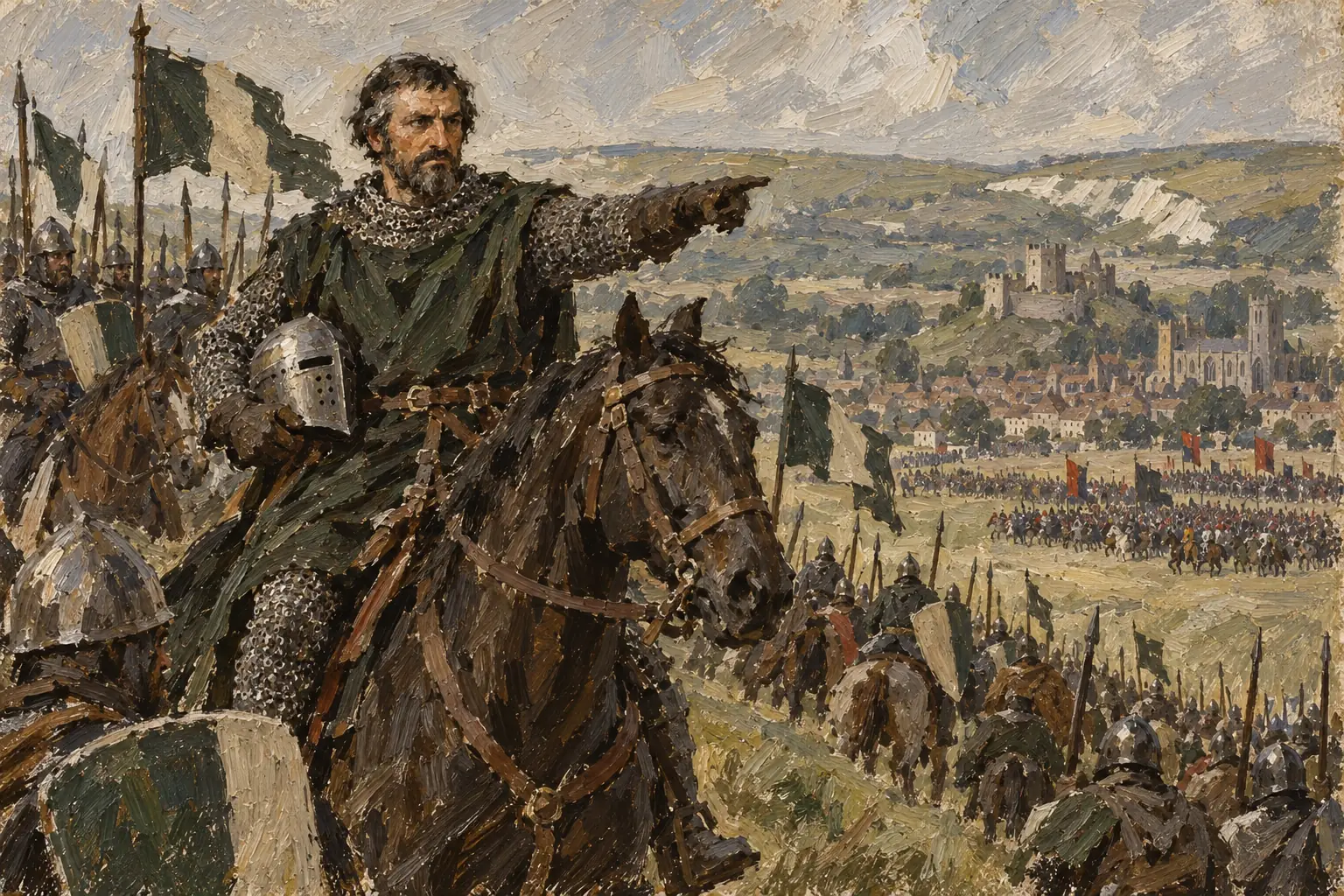
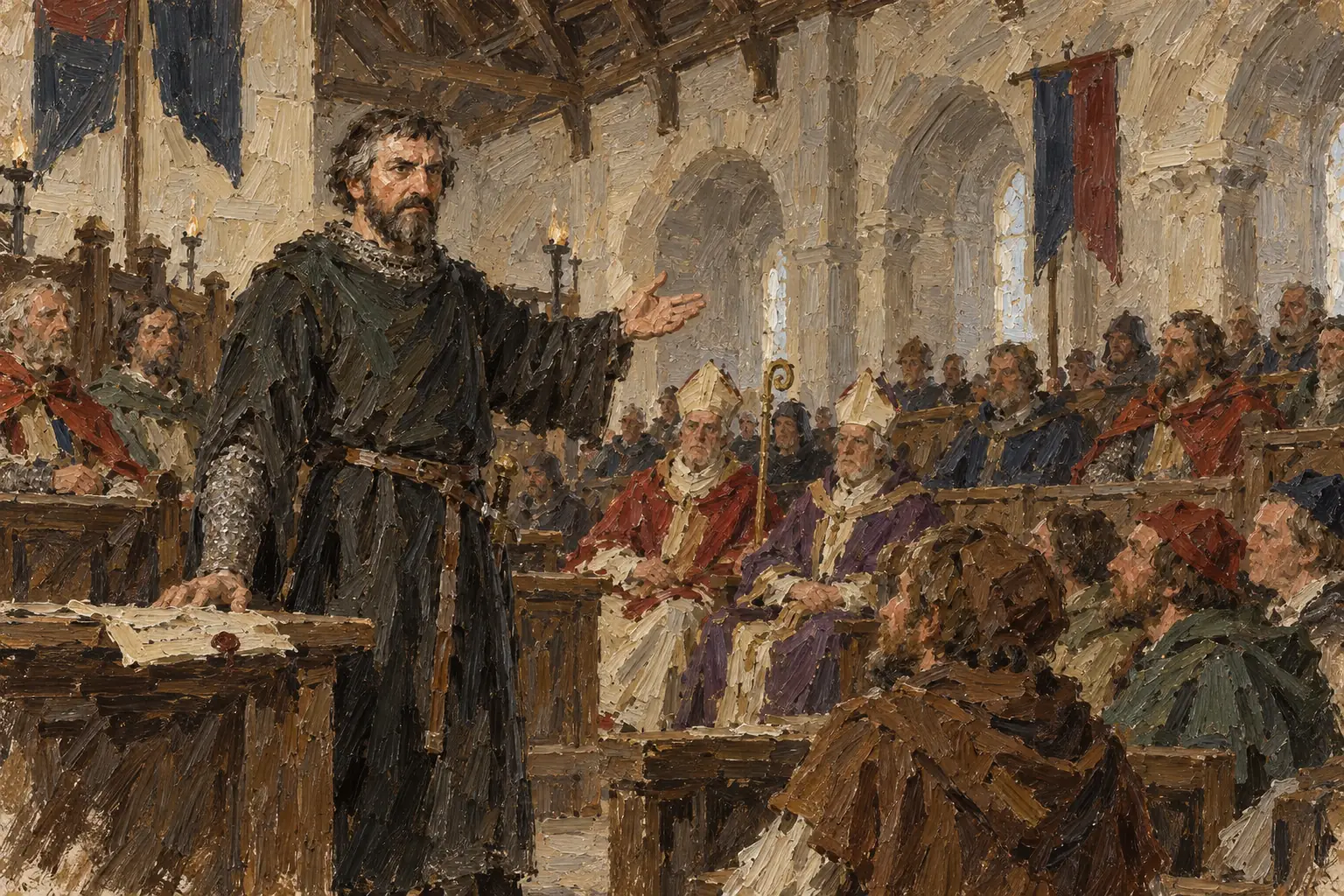
The Battle of Lewes in 1264 marked a turning point in the conflict, where Simon de Montfort's forces achieved a decisive victory over the royal army. Following this, de Montfort sought to consolidate power by expanding political participation through a groundbreaking parliament.
Outcome of the Battle of Lewes
- Key events - De Montfort's smaller but tactically superior army defeated Henry III's troops near Lewes, capturing the king and his son Prince Edward, effectively placing de Montfort in control of the government.
- Immediate consequences - With the king as a figurehead, de Montfort governed through a new council, implementing reforms while facing ongoing resistance from royalists.
Features of the 1265 parliament
- Broader representation - For the first time, knights from each county and burgesses from major towns were summoned alongside nobles and clergy, aiming to widen support for de Montfort's regime.
- Purpose and innovations - The parliament discussed national issues like peace terms and governance, setting a precedent for inclusive assemblies that reflected evolving ideas about representation.
- Role of the individual - De Montfort's leadership was crucial, as his vision for a more participatory system stemmed from personal ambition and reformist ideals, though chance alliances helped secure attendance.
Short-term instability and long-term legacy
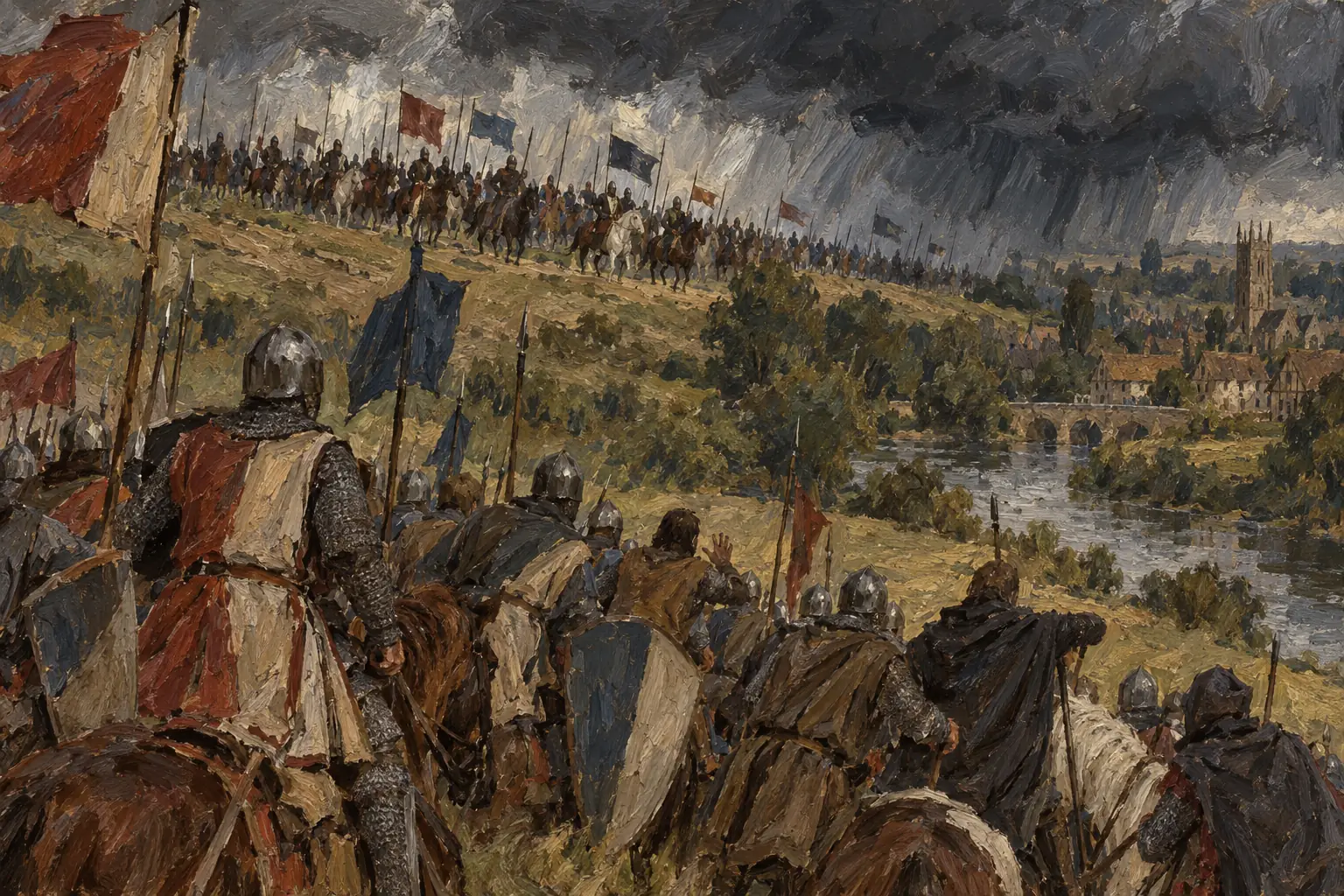
The reforms of this period led to immediate chaos but established enduring principles in English governance. While de Montfort's government collapsed, its ideas influenced future developments in parliamentary structure.
Short-term effects
- Political turmoil - De Montfort's rule ended with his defeat at Evesham in 1265, restoring Henry III but prolonging unrest until the 1267 Dictum of Kenilworth offered pardons and limited reforms.
- Continued conflict - Factional fighting and royal reprisals created instability, with government weakened by ongoing baronial discontent.
Long-term significance
- Precedent for representation - The 1265 parliament's inclusion of knights and burgesses inspired Edward I's 1295 'Model Parliament', which formalised broader participation and shaped the evolution of the House of Commons.
- Influence on government ideas - It promoted concepts of consent and accountability, reducing arbitrary rule and laying foundations for constitutional monarchy, though chance events like Edward's accession accelerated these changes.
Social context including anti-Jewish violence
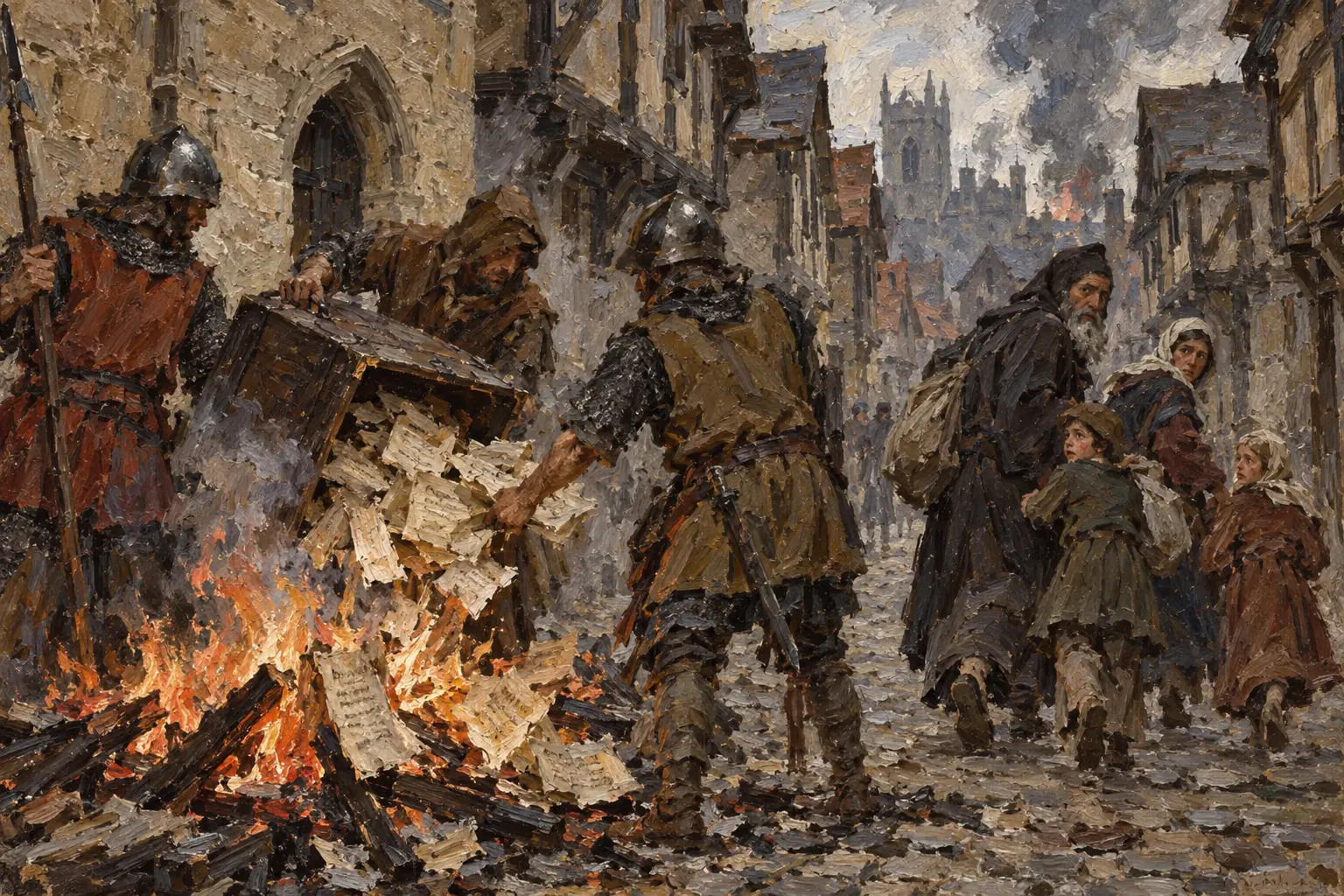
Amid the political upheaval, social tensions boiled over into widespread anti-Jewish violence between 1264 and 1265. Jewish communities, often tied to royal finances, became targets during the baronial rebellions, revealing deeper societal issues.
Causes and impacts of anti-Jewish violence
- Vulnerability as royal 'property' - Jews were under the king's protection but seen as his financial assets, making them scapegoats for debts owed by barons and knights, who exploited the chaos to cancel obligations.
- Debt disputes and attacks - Baronial forces, including de Montfort's supporters, targeted Jewish moneylenders, leading to pogroms in cities like London and Worcester, where records of debts were destroyed.
- Broader social factors - Religious prejudices and economic resentments fuelled the violence, with hundreds killed or expelled, highlighting how government breakdown exacerbated social divisions.
- Role of chance and ideas - Unplanned escalations during the war amplified attacks, while anti-Semitic ideas justified them, though some barons protected Jewish communities for strategic reasons.