1.1 - Elizabeth’s Accession, Background & Character
Key facts and dates
Elizabeth I's accession in 1558 came at a time of significant religious and political instability in England, following the tumultuous reigns of her predecessors. Her background, shaped by a challenging upbringing and royal family dynamics, equipped her with unique skills but also exposed key weaknesses. The timeline below outlines the pivotal events in her early life and rise to the throne.
Timeline of key events
- 1533 – Elizabeth born to Henry VIII and Anne Boleyn, initially declared heir but later deemed illegitimate after her mother's execution.
- 1536 – Anne Boleyn executed; Elizabeth loses status as princess and faces uncertain position at court.
- 1547 – Henry VIII dies; Elizabeth's half-brother Edward VI ascends, introducing Protestant reforms that influence her education.
- 1553 – Edward VI dies; Mary I becomes queen, restoring Catholicism and imprisoning Elizabeth on suspicion of treason.
- 1554 – Elizabeth imprisoned in the Tower of London during Wyatt's Rebellion, heightening her sense of vulnerability.
- 1558 – Mary I dies; Elizabeth accedes to the throne at age 25, inheriting a divided nation.
The context of Elizabeth's accession in 1558
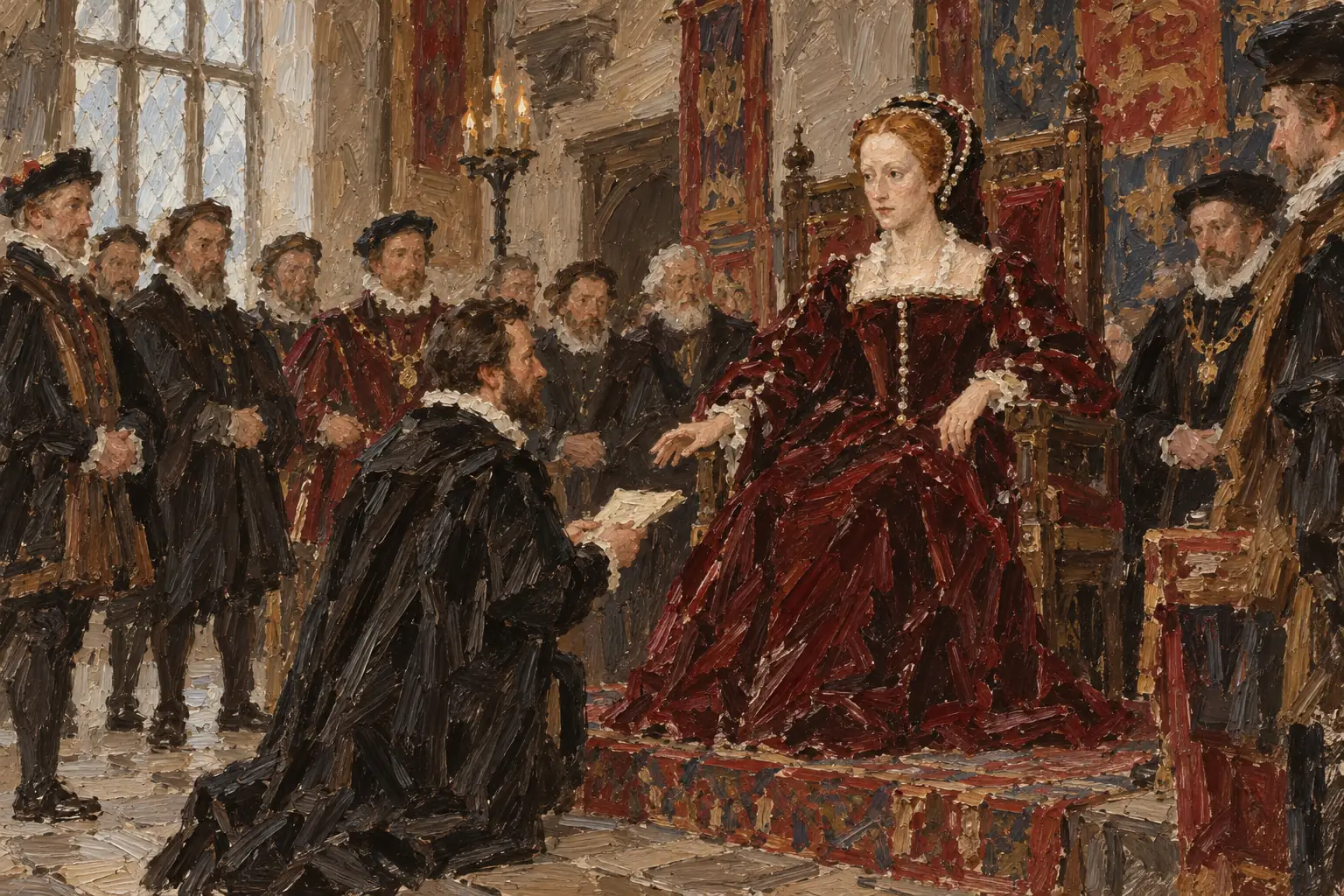
Elizabeth I came to the throne in November 1558 following the death of her half-sister Mary I. This marked the end of a period marked by intense religious divisions and political instability that had plagued England for decades.
Challenges inherited from previous reigns
- Religious upheaval - The shifts between Protestantism under Edward VI and Catholicism under Mary I had created deep divisions, with Mary's harsh persecutions earning her the nickname "Bloody Mary" and leaving the Church in disarray.
- Political instability - Ongoing conflicts, including plots against the crown and rebellions like Wyatt's in 1554, had weakened royal authority and fostered factionalism at court.
- Economic strain - England's finances were depleted due to costly wars and poor harvests, exacerbating poverty and unrest among the population.
- International threats - Alliances were fragile, with Spain's influence strong during Mary's reign, and potential hostility from Catholic powers like France.
Elizabeth's upbringing and education

Born in 1533 as the daughter of Henry VIII and Anne Boleyn, Elizabeth experienced a privileged yet precarious childhood. Her early years were shaped by the royal court's intrigues, but she received an exceptional education that prepared her for leadership.
Key aspects of her early life and learning
- Humanist education - Tutored by scholars like Roger Ascham, Elizabeth studied classical subjects including history, philosophy, and rhetoric, fostering a sharp intellect and strategic thinking.
- Multilingual abilities - She became fluent in languages such as Latin, French, Italian, and Greek, which later aided diplomacy and her engagement with European courts.
- Cultural influences - Exposed to Renaissance ideas, she developed skills in music, dance, and literature, enhancing her ability to project a sophisticated royal image.
- Family dynamics - After her mother's execution in 1536, Elizabeth was declared illegitimate and lived in relative isolation, often moving between royal households, which instilled resilience and caution.
Experiences under previous monarchs
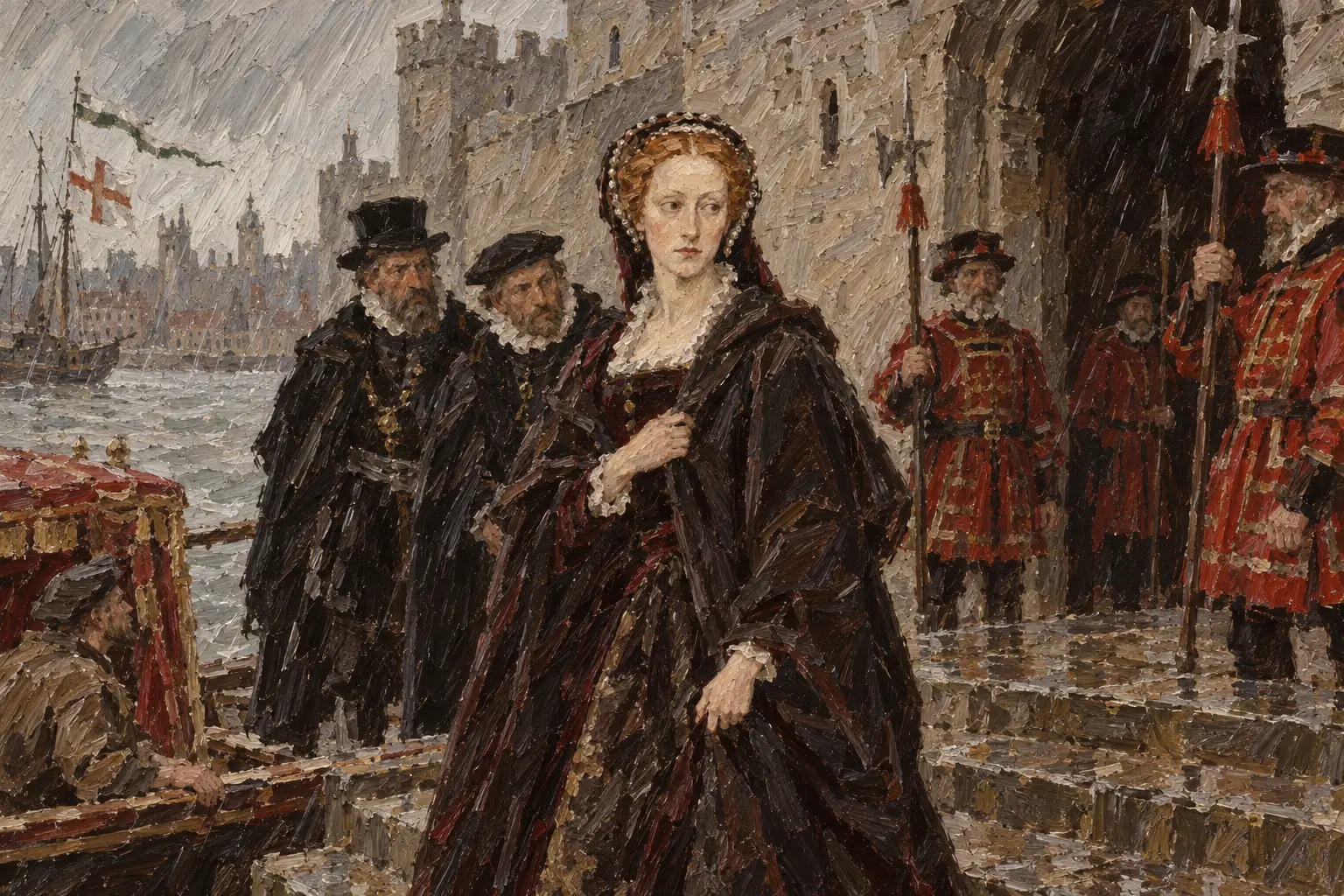
Elizabeth's formative years under her father Henry VIII, brother Edward VI, and sister Mary I exposed her to the dangers of Tudor politics. These periods built her understanding of power but also highlighted the perils of royal life.
Influences from each reign
- Under Henry VIII (1533–1547) - As a young child, she witnessed the volatility of court life, including her mother's downfall and Henry's multiple marriages, teaching her the importance of political survival.
- Under Edward VI (1547–1553) - Living with her stepmother Catherine Parr, Elizabeth embraced Protestant teachings and enjoyed relative stability, but Edward's early death introduced uncertainty.
- Under Mary I (1553–1558) - Suspected of involvement in Protestant plots, Elizabeth was imprisoned in the Tower of London in 1554 and later placed under house arrest, experiences that sharpened her pragmatism and wariness of religious extremism.
Strengths and vulnerabilities that shaped her rule
Elizabeth's character was a blend of formidable strengths that enabled effective governance and notable vulnerabilities that posed ongoing challenges. These traits were forged through her turbulent background and influenced her approach to queenship.
Strengths of Elizabeth's character
- Political caution - She avoided rash decisions, preferring careful deliberation to navigate complex issues like religious reform.
- Pragmatism - Elizabeth prioritised practical solutions over ideology, adapting policies to maintain stability and unity.
- Eloquence - Her skill in public speaking and writing allowed her to inspire loyalty and rally support, as seen in speeches like the one at Tilbury in 1588.
- Understanding of image - She astutely cultivated a persona as the "Virgin Queen," using portraits, progresses, and symbolism to strengthen her authority.
Vulnerabilities in her position
- Questions over legitimacy - Her mother's marriage to Henry VIII was annulled, leading some Catholics to view her as illegitimate and favouring alternatives like Mary, Queen of Scots.
- Challenges as a female monarch - In a patriarchal society, her gender raised doubts about her ability to rule, with expectations that she would marry and defer to a husband.
- Dynastic uncertainty - Unmarried and childless, Elizabeth faced pressure to secure the succession, heightening fears of instability upon her death.
Early priorities as queen
Upon ascending the throne, Elizabeth focused on addressing immediate threats to consolidate her power. Her initial agenda aimed at restoring order and preventing further chaos.
Key focuses in the early years
- Stabilising religion - She sought a moderate Protestant settlement to heal divisions, avoiding the extremism of her siblings' reigns.
- Managing finances - Efforts were made to reform the currency and reduce debt, including cutting court expenses and improving tax collection.
- Avoiding costly wars - Elizabeth pursued a cautious foreign policy to evade expensive conflicts, focusing on diplomacy rather than military engagements.
- Securing the succession - While resisting marriage, she navigated parliamentary pressure to name an heir, using ambiguity to maintain control over potential rivals..