1.2 - Court, Government & Patronage
Key facts and dates
The Elizabethan era featured a sophisticated system of government centred on the monarch, with the court serving as a hub of power and influence. Patronage and key advisors helped maintain control, while parliament provided limited but essential support for legislation and finance.
Key facts to remember
- Court – Acted as the central hub for power, public displays, and access to the queen.
- Privy Council – Served as the monarch's primary advisory and executive body.
- Local governance – Managed through lord lieutenants and justices of the peace (JPs).
- Progresses – Royal tours used to build public support and project authority.
- Patronage – Involved granting offices, monopolies, and favours to control factions.
- Key ministers – Included William Cecil (Lord Burghley) for policy, Robert Dudley (Earl of Leicester) for court influence, and Francis Walsingham for intelligence.
- Parliament – Met infrequently to approve taxes and laws, often in tension with the queen's prerogative powers.
Structures of central and local government
Elizabeth I's government was a blend of centralised authority and localised administration, designed to maintain royal control while ensuring effective rule across the kingdom. The court stood at the heart of this system, with supporting bodies handling executive and regional duties.
Key components of central government
- The court - Functioned as the primary centre of political power, where nobles and officials gathered for spectacle, decision-making, and direct access to the queen. It served as a stage for displaying royal magnificence and influencing key figures.
- Privy Council - Acted as Elizabeth's main executive group, advising on policy, administration, and crises. Composed of trusted nobles and officials, it met regularly to oversee national affairs and implement the queen's decisions.
Elements of local government
- Lord lieutenants - Appointed by the crown to oversee counties, they managed military matters, such as raising militias, and ensured loyalty to the queen in their regions.
- Justices of the peace (JPs) - Local gentry who handled day-to-day law enforcement, minor disputes, and administrative tasks like poor relief, acting as the crown's representatives in communities.
Progresses and portraiture for royal image control
Image 1 of 2: Elizabeth arrives at the Earl of Leicester's Kenilworth Castle on a royal progress in 1575
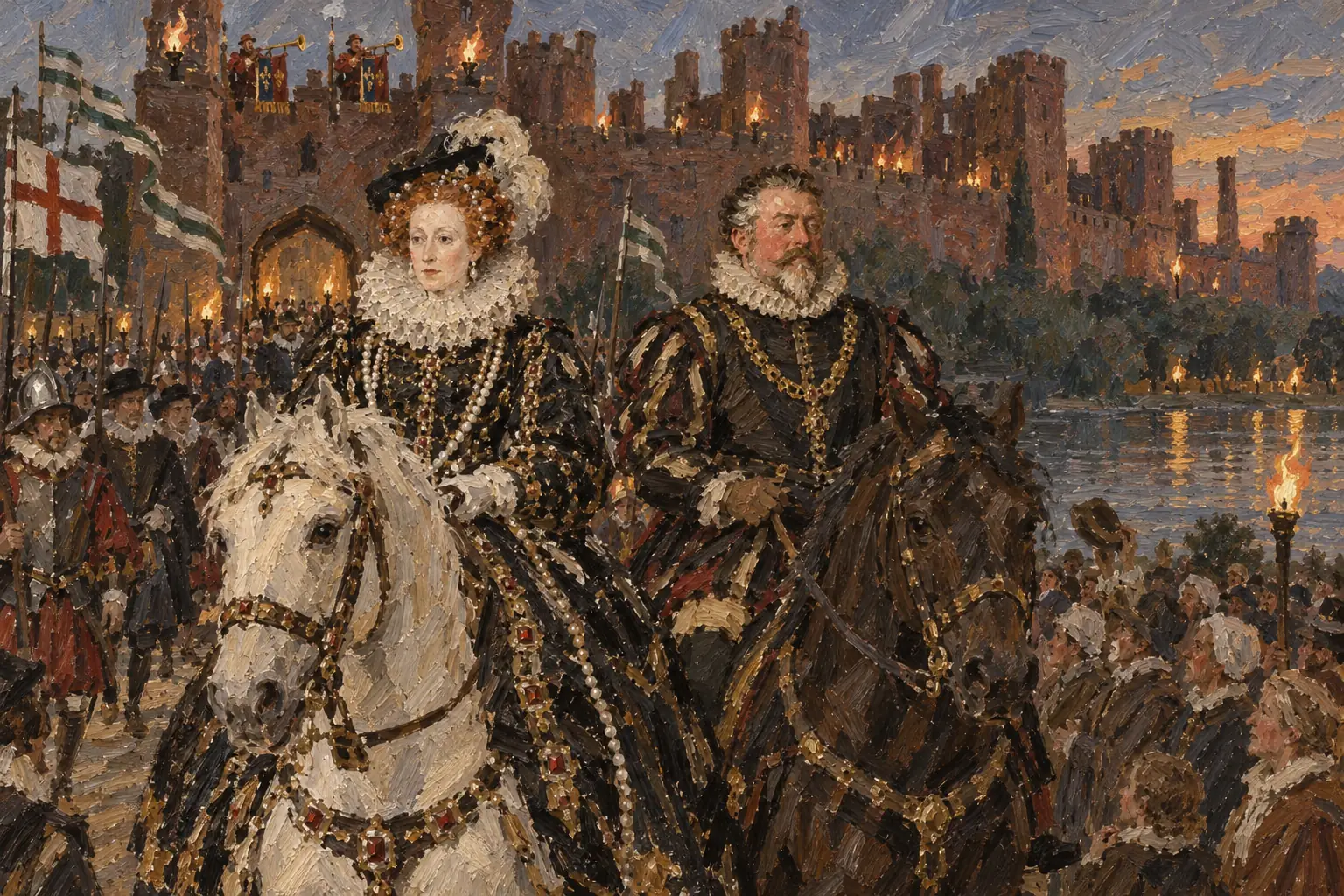
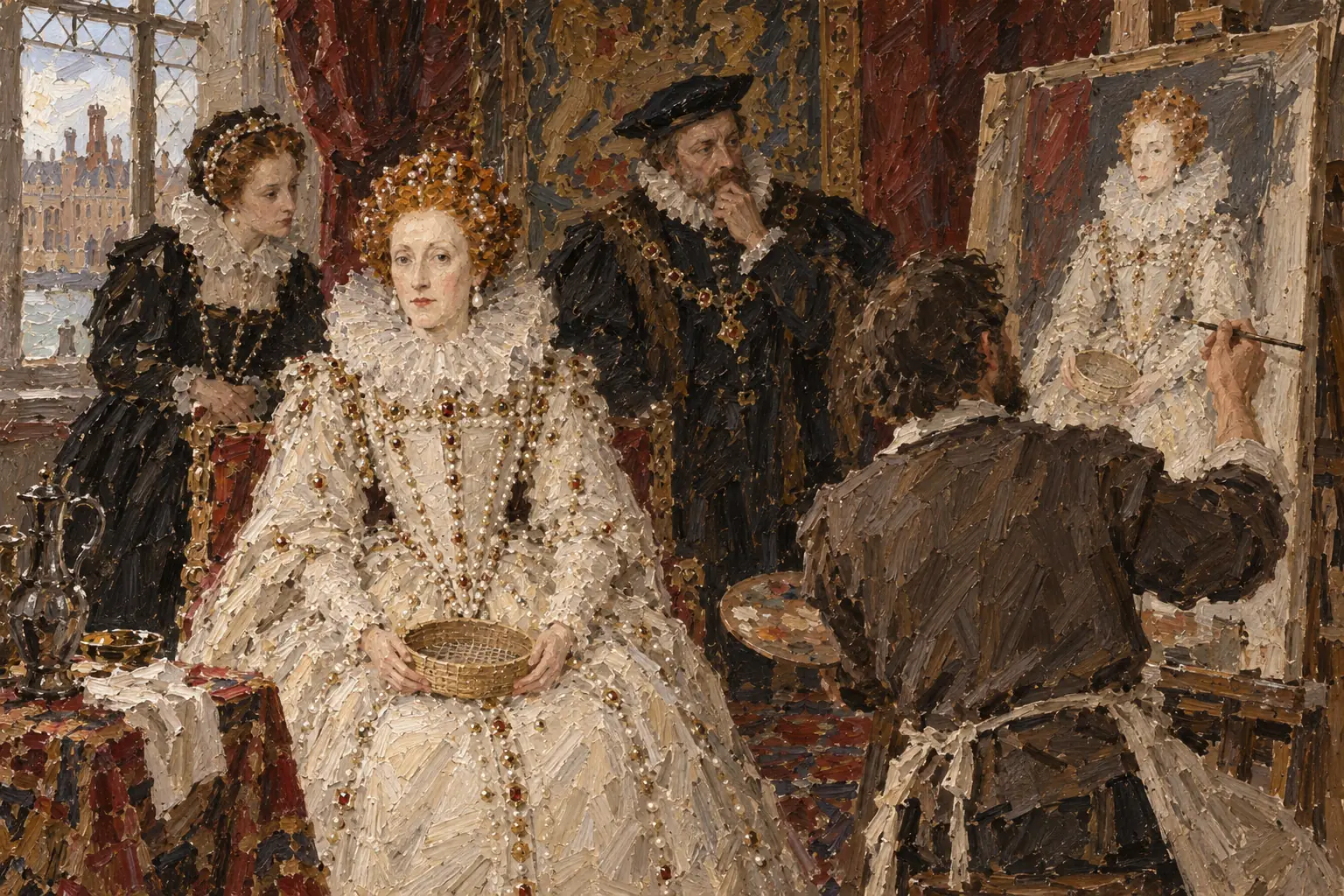
Elizabeth I employed strategic tools to shape public perception and reinforce her authority. These methods helped cultivate loyalty among subjects and project an idealised image of monarchy.
Royal progresses as a tool for popularity
Progresses were elaborate tours where the queen travelled through the countryside, visiting towns and noble estates. They allowed her to connect with ordinary people, display generosity through feasts and entertainments, and remind subjects of her presence and power, thereby fostering widespread support.
Portraiture in managing the royal image
Official portraits depicted Elizabeth in symbolic attire, emphasising her virginity, wisdom, and divine right to rule. These images were carefully controlled and distributed to promote a consistent, glorified persona, countering any negative rumours and reinforcing her status as a capable, almost mythical leader.
Role of patronage in managing court factions
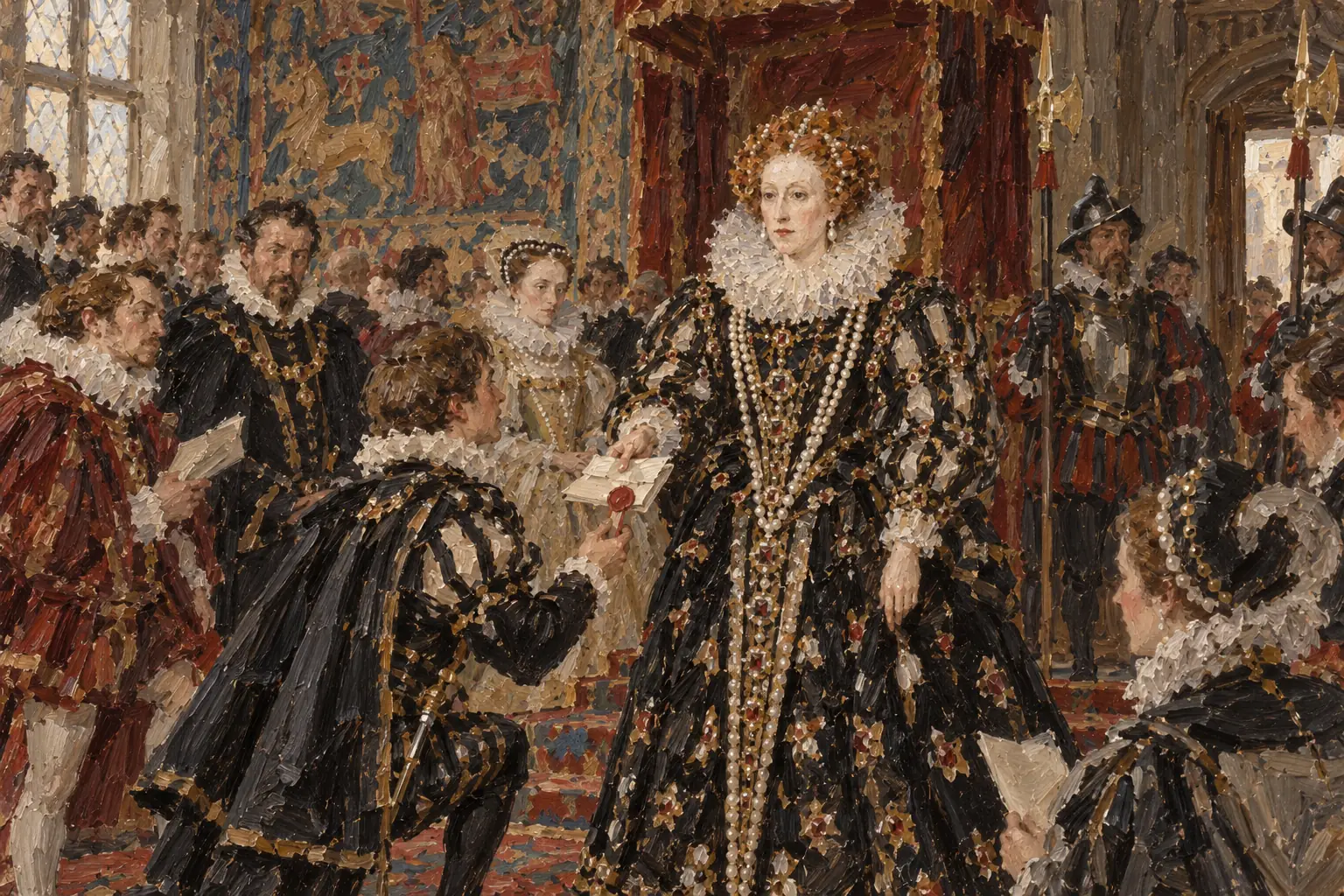
Patronage was a vital mechanism in Elizabethan court politics, functioning as a form of currency to reward loyalty and maintain balance among competing groups. It helped the queen navigate rivalries and secure allegiance.
Forms and purposes of patronage
- Granting offices and monopolies - The queen awarded positions in government or exclusive trading rights, providing recipients with income and status in exchange for service and support.
- Distribution of favours - Personal gifts or privileges were used to bind nobles to the crown, preventing disloyalty and managing factions by playing rivals against each other.
- Control of court dynamics - By selectively dispensing these benefits, Elizabeth could suppress potential rebellions and ensure that ambitious courtiers remained dependent on her goodwill.
Profiles of key ministers and their contributions
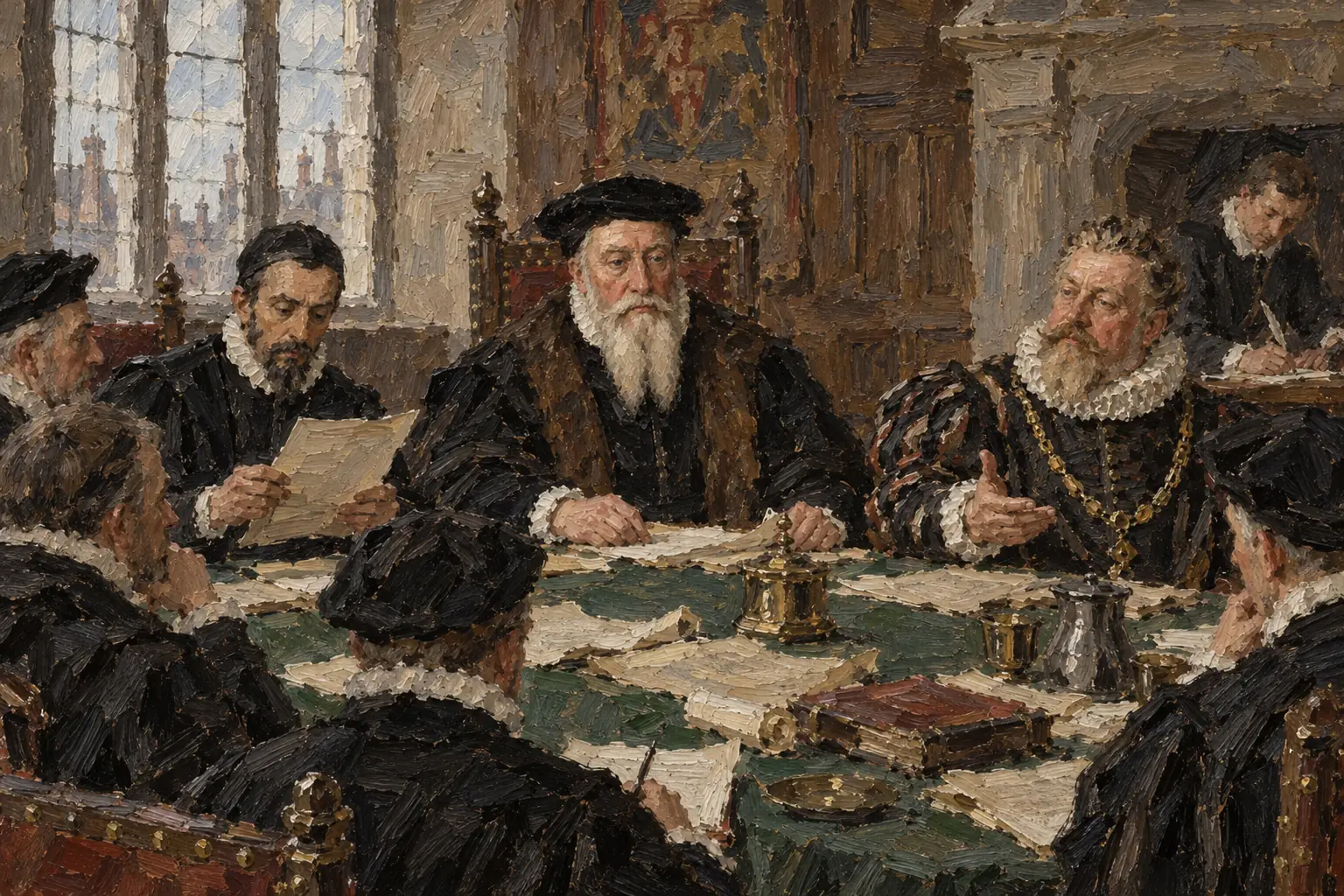
Several prominent figures dominated Elizabeth's administration, each bringing unique skills to governance. Their roles were crucial in policy formulation, security, and routine operations.
William Cecil (Lord Burghley)
As Elizabeth's chief advisor and Lord Treasurer, Cecil focused on domestic policy, financial management, and administrative efficiency. He played a key part in stabilising the economy and guiding long-term strategies.
Robert Dudley (Earl of Leicester)
A close favourite of the queen, Dudley influenced court decisions and foreign affairs. His role extended to military leadership and patronage networks, helping to maintain Elizabeth's inner circle.
Francis Walsingham
Serving as spymaster and Secretary of State, Walsingham built an extensive intelligence network to uncover plots against the queen. He was instrumental in countering Catholic threats and providing critical information for national security.
Parliament's functions and the royal prerogative
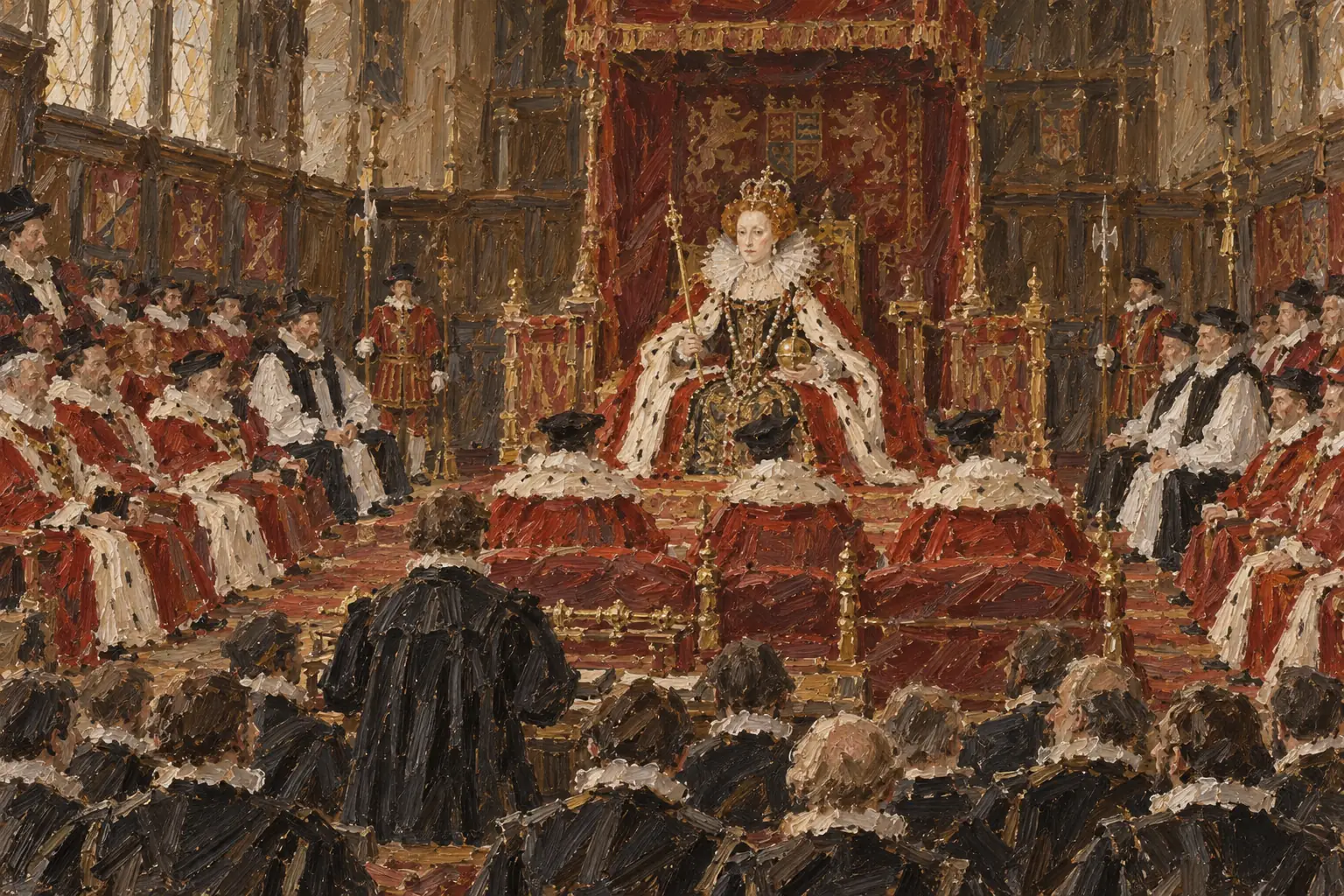
Parliament played a secondary but important role in Elizabethan governance, convening only when summoned by the queen. Its interactions with the monarch highlighted the balance between legislative needs and royal authority.
Primary functions of parliament
- Granting taxation - It approved extraordinary revenues, such as subsidies during wars or crises, supplementing the crown's ordinary income.
- Passing laws - Parliament debated and enacted statutes on matters like religion, trade, and succession, though the queen could veto bills.
- Infrequent meetings - Sessions were rare, typically lasting weeks and occurring every few years, reflecting its advisory rather than dominant position.
Interaction with the queen's prerogative
The queen's prerogative powers, including declaring war, making treaties, and pardoning criminals, often clashed with parliamentary ambitions. Elizabeth managed this by asserting her divine right, limiting debates on sensitive issues like marriage or religion, and dissolving parliament when tensions rose, ensuring ultimate control remained with the crown.