1.6 - Immigration, Racial Tension & Sacco-Vanzetti
Key facts and dates
The 1920s in the United States were marked by significant immigration from Europe and internal migration of African Americans, leading to heightened nativism, racial tensions, and legal controversies. These developments reflected broader fears of social change, economic competition, and radical ideologies, culminating in restrictive policies and high-profile cases.
Timeline of key events
| Date | Event |
|---|---|
| 1917-1920 | Red Scare intensifies fears of radicalism and foreign influences, fuelling anti-immigrant sentiment. |
| 1920 | Arrest of Nicola Sacco and Bartolomeo Vanzetti on charges of robbery and murder. |
| 1921 | Emergency Quota Act limits immigration to 3% of each nationality's 1910 US population. |
| 1921 | Tulsa Race Massacre destroys a prosperous African American community amid rising racial violence. |
| 1924 | Johnson-Reed Act further restricts immigration, favouring northern Europeans. |
| 1927 | Execution of Sacco and Vanzetti despite widespread protests and doubts about the trial's fairness. |
Immigrant experiences and rising nativism
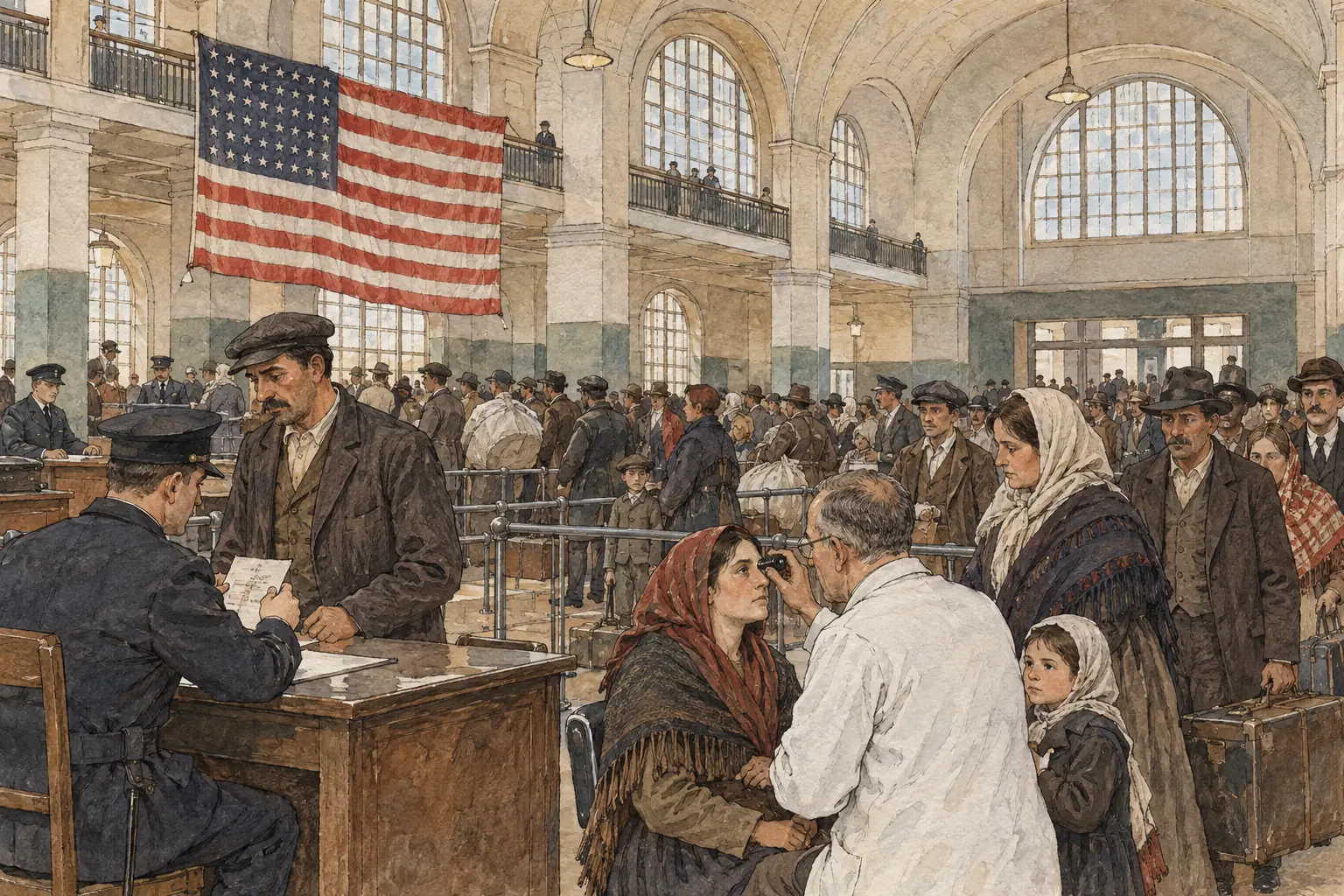
During the 1920s, millions of immigrants arrived in the United States, primarily from southern and eastern Europe, seeking economic opportunities. However, they encountered growing nativism, a movement that promoted the interests of native-born Americans and viewed newcomers with suspicion.
Challenges faced by immigrants amid nativist attitudes
- Introduction of quotas - Legislation such as the 1921 Emergency Quota Act and the 1924 Johnson-Reed Act drastically reduced immigration numbers, setting limits based on national origins and prioritising those from northern Europe over others.
- Cultural suspicion - Immigrants were often stereotyped as threats to American values, with their languages, religions (such as Catholicism or Judaism), and customs seen as unassimilable, leading to calls for "100% Americanism".
- Job competition - New arrivals competed with established workers for low-skilled jobs in factories and construction, sparking resentment during economic downturns and contributing to strikes or discriminatory hiring practices.
Causes of racial tension during the period
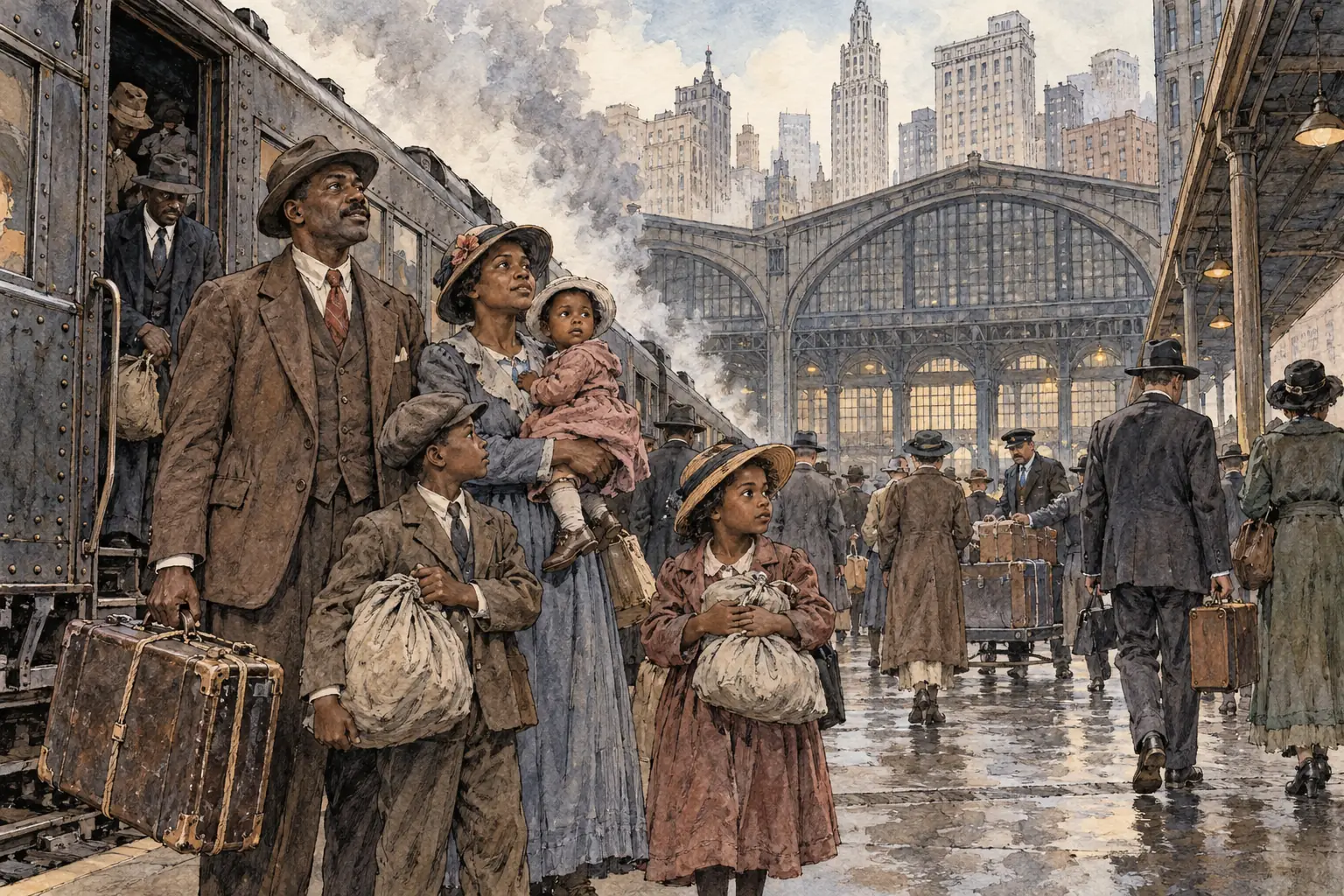
Racial tensions escalated in the 1920s due to demographic shifts and longstanding inequalities. African Americans, in particular, faced heightened prejudice as they moved northward, exacerbating existing divisions in a society still shaped by post-Civil War legacies.
Factors contributing to racial tensions
- Migration patterns - The Great Migration saw over a million African Americans relocate from the rural South to industrial cities in the North and Midwest, seeking better jobs and escaping Jim Crow laws, but this influx strained urban resources.
- Entrenched segregation - Legal and social systems, including Jim Crow in the South and informal practices elsewhere, enforced separation in schools, transport, and public spaces, reinforcing notions of white superiority.
- Economic rivalry - Competition for employment and housing in growing cities pitted African Americans against white workers, with fears of wage undercutting and job loss fuelling hostility during periods of high unemployment.
Expressions of prejudice in society
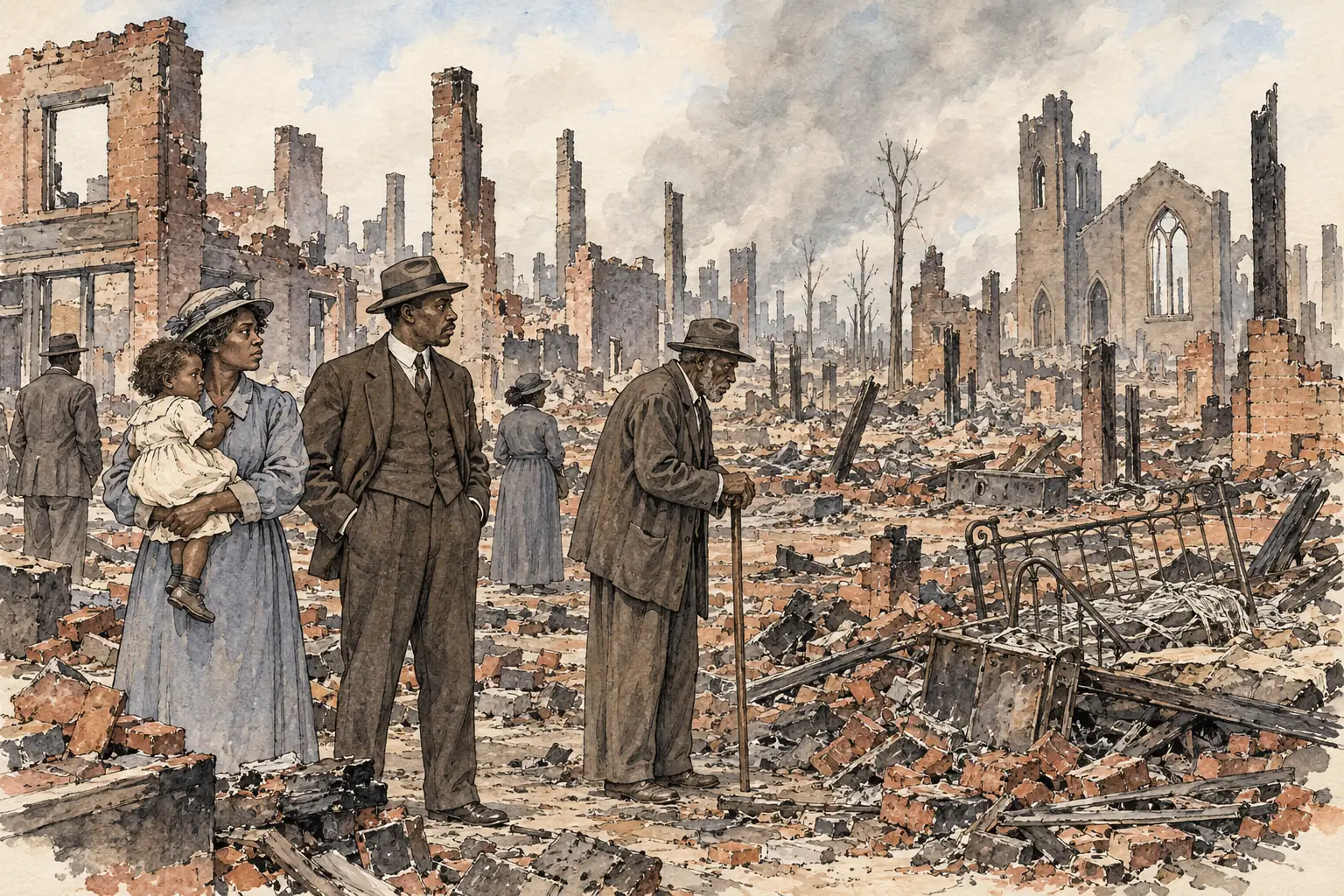
Prejudice in the 1920s manifested in systemic and violent ways, affecting minorities, including African Americans and immigrants. These expressions reflected deep-seated biases and were often condoned or ignored by authorities.
Ways prejudice appeared in daily life
- Housing discrimination - Restrictive covenants and redlining prevented minorities from buying homes in certain neighbourhoods, confining them to overcrowded, under-resourced areas and perpetuating poverty cycles.
- Employment barriers - Job opportunities were limited by discriminatory practices, such as "last hired, first fired" policies, union exclusions, and lower wages for non-white workers, restricting economic mobility.
- Outbreaks of violence - Racial riots, lynchings, and attacks, such as the 1921 Tulsa Race Massacre where white mobs destroyed an African American district, demonstrated extreme prejudice, often triggered by unfounded rumours or economic jealousies.
The Sacco and Vanzetti case and its context
Image 1 of 2: Sacco and Vanzetti were tried in Dedham, Massachusetts, in 1921 before Judge Webster Thayer
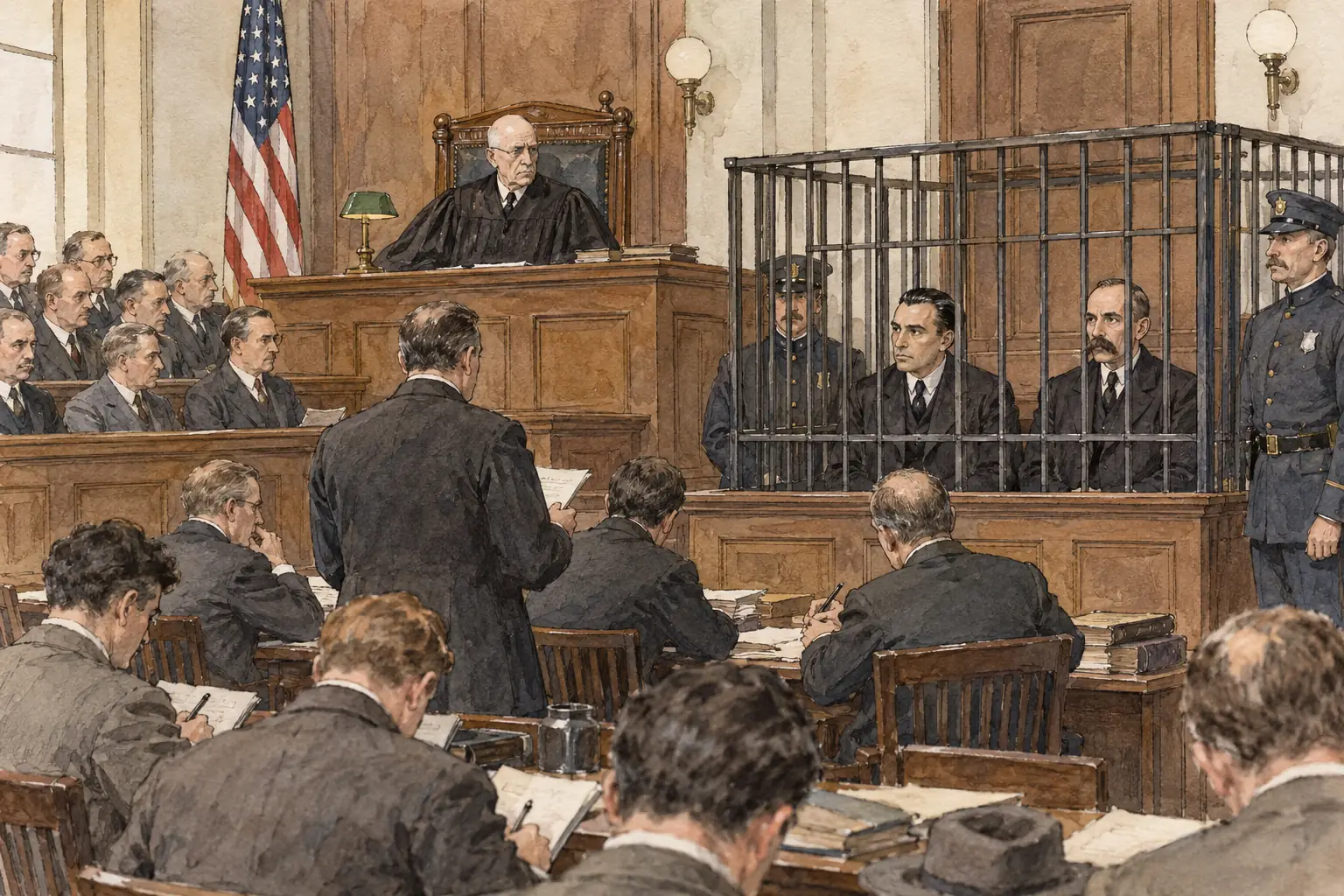
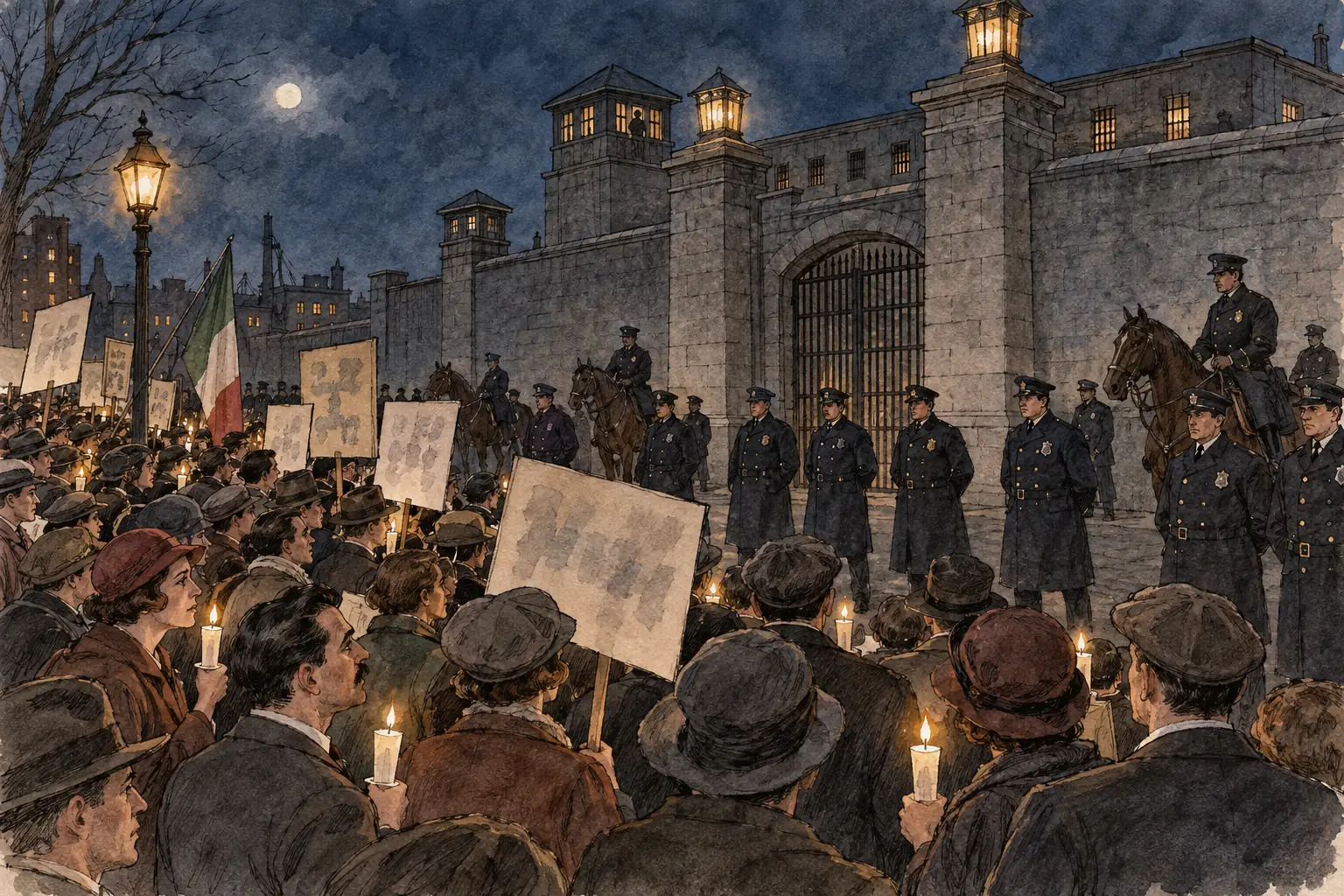
The case of Nicola Sacco and Bartolomeo Vanzetti, two Italian immigrants and anarchists, highlighted the intersection of xenophobia, anti-radicalism, and injustice in 1920s America. Arrested in 1920 for robbery and murder, their trial became a symbol of broader societal fears.
Key elements of the Sacco and Vanzetti case
- Background and charges - Sacco and Vanzetti were accused of a payroll robbery in Massachusetts that resulted in two deaths, amid the Red Scare's paranoia about anarchists and communists.
- Influence of fear and xenophobia - The trial was marred by bias against their immigrant status and radical beliefs, with the judge and jury showing prejudice, leading to a guilty verdict despite weak evidence.
- Impact on justice and public opinion - Worldwide protests erupted, viewing the case as a miscarriage of justice; their 1927 execution deepened divisions, exposing how anti-foreign sentiments could corrupt legal processes and sway public views.
Historians' differing interpretations of the case
Historians have debated the Sacco and Vanzetti case, focusing on its fairness and wider significance. These differing views stem from varying emphases on evidence, context, and ideological perspectives.
Reasons for historians' differing views
- Fairness of the trial - Some historians argue the trial was unjust due to biased proceedings and insufficient evidence, pointing to later ballistic tests suggesting innocence; others contend the convictions were sound based on eyewitness accounts and the era's legal standards.
- Significance as a symbol - Interpretations vary on whether the case primarily illustrates xenophobia and anti-radical hysteria, or if it reflects legitimate concerns about crime and anarchy in a turbulent period.
- Sources of disagreement - Differences arise from access to new evidence, such as declassified documents, and from historians' own biases, with liberal scholars emphasising injustice and conservative ones focusing on the defendants' radical affiliations.