1.7 - The KKK, the Red Scare & a Divided Society
Key facts and dates
The 1920s in the United States, often remembered as the Boom years, were marked by significant social tensions, including the resurgence of the Ku Klux Klan (KKK) and the Red Scare, which heightened fears of radicalism and deepened societal divisions. These events reflected broader conflicts over race, immigration and ideology during a period of economic prosperity.
Timeline of key events
- 1915 – Revival of the KKK, inspired by the film The Birth of a Nation, focusing on white supremacy and nativism.
- 1917 – Bolshevik Revolution in Russia heightens American fears of communism, contributing to post-war unrest.
- 1919 – Series of anarchist bombings in the US fuels the Red Scare; Palmer Raids begin, leading to mass arrests.
- 1920 – Peak of the Red Scare with over 6,000 arrests during government raids targeting suspected radicals.
- 1924 – KKK membership reaches around 4 million, influencing politics in several states.
- 1925 – KKK's national march in Washington DC demonstrates its public visibility and political clout.
Ideology, methods and influence of the KKK
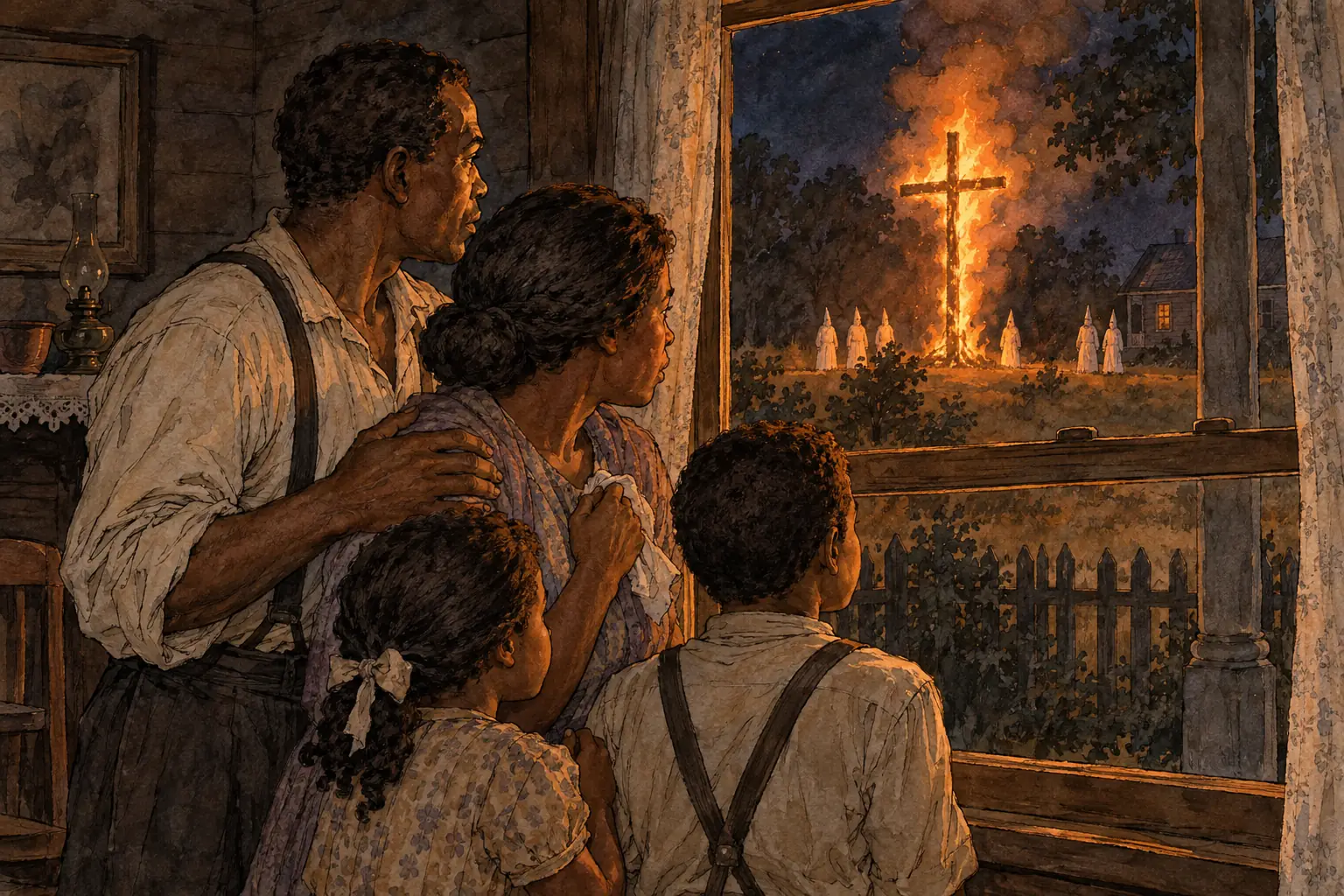
The Ku Klux Klan (KKK) experienced a major resurgence in the 1920s, evolving from its post-Civil War origins into a widespread organisation that promoted extreme nativist and supremacist views. Its ideology centred on protecting what it saw as traditional American values, but this often masked deep-seated prejudices.
Core elements of KKK ideology
- White supremacy and Protestant dominance - The group advocated for the superiority of white, Protestant Americans, viewing other groups as threats to national purity.
- Nativism and anti-immigrant sentiment - It opposed immigration, particularly from southern and eastern Europe, claiming newcomers undermined American culture and jobs.
- Expanded targets - Beyond African Americans, the KKK targeted Catholics, Jews and immigrants, accusing them of moral corruption or disloyalty.
Methods used by the KKK
- Intimidation and violence - Tactics included cross-burnings, lynchings and beatings to terrorise victims and enforce conformity.
- Public displays and recruitment - Parades, rallies and secret rituals helped recruit members, often appealing to those feeling economically or socially displaced.
- Economic boycotts - The group organised campaigns to exclude targeted groups from businesses or communities.
Political influence of the KKK
- Infiltration of government - KKK members held positions in local and state politics, particularly in the Midwest and South, influencing laws on immigration and education.
- Support for restrictive policies - It backed measures like the 1924 Immigration Act, which limited non-northern European arrivals.
- Decline in influence - Scandals and internal corruption led to a drop in membership by the late 1920s, though its ideas lingered.
Roots of the Red Scare and fears of revolution
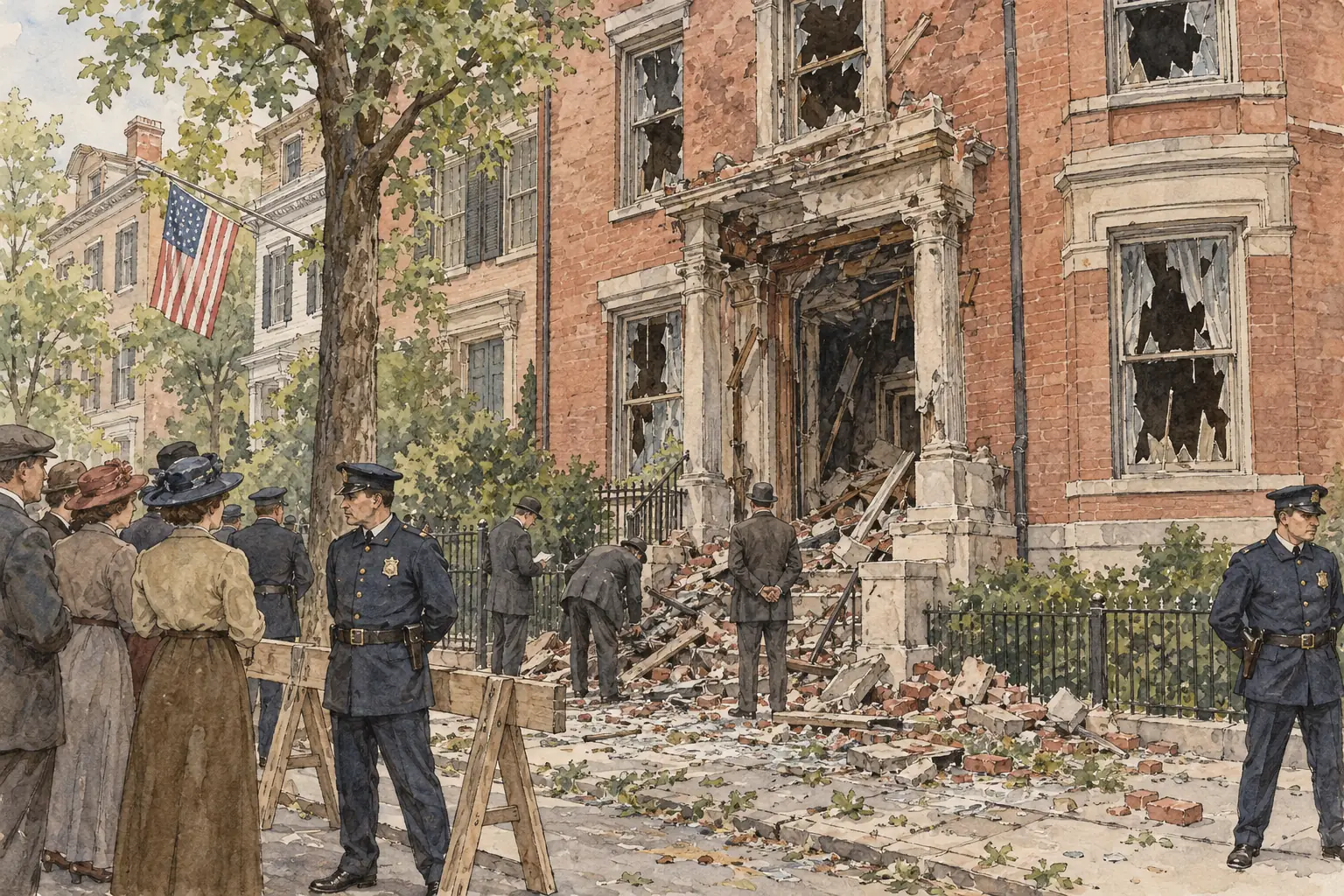
The Red Scare of 1919-1920 was a period of intense anti-communist hysteria in the United States, triggered by the aftermath of the First World War and global revolutionary events. It reflected anxieties about social change during a time of economic transition.
Key factors contributing to the Red Scare
- Post-war economic unrest - High inflation, strikes and unemployment after the war created widespread discontent, with over 3,000 strikes in 1919 alone.
- Fear of Bolshevik-style revolution - The 1917 Russian Revolution inspired concerns that communism could spread to America, especially among immigrant workers.
- Anarchist activities - Bombings targeting prominent figures, such as the 1919 attacks on government officials, heightened perceptions of internal threats.
- Role of media and propaganda - Newspapers amplified fears by portraying radicals as dangerous subversives, fuelling public panic.
Government responses to the Red Scare
Image 1 of 2: In the Palmer Raids of January 1920, federal agents arrested thousands of suspected radicals, many of them immigrants, often without warrants
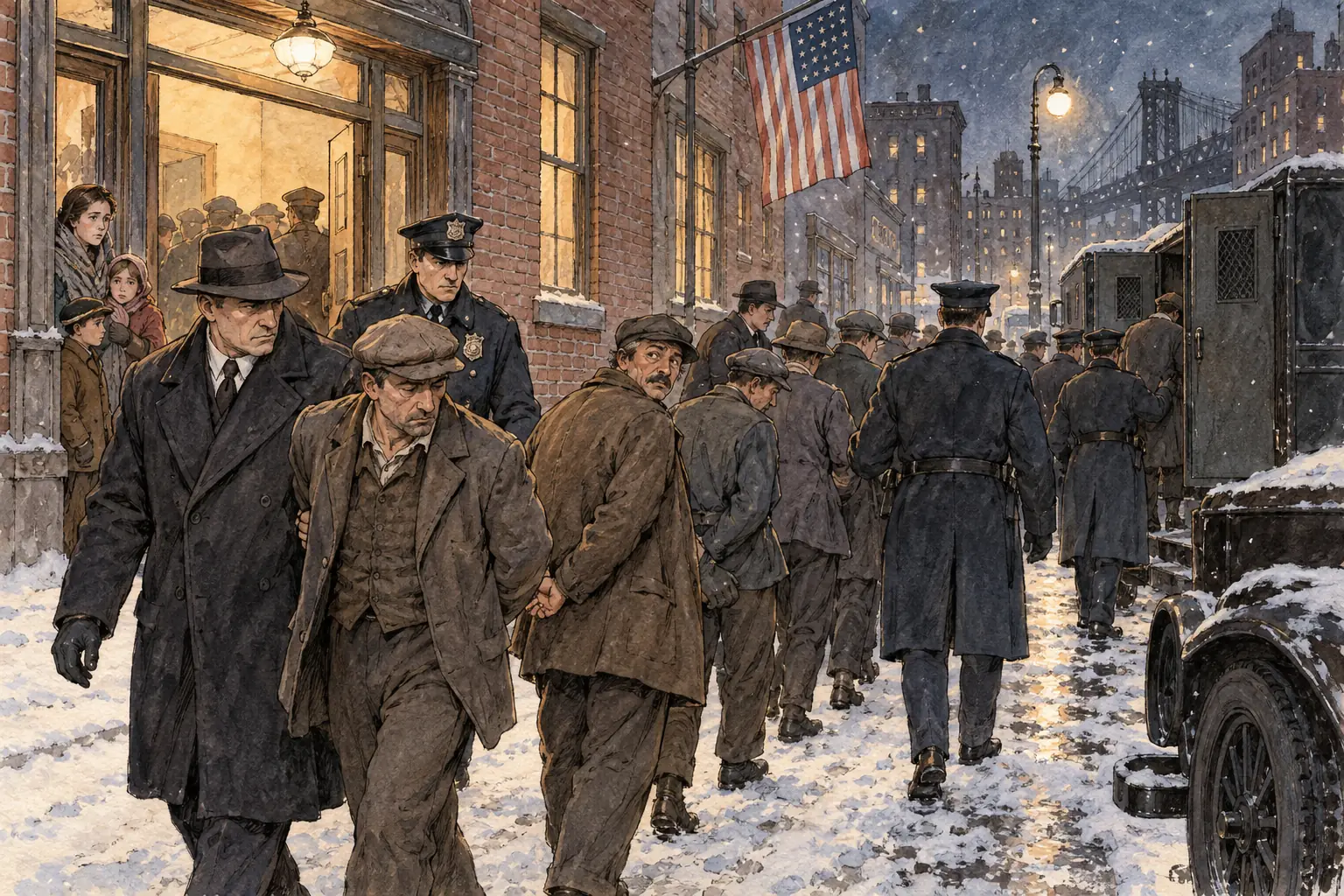
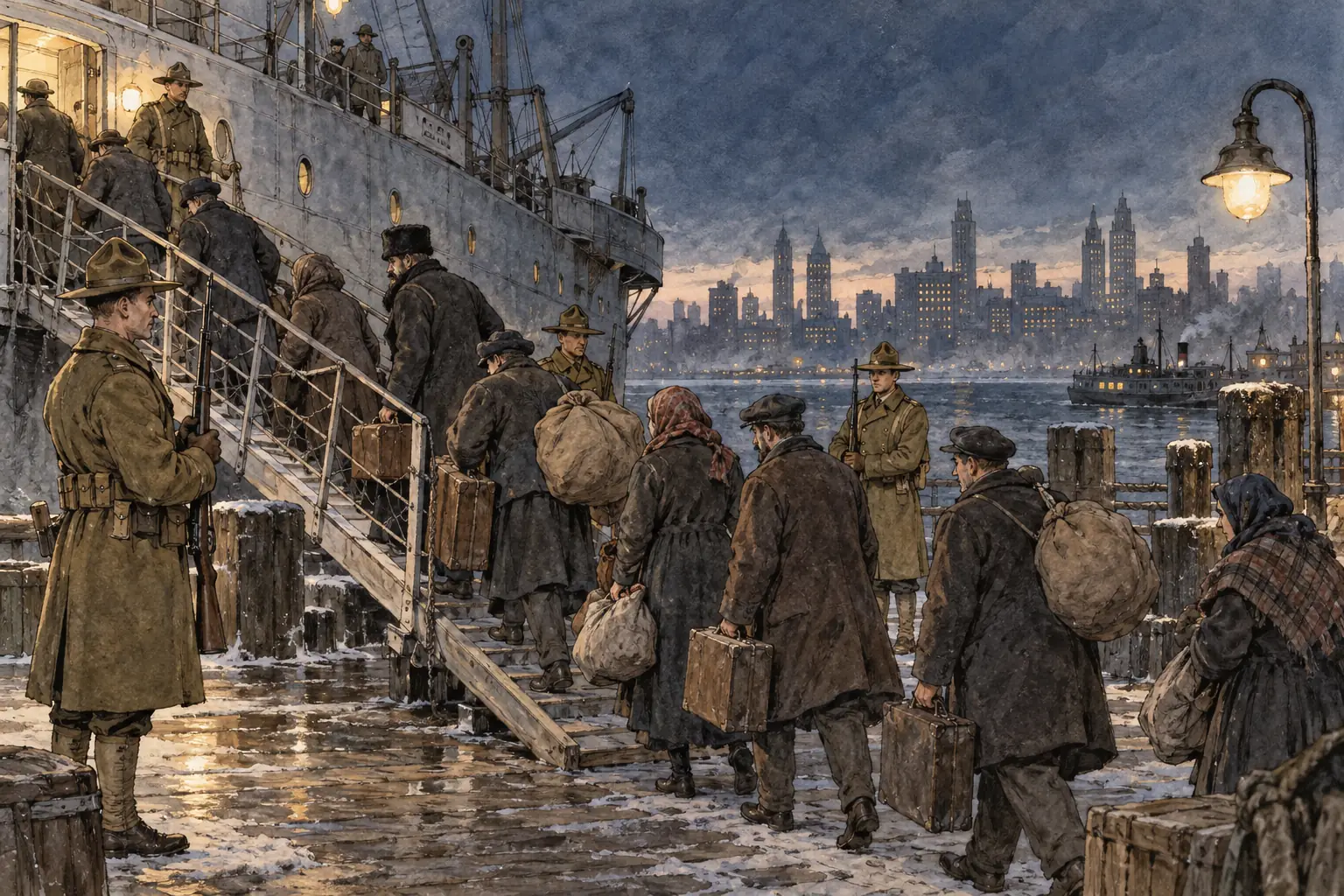
The US government responded aggressively to the perceived communist threat, implementing measures that prioritised security over civil liberties. These actions not only targeted suspected radicals but also exacerbated societal rifts.
Main government responses
- Palmer Raids - Led by Attorney General A. Mitchell Palmer, these involved mass arrests of over 6,000 people, many without warrants, focusing on immigrants and union leaders.
- Surveillance and deportation - The newly formed Federal Bureau of Investigation (FBI), under J. Edgar Hoover, monitored suspected radicals, leading to the deportation of hundreds under the 1918 Immigration Act.
- Espionage and Sedition Acts - Laws from the war era were used to prosecute dissenters, suppressing free speech and assembly.
Ways these responses deepened division
- Impact on immigrants - Many deportees were foreign-born, reinforcing anti-immigrant prejudices and alienating ethnic communities.
- Erosion of civil liberties - Arbitrary arrests and lack of due process created distrust in government, polarising society between supporters of order and advocates for rights.
- Long-term consequences - The raids failed to uncover widespread plots but intensified cultural conflicts, contributing to a climate of suspicion that lingered into the 1920s.
Boom years, cultural conflict and inequality
The 1920s economic boom, while bringing prosperity to many, also reinforced deep cultural divisions and inequalities. By examining causes, consequences and significance, it becomes clear how growth coexisted with exclusion.
Causes of entrenched conflict and inequality
- Economic disparities - Rapid industrial growth benefited urban elites and middle classes, but left rural areas, African Americans and immigrants in poverty.
- Cultural backlash - Prosperity fuelled nativism, as seen in the KKK's rise, driven by fears that new wealth was eroding traditional values.
- Policy decisions - Laws like immigration quotas and prohibition reflected efforts to preserve a narrow vision of American identity, marginalising minorities.
Consequences of these divisions
- Social unrest - Events like race riots and labour strikes highlighted tensions, with groups like the KKK exploiting economic anxieties to target outsiders.
- Political polarisation - Divisions influenced elections, with conservative policies gaining traction amid fears of radicalism.
- Limited progress for minorities - Despite the Harlem Renaissance, systemic racism and exclusion prevented equal sharing in boom benefits.
Significance in the context of the Boom years
- Dual nature of the era - The boom masked underlying inequalities, showing how economic success could entrench rather than resolve social conflicts.
- Long-term impact - These divisions contributed to the instability that worsened during the Great Depression, highlighting the fragility of 1920s prosperity.