3.4 - Churches & Religion: Control, Concordat & Conflict
Key facts and dates
The Nazi regime sought to control religious institutions in Germany to align them with its ideology, leading to agreements, conflicts, and resistance from both Catholic and Protestant groups. While initial pacts promised autonomy, breaches sparked opposition, though the churches were never completely suppressed due to public support and strategic caution.
Timeline of key events
- 1933 – Concordat signed between Nazi Germany and the Vatican, promising Catholic Church rights.
- 1933 – German Christians form the Reich Church under Ludwig Müller as Reich Bishop.
- 1934 – Confessing Church established with the Barmen Declaration opposing Nazification.
- 1935 – Nuremberg Laws exclude non-Aryans from church roles, intensifying Protestant divisions.
- 1937 – Papal encyclical "Mit brennender Sorge" condemns Nazi breaches of the Concordat.
- 1937 – Martin Niemöller arrested for criticising the regime from the pulpit.
- 1939 – Outbreak of war leads to further closures of religious schools and youth groups.
The 1933 Concordat with the Vatican
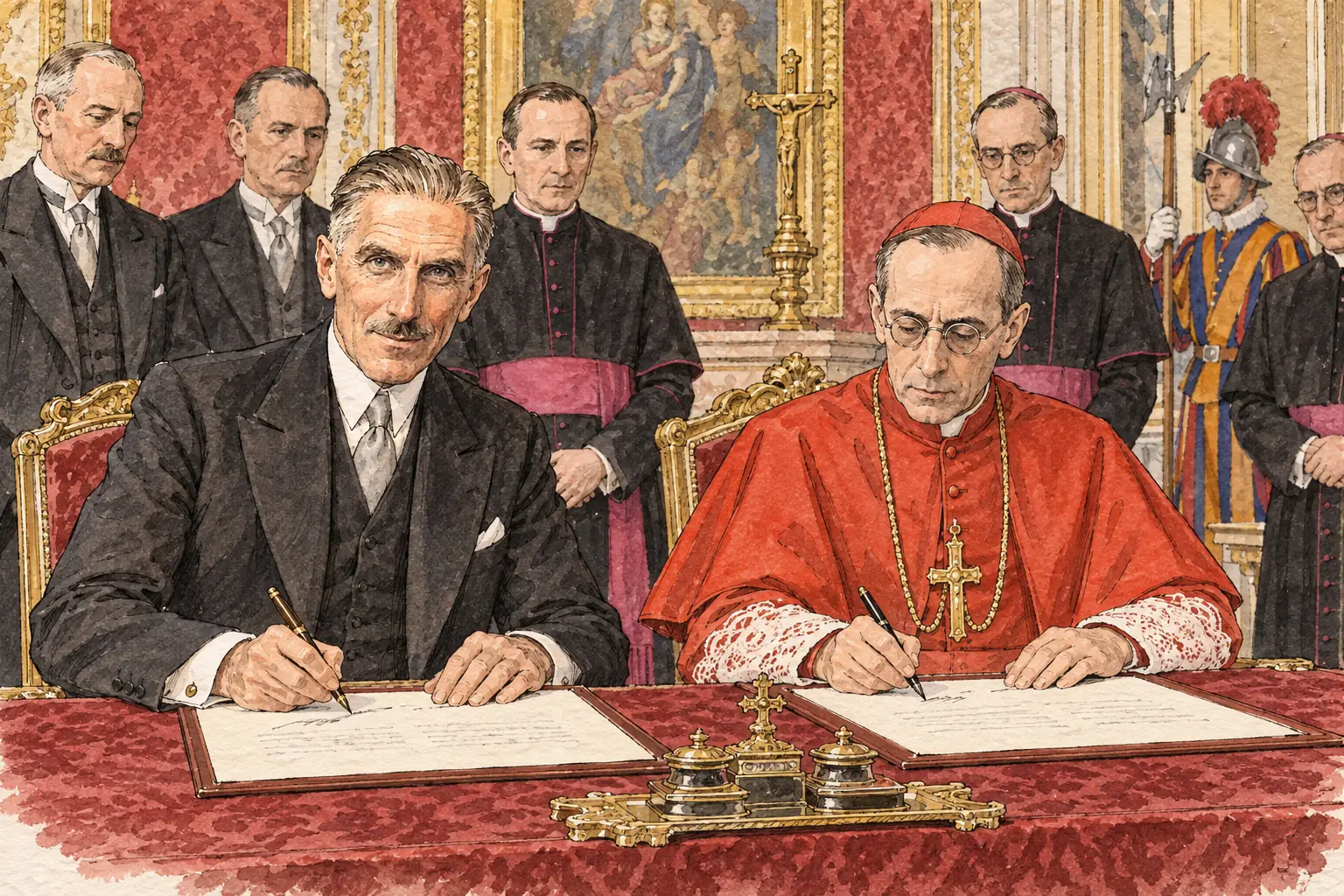
In July 1933, the Nazi government signed the Concordat with the Vatican, an agreement intended to regulate relations between the state and the Catholic Church in Germany. This pact came shortly after Hitler became chancellor, at a time when the regime was consolidating power and seeking international legitimacy.
Promises made in the Concordat
- Protection of Church rights - The Nazis agreed to safeguard the Catholic Church's independence, including freedom of worship and the right to appoint bishops without state interference.
- Educational autonomy - Catholic schools and religious education were to remain under Church control, with state recognition of their role in society.
- Youth and organisational freedom - Catholic youth groups and lay organisations were promised the ability to operate without hindrance, provided they avoided political activities.
Breaches of the Concordat by the Nazis
- Suppression of Catholic independence - Within months, the regime began arresting priests and closing seminaries, violating promises of non-interference.
- Attacks on education - Catholic schools faced forced integration into the state system, with religious symbols removed and Nazi ideology imposed on curricula.
- Dissolution of organisations - Youth groups like the Catholic Youth Front were banned or absorbed into the Hitler Youth, ignoring the agreement's protections.
These violations led to protests from the Vatican, including the 1937 encyclical that highlighted the regime's betrayal.
Pressure on Catholic organisations and worship
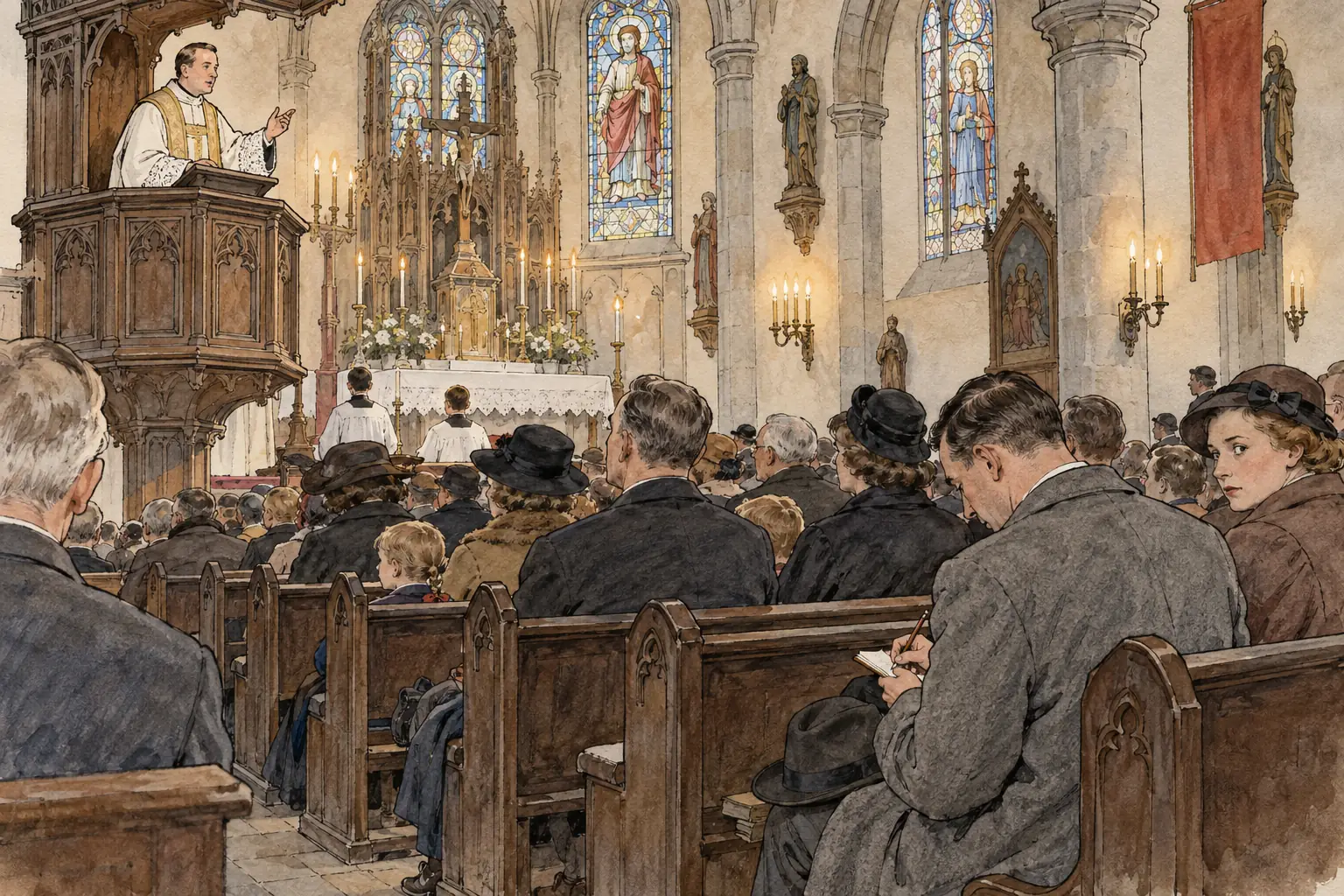
The Nazi regime exerted increasing pressure on Catholic organisations to subordinate them to state control, viewing the Church's influence as a potential threat to loyalty. This involved propaganda campaigns and legal restrictions that limited religious practices.
Forms of pressure on Catholic groups
- Propaganda and harassment - State media portrayed Catholic clergy as disloyal or immoral, with trials staged to discredit priests on fabricated charges.
- Restrictions on organisations - Lay groups and charities were monitored or dissolved, forcing members to join Nazi alternatives like the German Labour Front.
- Economic measures - Funding for Catholic institutions was cut, and properties were confiscated under pretexts such as tax evasion.
Constraints imposed on worship and education
- Limits on worship - Public processions and sermons were censored, with Gestapo agents monitoring services to prevent anti-regime messages.
- Educational interference - Religious instruction was reduced in schools, and teachers were required to promote Nazi values, leading to the closure of many Catholic educational facilities by the late 1930s.
- Impact on daily practice - Bans on religious publications and youth activities isolated communities, though private worship continued in secret where possible.
Nazifying Protestantism and the Reich Church
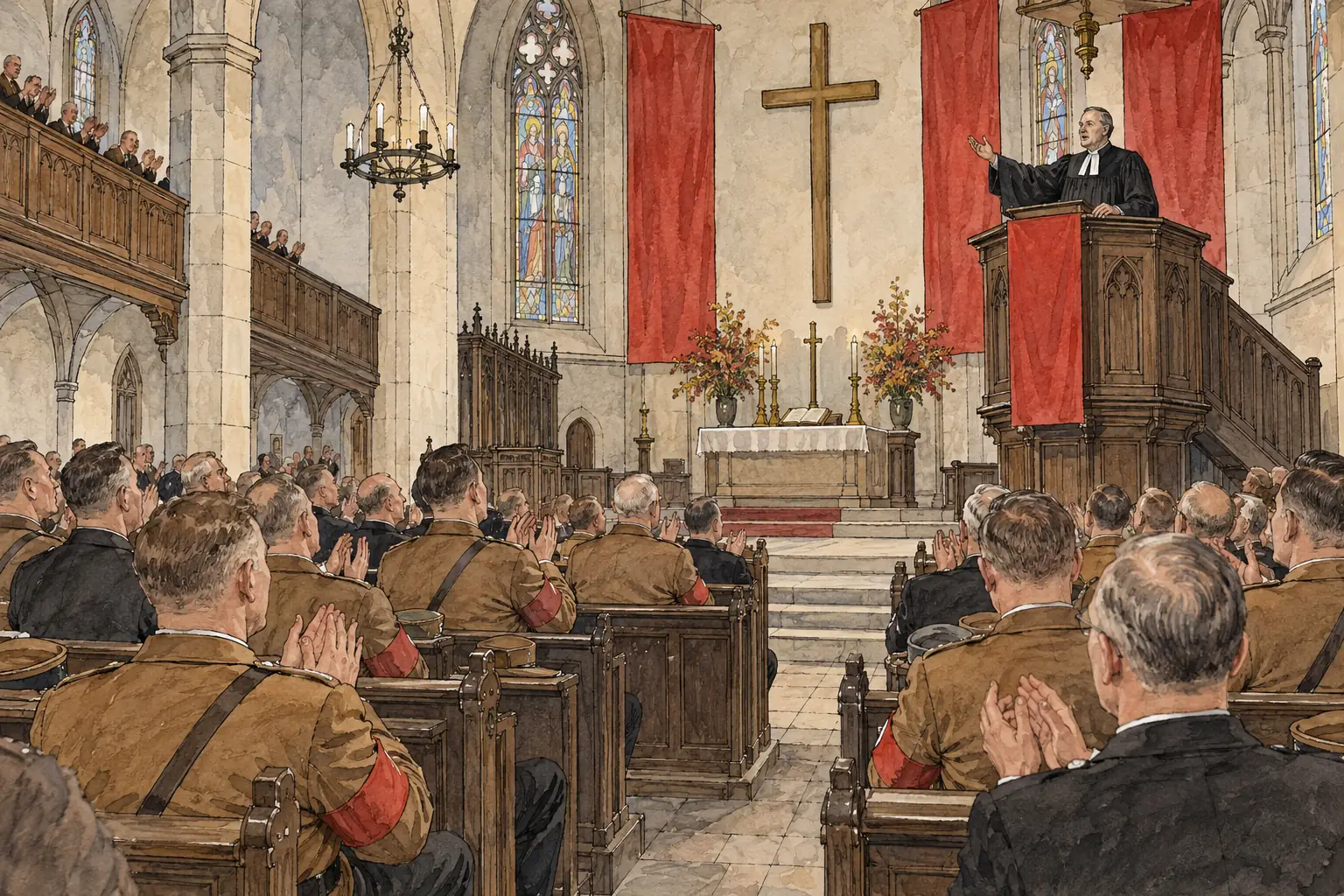
Protestant churches in Germany, fragmented into regional bodies, became a target for Nazification as the regime aimed to unify them under its ideology. The German Christians, a pro-Nazi faction, played a central role in this process.
Role of the German Christians
- Ideological alignment - This group promoted a version of Christianity infused with Nazi racial theories, rejecting the Old Testament and emphasising Aryan superiority.
- Political influence - Supported by the regime, they gained control of many church elections in 1932-33, pushing for the removal of Jewish converts from congregations.
- Propaganda efforts - They organised rallies and publications to portray Hitler as a divinely inspired leader, blending faith with nationalism.
Creation and structure of the Reich Church
- Formation in 1933 - The German Christians established the Reich Church as a national Protestant body, with Ludwig Müller appointed as Reich Bishop to oversee it.
- Unification attempts - Regional churches were pressured to merge, with Nazi symbols incorporated into services and anti-Semitic policies enforced.
- State control mechanisms - The regime funded the Reich Church while suppressing dissenting voices, aiming to make it a tool for spreading propaganda.
Despite these efforts, internal divisions persisted, limiting the Reich Church's effectiveness.
The Confessing Church and clergy repression
Image 1 of 2: Martin Niemöller, a leader of the Confessing Church, preaching in Berlin
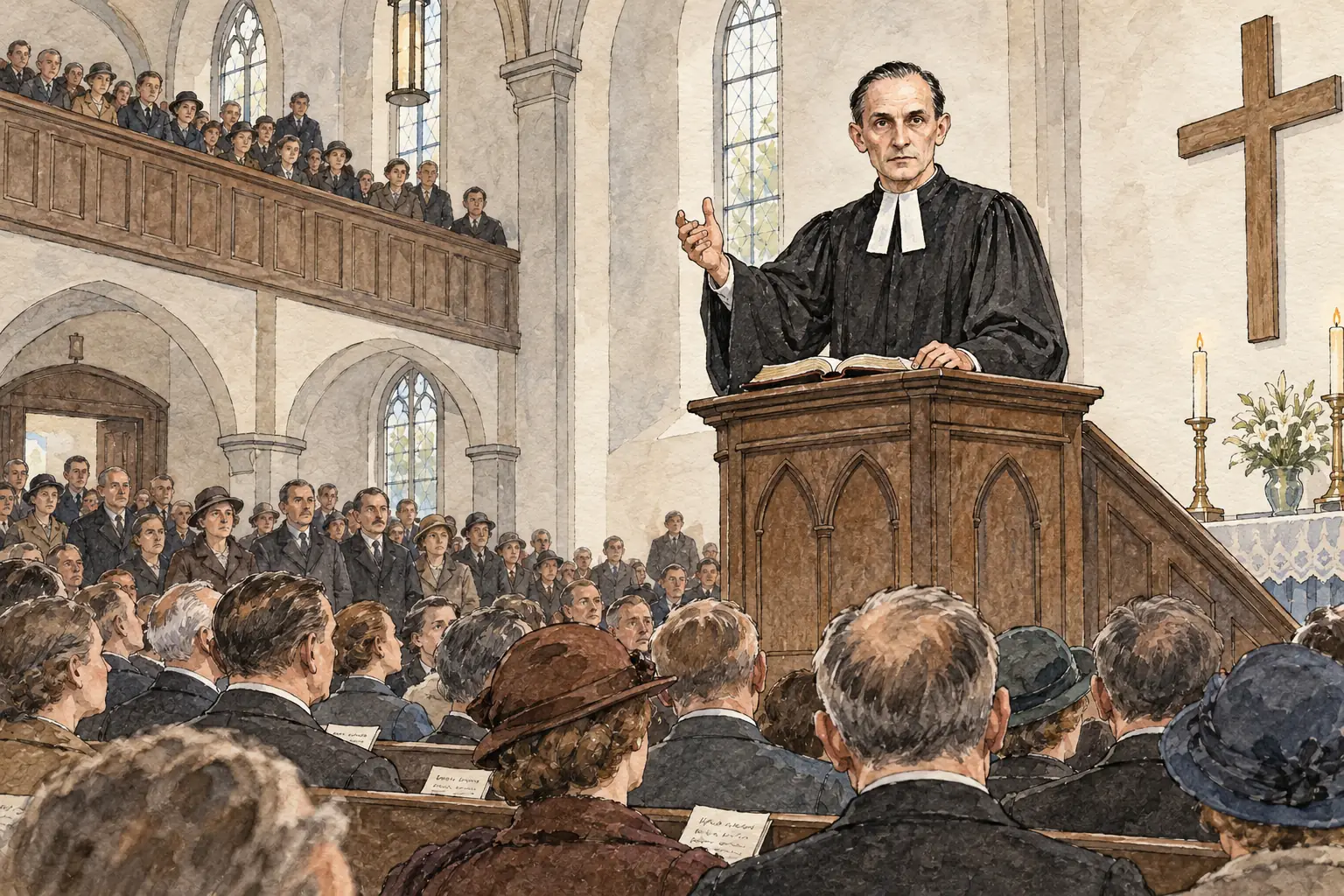
In response to Nazification, a significant opposition movement arose within Protestantism, leading to the formation of the Confessing Church. This group resisted state interference, emphasising traditional Christian doctrines over Nazi ideology.
Establishment of the Confessing Church
- Origins in 1934 - Founded by pastors opposed to the Reich Church, it issued the Barmen Declaration rejecting Nazi control and affirming loyalty to scripture alone.
- Key figures - Leaders like Martin Niemöller organised underground networks, holding alternative services and training seminaries.
- Core principles - The movement focused on preserving church autonomy, opposing racial discrimination and state idolatry.
Repression faced by outspoken clergy
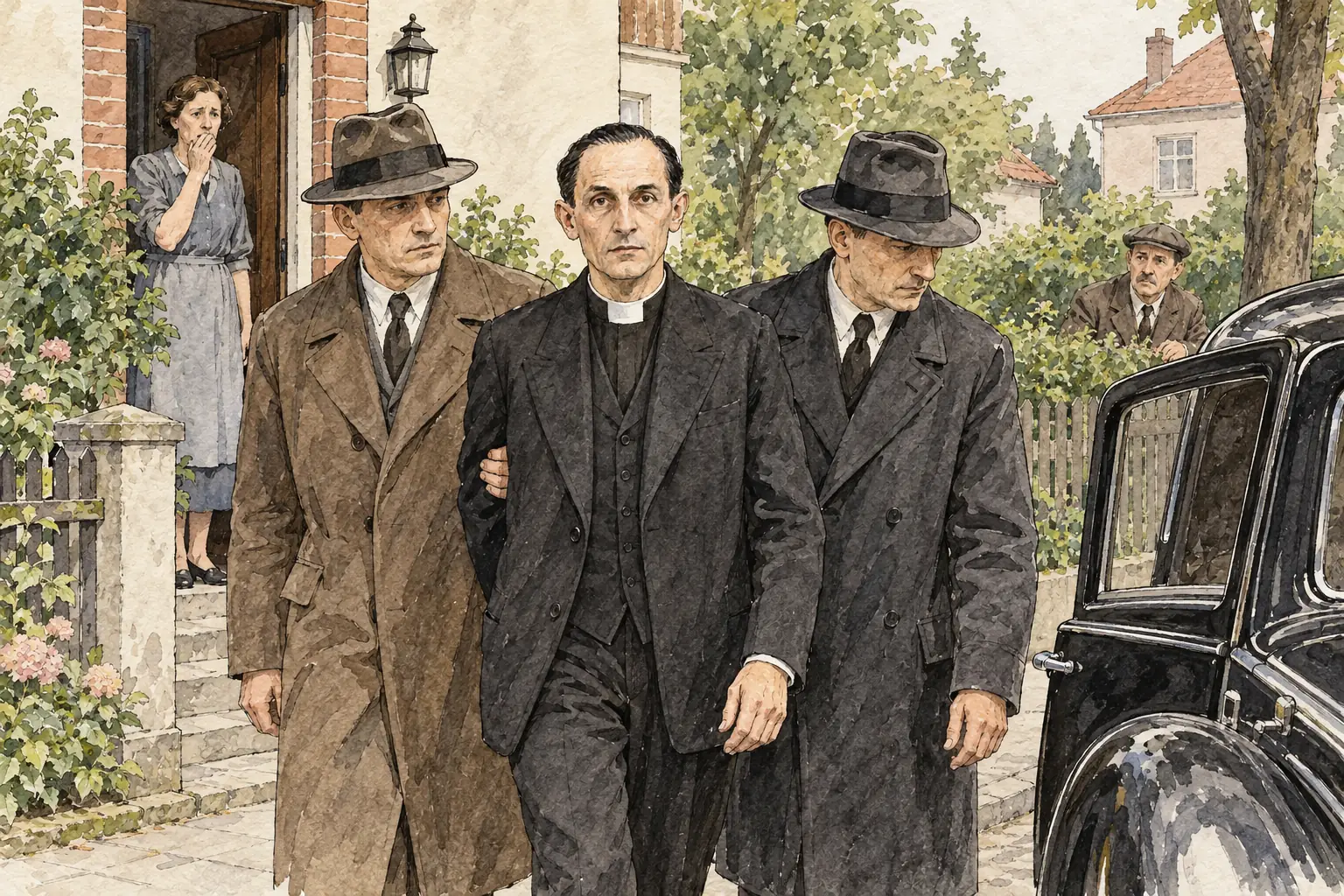
- Arrests and imprisonment - Clergy who criticised the regime, such as Niemöller, were detained; he spent years in concentration camps from 1937 onwards.
- Surveillance and bans - Gestapo raids targeted Confessing Church meetings, with publications confiscated and pastors forbidden from preaching.
- Broader intimidation - Hundreds of clergy faced fines, house arrests, or forced retirement, though some continued resistance through secret communications.
Why the Nazis never fully subdued the churches
The Nazi regime's attempts to control religion ultimately fell short of total domination, as churches retained significant influence over the population. Faith communities adopted varied strategies to survive under pressure.
Factors preventing full Nazi subjugation
- Popular support for churches - With over 90% of Germans identifying as Christian, outright suppression risked widespread unrest, prompting the regime to proceed cautiously.
- International scrutiny - Attacks on the Catholic Church drew condemnation from the Vatican and abroad, limiting aggressive actions to avoid diplomatic fallout.
- Internal regime divisions - Some Nazi leaders, like Himmler, pushed for pagan alternatives, but others recognised the tactical value of maintaining religious appearances.
- Resilience of church structures - Decentralised Protestant networks and the Catholic hierarchy's global ties allowed continued operation despite restrictions.
Ways faith communities navigated the regime
- Accommodation - Many church leaders cooperated minimally, such as by displaying swastikas in churches, to avoid conflict while preserving core activities.
- Quietism - A common approach involved focusing on spiritual matters and avoiding political statements, enabling survival without direct confrontation.
- Protest - Outspoken groups like the Confessing Church engaged in open resistance through declarations and sermons, though this often led to repression.