3.2 - Catholic Threat: Northern Rising & Papal Bull
Key facts and dates
The Northern Rebellion of 1569 and the Papal Bull of 1570 represented significant challenges to Elizabeth I's rule, highlighting tensions between Protestant reforms and Catholic loyalties in England. These events escalated the Catholic threat, prompting stronger government measures against perceived disloyalty.
Timeline of key events
- 1568 – Mary, Queen of Scots, arrives in England as a refugee, becoming a focal point for Catholic hopes.
- 1569 (November) – Northern earls launch rebellion, capturing Durham Cathedral and restoring Catholic mass.
- 1569 (December) – Royal forces under Lord Hunsdon crush the rebels at the Battle of the River Wear.
- 1570 (January) – Elizabeth suppresses remaining rebels, executing around 700 participants.
- 1570 (February) – Pope Pius V issues the bull Regnans in Excelsis, excommunicating Elizabeth.
- 1571 – Treason laws tightened, making adherence to the bull punishable by death.
Causes of the Northern Rebellion in 1569
The Northern Rebellion, also known as the Revolt of the Northern Earls, arose from a mix of political, religious, and personal grievances among northern nobles. These factors combined to create widespread discontent with Elizabeth I's Protestant regime.
Main factors behind the rebellion
- Loss of influence for northern nobles - Earls like Northumberland and Westmorland felt marginalised as Elizabeth favoured southern advisors, reducing their traditional power and court access.
- Defence of Catholicism - Many in the conservative north opposed Protestant reforms, viewing the rebellion as a way to protect traditional Catholic practices against encroaching changes.
- Hopes of placing Mary, Queen of Scots, in succession - Mary's presence in England inspired plots to marry her to the Duke of Norfolk and position her as Elizabeth's heir, appealing to those seeking a Catholic monarch.
Events and response to the Northern Rebellion
Image 1 of 3: The earls of Northumberland and Westmorland led a rebel army of around 5,000 men
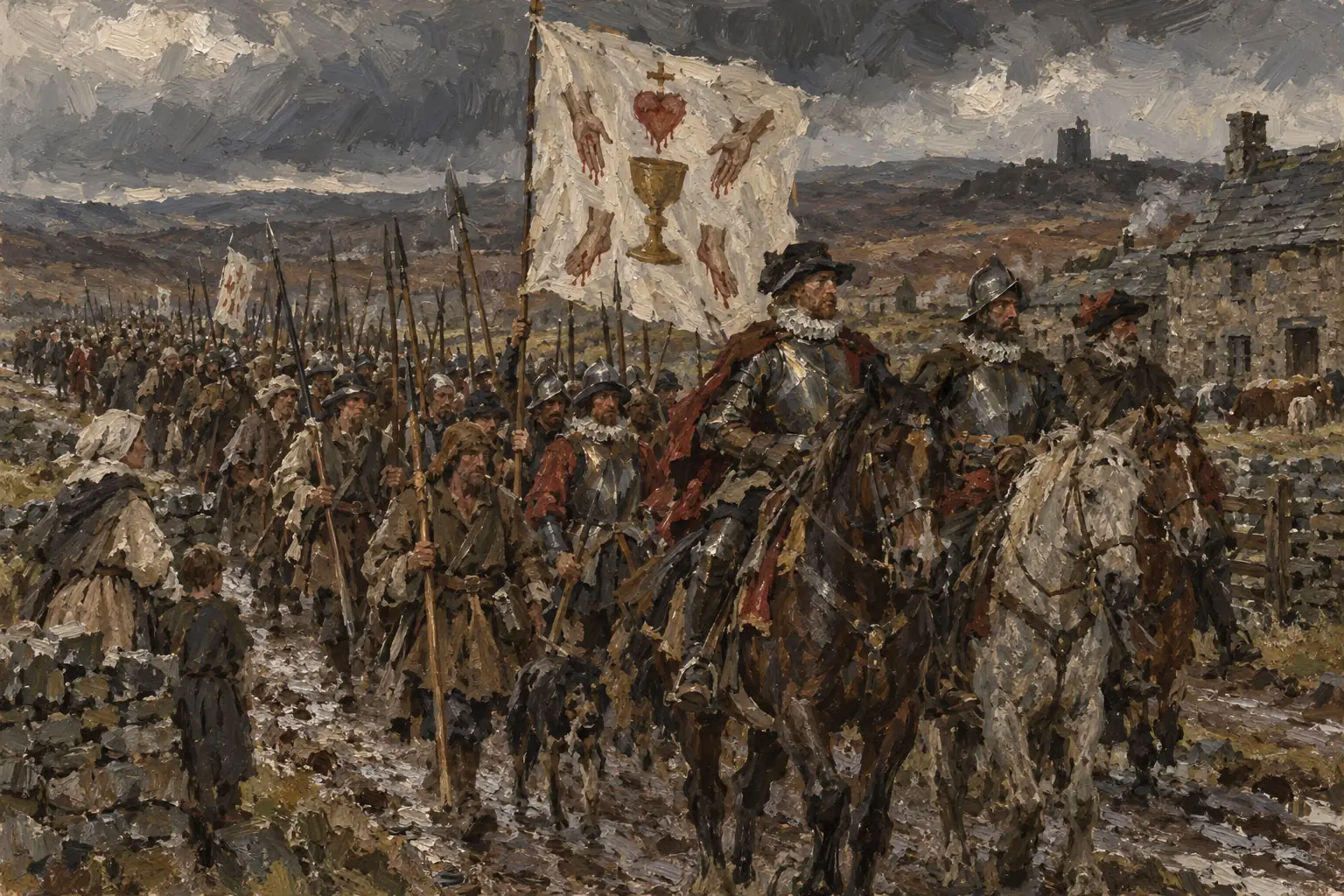
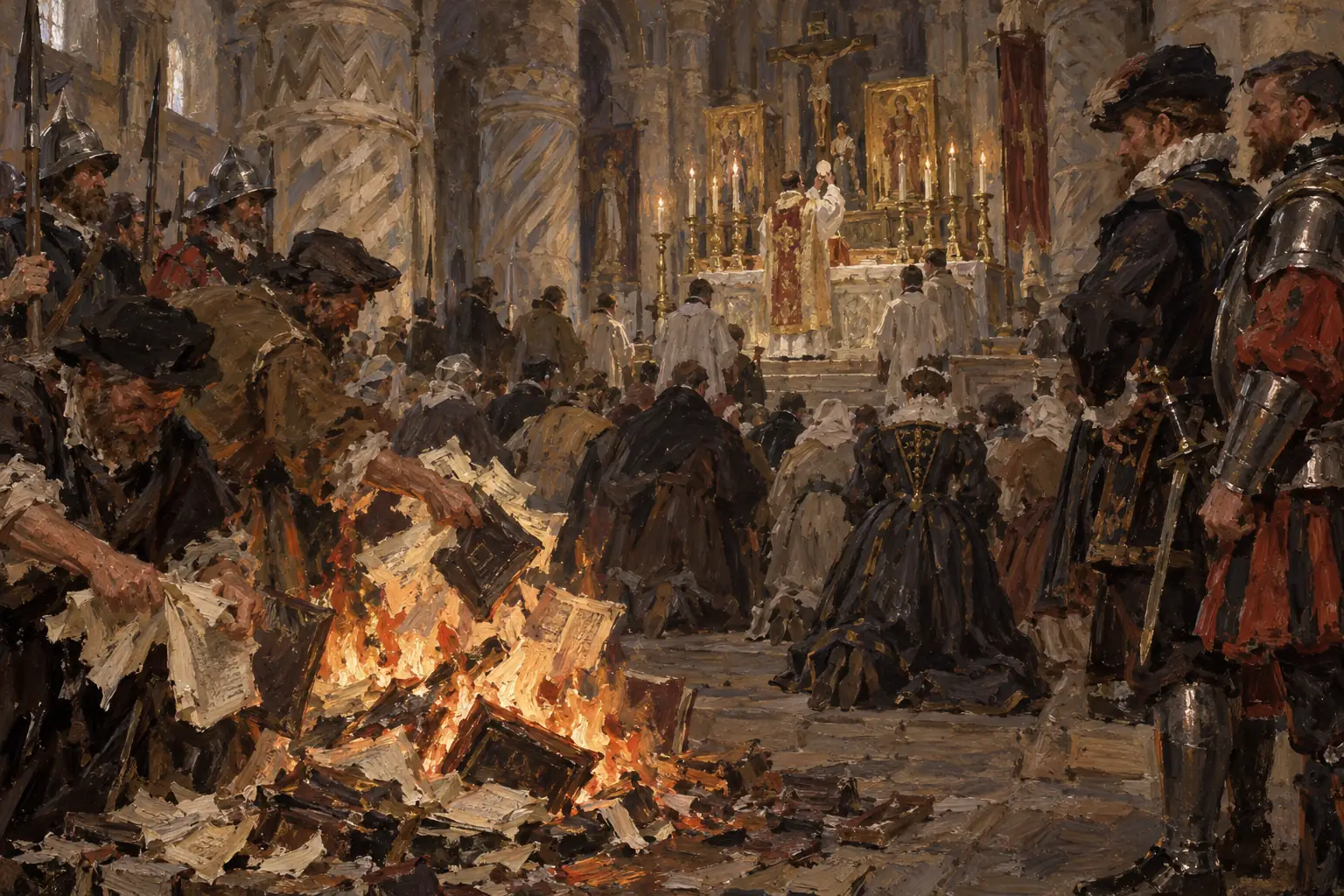
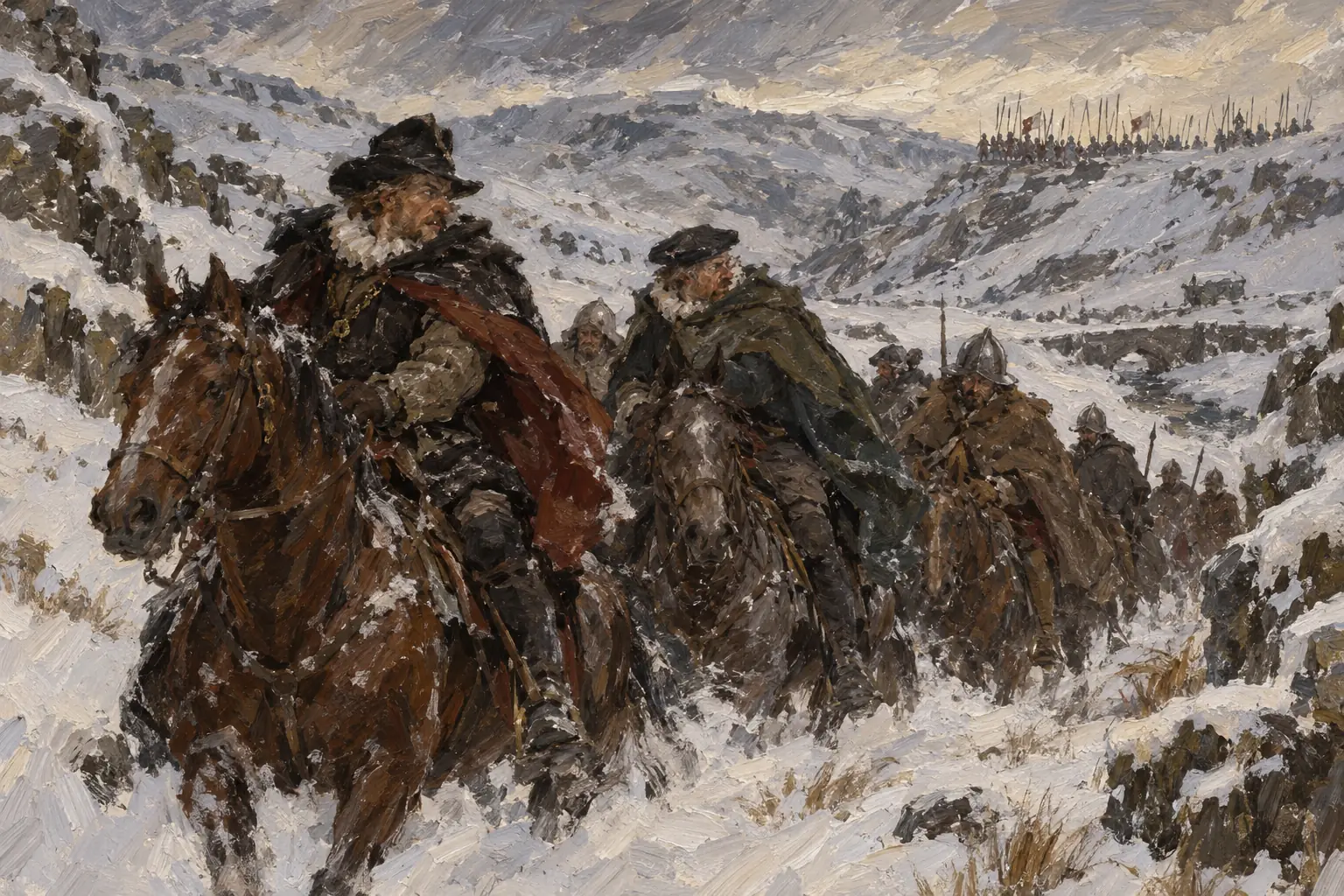
The rebellion unfolded quickly in late 1569, involving northern earls who mobilised supporters but faced a determined royal counteraction. Elizabeth's forces acted decisively to quell the uprising and prevent its spread.
Sequence of key events
- Initial mobilisation - In November 1569, the earls of Northumberland and Westmorland gathered around 5,000 rebels, seizing Durham Cathedral to hold a Catholic mass and destroy Protestant books.
- Spread and peak - Rebels marched south, gaining some local support but failing to capture major cities like York; their army reached a maximum of about 6,000 before momentum waned.
- Royal counteroffensive - Elizabeth dispatched troops led by Lord Hunsdon, who defeated the rebels in a skirmish near the River Wear in December 1569, scattering their forces.
Decisive royal response
- Suppression and executions - By January 1570, government forces had fully dismantled the rebellion, with Elizabeth ordering the hanging of approximately 700 low-ranking participants to deter future unrest.
- Punishment of leaders - The earls fled to Scotland, but many associates faced attainder and loss of lands, reinforcing royal authority in the north.
- Broader measures - Elizabeth strengthened northern garrisons and appointed loyal officials, ensuring the rebellion did not inspire wider revolts.
The Papal Bull Regnans in Excelsis of 1570
Image 1 of 2: Pope Pius V excommunicated Elizabeth in February 1570
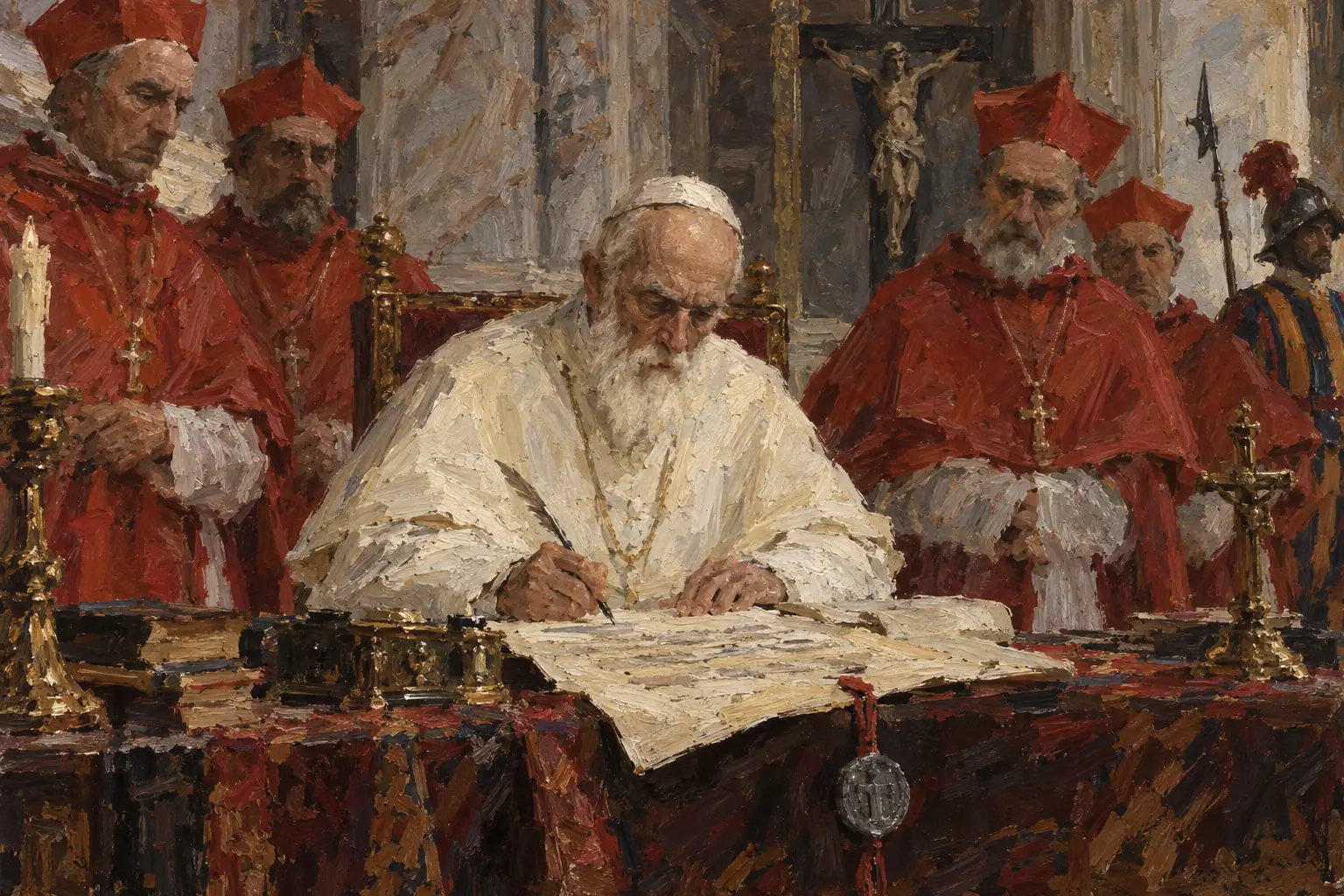
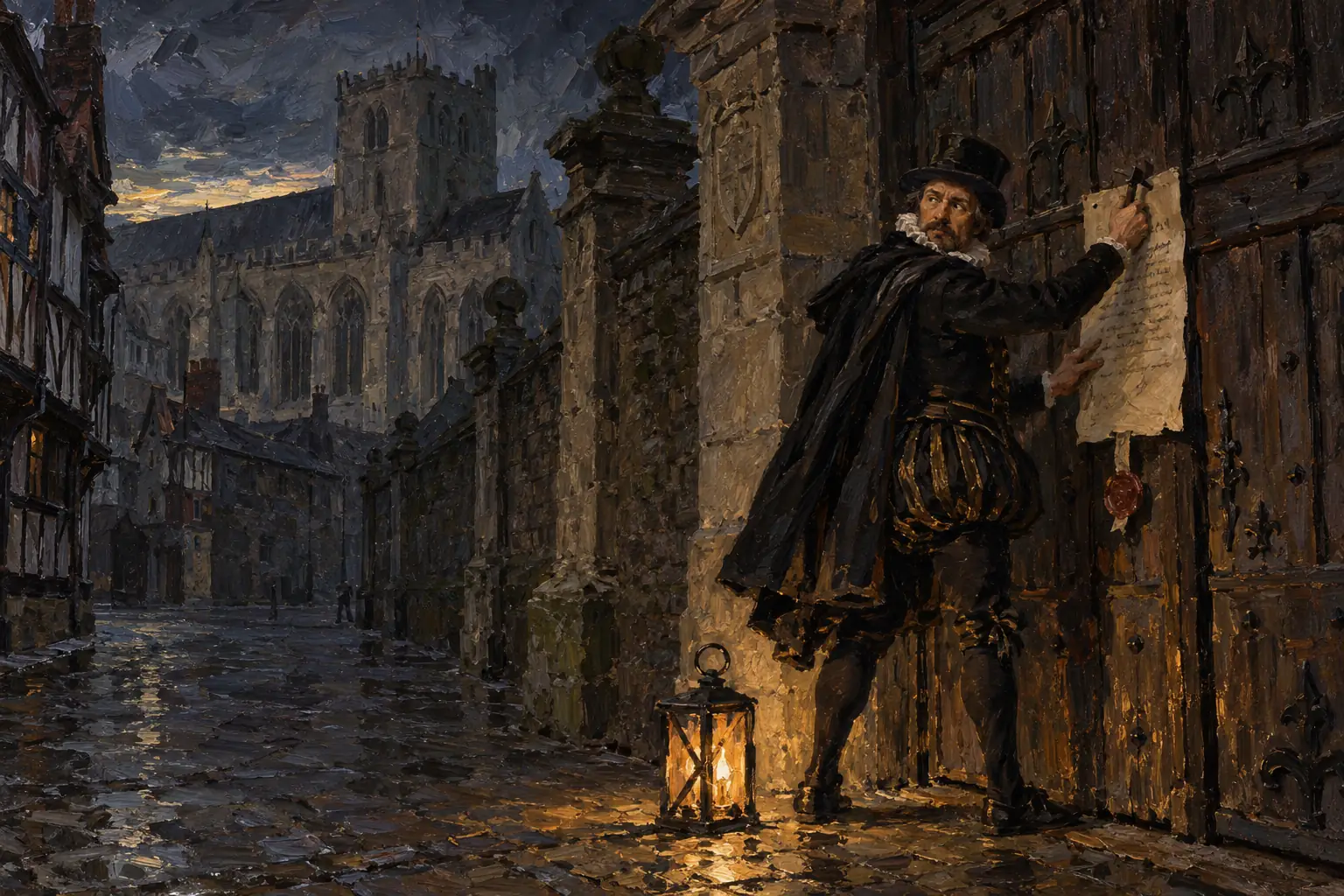
Issued by Pope Pius V in February 1570, the bull Regnans in Excelsis was a direct papal condemnation of Elizabeth I. It aimed to undermine her rule by invoking religious authority against her Protestant policies.
Key elements of the Papal Bull
- Excommunication of Elizabeth - The bull declared Elizabeth a heretic and illegitimate ruler, stripping her of any claim to the throne due to her support for Protestantism.
- Absolution of subjects from obedience - It released English Catholics from loyalty to Elizabeth, encouraging them to disobey her laws and even depose her without sin.
- Call to action - The document urged foreign Catholic powers and English subjects to oppose Elizabeth, framing resistance as a holy duty.
Impacts of the Papal Bull on government attitudes
The Papal Bull intensified the Catholic threat in England, transforming religious differences into matters of national security. It prompted a shift in how the government viewed Catholicism, associating it with potential treason.
Consequences for government policy and society
- Hardening of attitudes - Elizabeth's regime became more suspicious of Catholics, implementing stricter recusancy fines and oaths of allegiance to enforce conformity.
- Linking religion to loyalty and treason - Adhering to the bull was equated with disloyalty, leading to new treason laws in 1571 that punished Catholic practices as seditious acts.
- Escalation of perceived threats - The bull encouraged foreign plots and domestic unrest, heightening fears of invasion or assassination and justifying surveillance of Catholic nobles.