1.6 - Soviet Responses: Cominform, Comecon & Yugoslavia
Key facts and dates
Soviet responses to Western initiatives in the late 1940s aimed to consolidate control over Eastern Europe and counter capitalist influences. These actions, including the formation of political and economic organisations, deepened the ideological split across the continent, while also revealing tensions within the communist bloc.
Timeline of key events
- 1947 – Establishment of Cominform to coordinate European communist parties and enforce Soviet ideological standards.
- 1948 – Yugoslavia expelled from Cominform after Tito's refusal to follow Stalin's directives, highlighting independent communist paths.
- 1949 – Creation of Comecon as an economic alliance to integrate Eastern European economies and oppose the Marshall Plan.
- Late 1940s – These initiatives solidify the Iron Curtain, entrenching political and economic divisions between East and West.
Establishment and purpose of Cominform
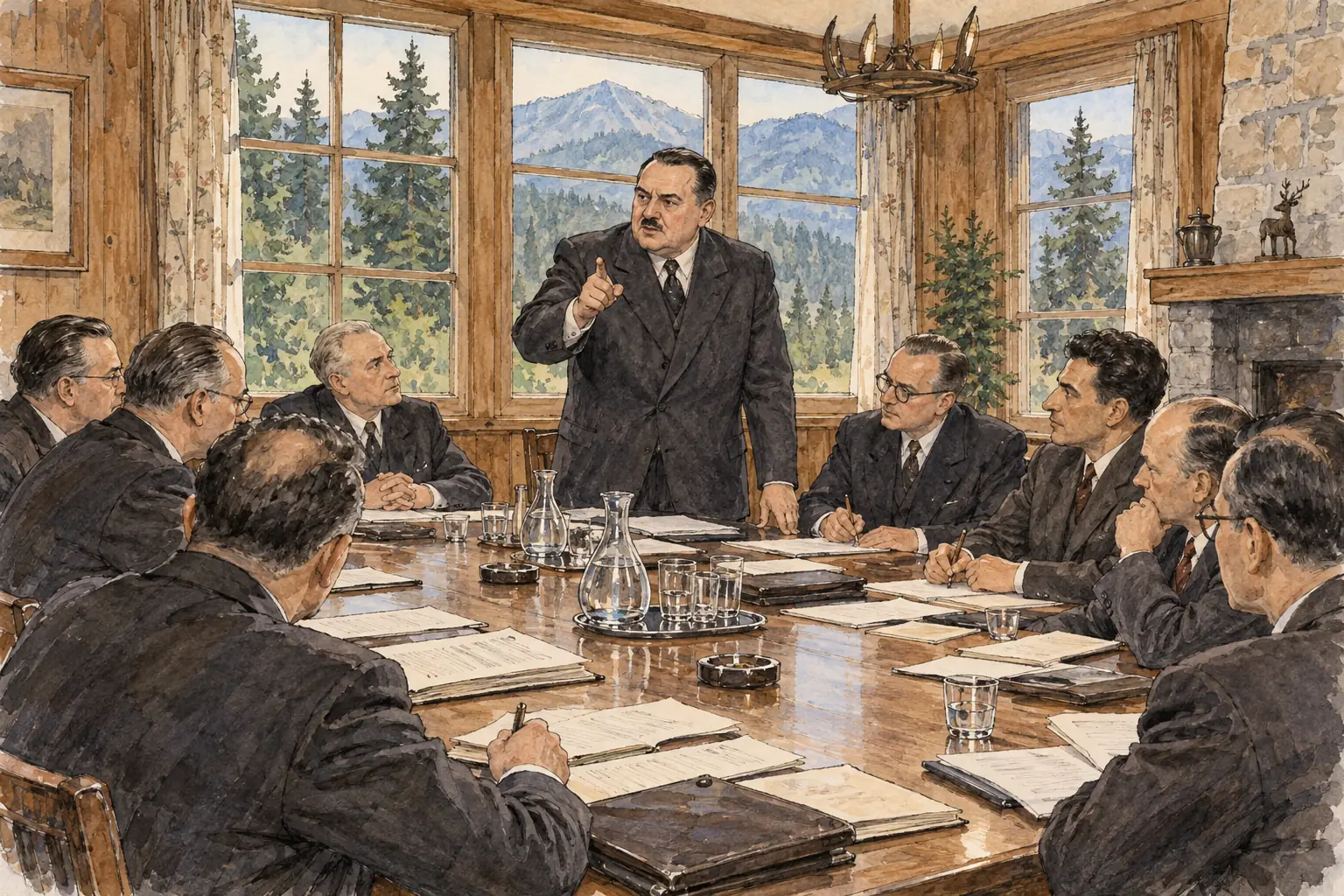
Cominform, officially the Communist Information Bureau, was set up by the Soviet Union in 1947 as a direct response to growing Western influence in Europe. It brought together communist parties from nine countries, including the USSR, Poland, and Hungary, to maintain unity and prevent deviations from Moscow's line.
Main functions of Cominform
- Coordination of communist parties - It facilitated regular meetings where party leaders shared strategies and aligned policies, ensuring a unified approach across Eastern Europe.
- Enforcement of ideological conformity - Cominform acted as a disciplinary body, monitoring and criticising any signs of independence or reform that strayed from strict Soviet communism.
- Response to Western threats - Formed amid fears of American economic aid spreading capitalist ideas, it aimed to isolate Eastern Europe from such influences and promote anti-imperialist propaganda.
Creation and objectives of Comecon
Comecon, or the Council for Mutual Economic Assistance, was founded in 1949 under Soviet leadership to foster economic cooperation among communist states. It included the USSR and several Eastern European nations, serving as a counterweight to Western economic programmes.
Key aims of Comecon
- Integration of Eastern economies - It encouraged specialisation, with countries focusing on specific industries, such as heavy machinery in Czechoslovakia or agriculture in Bulgaria, to create interdependence.
- Countering the Marshall Plan - By providing mutual aid and trade preferences, Comecon sought to reduce reliance on Western markets and prevent the spread of American-style capitalism.
- Promotion of socialist development - The organisation prioritised central planning and collective resource sharing, aiming to boost industrial growth and living standards within the bloc while reinforcing Soviet dominance.
Yugoslavia's expulsion from Cominform
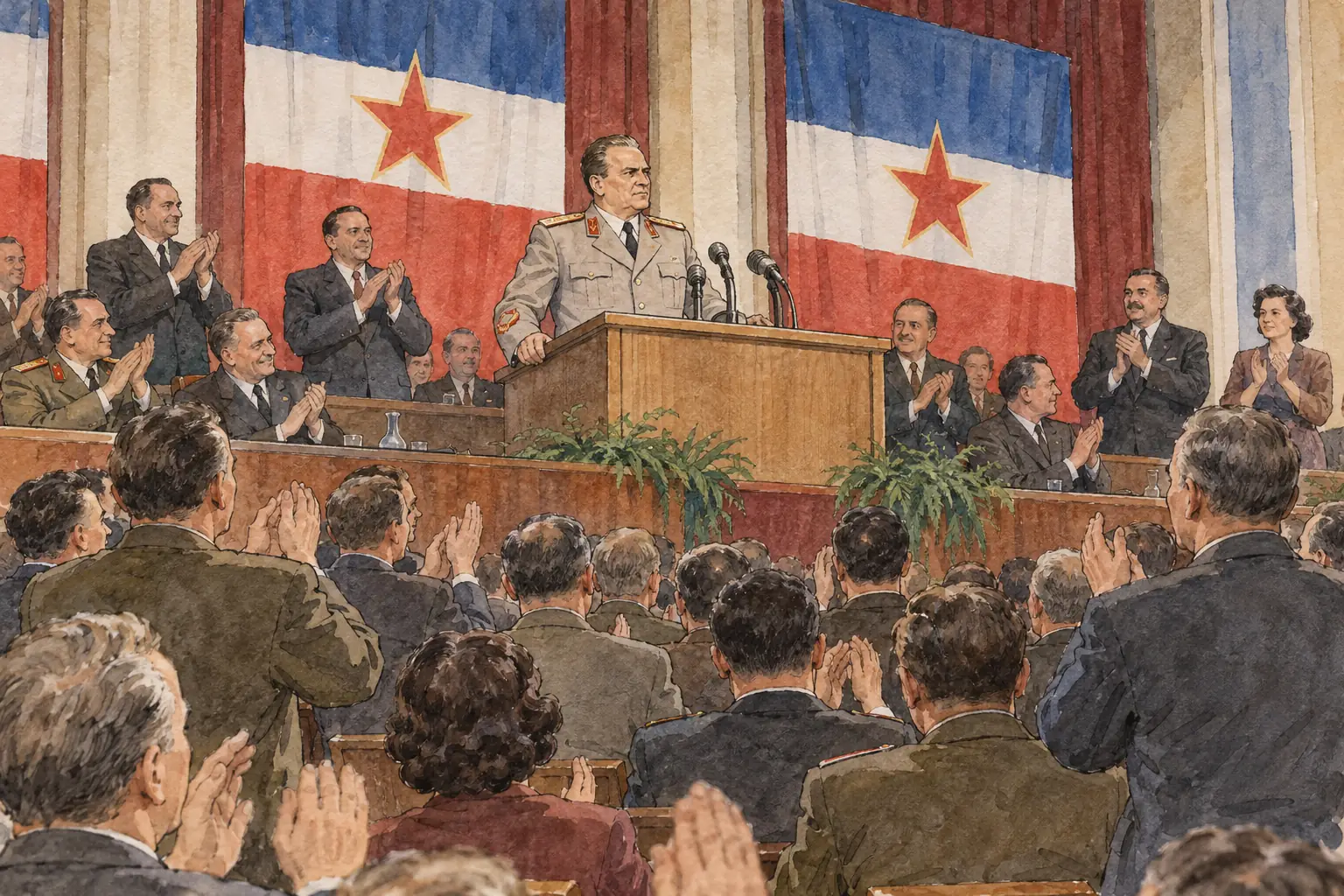
Yugoslavia, led by Josip Broz Tito, initially aligned with the Soviet Union but increasingly pursued its own policies after World War II. This led to a major rift, culminating in the country's expulsion from Cominform in 1948.
Events and consequences of the expulsion
- Break with Stalin - Tito resisted Soviet interference in Yugoslavia's internal affairs, including economic planning and foreign policy, prompting accusations of revisionism and betrayal from Moscow.
- Limits to Soviet control - The expulsion demonstrated that not all communist states would submit fully to Soviet authority, exposing vulnerabilities in Stalin's grip over the Eastern bloc.
- Variety within communism - Yugoslavia developed its own model of socialism, featuring worker self-management and non-alignment in international affairs, which highlighted diverse interpretations of communist ideology beyond the Soviet template.
How these responses entrenched Europe's division
The establishment of Cominform and Comecon, alongside the handling of Yugoslavia, played a crucial role in solidifying the split between Eastern and Western Europe during the early Cold War. These measures created lasting barriers that extended beyond politics into economic and social spheres.
Ways in which divisions were reinforced
- Political polarisation - Cominform's focus on ideological purity deepened the rift, portraying the West as an enemy and justifying repressive measures in Eastern states to suppress dissent.
- Economic separation - Comecon isolated Eastern economies from global trade, fostering a self-contained bloc that contrasted sharply with the market-driven systems supported by the Marshall Plan.
- Ideological and territorial splits - The Yugoslavia crisis underscored the Iron Curtain's rigidity, while also showing that challenges to Soviet unity could lead to exclusion, further entrenching Europe's division into opposing camps.