3.1 - The Religious Settlement of 1559 & Its Aims
Key facts and dates
The Religious Settlement of 1559 represented Elizabeth I's effort to resolve religious divisions in England after years of upheaval under her predecessors. By blending elements of Protestantism and Catholicism, it aimed to foster national unity and prevent further conflict, though it faced resistance from both sides.
Timeline of key events
| Date | Event |
|---|---|
| January 1559 | Elizabeth I ascends the throne, inheriting a nation divided by religious changes under Henry VIII, Edward VI, and Mary I. |
| April 1559 | Act of Supremacy passed, establishing Elizabeth as Supreme Governor of the Church of England and requiring an oath from officials. |
| May 1559 | Act of Uniformity enacted, mandating use of a new Prayer Book and imposing fines for non-attendance at services. |
| July 1559 | Royal Injunctions issued, outlining rules for church practices to enforce a moderate Protestantism. |
| 1559-1560 | Archbishop Matthew Parker appointed to oversee church reorganisation and ensure compliance with the Settlement. |
| Throughout 1559 | Settlement pursues a 'middle way' (via media), balancing Protestant reforms with Catholic traditions to promote stability. |
The Acts of Supremacy and Uniformity
The Religious Settlement began with two key pieces of legislation passed by Parliament in 1559. These acts aimed to re-establish Protestant elements in the Church while addressing the divisions caused by previous reigns.
Main features of the Act of Supremacy
- Restoration of royal authority - This act revived the monarch's control over the Church of England, reversing Catholic restorations under Mary I.
- Abolition of papal influence - It declared that no foreign power, including the Pope, held authority over English religious matters.
- Penalties for non-compliance - Those refusing to acknowledge the monarch's role faced fines or imprisonment, targeting potential Catholic dissenters.
Main features of the Act of Uniformity
- Standardised worship - The act required all churches to follow a single form of service, aiming to end religious confusion.
- Attendance requirements - Everyone had to attend Sunday services, with fines imposed for absence to encourage participation.
- Enforcement mechanisms - Church courts and local officials monitored adherence, using graduated penalties to promote conformity without immediate harsh punishment.
Supreme Governor title and Oath of Supremacy
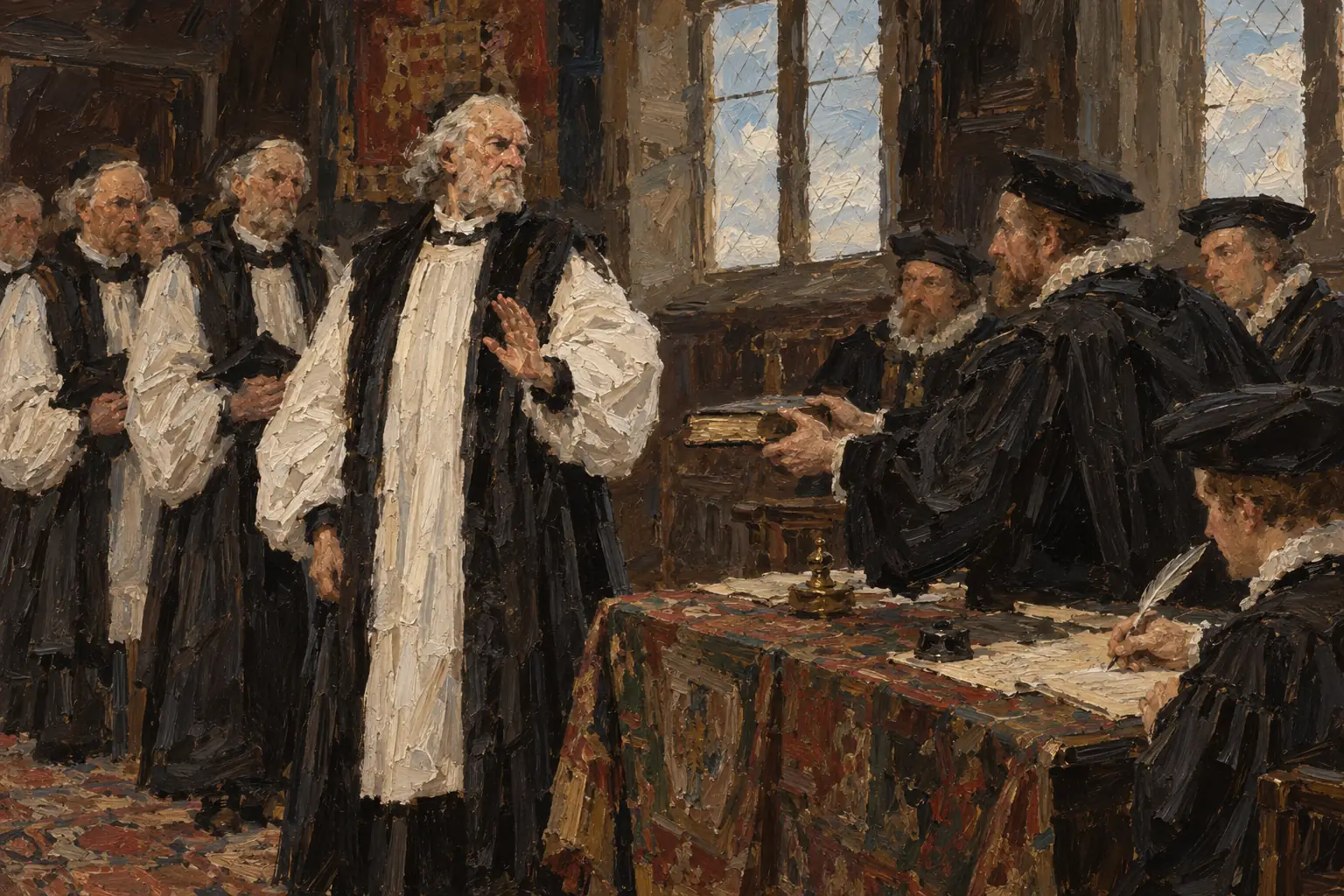
To avoid alienating conservative elements, Elizabeth adopted a moderated form of royal supremacy. This approach emphasised her role in governance rather than absolute religious headship.
Significance of the Supreme Governor title
- Compromise on authority - Unlike her father Henry VIII's title of Supreme Head, Elizabeth's designation as Supreme Governor softened the claim, making it more acceptable to those with Catholic sympathies.
- Political motivations - The title helped secure support from moderate Protestants and Catholics by presenting Elizabeth as a secular overseer rather than a spiritual leader.
- Gender considerations - It addressed concerns about a female ruler holding ecclesiastical power, framing her role in terms of civil administration.
Requirements of the Oath of Supremacy
- Pledge of loyalty - Clergy, judges, and public officials had to swear allegiance to Elizabeth's authority over the Church, rejecting papal supremacy.
- Consequences of refusal - Non-jurors could lose their positions, face fines, or even treason charges in severe cases, though initial enforcement was lenient.
- Impact on society - The oath promoted obedience but allowed some flexibility, as many Catholics took it with mental reservations to avoid penalties.
The 1559 Prayer Book and Royal Injunctions
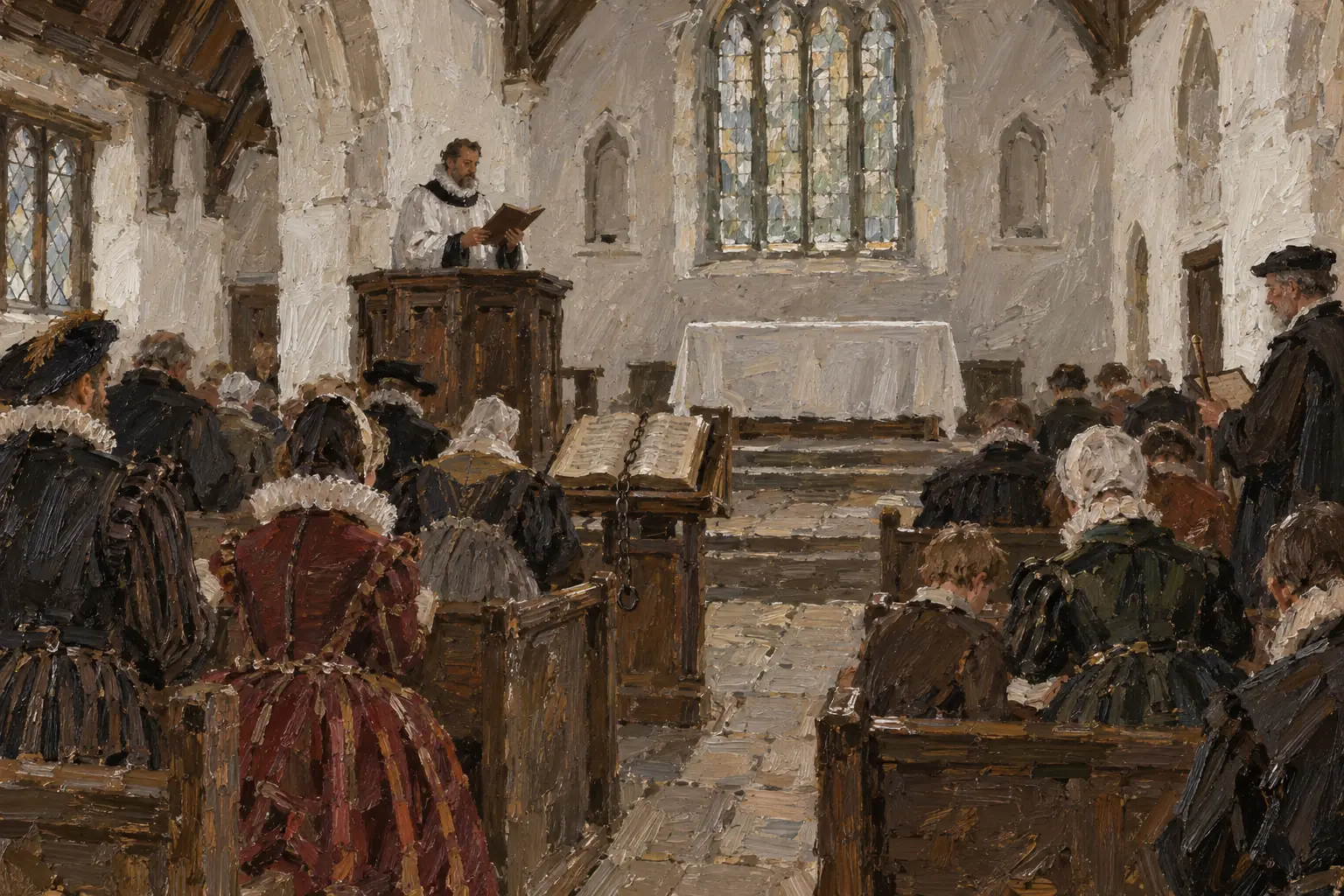
Central to the Settlement was a revised Prayer Book and a set of instructions that defined acceptable practices. These documents blended Protestant theology with familiar Catholic rituals.
Key elements of the 1559 Prayer Book
- Moderate Protestant content - Based on Edward VI's 1552 version, it included ambiguous wording on communion to accommodate different interpretations.
- Retention of traditions - Elements like priestly vestments and church ornaments were preserved, appealing to those favouring Catholic aesthetics.
- Uniformity in services - It mandated English-language prayers and simplified ceremonies, ensuring consistent worship across the realm.
Purpose of the Royal Injunctions
- Practical guidelines - Issued in July 1559, these 57 directives clarified how the Prayer Book should be implemented, including rules on preaching and church decoration.
- Promotion of reform - They required the removal of some Catholic symbols, such as certain images, while allowing others to remain for continuity.
- Educational focus - Injunctions emphasised Bible reading and sermons to spread Protestant ideas without forcing radical changes.
The via media approach and aims for stability
The Settlement pursued a 'middle way' (via media) to bridge Protestant and Catholic divides. This balanced strategy prioritised national cohesion over doctrinal purity.
Characteristics of the via media
- Balancing extremes - It incorporated Protestant beliefs like justification by faith while retaining Catholic practices such as clerical celibacy in some contexts.
- Tolerance with limits - Limited conformity was permitted, with fines for recusancy (non-attendance) serving as a mild deterrent rather than severe persecution.
- Flexibility in enforcement - The approach allowed private beliefs to persist as long as public obedience was maintained, reducing the risk of rebellion.
Primary aims of the Settlement
- Political stability - By unifying religious practice, it sought to prevent the unrest seen in previous reigns and strengthen Elizabeth's rule.
- Obedience and uniform worship - The focus was on outward conformity to foster loyalty and reduce factionalism within the realm.
- Long-term national unity - It aimed to create a broad church that could encompass most subjects, minimising foreign interference and internal division.
Archbishop Parker and church reorganisation
To implement the Settlement, Elizabeth appointed key figures and restructured the Church hierarchy. This ensured oversight and gradual compliance across England.
Role of Archbishop Matthew Parker
- Leadership in reform - As Archbishop of Canterbury from 1559, Parker oversaw the introduction of the new Prayer Book and Injunctions.
- Moderate enforcement - He promoted conformity through visitations and inspections, focusing on education rather than punishment.
- Support for the queen - Parker advised on religious policy, helping to navigate challenges from both Puritan and Catholic critics.
Aspects of church reorganisation
- Appointment of bishops - Elizabeth selected moderate Protestants to fill vacancies, creating a loyal episcopal structure.
- Ecclesiastical commissions - These bodies investigated non-conformity, using fines and oaths to enforce standards without widespread coercion.
- Local implementation - Parishes were reorganised to align with the Settlement, with clergy trained to deliver uniform services and report dissent.