1.4 - Soviet Expansion in Eastern Europe
Key facts and dates
After the Second World War, the Soviet Union under Stalin extended its influence across Eastern Europe, creating a network of communist states that served as a protective barrier against potential Western threats. This process involved strategic political manoeuvres and force, contributing to the early tensions of the Cold War.
Timeline of key events
- 1945 – Soviet troops occupy much of Eastern Europe, installing initial coalition governments in countries like Poland and Hungary.
- 1946 – Rigged elections in Poland secure communist dominance, despite opposition from non-communist groups.
- 1947 – Communist takeover in Romania through intimidation and control of key institutions.
- 1947 – Hungary's communists use 'salami tactics' to eliminate rivals, leading to a one-party state.
- 1948 – Czechoslovakia experiences a communist coup, forcing non-communists out of power.
- 1948 – Yugoslavia breaks from Soviet control under Tito, pursuing independent communism.
- 1949 – East Germany established as a separate communist state after Soviet zone administration.
- 1949 – Albania fully aligns with Soviet model, completing the 'iron curtain' across Eastern Europe.
Reasons for Soviet expansion in Eastern Europe
Following the defeat of Nazi Germany in 1945, the Soviet Union sought to secure its western borders by establishing friendly governments in neighbouring states. This expansion was driven by a mix of ideological goals and practical security concerns, shaped by the devastating impact of the recent war.
Stalin's security rationale and buffer zone strategy
- Protection against invasion - Stalin aimed to create a buffer zone of allied states to shield the Soviet Union from future attacks, recalling the massive losses during the German invasion of 1941.
- Ideological spread - Promoting communism aligned with Soviet beliefs in exporting revolution, ensuring ideological conformity in the region.
- Economic and political control - Dominating Eastern Europe allowed access to resources and prevented the rise of hostile regimes, consolidating Soviet power in the post-war order.
Methods used to establish communist governments
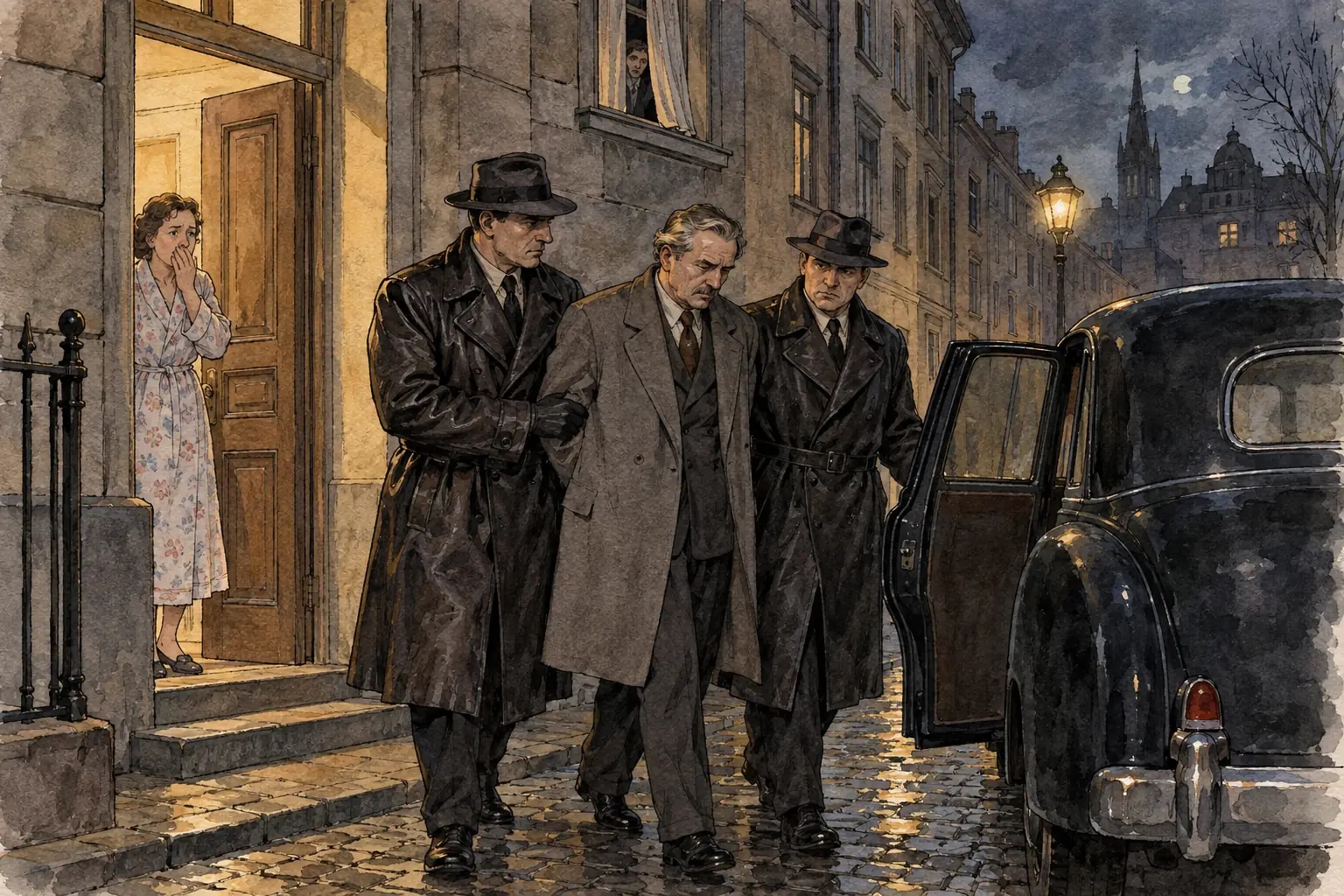
Communists in Eastern Europe, backed by Soviet forces, employed a range of tactics to seize and maintain power. These methods often started with apparent cooperation but quickly shifted to outright control, sidelining opposition and consolidating authority.
Key tactics for communist consolidation
- Coalition governments and 'salami tactics' - Initial broad coalitions included non-communists, but opponents were gradually removed slice by slice through accusations, arrests, or forced resignations.
- Control of police and media - Communists took over security forces for intimidation and propaganda outlets to shape public opinion and suppress dissent.
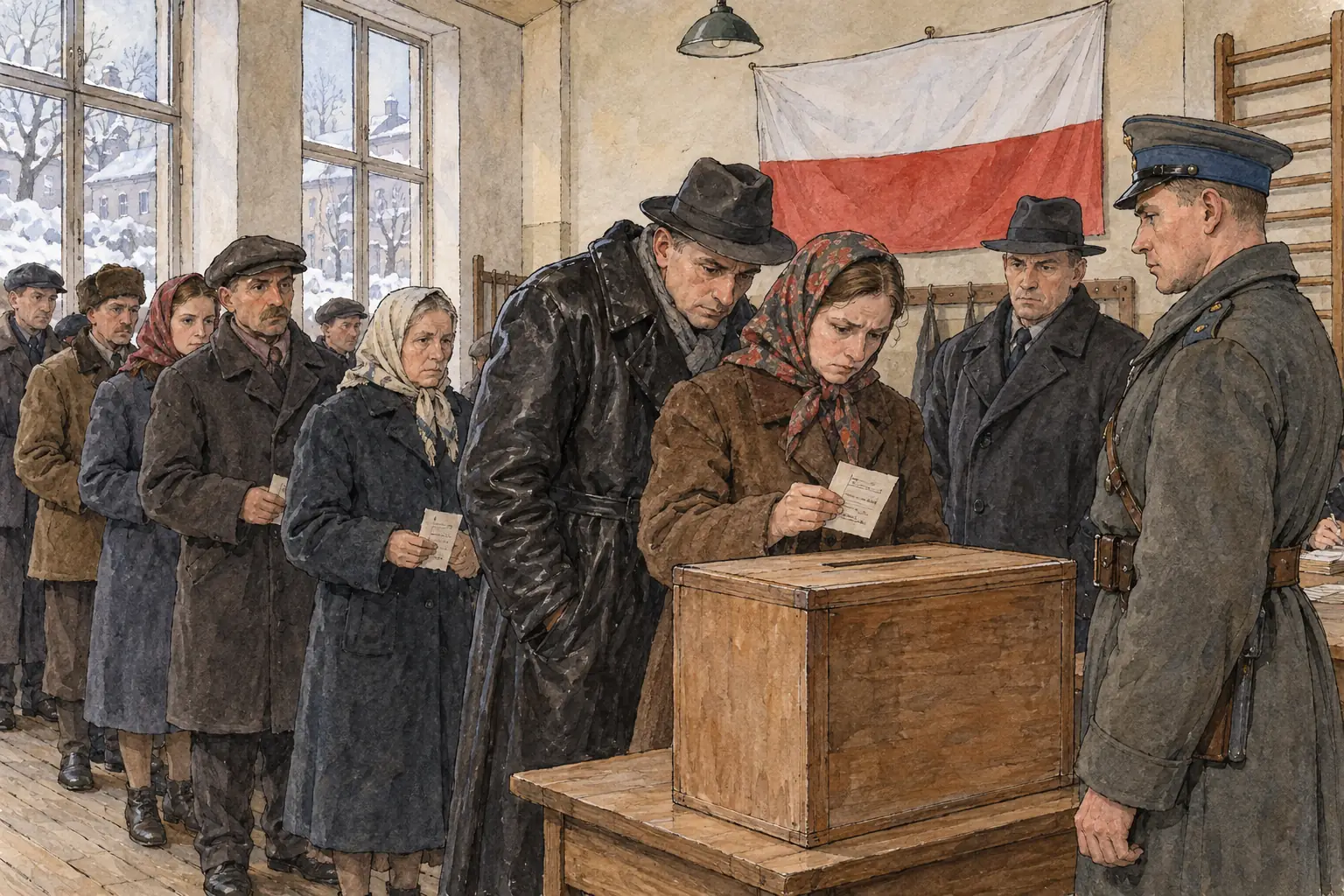
- Rigged elections and intimidation - Votes were manipulated through fraud or coercion, while threats and violence discouraged opposition participation or support.
Case studies of communist takeovers
Image 1 of 2: Poland's elections were rigged, with voters watched and intimidated by the security police
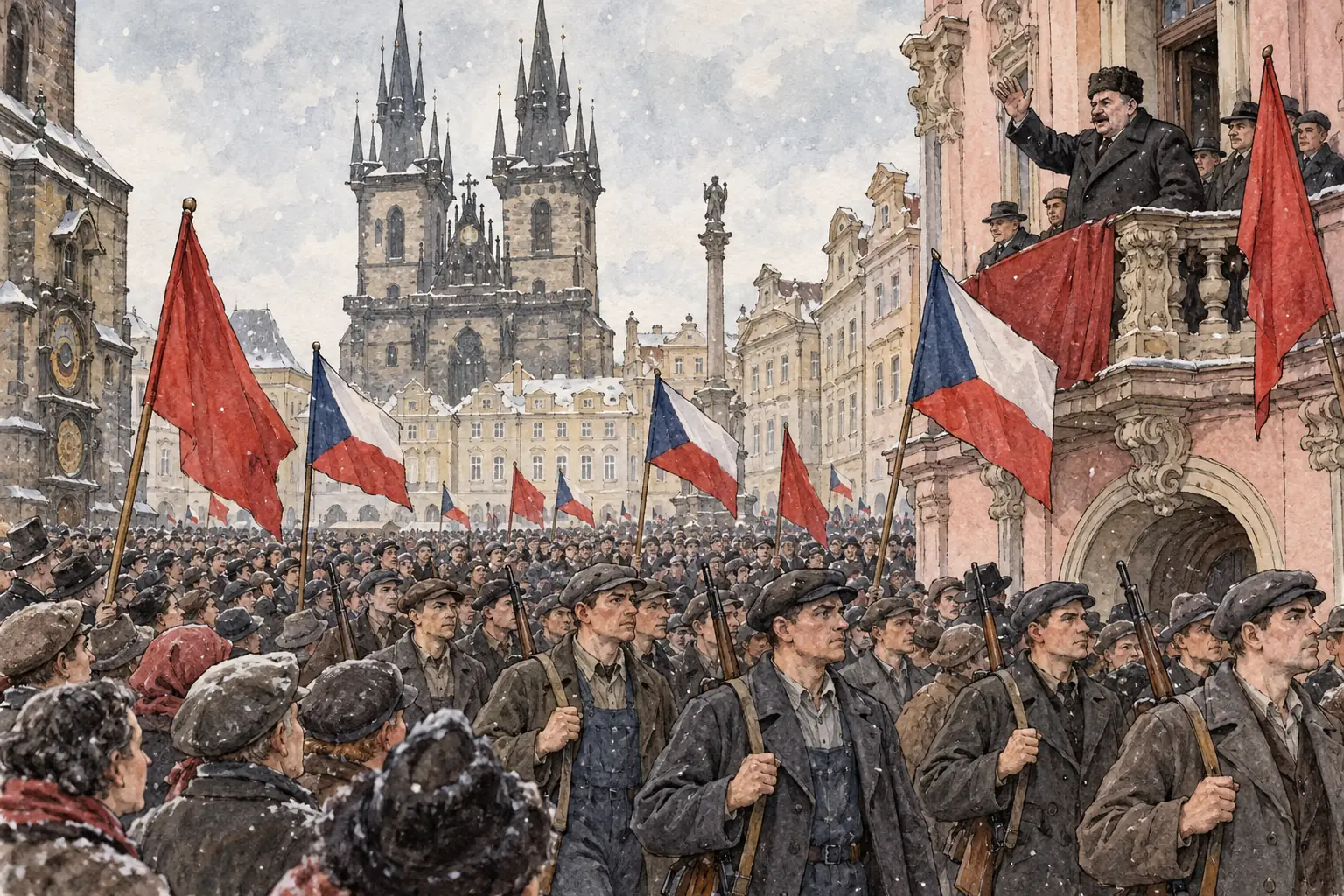
The pattern of communist ascendance varied by country, but Soviet influence was a common thread. Each case illustrates how local communists, often with Red Army support, transformed wartime occupations into permanent regimes.
Communist takeover in Poland
- Initial coalition formed in 1945, but by 1946, rigged elections gave communists a majority despite strong non-communist resistance.
- Opposition leaders faced arrest or exile, solidifying control through police repression.
Communist takeover in Hungary
- 'Salami tactics' applied from 1945 to 1947, progressively eliminating rival parties.
- By 1947, communists dominated through media control and intimidation, leading to a full one-party state.
Communist takeover in Czechoslovakia
- A 1948 coup involved communist ministers resigning to force a crisis, followed by armed militias seizing power.
- President Beneš was compelled to appoint a communist-led government, ending democratic elements.
Communist takeover in Romania
- From 1945, communists infiltrated the coalition, using arrests and rigged trials to remove opponents by 1947.
- King Michael was forced to abdicate, paving the way for a Soviet-style republic.
Communist takeover in East Germany
- Soviet occupation from 1945 led to the 1949 creation of the German Democratic Republic.
- Land reforms and police control suppressed alternatives, aligning the state with Moscow.
Communist takeover in Albania
- Partisan leader Enver Hoxha established control in 1945, purging rivals and aligning closely with Soviet policies by 1949.
- Strict isolation and repression ensured a totalitarian communist regime.
Yugoslavia's distinctive path under Tito
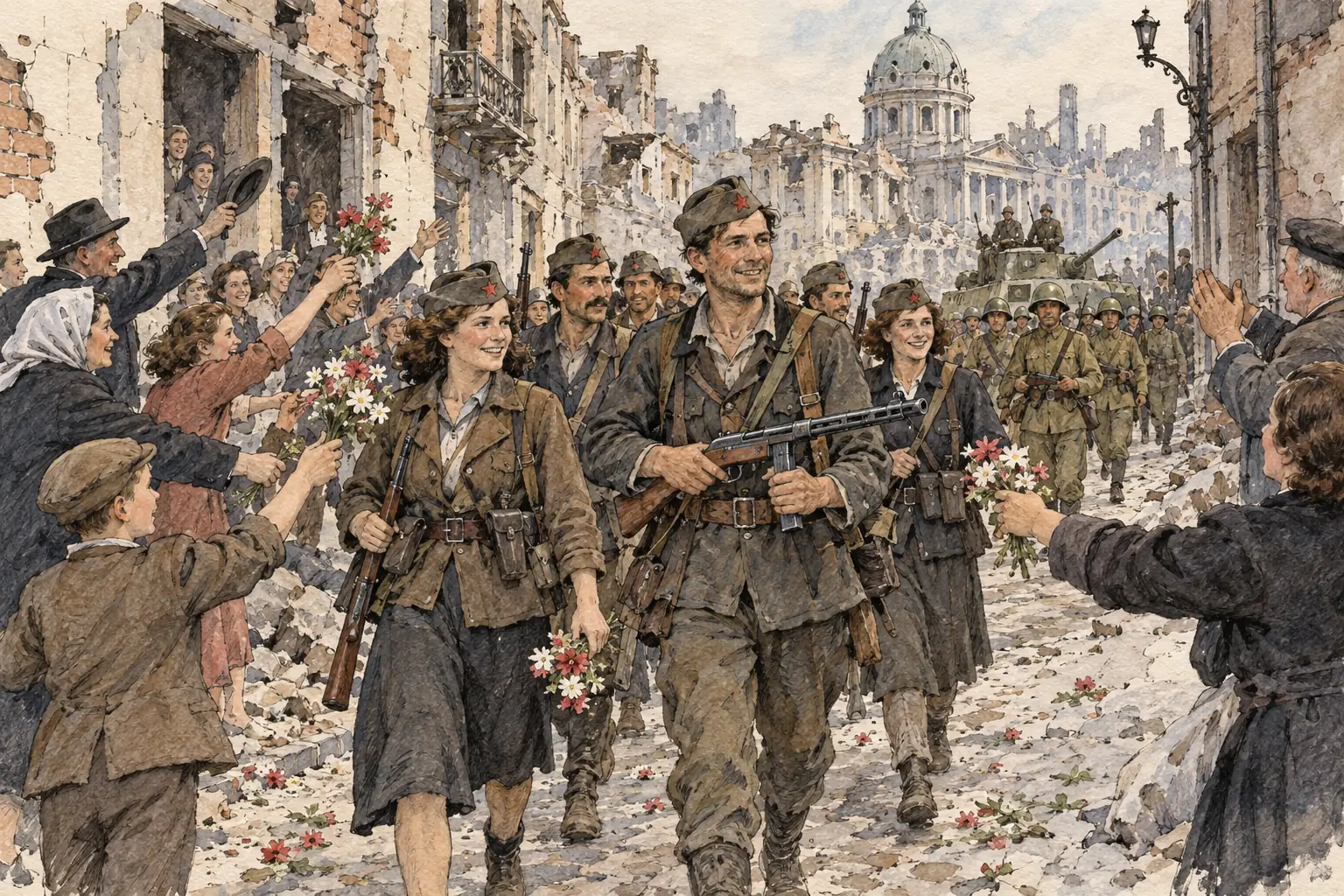
Unlike other Eastern European states, Yugoslavia charted an independent course under Josip Broz Tito, resisting full Soviet domination while maintaining a communist system. This divergence highlighted tensions within the communist bloc.
Features of Yugoslavia's independent communism
- Break from Soviet control - In 1948, Tito rejected Stalin's interference, leading to Yugoslavia's expulsion from the Cominform and economic blockade.
- Non-aligned policies - Tito pursued a unique socialist model with worker self-management and balanced relations with both East and West.
- Resistance to domination - Strong wartime partisan networks enabled independence, avoiding the buffer zone fate of neighbours.
Western reactions and deepening mistrust
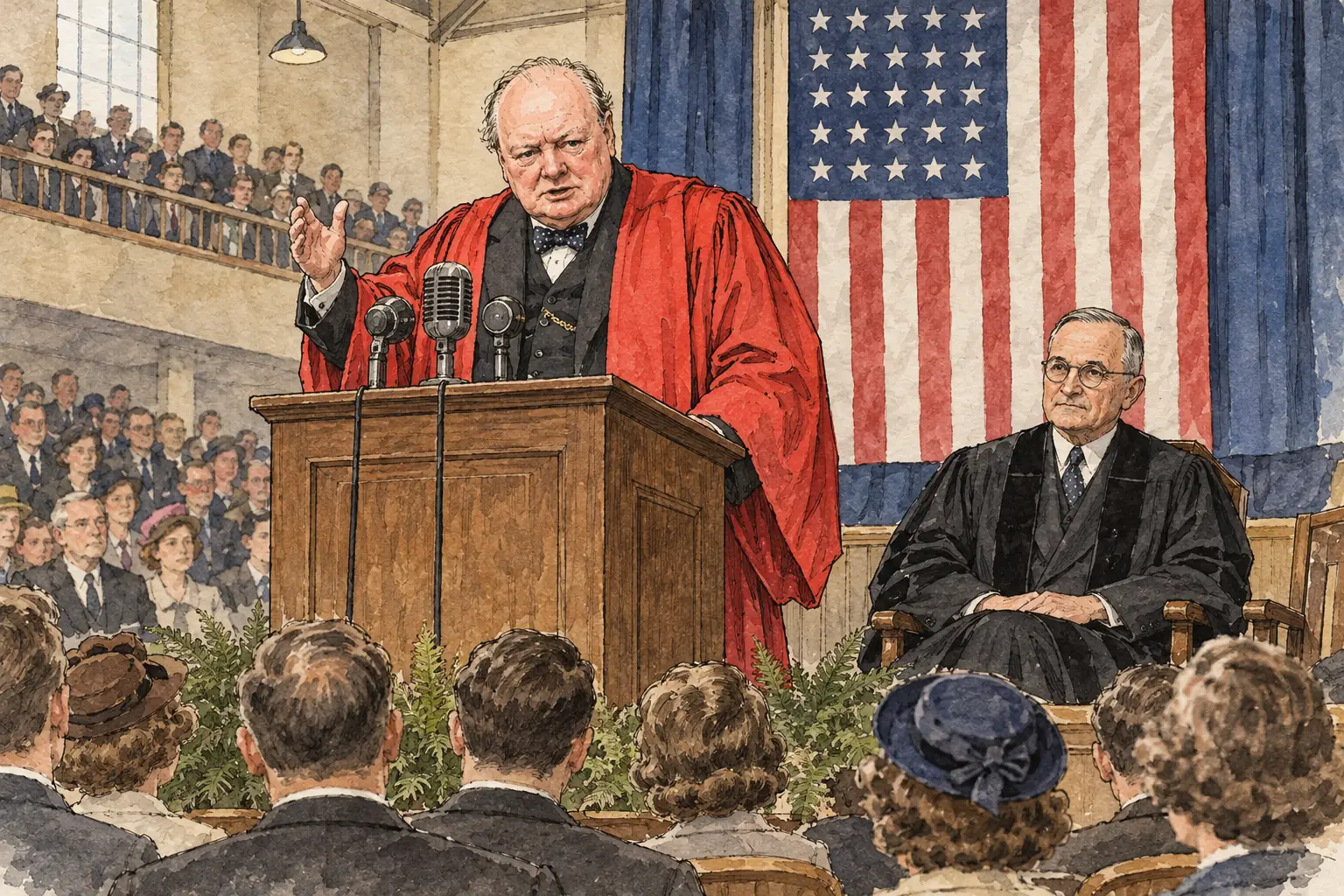
The West viewed Soviet actions in Eastern Europe with alarm, interpreting them as aggressive expansion rather than defensive measures. This perception fuelled early Cold War divisions and mutual suspicion.
Western responses to Soviet expansion
- Initial protests - The United States and Britain condemned rigged elections and coups, seeing them as violations of wartime agreements like Yalta.
- Policy shifts - Events prompted the Truman Doctrine in 1947, pledging support for nations resisting communism, and the Marshall Plan to bolster Western economies.
- Deepened mistrust - Western leaders believed Stalin aimed for broader domination, eroding post-war cooperation and accelerating the division of Europe into opposing blocs.