1.3 - Origins Of Parliament: De Montfort & Henry III
Key facts and dates
The conflicts between King Henry III and his barons in the 13th century laid the groundwork for more representative governance in England, challenging absolute royal authority. These tensions, amplified by Simon de Montfort's leadership, built on earlier reforms like Magna Carta and highlighted the evolving relationship between monarchs and their nobles.
Timeline of key events
- 1215 – Magna Carta signed, establishing principles for limiting royal power and influencing later baronial demands.
- 1236 – Simon de Montfort marries Eleanor, sister of Henry III, strengthening his ties to the English court.
- 1240s–1250s – Henry's costly foreign policies, including attempts to claim Sicily for his son, spark baronial unrest through heavy taxation.
- 1252 – De Montfort leads an inquiry into royal administration in Gascony, exposing mismanagement and elevating his status among critics.
- 1258 – Provisions of Oxford imposed by barons, forcing Henry to accept a council that included broader representation.
- 1264 – Battle of Lewes, where de Montfort defeats Henry, leading to a parliament with knights and burgesses.
- 1265 – De Montfort's parliament meets, marking an early step towards more inclusive governance.
Disputes between King Henry III and his barons
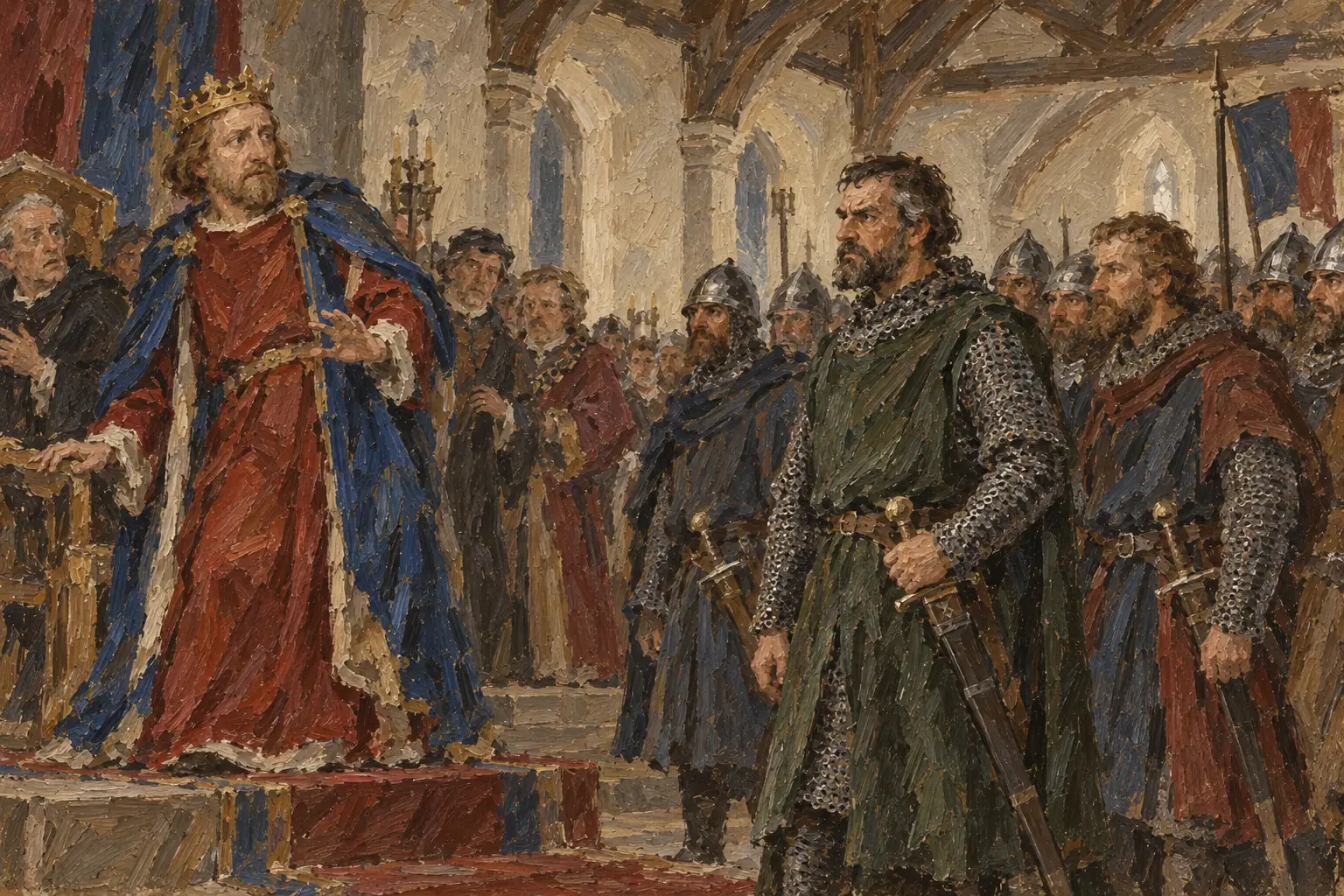
In the 13th century, growing tensions between King Henry III and his leading nobles created pressure for a more inclusive system of advice and decision-making. These conflicts arose from Henry's absolutist style, which clashed with the barons' desire for greater influence over royal policies.
Factors leading to baronial unrest
- Challenges to royal authority - Barons sought to limit the king's unchecked power, pushing for a council that represented their interests more effectively.
- Demand for representation - Disputes highlighted the need for broader input in governance, moving beyond the king's inner circle to include nobles and eventually other groups.
- Communication and ideas - The spread of reformist ideas through baronial networks fostered collective action against perceived royal overreach.
Simon de Montfort's background and rise

Simon de Montfort, originally a French nobleman, became a central figure in English politics through his connections and evolving opposition to the king. His journey from royal insider to reform leader exemplified how personal ambition and circumstances could drive political change.
De Montfort's path to prominence
- Early background - Born in France around 1208, de Montfort inherited claims to English lands and moved to England in the 1230s, initially serving Henry III loyally.
- Marriage and court ties - In 1236, he wed Eleanor, Henry's widowed sister, which integrated him into the royal family but also sparked resentment among other nobles due to the match's irregularity.
- Shift to opposition - Starting as a royal servant, de Montfort grew disillusioned with Henry's policies, emerging by the 1250s as a leader of barons seeking reforms, using his charisma and military skills to rally support.
Baronial grievances and expectations of kingship
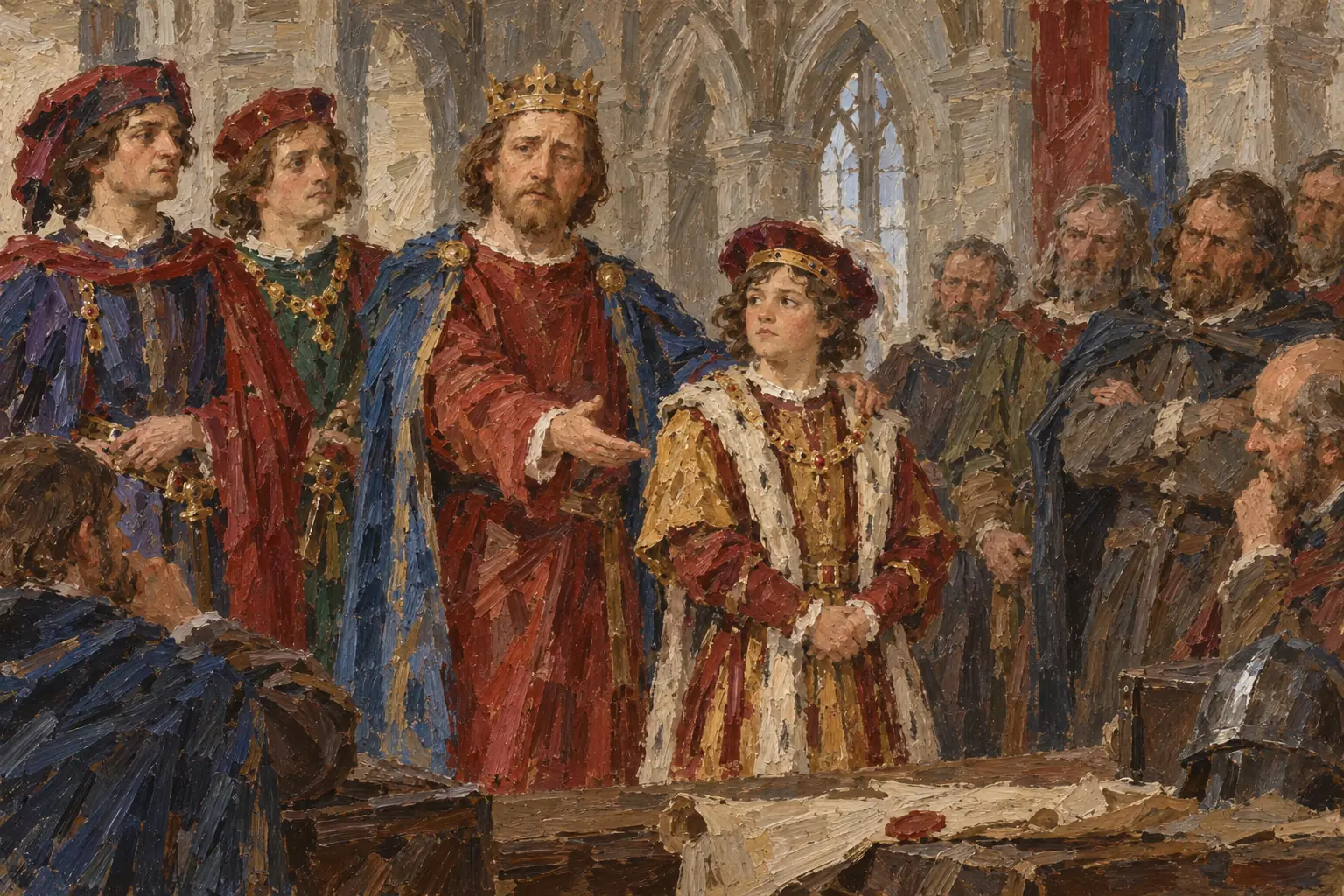
The barons' dissatisfaction with Henry III stemmed from specific royal actions that violated traditional expectations of kingship, where monarchs were meant to rule justly, consult nobles, and manage finances responsibly. These issues united the nobility in demanding change.
Main baronial complaints
- Royal favourites and patronage - Henry favoured foreign relatives and courtiers, granting them lands and positions, which alienated English barons who felt sidelined.
- Extraordinary taxation - Heavy taxes were imposed to fund ambitious projects, straining baronial resources without their consent.
- Costly foreign policies - Henry's attempts to secure Sicily for his son and other overseas ventures drained the treasury, seen as wasteful and irrelevant to English interests.
- King's appointments - Arbitrary choices in officials and advisors ignored baronial advice, breaching the medieval ideal of collaborative rule.
The Gascony inquiry and de Montfort's role
Personal rivalries and administrative failures further propelled de Montfort into a leadership position among the reformers. A key investigation into royal mismanagement abroad intensified these conflicts and boosted his influence.
Events surrounding the Gascony inquiry
- Inquiry details - In 1252, de Montfort was appointed to examine complaints about royal governance in Gascony, a French territory under English control, revealing corruption and inefficiency.
- Personal conflicts - Disputes with Henry over the inquiry's findings, including accusations of disloyalty, deepened de Montfort's rift with the king and aligned him with other aggrieved barons.
- Rise in status - These experiences positioned de Montfort as a champion of accountability, enhancing his role in the broader movement for reform.
Magna Carta and the role of individuals
The legacy of earlier reforms like Magna Carta provided a foundation for the barons' demands, while de Montfort's personal decisions accelerated the push towards representative governance. This period underscores how key figures can shape historical developments.
Legacy of Magna Carta
- Principles of limitation - Issued in 1215, Magna Carta set precedents for restricting royal power, such as requiring consent for taxes, which barons invoked against Henry III.
- Inspiration for reform - It served as a reference point for demanding councils and fairer governance, linking past grievances to current disputes.
Role of individuals in catalysing change
- De Montfort's impact - Through his leadership and choices, such as convening the 1265 parliament with wider representation, de Montfort directed events towards more inclusive structures.
- Broader factors - While government systems, ideas about kingship, and communication networks were crucial, individuals like de Montfort accelerated change that might have progressed more slowly otherwise.