2.1 - Depression's Impact on Workers, Farmers & Business
Key facts and dates
The Great Depression, triggered by the 1929 Wall Street Crash, profoundly affected American workers, farmers, and businesses, leading to widespread economic hardship and social upheaval. This timeline outlines the major events that highlighted the downturn's impact, from immediate financial collapse to prolonged agricultural and industrial crises.
Timeline of key events
- 1929 – Wall Street Crash causes stock market collapse, sparking factory closures and mass unemployment.
- 1930 – Unemployment reaches 8.7 million, with wage cuts and breadlines becoming common in urban areas.
- 1931 – Farm prices plummet due to overproduction, leading to widespread foreclosures on rural properties.
- 1932 – Bonus Army march in Washington highlights veterans' struggles; Hoovervilles emerge as makeshift homeless settlements.
- 1933 – Dust Bowl begins in the Great Plains, exacerbating farmers' environmental and economic woes.
- 1934 – Peak of farm foreclosures, with over 200,000 farms lost amid falling prices and soil erosion.
Impact on workers and businesses
Image 1 of 3: Crowds gathered outside the New York Stock Exchange as share prices collapsed in October 1929, ruining many investors
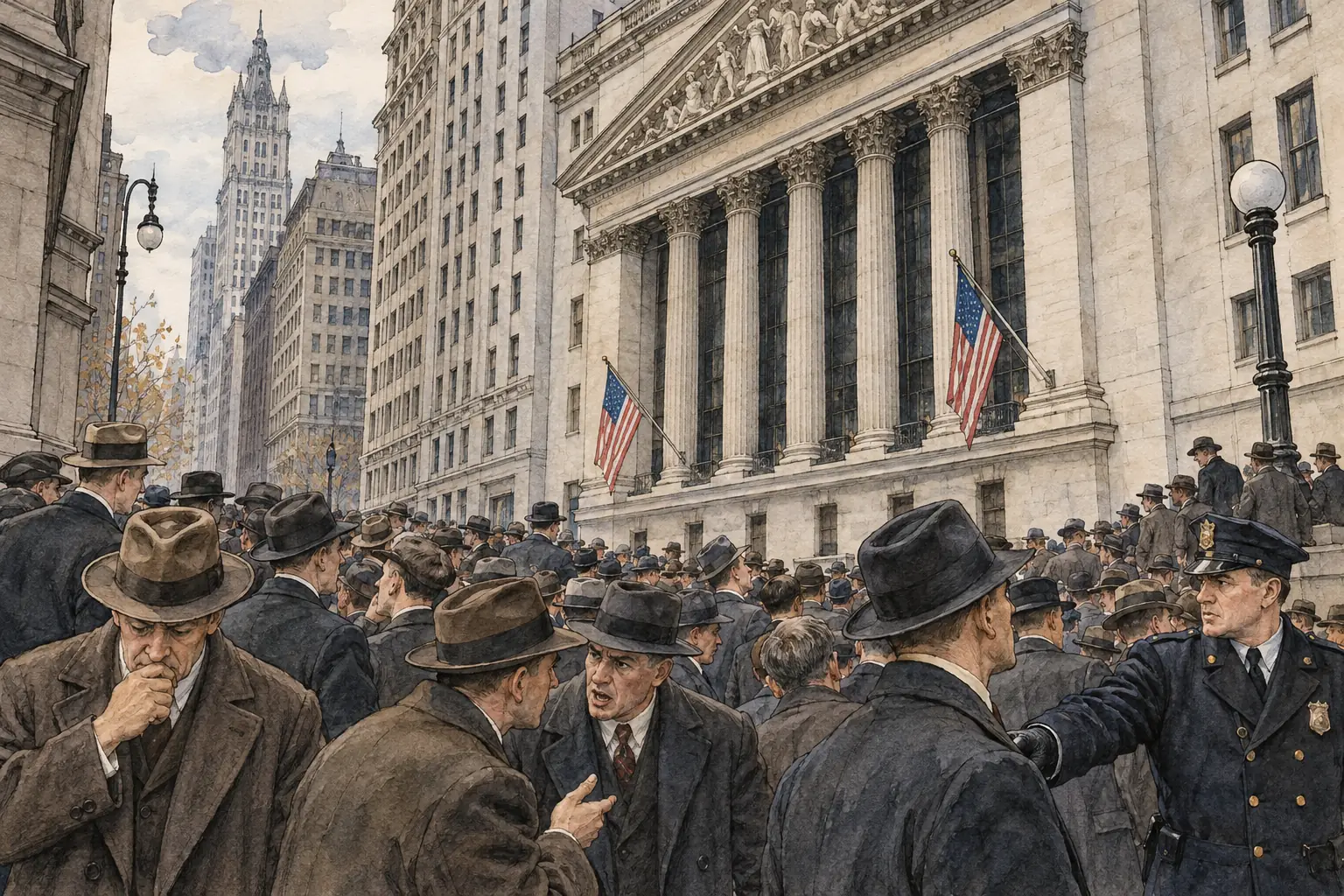
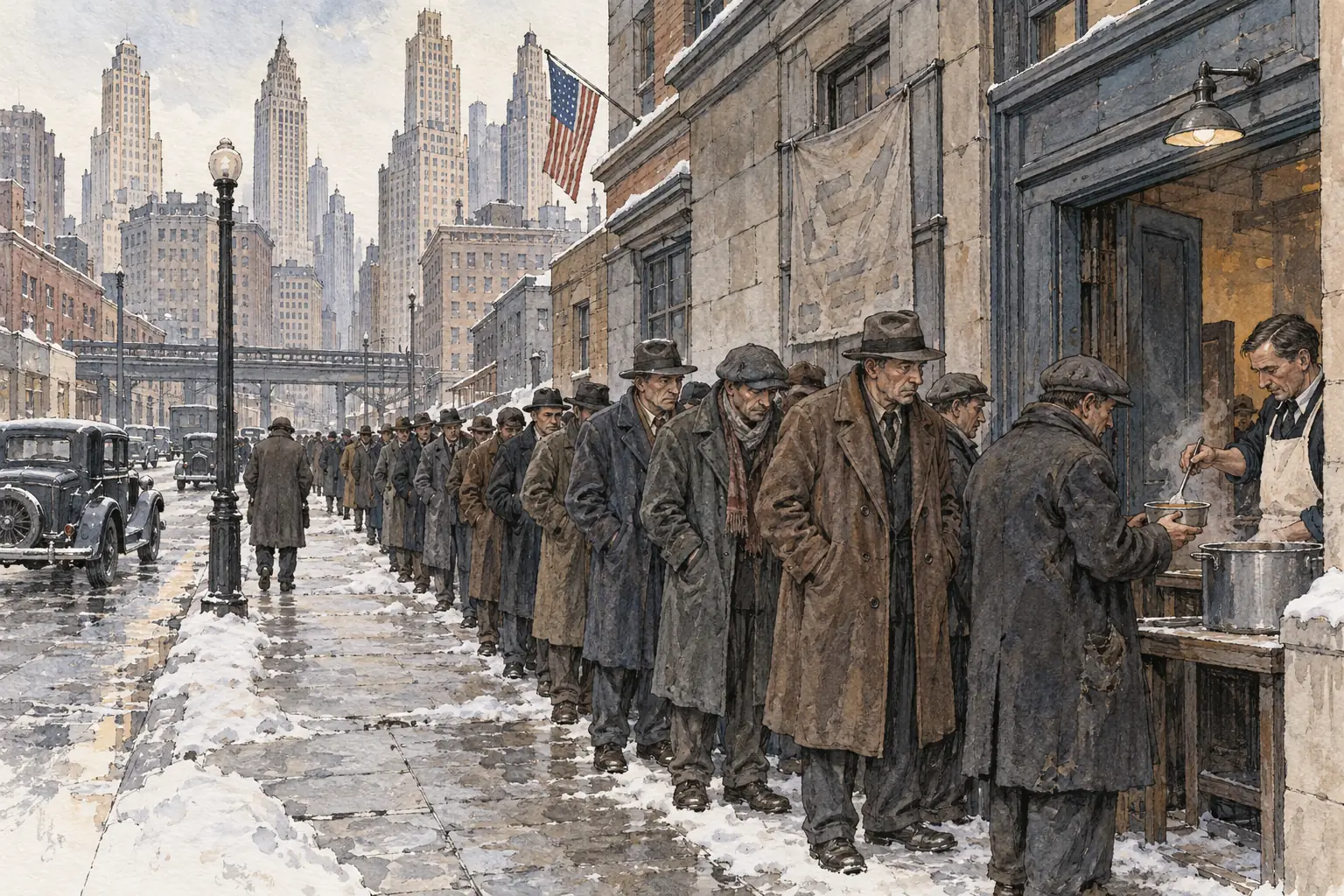
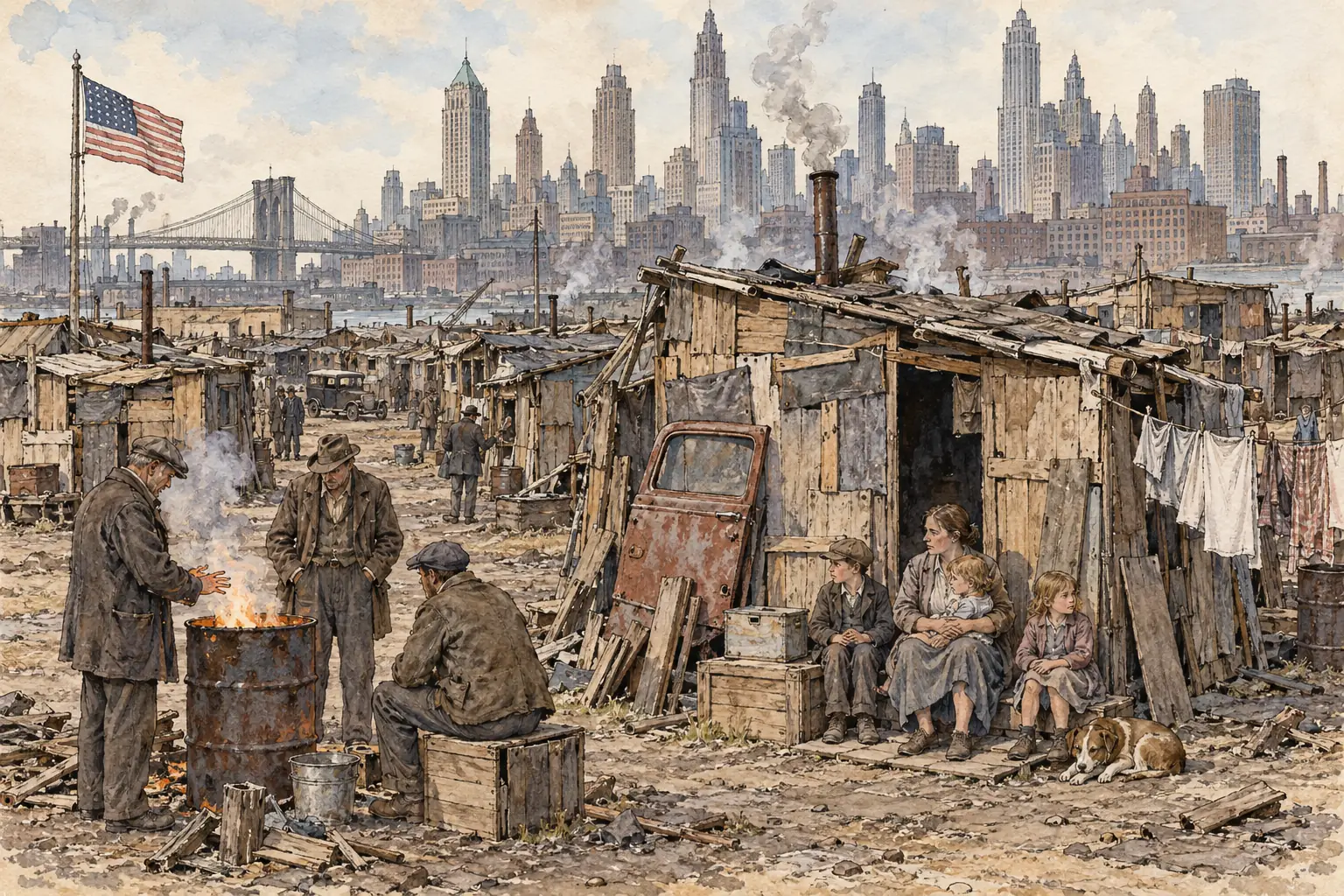
The Wall Street Crash of 1929 triggered immediate economic turmoil, leading to widespread factory closures and business failures across the United States. This downturn exposed vulnerabilities in the industrial sector, resulting in severe hardships for everyday workers.
Everyday experiences of workers during the Depression
- Factory closures and mass unemployment - Many businesses shut down due to falling demand, leaving millions without jobs; by 1933, unemployment affected around 25% of the workforce.
- Wage cuts - Surviving companies reduced pay to cut costs, forcing workers to accept lower earnings or face redundancy.
- Breadlines and Hoovervilles - Urban poverty led to long queues for free food at soup kitchens, known as breadlines, while homeless individuals built shanty towns named Hoovervilles in mockery of President Hoover's perceived inaction.
The farm crisis during the Great Depression
Image 1 of 2: After years of drought, huge dust storms swept the southern Great Plains in the mid-1930s and blew away the topsoil
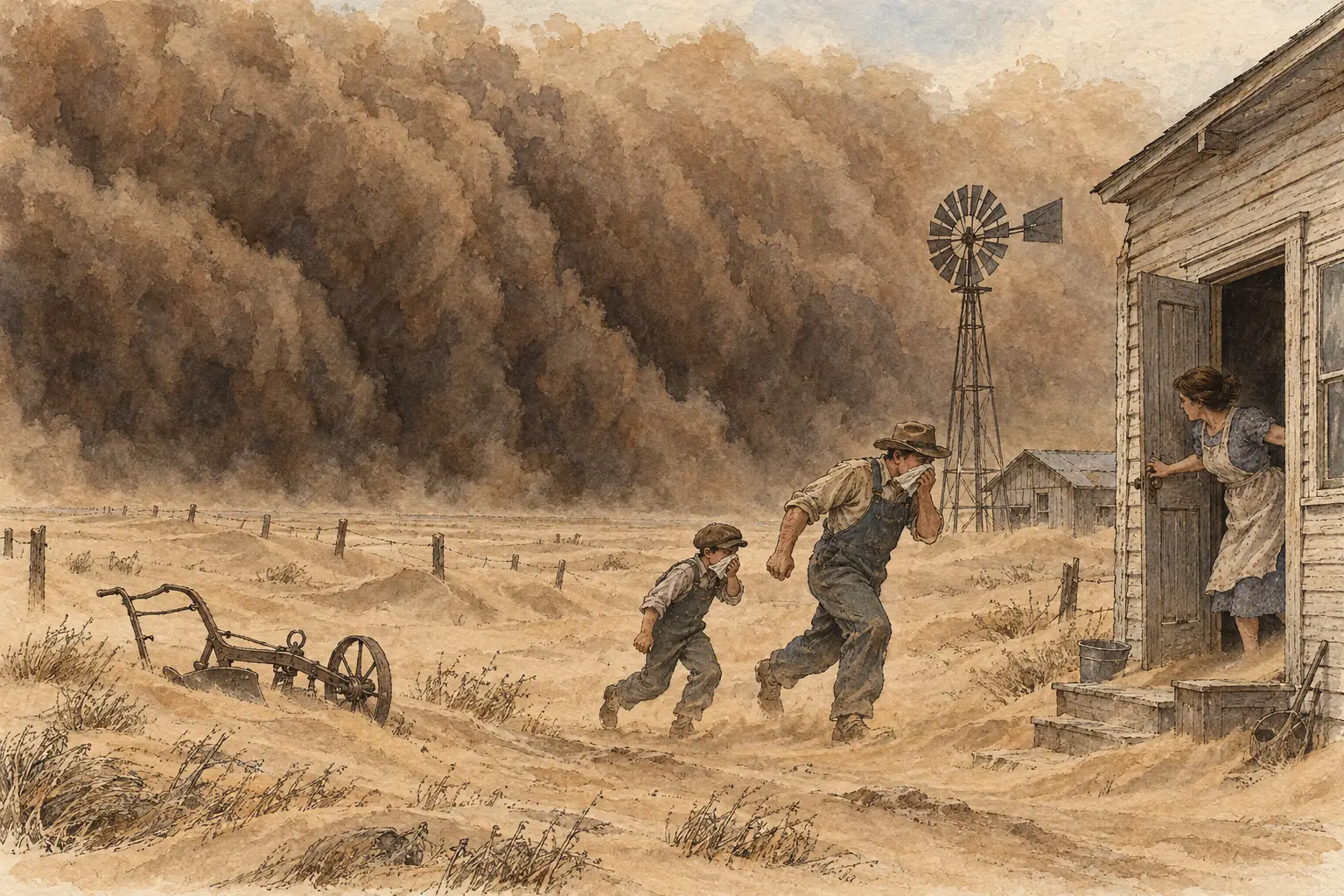
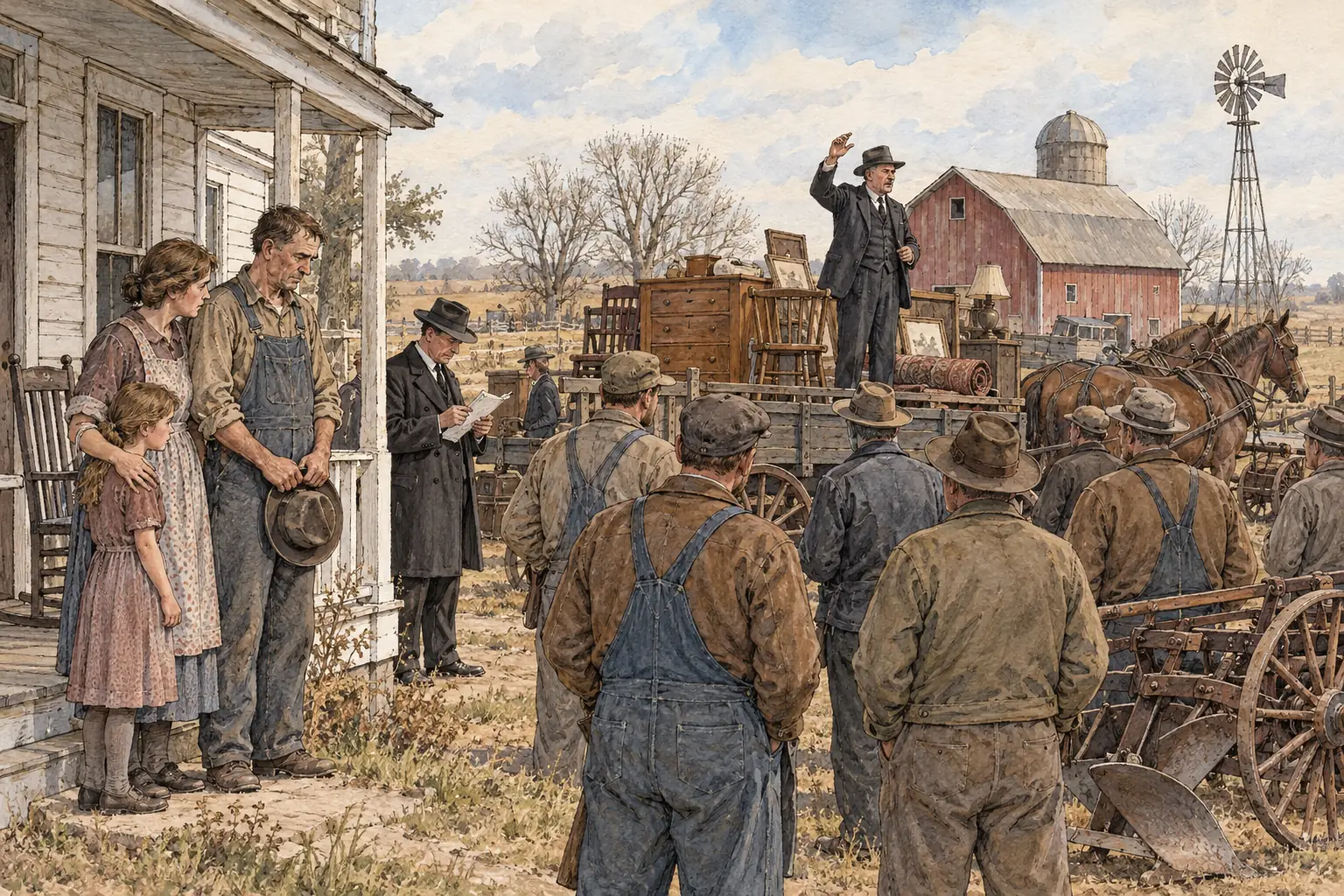
American farmers faced a devastating combination of economic and environmental challenges in the 1930s, which compounded the effects of the broader depression. Overproduction and market imbalances created a cycle of declining incomes and property losses.
Key elements of the farm crisis
- Overproduction and falling prices - Surplus crops flooded markets, driving down prices and leaving farmers unable to cover costs or repay loans.
- Foreclosures - Banks seized farms when debts could not be paid, displacing thousands of rural families.
- Environmental strain - Intensive farming practices led to soil erosion, culminating in the Dust Bowl, where dust storms destroyed topsoil and made land unproductive.
Effects on African American and immigrant workers
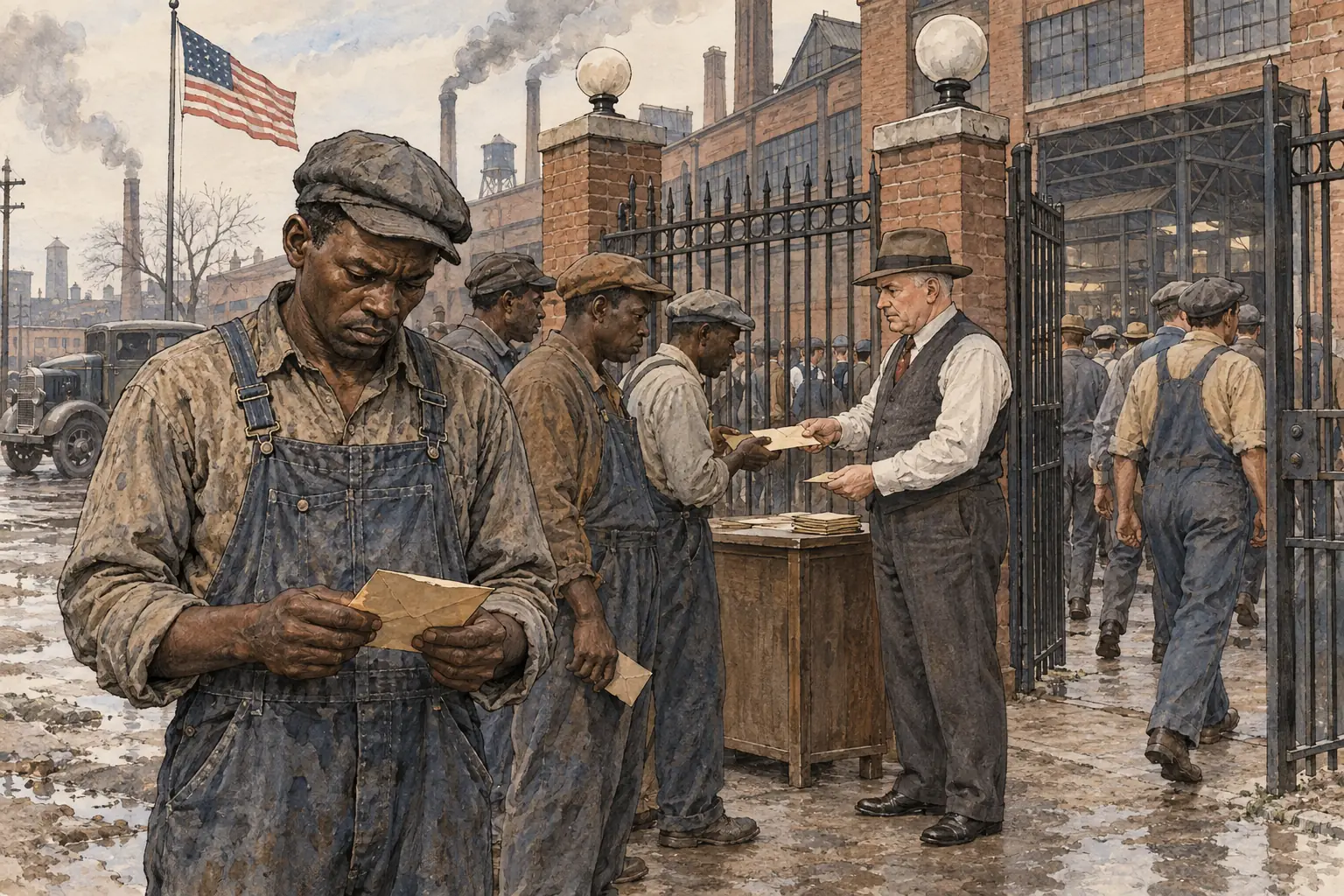
Marginalised groups, including African American and immigrant workers, bore the brunt of the Depression's hardships, often being the first to lose jobs due to discrimination and economic priorities. This deepened existing inequalities in the labour market.
Challenges faced by marginalised workers
- First in layoffs - Employers prioritised white American workers, leading to higher unemployment rates among African Americans and immigrants; for example, African American unemployment reached 50% in some areas.
- Limited access to aid - Discrimination restricted these groups from relief programmes, exacerbating poverty and forcing many into low-wage, unstable work.
- Social and economic exclusion - Immigrants faced deportation risks, while African Americans encountered barriers in urban job markets, intensifying racial tensions.
Regional differences and family adaptations
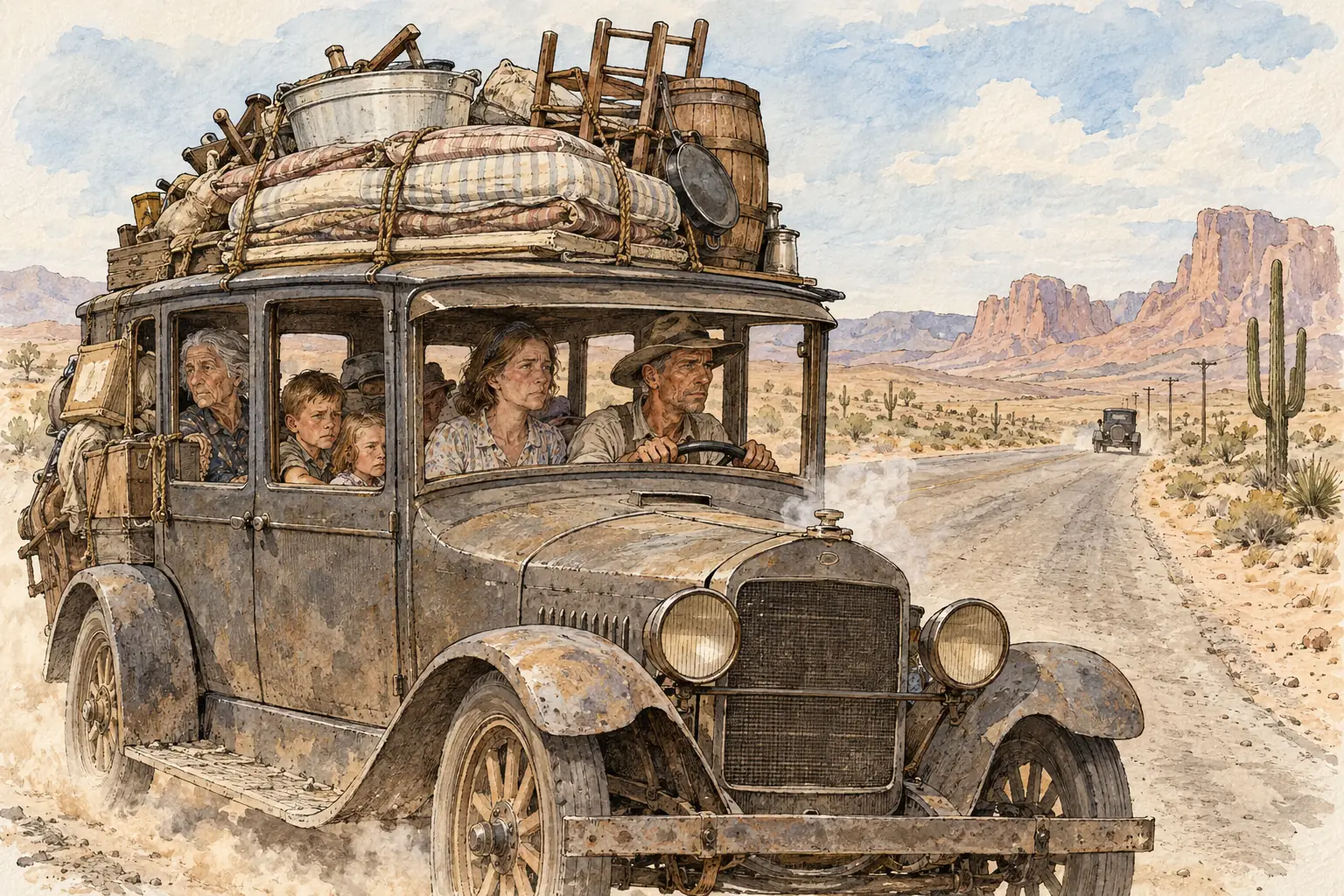
The Depression's impact varied by region, with industrial cities and rural areas experiencing distinct challenges. Families developed coping strategies to survive, drawing on community support and mobility.
Variations across regions and adaptation strategies
- Regional contrasts - Urban industrial areas like Detroit saw factory shutdowns and high unemployment, while rural Midwest regions grappled with farm failures and dust storms; Southern states faced additional issues from sharecropping collapses.
- Migration - Many families relocated in search of work, such as the westward movement of 'Okies' from Dust Bowl states to California.
- Informal work and mutual aid - People turned to bartering, odd jobs, or family-run enterprises; communities organised mutual support networks for sharing resources and food.
Short-term shocks vs long-term weaknesses
The Great Depression involved immediate economic jolts that revealed deeper, underlying flaws in the American economy. Distinguishing these helps explain the crisis's duration and severity.
Distinctions between short-term and long-term factors
- Short-term shocks - Events like the 1929 Crash caused sudden bank failures and stock losses, leading to immediate unemployment and business collapses.
- Long-term structural weaknesses - Pre-existing issues, such as uneven wealth distribution, overreliance on credit, and agricultural overproduction, were exposed and prolonged the downturn.
- Combined effects - While short-term events triggered the crisis, structural problems like weak banking regulations and lack of social safety nets sustained widespread hardship for over a decade.